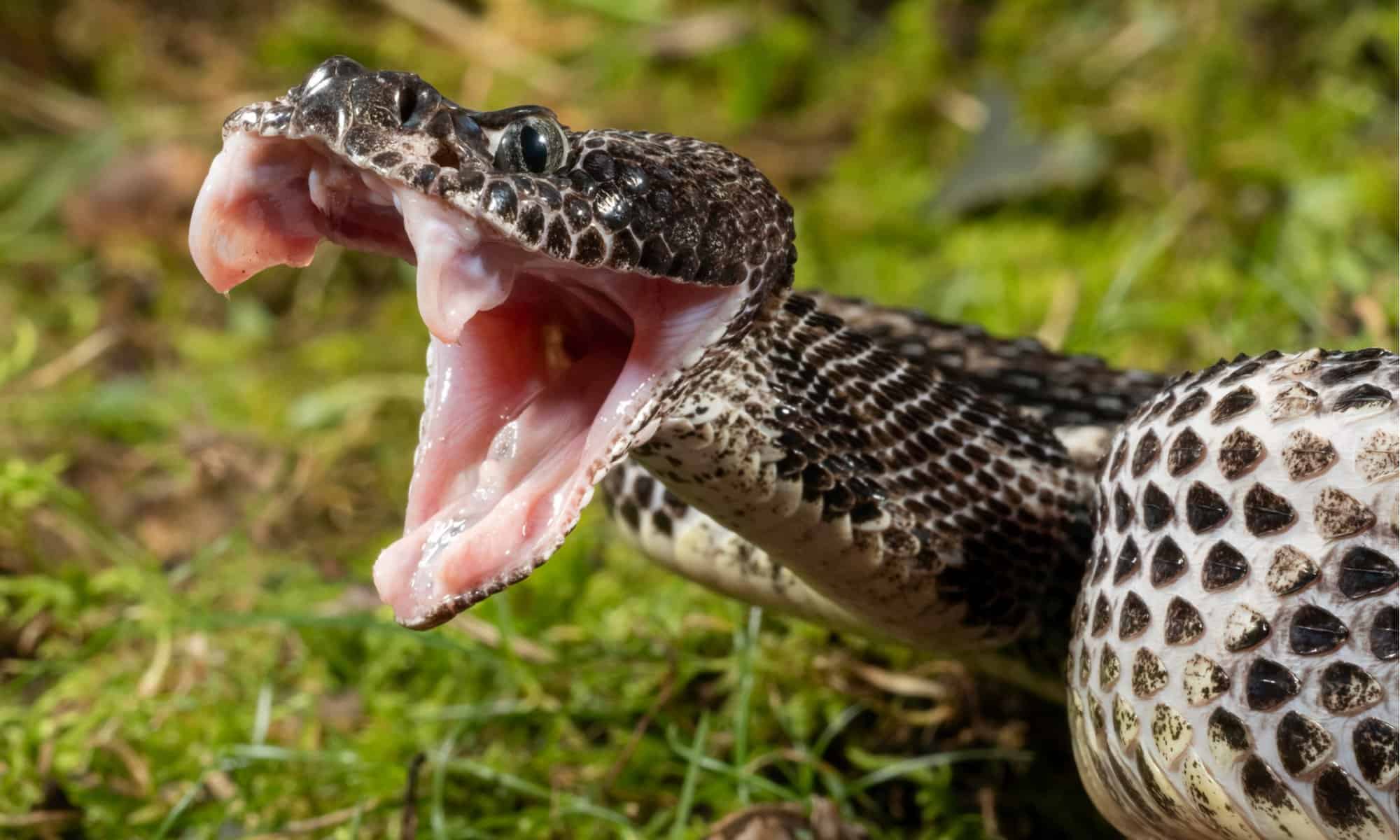

Quick Take
- Pennsylvania actually has a rattlesnake hunting season, and the reason it exists will surprise you. See how the hunt works →
- There's a specific window each summer when your odds of crossing paths with a rattlesnake spike dramatically. Check the peak activity window →
- Climate change is rewriting the rules for when rattlesnakes are actually dangerous in Pennsylvania, and the shift cuts both ways. See how climate is shifting activity →
- A warm late-winter day can set off a chain of events that kills a rattlesnake before spring even arrives. Learn about winter survival risks →
There are between 32 and 50 recognized species of rattlesnakes, divided among approximately 65 to 70 subspecies. While they can be found from Southern Canada to Central Argentina, the vast majority of rattlesnakes are concentrated in the arid deserts of the Southwestern United States and Mexico. Pennsylvania is home to two species of rattlesnakes, the timber rattlesnake (Crotalus horridus) and the Eastern massasauga rattlesnake (Sistrurus catenatus). The more common species, the timber rattlesnake, lives across the mountainous central and northern regions and is rarely spotted in the far southeast and far northwest corners of the state. The Eastern massasauga rattlesnake is less common and is found exclusively in a few small, scattered pockets in west-central Pennsylvania. Continue reading to learn when these snakes are most active in Pennsylvania and how climate change is affecting their activity.
When are Rattlesnakes Most Active in Pennsylvania?
Although rattlesnakes in Pennsylvania are active from April through October, they are most active during the summer mating season, which lasts from mid-July through early to mid-September. During this peak mating season, male rattlesnakes are highly active and will travel long distances in search of receptive females, making encounters with humans more common.
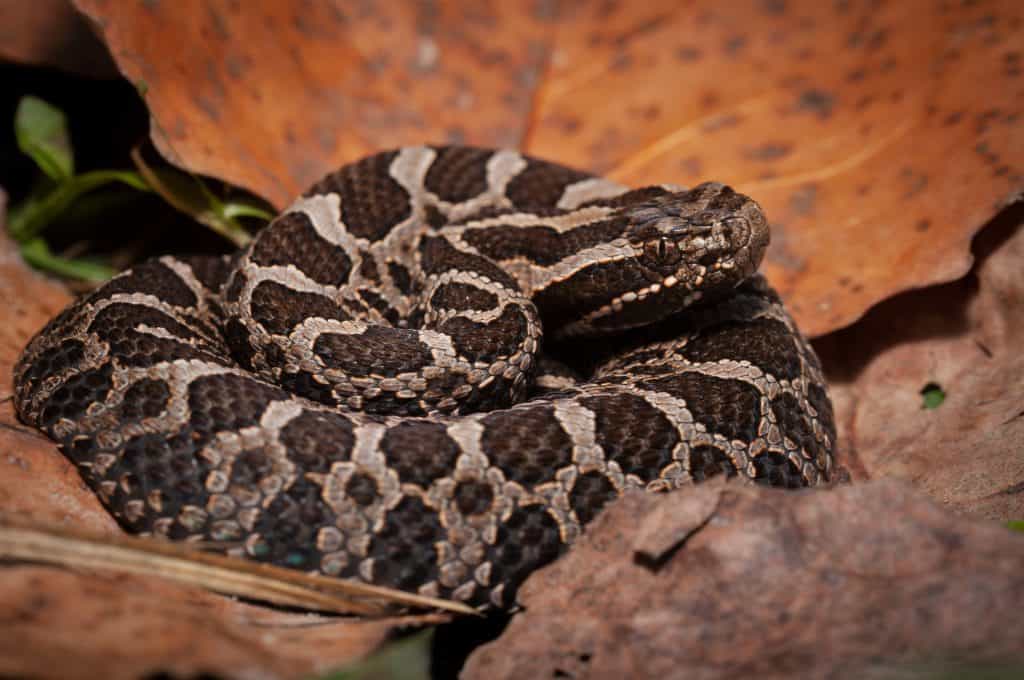
The Eastern massasauga rattlesnake is classified as an endangered species in Pennsylvania.
©Mike Wilhelm/Shutterstock.com
Because rattlesnakes are ectothermic (cold-blooded), their activity levels depend entirely on environmental temperatures. Climate change is shifting these baselines by expanding their active season and shortening their time in brumation.
When do Rattlesnakes Brumate in Pennsylvania?
Climate change is significantly altering the brumation cycles of Pennsylvania’s rattlesnakes, shortening their winter dormancy and shifting their seasonal timelines. Warmer late-winter temperatures are prompting snakes to emerge weeks earlier than normal, while warmer autumn weather is allowing them to remain active through mid-November.
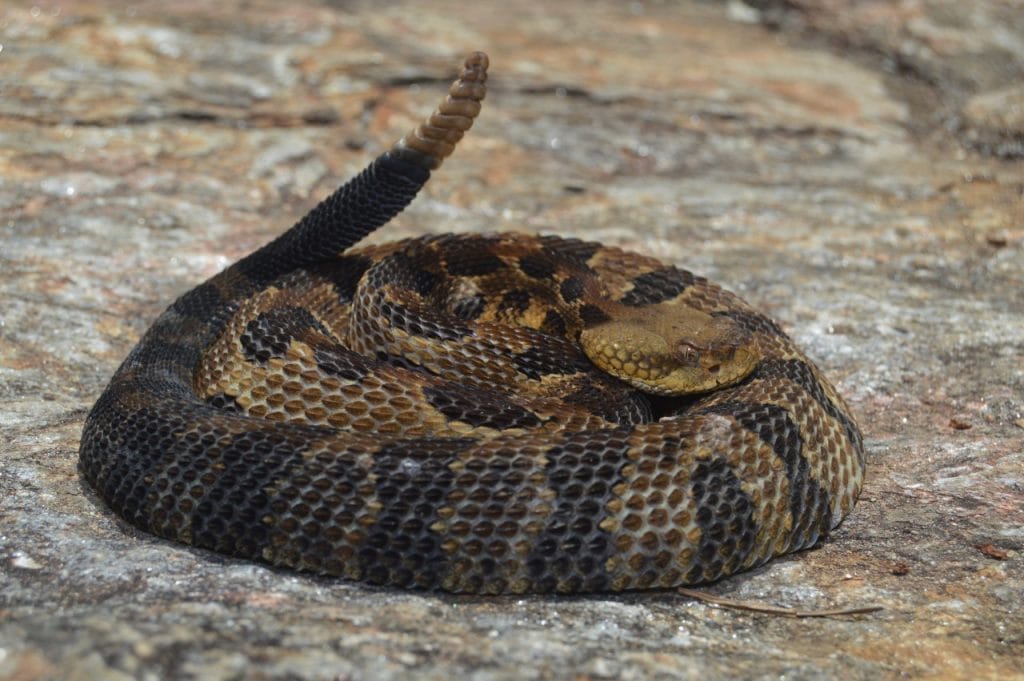
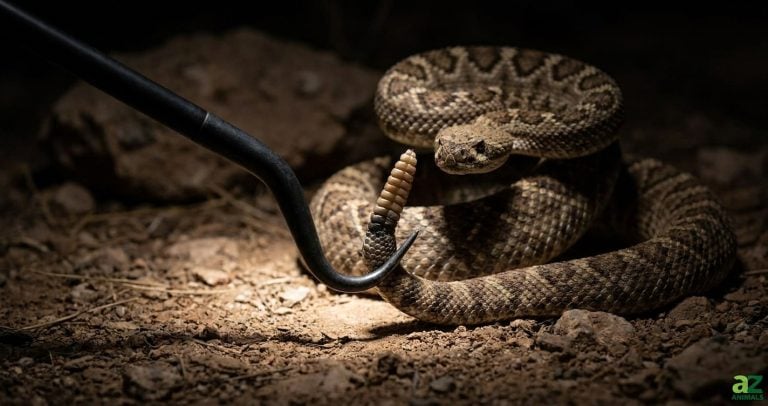
The timber rattlesnake is by far the more common of the two rattlesnake species found in Pennsylvania.
©Thomas Reed
Weather instability is the greatest direct threat to brumating rattlesnakes. Unusually warm weather in late winter can trick a rattlesnake into leaving its den too early. f a cold snap follows, the snake may succumb to the elements before it can return to its den.
Is There a Hunting Season for Rattlesnakes in Pennsylvania?
Although the Eastern massasauga rattlesnake is a protected species in Pennsylvania, the state does have a timber rattlesnake hunting season, which runs from the second Saturday in June through the last day of July.
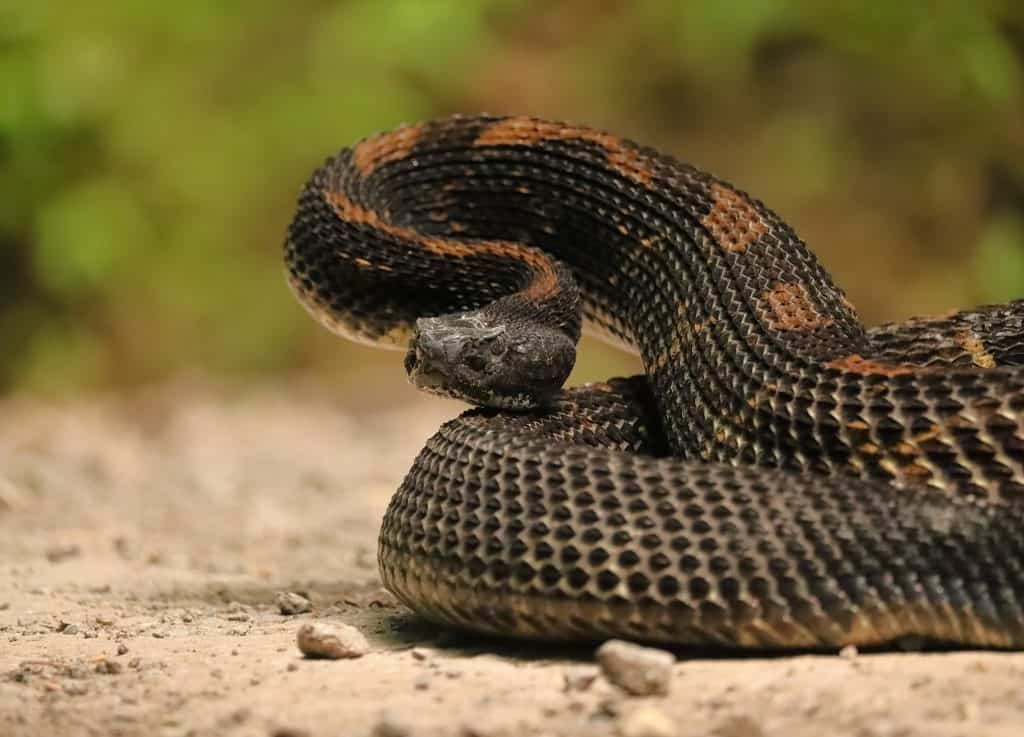
Timber rattlesnakes are not aggressive and will avoid contact with humans if possible.
©onewildlifer/Shutterstock.com
Hunters are required to have a fishing license and a venomous snake permit. Permit holders are allowed to harvest one snake per year. Only male snakes are eligible, and they must be at least 42 inches long. Counterintuitively, the hunt is designed to protect the timber rattlesnake.
The hunt is focused on producing data and increasing public awareness. Many of the snakes are captured, measured, documented, and tagged before being released back into their habitat.