Animal Habitats

Wetland

Transitional areas between land and water with waterlogged soils
1,780 Animals
1/75 Page
Overview

Understanding This Category

A wetland is a habitat where water occurs at or near the land surface for part or all of the year, producing saturated soils (or shallow standing water) and supporting vegetation adapted to low-oxygen, waterlogged conditions. Wetlands form at the interface of terrestrial and aquatic systems and include freshwater, brackish, and saline types.

Wetlands are places where water often soaks or covers the ground, making low-oxygen soils. They host plants like sedges, rushes, reeds, water lilies, mangroves, and swamp forests and include pools, emergent plants, and seasonally flooded flats. Wetlands are very productive, serve as nurseries, store carbon (peat, fens), trap sediments, reduce floods, and filter water.

Key Characteristics

Water-saturated soils or shallow standing water for part/all of the year (distinct hydroperiod)
Hydric soils with low oxygen, often showing peat accumulation or gleyed/anaerobic conditions
Hydrophytic (water-tolerant) vegetation such as emergent macrophytes, wetland shrubs/trees, or floating plants
High productivity and strong nutrient/organic-matter cycling, often detritus-based food webs
Strong ecotone function-interfaces between land and water; pronounced spatial mosaics and edge effects
Important habitat for aquatic and semi-aquatic fauna, including migratory birds and amphibians
Natural water storage, flood attenuation, sediment trapping, and water filtration capacity
In some types (bogs/peatlands), long-term carbon storage and peat formation
Environment

Environmental Conditions

Climate

Temperature Range
-50°°C to 35°°C
Precipitation
Moderate to high; typically sustained by seasonal rainfall/snowmelt, groundwater discharge, and/or river flooding. Commonly ~500-3000+ mm/year depending on wetland type (bogs often in cooler/wetter regions; mangroves in warm, rainy coastal zones). Water balance must allow frequent/continuous soil saturation.

Conditions

Variable: open-canopy marshes and salt marshes typically full sun; forested swamps often partial shade; water turbidity and tannins can reduce underwater light. Seasonal shading from emergent vegetation common.

Water at/near surface for weeks to year-round; hydrology varies by type. Marshes/swamps: shallow standing or slow-moving freshwater; floodplain wetlands: seasonal overbank flooding; bogs: rain-fed, low-nutrient, often acidic, minimal flow; mangroves/salt marshes: tidally influenced brackish to saline water. Currents generally low except in riverine/flood-pulse systems; tidal channels can have moderate currents. Salinity ranges from fresh (0-0.5 PSU) to brackish (0.5-30 PSU) to saline (30-40 PSU) in coastal wetlands; often variable with tides, storms, and river input.

Ecology

Ecological Community

Biodiversity Level

High - wetlands typically support high species richness and productivity because they create many microhabitats (open water, emergent vegetation, mudflats, forested edges) and link aquatic and terrestrial food webs; they also serve as breeding/nursery areas and migration stopovers. Diversity can be lower in harsh subtypes (e.g., highly acidic bogs or very saline wetlands), but overall wetlands are among the most biodiversity-supporting habitats.

Flora

  • Emergent macrophytes (marsh grasses/sedges/rushes)
  • Floating-leaved plants
  • Submerged aquatic vegetation
  • Shrubs and trees (in swamps)
  • Mosses and peat-formers (in bogs/fens)
  • Halophytic plants (in coastal/mangrove wetlands)

Fauna

Ecosystem Services

  • Flood storage and flow regulation (reducing downstream flood peaks)
  • Water filtration and purification (sediment trapping; nutrient and pollutant uptake/processing)
  • Carbon sequestration and long-term storage (especially peat-forming wetlands)
  • Shoreline stabilization and erosion reduction (root binding; wave attenuation)
  • Nursery habitat for fish and invertebrates; breeding habitat for amphibians and waterbirds
  • Support for migratory birds (stopover feeding and resting habitat)
  • Groundwater recharge/discharge buffering (varies by wetland type)
  • Provisioning services: fisheries, reeds/thatched materials, wild foods (e.g., wild rice), and freshwater in some contexts
  • Cultural services: recreation, hunting/birdwatching, education, and aesthetic values
Conservation

Conservation Status

Globally degraded and in long-term decline; wetlands are among the most rapidly lost and fragmented ecosystems despite high value for biodiversity, water purification, and flood buffering. Many remaining wetlands are hydrologically altered, polluted, or ecologically simplified.

Very high: commonly estimated ~64% lost since 1900 (and up to ~87% since 1700, globally; losses vary strongly by region and wetland type). Lost
Declining Current Trend

Primary Threats

  • Drainage, infilling, conversion to cropland/pasture, and urban development reduce wetland area and connectivity.
  • Dams, levees, channelization, road/rail crossings, and water diversions alter flood regimes, sediment delivery, and groundwater, degrading wetland function.
  • Nutrient loading (eutrophication), pesticides, industrial effluents, heavy metals, salinization, and plastics reduce water quality and cause die-offs and hypoxia.
  • Over-extraction of surface and groundwater lowers water tables and shortens inundation periods, especially in inland wetlands.
  • Sea-level rise, altered precipitation, heatwaves, increased drought/flood extremes, and changing ice/snow dynamics shift hydroperiods and accelerate coastal wetland loss.
  • Invasive plants and animals (e.g., reeds, carp, predatory fish) alter vegetation structure, turbidity, food webs, and fire regimes.
  • Peat extraction, mining runoff/acid drainage, and forest clearing in catchments increase sedimentation, contamination, and hydrologic instability.
  • Disturbance from recreation/boats and shoreline use; overharvest of fish/shellfish in some wetland types (e.g., mangroves/estuaries) disrupts food webs.

Protection Efforts

  • Ramsar site designation and national protected-area expansion
  • Wetland zoning, no-net-loss policies, and mitigation hierarchy (avoid-minimize-restore-offset)
  • Environmental flow allocations and basin-scale water management
  • Pollution controls: nutrient management, wastewater treatment upgrades, pesticide regulation
  • Restoration: re-wetting/drain blocking, levee setbacks, floodplain reconnection, dam operation changes, sediment augmentation
  • Coastal protection: mangrove/saltmarsh restoration and living shorelines
  • Invasive species prevention, early detection, and control programs
  • Community-based management, sustainable fisheries, and Indigenous co-management
  • Monitoring using remote sensing and long-term ecological indicators (hydroperiod, vegetation, water quality)

Notable Protected Areas

Pantanal (Brazil; including protected areas within the wider wetland complex) Okavango Delta (Botswana) Everglades National Park (USA) Sundarbans (India/Bangladesh) Danube Delta Biosphere Reserve (Romania/Ukraine) Kakadu National Park (Australia) Donana National Park (Spain) Wadden Sea (Netherlands/Germany/Denmark) Banff-Bow Valley wetlands and surrounding protected landscapes (Canada; example of protected montane wetlands)

Restoration Potential

Moderate to high where hydrology can be restored (e.g., removing/setting back levees, re-wetting drained peatlands, reconnecting floodplains). Recovery can be rapid for some functions (water storage, nutrient retention), but full biodiversity and peat/soil carbon recovery can take decades; success depends on restoring natural flow regimes and reducing ongoing nutrient/toxic inputs.

Climate Vulnerability

High. Wetlands are tightly controlled by water balance and sea level; small shifts in precipitation, evapotranspiration, storm intensity, and sea-level rise can trigger large functional changes (drying, salinization, vegetation regime shifts). Peatlands are especially vulnerable to warming/drought-driven oxidation and fire, while coastal wetlands depend on sediment supply and space to migrate inland.

Human Impact

Human Interaction

Human Uses

  • Fishing and harvesting of aquatic foods (fish, crabs, shrimp, shellfish)
  • Collection of plant materials (reeds, rushes, mangrove wood) for thatch, mats, baskets, fuelwood, and construction
  • Agriculture and grazing on seasonally dry or drained wetland margins (rice paddies, pasture)
  • Water supply and groundwater recharge support; traditional small-scale water storage and irrigation buffering
  • Storm and flood risk reduction services used indirectly by downstream communities and infrastructure planning
  • Wastewater polishing and nutrient removal (natural or constructed wetlands used in treatment systems)
  • Education and scientific research (biodiversity monitoring, climate studies, restoration trials)

Impacts

  • Drainage and conversion for agriculture, aquaculture, and urban development leading to habitat loss and fragmentation
  • Hydrological alteration (dams, levees, channelization, groundwater pumping) reducing flooding cycles and changing salinity regimes
  • Pollution from nutrients, pesticides, heavy metals, oil, and plastics causing eutrophication and toxicity
  • Sedimentation and turbidity from upstream land clearing that smothers vegetation and alters channels
  • Overharvesting of fisheries and wetland plants; illegal hunting/poaching affecting key species
  • Invasive species introductions (plants, fish, invertebrates) displacing native communities
  • Mangrove clearing for coastal development and shrimp ponds increasing erosion and storm vulnerability
  • Climate change impacts: sea-level rise, saltwater intrusion, drought, altered storm patterns, and increased fire risk in peatlands; carbon loss from peat oxidation

Sustainable Practices

  • Protect and restore natural hydrology (reconnecting floodplains, removing/setting back levees, environmental flows, maintaining tidal exchange)
  • Establish buffers and manage catchments to reduce nutrient and sediment runoff (riparian zones, erosion control, nutrient management)
  • Wetland restoration and creation (replanting native vegetation, mangrove reforestation, peatland re-wetting, removing drainage tiles)
  • Sustainable fisheries management (seasonal closures, gear restrictions, nursery habitat protection, community co-management)
  • Use constructed wetlands and green infrastructure for stormwater and wastewater treatment while minimizing contamination risks
  • Invasive species prevention and rapid response (biosecurity, monitoring, targeted removal)
  • Conservation easements, protected areas, and Indigenous/community-led stewardship with clear tenure and enforcement
  • Fire management in peatlands and drought-prone wetlands; avoid peat extraction and promote re-wetting to reduce emissions
  • Climate adaptation planning (allowing landward migration corridors for coastal wetlands, living shorelines, sediment augmentation where appropriate)
Fun Facts

Did You Know?

Wetlands aren't always "wet" on the surface: Many are saturated underground while the surface looks dry part of the year-yet the soils still behave like a sponge.

Some wetlands make acid and preserve bodies: Bogs can be so acidic and oxygen-poor that they slow decomposition dramatically, preserving plant material (and occasionally "bog bodies") for centuries or longer.

"Mud" can be alive: In marshes, much of the ecosystem's productivity is in the detritus food web-dead plant material and microbes feeding insects, fish, and birds.

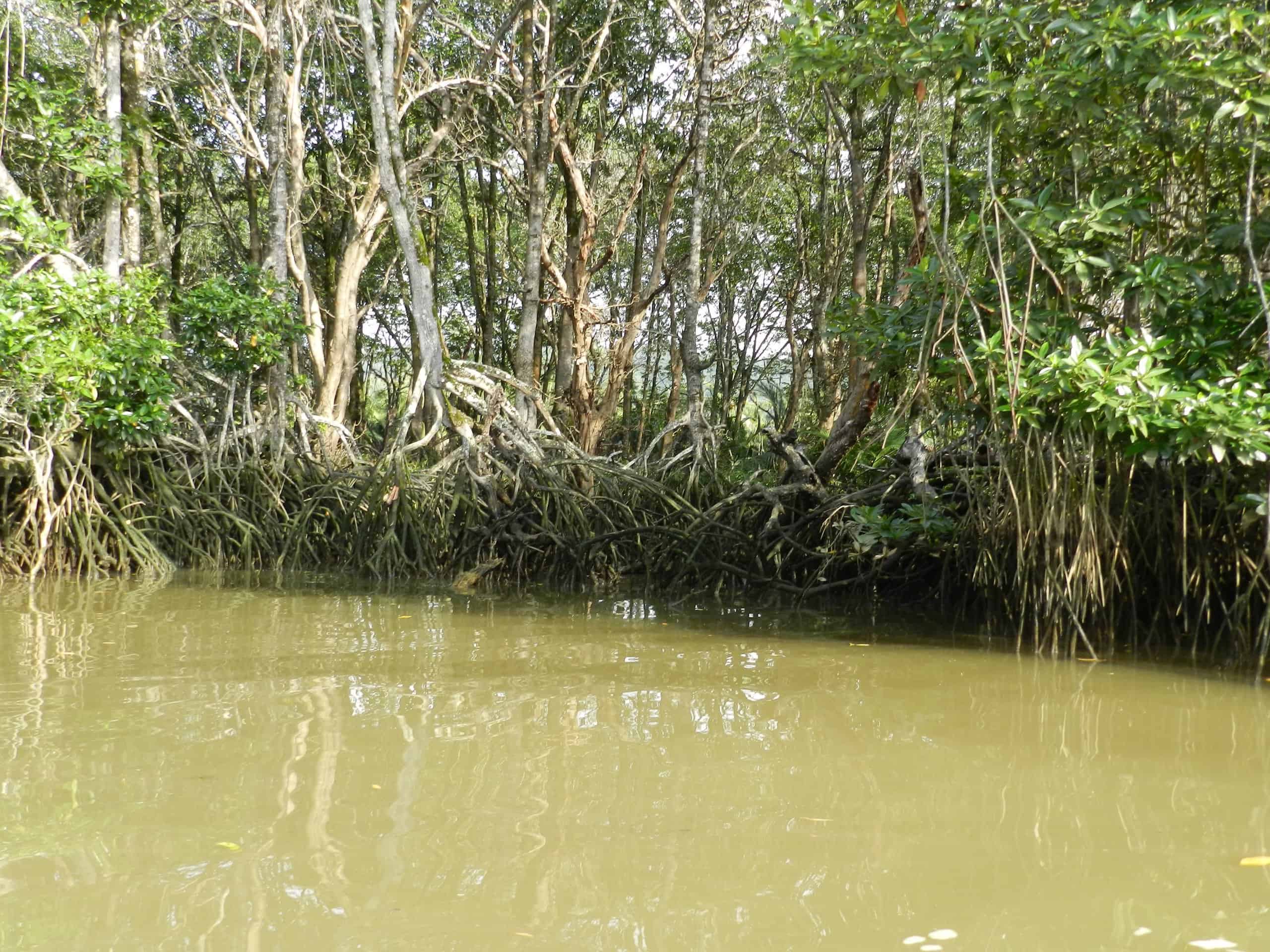
Mangroves can "breathe" through snorkels: Some mangrove roots (pneumatophores) stick up like spikes to pull oxygen from the air in oxygen-starved mud.

Wetlands can both emit and store greenhouse gases: They can release methane under certain conditions, yet peat-forming wetlands lock away carbon for millennia-so protection and management matter.

Wetlands are Earth's kidneys: they can filter water by trapping sediments, transforming nutrients, and breaking down some pollutants through microbial processes.

Think of wetlands as a sponge + slow-release valve: they soak up water during storms and gradually release it, helping stabilize stream flows.

A marsh is like a grassland with water at its feet; a swamp is like a forest standing in water; a bog is like a mossy, acidic "tea" basin built from partially decayed plants; mangroves are like coastal forests with salt-proof plumbing.

Peatlands are like a time capsule: layer upon layer of partially decomposed plants builds up like pages in a history book, recording past climates and vegetation.

Wetland nurseries are like daycare centers for fish and shellfish: shallow, sheltered water and plenty of food boost survival for juveniles.

Carbon champs: Peatlands (a type of wetland) cover only a few percent of Earth's land, yet store more carbon than all the world's forests combined-making them one of the planet's most powerful long-term carbon vaults.

Big fish factory: Mangrove wetlands are among the most productive ecosystems on Earth, generating huge amounts of biomass and serving as nurseries for many commercial fish species.

The "tree at the edge of the sea" record: Mangroves are among the few trees that can thrive in salty, waterlogged soils-turning coastlines into living forests where most plants would die.

Bird superhighways: Major wetland complexes along migration routes can host astonishing concentrations of birds at peak seasons-sometimes tens to hundreds of thousands in a single region during migration stopovers.

Natural flood-controllers: Large floodplain wetlands can temporarily store immense volumes of water during storms and snowmelt, reducing downstream flood peaks like a landscape-scale reservoir.

Wetland Animals

Showing 1-24 of 1,780

All Animals A-Z

A

B

C

P

S

Swamps and wetlands are large areas of water that are broken up by small islands of land and large amounts of plants. Swamps and wetlands, marshes, bogs and fens are found all over the world, generally in more temperate regions where there is fast vegetation growth. Swamps can be found in freshwater, brackish and salt-water environments and have a number of wildlife species that have specifically adapted to living in them.

There are two main types of shallow watery areas, which are swamps and wetlands. Swamps tend to be found in forested areas where trees, such as mangrove trees, are able to survive in the salt-water conditions and need lots of space for their roots. Wetlands tend to be areas close to large rivers or estuaries that flood when there is a large amount of water and the river banks burst. Wetlands are home to numerous species of fish, birds and reptiles.

Mangrove swamps are one of the richest habitats in the world as they are home to animals both above and below the surface of the water. The enormous roots of the mangrove trees act as shelter to small fish, reptiles and amphibians and also act as a method for animals to get in and out of the water. There are many species of fish that can be found in mangrove forests and nowhere else in the world.

Many of the larger animals that inhabit swamps and wetlands have a fish-based diet. Large crabs dwell in the salt-water swamps, along with snapping turtles and even crocodiles and alligators. Lizards and amphibians live in and around the waters edge and one species of snake has even adapted to eating fish. In the wetlands, large aquatic birds such as the iris and the heron stand in the shallower waters spearing fish with their long beaks.

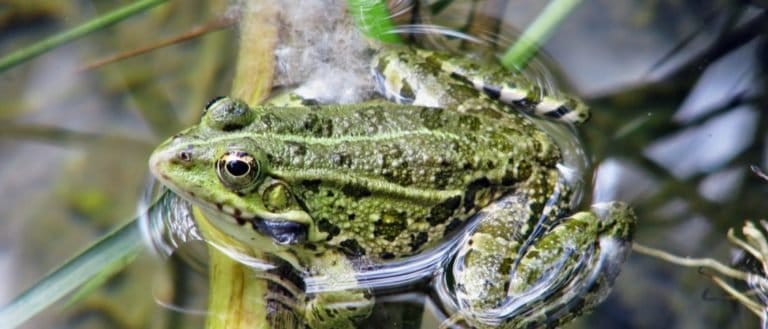
Swamps and wetlands are one of the most preferable places for numerous insects to lay their eggs, and they are home to water-loving babies such as dragonfly nymph which spend the first part of their lives under the surface of the water. Frogs are often found inhabiting swamp and wetland areas, primarily due to the abundance of food in the form of flies and other insects.

Due to deforestation and pollution in both the air and the water, swamps and wetlands are becoming more and more threatened. Many animals that inhabit swamp and wetland habitats are specifically adapted to living in these environments and are vulnerable to toxins in the water and the air.

Thank you for reading! Have some feedback for us?