Quick Take
- These whales keep a strict daily schedule, and it shapes when they sing. See when whales sing →
- One canyon off Australia draws endangered giants from thousands of kilometers away. What's waiting there? Discover Perth Canyon's draw →
- Listening beats looking. Researchers found a way to track whales they can't see. Explore acoustic tracking →
- A clue in the whales' songs could shield them from a powerful industry, but it comes with a catch. Understand the song caveat →
Pygmy blue whales in Western Australia are singing some fascinating songs, and researchers are figuring out what they’re trying to say.
Published in Royal Society Open Science, a recent study found that these whales generally fed during daylight hours, which left more time for singing at night. During the feeding season in Perth Canyon, more songs were recorded at night than during the day for up to three months. But what does this mean for the species, particularly when it comes to their feeding habits and general wellbeing?
Here’s what the research reveals about pygmy blue whales and their feeding activity, why feeding may leave less time for singing, and how their patterns may support conservation monitoring across large ocean areas beyond Australia’s coastline.
An In-Depth Study of Deep-Water Whales
The study and published paper, titled “Pygmy blue whale feeding drives greater nocturnal than diurnal song production,” was led by Andrew Davenport, a PhD candidate at Curtin’s Centre for Marine Science and Technology. It examined singing and feeding behavior in offshore waters from the Perth Canyon, along Western Australia’s Midwest coast, and further north toward Ningaloo and the Northwest Shelf.
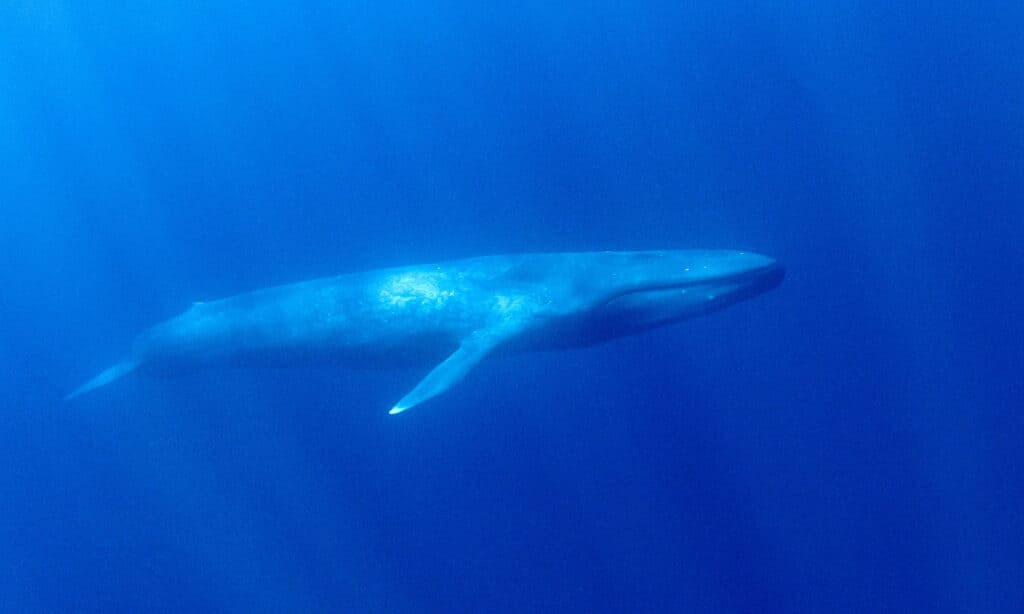
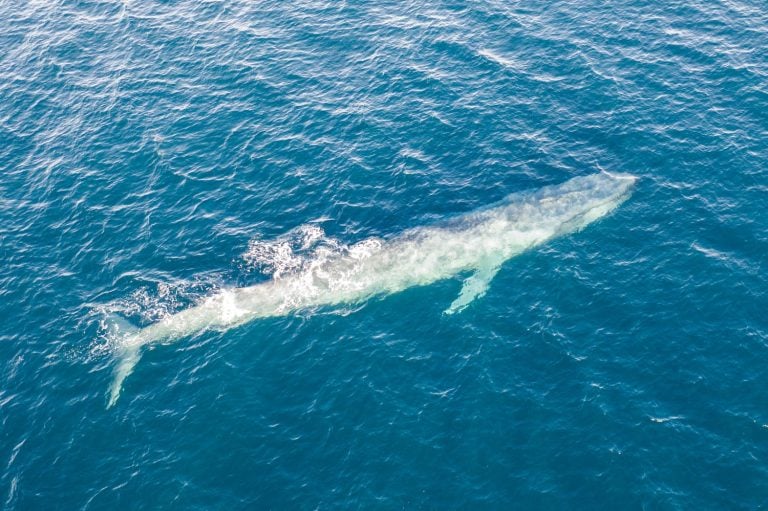
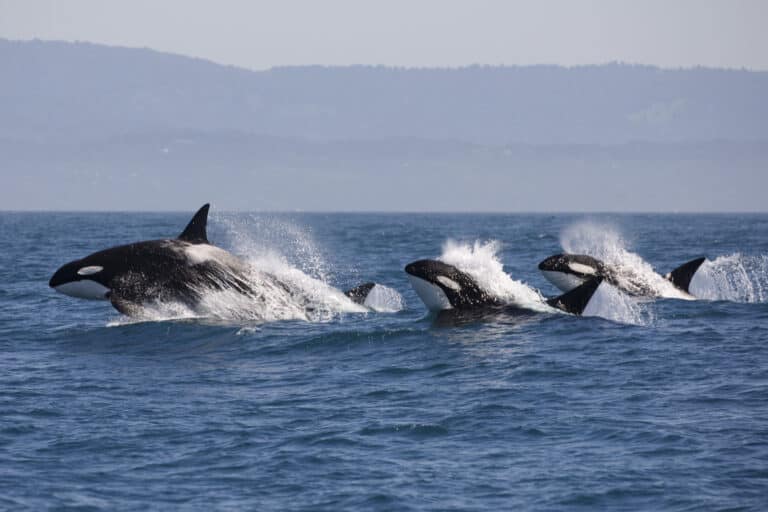
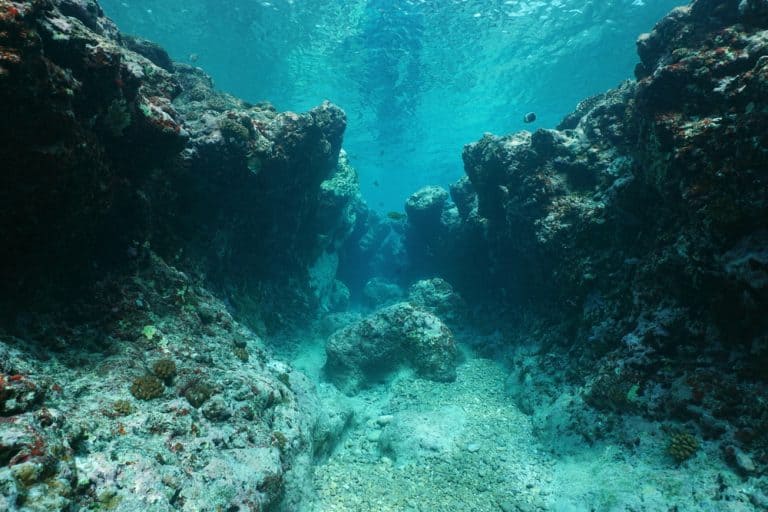
Pygmy blue whales feed off of Australia’s coast, particularly in trenches.
©iStock.com/richcarey
The central finding of Davenport’s research relates to a daily rhythm in the whale pods. The pygmy blue whales generally fed in daylight, and song was much more common at night. This discovery was surprising, as most whales tend to be very communicative creatures, especially during feeding times.
Davenport said the whales “appear to have less time available to sing while they’re feeding.” He compared the situation to people, who struggle to talk while eating. The research did not, however, describe a physical mechanism that prevents the whales from singing while feeding.
appear to have less time available to sing while they’re feeding.
Davenport noted that, by listening for times of enhanced whale song, researchers can infer when whales in an area are likely to be feeding.
Where and When Pygmy Blue Whales Feed
Pygmy blue whales are a subspecies of blue whale, a species regarded as endangered on the IUCN Red List. Their release on this species showed a pygmy blue whale feeding on krill at Perth Canyon, and a 2012 Curtin conference paper described this specific canyon as a staging area on the whales’ northern migration.
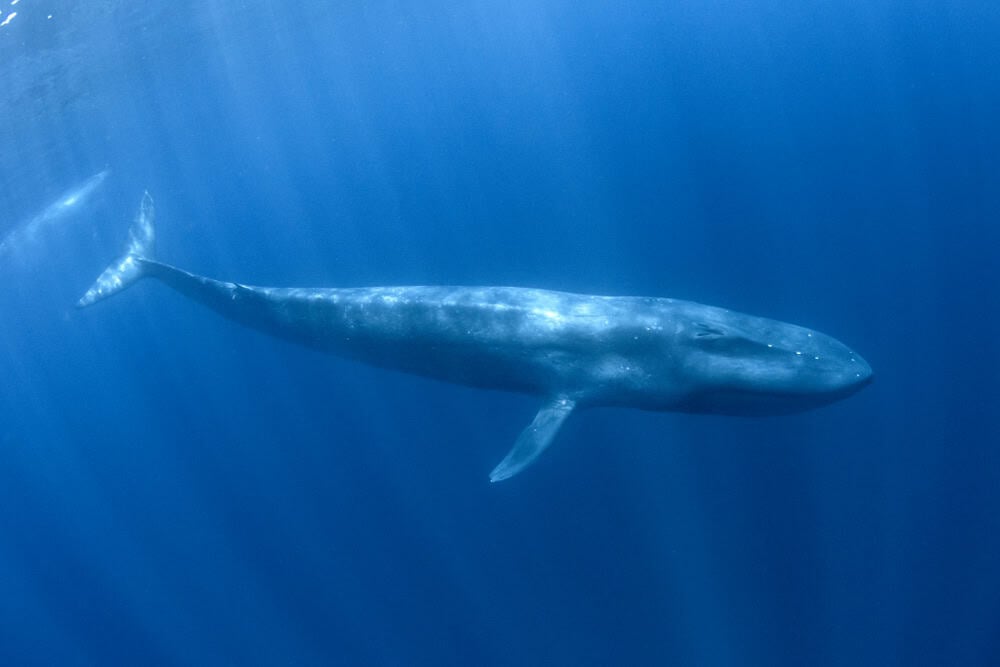
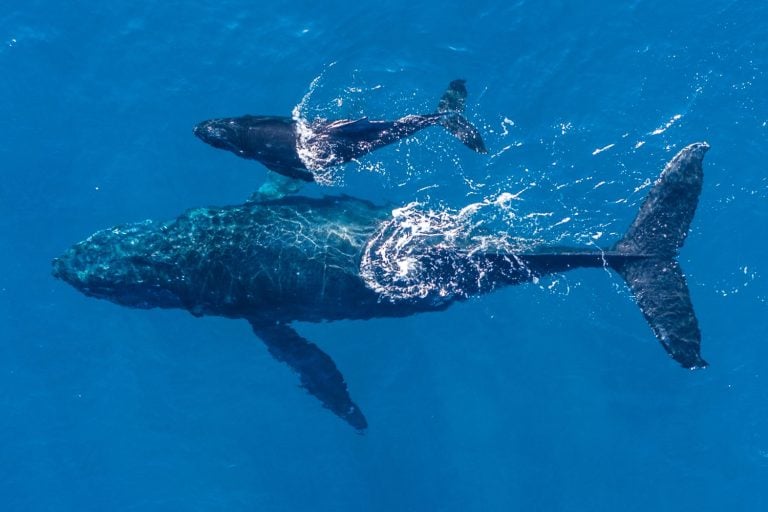
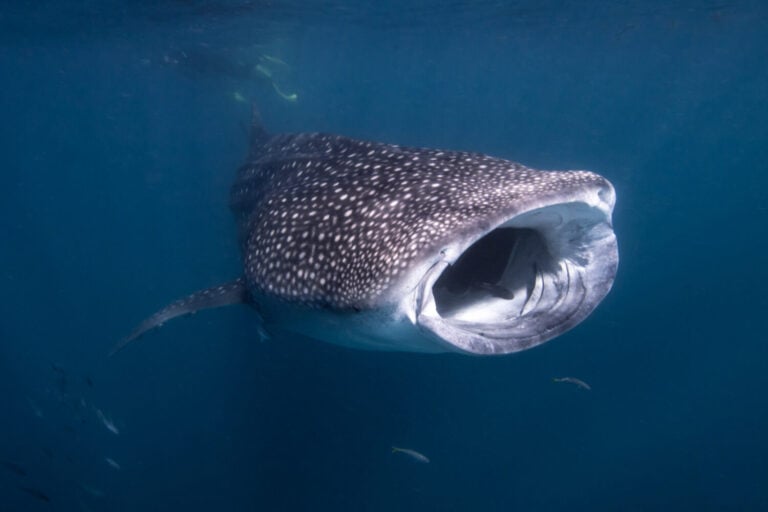
These whales migrate great distances to their feeding grounds.
©Rich Carey/Shutterstock.com
This singular ocean canyon is where these endangered whales gather, and mainly in a small area at the canyon head that is believed to be their feeding ground. Perth Canyon is one of the largest submarine canyons in Australia, at about 120 kilometers long and more than 4,000 meters deep, making it attractive to deep-diving species like whales.
However, the whales typically travel a long way to reach it. Research in Global Ecology and Conservation described pygmy blue whales in the southeast Indian Ocean migrating from the southern coast of Australia to winter in Indonesian waters, a distance that is more significant than expected.
Understanding when these whales feed and where, including using their singing patterns as possible indicators, can help researchers monitor and ultimately protect this species.
How Day and Night Recordings May Support Monitoring
Passive acoustic monitoring records underwater sound from fixed recorders, and this method can collect data over long periods regardless of weather or depth. A passive acoustic observatory was deployed at the edge of Perth Canyon in 2008 as part of Australia’s Integrated Marine Observing System, and that’s what much of this research centers upon.
Direct observation of whales is harder compared to acoustic monitoring. An Australian Institute of Marine Science report on whale tracking described finding pygmy blue whales in the open ocean as “difficult” (to say the least), which led to researchers dropping acoustic sensors called sonobuoys to make initial detections from up to 100 kilometers away.
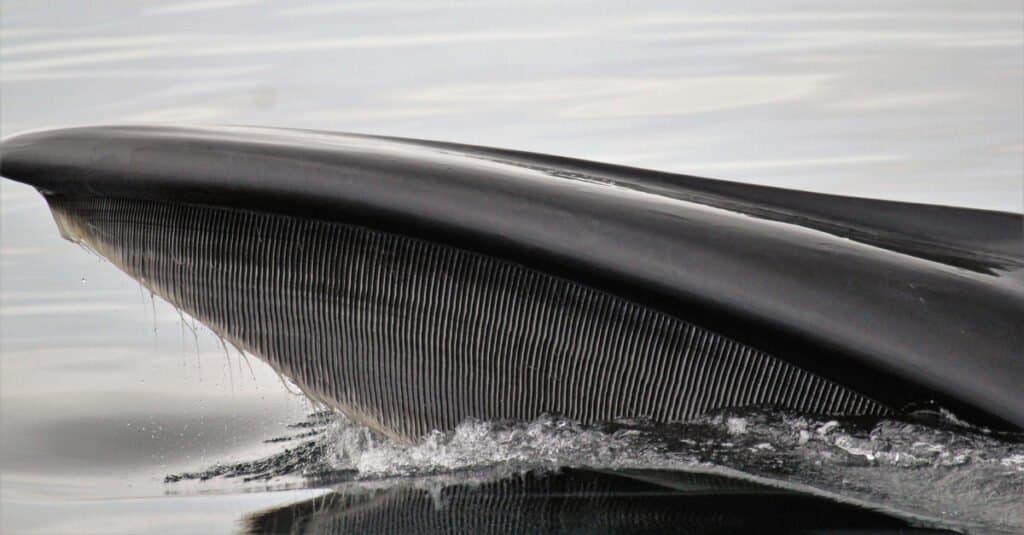
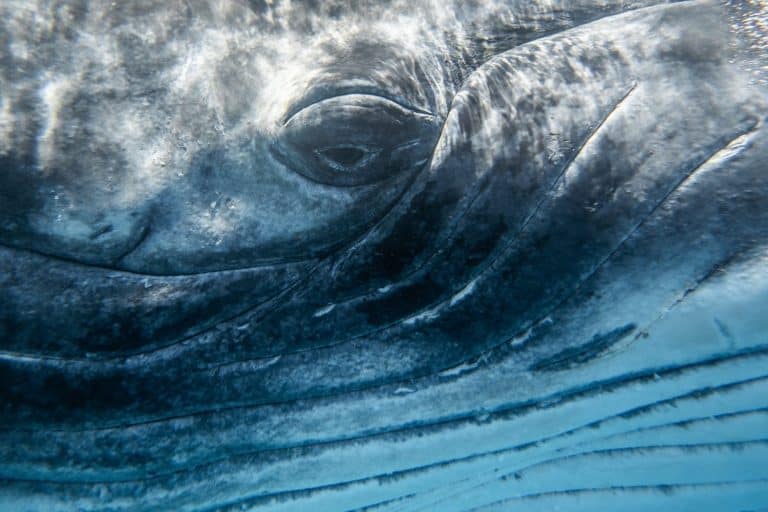
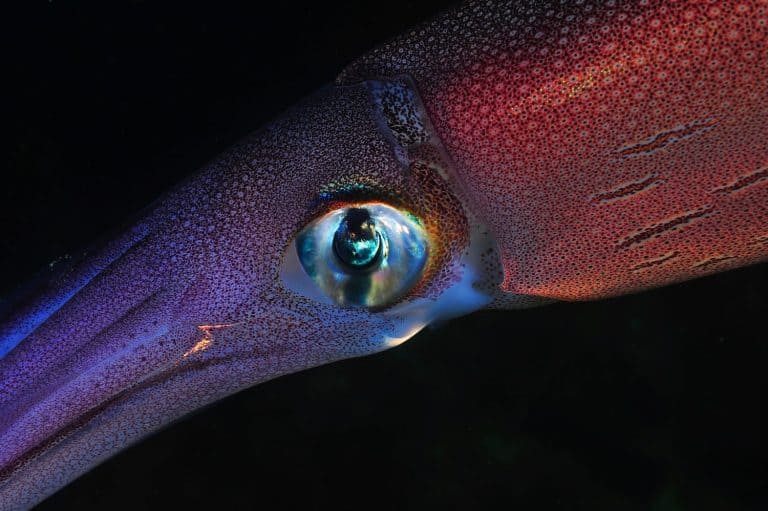
Pygmy blue whales don’t seem to sing and feed at the same time.
©Sharlyn/Shutterstock.com
The latest research adds a use for this type of sound data. If researchers compare day and night song in recordings from an area, a stretch with more night song than day song could flag likely feeding, which could allow monitoring of feeding activity across large areas of ocean without needing to observe the whales directly.
Knowing where and when the whales feed is vital for managing human activity and keeping this endangered species safe. The research aimed to better understand the impact of human activities in the whales’ migration and feeding areas, particularly given what’s located in this stretch of sea.
The Northwest Shelf, which the new study’s range extends toward, is Australia’s largest and most valuable petroleum production area and also a vital habitat for threatened species such as pygmy blue whales. Keeping humans from interfering during whale feeding hours is necessary for the survival of these marine mammals, but researchers need to know when and where they are before protections can be implemented.
- LC Least Concern
- NT Near Threatened
- VU Vulnerable
- Endangered EN
- CR Critically Endangered
- EW Extinct in the Wild
- EX Extinct
Population trend: Increasing
Pygmy Blue Whale Song Patterns May Help Their Species Survive
While the song patterns of pygmy blue whales are indirect clues, they point to when whales in an area are likely to be feeding. It does not prove that any individual whale is eating at a given moment, and confirming feeding in a particular animal takes direct evidence. Satellite tags used in this research show whales slowing down and circling as they feed, and making deep dives in search of krill, but these are only observational findings.
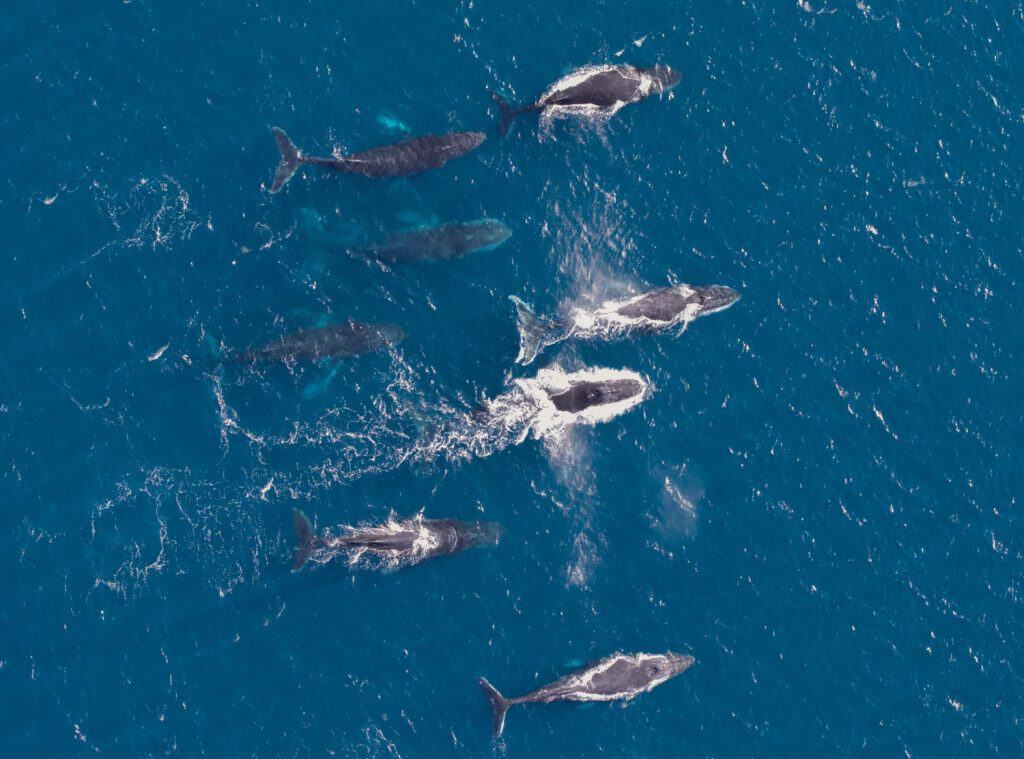
Here’s hoping we can better protect whales once we fully understand the songs they’re singing and when!
©Coastal View Photography/Shutterstock.com
The findings offer researchers insight into feeding behavior in waters they can’t continuously monitor. Perhaps it will help researchers better protect these whales in the future, but more observations must be done before concrete action can be taken. Here’s hoping their songs teach us where and when they consistently feed so that humans can stay out of their way.