
Quick Take
- The data surrounding Madagascar's fruit bats looked so wrong that the lead researcher assumed she'd made a mistake.
- Museum specimens held a clue that fieldwork alone couldn't reveal.
- Hunters may be quietly favoring one kind of bat, and the consequences could ripple through the whole forest.
- The prime suspect might not be the only culprit behind smaller flying foxes, and the scientist behind the study refuses to blame just one.
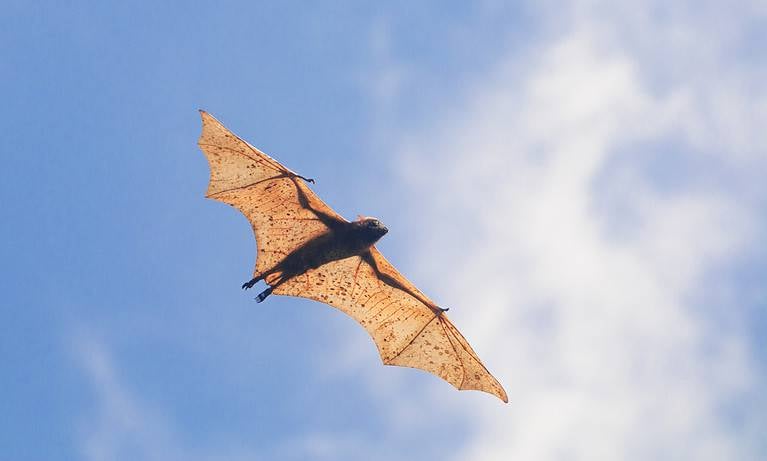
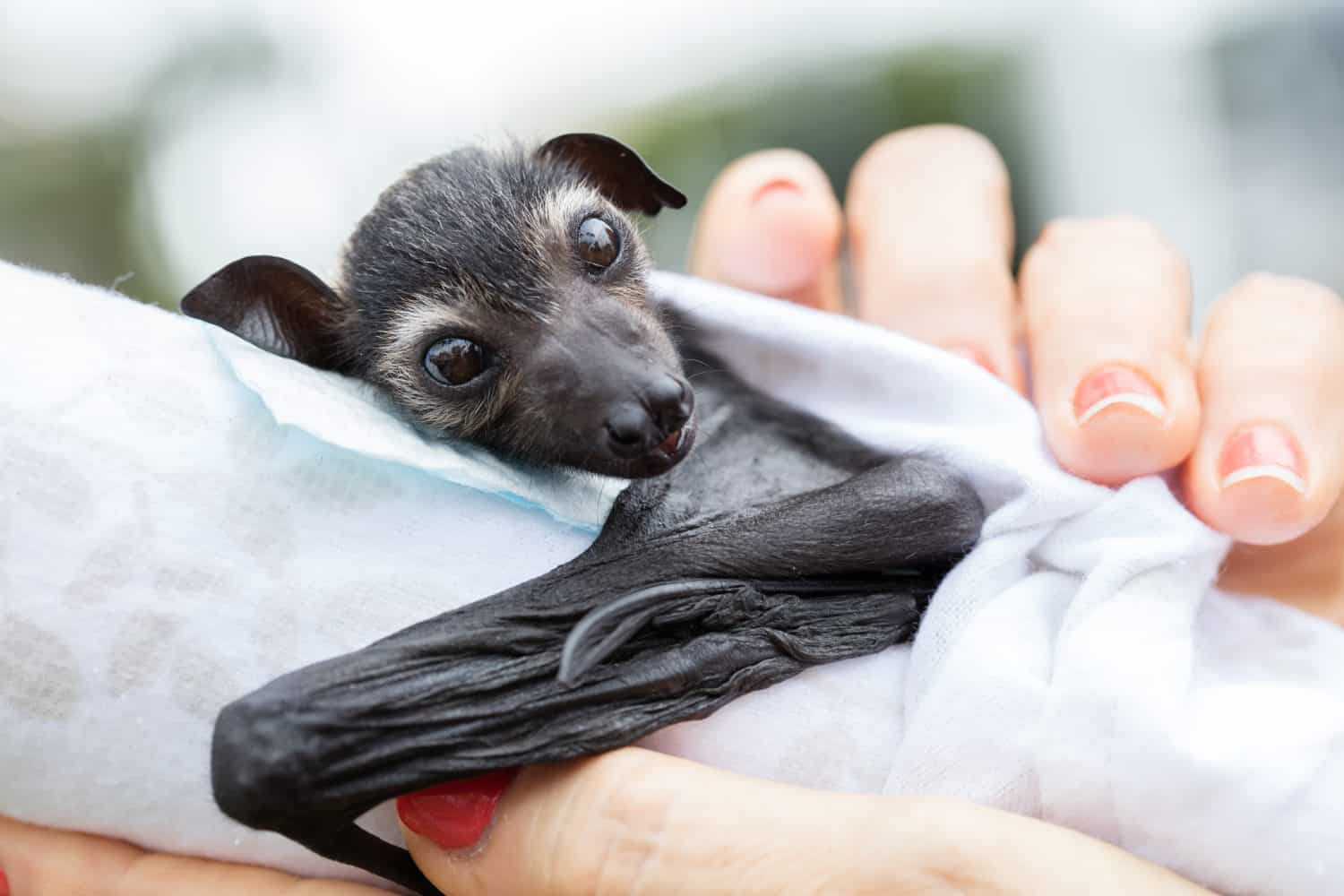
Madagascar’s flying foxes are some of the largest bats in the world, but they have become smaller over the past several decades, according to a new study in the Journal of Mammalogy. Why might this be, and what are experts continually discovering about this beloved bat species?
Researchers examined 121 museum specimens, which were collected over roughly 150 years, and they’ve found reductions in several skull sizes. The weird part? These smaller skulls began appearing around the time commercial hunting intensified. While hunting appears to be a significant factor in this shift, a Field Museum release noted that hunting may not be the only cause.
Here’s what recent research has uncovered about Madagascar’s flying foxes, including what might happen to these remarkable animals as time goes on.
Studying Museum Specimens: Flying Fox Trends
The study’s authors, Emily Cornelius Ruhs and Steven Goodman, are both Field Museum scientists, with field research a key part of their job. They noticed that flying fox skulls and skins in the museum’s collections looked larger than the bats they met during recent fieldwork in Madagascar, with many specimens from the late 1700s and 1800s reaching much larger sizes than the animals researchers handle today.
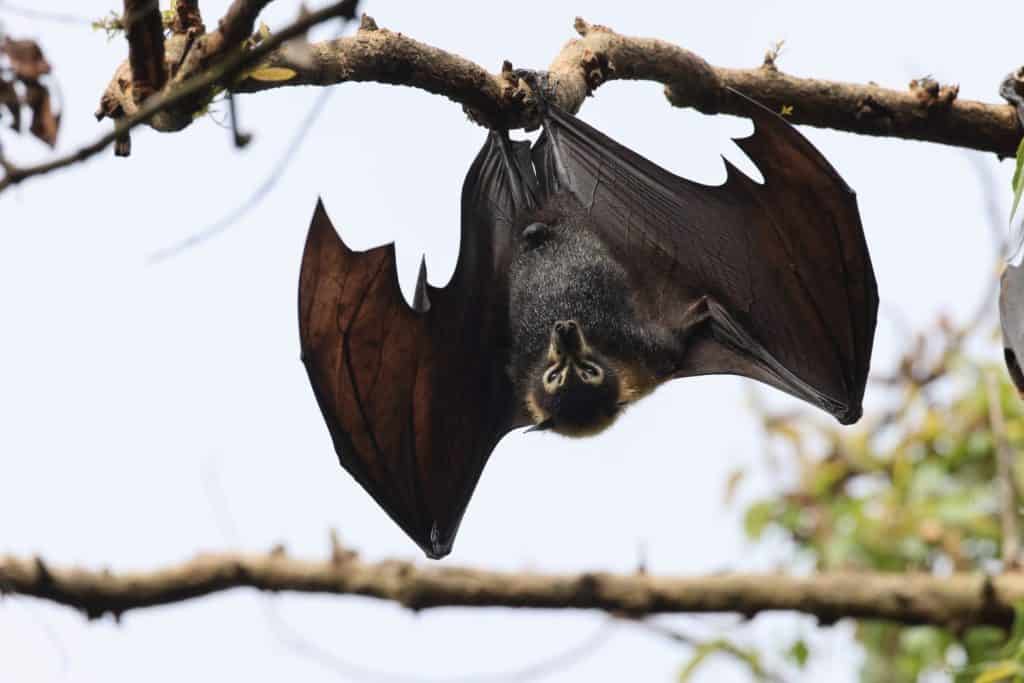
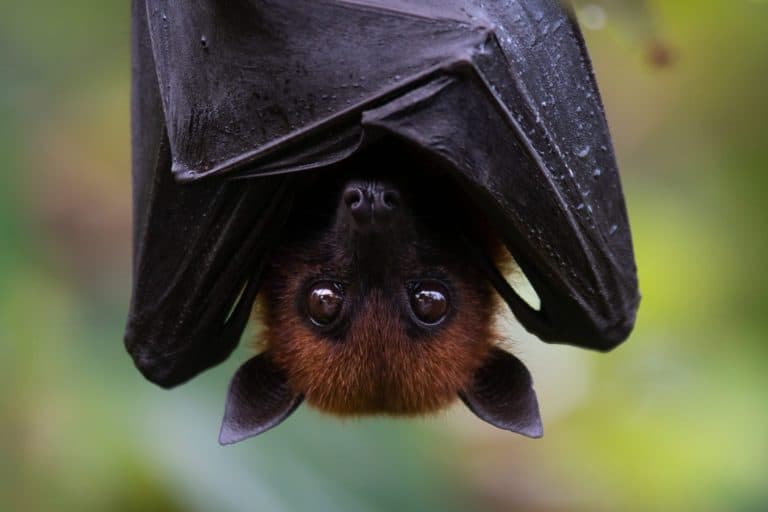
Madagascar’s flying foxes have historically grown smaller, studies suggest.
©Frank Fichtmueller/Shutterstock.com
Goodman visited nine natural history museums in the United States and Europe, examining roughly 121 Madagascar flying fox specimens collected over the past 150 years. He measured their skulls and teeth, and Ruhs ran the data to look for trends in their sizes over time.
The results illustrated a clear drop in the size of flying foxes beginning around 1980, a time when Ruhs and Goodman believe bat hunting became more commercialized. The change was so blatant that Ruhs first believed the data contained a mistake or miscalculation. However, it was accurate, so hunting was acknowledged as a contributing factor.
Their research also reports that commercial harvest of the species expanded from the 1980s to the mid-1990s; after the onset of commercial hunting, adults showed clear reductions across multiple cranial measurements. Plus, the changes in sizes happened regardless of age, and differences between males and females were minimal.
Flying Foxes and Their Roles in Madagascar’s Forests
Fruit bats play a central role in Madagascar’s ecosystems for one vital reason: seed dispersal. A 2007 study in Oryx explained why: these bats travel over wide areas and across habitats that other fruit-eating animals avoid, which makes them a significant seed disperser, especially in fragmented forest landscapes.

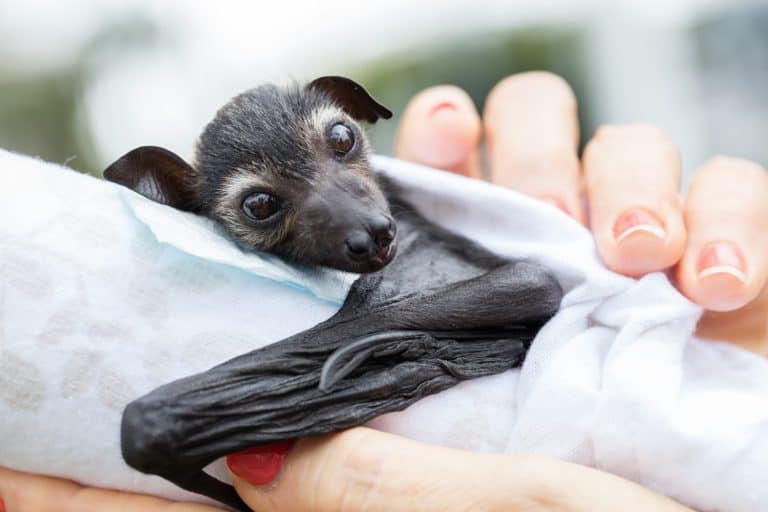
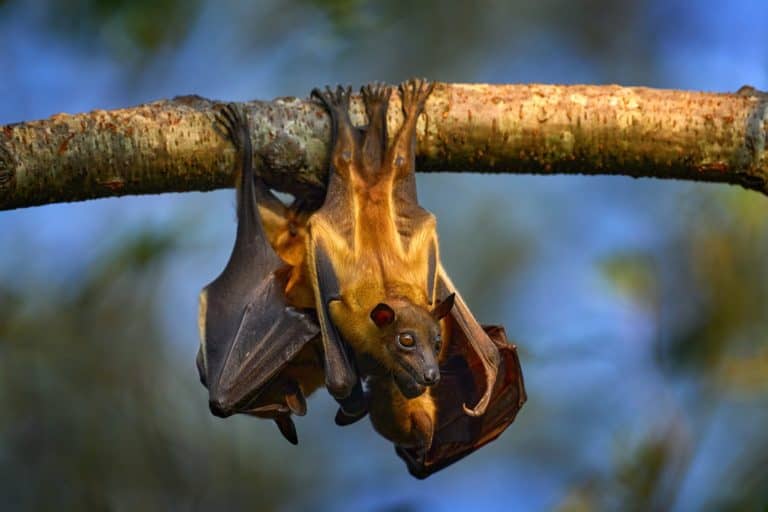
Somewhat deceiving by name, the flying fox is actually a type of fruit bat, and they are vital for seed dispersal.
©Erik Zandboer/Shutterstock.com
The island also has few alternatives when it comes to species that disperse seeds. A Whitley Award project summary stated that Madagascar has a comparatively small number of bird pollinators and fruit-eaters, so flying foxes are thought to be very important for pollinating and spreading forest plants.
Since they are so vital to Madagascar’s ecosystem, their shifting sizes are important to understand and monitor. But is hunting the only contributing factor?
Habitat Change Could Contribute to Flying Fox Development
Under Madagascar’s national legislation, fruit bats are technically considered vermin because they eat commercially important fruits. That’s why, as a game species, they are hunted for food on a large scale in parts of the country.
These bats can be legally hunted but with certain restrictions, including permits and a defined hunting season. These are meant to prevent overexploitation, and Ruhs noted the bats are an important food source for families in some regions and even appear on menus of some roadside restaurants.

Flying foxes are legally hunted as a food source in Madagascar.
©Andi Edwards/iStock via Getty Images
Because of their importance in human diets in this region, hunters seem to favor the biggest animals. Ruhs said the largest bats are also likely the easiest targets and would give a hunter the most meat. Many of the largest flying foxes in the study were older individuals, so hunting bigger, more mature bats of breeding age could affect the population overall.
Biological Conservation, 2019 Peer-reviewed
Adult survival estimated from teeth was so low in this species that even perfect juvenile survival would not permit stable population trajectories; the study recommended habitat restoration and an end to legally sanctioned bat hunting.
The research mentioned that this species reproduces slowly, and that the shrinkage was concentrated near the middle of the adult size range, a pattern the authors wrote was “consistent with sustained removal of adults under hunting pressure.” But what about habitat change, which is a leading cause of species shifts around the world?
A 2019 study in Biological Conservation estimated adult survival from teeth and found it so low in this species that even perfect juvenile survival would not permit stable population trajectories. That study, which lists the species as Vulnerable on the IUCN Red List, recommended habitat restoration and an end to legally sanctioned bat hunting.
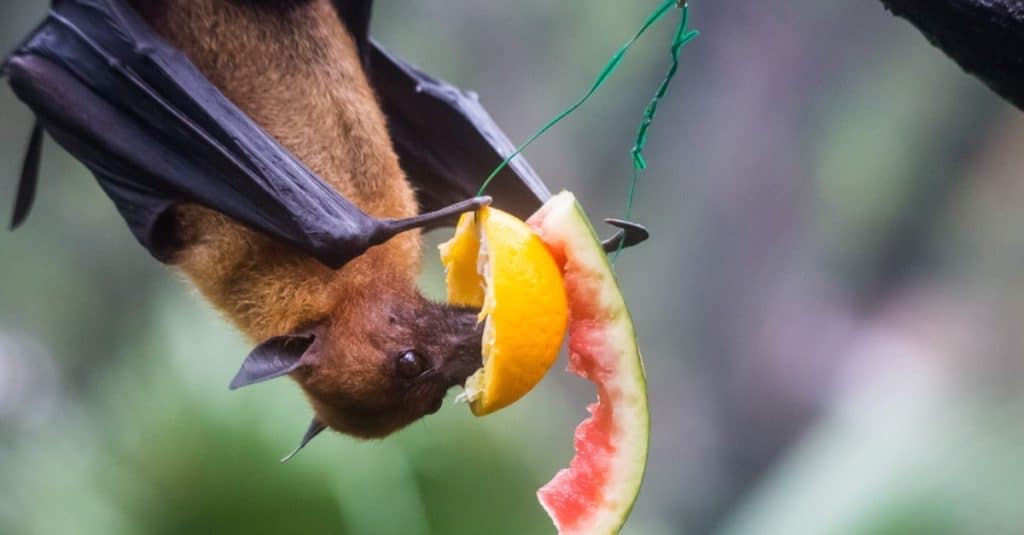
Habitat changes may also contribute to the flying fox’s shrinking size.
©Natalia Golovina/Shutterstock.com
In the recent research, Ruhs listed deforestation, climate change, and inadequate or shifting timing of the fruit season as possible contributors, and habitat loss is considered among the primary pressures on the species, other than hunting.
Is Hunting Truly the Cause of Smaller Flying Foxes?
Ruhs was clear to note that the study establishes a correlation between the shrinking and the commercialization of hunting, but the project so far does not explicitly show that commercial hunting caused the bats to shrink.
“I don’t think there’s any one cause that explains it all,” she said. The researchers suspect hunting is involved, and large-scale exploitation reshaping the species’ form is listed as a key factor, which makes hunting the leading suspect in a way, but it isn’t the sole cause.

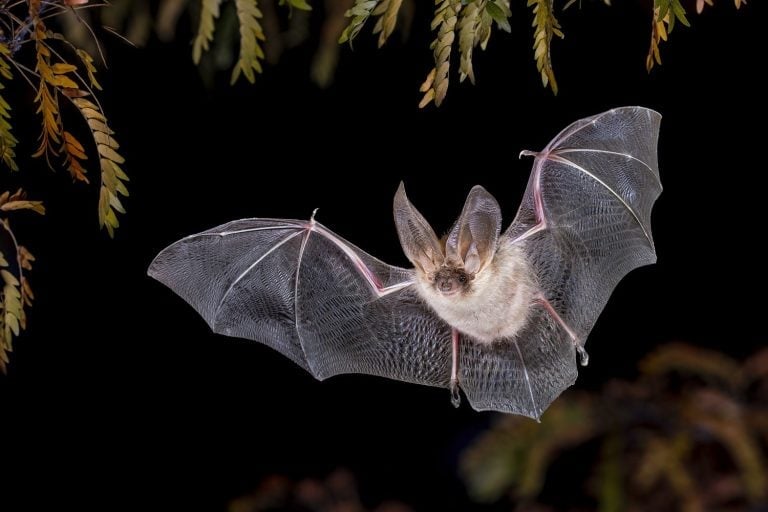
Protections are needed for Madagascar’s flying foxes.
©ELAMARAN ELAA PHOTOGRAPHY/Shutterstock.com
The downward shift in adult body size, combined with low reproductive output and ongoing habitat loss and hunting, raises serious concern for long-term population viability. The authors of this research call for strengthened protection, monitoring, and a formal viability assessment, lest hunting continue to impact these bats.
Ruhs said protecting this unique species will require higher levels of protection under new national laws, particularly at breeding sites, so that populations do not collapse. We’ll see how these laws develop as time goes on, but ultimately, museum collections and specimens collected before our modern era still yield useful information that can be vital to saving a species in the long run.