
A collar is often the “default” way to secure your dog. However, it isn’t always the best option. Like with most things, you need to ensure that you choose a collar that meets your dog’s specific needs. There is no one-size-fits-all answer to a collar or harness device for your dog.
Below, we’ll take a look at several reasons you may not want to select a collar for your canine. Some of these reasons may not apply to you, but some of them may. If any of these ring true, you may want to rethink getting a collar for your canine.
1. It Can Put Pressure On Their Neck and Throat

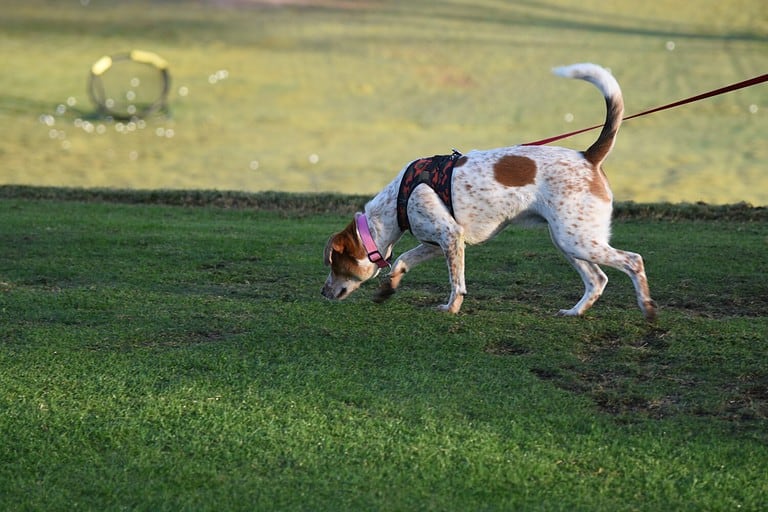
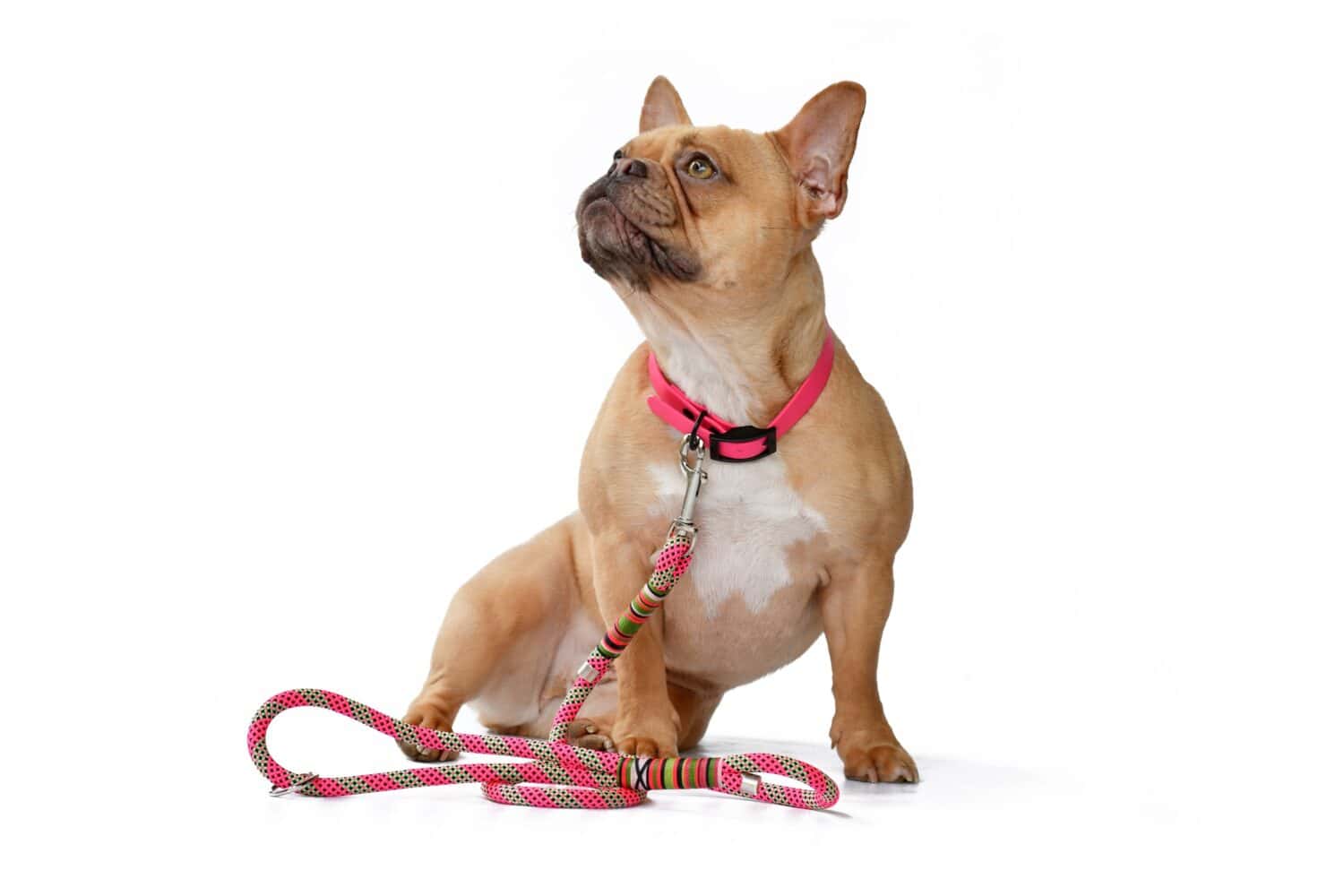
A traditional collar can hurt the throat, especially if the dog pulls on its leash.
©Yolya Ilyasova/Shutterstock.com
When a dog pulls on their leash, a collar can put pressure on their neck and throat. This can be very uncomfortable for many dogs. However, for some breeds, it can even be dangerous. For instance, dogs prone to tracheal problems can experience even worse problems when excessive pressure is put on their neck with a collar.
If too much pressure is put on their throat, these dogs may experience a collapsed trachea, making it difficult for the dog to breathe. This condition can be fatal under some conditions, and it often requires surgery.
Even if your dog isn’t prone to these issues, these collars can be uncomfortable and lead to a host of issues.
2. It Can Restrict Movement

Dog collars can sometimes cause hair loss and chaffing in very active dogs.
©nieriss/Shutterstock.com
Some harness collars can restrict your dog’s movement, making it difficult for them to run, jump, or play. This can be especially problematic for dogs that are active and playful. They may cause excess rubbing for dogs that are very active while wearing them, leading to skin issues.
For this reason, we highly recommend avoiding them for those who are exceptionally active.
3. It Can Be Difficult to Put on and Take Off

Not every pup will make it easy to put on and take off a collar.
©xkunclova/Shutterstock.com
Many collars are challenging to take off and put on. They can be especially difficult for dogs that aren’t cooperative. If your dog won’t sit still, getting one put on correctly can be exceptionally challenging.
Some dogs may not like the collars and purposefully fight against them. In this case, it can be difficult for dogs to go on walks or get in the bath. Dogs that aren’t well-trained or fight when wearing a collar may make this process particularly difficult.
4. They Can be Uncomfortable
In many cases, collars may be uncomfortable. If your dog isn’t used to wearing a collar, then they may not be able to withstand them for long periods. Your dog may fight to put them on or spend a lot of time trying to get them off.
If you want your dog to wear a collar, you often need to get them used to one starting at an early age. If you’ve already missed this phase, getting them used to a collar can be challenging (if not impossible).
5. They Can be a Choking Hazard

Dog collars may get stuck easily on a tree, fence, or other objects, but don’t break as easily as cat collars.
©Sravudh Snidvongs/Shutterstock.com
Collars can get stuck on items and choke your dog. This accident occurs most commonly with cats, as they tend to jump and climb more often than dogs. However, it can absolutely occur with dogs, too.
Sadly, most feline collars are designed to break away with enough force, preventing this problem from occurring. Dog collars often aren’t, though, as they need to withstand pulling on a leash.
The Benefits of a Harness Instead
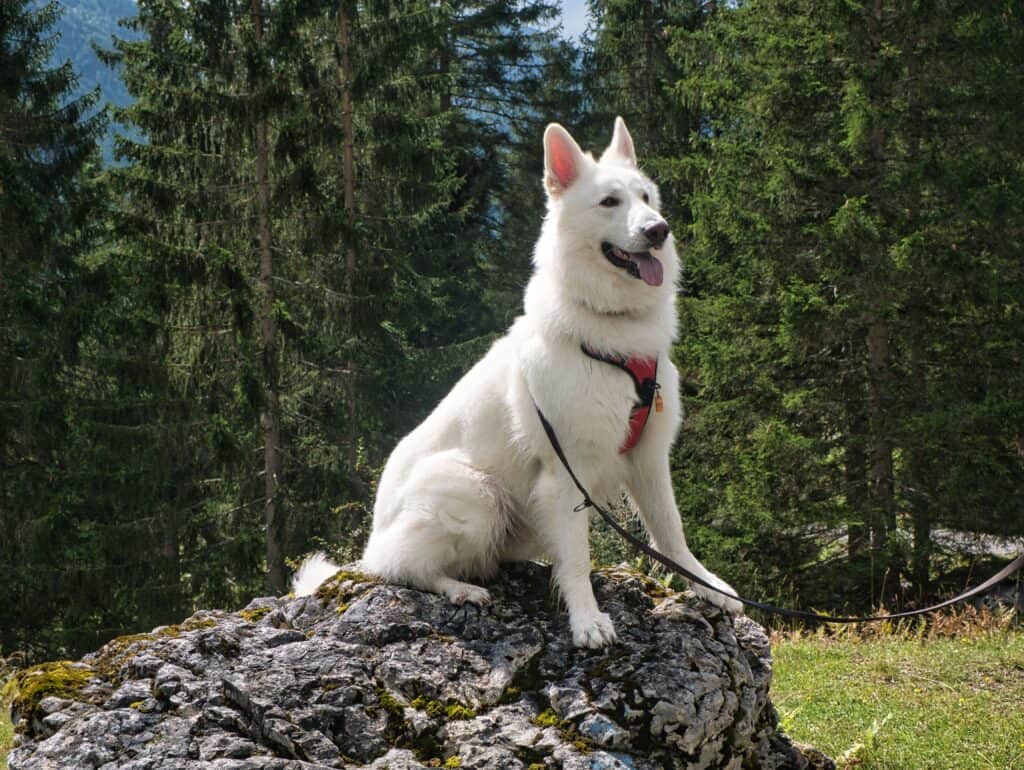
A harness offers several benefits for your pup, including reduced neck pressure and more comfort.
©Ofenhesse/Shutterstock.com
There are many reasons why you may want to select a harness instead of a collar. A harness is designed to deal with most of the problems that often come with collars, such as the added neck pressure. Here are some benefits to consider:
- Reduced neck pressure. Harnesses distribute the pressure evenly along your dog’s chest and back. Therefore, they can help prevent neck injuries and strain.
- Improves pulling control. Some harnesses can help prevent pulling, though it does depend largely on the harness design.
- Better comfort. Many dogs find harnesses more comfortable as they distribute the pressure of the leash throughout their back.
- Reduced choking risk. Furthermore, harnesses are less likely to cause choking, as they often don’t go around the neck.
If you are considering using a harness for your dog, be sure to choose one that is properly fitted and made of high-quality materials. You should also train your dog to wear the harness before taking them on walks.