
Part of being a plant parent is knowing when, how much, and how often to prune your plants and trees. But just like the parenting of kids and animals, most of us have some bumps along the way in how we care for those in our charge. Folks frequently discover they have over-pruned their plants and wonder what can be done (if anything) to save the plants. Not everyone knows what the signs of over-pruning look like, though, and just know their plants aren’t doing so hot.
Let’s learn the signs to discover where you may have gone wrong and (hopefully) how you can help the plants recover from their over-pruning.
Can You Kill a Plant or Tree By Over-Pruning?
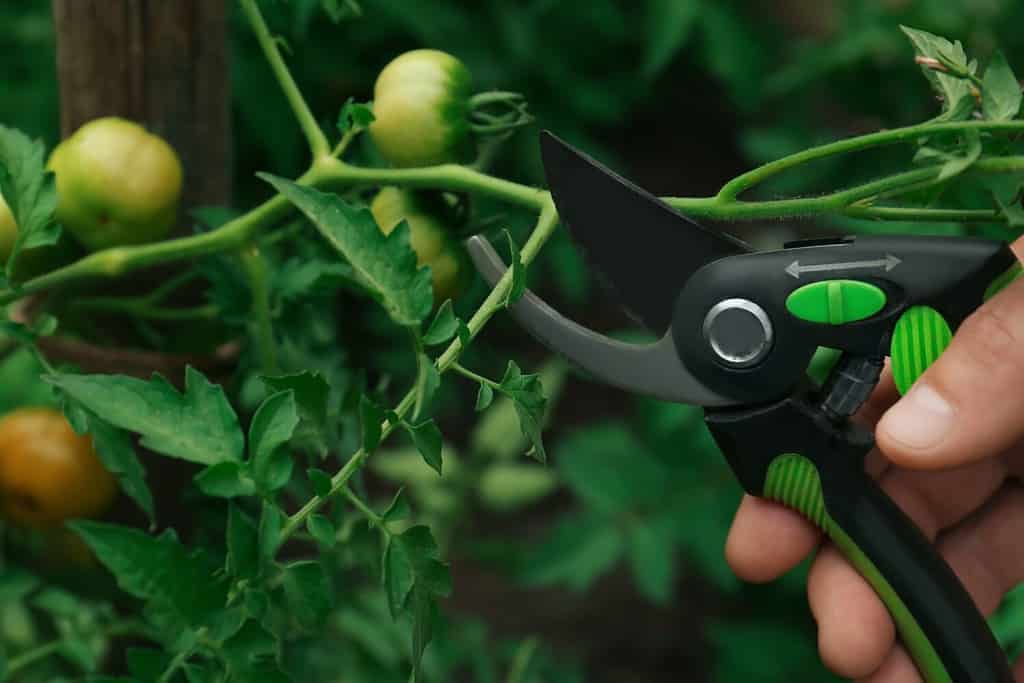
Pruning is a science, not as much an art. There are reasons you should follow precise steps when pruning your plants. Else you may well kill your plant by over-pruning.
©New Africa/Shutterstock.com
A big question on the topic of over-pruning is whether or not you can seriously injure or even kill a plant. The answer is, unfortunately, that yes, you can kill plants, trees, and shrubs if the over-pruning is too extensive. In some cases, over-pruning may not be as severe, but may also result in plant death.
In most cases, however, plants may recover, when properly cared for after the damage has been done. Often, the issues lie within the plant’s ability to produce fruit, nuts, and foliage. This means the plant will need some special care to revive.
Reasons Over Pruning Your Plants Can Be a Problem
Apart from the potential death of the plant, over-pruning may cause other severe issues for the plant or tree. It’s important to be able to recognize the signs.
Wind Damage
Healthy plants handle stress from wind properly, while over-pruned plants may sustain damage. If the plant doesn’t have enough lower limbs, for example, it is far more prone to this damage, which may result in permanent structural damage.
Weakened Limbs
Foliage helps trees and plants distribute growth in balanced, healthy ways. If one side or end of the plant has no foliage, the other parts will become overburdened. This results in tired, weak limbs. In some cases, this means the plant cannot survive.
Sunscald
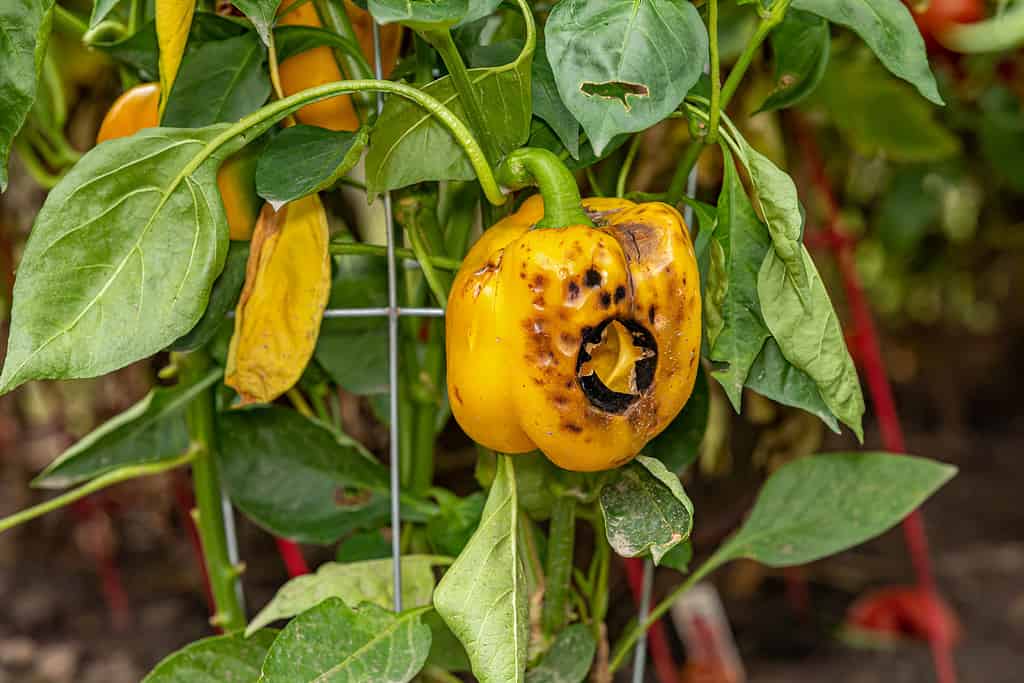
One sure sign of over-pruning is known as sunscald. This results in the plant or fruits of the plant appearing burnt, thanks to the lack of natural protection from the missing foliage.
©JJ Gouin/ via Getty Images
When a plant has been over-pruned, it becomes prone to sunscald. That is, overexposure to sun without the leaves to deal with the heat and light. Sunscald may affect any part of the plant, including the inner tissue. If the inner tissue is affected, the plant may develop fungi or bacteria, or draw insects and result in irreversible damage.
Decay
Whenever you cut a plant, just like humans or animals, they develop wounds. Wounds heal in time, but too many wounds can result in the plant’s inability to heal. The inability to heal results in decay and damage, just like it does in humans (gangrene anyone?), resulting in severe permanent damage or even death.
Decreased Photosynthesis
Plants require enough sunlight, water, and nutrients to perform photosynthesis. However, they also need their foliage to process the sunlight to perform this important process. When plants don’t have enough foliage, they are incapable of storing as much food as they need to be strong and healthy.
Interior Sprouting
When plants can’t grow properly due to over-pruning, they may begin sprouting internally, rather than on their limb tips. This also occurs when plants don’t have enough foliage to protect them from the heat of the sunlight. They will produce this interior growth in an attempt to protect their bark.
Signs You’re Over-pruning Your Plants
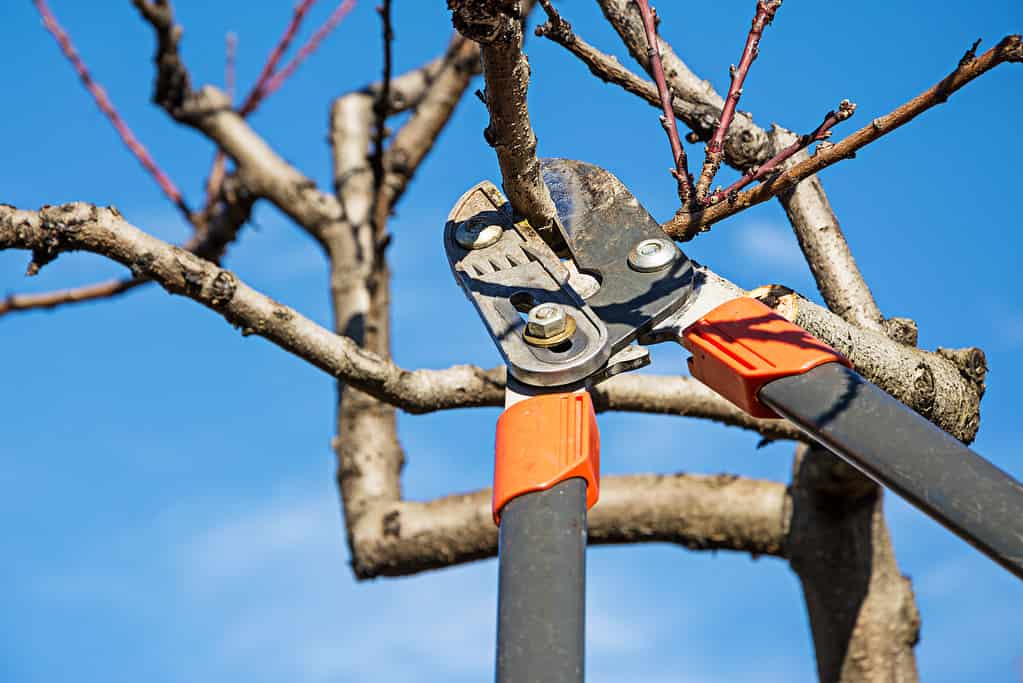
Many signs show you that a plant’s been over-pruned. From sunscald to loss of fruit, reduce production, or tree topping. It’s all bad news.
©ueuaphoto/Shutterstock.com
Some fairly obvious signs of over-pruning exist that even non-professionals can recognize. As you care for your plants, particularly if anything seems a little off, look out for these tell-tale signs.
You Have Less Fruit and More Foliage
When plants are over-pruned, they dramatically reduce their production of either leaves or fruit or both. New leaves and branches should begin popping out in springtime, as the plants use these to engage in photosynthesis and prepare for the growing season. When they have been cut back too much, though, these won’t appear.
If you prune during growing season and then you notice that no flowers and ultimately no fruit or nuts (or other produce) appear, you’ve most likely over-pruned the plants. They may still be producing new leaves, as they often overcompensate in this area in some cases, but the fruit just won’t come.
This often means you’ve pruned the plant too much during the wrong season. And, unfortunately, it often takes years of recovery for the plant to come back, if they do at all.
Save pruning for dormant seasons instead of growing or fruiting seasons to help prevent further damage.
You’ve Made Some Bad Cuts
The types of cuts you make also make a difference when pruning plants. If the plants exhibits any of the following, you’ve got some over-pruning on your hands and will need to help the plants out if you hope for recovery.
- Stub cuts, leaving stub branches large enough to hang something from. These prevent the plant from sealing off to disease.
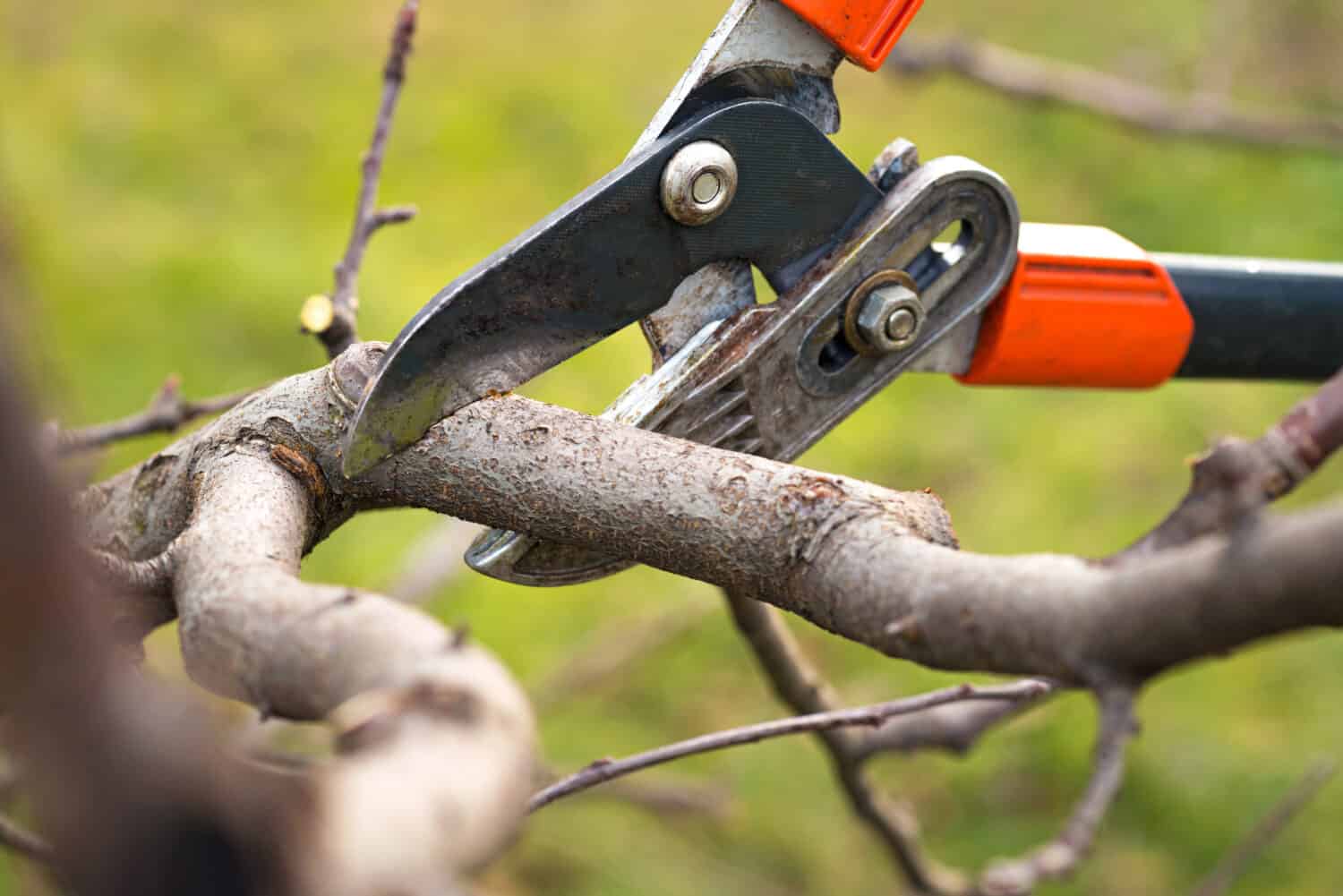
- Flush cuts, removing a large area around a branch base (branch collar). These prevent plants from healing.
- Heading cuts, taking off the end of branches at non-precise points. Pests and disease come in here, though you’ll likely see the plant trying to compensate with new sprouts — too many sprouts.
Tree Topping
Tree topping indicates improper pruning as well. That is, when the most dominant trunk of the tree receives imprecise cuts. Many folks do this when attempting to reduce a plant’s height and thinking they can just trim the top and keep the plant “manageable.” Unfortunately, this is like cutting the plant’s spine off. If you realize you’ve done this to your plants, you’ll likely need to get some professional help to restore the plant’s health.
Lion Tailing
Basically, a lion tailed plant has foliage on the tips of the branches and little or no foliage along the branches. This unfortunate mistake hurts the plants and may well lead to plant death.
Deadwood Increase
Branches with long internodes and deadwood will likely appear more often when a plant is over-pruned. Dead limbs weaken the plant and eventually the branch rots and causes overall issues for the plant. When not cared for properly, this kind of issue can spread to other plants nearby.
New Branches Aren’t Growing
You may notice that the plant or tree that’s been trimmed no longer grows new branches. Keep an eye out for fresh growth after pruning to make sure you haven’t harmed the plant.
Scrawny Plants and Trees
Plants that have been over-pruned often look scrawny or undergrown. This may manifest in fewer leaves, certainly, but the plant will overall seem stunted and “off” in its growth. Other plants of the same kind will have more foliage and fruit and look fuller and healthier overall.
Severe Leaf Loss
Any time a plant or tree suffers from severe leaf loss, the likely culprit is over-pruning. This will show up as the tree or plant not growing normally or seemingly lagging behind others that produce around the same time.
Can Over-pruned Plants Revive?
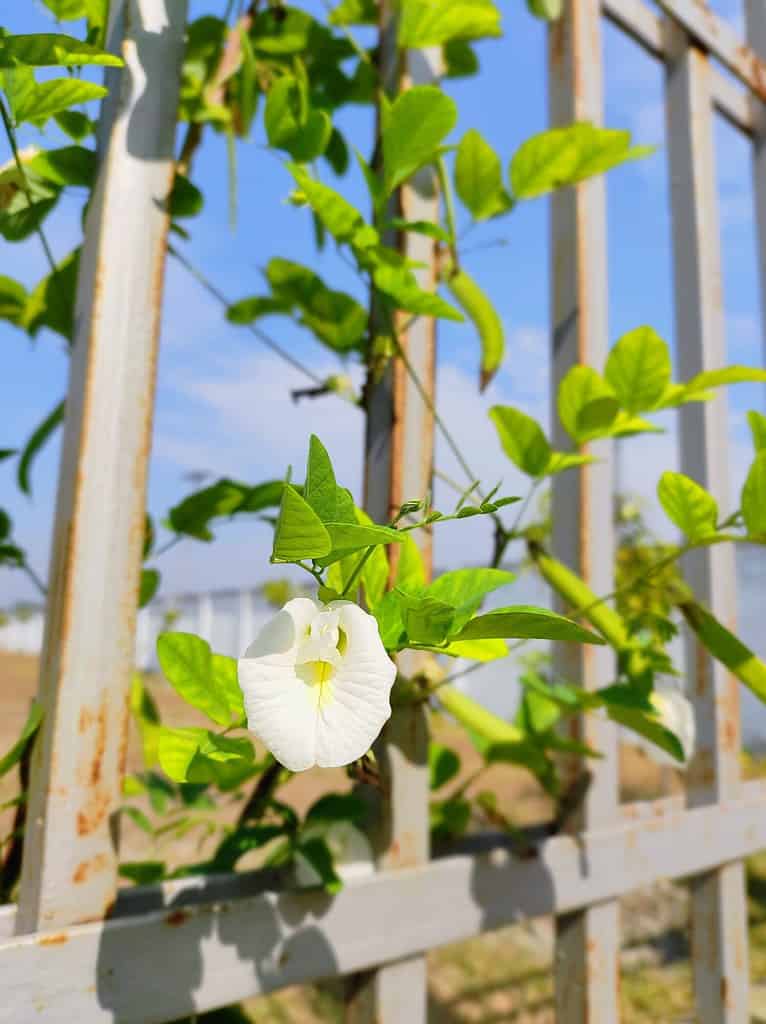
In many cases, your plants may revive after over-pruning. The right care, time, and opportunity to heal may well be enough. In other cases, though, severe pruning may result in disease or too much loss of foliage for a plant to survive.
©Tasmim Shithila/Shutterstock.com
The extent of the over-pruning damage will determine whether or not the plant may be saved. Often, some extra care will help, but some plants may be too damaged to save.
Wound dressing for certain kinds of cuts may help heal the plant or tree. In other cases, fertilization and water often help restore life to plants.
How to Fix a Badly Pruned Plant
A few special care plans may help restore badly pruned plants and trees.
Wait for the Plant to Grow Back
Often, when plants are over-pruned, merely waiting for regrowth can be enough. It’s slow and you might feel impatient, but if the damage isn’t too severe, continuing standard care (watering, feeding, light, soil maintenance) will help the plant revive on its own.
Remove Any Deadwood
Remove any deadwood or damaged leaves to help the plant heal. Be sure to study up on proper pruning techniques and avoid using dull or dirty instruments to do so.
Clean the Wounds
If cuts on the plant are poorly placed, you may be able to apply some wound care to help the plants revive. Clean, short stubs are the goal. Trim off long stubs at an angle, leaving behind as small a wound as possible.
Establish a New Lead Trunk for Topped Trees
If the plant’s problem is tree topping (which occurs with shrubs and other plants, not just trees!), helping the plant establish a new lead trunk may help. Help encourage new branches to take over the lead by removing weak growth from other branches and allowing the new leader to thrive.
Water and Fertilize
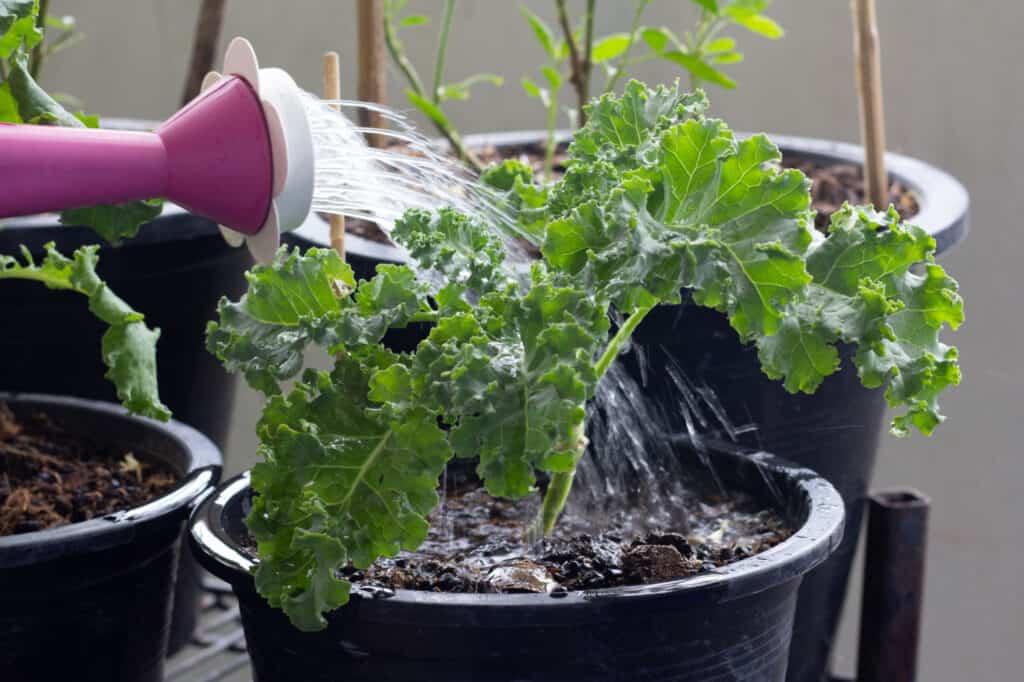
Sometimes, watering and fertilizing a badly pruned plant may be enough to help it revive over time.
©Photour.1904/Shutterstock.com
In many cases, providing your over-pruned plant, tree, or shrub with plenty of water and some quality fertilizer may be enough. Give the plant water every couple of days (or more often, if it’s hot out there!). Fertilize the plant with proper fertilizer for the species variety. Be sure to go with the proper care according to the plant, though, not necessarily as the package reads. And don’t worry about trying to produce flowers and fruit or nuts during this stage. Now is the time for restoration, not production.
If All Else Fails, Consider Tree Removal
There are, unfortunately, some cases when there’s nothing you can do to restore an over-pruned tree, shrub, or plant. When the damage is too much and the plant can’t heal, you may need to consider tree or shrub removal or turning the damaged plant into compost for other plants.
If you can’t decide if your plant is beyond repair, consult with a local nursery or online forum. Be sure to take plenty of close-up pictures of the damage and plant overall. This helps folks guide you through their own wisdom on decision-making. They may also have helpful hints for restoration if the plant isn’t too far gone.
Turn That Dead Tree Into a Habitat
If a tree, shrub, or larger plant is beyond repair, you could also consider letting nature take over. Many animals would happily reclaim the plant for a habitat and feeding ground. As long as leaving the plant as-is won’t cause damage to your home or other plants around, there’s no reason to remove if you don’t want to.