
Quick Take
- A 5-gallon enclosure is often recommended to ensure your snail has plenty of room.
- Placing hard objects in the habitat creates a shell breakage risk for climbing snails.
- Around 2-4 inches of fertilizer-free substrate is recommended.
- Picking a container with a breathable lid is necessary for proper ventilation
Snails make some of the best pets around. They are low maintenance, they don’t eat too much, and they are cute in their own special way. It’s important to know how to set up your snail’s new home before you decide to bring your pet home. Snail terrariums are vast and varied, but let’s look at what you can do to make yours the best it can be. A happy and healthy snail starts with a well-put-together terrarium! Take a look at these tips to make the best snail terrarium.
Different Types of Snails
Before we start, it’s important to note that we are going to be talking about terrestrial land snails today. Aquatic snails that live in a fish tank or pond will, of course, require a different habitat than land snails. For advice about aquatic snails, the best place to start is at your local pet store. They often sell aquatic snails, as they act as tank cleaners for fish. Read on to learn a few things to consider while making a habitat for your snails.
Choosing Glass or Plastic
The first thing you need to decide when picking your terrarium is its material. The two main options are going to be glass and plastic. Both materials have their advantages, so the choice is up to you. Just make sure to choose a transparent container so you can watch your snail move around during the day.
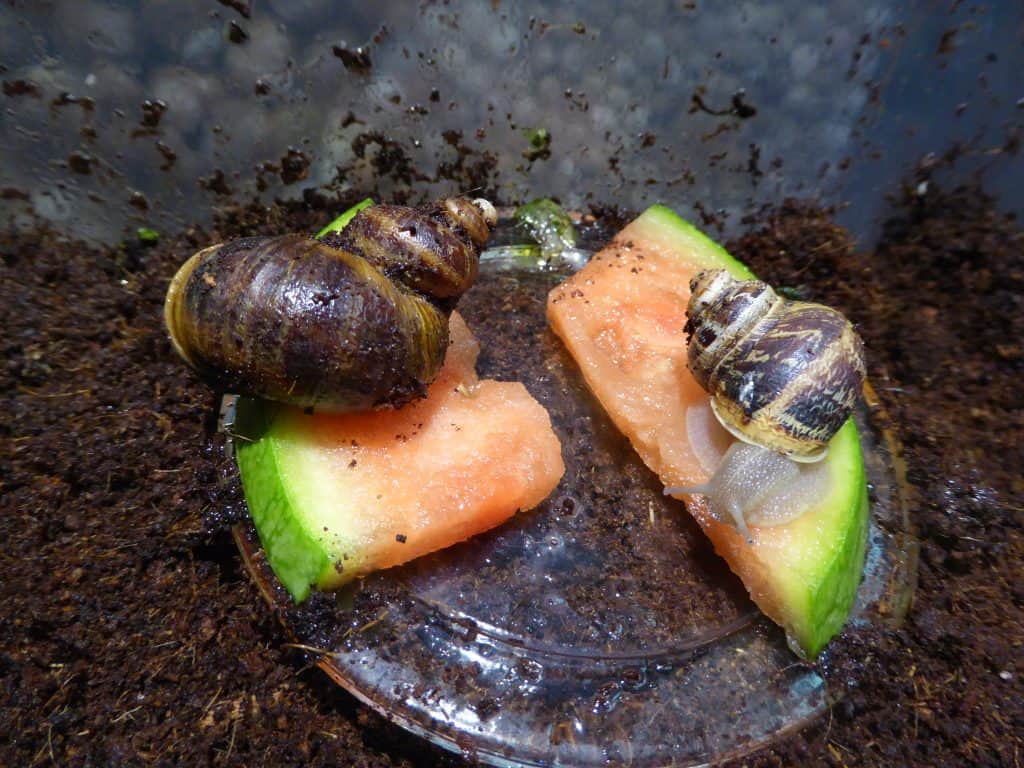
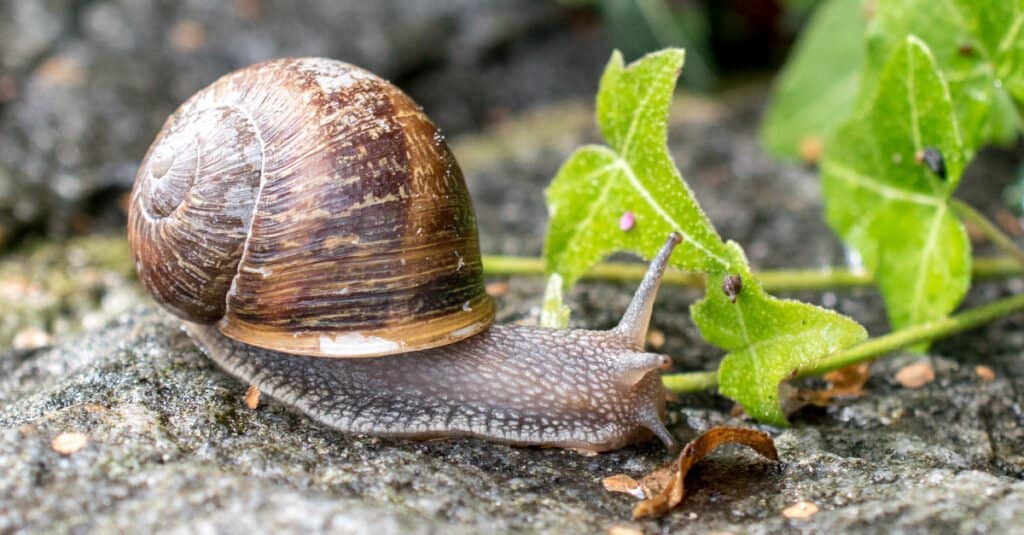
Snails can make great, low maintenance pets.
©Jiri X. Dolezal / Public Domain CC0 1.0 – Original / License
Thankfully, both options are relatively affordable. A small plastic enclosure is typically affordable, but glass or acrylic options can be significantly more expensive depending on quality and design. Generally, glass is going to be more expensive, and plastic will be cheaper. Glass often makes for a more professional look and a clearer view, but some plastics are extremely clear and make it hard to tell a difference.
When picking your container, the most important thing to ensure is that it comes with a firmly fitting, breathable lid. Since snails are excellent climbers, a lid is paramount to ensure they don’t end up hiding somewhere in the house. Additionally, there must be plenty of ventilation to allow for the transfer of gasses. Many pet stores offer both glass and plastic options with breathable lids.
Enclosure Size
There aren’t any hard and fast rules for the size of your enclosure, but it’s important you give your snails enough room to eat, hide, and live without interference. A 1-gallon container is the minimum recommended for a single 1-inch snail, but a 5-gallon enclosure is often preferred for more room. As you scale up, you can add snails. Many people find that a 10-gallon container is as big as they ever need as multiple snails can be housed together. Snails don’t take up much room and are slow-moving, but each snail needs its own space and resources.
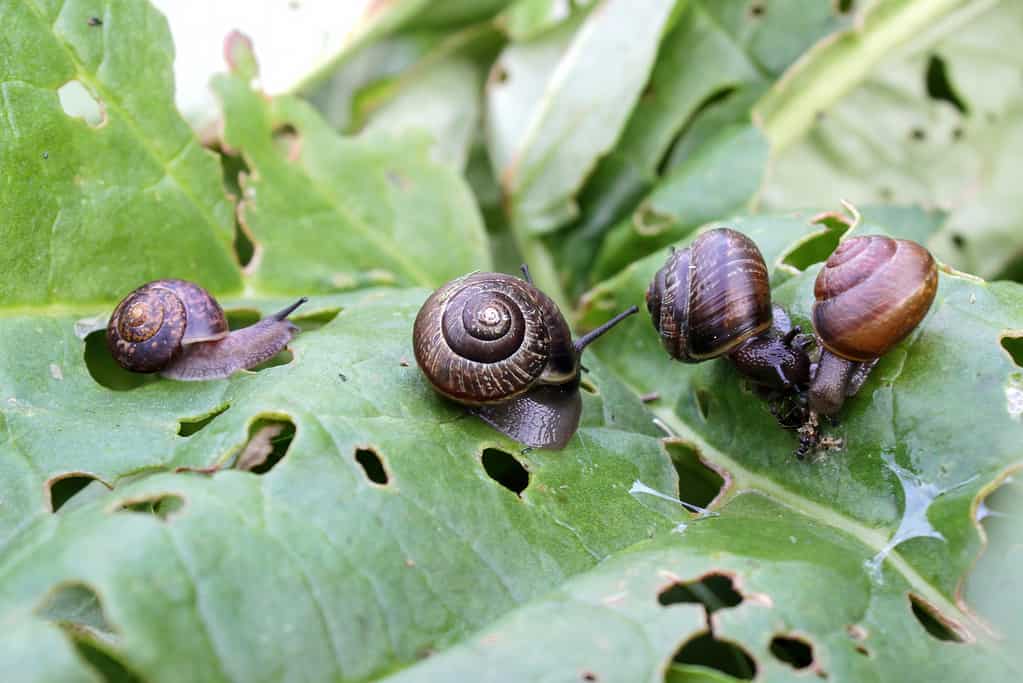
If you plan on keeping multiple snails, it is best to keep snails of the same species.
©VitaSerendipity/iStock via Getty Images
However, if you plan to keep multiple snails in your enclosure, there are two important considerations. First, snails are hermaphrodites, meaning they have both male and female sex organs, so they are likely to mate and lay eggs. This could quickly lead to a large number of snails that need to be managed. Second, some snail species are predatory, especially toward other snails. For this reason, experts recommend keeping only snails of the same species together.
What to Add to a Snail Enclosure
This is the big question. Let’s look at some of the basics. The most important part of the enclosure is the substrate. The substrate is simply the material that sits at the bottom of the tank. Generally, people use dirt with no fertilizers, but it needs to be sterilized. You can also buy store-bought snail substrate. Around 2-4 inches is recommended, or enough substrate for the snail to be able to bury itself when needed. Sphagnum moss is also recommended as an additive to help retain humidity.
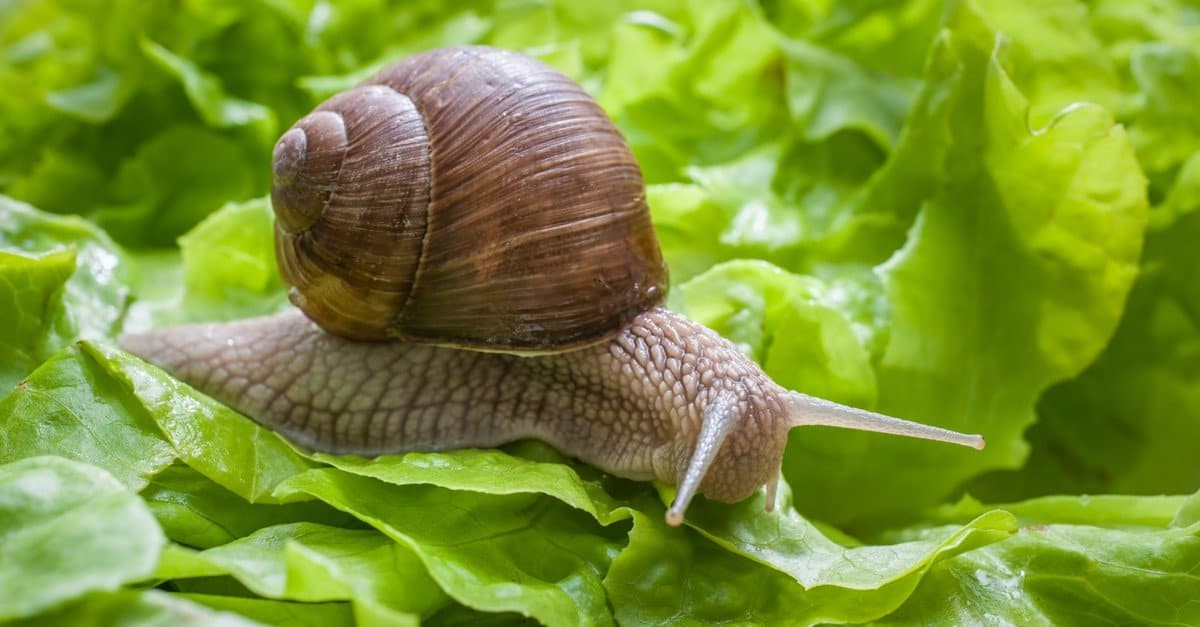
Snails typically get the water they need from their food.
©Alexander Raths/Shutterstock.com
Additionally, your snail will need some ground cover, some things to climb on, and somewhere to hide. A few leaves, sticks, and some moss will be ideal. The leaves and sticks provide texture and things for the snail to climb on, while the moss will help keep the terrarium moist. You can get creative when making a hiding place for your snail.
If you have small snails, avoid deep water bowls due to drowning risk; instead, maintain high humidity and provide a very shallow dish only if necessary. Snails they typically get the water they need from their food. Your snails also needs plenty of calcium, so purchase a cuttlebone (found in the bird section) that your snail can munch on as desired.
What to Avoid in an Enclosure
There are a few things that you should never put in a snail enclosure. First, ensure that your substrate is free of pesticides and fertilizers. These can harm and even kill your snail if placed within the enclosure. Potting soil may seem perfect for a snail, but it often contains deadly fertilizers.
You should never use substrate with fertilizers, as it can harm your snail.
©iStock.com/Daniela Schröder
Snails generally don’t need warming lights in their terrarium. If your snail is from your local habitat, additional lighting is unnecessary and can potentially harm or dry out your snail.
Try to keep hard objects away from areas where your snail might climb. A fall from a tall stick onto a hard surface, like a ceramic plate, could break the snail’s shell and be fatal. Since snails also like to climb the walls of the tank, keeping hard objects away from these areas can help prevent injuries.
Maintaining Your Enclosure
Maintaining your snail enclosure is simple. Once a day, you can mist or spray the terrarium with chemically neutral water to keep things moist. As mentioned above, sphagnum moss helps retain moisture, which keeps your terrarium humid.
Additionally, the terrarium should be cleaned regularly. Remove feces promptly and wipe down the walls with plain hot water and a paper towel. Soak dishes, hides, and other decor in hot water, then wipe them clean with a paper towel. Many snail keepers recommend mixing or aerating the substrate weekly to prevent stagnation and check for eggs. Change one-third to one-half of the substrate every few months to keep it fresh while preserving beneficial bacteria. You only need to change all of your substrate if there are signs of mold, odor, or excessive waste buildup.