
Quick Take
- The frog is almost never the biggest expense. What you spend before it eats its first cricket will likely shock you. See the setup costs →
- Pairing the wrong frogs together is more than just a bad idea. For some species, it's a death sentence. Check species compatibility →
- There's a maintenance trick that can slash your recurring costs to almost nothing, yet most new owners never discover it. Explore recurring cost savings →
- You might not need to own a frog at all to enjoy one. This cheaper alternative actually benefits your local ecosystem. Try the wild frog alternative →
Keeping exotic pets dates back to ancient times, but the modern global exotic pet trade truly surged in the 20th century as international travel and shipping expanded. Driven by the popularity of tropical fish in the mid-20th century, the market rapidly expanded to include other animals. Exotic pet frogs became available across the United States in the latter part of the 20th century, when commercial reptile breeding took off. The availability of these amphibians has grown exponentially as part of a multi-billion-dollar global exotic pet market, thanks to the internet and social media. Are you dreaming of an amphibian companion but wondering what it actually costs? Before welcoming a pet frog into your life, it’s important to break down the setup and daily care expenses. Continue reading to discover all of the costs associated with bringing a pet frog home.
How Much Does a Pet Frog Cost?
Most common pet frogs, such as the widely popular American green tree frog (Hyla cinerea) and the White’s tree frog (Litoria caerulea), are small, arboreal amphibians. Their compact size and suctioned toe pads make them perfect for navigating vertical, leaf-heavy habitats, allowing them to thrive in easily managed, space-efficient terrariums. This manageable scale, combined with fascinating behaviors and vibrant coloration, makes them highly attractive for hobbyists. Despite their manageable size, tree frogs have highly permeable skin that makes them sensitive to handling and to poor water quality. Consequently, they are generally best suited as engaging display pets that require carefully controlled humidity and temperature conditions.
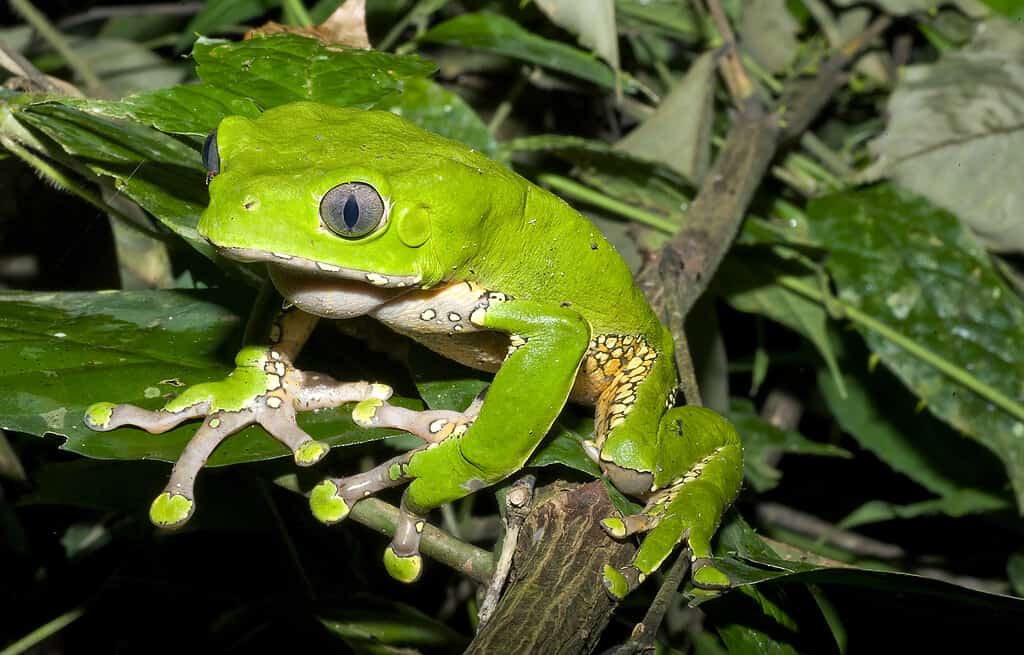
The purchase prices of some popular pet frog species include:
| American Green Tree Frog | $10-$20 |
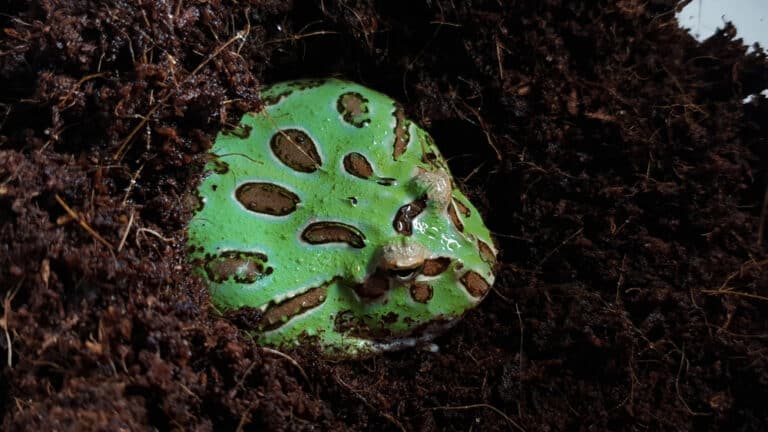
| Pacman Frog | $20-$40 |
| Tomato Frog | $20-$60 |
| White’s Tree Frog | $20-$60 |
| Red-eyed Tree Frog | $30-$50 |
| Poison Dart Frog | $30-$70 |
| White-lipped Tree Frog | $15-$75 |
| Amazon Milk Frog | $50-$125 |
All of the frogs listed, except for Pacman frogs (Ceratophrys) and tomato frogs (Dyscophus antongilii), are social animals that will be happier when kept with other frogs. Pacman frogs and tomato frogs are aggressive and should be housed alone.
Beyond the initial purchase price, the specialized habitat that frogs require calls for a significant upfront investment. Since the most common pet frogs are tropical or subtropical tree frogs, you will need to acquire a tall glass terrarium, specialized UVB and heating lamps, and an automatic misting system to precisely control temperature and humidity. These vital structural components, along with safe substrates, climbing branches, and water conditioners, often cost several times the price of the frog itself.
Pet Frog Set-up Costs
While long-term care for frogs is relatively inexpensive, the initial setup costs can be significant. Although monthly upkeep for a single frog is often under $25, initial setup costs typically start around $130 and can exceed $500 depending on equipment and tank size.
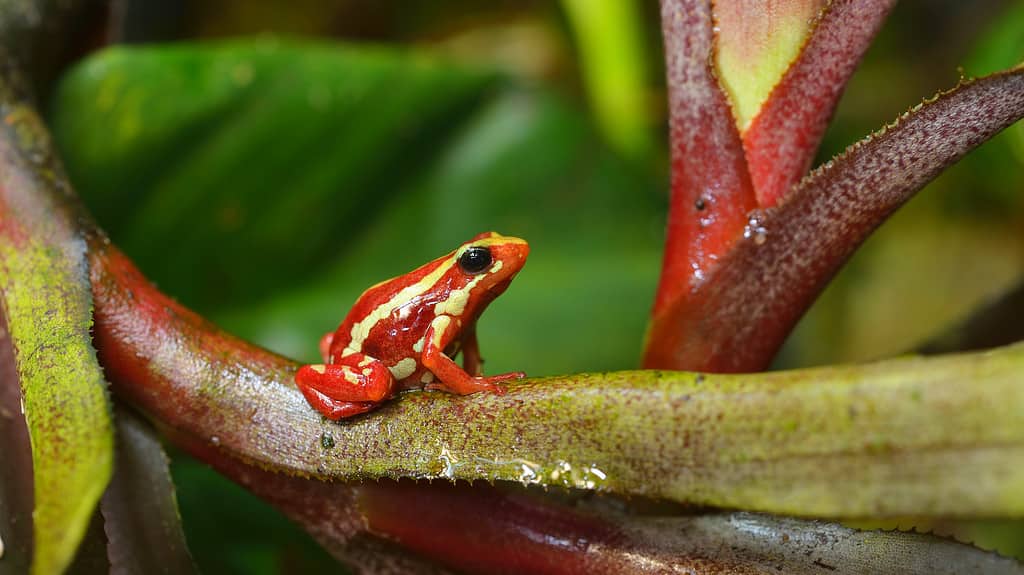
Tank setup can be expensive.
©iStock.com/alekseystemmer
Your setup should include a secure, species-appropriate glass tank or terrarium with a tightly fitting screen lid and moisture-retaining substrate. Other essential items include heating and UVB lighting, a digital thermometer and hygrometer, an automatic mister or spray bottle, a shallow dish of dechlorinated water, and hiding spots or live plants.
The table below lists everything you’ll need for your pet frog and the estimated costs:
| Tank | $10-$250+ depending on size and type |
| Substrate (soil) | $20-$50 |
| Plants | $10-$50 |
| Heat lamp | $10-$50 |
| Tank items and decor | $25-$100+ |
| Food (crickets or other insects, vitamin and calcium supplements) | $10-$30/month for a single frog; higher for groups or specialized diets. |
| Thermometer/Hygrometer | $10-$60 |
| Misting System | $1-$300 |
Food and Other Recurring Costs
Ongoing care for a single pet frog typically costs less than $25 per month, which includes purchasing insects for food, dietary supplements, and replacement substrate.
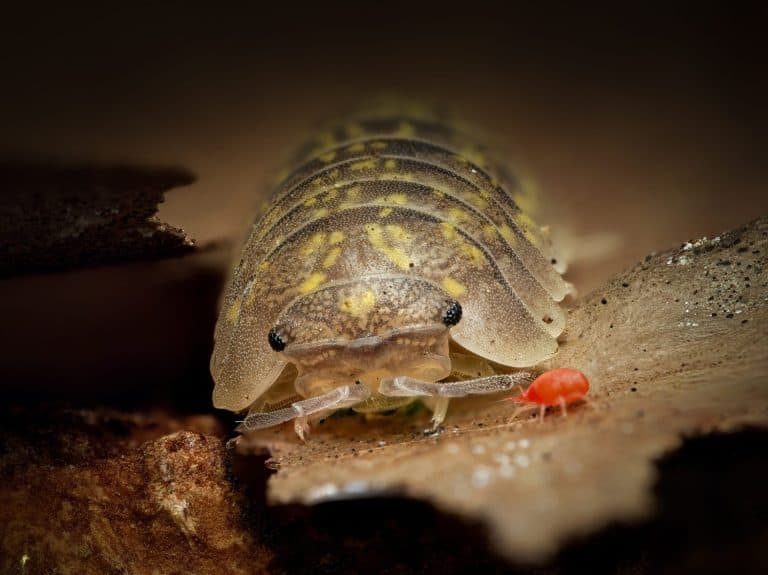
The substrate may need to be replaced every two to four weeks if you don’t have a self-sustaining tank with plants and insects, like springtails and isopods, that consume mold, rotting plant matter, animal waste, and shed skin, helping to keep the tank clean. If you have a functioning clean-up crew, you may only need to fully replace the substrate once every one to two years.
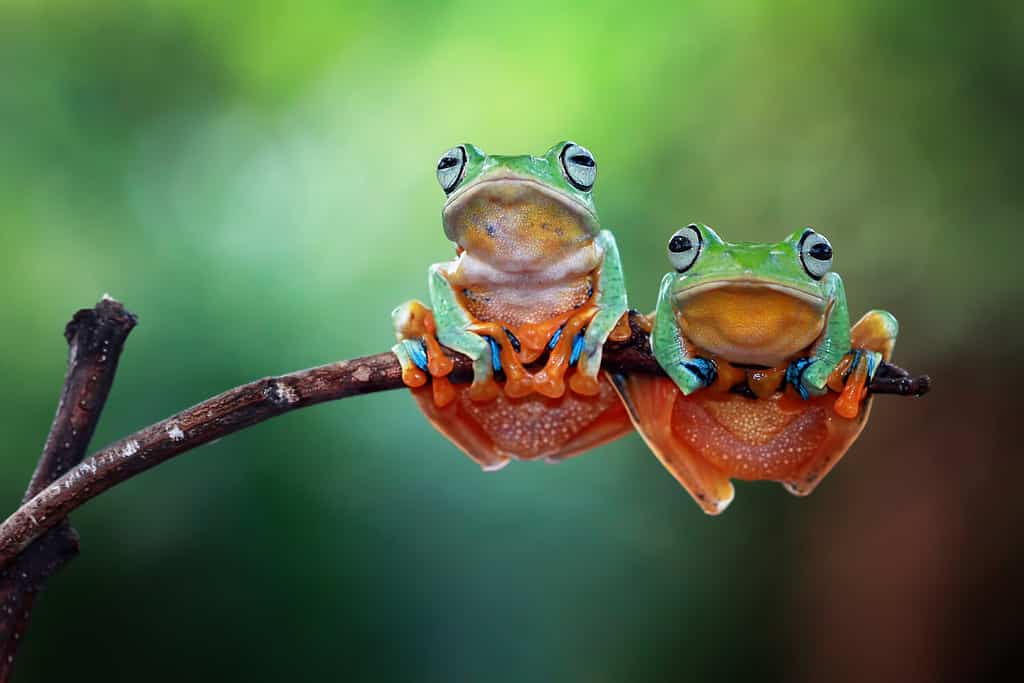
Size plays a big role in how much your frog needs to eat.
©Kurit afshen/Shutterstock.com
Expect to spend between $15 and $30 to feed your pet frog in the first month, including supplements and insects.
If you choose to breed your own insects, you can significantly reduce food costs and may have a steady supply of free frog food for months or even years. However, breeding insects may not be suitable for everyone.
Do Pet Frogs Need Veterinary Care?
Frogs should have routine veterinary check-ups every six months to one year to help ensure a longer, healthier life.
Your frog should also see an exotic pet veterinarian whenever they show signs of illness or behavioral changes. It can be easy to look past small changes in behavior, but they’re often the first sign that something’s physically wrong.
Ensure your veterinarian has experience with amphibians and is knowledgeable about their care and health needs. Routine veterinary care for pet frogs in 2026 typically ranges from $50 to $150 per visit, with emergency or specialized care costing more.
Consider purchasing exotic pet insurance to help cover veterinary costs if your frog becomes sick or injured. Alternatively, set aside savings for potential emergencies.
Common health problems in frogs include infections, impaction, metabolic bone disease, and parasites.
Providing a Home for Wild Frogs
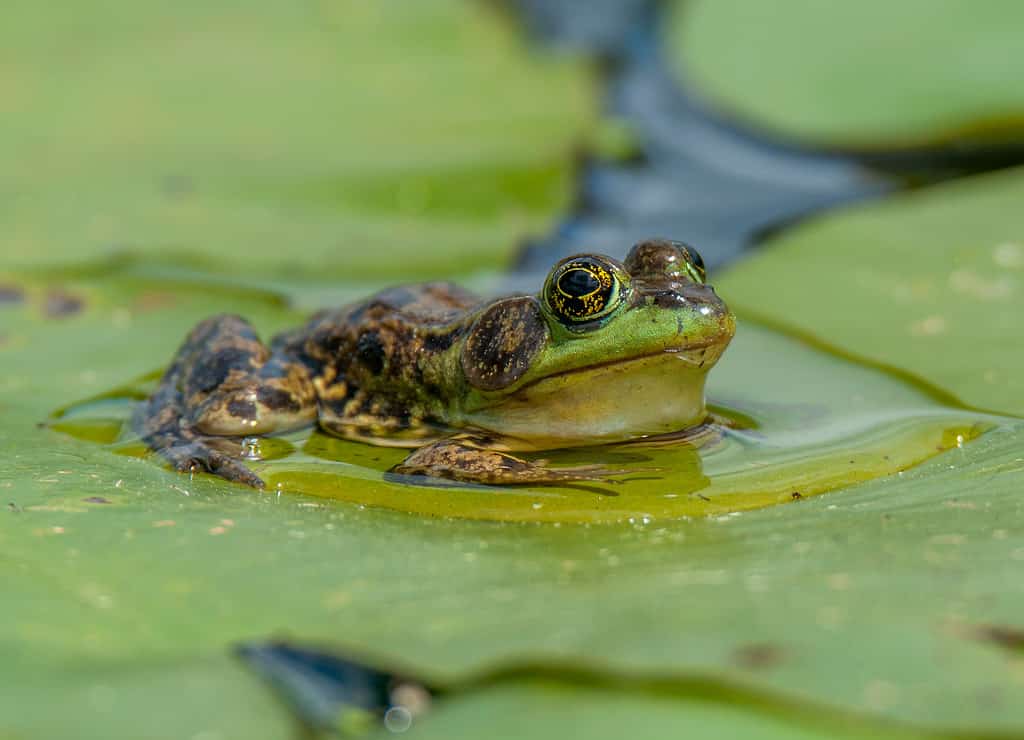
Maintaining an outdoor pond, even a small one, is another way to get acquainted with frogs if you cannot keep one as a pet.
©Gerald A. DeBoer/Shutterstock.com
Consider setting up a place where wild frogs can thrive. This can be less expensive than the price of keeping your own pet frogs, and it helps your local ecosystem while allowing you to observe frogs in their natural environment.
Typically, you’ll want to have a small pond for frogs to take up residence and breed. This setup can be as elaborate as you like, or you can create a small, self-sustaining container pond that fits on your porch.