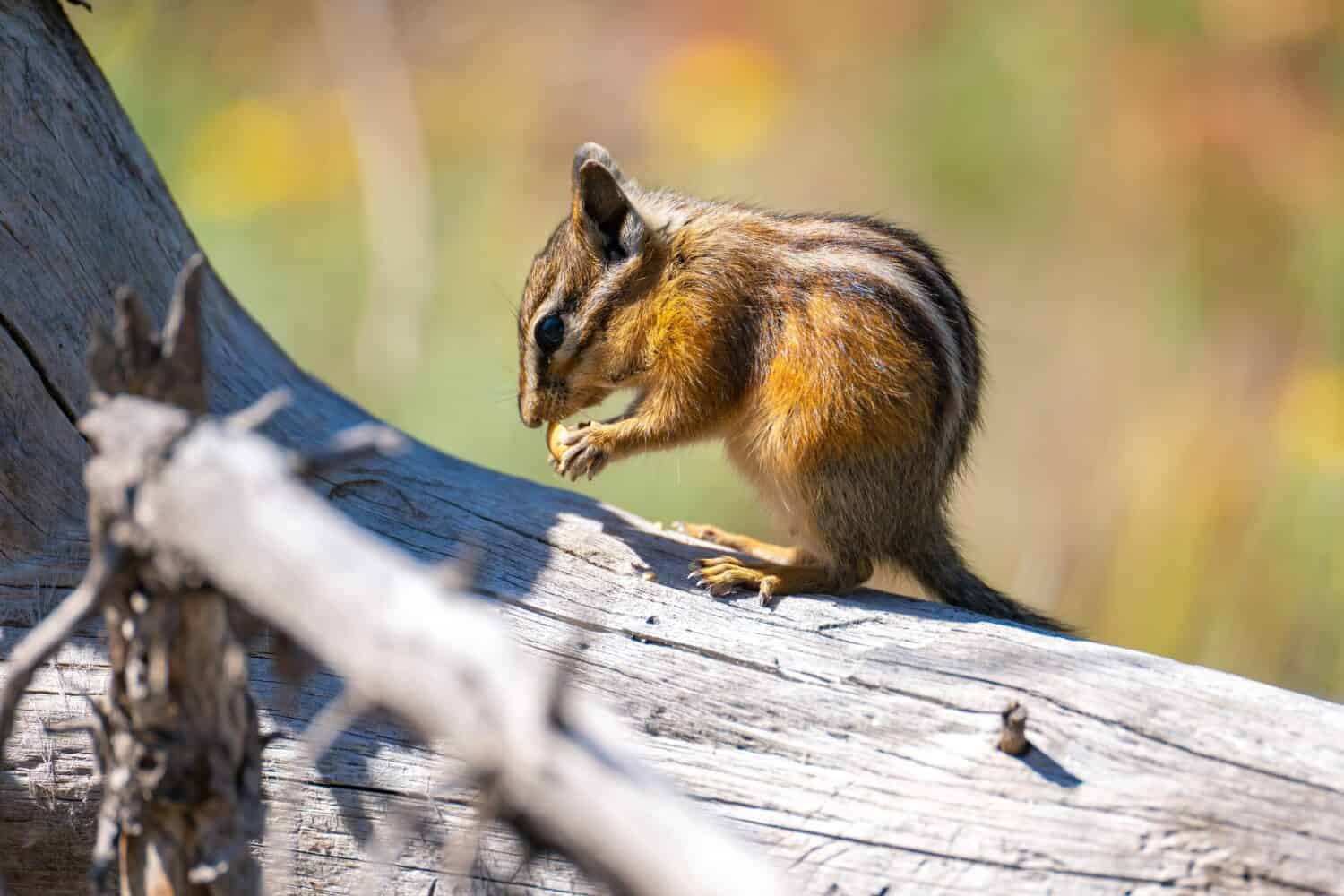

Ah, chipmunks. They’re tiny, they’re cute, and their unique gallop makes watching them scurry away a sight to behold. Your friendly, neighborhood chipmunks might be causing more harm than good to your yard, and you want them out. If you’re looking for a humane way to get rid of the chipmunks in your yard, the good news is several great options exist for long-lasting solutions.
A-Z Animals interviewed several lawn care, veterinary, and pest control experts who often solve homeowners’ chipmunk problems. Keep reading to discover nine of the most effective ways to get rid of chipmunks in your yard — for good.
9 Ways to Get Chipmunks out of Your Yard
As long as you know where the chipmunks congregate, how they get in, or where they hide, you’ll be able to use at least one of these strategies to get rid of the chipmunks in your yard.
1. Remove Food Sources
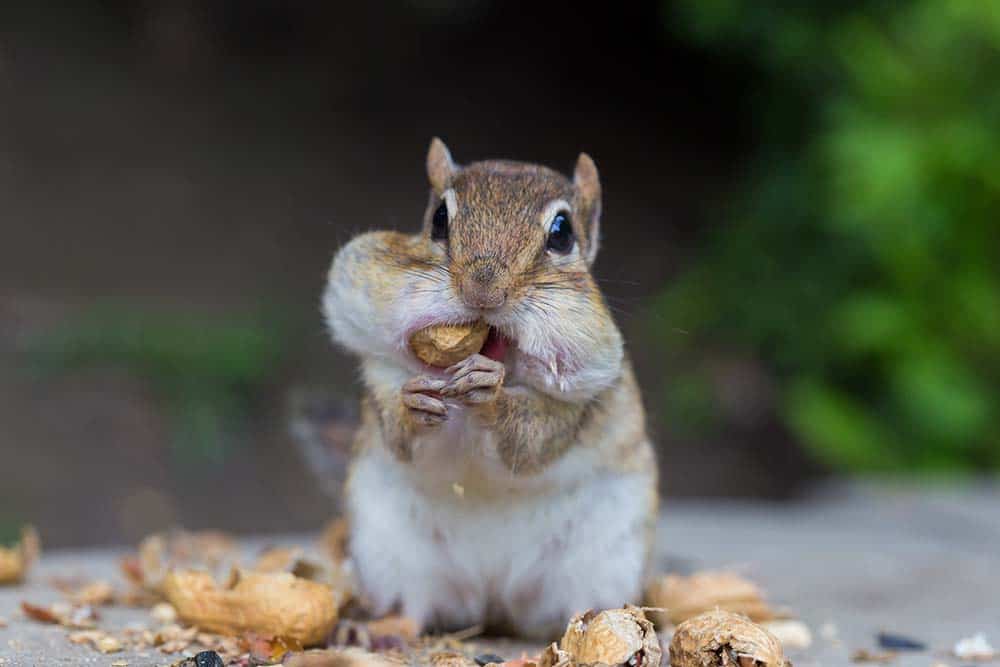
Chipmunks can store. up to 12 acorns in their cheeks.
©colacat/Shutterstock.com
Like any other animal, including humans, chipmunks want food. It’s how they survive. Removing any food sources, or chipmunks’ access to food sources, is your first step in keeping chipmunks out of your yard for good.
“If chipmunks are coming around your home and not leaving, it’s because there’s food they’re receiving. It’s best to remove the food source to remove them from your property,” informed Dan Bailey, the President of WikiLawn Austin Lawn Care.
“Driven by food and shelter, it becomes clear that controlling their access to these necessities would naturally decrease their presence. Clearing fallen fruits, securing seeds, and maintaining a clean yard can be more effective than one might imagine.” Dr. Cheri Honnas, Bone Voyage Dog Rescue, built upon Bailey’s statement.
Chipmunks are like detectives when it comes to searching out and finding food. If you have bird feeders, consider moving them to a place that chipmunks can’t reach. Seal away bird, rabbit, dog, or cat food so chipmunks aren’t tempted by the smell. Furthermore, protect your garden with mesh sheets, bird netting, or hardware cloth. These will all deter or inhibit chipmunks from getting into your garden’s produce.
2. Use a Humane Trap
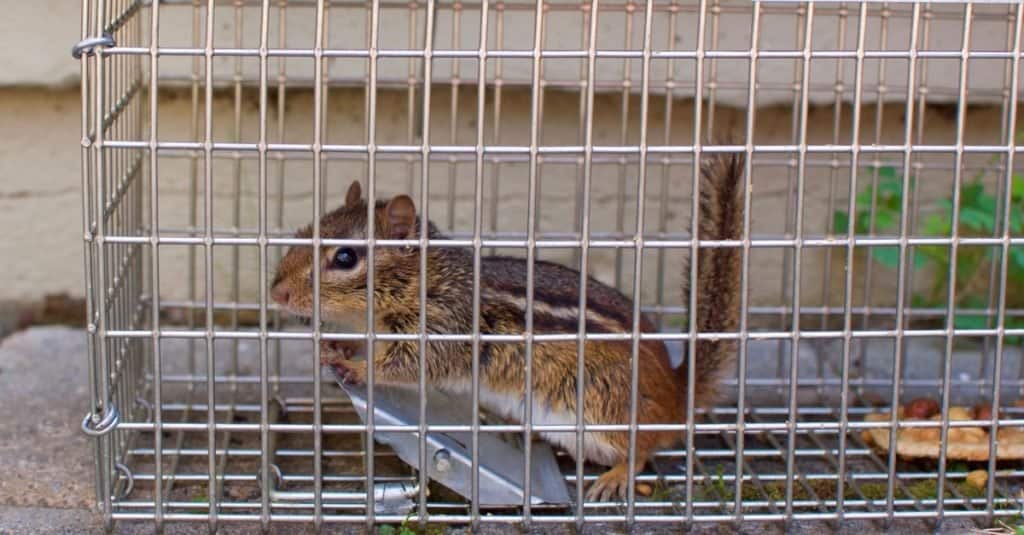
Be sure to release the chipmunk in a place it will thrive after catching it in a humane trap.
©Holly Vegter/Shutterstock.com
One of the first solutions people turn to is a humane trap. This relocation method captures chipmunks at the source — your backyard — and allows you to release them in a more appropriate area. After all, if you have young children or pets, your backyard isn’t the safest place for a chipmunk. Instead, set them off on a new life in a community park, nature preserve, or nearby forest.
“Humane live traps are available. Just make sure to release our furry friends a reasonable distance from your home, preferably near a wooded area where they can thrive,” said Dr. Sabrina Kong, a veterinarian and regular contributor to WeLoveDoodles.com.
These traps run between $15 and $30 for the most rudimentary needs. You won’t need experience in trapping to set one up.
3. Experiment with Ultrasonic Deterrents
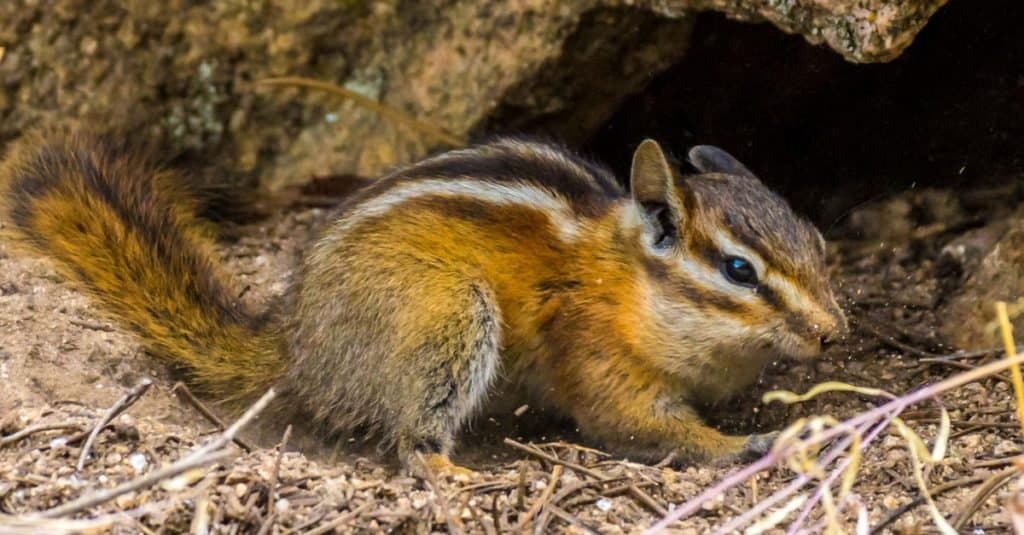
Ultrasonic deterrents won’t hurt chipmunks; it will just make being it your yard annoying.
©Ryan Narron/Shutterstock.com
Technology abounds when it comes to inventive pest deterrents. Much like ultrasonic buzzers for insects work, ultrasonic deterrents for chipmunks exist that make your yard a noisy and annoying place to be — even underground. The frequency these ultrasonic repellents emit won’t hurt the chipmunks, or other domesticated animals at your house, but they will reach a pitch that irritates chipmunks enough to encourage them to forage for food somewhere else.
“The sonic barriers that ultrasonic deterrents create are innovative, turning your yard into an environment that’s less inviting without causing harm.” Dr. Honnas.
Ultrasonic pest repellers come in two forms: stakes for the ground or outlet plugs for outdoor outlets. The ground stakes tend to offer more coverage; especially if your chipmunk problem is extensive. If you have dogs or outside cats or rabbits, test this before using it. If your pet responds negatively, you may want to find another option.
4. Get Rid of Firewood

Your cache of firewood acts as a chipmunk’s personal dentist.
©iStock.com/Vitelle
If you see a family of chipmunks in your woodshed, it might be time to get rid of the backlog of firewood you have stored. Or, consider a small, latched cubby in which you can keep your firewood.
But why are chipmunks in your wood pile in the first place?
Like other rodents, chipmunks have a constantly growing incisor that needs to be worn down through chewing or gnawing every day. If chipmunks don’t break down the large tooth, it can cause painful effects on their body and preclude them from eating.
No one wants to resign a chipmunk to a life of not eating, but they don’t need to use your wood pile as their personal dentist’s office. By ridding the large piles of wood from your yard, you’re removing one more reason for chipmunks to frequent it.
5. Rely on Predators
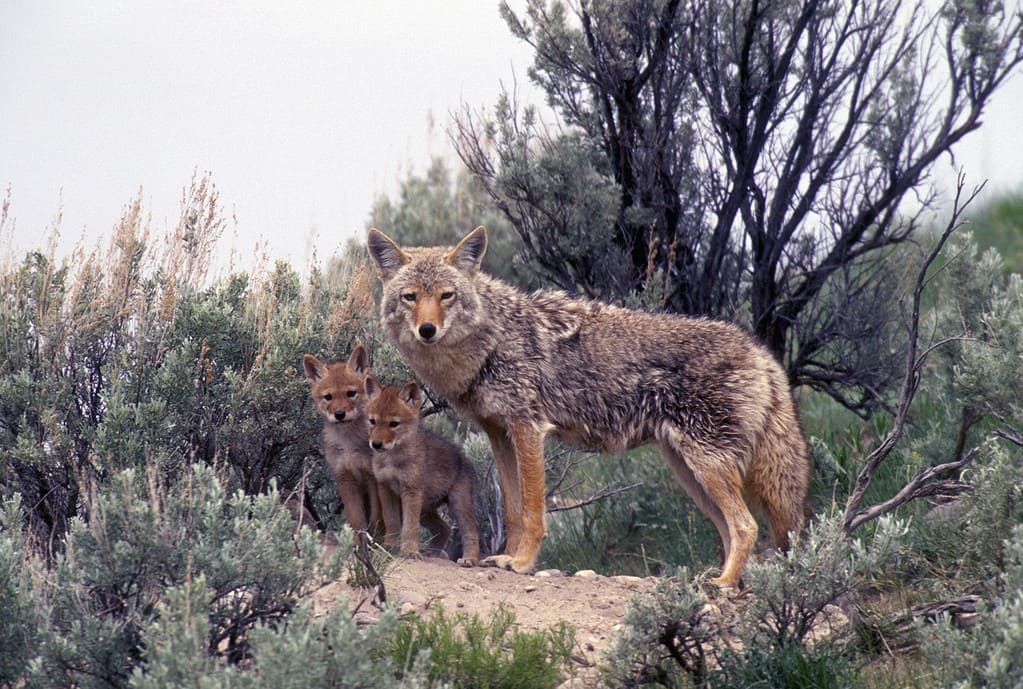
Spreading coyote urine can deter chipmunks from returning to your yard.
©KenRinger/iStock via Getty Images
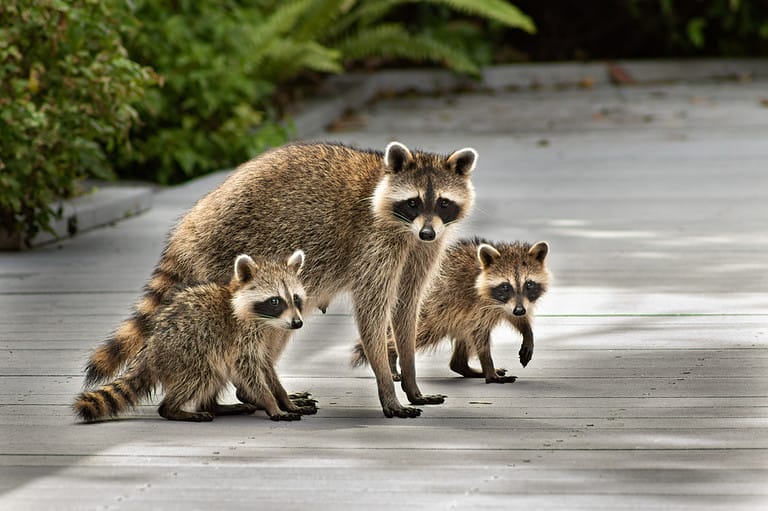
Predator urine, that is! Chipmunks rank near the bottom of the food chain, meaning they need to do whatever they can to survive. If they see or smell a predator, they’ll turn tail quickly — it’s how they stay alive. However, those sights and smells don’t need to be the real thing to get the message across.
Jamie Nichols is the Senior Service Center Manager at Arrow Exterminators, a full-service company specializing in pest control, termite protection, mosquito prevention and more. He shared a tip he swears by.
“Chipmunks have natural predators such as foxes, raccoons, and coyotes. Homeowners can take advantage of this to keep them out of the yard by purchasing predator urine online. Putting some drops of urine around the holes of the chipmunks, and in the areas you see the chipmunks, could drive them away to another location. Make sure to wear gloves and follow directions for usage/handling instructions.”
Dr. Sabrina Kong backed up Nichols’ suggestion and gave her own predator-fueled relocation technique.
“A gentle way to encourage [chipmunks] to relocate is by placing used cat litter or ammonia-soaked rags near the entrance. Don’t worry; it’s not harmful, just a bit off-putting for them.”
6. Research Non-Lethal Repellant
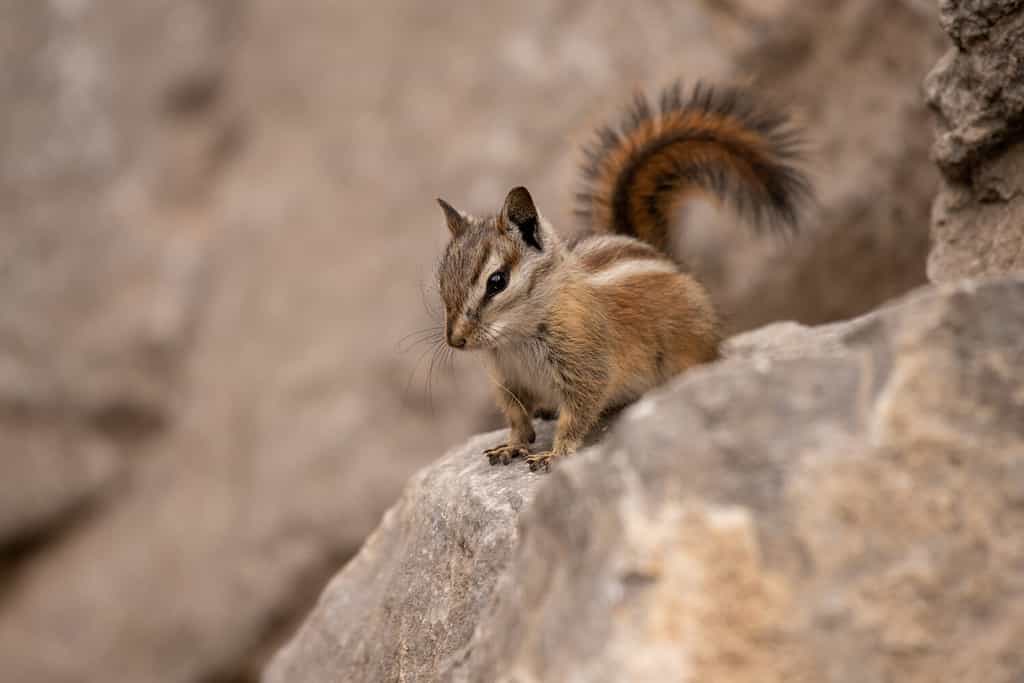
Chemical-based granular repellant will taste bad, but not poison, chipmunks if they ingest it.
©Sean R. Stubben/Shutterstock.com
Along with predator urine, other options — mainly chemical-based — on the market exist for repelling chipmunks. Home improvement stores sell different brands of granular repellent you can use in attics, around fences, garden beds, and more to erect a defense against pesky chipmunks.
While most will rid the infestation from your yard, it may cause unintended damage elsewhere.
“While some [desperate homeowners] might resort to poison bait or scare tactics, such methods are largely futile and could do more harm than good. Embrace the humane approaches. Make your garden less a battleground and more a harmonious space where every creature finds its place, albeit with boundaries.” Dr. Honnas encouraged.
7. Try Homemade Deterrents
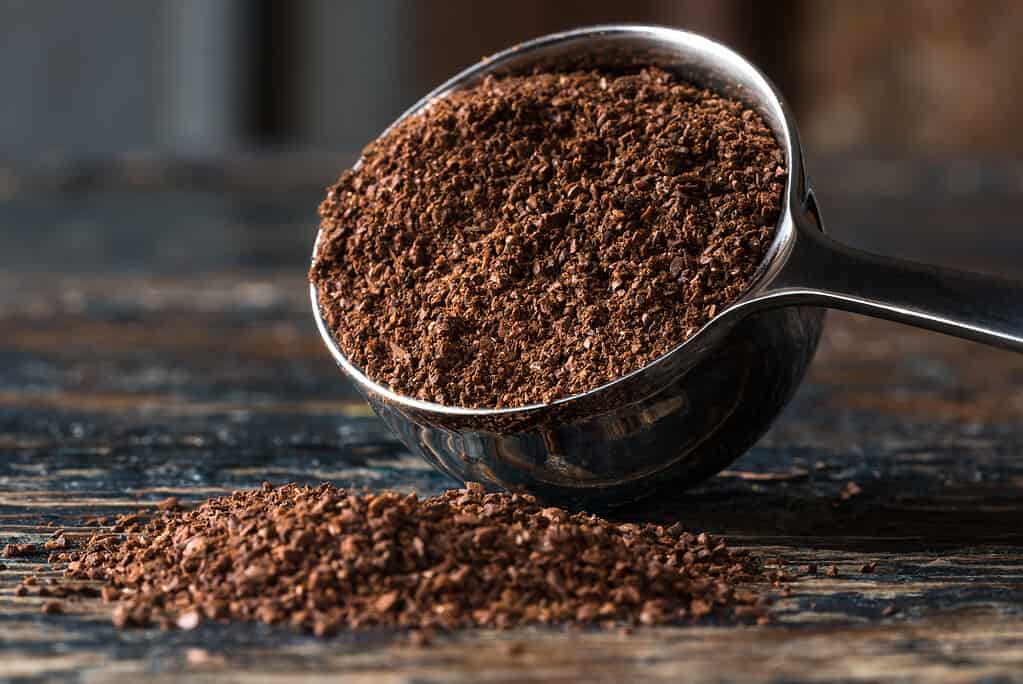
Did you know coffee grounds make a great natural deterrent?
©iStock.com/Michelle Lee Photography
Homemade deterrents might be the answer for homes with pets, young children playing in the yard, or dedication to living a lifestyle without harsh chemicals. These options save your wallet, save the planet, and even have a few added benefits outside of getting rid of chipmunks.
“Chipmunks are sensitive to strong smells. Coffee grounds, with their potent aroma, act as a natural repellent,” said Kayla Stavridis, an expert from BaristaHQ. “By spreading used coffee grounds around plants, garden beds, and areas where chipmunks frequent, you can create a scent barrier.”
These barriers act as a natural warding line that chipmunks choose not to cross of their own volition, simply because it smells too strong to them.
“An added advantage of using coffee grounds is their ability to enrich the soil,” continued Stavridis. “They add organic material, improving drainage, water retention, and aeration. Plus, they release nitrogen, an essential nutrient for plants. Instead of chemicals or traps, coffee grounds provide a humane solution. It’s a way to recycle and repurpose kitchen waste, ensuring that chipmunks aren’t harmed and your garden thrives.”
Dr. Honnas jumped in to share more DIY ways to get rid of chipmunks, augmenting Stavridis’ answer.
“There are homemade solutions, like the sprays crafted from garlic and hot peppers. The old and the new, nature and technology, come together in these strategies, demonstrating that solutions don’t have to be uniform but can be tailored to individual circumstances.”
8. Consider Re-Landscaping
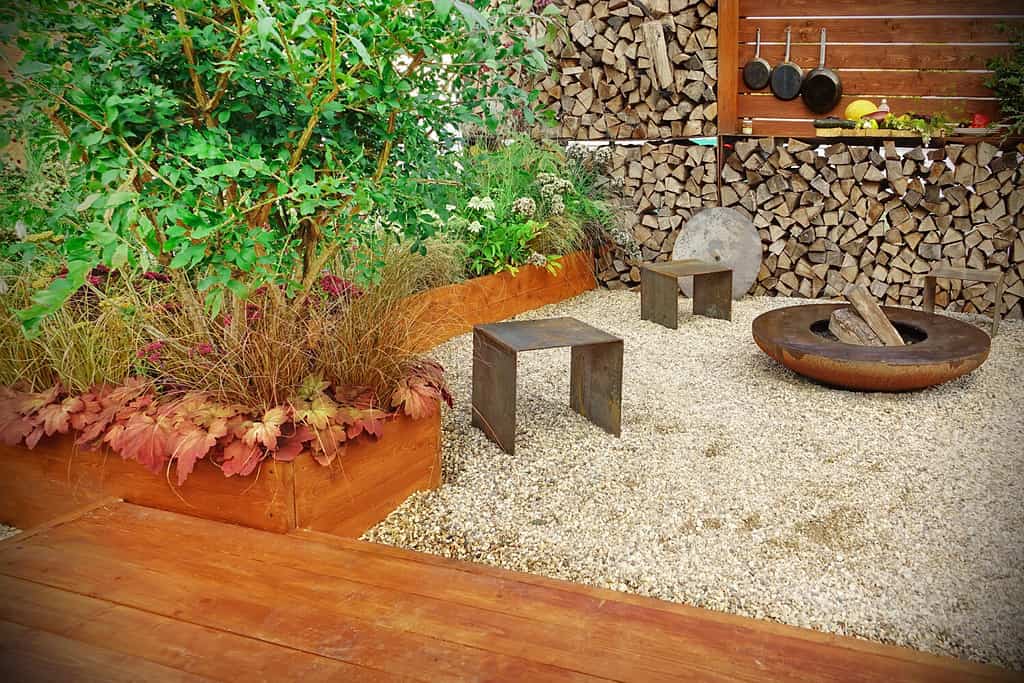
You may consider re-landscaping your backyard if chipmunks have found their way inside firewood storage, sheds, or hanging bird feeders.
©AVN Photo Lab/Shutterstock.com
For some homeowners, a stubborn chipmunk infestation might be an open invitation to re-landscape. Whether you need to remove some trees, add shrubs, or shift the placement of your outdoor furniture and structures, the change-up not only will confuse chipmunks — but it will encourage them to find a different home. One solution is as easy as a $20 fake owl.
“One of the easiest ways to deter chipmunks from your yard that is harm-free is to display fake owls and/or scarecrows,” said Christen Costa, CEO of GR Lawn & Garden. “I personally have two fake owls in my yard on opposite ends, and I practically never see chipmunks anymore. Scarecrows work the same way. Chipmunks, like other rodents, perceive these things as threats and simply steer clear. Occasionally I will move my fake owls around to different spots just to make sure they aren’t catching onto me!”
On the other hand, you can get into a more involved landscaping project to both upscale your backyard and remove habitats for chipmunks.
“A long-term solution for chipmunk control would be ‘habitat manipulation,’ which involves changing their environment to make it less hospitable for them. This can include using landscape materials such as stone, gravel, or rock, eliminating low bushes and harborage for the chipmunk, creating less places to hide,” Nichols informed.
9. Call the Professionals
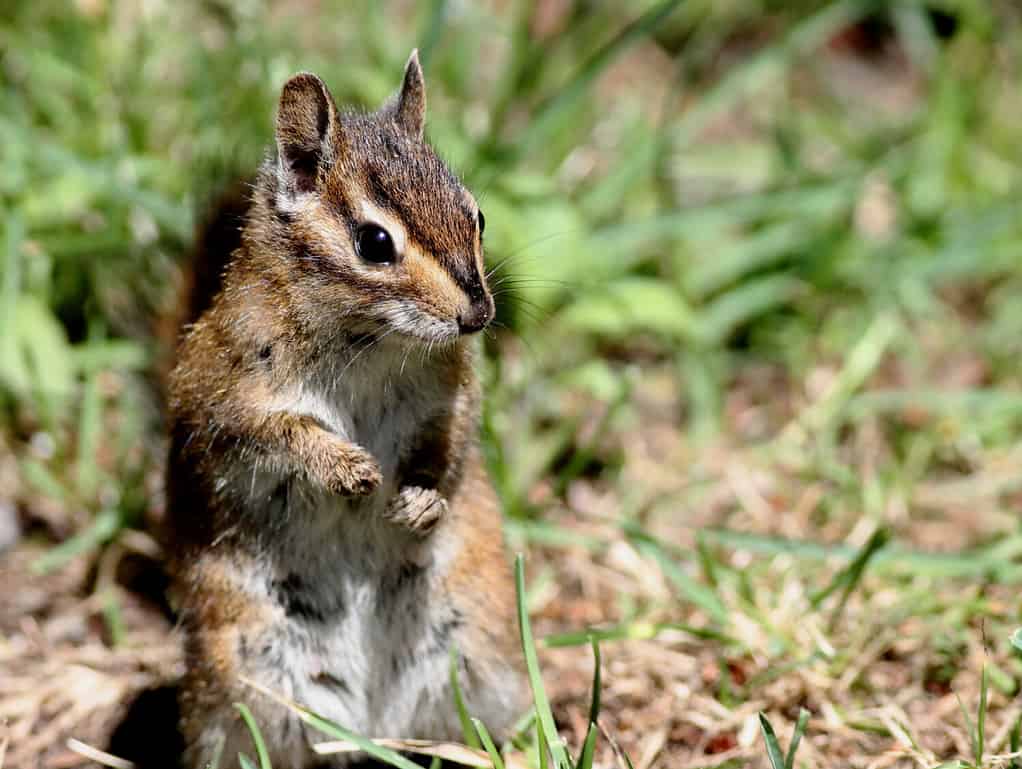
Pest control specialists handle chipmunk infestations weekly and know the best course of action to suggest.
©Randy Bjorklund/Shutterstock.com
If all else fails, call the professionals.
Pest control services have extensive experience in ridding lawns of common pests like chipmunks. They may use similar methods as the previously listed ones — but they understand chipmunk behavior and patterns enough to know when something will work as a lasting solution, and when to try another option.
How Chipmunks Can Damage Your Yard
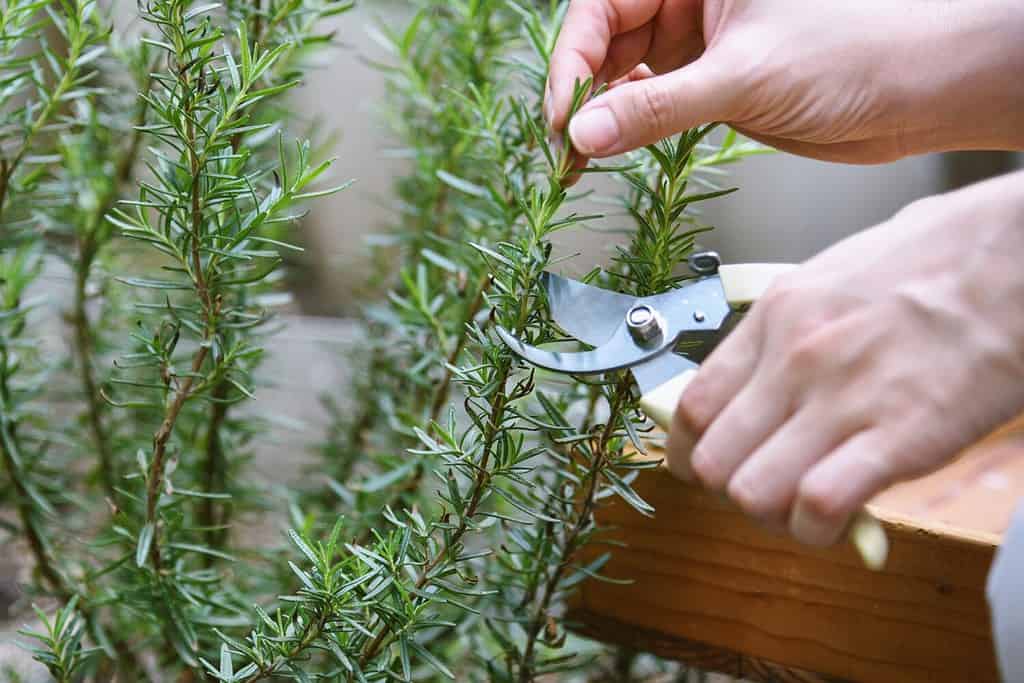
Your well-tended home garden may be under attack from chipmunks.
©ARTFULLY PHOTOGRAPHER/Shutterstock.com
As cute as chipmunks are, with their chubby, full cheeks and quick, prancing run, they can cause significant damage to your yard if allowed. It’s difficult to first notice chipmunks in your yard; unless you’re looking for specific signs, you may not notice that chipmunks have made themselves at home for weeks or months. Thankfully, the damage chipmunks inflict on yards usually won’t cause foundational damage to your home.
Eating Your Garden
The first place to look when you suspect chipmunks is your garden. There are a few different reasons chipmunks will eat what you’ve planted.
If it’s a sweltering summer, chipmunks will use the low-hanging fruit on your plants as a water source. Tomato and strawberry plants bear the brunt of this; because the water content in both fruits is higher than others, chipmunks use them as accessible water sources.
If you don’t plant vegetables or fruits in your garden, there’s still a chance that chipmunks like what you plant. They’ll also eat berries, vegetables, nuts, and flower bulbs like tulips.
Burrowing Through Landscaping
While you might consider a chipmunk to be a small, tree-loving animal, the reality is that chipmunks spend a ton of time underground. Chipmunk burrows, unfortunately, can devastate a flower bed, landscaping, and even sidewalks.
Chipmunk burrows won’t destroy your yard as much as a mole or vole will, but they can wear down the stability of the soil in your yard. Burrow erosions look like tiny holes, pits, and even medium-sized depressions. The entrances of their burrows, while hard to spot at first, most likely start near porch foundations, retention walls, and sheds.
Chewing Irrigation
Chipmunks won’t always cause extensive damage, but some eat through irrigation lines without realizing it and can cost homeowners more than they’d like to pay in both bills and the resources to repair. These situations are hard to prevent, as smell and taste repellents won’t always work against chipmunks — and they should remain safe for humans if the irrigation pipe will water something people in the home will eat.
Consistently check your water hoses, underground irrigation systems, and water lines to ensure their integrity. This will confirm that you’re not wasting water or pooling it under the surface of your grass.
If chipmunks have gotten to your water source, consider wrapping wire mesh around the supply line. This may provide enough of a deterrent that chipmunks will leave the line alone.
Usurping Bird Feeders
As omnivores, chipmunks will eat pretty much anything they can get their hands on that will provide them with energy. They eat similarly to a squirrel, which is why both animals are top offenders of bird feeder theft.
While a chipmunk eating from your bird feeder won’t ruin or damage your yard extensively, it invites a few indirect problems that might have lasting consequences. First, the tell-tale sign of chipmunks in your yard is discarded shells around a birdfeeder. They won’t hurt your yard, but they’re a headache to clean up. Second, if a chipmunk eats from your birdfeeder too often, they may scare all the helpful, pollinating birds away. If you’ve cultivated your yard to be a bird haven and wildflower pollination area, chipmunks can infringe on that mission.
Chase the Chipmunks Away
If you’ve worked hard to cultivate a backyard oasis with shady trees, bountiful shrubs, and a productive garden of fruits and vegetables, you’ll want to know the most effective ways to get rid of chipmunks in your yard. Not only can they injure the plants you worked so hard to grow; their burrows may cause irreparable damage to tree roots. They could also incur heavy costs to fix sidewalks or other landscaped structures under which they burrowed.
Finding a humane, effective way to get rid of chipmunks ensures the safety of their population and your well-tended yard.