Quick Take
- These frogs have 'fangs,' but what they're actually made of is not what you'd expect. See what the fangs are made of →
- Some frogs in this group skip egg-laying entirely, and the reason why is tied to where they live. Discover their live birth trait →
- Scientists have observed these frogs doing something while hunting that no frog is supposed to be able to do. See the cooperative hunting behavior →
- Male fanged frogs don't just use their weapons for hunting. Rivals find that out the hard way. Watch rivals clash →
Most frogs spend their lives eating insects, croaking noisily, and hopping about. They are generally thought of as harmless amphibians, with perhaps the most interesting thing about them being their long sticky tongues and high jumping abilities. However, some frogs have evolved traits that seem completely un-frog-like. A unique group of frogs known as fanged frogs grow sharp bony projections that look a bit like teeth. These rod-shaped protrusions, along with other surprising adaptations, set them apart from their relatives. Found hopping through remote areas of Indonesia and the Philippines, they challenge nearly every frog-related assumption. Here are eight fascinating facts about these bizarre amphibians.
They Really Do Have Fangs

©Sifrx90 Photography/Shutterstock.com
Fanged frogs are named for the sharp projections that extend from their lower jaws. Though they look similar to teeth in terms of placement, these structures are not true teeth; they are actually bones that simply poke through the skin. The fang-like protrusions can be used against rivals or while hunting prey. Though these fangs aren’t always visible, when they are, the sight is quite jarring.
They Hunt Larger Prey Than Most Frogs

©zdenek_macat/Shutterstock.com
Many frogs eat insects, spiders, and other tiny creatures. However, fanged frogs have a more ambitious diet. Some species consume crabs, shrimp, and a variety of larger invertebrates. They may even turn to a form of cannibalism, eating other frogs. In addition to their tiny fangs, their powerful jaws allow them to tackle prey that would be difficult for typical frogs to handle. These jumpers are the ultimate predatory amphibians.
Some Species Hunt Cooperatively

©JamesHou/Shutterstock.com
Researchers studying certain fanged frogs have observed behavior that could potentially be described as coordinated. These individuals seem to work together to pursue prey hiding under rocks and along streams. The behavior has led scientists to compare them to miniature amphibian versions of pack hunters. While they are not capable of highly organized hunts, the cooperative strategy is unusual for amphibians. Frogs generally don’t have this level of hunting sophistication.
They Live in Fast-Moving Mountain Streams
©DK Media/iStock / Getty Images Plus via Getty Images
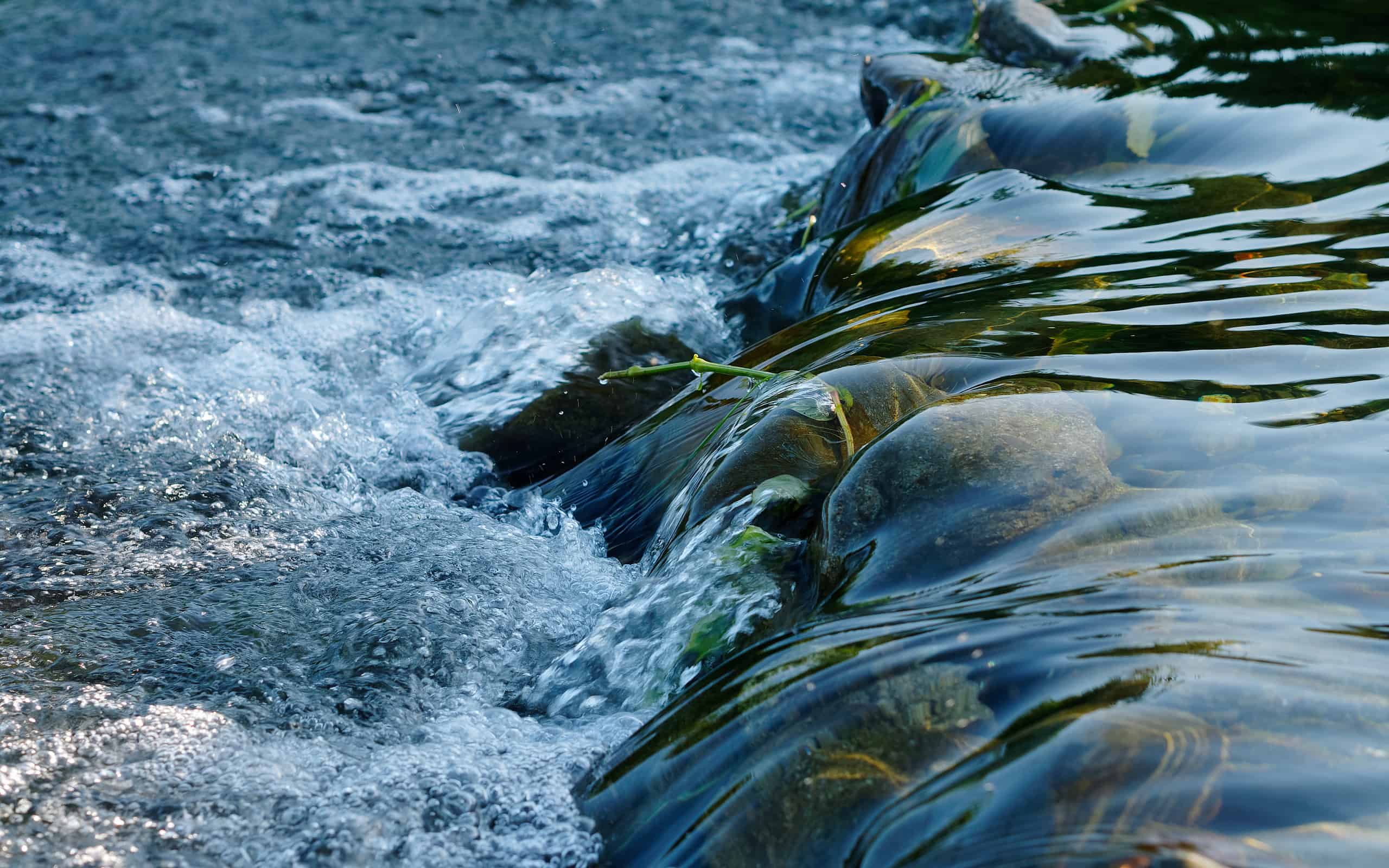
Many fanged frogs inhabit flowing streams in mountainous forests. In these environments, strong currents can become dangerous, easily sweeping small animals away. To work against the turbulent water, these frogs have evolved helpful adaptations. Strong legs and specialized, gripping feet help keep them grounded. Their bodies are also designed for traveling over slippery rocks. The result is an amphibian well-suited to life in a wet and chaotic habitat.
Some Give Birth Instead of Laying Eggs
©Huaykwang/Shutterstock.com
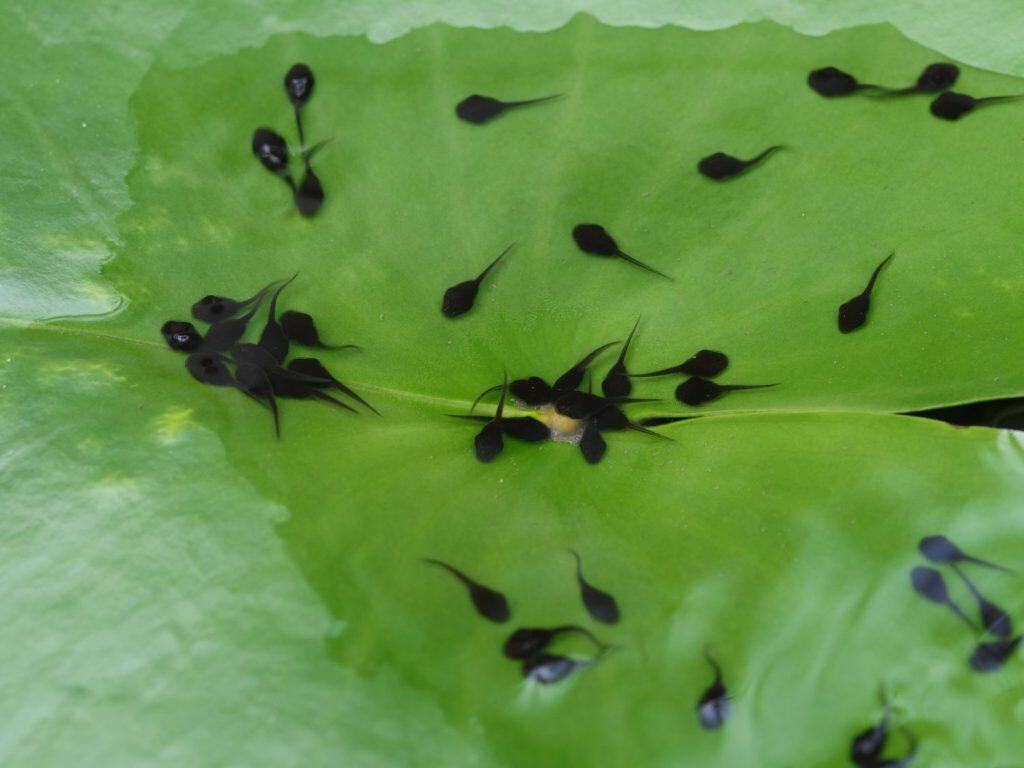
Fanged frogs’ reproduction is a bit unusual. Instead of following the traditional approach and depositing eggs in water, certain species give live birth to tadpoles. This adaptation may be due to the unstable, rushing-water habitat, within which eggs might struggle to develop. Though live birth is common for mammals, it is rare among amphibians, especially frogs.
Males Use Their Fangs in Combat

©Chattraphas Pongcharoen/Shutterstock.com
The fang-like structures aren’t just used to procure food. They are particularly important during rivalries between males. When male frogs compete for territory or females, opponents wrestle and slash at each another. The sharp projections, though tiny, are capable of causing injuries during these fights. These frog battles are surprisingly intense for amphibians. Their aggressive behavior combined with their fangs result in one intimidating little frog.
Scientists Continue Discovering New Species
©Natalia Perchenok/Shutterstock.com
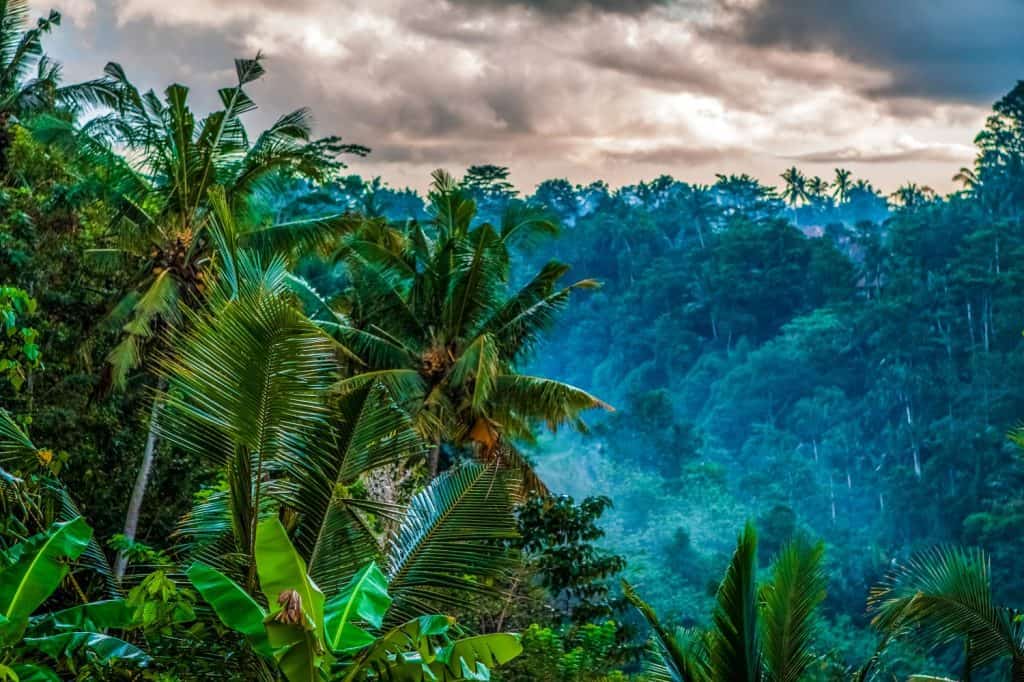
The islands of Southeast Asia contain a large variety of fanged frogs. These isolated areas are especially difficult for scientists to study. However, new species are continually being found by researchers exploring remote forests and mountains. Because these ecosystems are poorly studied, there could be untold numbers of fanged frog species waiting to be discovered.
They Challenge Everything We Think We Know About Frogs
©Jay Ondreicka/Shutterstock.com
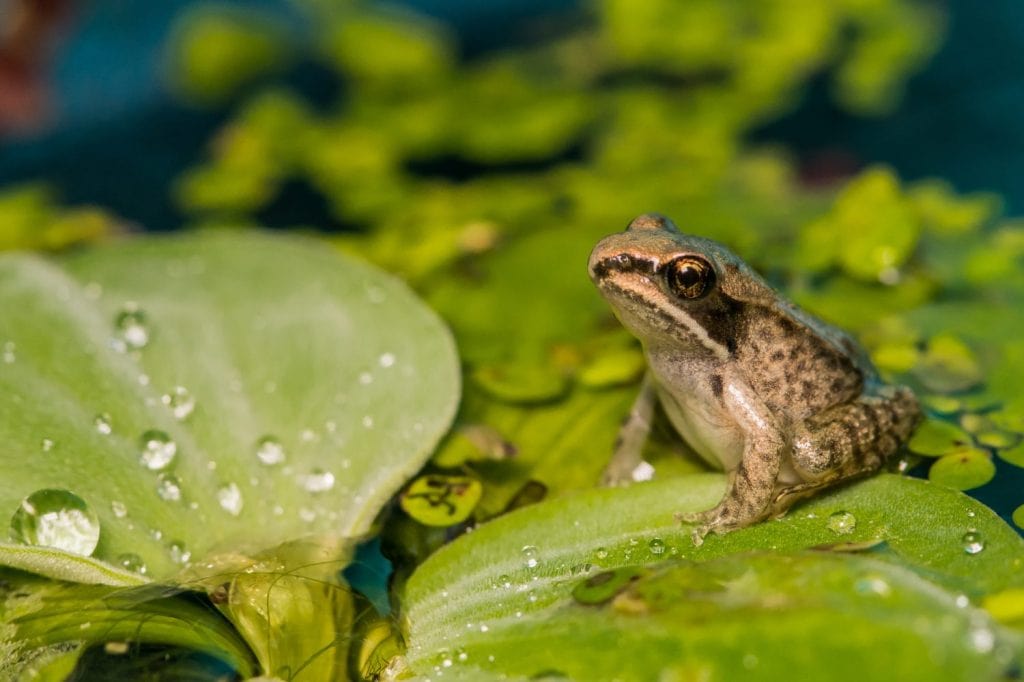
Frogs are generally thought of as small insect-eaters sitting quietly near a pond, perhaps ribbiting occasionally. Fanged frogs go against nearly every frog stereotype, revealing fang-like weapons, odd reproductive strategies, strong jaws, and surprisingly coordinated teamwork. These remarkable amphibians prove that nature can’t easily be placed in a box.