Quick Take
- Snake plants are famous for being nearly impossible to kill, but one common beginner habit almost guarantees you will lose yours. See why overwatering kills →
- Every plant tag calls them low-light plants, but that label is quietly setting up your snake plant to fail. Find out how much light they need →
- Misting your snake plant feels like good plant parenting, but it's actually working against the plant in a way most owners don't realize. See why misting harms them →
- If you have pets or young children, there's something on that plant tag the store almost certainly didn't mention. Check the toxicity warnings →
Botanically classified in the genus Dracaena (formerly Sansevieria), there are over 70 recognized species of snake plants, and dozens of varieties are commonly sold as houseplants. These succulents vary widely in size, color, and leaf shape. However, one thing they all have in common is their incredible resilience. It’s practically impossible to kill a snake plant, but one simple mistake can do it. Continue to discover everything you need to know before you buy a snake plant.
Never Overwater a Snake Plant
Snake plants are drought-tolerant succulents that need very little water. Always let the soil dry out completely between waterings to prevent root rot. On average, snake plants should be watered every 2 to 4 weeks in the spring and summer, and every 4 to 8 weeks in the fall and winter.
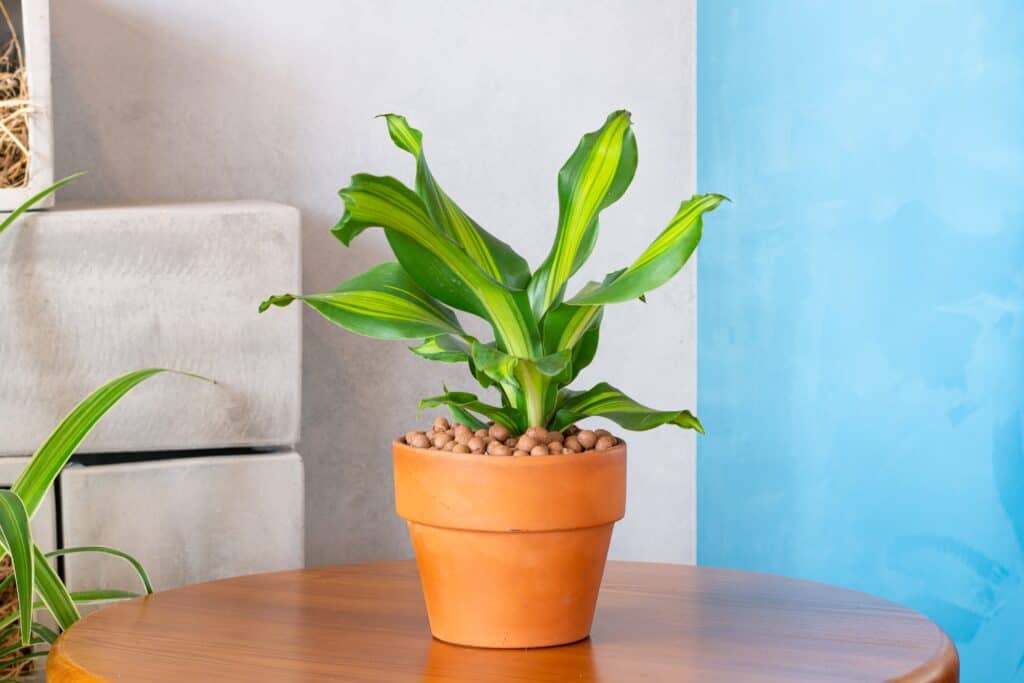
Terra cotta pots are considered ideal for snake plants.
©Mid Tran Designer/Shutterstock.com
When choosing a container for a snake plant, a good choice is a terra cotta (unglazed clay) pot with drainage holes. The clay pot absorbs excess moisture from the soil, allowing it to evaporate quickly, protecting the plant from deadly root rot.
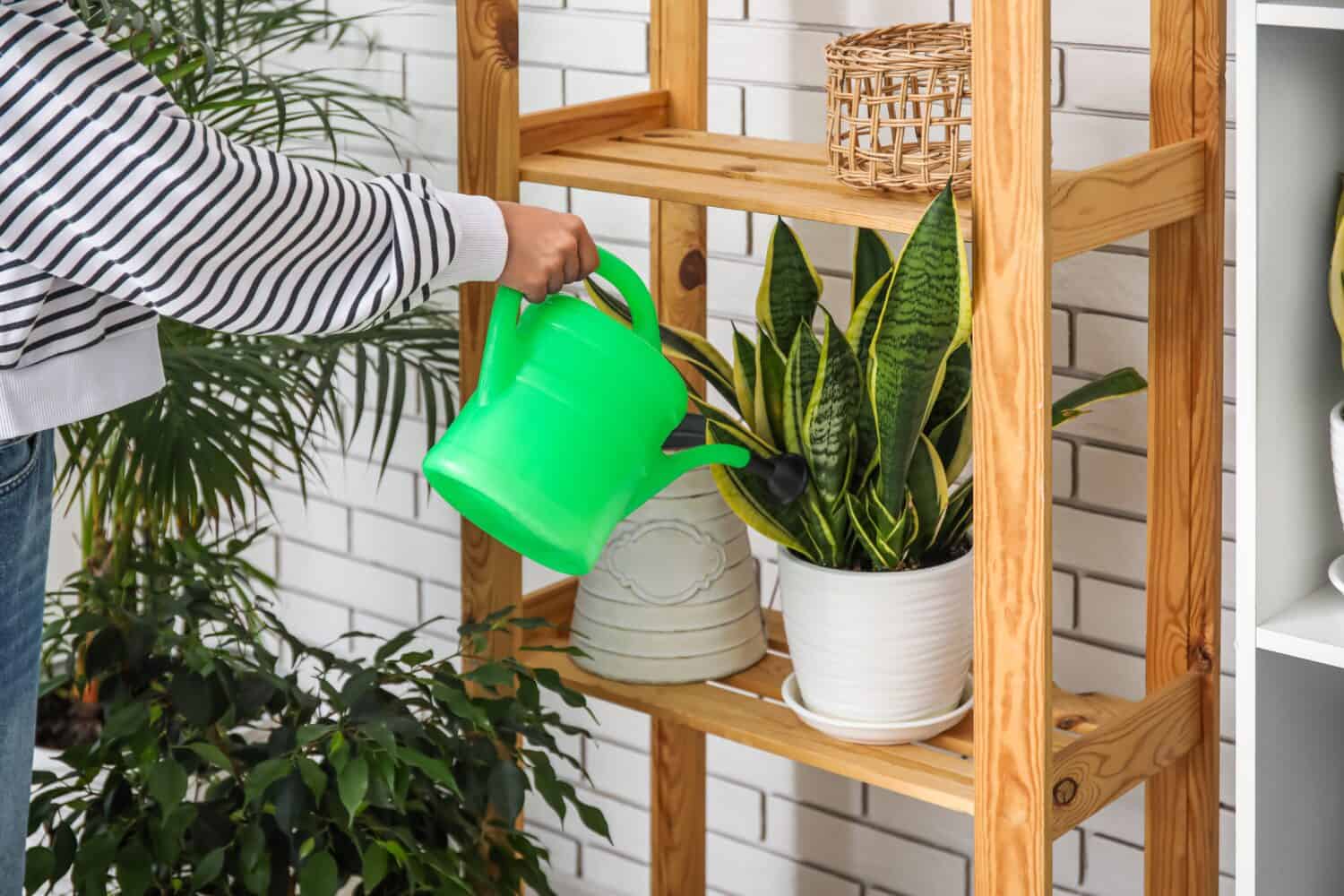
Overwatering can kill a snake plant.
©Pixel-Shot/Shutterstock.com
Big box stores tend to sell plants in poorly draining soil that holds too much water. These plants should be watered until water pours from the pot’s drainage holes, then left alone until the soil is completely dry.
When the soil isn’t allowed to dry out, it essentially drowns your plant and typically leads to root rot.
Symptoms of root rot include wilting, yellowing leaves, and dark, mushy areas at the base of the plant.
By the time you can see root rot above the soil, you likely cannot save the plant, though you may be able to propagate leaves by cutting them above the rotted area.
If your snake plant appears to be wilting or toppling over, or its leaves are bent, then it may have root rot.
Snake Plants are Toxic to Pets and People
Snake plants are toxic to dogs and cats, with clinical signs such as:
- Mouth pain or discomfort
- Excessive drooling
- Nausea
- Vomiting
- Diarrhea
- Decreased appetite
- Depression
- Weakness
- Incoordination
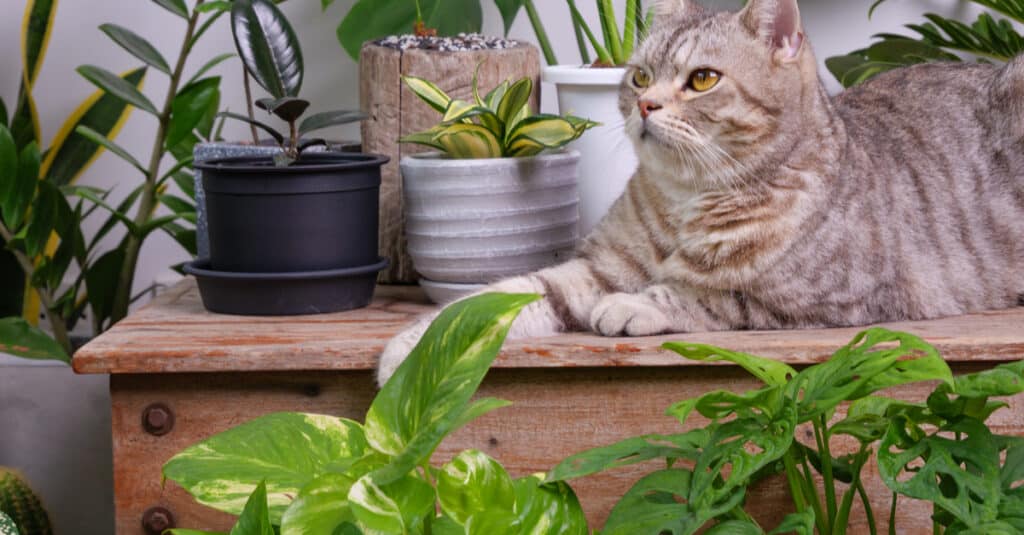
If you have pets or small children, snake plants might not be right for you.
©Foto2rich/Shutterstock.com
Cats may also develop additional symptoms such as mydriasis (dilated pupils) and tachycardia (rapid heart rate).
Your pet may have these symptoms after eating a snake plant, so it’s important to keep it well out of their reach.
The plants are also toxic to humans, so you shouldn’t eat them and should keep them away from babies and young children. Symptoms are similar in people, and there was also a case where a woman developed acute liver failure after consuming raw Dracaena (formerly Sansevieria) for a month.
Snake Plants Grow Slowly
Snake plants grow very slowly, especially when kept in the low-light conditions that many plant tags recommend.
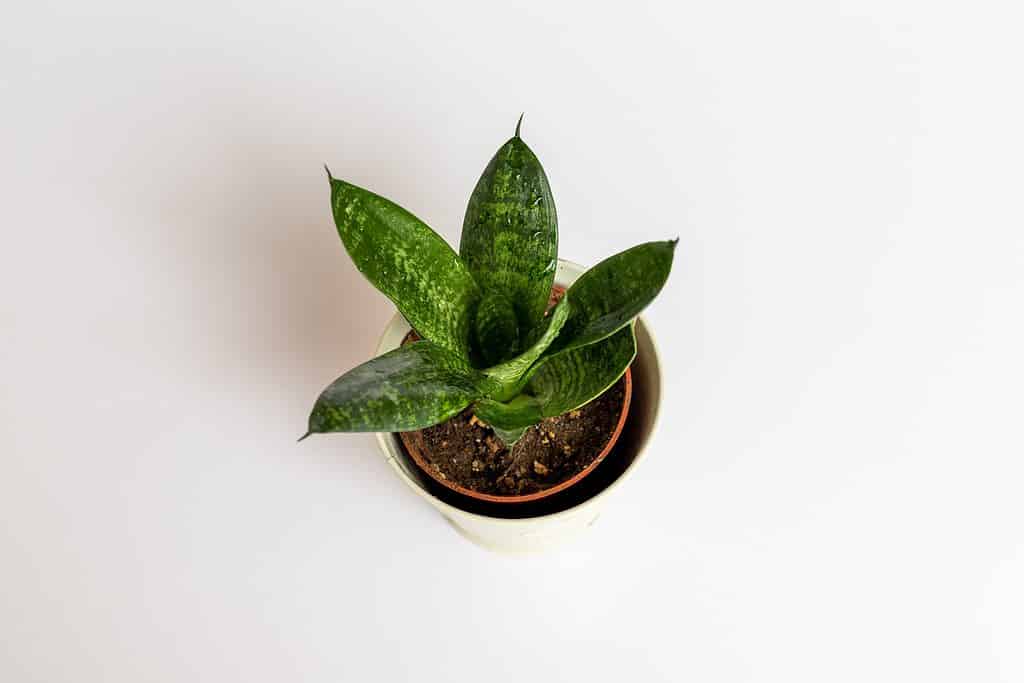
Your snake plant will likely stay the size you bought it at for a long time.
©Bilalstock/Shutterstock.com
These aren’t the plants to buy if you want to see new leaves consistently or propagate their many offshoots. Though you will see both new leaves and offshoots over time, neither will happen overnight.
Snake Plants Do Not Like Humidity
Snake plants are succulents, meaning they hold onto water within their leaves. They’re designed to survive droughts, not to live in humid conditions.
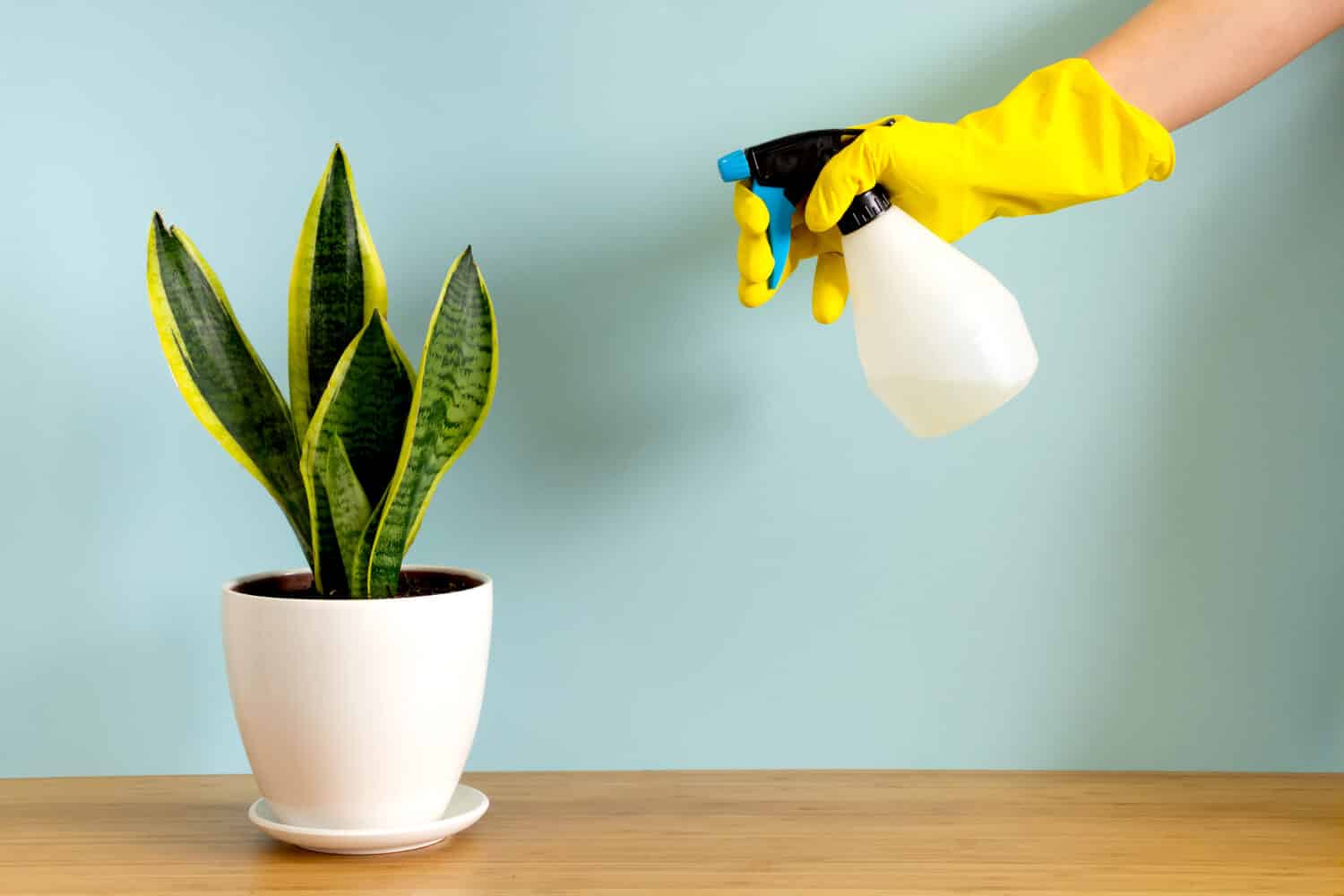
Misting your snake plant is bad for it.
©Svetlana Glazkova/Shutterstock.com
Humidity can keep the soil damp for longer and can lead to overwatering or root rot. It’s not recommended to mist your snake plant or to keep it near a humidifier.
They Need More Sunlight Than You Think
Snake plants are advertised as low-light plants because they can tolerate fairly dark conditions compared to other plants. However, they thrive when given as much light as you can offer.
In low lighting, snake plants will grow slower and need less water. It’s extra important that they have well-draining soil so that it doesn’t stay wet too long without sunshine to help the water evaporate.
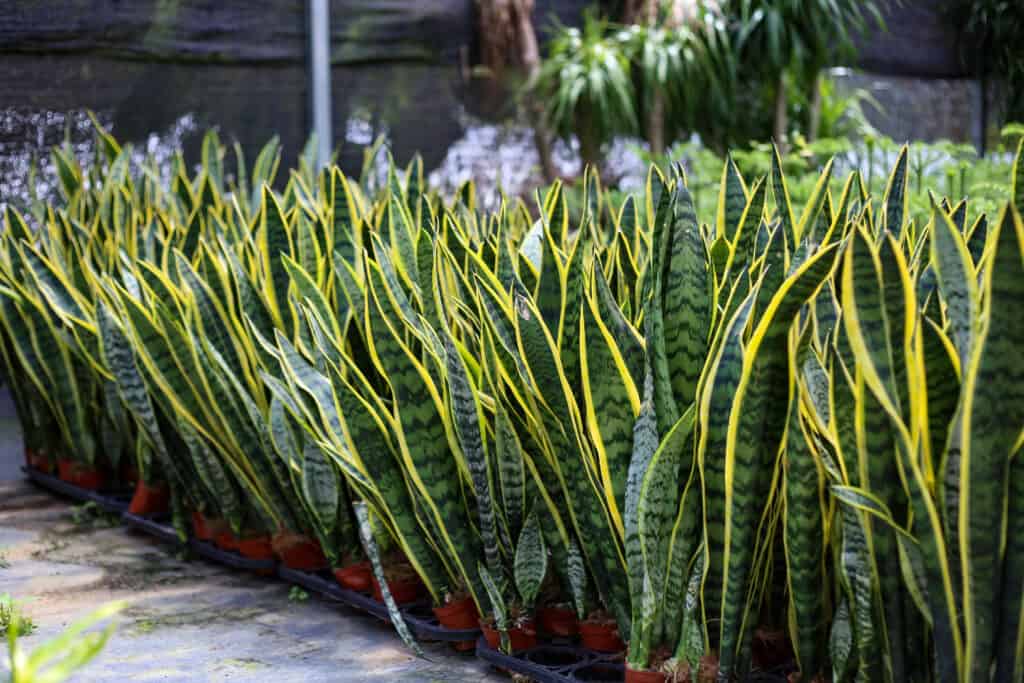
Snake plants thrive in sunny locations.
©iStock.com/Joimi Joh Abi
Low light also may not mean what you think it does, especially if you’re new to keeping houseplants. All plants need light to survive, so a snake plant is likely to suffer in a dark hallway or bathroom.
To see your snake plant thrive, try placing it in a bright, sunny location. They can tolerate up to full sun if acclimated, but increasing their light too quickly can burn the plant. You may need to place it a couple of feet away from the window at first and slowly move it closer over time.
They’re Sensitive to Low Temperatures
If you live in a cold environment, your snake plant will die outdoors–and maybe even next to a breezy window. They prefer to remain above 55 degrees Fahrenheit and will die if temperatures drop below freezing.
Luckily, most peoples’ homes are plenty warm enough to keep a snake plant comfortable. If you want to put your plant outside, bring it indoors whenever the temperatures drop below 50 degrees Fahrenheit.
Your Snake Plant is Unlikely to Flower
You’re unlikely to see flowers on your snake plant, and very lucky if you do! Especially when grown indoors, they don’t bloom consistently.
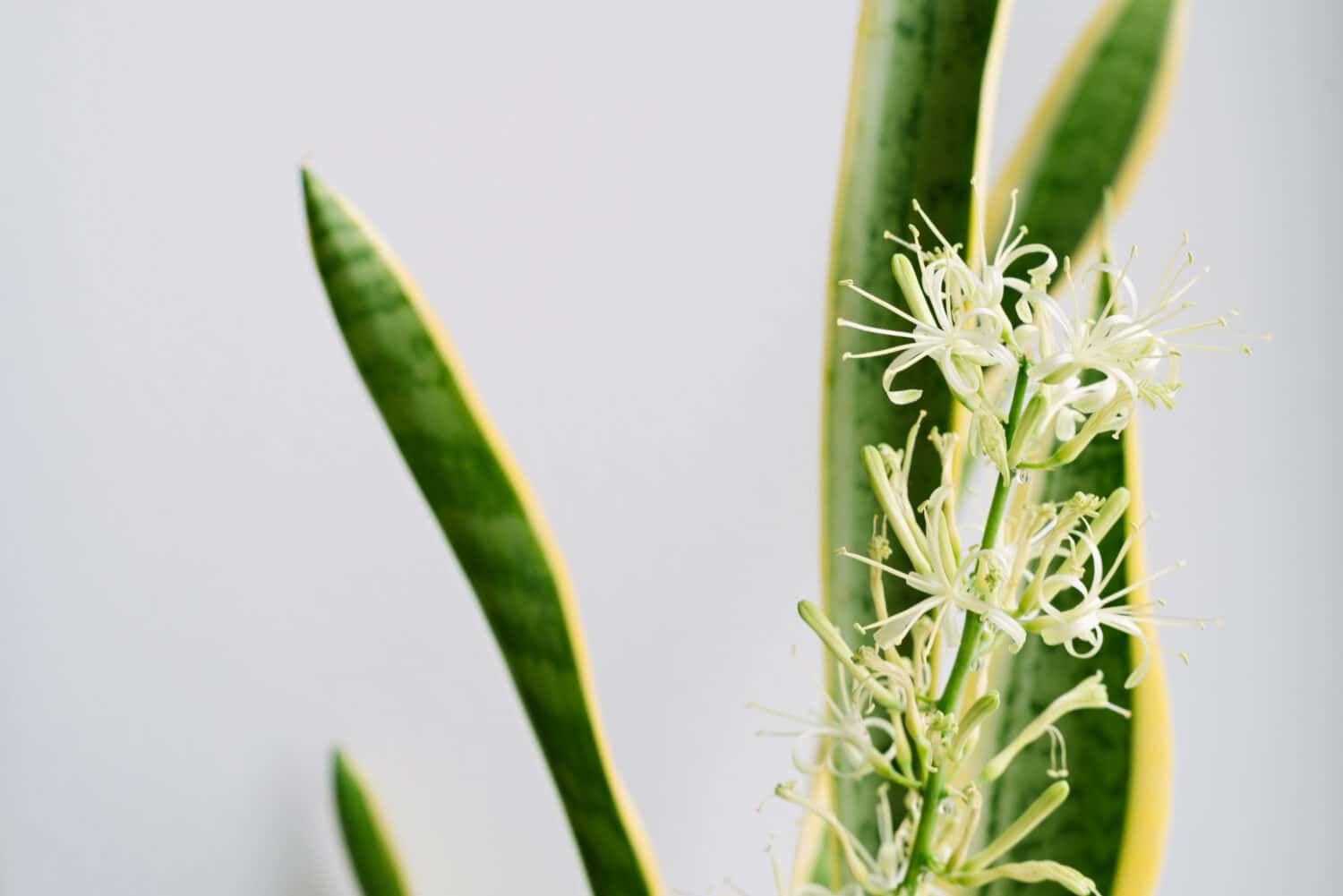
Snake plants have beautiful flowers but are primarily grown for their foliage.
©KelaVi/Shutterstock.com
If you want to see your snake plant bloom, keeping it in the brightest light possible is your best chance. Good lighting promotes growth and flowering in plants.
As we discussed above, be sure to introduce your plant to brighter lighting slowly, especially if you’ve kept it in a dark area until now. It can develop burns on the leaves or even die if transitioned too quickly.
They’re Hard to Grow From Seed
Speaking of flowers, you might be wondering if you could grow snake plants from seed. Unfortunately, this isn’t easy to do–propagating from cuttings is typically more successful.
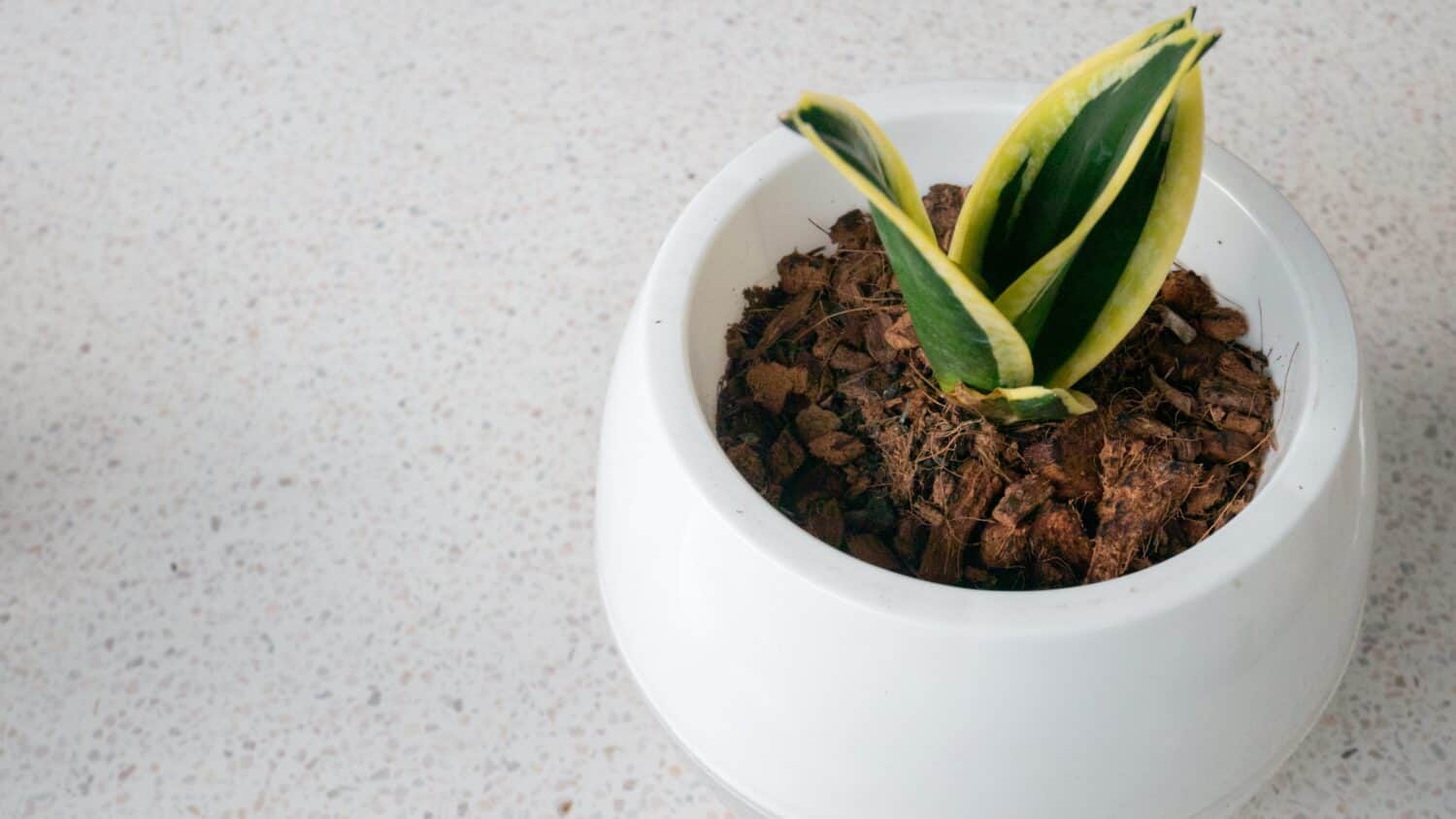
Starting snake plants from seed is difficult and often unsuccessful.
©WuengDesign/Shutterstock.com
Snake plants can self-pollinate, and if yours flowers you may notice orange berries develop. Once they dry, you’ll be able to remove the seeds and plant them in moist, well-draining soil.
It’s worth a try if you’re lucky enough to get flowers, but don’t expect to grow many new plants this way.
Propagation Can be Difficult, Especially for Beginners
While propagation is often more successful than growing snake plants from seed, it can still be tricky for those without experience.
This is because these newly developing plants need to be kept in soil that’s consistently moist, but not overly wet or soggy. It can be a difficult balance to strike, and many propagations die of root rot.
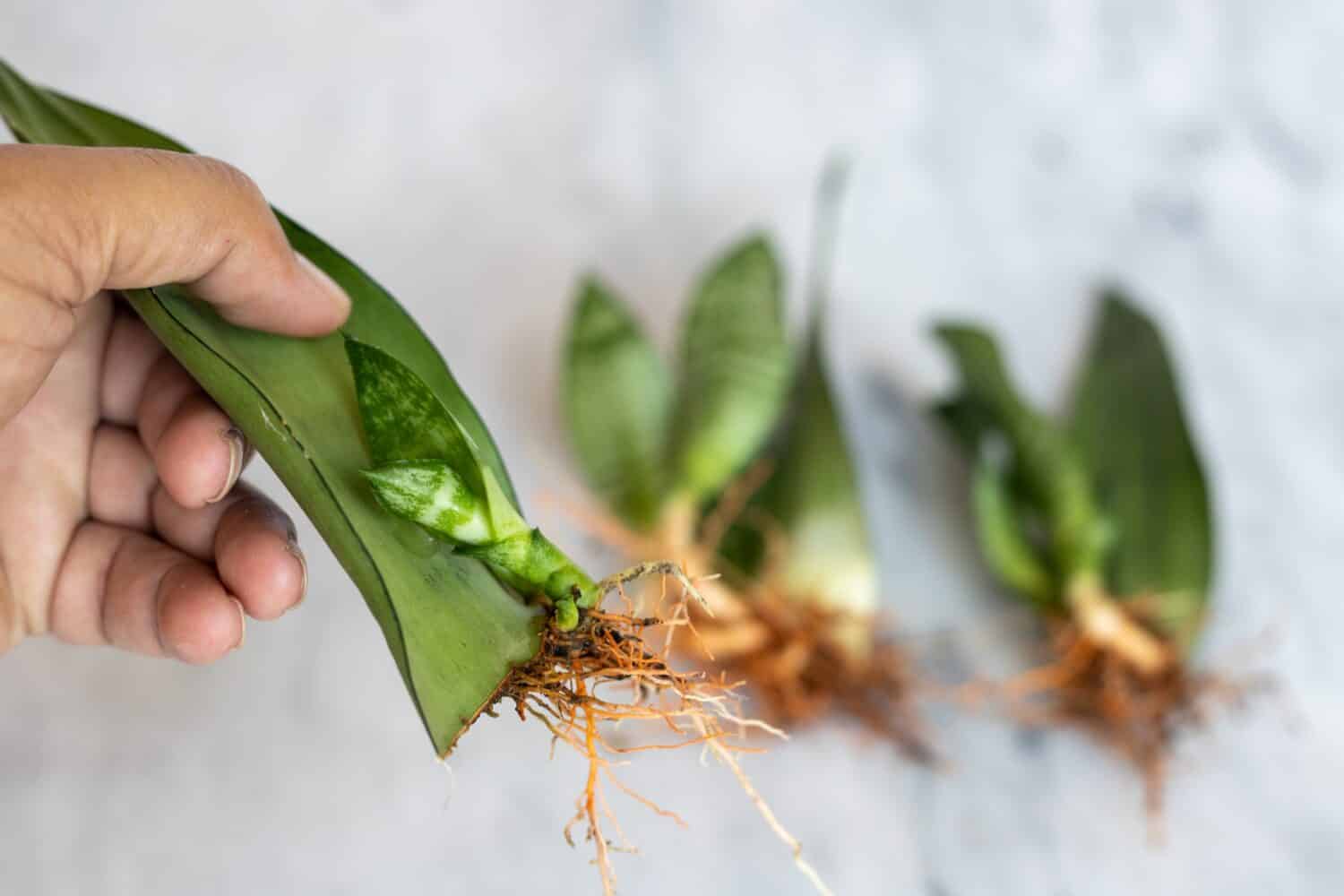
Snake plants can propagate via offshoots or leaf cuttings, but it can be difficult and time-consuming to get them to grow.
©GreenThumbShots/Shutterstock.com
Growing the cuttings in water can eliminate your risk of root rot in the beginning, but transferring them from water to soil can also be difficult.
Keeping Your Snake Plant Healthy
The best ways to keep pests away from your snake plant are to care for it properly, avoid overwatering, and check new plants for pests before bringing them home.
If you use pesticides on your plant, please ensure that they’re not harmful to your pets, family, or the environment!
Snake plants are pretty hardy, but they can develop diseases. They’re especially susceptible when overwatered, kept in cold environments, or grown in very low light conditions.
Some diseases you may see in your snake plant include:
- Southern blight is a fungal disease that causes dark brown patches to form on a snake plant’s leaves.
- Red leaf spot is just like it sounds, causing red, mushy spots to develop on the plant’s leaves. It can look similar to root rot.
- Powdery mildew looks like black and white powder on your snake plant’s leaves. It’s most common when the soil is moist and the air is cool.
Snake Plant Pests
Mealybugs are small white bugs that look like they’re surrounded by cotton. They’re notoriously difficult to kill and like hiding in crevices, such as between the leaves in the center of a snake plant. They drink the sap of your snake plant, and extreme infestations can lead to death. There are many ways to get rid of mealybugs, including spraying them off with a hose outside, applying isopropyl alcohol to the bugs themselves, and using neem oil.
Spider mites are even smaller, and you typically notice their webs before you see the insects themselves. They’re very difficult to see with the naked eye and might look like specks of dust on your plant.
Spider mites cause leaves to shrivel and die, which can lead to the death of the entire plant in cases of severe infestation.
Spider mites can be removed by washing the plant thoroughly and regularly. It’s often a time-consuming process, and some people choose to remove the plant rather than risk the spider mites spreading to other plants in the home.
Adult fungus gnats won’t damage your snake plant. However, they will fly around the area and are bothersome to deal with. They lay their eggs in wet soil, and their larvae survive on soil matter. Sometimes, the larvae will also eat the roots of a snake plant, which can kill the plant in extreme cases.
Some People Believe Snake Plants are Bad Luck
Some people believe that snake plants are bad luck. This is partially due to their link to snakes, which are seen as evil by some cultures.
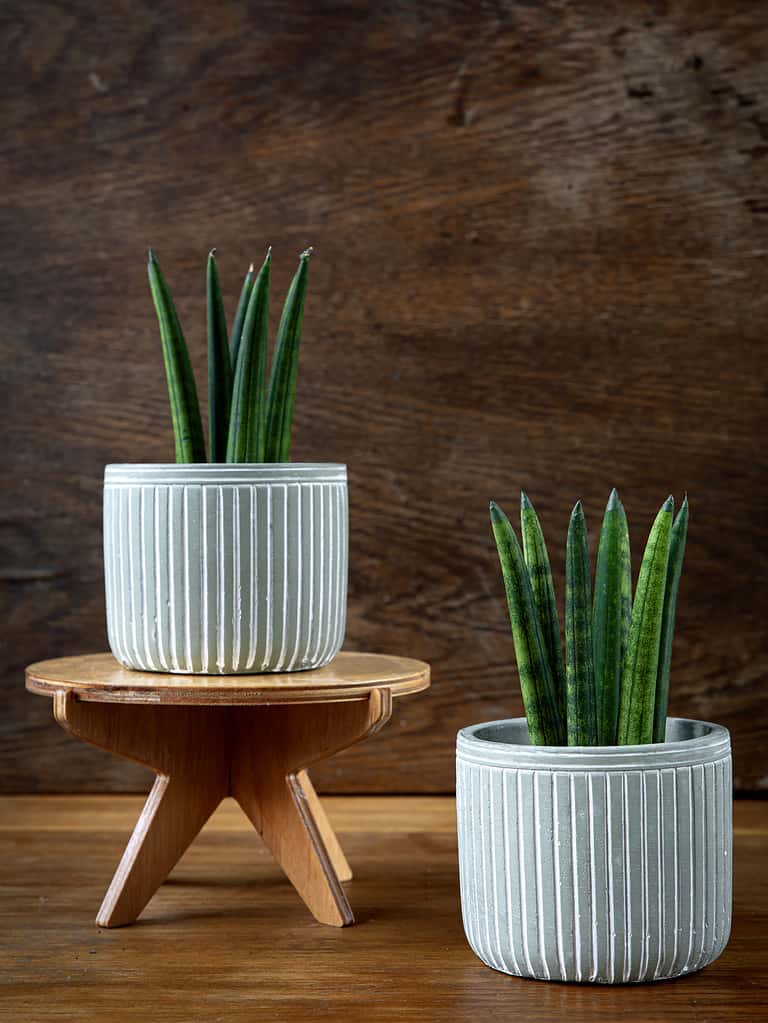
In Feng Shui, snake plants can bring bad luck if not placed in the right areas of the home.
©Damian Lugowski/iStock via Getty Images
In Feng Shui, snake plants can be seen as bringing bad energy into the home due to their sharp, pointed leaves. But, these same leaves can be used to block out negative energy if you place the plant near entryways, such as the balcony or front door.
On the other hand, some people see these plants as good for the home since they help to keep the air clean and liven up the space.
There are Numerous Varieties of Snake Plants
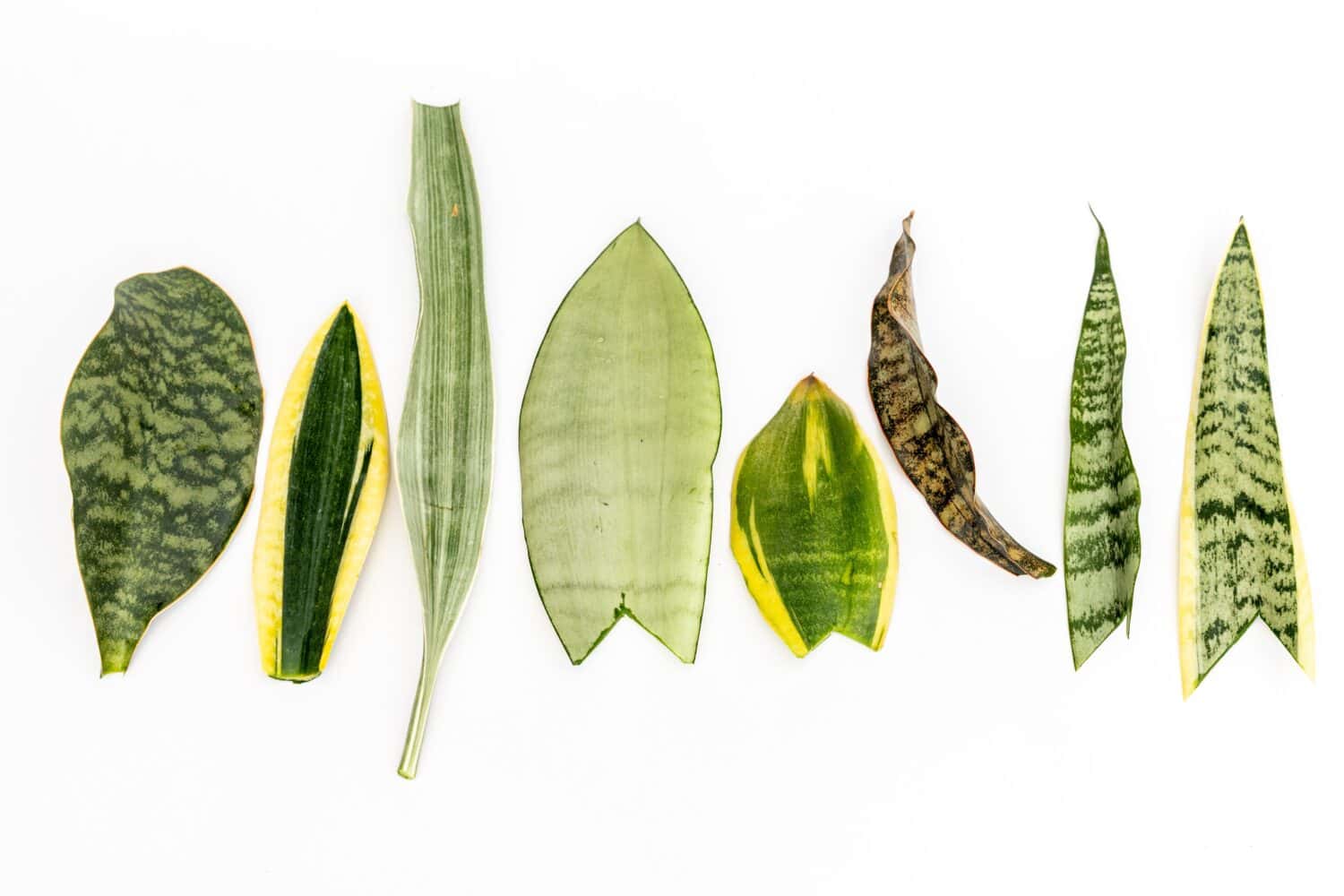
It’s easy to end up with too many snake plants if you fall in love with them.
©GreenThumbShots/Shutterstock.com
If you really get into keeping snake plants, you might find that they hurt your wallet! There are over 70 types of snake plants, 15 of which are commonly sold as houseplants.
They’re tempting to buy with their striking foliage and assorted colors and patterns. They stand out amongst other plants and are eye-catching in a group.
In addition, it can be easy to pick up just one more plant from the store when you know you can care for it successfully. Despite their downsides, snake plants are generally easy to care for.
It’s not uncommon for a houseplant collector to end up with numerous snake plants in their collection.