
Quick Take
- A behavioral specialist once cracked a baffling pattern of dog bites, and the real culprit turned out to have absolutely nothing to do with the victims. See the pizza case →
- Dogs process the world through a sense so disproportionately powerful that it reframes every 'unexplained' reaction they've ever had. Explore the olfactory science →
- Your dog may have already detected your stress, fear, or anxiety through a channel you'd never think to consider. See how dogs detect emotion →
- When a dog distrusts a smiling, calm stranger, the reason almost certainly isn't what the owner assumes. Discover the scent connection →
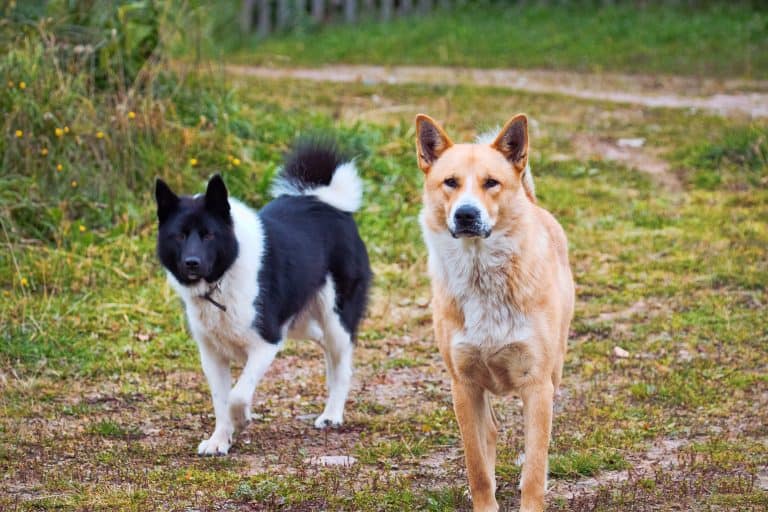
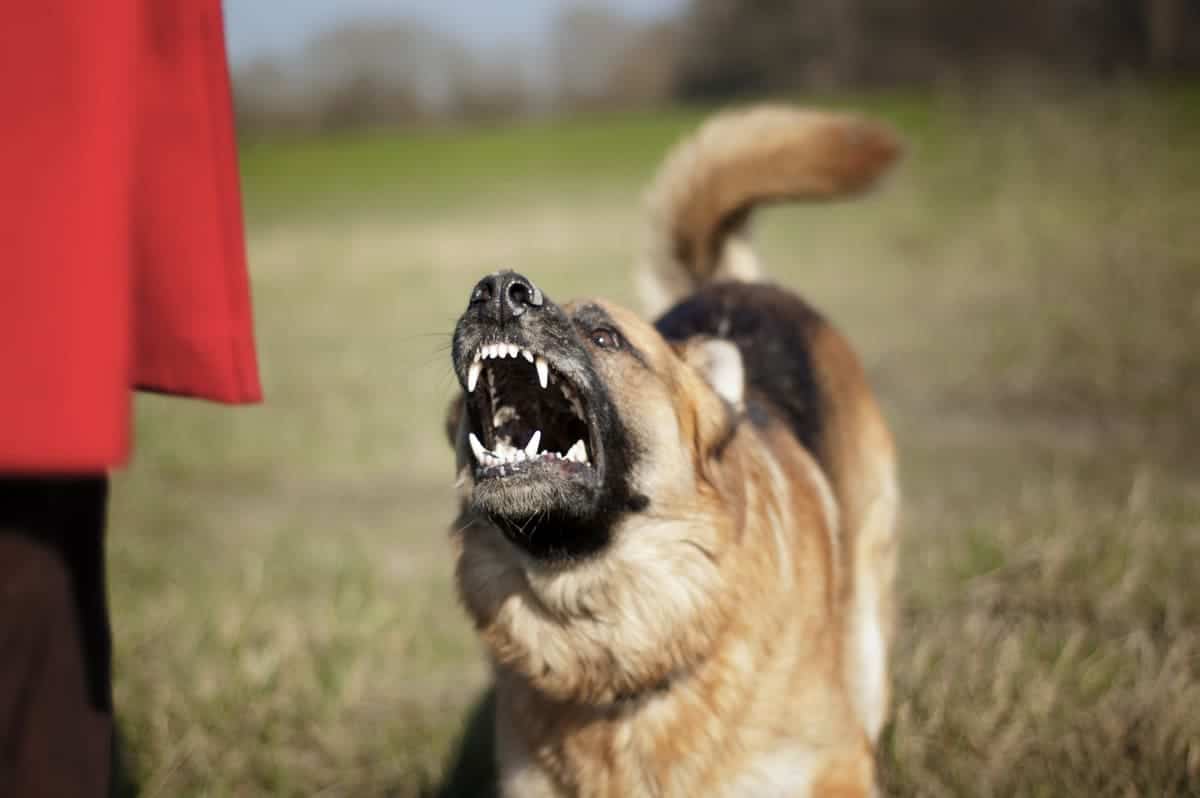
Sometimes, a dog’s reaction to a stranger stops everyone in their tracks. A family in the United States once watched their gentle dog transform as a neighbor approached. Although the man smiled, the dog barked furiously, forcing the neighbor to retreat behind the door and quickly leave the property. Weeks later, the reason emerged: that neighbor was arrested on charges of child assault. The family’s dog had sensed something long before anyone else knew.
Continue reading
The Power of a Dog’s Nose
Researchers are beginning to understand how dogs can be so perceptive. The canine sense of smell is legendary. Humans have about 5 to 6 million scent receptors. Dogs, on the other hand, boast an extraordinary 220 million, or even up to 300 million, depending on the breed. That means a dog’s nose is 36 times more powerful than ours.
According to experts interviewed by Discover, dogs detect odors at concentrations up to 50 times lower than what humans can sense. Advanced imaging like MRI scans reveals why: while humans rely on a large frontal lobe in the brain, dogs have a specialized olfactory bulb that takes up a remarkable 10% of their brain. This gives them not only the capability to sniff out tiny changes in scent, but also to register and remember those scents.
How Scent Triggers Behavior
There are cases where dogs react negatively to strangers not because of who they are, but because of what they smell like. A canine behavioral specialist once observed which visitors a dog was most likely to bite. Initially, there seemed no obvious difference among them. The clue was in the scent, those bitten had all eaten pizza earlier that day. The dog, it turned out, had been traumatized by a pizza delivery person who once kicked a puppy. Now, the pizza scent had become a trigger, prompting defensive or aggressive behavior.
Emotions and Chemical Signals
It’s not just food or past trauma that matters. Dogs are sensitive to chemical signals released by human bodies, including adrenaline, sweat, and natural body odor. These signals can reveal our emotional states. A study from 2018, which focused on labradors and golden retrievers, found that dogs exposed to sweat collected from fearful humans displayed signs of stress themselves.
Scientists have also documented dogs helping veterans with post-traumatic stress disorder. It’s suspected that dogs respond to subtle cues, emotional, behavioral, and chemical, picking up on things that even trained humans often miss.
The Silent Partners of Human Emotion
What emerges is a picture of dogs as far more than mere companions. Their reactions often stem from deep, instinctive abilities to sense the environment, not just with sight and sound, but with a sense of smell finely tuned to clues beyond our perception. For families who have witnessed their dogs’ sudden, unexplained distrust, the explanation may rest with signals only a dog can truly read.