
Introduction
Trees are some of the most common plants in the world. All across the globe, different species of trees decorate and distinguish certain areas. While they all fall under the same general category, trees can be very different. Various types of these plants require different climates, soil conditions, sun exposure, and much more. When tending to your trees, it is important to know how to best take care of them so they can thrive. One incredibly important aspect of tree upkeep is trimming the growing plants. Keep reading to discover everything you need to know about trimming trees, including the best time to do so.
Why is Trimming Trees Important?
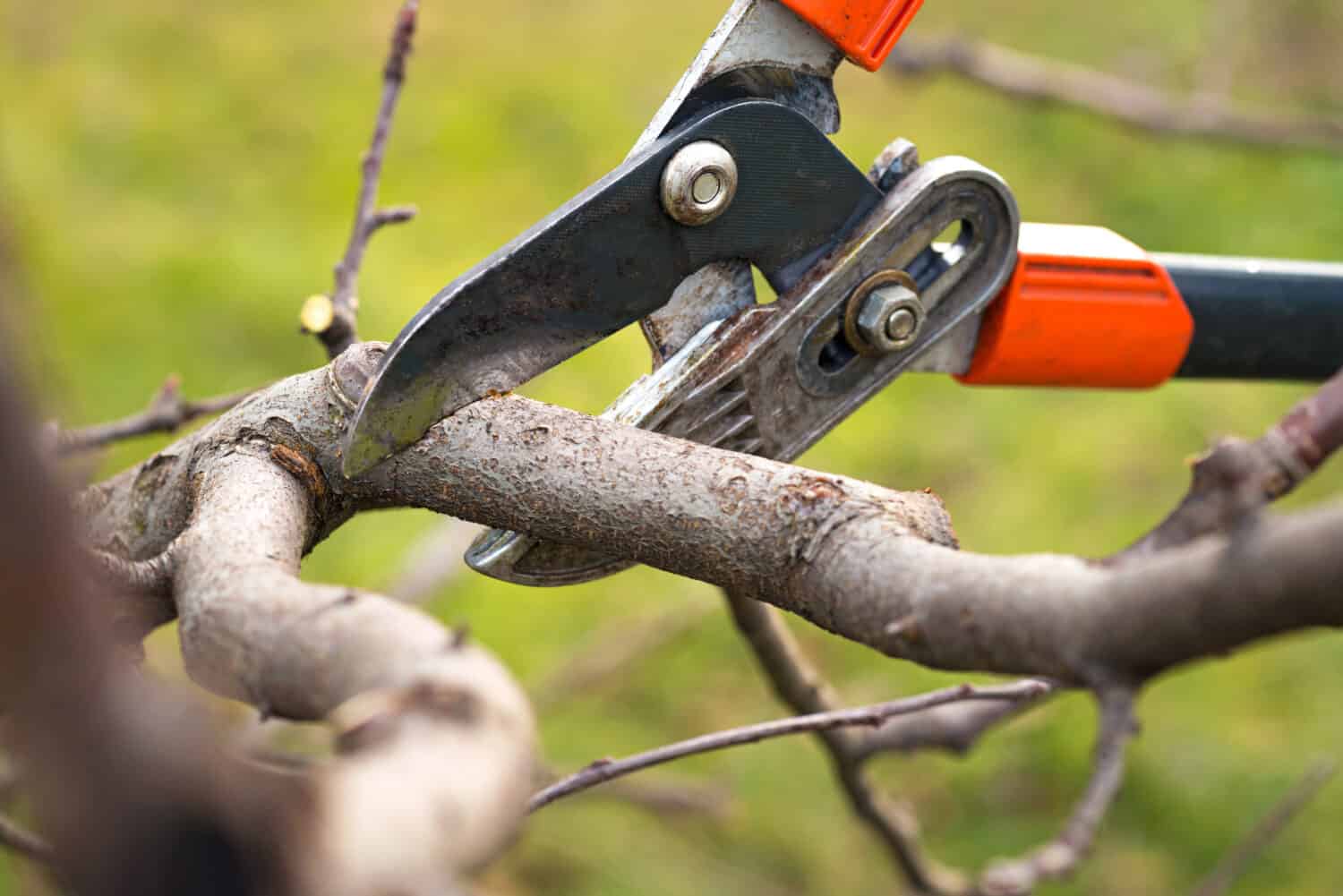
Trimming trees is one of the best ways to keep them healthy and ensure they grow to their full size.
©ueuaphoto/Shutterstock.com
Trimming, also called pruning, trees is necessary to ensure they grow to be healthy and live for a long time. When trimming trees, it is important to target the dead limbs and unhealthy sections of the plant. Dead branches and limbs can be detrimental to a tree’s growth. This is because they take nutrients and space from healthy sections of the tree, prohibiting them from continuously maturing.
Another benefit of pruning trees is the removal of diseased sections. When these areas on the tree are removed, it stops the disease from spreading to the rest of the tree and killing it. Signs of the disease include wilting limbs, yellowing leaves, spots on the tree’s bark, and dying branches. If you spot fungus on your tree, this can be an indicator that the plant is dying and decaying, which might require further inspection.
In addition to providing wonderful scenery, many trees also produce delicious fruits. If you have a fruit tree, trimming it will ensure that you get an abundance of healthy, nutritious fruit each season. Without dead or diseased limbs near it, the fruit is much more likely to grow to ripeness without catching the blight.
Aside from supporting the health of the tree, pruning the plant has other benefits. Removing the dead limbs reduces the risk of them falling and causing injury or property damage. When trees grow to be large, their limbs can be extremely heavy. These branches can cause significant damage if they are not dealt with, which is best to avoid.
When is the Best Time to Trim Trees?
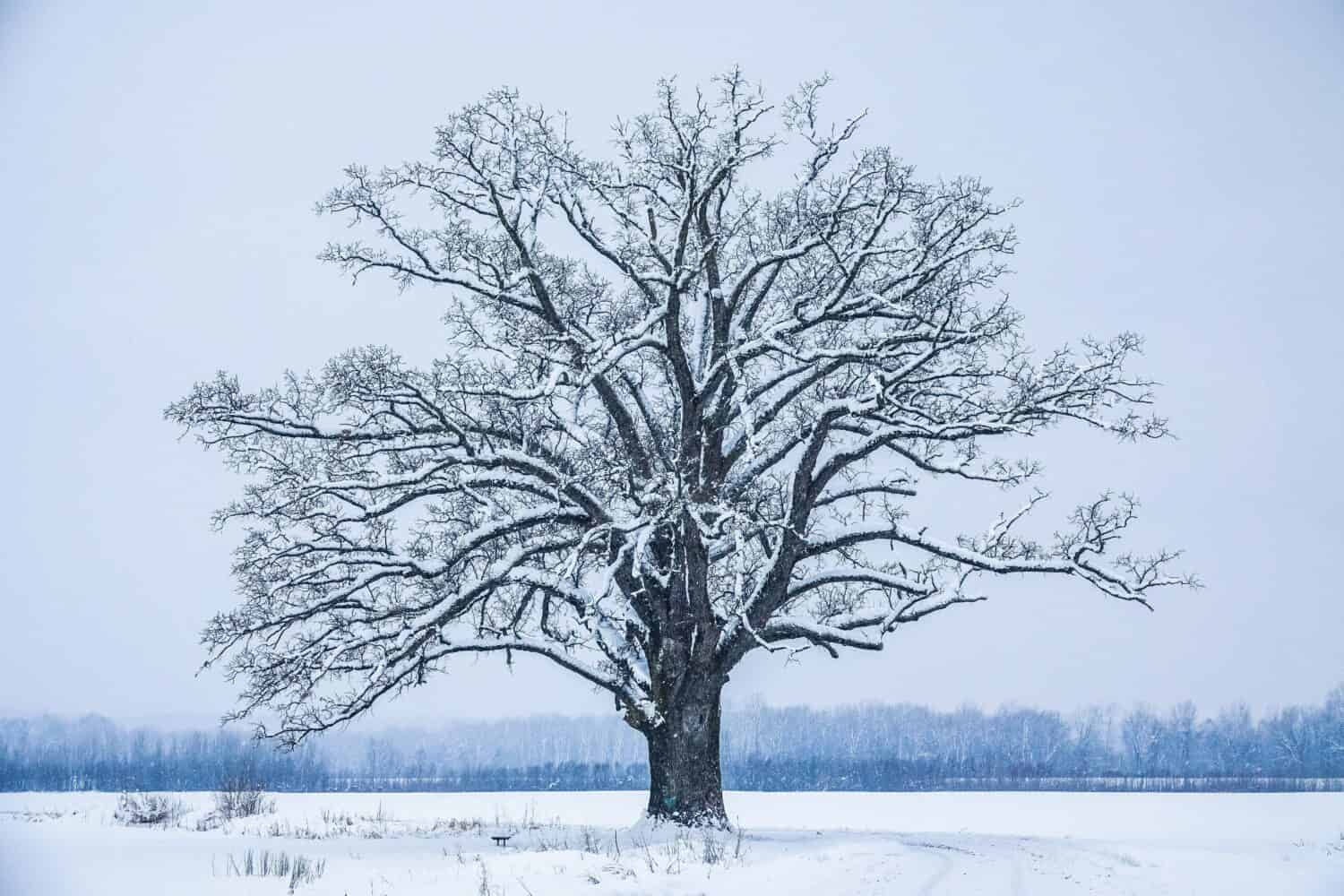
The best time to trim trees is during the winter season.
©Wirestock Creators/Shutterstock.com
There is no specific universal time that is the best for trimming trees. This is because many areas in the world experience vastly different weather conditions at the same time. In addition to varying climates, it is never a bad idea to remove dead or diseased sections of the tree if you notice them. However, a certain season makes for the wisest time to prune your plants.
The best season to trim trees is during the middle to late winter. This is because most species of trees experience a period of dormancy during the winter months when they are not growing. Removing dead sections of the tree while the plant has temporarily stopped maturing creates room for new growth later on. When the weather begins to get warmer, the tree will resume growth. Without the presence of dead limbs from the winter, the tree can continue to grow with no obstacles or complications. However, the type of tree you have depends on when exactly you should trim it. Trees that bloom early should be pruned much sooner in the winter than those that bloom later into the spring season. Knowing when your tree tends to sprout new leaves and flowers each year will greatly inform when exactly you should begin trimming.
Methods for Trimming Trees

There are several different ways to trim trees for different outcomes.
©belushi/Shutterstock.com
Different ways of pruning can produce different desired outcomes for your tree. Depending on the type and condition of the tree, various manners for removing excess limbs should be followed. Here are some of the most common ways to trim a tree and their specific purposes.
Crown Thinning
Crown thinning means removings limbs from a tree’s inner crown. This is done to allow more light to reach the densest sections of the tree and allow them to grow and photosynthesize. It also frees up space for air to circulate more freely throughout the tree and provides the entire plant with oxygen. When following this method, it is recommended that no more than one-fourth of the inner crown should be removed at a time. This is so the tree maintains its general shape and structure and does not grow too weak.
Crown Lifting
This method of pruning refers to the removal of limbs from the lower section of the tree’s crown. This makes the majority of the crown begin at a higher point, thus “lifting” the crown. Crown lifting is done to make room for things that may need to pass under the tree such as people, vehicles, and equipment. Lifting the crown also allows light to reach the lower part of the tree. When practicing the crown lifting method, it is important to ensure that the crown still makes up two-thirds of the overall height of the tree. This will keep the tree healthy while making it less invasive at the same time.
Crown Reduction
While crown thinning and lifting refer to various sections of the tree, crown reduction refers to the crown as a whole. This process involves removing any dead or diseased limbs from any part of the crown. Oftentimes, crown reduction maintains the original shape of the tree as one specific area is not being targeted. Crown reduction should be a last resort method only used if diseased or dead limbs are noticed in the tree. The process involves a special manner of cutting the affected areas so that they can regrow over time. In addition to removing the threat of disease, crown reduction helps reduce wind resistance and control the size of the tree.
Other Ways to Maintain a Tree’s Health
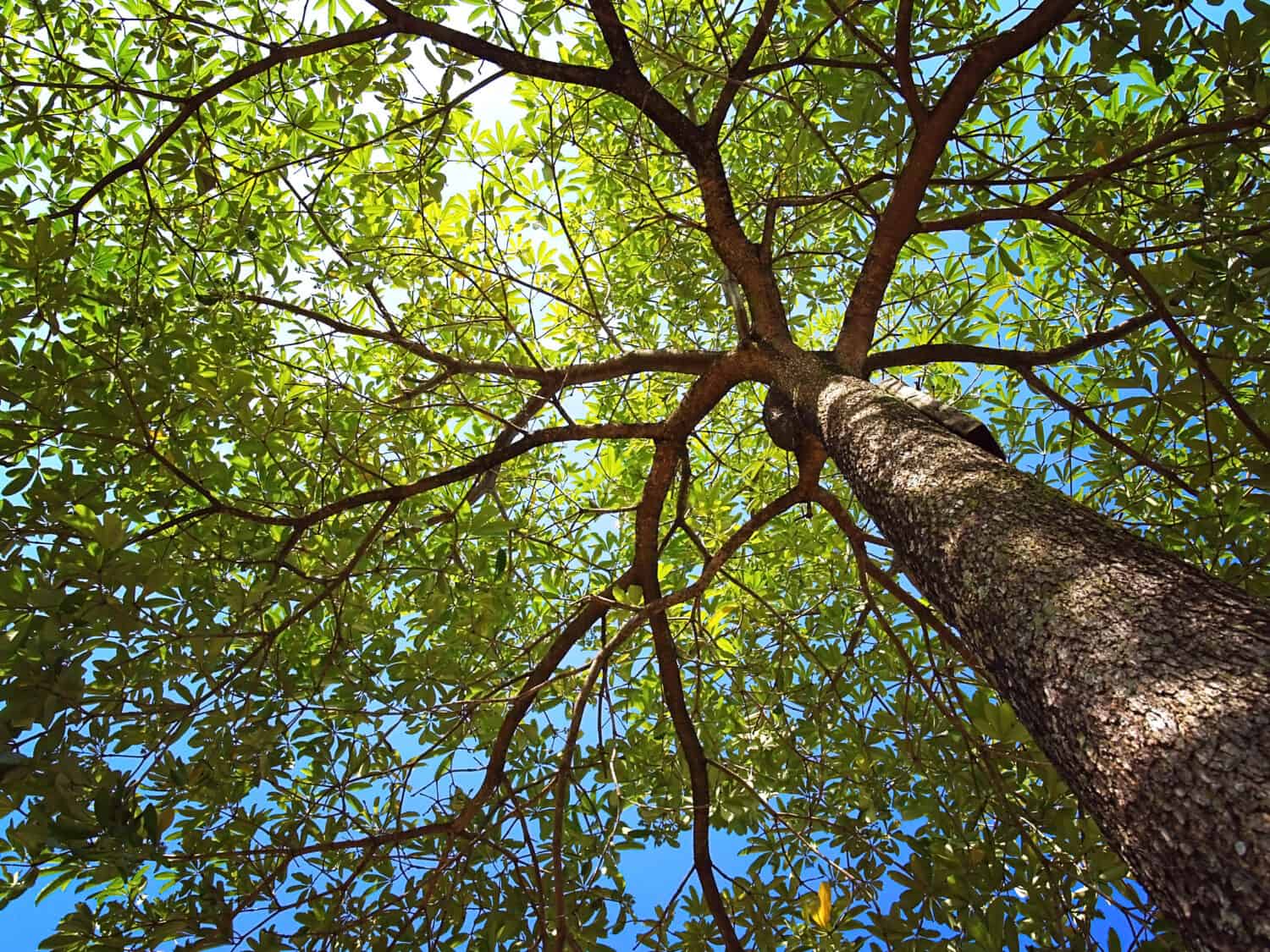
Caring for trees will ensure that they grow to be healthy and beautiful.
©Artorn Thongtukit/Shutterstock.com
Similar to animals, tree species can go extinct, which is why it is important to care for them. Trimming trees is a great way to maintain health and achieve a desired look or aesthetic. However, it is not the only method of nurturing the plants. Here are several other practices that will ensure your tree flourishes for a long period.
Mulching
While trees do not have access to mulch in the wild, it is a very helpful tool when cultivating a garden or outdoor space. Spreading mulch at the base of a tree has several key benefits. Mulch protects roots from weeds and volatile weather, while also supplying key nutrients required for the tree’s growth.
Removing Grass
Grass growing at the base of trees may seem completely normal, but it can significantly hinder the tree’s growth. When grass is present at the base of a tree, it takes nutrients and hydration from the roots of the plant. Grass often also contains weeds, which further harm the development of the tree.
Protecting the Tree’s Trunk
The trunk is a key part of every tree. Not only does it provide structure and support, but it also transports nutrients absorbed by the tree’s roots to the rest of the plant. Therefore, protecting the trunk is extremely important, especially for young trees. This can be done by wrapping the trunk in plastic and fertilizing the area surrounding the tree.