
More than 4500 species of cockroaches infest the globe with 70 of those species residing somewhere in the United States. These indiscriminate omnivores strike fear into the hearts of renters and homeowners because they’re perceived as disgusting pests. Why do cockroaches even exist? Discover their purpose in the environment and why they’re a necessary ignobility now.
What is a Cockroach?
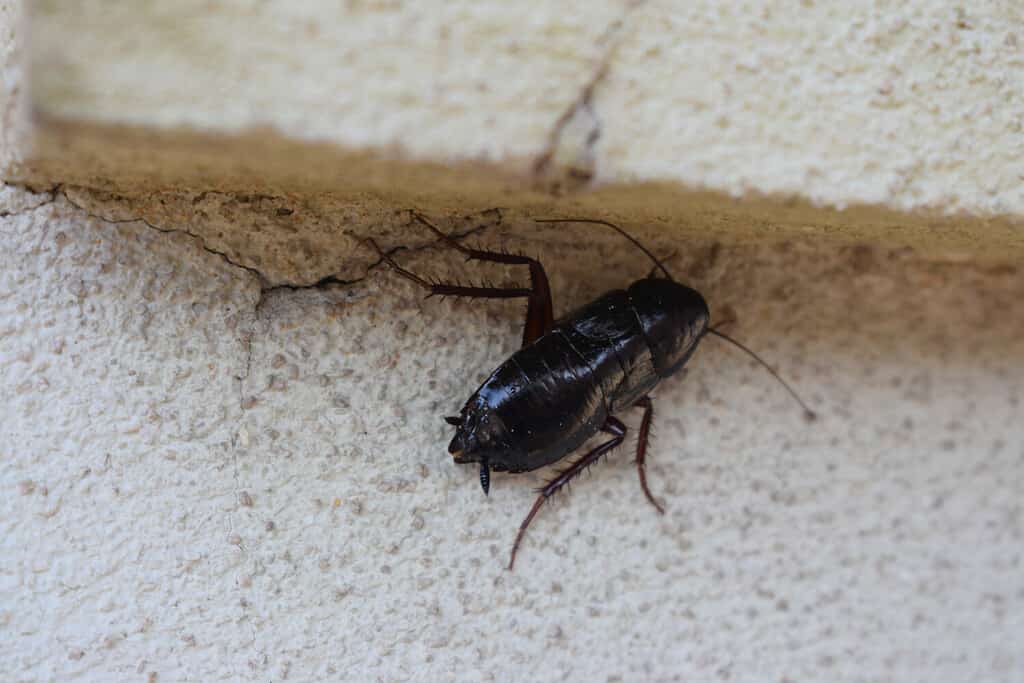
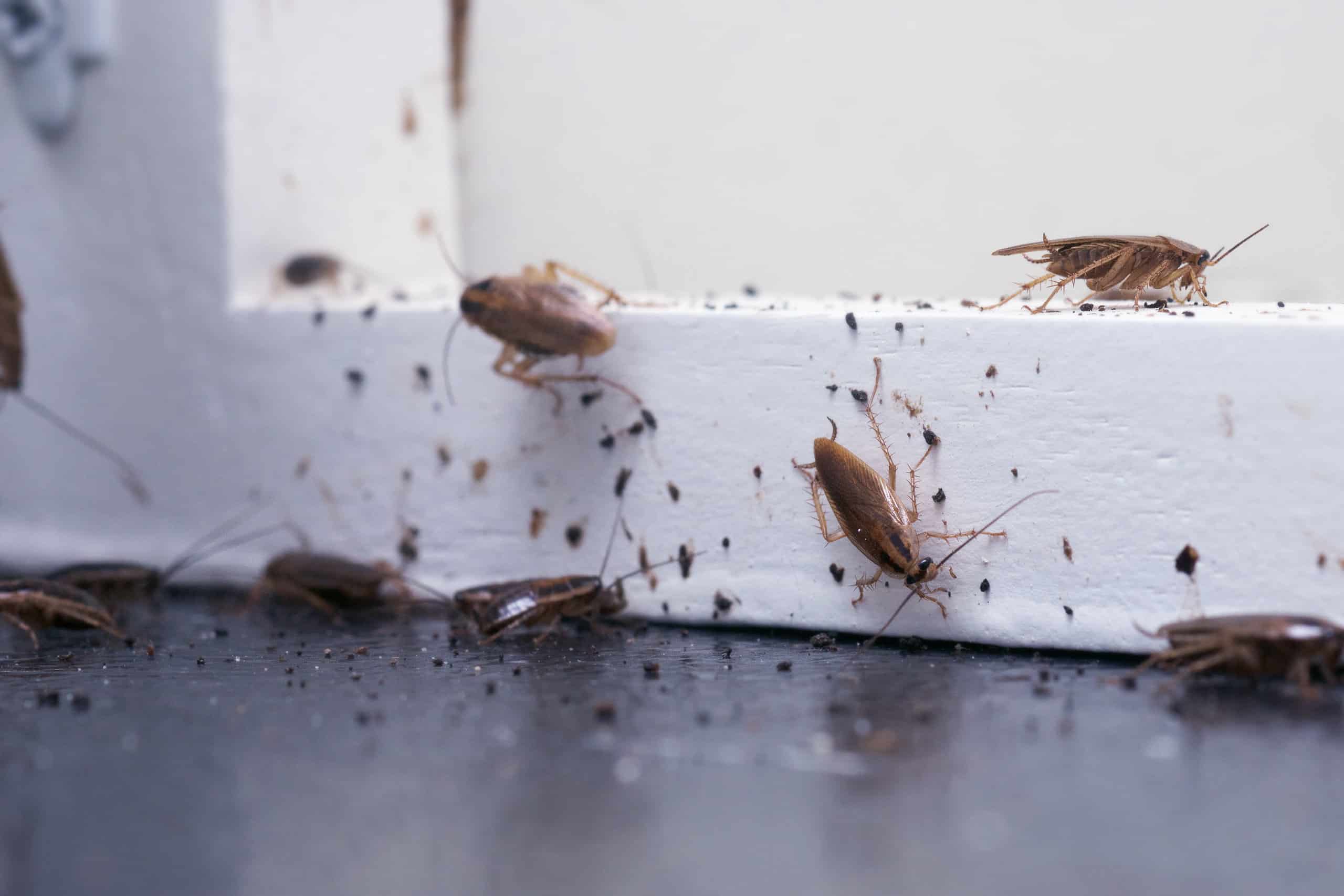
Four species of cockroaches are to blame for most infestations in American homes.
©Furiarossa/Shutterstock.com
Cockroaches are insects in the Blattaria order. Roach-like animals have inhabited Earth for 320 million years, and during this time, they’ve adapted to live almost anywhere. They are most common in humid tropical regions with warm temperatures.
Cockroaches are especially adept at survival because they can live without food for extended periods. This is because they are cold-blooded. Cold-blooded animals do not require as much food as warm-blooded animals because they don’t spend energy maintaining a certain body temperature.
4 species of cockroaches are to blame for most infestations in American homes. These cockroaches are the Oriental, German, American, and Australian cockroaches. Most other roaches prefer the outdoors as there are more hiding spots, and the average home is too dry for them.
Why Do Cockroaches Even Exist?
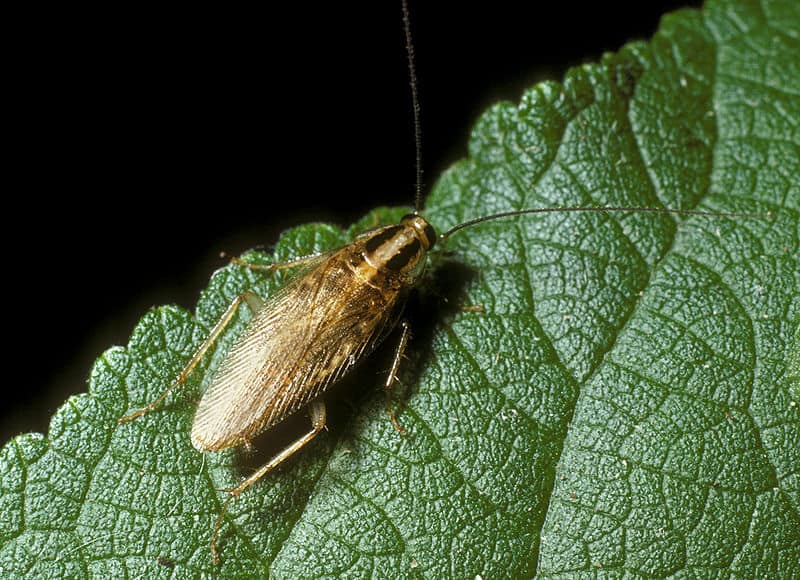
Roaches exist because they’re good at cleaning up the environment.
©Barry Fitzgerald – Public Domain
Cockroaches exist because they’re good at cleaning up the environment. They feast on rotting organic stuff out in nature like wood, carcasses, and old leaves. These insects are especially important for the environment because they’re able to consume material that most other animals can’t digest like hair and fingernails.
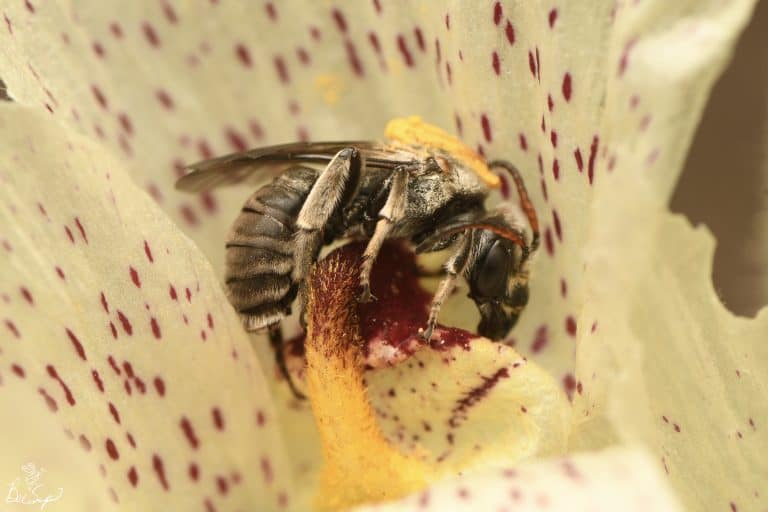
Some cockroaches are pollinators. For example, a specific cockroach (Amazonina platystylata) is the primary pollinator of a clusia species in French Guiana. This clusia (Clusia blattophila) only grows on a large granite outcrop called the Nouragues Inselberg in the eastern part of this French territory.
When this cockroach comes in contact with the flower of this clusia, grains of pollen get wedged into its rough exoskeleton. These pollen grains are then deposited in subsequent flowers. While this cockroach has not evolved organs for pollination, the flowers may create specialized scents designed specifically to attract this roach.
What is the Purpose of Cockroaches?
Cockroaches are designed to process waste, and this is their niche purpose on Earth. Because of their unique ability to digest many things, their excrement creates usable compounds out of stuff that otherwise remains inaccessible to other living things.
By digesting stuff that would otherwise go undigested, they’re able to recycle nitrogen back into Earth’s soil. Without their bodies breaking down the world’s most undesirable garbage, this nitrogen would remain unusable indefinitely. Cockroaches burrow through soil around plants which aerates the soil, and they deposit their feces while doing this which enriches the ground with nitrogen.
Pooping Cockroaches: Why is Nitrogen Important?
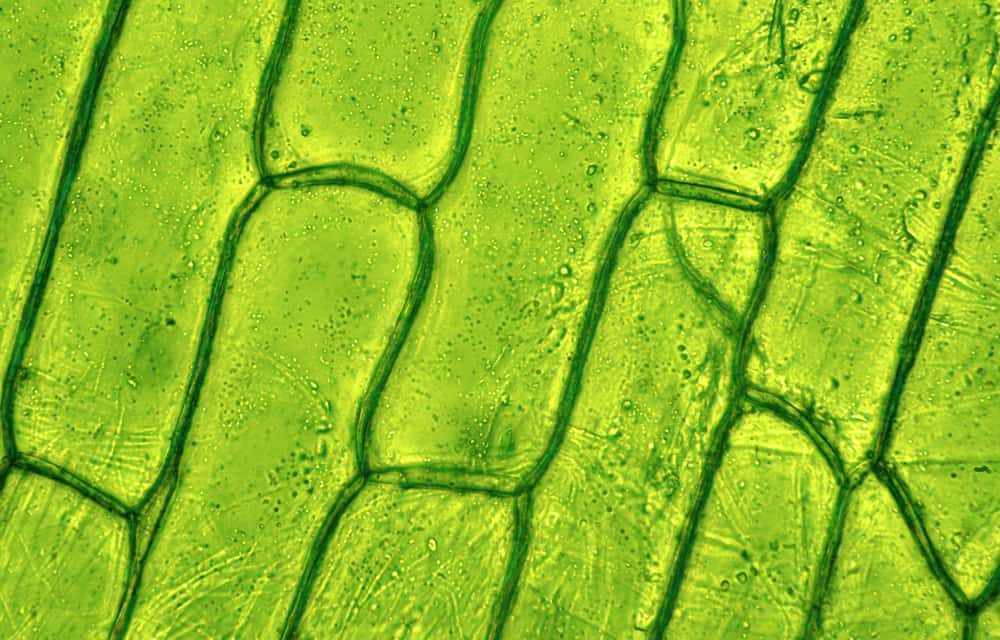
Cockroaches make otherwise inaccessible nitrogen available to plants.
©Barbol/Shutterstock.com
Nitrogen is important because it is a vital element for plants and animals. It is an essential ingredient in the chlorophyll in plants. Chlorophyll is primarily responsible for making plants green, and it’s how a plant collects sunlight for photosynthesis. Photosynthesis is how a plant creates food for itself, and nitrogen enters plants via its roots that are buried in the soil.
Human life depends on nitrogen. A lot of the nitrogen that the human body needs is obtained from edible plants though meat and dairy also contain nitrogen.
Nucleic acids, which are vital to the creation of DNA, rely on nitrogen. Amino acids rely heavily on nitrogen as well. Amino acids are an important component of protein, and proteins are required for healthy bones, cartilage, muscles, and skin.
Is It Safe to Live With Cockroaches?
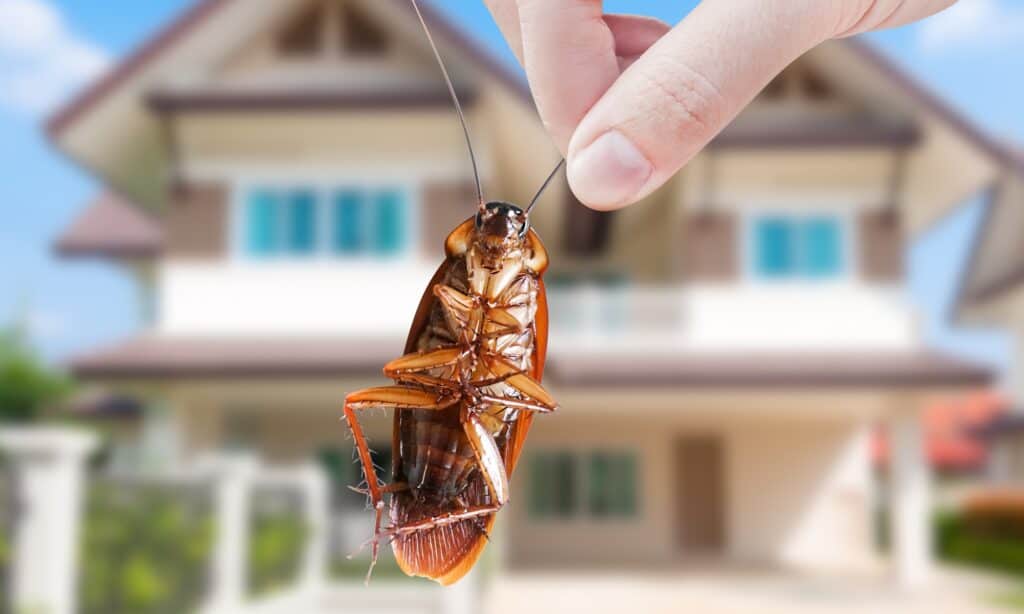
Living with cockroaches is unsafe because they spread diseases.
©iStock.com/rawintanpin
No, it is not safe to live with cockroaches. If there are cockroaches inside your home, you need to take action. If you’ve spotted more than a couple of cockroaches, chances are you’re dealing with an infestation.
The feces and saliva of cockroaches trigger allergies and asthma. They also spread bad bacteria wherever they go because they come in contact with contaminated objects and food. That’s because they live in places like sewers and readily eat things like human feces.
Cockroaches will eat any food that humans and animals consume. These versatile insects will also damage items in your home like clothing and books. They can even survive on cleaning supplies like shampoo and soap.
Exterminating cockroaches can be difficult, and trying to hide all food sources is impractical as they eat almost anything. One effective method is to mix borax with a fine human food like sugar. The sugar attracts them, while borax is a desiccant that dehydrates roaches through their exoskeletons.
What is the Preferred Environment for Cockroaches?
Cockroaches can live almost anywhere on the planet in almost all environments. The only place where roaches don’t naturally occur is Antarctica. They prefer warm and moist environments the most which is why they’re more common in tropical climates or during spring and summer.
Roaches especially love badly ventilated, moist, and dark areas. They love loose soil, spaces underneath rotting logs, moist bark, piles of leaves, and shady spots under rocks like those found in scree.
Where Do Roaches Live In Houses?
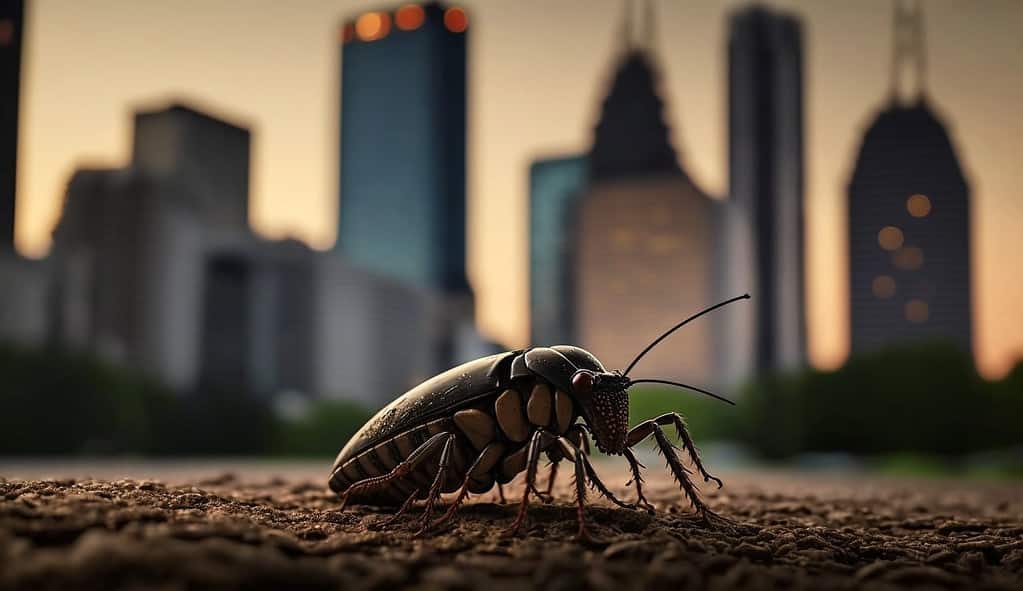
Within human homes, cockroaches mostly live in dark and moist places like they do in their natural environments. Their love for the dark is why most people don’t see most roaches in their day-to-day lives. These insects wait for nighttime to come out to feed so they remain shrouded in darkness.
They especially love being underneath fridges and dishwashers. Roaches commonly hide out in ignored cabinets and drawers, between cracks in baseboards, and inside furniture.
Cockroaches thrive in urban environments. They especially enjoy sewers, and they also like abandoned places like mine shafts and subway tunnels. They’re found buried in wooded outdoor spaces and hide in dark crevices inside of houses.
What Eats Cockroaches?
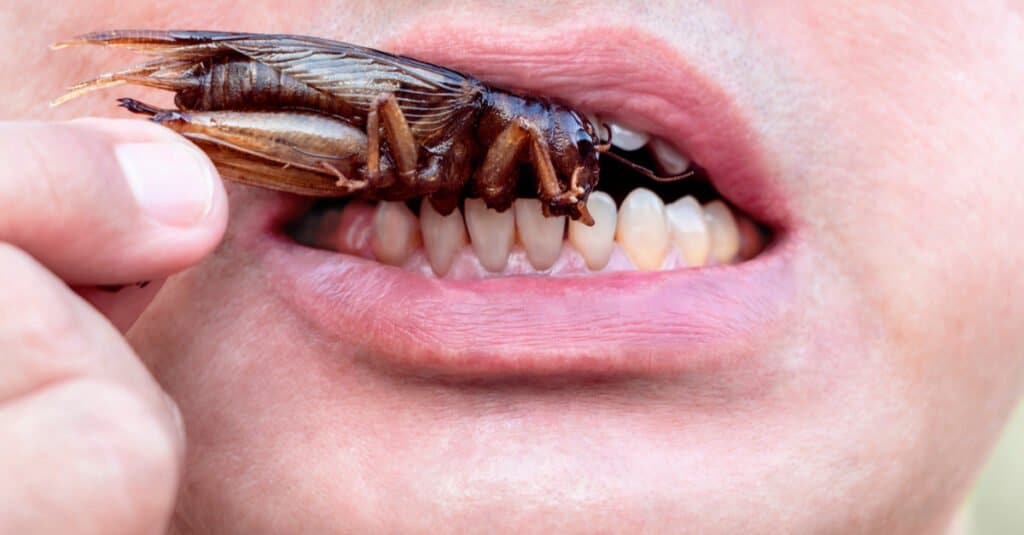
Cockroaches are a sustainable source of fiber and protein for millions of humans.
©pong-photo9/Shutterstock.com
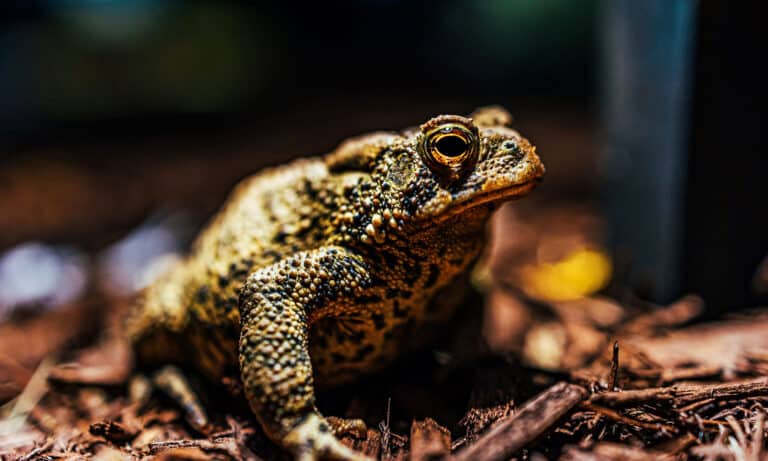
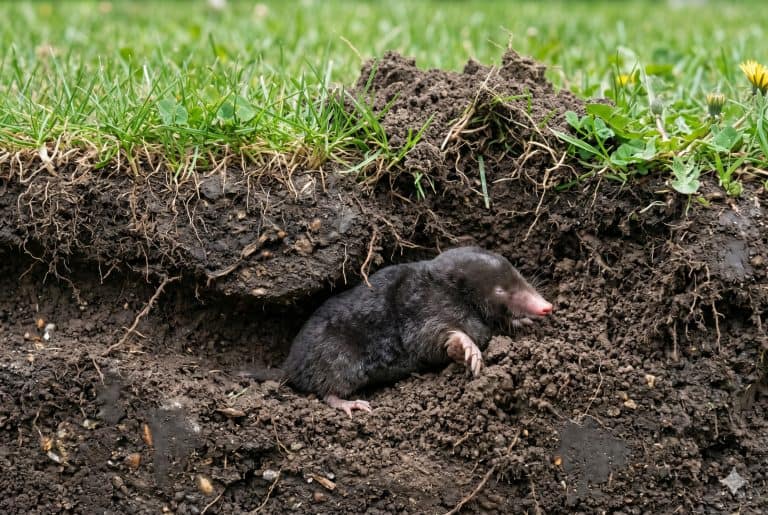
There are many birds, insects, arachnids, small mammals, amphibians, and reptiles that eat cockroaches as a staple of their diet. Hedgehogs, geckos, turtles, mice, and rats enjoy dining on roaches. Some centipedes, mites, ants, and spiders also enjoy eating cockroaches.
Cockroaches are an important source of fiber and protein for millions of humans across the globe. They’re easily reared and they’re a sustainable food choice. They’re often covered in chocolate for sweets, pan-fried, boiled, roasted, or added to dishes like stir fry and soups.
Roaches that are appropriate for human consumption are carefully farmed using clean vegetables and fruits. Do not eat random roaches scurrying around outside or in your home as they’re most likely contaminated with salmonella, E. coli, and other harmful bacteria.