
Spiders are not beloved by the masses, but they should be. Perhaps, by the closing of this article, another person will understand the vital role spiders play in our environment. It would be great if everyone could have an open mind to all creatures, whether we like them or not. Every single creature on planet Earth plays a role. When species start dying off, the effects are seen, and they aren’t pretty. It creates a chain reaction, and some of those well-loved creatures will face their doom because a few of the lesser-known or lesser-loved creatures have fallen victim to an untimely end. Let’s all take this as a lesson on acceptance, whether we like it or not. Everyone has a purpose.
What Good is a Spider?
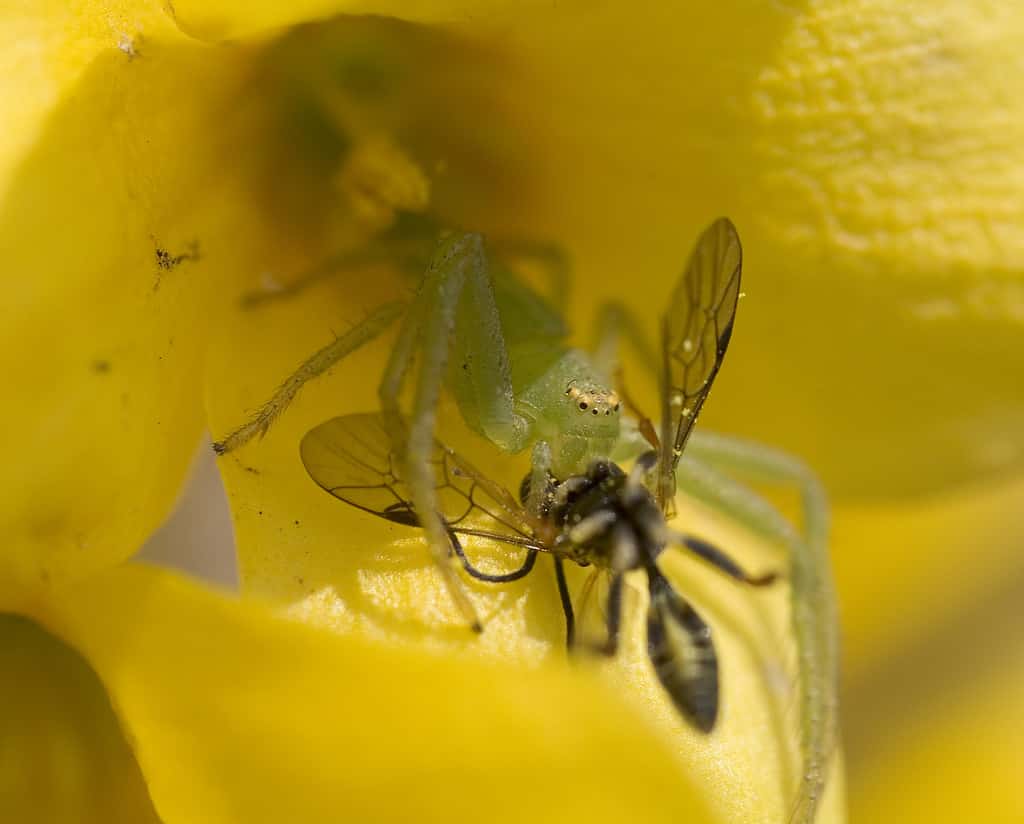
Grassland Crab Spider (Oxytate striatipse) munching on a small flying insect.
©池田正樹 (talk)masaki ikeda / CC BY-SA 3.0 – Original / License
Spiders do a lot more for the environment than humans have ever done, and they’ve never harmed it. Without spiders, we would have far bigger problems than being worried spiders will try to sneak in when the weather gets cooler. The world needs spiders in many ways. Below are a few of the top ways spiders take care of the planet.
Decrease Insect Numbers
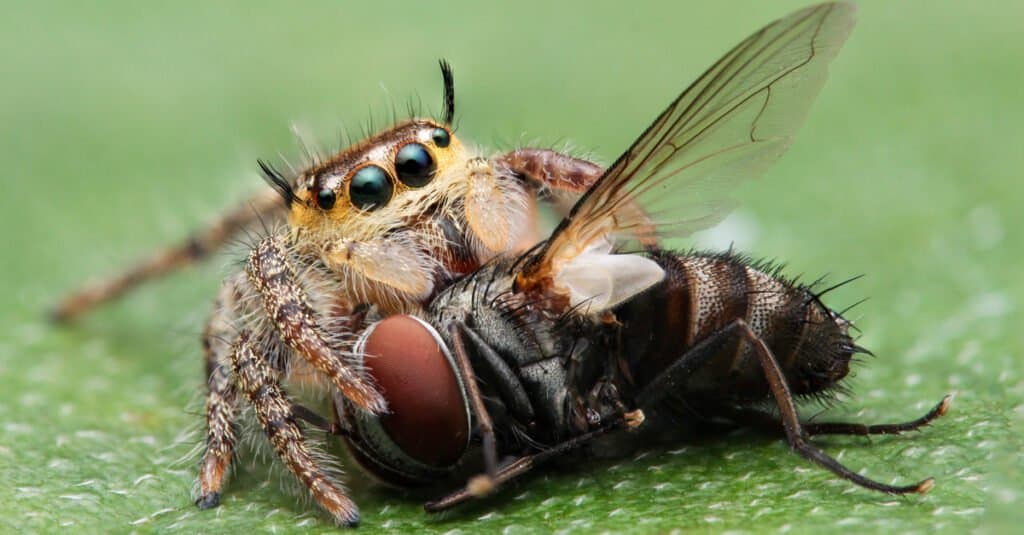
Spiders help keep numerous species of insects in check.
©amirhamzaa/Shutterstock.com
Imagine if spiders never existed, but all of the insects still did. Without ground-hunting spiders and orb weavers, we would be a planet buzzing with harmful insects. Our pets would be constantly tormented by ants, flying insects, fleas, and ticks. We would have so many insects coming into our homes that we wouldn’t know what to do with them. If we turned to pesticides even more so than we currently do, there would be far more poisonings from such with pets and children. Also, the pollinators who keep the world alive would die at a more rapid pace since pesticides are one of the leading killers of bees.
Cut Back on Diseases and Viruses
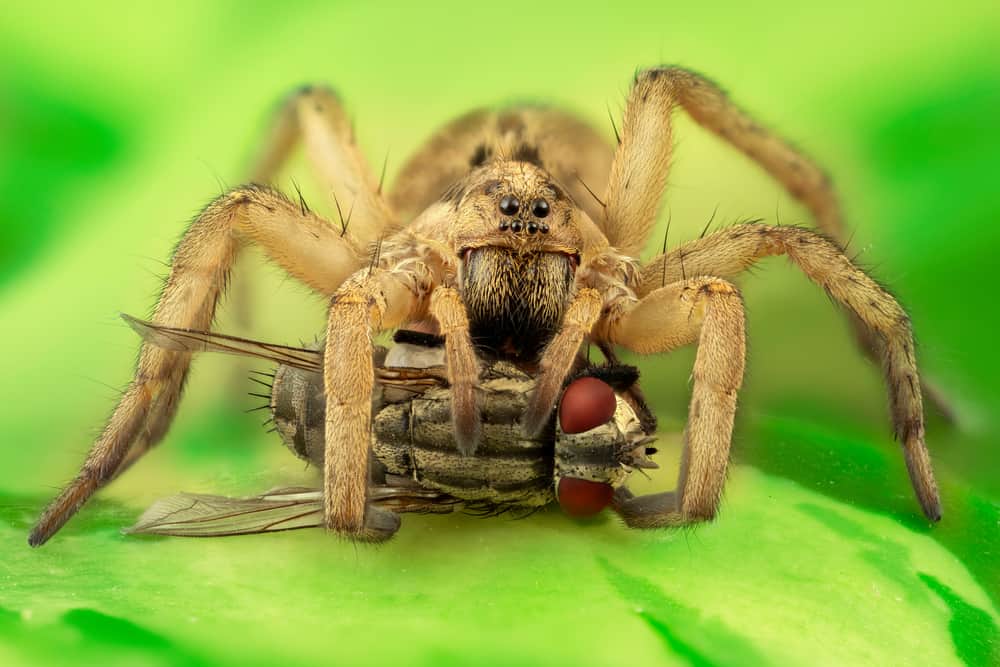
Spiders are not here to scare you or inconvenience you with their webs.
©Vida Shams/Shutterstock.com
Mosquito, fly, tick, and flea numbers are growing due to the warming of the planet from climate change. It’s doubtful that anyone would be pleasantly surprised if those numbers grew to such quantities that it was dangerous to go outside. Wouldn’t it be terrible to tell children bedtime stories about what the great outdoors once was and how great it was to play there? One of the most important jobs that spiders have is to cut down on disease and virus-spreading insects.
Without spiders, everyone would be ill and likely end up dying from a disease of virus that was once at least somewhat controlled. Once those viruses like yellow fever and malaria got to everyone on the planet, there wouldn’t be much, if anything, that the best doctors could do. There would never be enough vaccines to share with everyone. Continuing down that road would see more wars break out, and this time all of the troops would already be sick and dying while fighting for vaccine rights. Families would have to choose who got the vaccine and who died. Mosquitos spread horrors but so do ticks, fleas, and some other insects that would go unchecked if not for spiders. Our pets would share a similar fate, as would every animal on the planet. Imagine the domino effect on the entire ecosystem.
Produce Silk
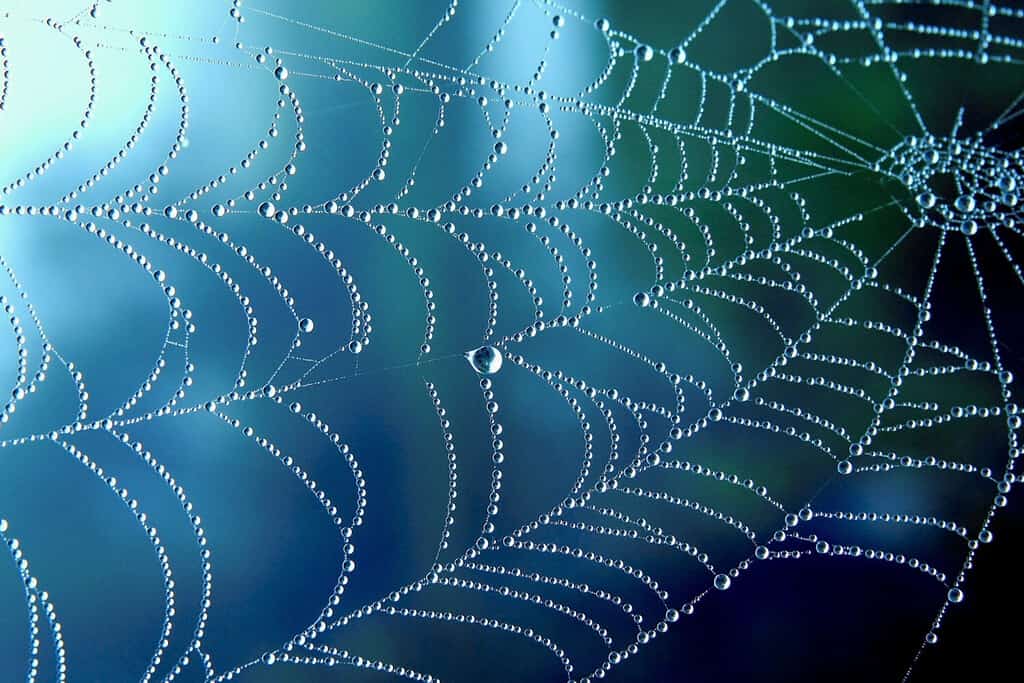
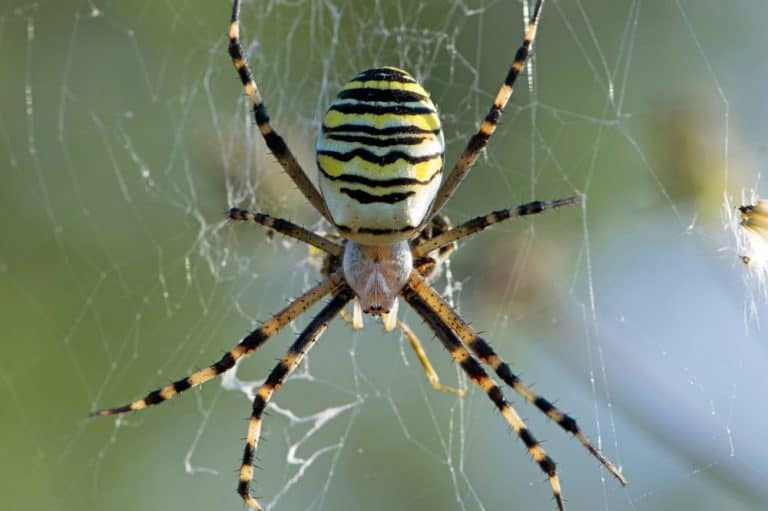
Silk is stronger than steel.
©SakSa/Shutterstock.com
A spider’s silk would be better at keeping a person or animal safer than Kevlar. It’s stronger than steel and, if synthetically reproduced, can help us in so many ways. It has many medicinal possibilities, too. It would make a stronger, hypoallergenic stitching. Scientists are continuing to explore its possibilities in medical dressing. It is also as stretchy as rubber, which opens up an entire chain of thoughts. The possibilities seem endless if we can duplicate a spider’s silk.
Venom Can Be a Disease Fighting Ally
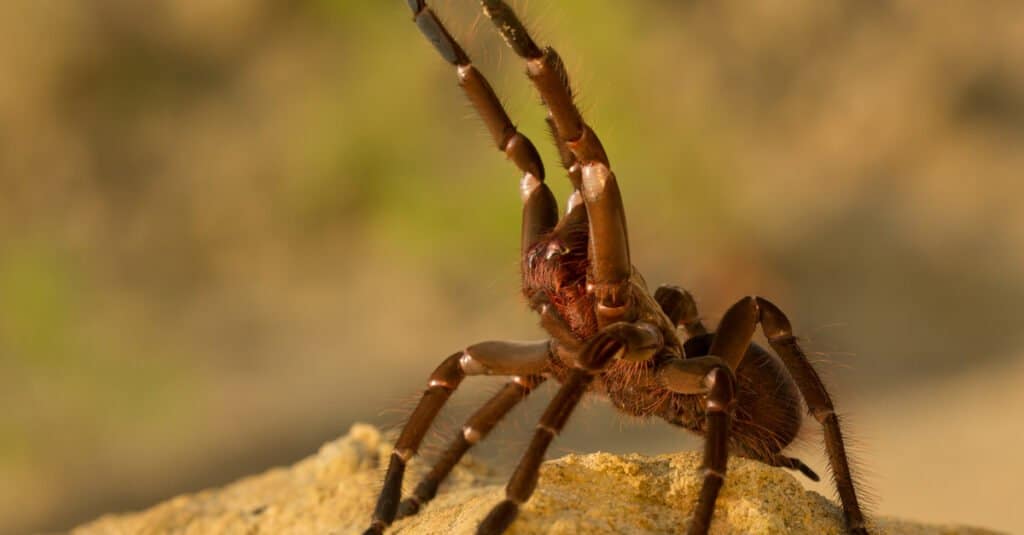
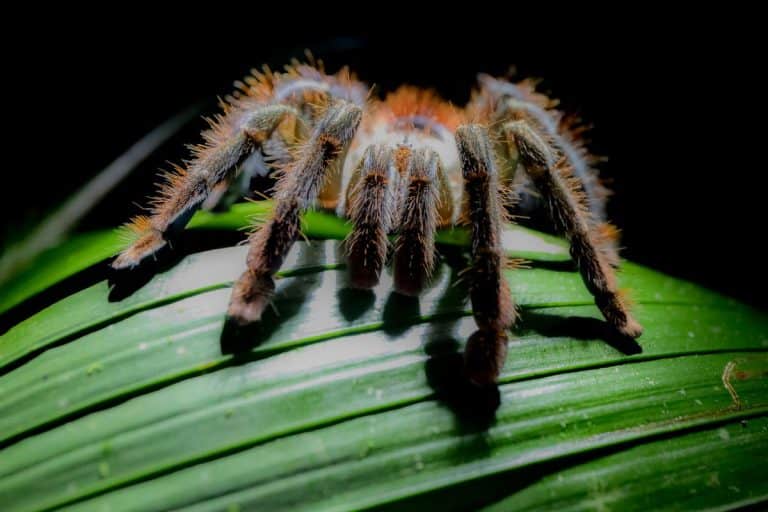
The Goliath tarantula has inch-long fangs that inject toxins into a prey’s bloodstream.
©Milan Zygmunt/Shutterstock.com
Spider venom has long raised alarms about deadly bites and necrotic tissue, though what it is doing in the science communities makes much more sense. Just to name a few, spider venom peptides are antimicrobial, neurotoxic, analgesic, and cytotoxic. One of the amazing things spider venom may help with is killing tumors by using it as a chemotherapy drug. Because of its potential to become an effective and nonaddictive painkiller, it could dethrone the opiate crisis altogether. It would work by blocking nerve activity and thus blocking pain. That would be amazing for so many painful conditions.
Scientists are also discovering there is a long list of conditions that spider venom could also cure or treat like neurodegenerative diseases, heart arrhythmias, erectile dysfunction, and epilepsy.
Other Creatures Eat Spiders
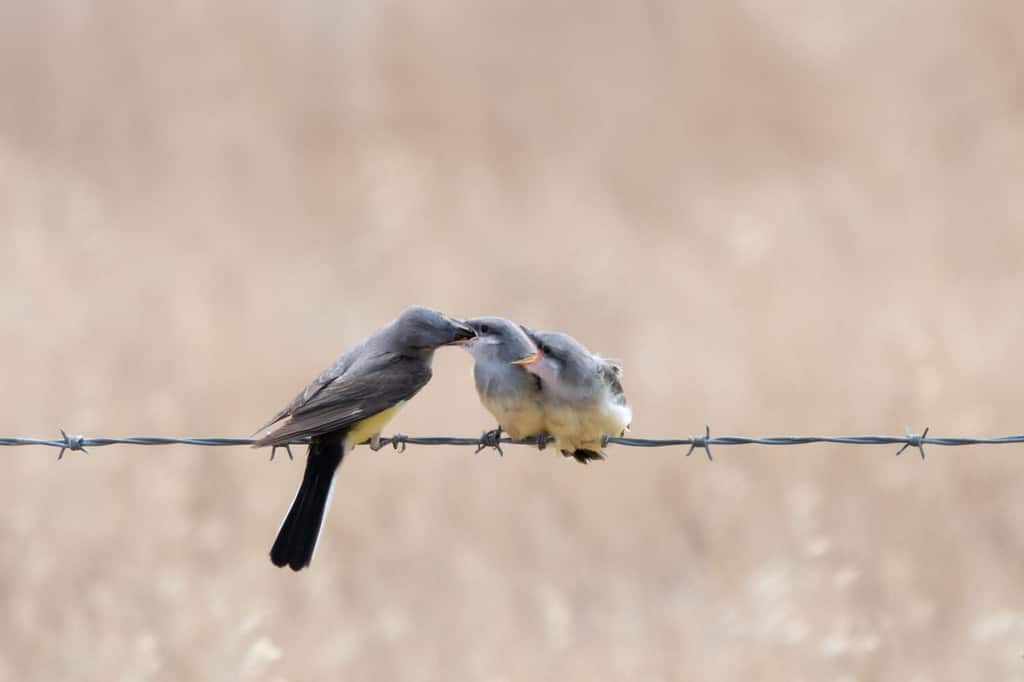
Every living being holds a purpose in the ecosystem and keeps it flowing correctly.
©J Hopwood/Shutterstock.com
Spiders are a food source for many animals. Without spiders, the 8,000 – 10,000 other living beings that exclusively eat them to survive would become extinct. When one animal becomes extinct, a chain reaction happens. Spiders feed 3,000 – 5,000 species of birds on top of the other number and without birds, trees and plants would become scarce, which would make the earth heat up faster, causing more animals to become extinct and so forth. Every being on the planet has a purpose and spiders have many purposes. Scientists have found that spiders eat 400 – 800 million tons of prey insects a year. Imagine what an additional 400 – 800 million tons of insects would look like on our planet.
Hold the Food Chain Together
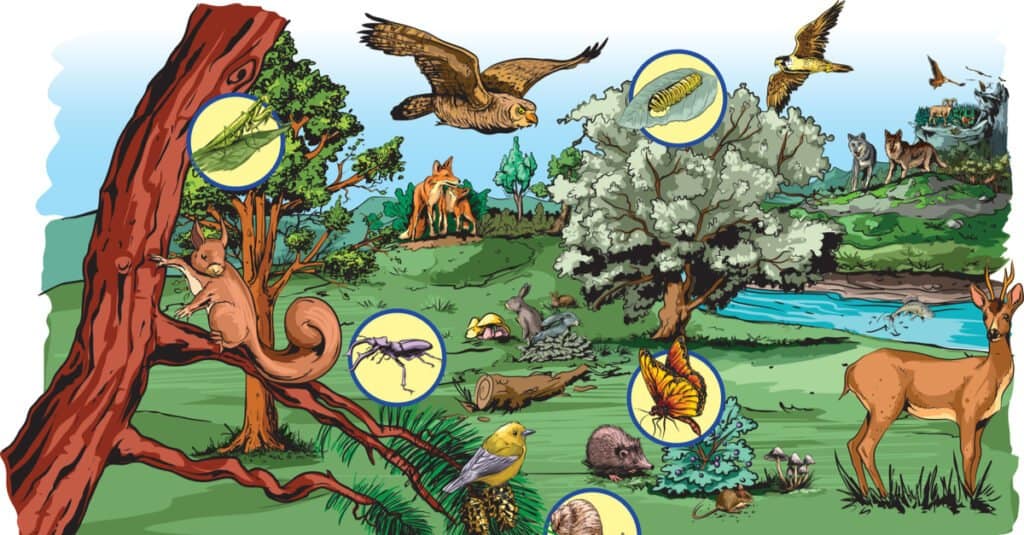
Spiders are part of the glue that holds the food chain together. Without them, a myriad of negative happenings would occur on Earth.
©EreborMountain/Shutterstock.com
Spiders have an important role to play in our world, just as we do. If spiders were removed from Earth, nothing but negative consequences would follow. The insects would take over and spread diseases, some animals would go extinct immediately while others would go out more slowly once other members of the food chain died off. In the end, humans would no longer exist. If our planet is a dead wasteland of extremely high temperatures, no life forms, and no water. Nothing could exist and nothing would want to exist. Each time we kill a spider, it means more harmful insects get to live. Each time we kill a spider, one less species gets to eat. The world was perfect before humans began tampering with its system. We must do what we can to save what remains now before it truly is too late. Now, go hug your friendly neighborhood spider. Not really. As extreme introverts, they don’t like hugs.
FAQ
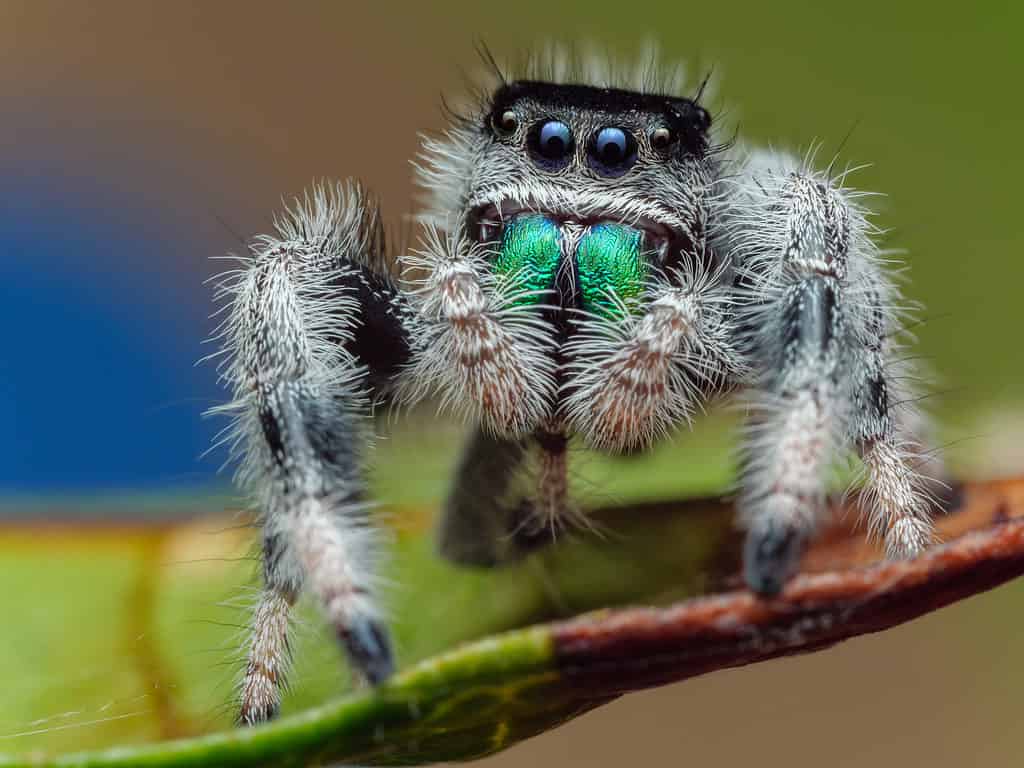
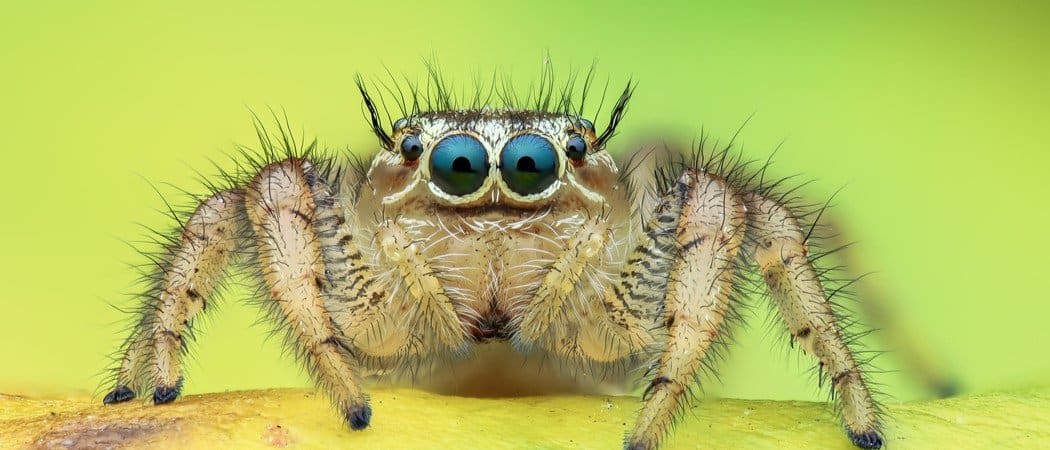
Regal jumping spiders are some of the friendliest types of spiders.
©iStock.com/Macrolife.it
Q: Do humans need spiders to survive?
A: Humans need spiders to survive. Spiders and other invertebrates make up 98% of animal species. They are vital to keeping an ecosystem healthy and sustainable. Without invertebrates, the other 2% of animals, including humans, would die.
Q: Would humans go extinct without spiders in the world?
A: Yes, within months humans would die from either insect diseases or starvation. Without spiders, harmful insects would eat all of the crops on earth. The ecological balance would continue until all living things were dead.
Q: Are all spiders friendly to humans?
A: Spiders are not trying to scare or threaten humans. They would much prefer to avoid us. We are giants compared to them and are a real threat to their survival. Some spider species like certain types of jumping spiders can be curious about humans and might not appear as afraid as other spiders.
Q: Can spiders withstand freezing temperatures?
A: If the transition is gradual, spiders can survive freezing temperatures. They have something very similar to antifreeze in their small bodies that enables them to slow their body down until they appear in a state of hibernation. They are not asleep, as we know it, but are frozen. Once the temperature begins to climb, their bodies go back to how they were before they were frozen.