
Quick Take
- High levels of uric acid in termites have been linked to colony collapse.
- High levels of uric acid weaken termites’ immune systems, making them more susceptible to disease.
- Uric acid can lead to colony collapse, but it is also a key component of termite longevity.
- Researchers are moving forward to determine if colony collapse of other insects is related to high levels of uric acid.
Termites are one of the most financially devastating insects. The significant damage they cause to homes and outdoor structures in the United States alone amounts to $5 billion to $30 billion annually. The unfortunate problem with controlling termites is that the damage is generally done long before they are detected.
To combat termites, professionals are called out to eradicate them. This, too, is a costly process. However, instead of using poison to eliminate an infestation, there may be an internal chemical trigger that topples termite empires. This chemical trigger is a uric acid time bomb that can effectively collapse termite colonies in a short period.
Uric Acid Levels in Worker Termites Determine How Long a Colony Will Live
Termites live in colonies. These colonies can vary in size, but there is one thing common to all of them. That commonality is that there is a hierarchy to the colony, broken down into castes. Those castes are the kings and queens, the soldiers, and the workers.
With each termite having a specific role in the colony, the colony becomes robust as it quickly grows in size. However, there are times when seemingly healthy termite colonies suddenly collapse, resulting in the death of all members.
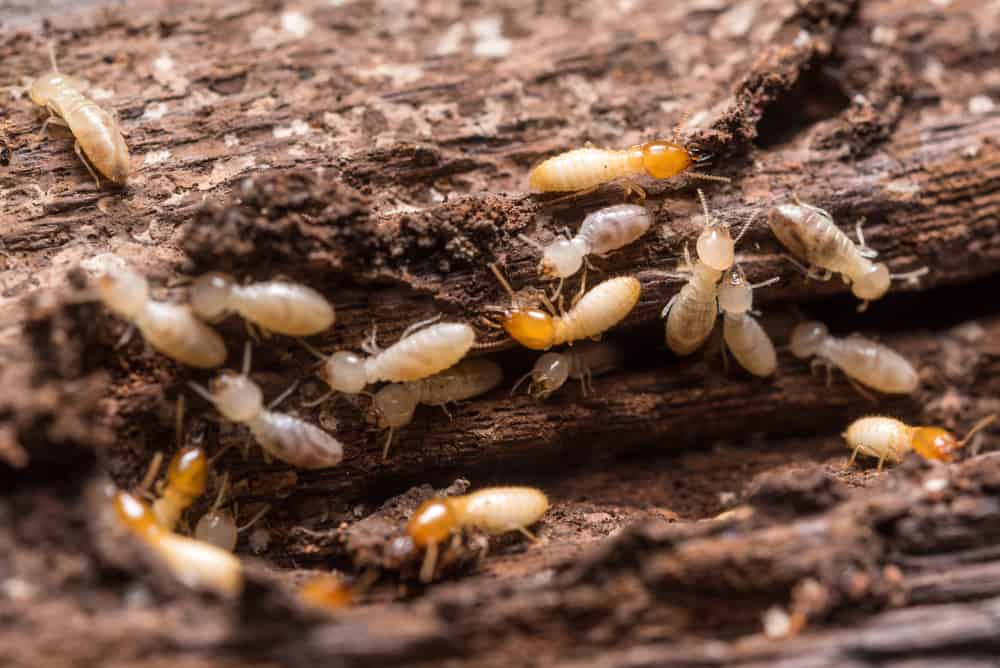
When Reticulitermes speratus‘ uric acid levels increase, the termite colony will collapse.
©emongrara/Shutterstock.com
According to a new study published in Proceedings of the Royal Society B: Biological Sciences, the sudden collapse of termite colonies, both large and small, has to do with the uric acid levels in the termites’ bodies. As uric acid levels increase, termites become ill and eventually die. As members of the colony die, the hierarchy is decimated and can no longer sustain the colony.
Researchers from Kyoto University examined how Reticulitermes speratus, a Japanese subterranean termite, fared when the colony’s king or queen was replaced. They discovered that uric acid levels in the termites’ bodies increased. The colonies that collapsed were found to have termites with the highest levels of uric acid in their bodies. Therefore, it was deduced that uric acid at least played a role in the demise of a termite colony. However, researchers found that uric acid levels alone were not the only factor contributing to a colony’s collapse. There were additional factors at play.
An Increase in Uric Acid Weakens the Immune System in Termites
Termites always have some level of uric acid in their bodies. Uric acid is a waste product that occurs as purines, or the building blocks that contain DNA and RNA, are broken down. Additionally, uric acid serves a dual purpose of acting as an antioxidant in the body, protecting cells from environmental damage.
When uric acid is at optimal levels, it works harmoniously in the bodies of termites. However, according to Takao Konishi, the study’s first author, when levels become too high, the immune system is compromised.
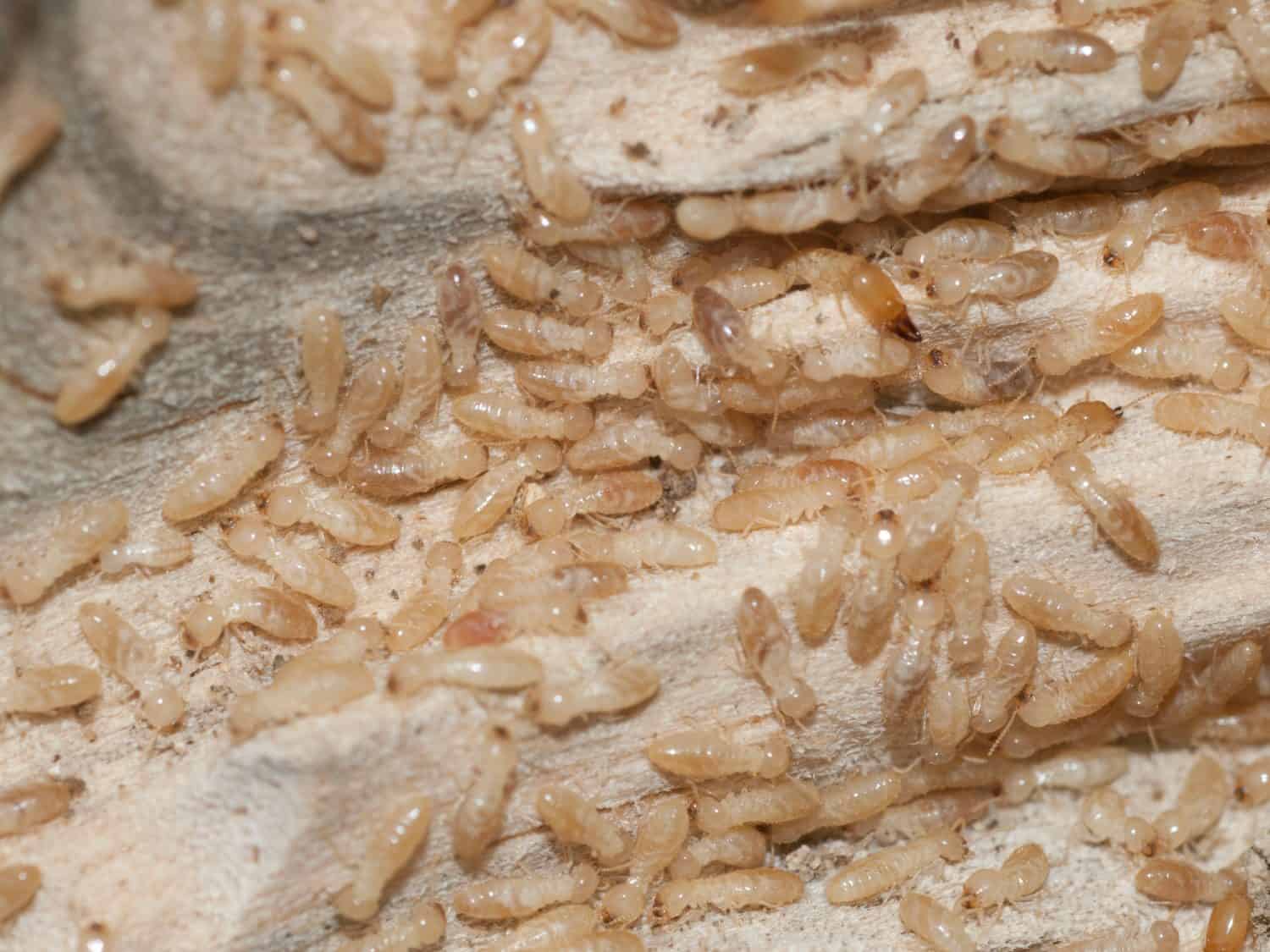
Reticulitermes speratus immune systems are compromised when uric acid levels increase, eventually leading to their demise.
©Kelly Marken/Shutterstock.com
“Using experimental systems in which we artificially increased the uric acid contents in workers,” Konishi told Phys.org, “we conducted a series of studies that revealed that colonies with workers accumulating uric acid are more likely to die following infection by pathogens, including opportunistic bacteria.”
Konishi went on to explain that as uric acid levels in the termites’ bodies increased, their reactive oxygen species levels decreased. The molecules that play a critical role in cellular processes could not function properly. This resulted in weakened immune systems and the eventual collapse of the termite colony.
“We showed that the accumulation of uric acid in workers increases their infectious disease risk in termites,” Konishi said.
Can Changes in Colony Structure Increase the Uric Acid in Termites?
As part of the study, researchers wanted to see what would happen to the termite colony if the king or queen were removed. These two termites are responsible for producing nearly the entire colony. If one of them is unable to fulfill their duties, they will be replaced. But when this happens, the worker termites are affected negatively.
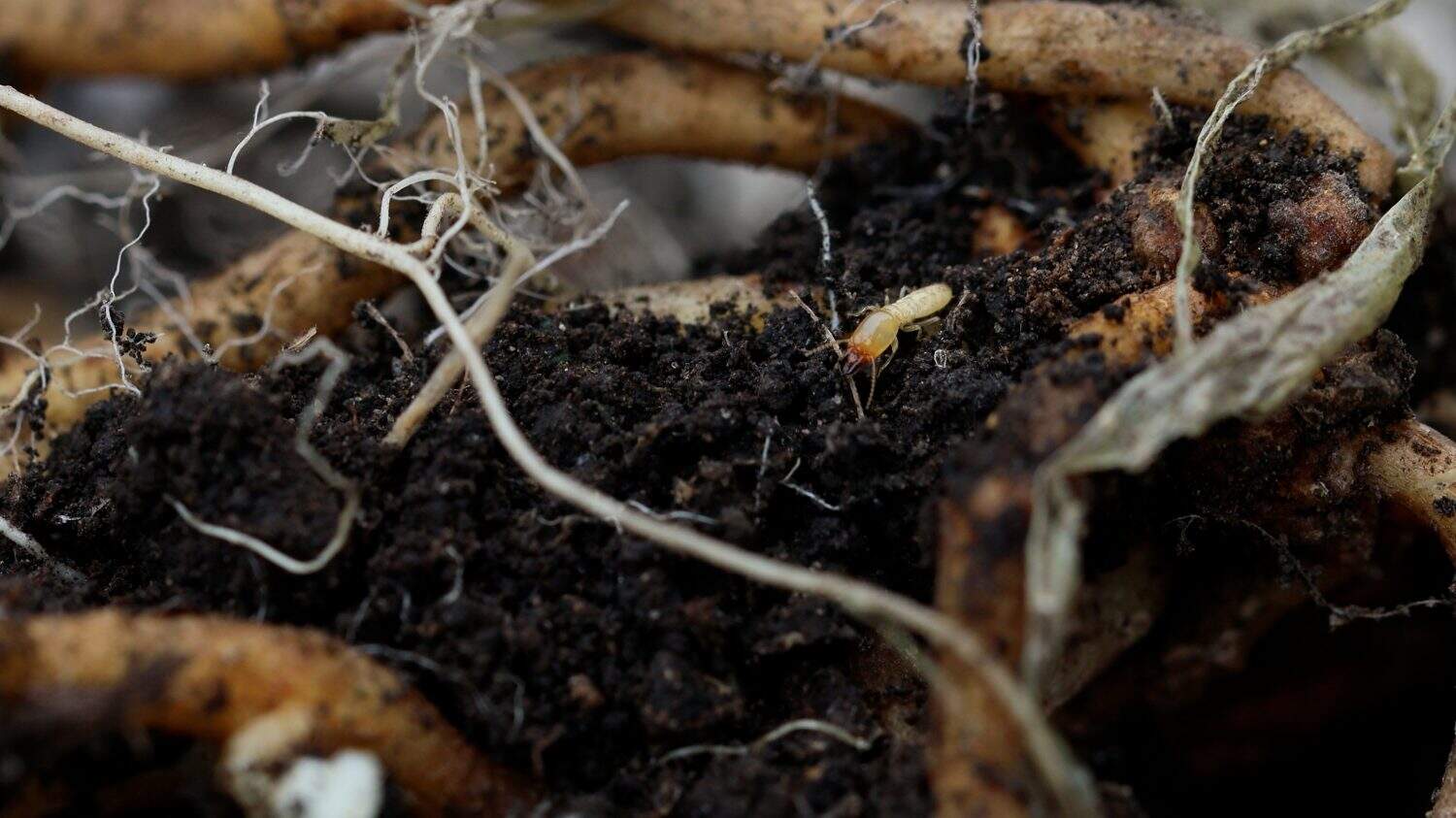
When the king or queen termite is replaced, the colony structure changes, increasing uric acid levels in termites.
©Kelly Marken/Shutterstock.com
According to the study, when the king or queen is injured or dies, uric acid levels in worker termites increase. The study did not specify whether this increase is related to instability within the colony. The study also did not note whether uric acid levels decreased if the king or queen termite was replaced quickly.
What is known is that prolonged high levels of uric acid in termites will eventually lead to their demise. Again, this is not due solely to high uric acid levels. It is the high levels that weaken the termites’ immune systems. All it takes is a bacterium to infiltrate the colony when termites are in this state, and the colony will cease to exist.
Uric Acid May Lead to Colony Collapse, but It Is Necessary for Termite Longevity
Uric acid in large quantities can lead a termite colony to abruptly collapse. However, without uric acid, termites are not healthy. Consequently, removing uric acid from the equation is not the key to colony longevity. Instead, maintaining a balance of uric acid within a colony seems to be the key.
According to a 2017 study published in PLOS ONE, termites tend to live longer lives than individual insects. Despite undergoing the same oxidative stress, which is when free radicals and antioxidants are at an imbalance in the body, leading to cellular damage, termites do not age as quickly as other insects. Because of this, scientists believed Reticulitermes speratus produced levels of uric acid that prevented the termites’ cells from aging rapidly, contributing to their longer lives.
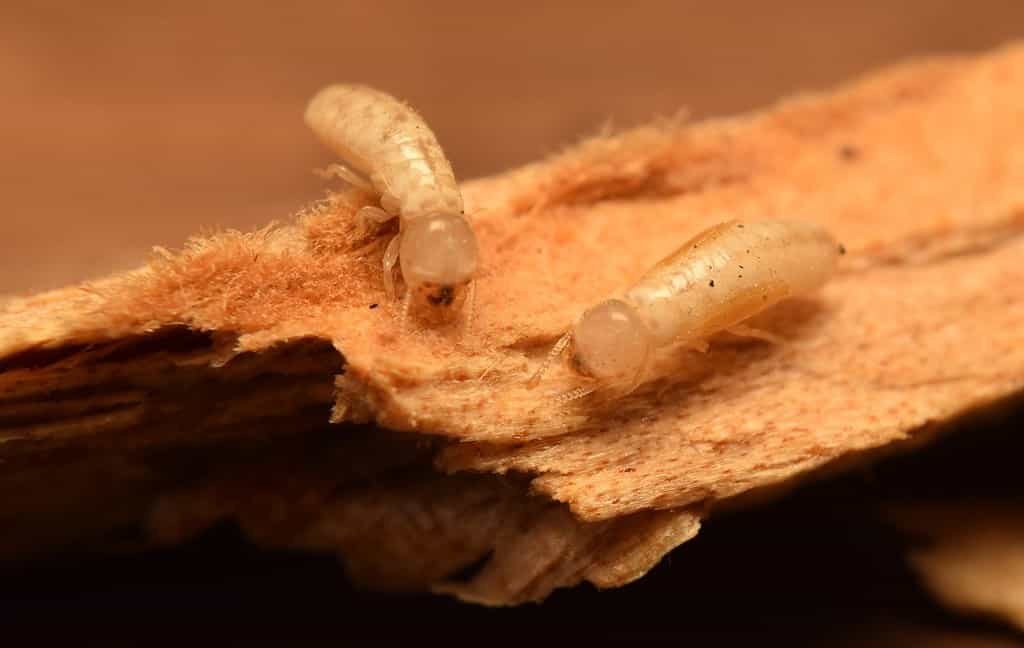
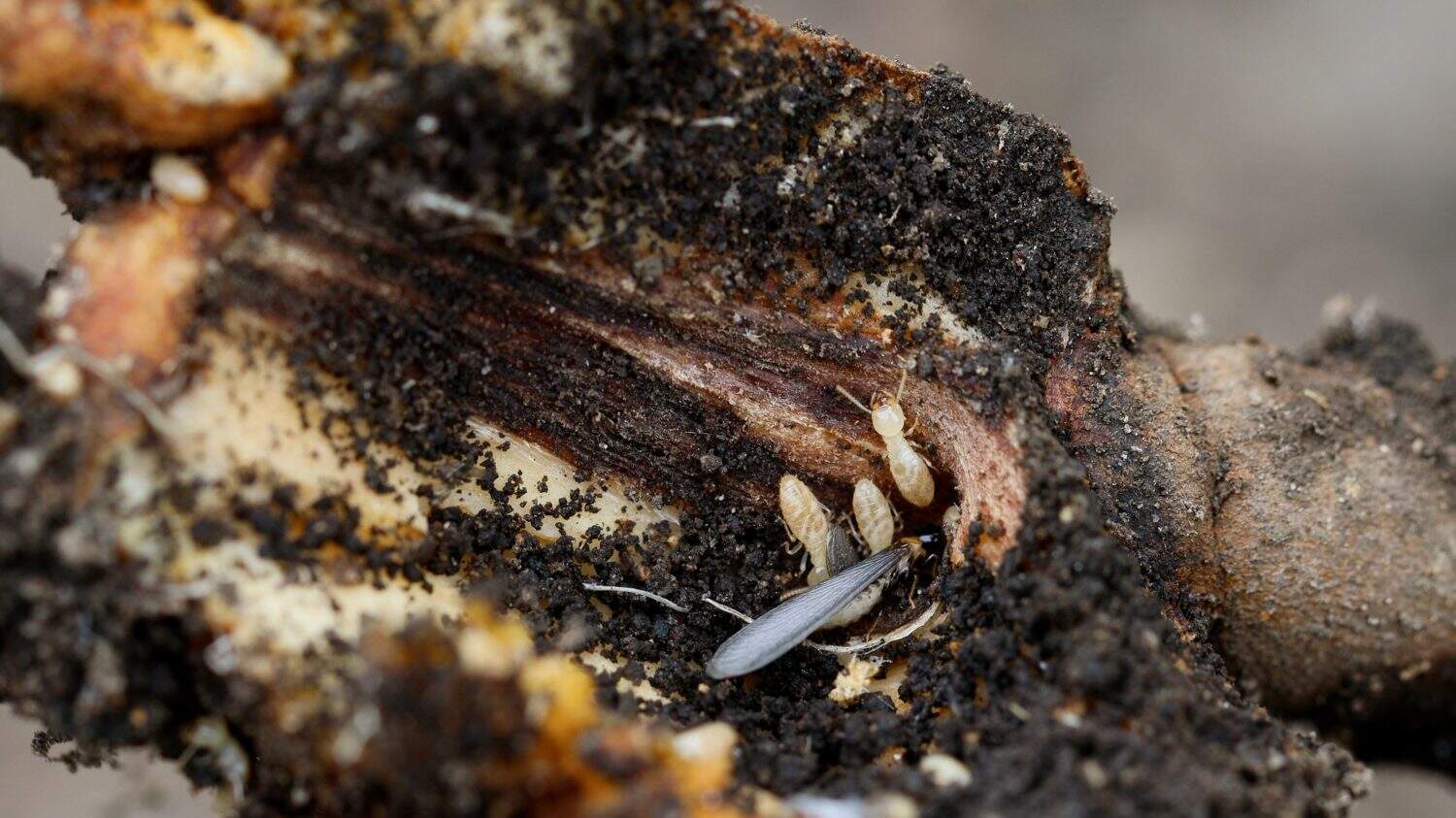
Uric acid is necessary for the survival and longevity of termites.
©gunawand3570/Shutterstock.com
This finding appears to contrast with the new study. How can uric acid both benefit and harm the same species? When uric acid levels are high, it kills a termite colony. When levels are too low, termites die. Therefore, when uric acid levels are stable, termites are most productive and healthy.
Uric acid acts as an antioxidant for termites, allowing them to live longer than other insects. But when too much is produced, it actually weakens the termites’ immune system. This is when the disease has the ability to run rampant through a colony and kill all the termites in it. Therefore, the question remains: what are the precise levels of uric acid that keep a termite colony alive and functioning, as opposed to those that eventually lead to death?
Other Insect Colonies May Collapse Due to an Increase in Uric Acid
While the study focused on the collapse of the Reticulitermes speratus colony in relation to uric acid buildup in worker termites’ bodies, this phenomenon of colony collapse may not be limited to termites alone. Scientists are investigating whether other insect colonies may experience similar uric acid buildup and collapse.
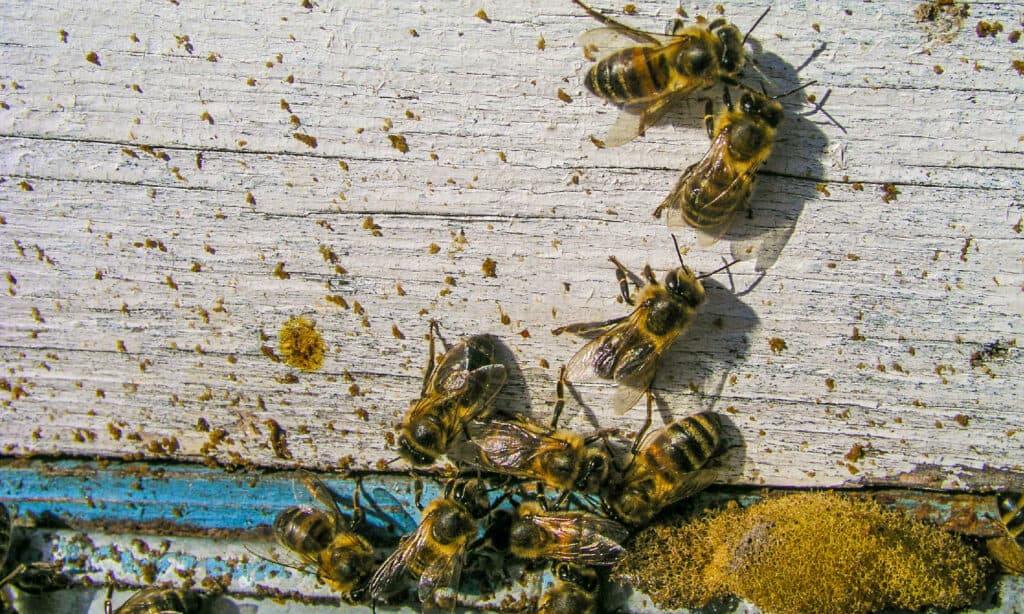
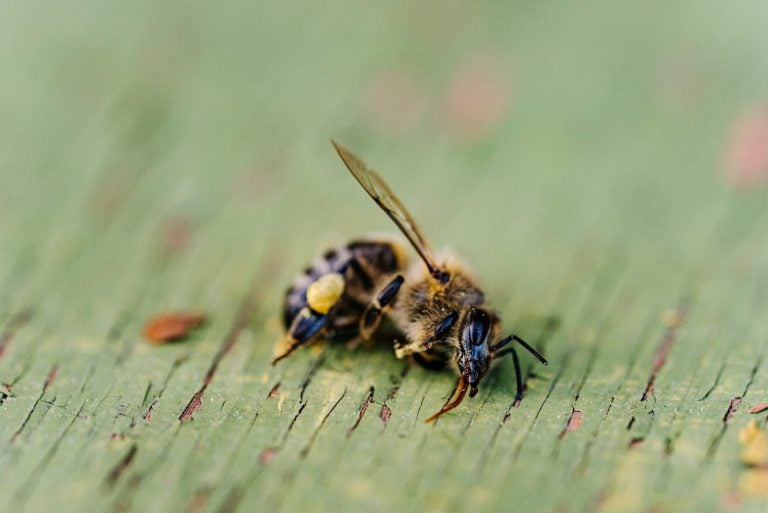
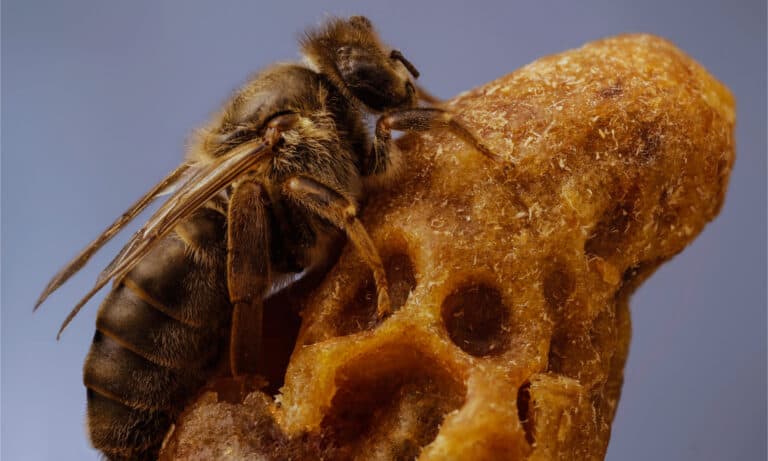
Researchers now want to focus their efforts on other insects, such as honeybees, to see if colony collapse is also related to increased uric acid levels.
©Lipatova Maryna/Shutterstock.com
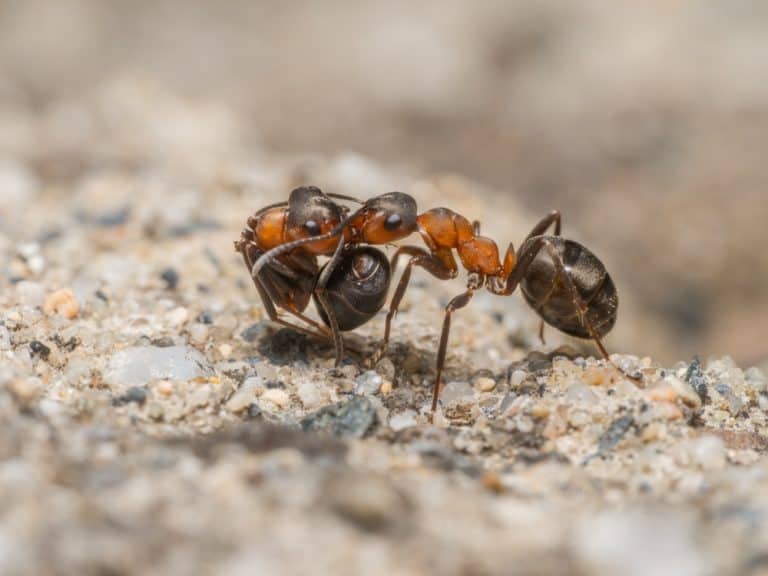
“It will also be important to investigate how widespread this phenomenon is across termite species and other social insects,” Konishi explained to Phys.org, “including ants and honeybees.”
To determine whether the uric acid time bomb is specific to termites, Konishi plans to study other social insects in the future to identify what causes their colonies to collapse. After all, healthy insect colonies do not simply cease to exist; there is always an underlying cause. If that can be determined, colonies of pollinators, such as honeybees, can be better protected at a time when they have experienced significant colony losses in recent years due to environmental factors such as pesticides, pathogens, and poor nutrition. This will lead to healthier insect populations and, in turn, a healthier planet.