
Quick Take
- Two spider families split apart 240 million years ago, yet they build identical traps today. How is that possible? Meet the spiders compared →
- Scientists looked for a 'funnel-web gene' and found something far stranger instead. See what genes revealed →
- The secret to catching prey isn't sticky silk but something most people never consider. Discover the real hunting secret →
- One notorious funnel-web spider was deliberately left out of the study, and the reason for its exclusion matters. Find out which was excluded →
Funnel webs are one of nature’s most identifiable creations. Spiders around the world spin these recognizable structures to serve as both the spider’s home and main food trapping strategy.
But how do two unrelated spider families that split into two different branches nearly 240 million years ago manage to spin the exact same type of webs today? Is it genetics or something else?
A new study just published in the Journal of Systematics and Evolution sheds light on how these very different spiders manage to spin similar webs.
Why Funnel Webs Work
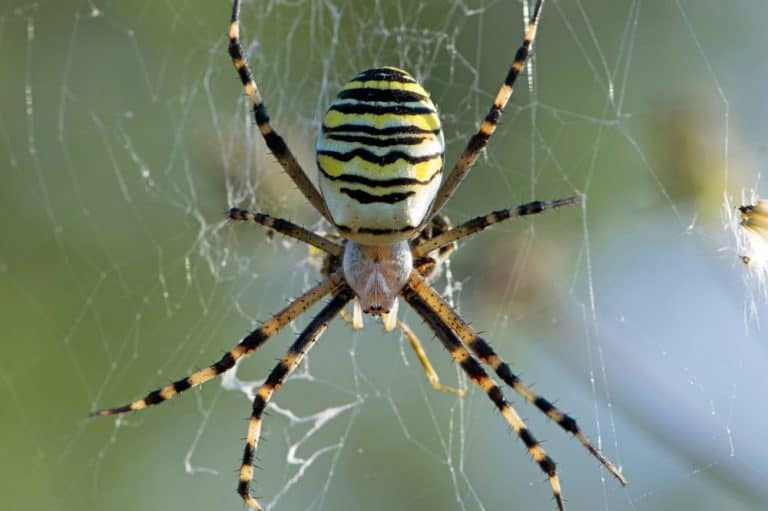
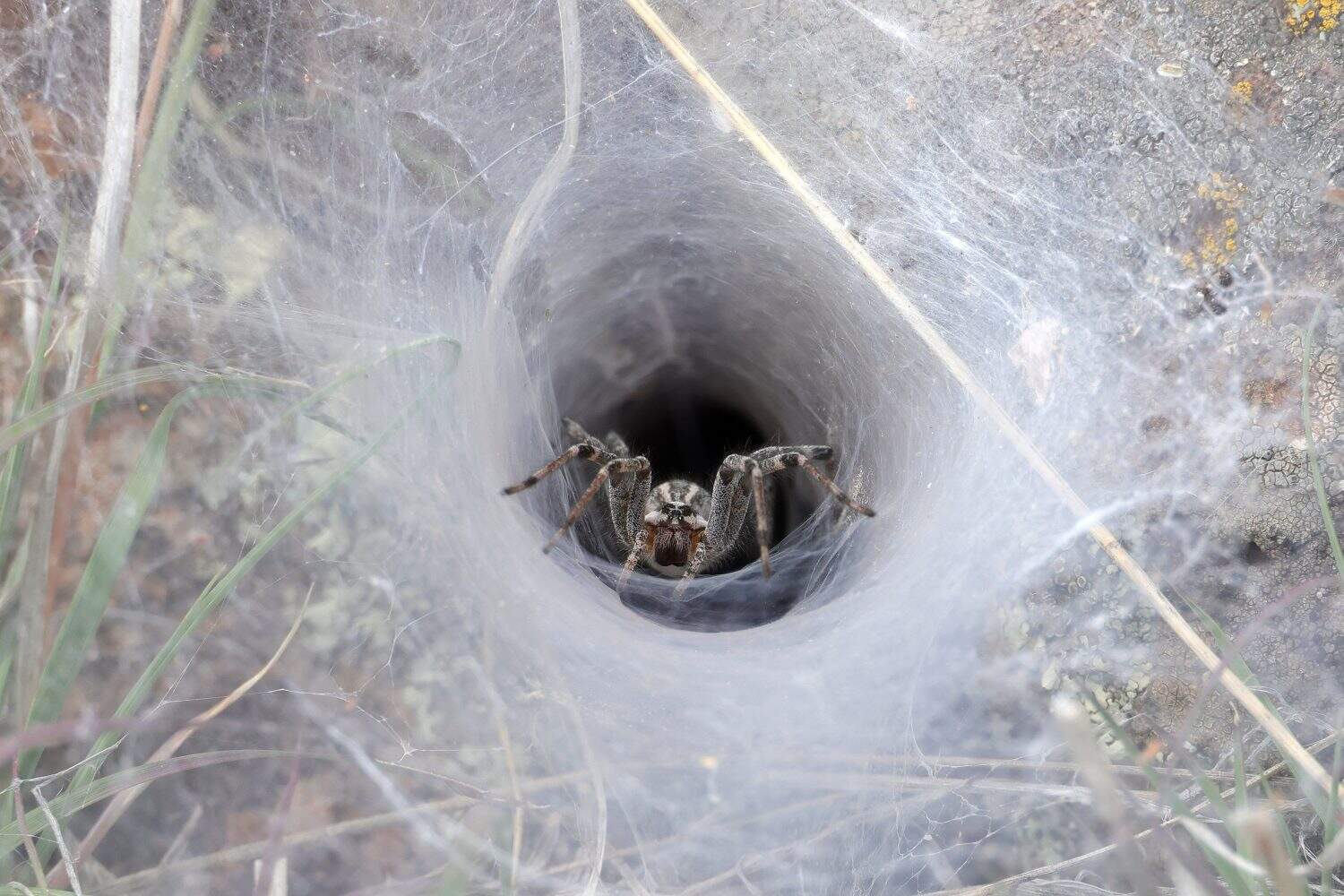
Funnel webs have two parts: a dense silk sheet that tapers into the spider’s tube-shaped retreat. One of the spiders in this study, the giant house spider, builds a flat, messy web with a funnel at one end. The spider hides in its tunnel home and waits to ambush unsuspecting prey. Once an unlucky insect walks on the web’s silk material, the spider runs out to capture its future meal.
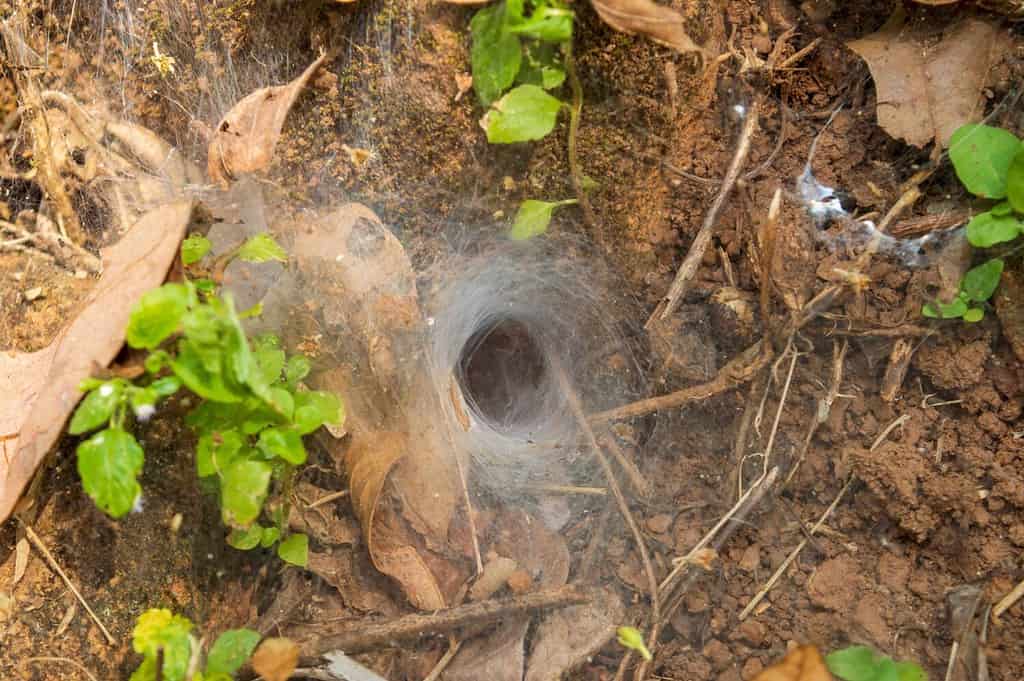
Funnel-web spiders weave their webs in cool, moist, and protected areas.
©NNphotos/Shutterstock.com
Unlike other spider webs, funnel-webs are not sticky. Instead, they consist of a mat of springy, tangled threads. The spider continuously adds more threads as it walks across its web. You’ll often find funnel-web spiders living in cool, moist, protected places.
How does the spider know that prey has approached? The silky funnel material vibrates with each of the insect’s steps. The spider waits until it picks up on these vibrations to come out of hiding and trap the prey. Funnel spiders are also incredibly fast runners. Once the spider catches its prey, it drags it back into the tube to eat it.
These traits — running fast and sensing vibrations — are two jobs that rely on the spider’s nervous system.
Which Spiders Were Studied?
To conduct their study, the research team from Southwest University, Dali University, and Arizona State University compared genomes from 15 spider species with different web-building strategies and identified evolutionary changes potentially associated with funnel-web construction.
The researchers put together a nearly complete copy of the DNA of a spider called Tamgrinia laticeps, a funnel-building species. It is closely related to a second funnel builder, Eratigena atrica, the giant house spider. The two species are from the same family and are found in Europe and North America.
Then the research team also looked at a third funnel-building spider species, Orientothele yani. This third species belongs to a completely different family of spiders and is found in China. However, millions of years ago, the three species were closely related, until they split into today’s two different spider families.
Despite evolving separately for millions of years, all three spiders weave very similar funnel-shaped webs. In science, this phenomenon is called “convergent evolution” — when unrelated groups independently evolve the same trait.
Which Spiders Were Excluded?
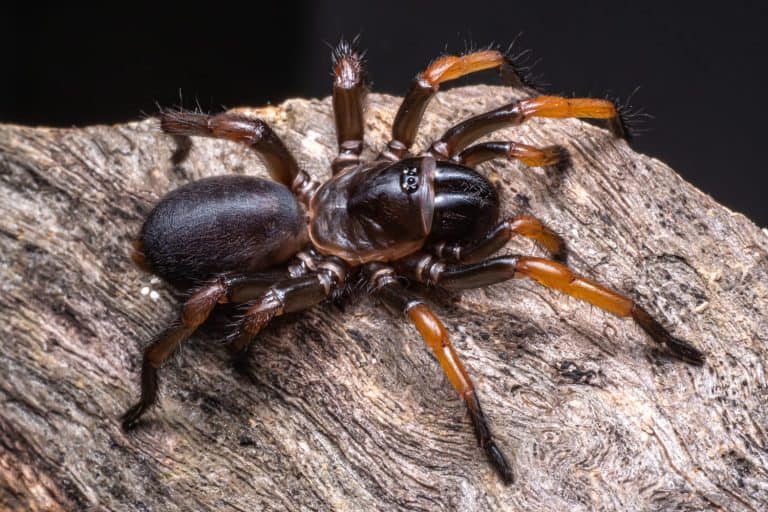
One of the most well-known funnel-web-building spiders lives in Australia and is famous for its dangerous bites. The Sydney funnel-web spider, Atrax robustus, is one of only two Australian funnel-web spider species known to have inflicted fatal bites.
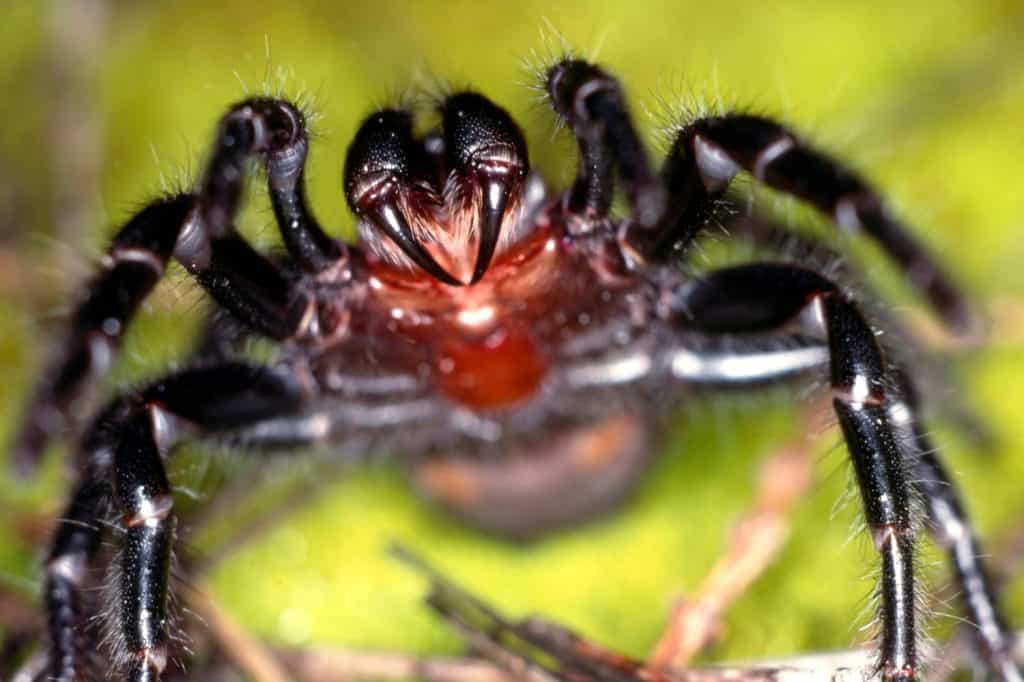
The Sydney funnel-web spider is one of only two species known to kill humans.
©Ken Griffiths/Shutterstock.com
These venomous spiders belong to a different family, Atracidae, that has more than 30 species in Australia. These dangerous spiders were not included in the current study. The Australian Museum has more information on these spiders.
What the Genome Studies Showed
The researchers discovered that there is no single funnel-web gene. What they found instead were three kinds of changes related to gene structure.
“Similar web architectures do not necessarily arise from similar genomic background,” Dr. Zheng Fan of Southwest University and first author of the study said in the news release announcing the findings. “Our results suggest that distantly related funnel-web spiders show repeated evolutionary changes in genes involved in neural regulation, sensory processing, and motor control.”
For example, some genes tied to nerve signals changed either faster or slower in the funnel-web builders. That suggests that natural selection is helping to shape these genes. Over time, the useful genetic changes were retained while others were not.
In all three funnel builders the team studied, two genes tied to nerve function and movement were present. In the news release, Fan explains why this is important. “Funnel-web construction requires spiders to detect vibrations, process sensory information, and coordinate precise movements. The findings suggest that this behavioral convergence may involve multiple neurogenetic pathways rather than a single evolutionary route.”
What Do the Findings Mean?
While the current study revealed that genetic evolution is one possibility that explains how diverse spider families all spin similar webs, it has not been definitively proven. At most, the study found genomic patterns linked to web building.
This kind of gene evolution study isn’t new. A 2022 study, published in Nature Communications, of spiders that evolved social living multiple times also found shared gene changes tied to nervous systems.
Future studies are needed to determine the exact roles these genes play in funnel-web construction.