
Quick Take
- Wildlife populations have plummeted 73% since 1970, and the regions that look best on paper may actually be hiding the worst damage. See the full findings →
- One marine species just made conservation history by achieving something no turtle has ever done before. Explore the turtle milestone →
- Tiger numbers are increasing, and the reason why reveals a blueprint that could transform conservation worldwide. Discover the tiger comeback →
- It turns out that food production, rather than fossil fuels, is wildlife's single biggest enemy, and the financial numbers behind it are staggering. Uncover the biggest threat →
A major new report from the World Wildlife Fund (WWF) has a clear and stark message for humanity. The Living Planet Report 2026 makes it clear that we have a shrinking window within which to reverse the steep decline in wildlife populations. However, there is hope. If we can trigger positive tipping points in food and finance, as we have in energy, nature may be able to recover.
The Living Planet Report 2026
The WWF analyzed nearly 36,000 animal populations and more than 5,000 species. They used this data to produce the largest-ever database of vertebrate wildlife. In a Press Release issued on 8th October 2026, they summarized the bad news with a little glimpse of hope in the Living Planet Index (LPI) they had prepared.
Overall, the LPI showed a cumulative average proportional change in monitored animal population sizes at sites around the world since 1970 that amounted to a decline of 73 per cent. It’s important to note that this is not the number of individual animals lost, nor the number of populations lost. The animal populations covered by the index are mammals, birds, amphibians, reptiles, and fish. The latest edition covers 35,803 population trends and 5,790 species.
Is 1970 Very Significant?
Data collected in 1970 provides a baseline for these reports. Unfortunately, there were large-scale impacts on nature before this date. These were particularly evident in Europe and North America and explains why they only recorded declines of -28 percent and -3 percent, respectively. Sadly, much damage had already been caused before the baseline measurement. Also, the 16 editions of the LPI are not directly comparable. Different species have been added to the dataset, and they cover a longer period each time.
The steepest declines since 1970 were recorded in Latin America and the Caribbean at a staggering -95 percent. This is followed by a depressing picture in Africa (-80 percent) and the Asia–Pacific region (-49 percent).
It is the freshwater ecosystems that have suffered the most with a decline of -85 percent. Terrestrial ecosystems have declined by -69 percent and marine ecosystems by -59 percent.
Good News for Tigers and Elephants
Thankfully, there are a few glimmers of hope among the gloom! Firstly, around half of the populations included in the LPI are regarded as stable (7 percent) or increasing (43 percent).
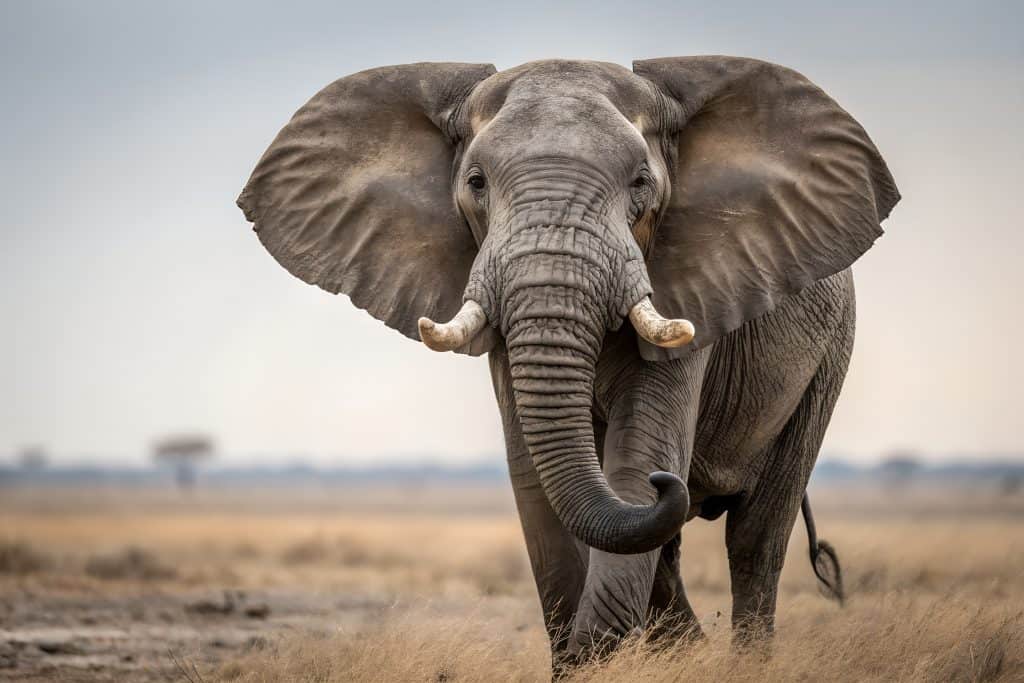
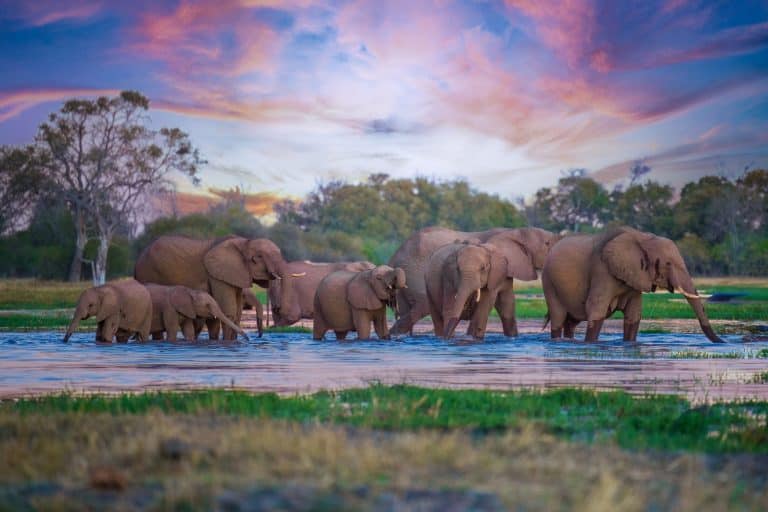
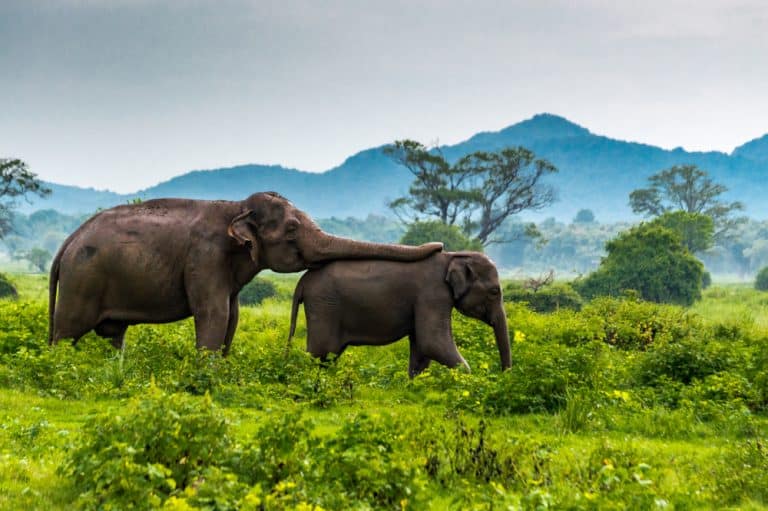
African elephants are helped by on-the-ground conservation efforts.
©DreamStudiopro/Shutterstock.com
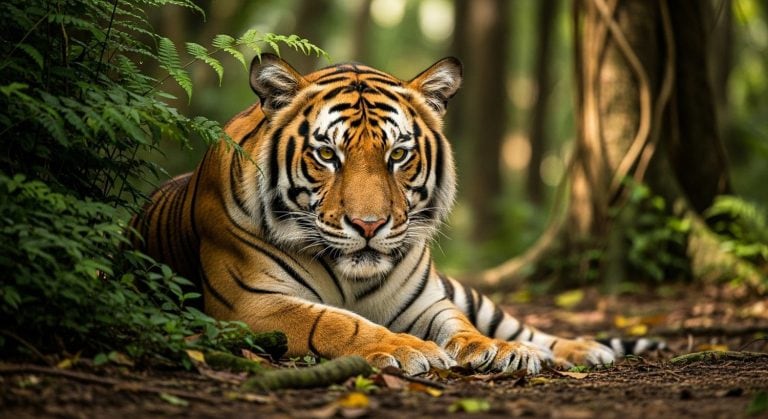
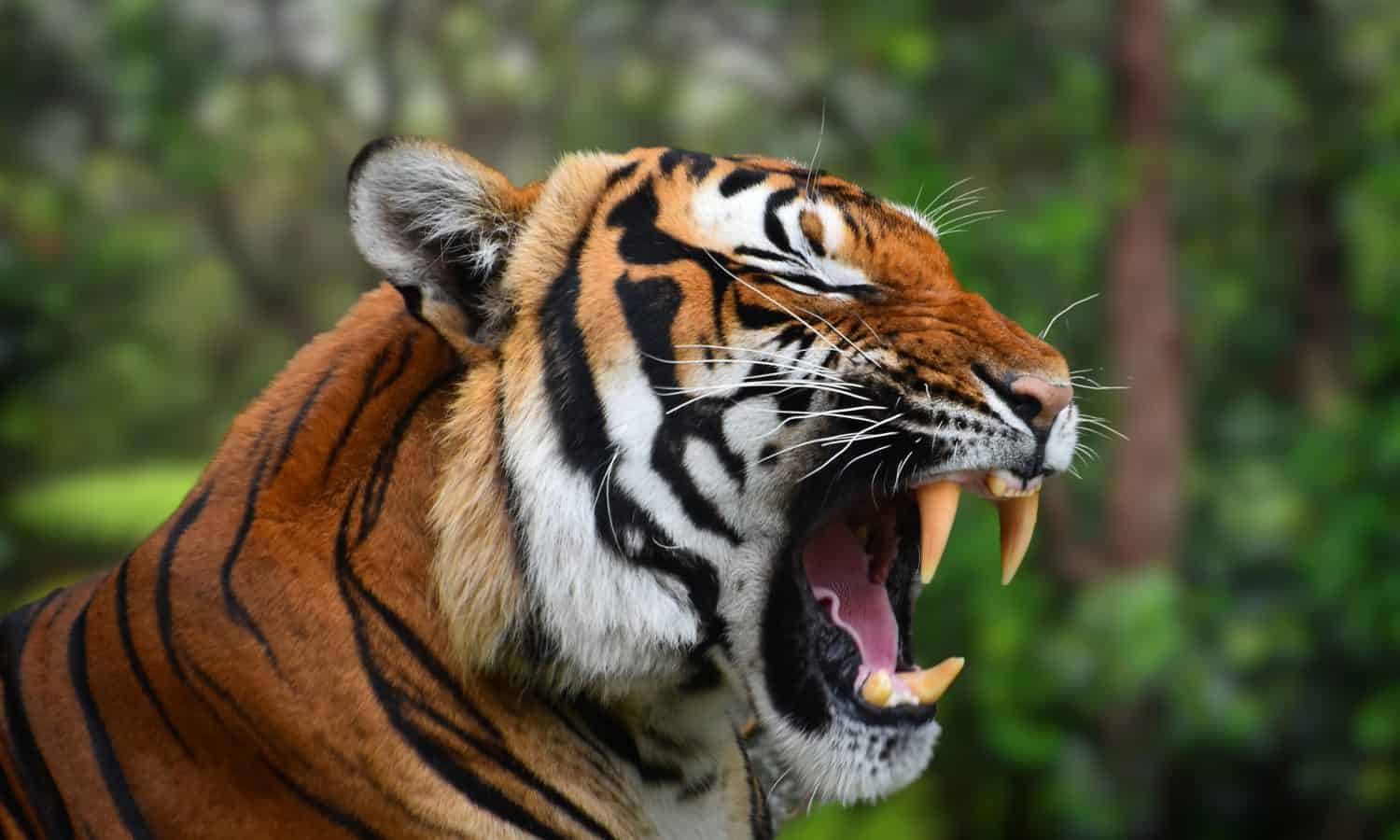
Tigers are one species that seems to be faring better than many others. Overall, global wild tiger numbers increased from 3,200 in 2010 to 5,700 individuals in 2025. That’s an increase of over 70 percent! The rise has been attributed to the great work by governments, Indigenous Peoples, local communities, NGOs, donors and other partners. The coordinated, long-term investment and collective action have included national tiger recovery plans and intergovernmental commitments through the Global Tiger Initiative. There are also professionalized ranger units, protected area expansions, cross-border anti-trafficking work, and demand reduction campaigns.
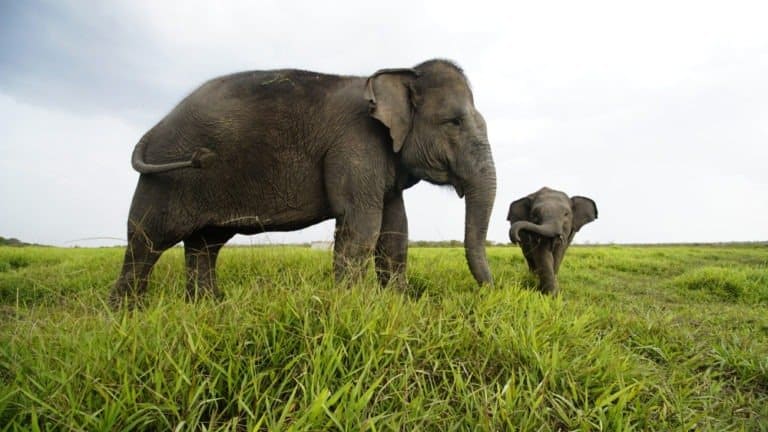
Some, but not all, populations of African savannah elephants have also been doing well. In particular, the local communities in South African countries have been given direct stakes in elephant stewardship with great success. This shows that legal frameworks establishing on-the-ground efforts as well as anti-trafficking work, judicial reform, and reduced corruption can be highly effective.
What About Marine Creatures?
Speaking in this WWF Press Release, Dr Louise McRae at ZSL’s Institute of Zoology, who leads the research behind the Living Planet Index, said: “This year’s Living Planet Index shows the need for rapid action to address the continued decline in biodiversity. However, behind every global statistic is evidence of wildlife populations rebounding and habitats recovering, driven by people working together to reverse biodiversity loss.”
There is some evidence of marine animal populations rebounding. In 2010, Atlantic bluefin tuna populations were in trouble. Their numbers had fallen by 80 percent since the mid-20th century, and they were listed as Endangered. The situation was not great for the Pacific bluefin tuna, which were classified as Vulnerable. Partnerships between governments and the fishing industry have halted the decline. A combination of reductions in fishing quotas, increased monitoring, and public campaigns for sustainably sourced fish has allowed the fish populations to recover significantly. They are now not considered a species of concern.
Another success story is that of the green sea turtle. They are the first marine turtle to ever be downlisted from Endangered to Least Concern on the IUCN Red List. Again, this success story is the result of coordinated efforts across several organizations and around 80 countries. The work has protected nesting females and eggs with the introduction of beach management and lighting regulations. Other measures include bycatch reduction measures on fishing gear and sustained community engagement.
Continuing Threats
Despite this good news, wildlife still faces huge threats, and they come from three main sources. Firstly, despite efforts to embrace renewable energy sources, burning coal, oil, and gas still creates around three-quarters of greenhouse gas emissions globally. The result is continuing climate change and loss of biodiversity.

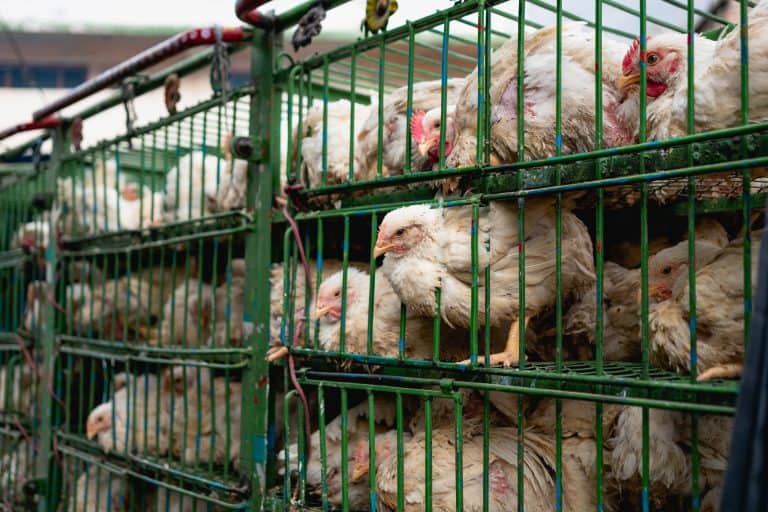
Food production is the single largest driver of biodiversity loss.
©BalkansCat/Shutterstock.com
That said, food production is actually the single largest driver of biodiversity loss. Producing food for humans destroys habitats, produces greenhouse gases and leads to overharvesting.
Finally, the current financial system is propping up this destruction. In 2023, around US$7.3 trillion flowed into activities that harm nature, while only US$220 billion went towards activities that protect or restore it. Wildlife needs us to change our financial priorities!