
As winter approaches, folks start thinking about preparing their plants for the cold. When it comes to plants like hibiscus, known for their tropical growth needs, the question rings loud: how to go about winterizing your hibiscus.
Depending on whether you’re growing hardy or tropical hibiscus, a few steps should be taken to prep the plants. Read below for basic instructions for prepping your hibiscus for winter.
Prune the Hibiscus Before Winter

Your hibiscus may be hardy or tropical. And that means winterizing your hibiscus creates different needs, depending on where you live.
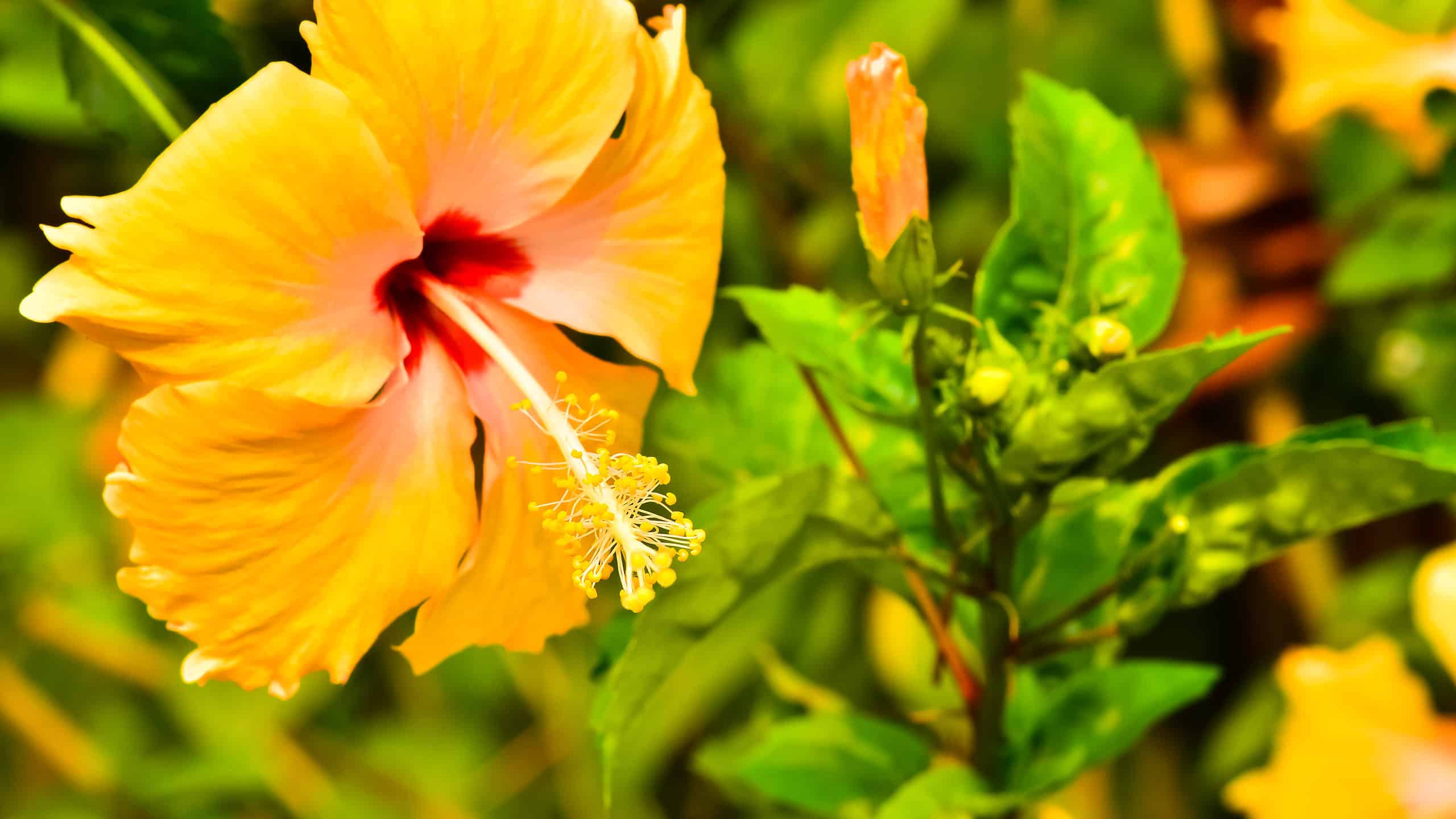
©H.Tanaka/Shutterstock.com
Whether you’re bringing your hibiscus indoors or winterizing it, you’ll want to prune it before the winter sets in. Plants benefit from this process for a variety of reasons. They work better indoors, they grow better after dormancy, and flower growth is stimulated for next year.
Prune your hibiscus before the temperatures consistently hit 50 degrees Fahrenheit. Do the pruning with a clean, sharp pair of shears, cutting back about one-third of the plant on each branch.
Treat for Pests
Before you bring your hibiscus in or cover it for the winter, you’ll want to check for pests. Rinse of the hibiscus leaves with water to knock off anything like spider mites. Rinse the entire plant off, including the undersides of the leaves.
Repeat this a few times a week for two to three weeks before you bring the plants indoors. Then, apply horticultural oil to help keep the insects away for good. Let the plant dry completely, then cover the plant or bring it indoors.
Hardy Hibiscus Winterization — Mulch and Cover With Care
Hardy hibiscus may actually be kept outdoors in winter, even in locations like Chicago where snows pile high. The keys with these are ensuring they are truly hardy varieties and protecting them from the cold properly.
- Pack mulch around the base of the hibiscus.
- Wrap the plant in fabric or plant covers and securely fasten the cover with ties or clips.
- Bring potted hibiscus indoors.
Tropical Hibiscus Winterization — Move the Plant Indoors
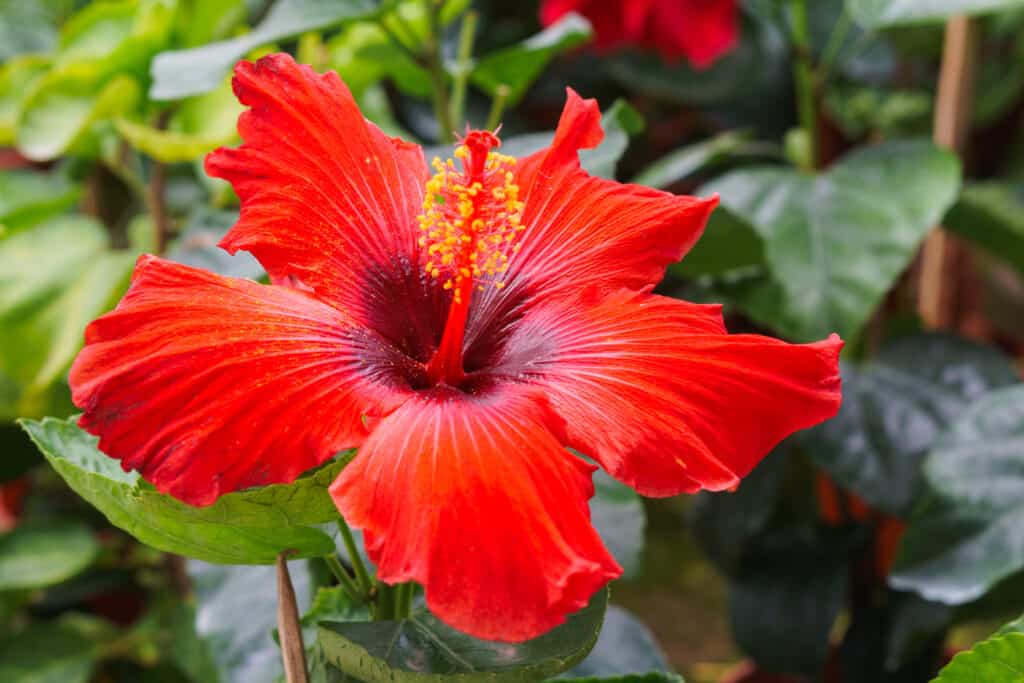
Tropical hibiscus need to be brought indoors when the cold hits. You still have a few things to do before you begin winterizing your hibiscus though, to avoid shocking the plant.
©MajestiX B/Shutterstock.com
If your hibiscus plants are in the tropical category, they’ll need to be brought indoors for the winter if you live somewhere cool to cold. This transition can be stressful for the plants, though, so it’s important to do things right.
- Place the hibiscus in a south-facing window with a lot of bright, direct light.
- Increase the humidity in the space. Place the pot on a tray filled with water, resting on pebbles. Spray the plant with water regularly to keep it moist. Consider adding a humidifier to the room.
- Don’t be alarmed if the plant drops a few leaves. This is normal in transitions.
- If the plant grows dormant, cut back on watering it and only drench the soil when it gets dry.
Fertilize Your Indoor Hibiscus
Most plants don’t require fertilization during winter, the dormant months. However, with hibiscus, skipping fertilization will slow down the growth the following year. Do so less frequently than in summertime, but keep it up all winter long.
Returning Your Hibiscus to the Outdoors in Spring
When it comes springtime, your hibiscus should go outdoors again. However, you need to time it right, or keeping it indoors may go to waste all winter!
Acclimate your hibiscus back to the more intensive outdoor lighting. After temperatures have reached at least 50 degrees Fahrenheit consistently at night, move the plant to full shade and let it grow there for 7 to 10 days. Then, increase the direct sunlight slowly, a few days at a time, allowing movements over about 6 weeks total, until it returns to full sun. If you notice signs of scorching, move the plant back into the shade for a while and then even more slowly return it to the sun.
Winter Hibiscus Watering Needs
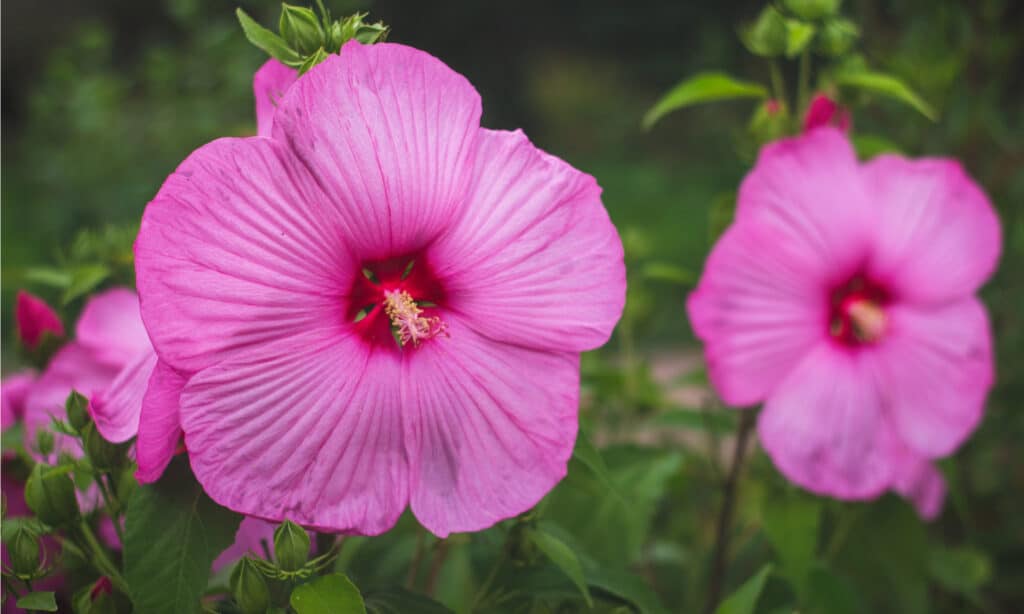
Gorgeous hibiscus come in many colors. Keep them healthy this winter by properly preparing them with cover and care or bringing them indoors.
©OlesyaKas/Shutterstock.com
When keeping your hibiscus indoors, you’ll need to water them whenever the topsoil is dry and no more often. If keeping the plants outdoors, do not water them during the winter.
How to Tell if Your Hibiscus is Dormant or Dead
Many perennial hibiscus plants enter a dormant stage at the end of the autumn. They lie low during the winter, storing up nutrients and resting for a new blooming season next year. Leaves lose their color and flowers drop off. But sometimes dead or dying plants do this, too. So, how do you know if you should save the plant or get rid of it? If you see these signs, your best option, assuming they show in autumn, is to prepare your plant for the winter. It’s better to assume the plant is just dormant, not dying, and care for it accordingly.