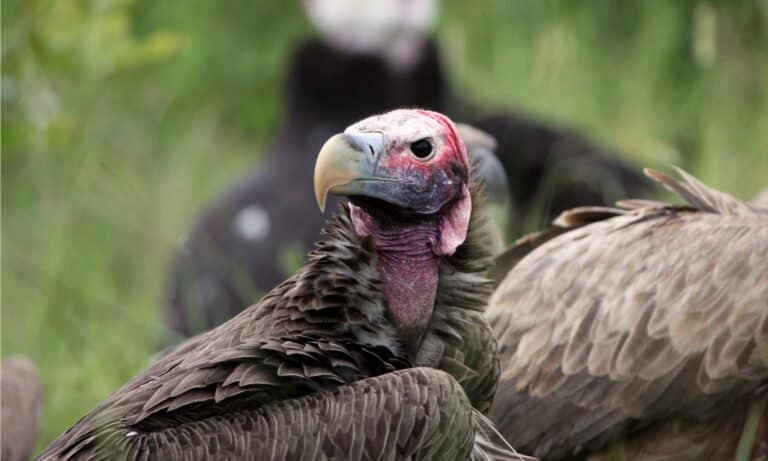
Lappet-faced Vulture
Big bill. Bare face. Nature's cleanup boss.

Big bill. Bare face. Nature's cleanup boss.

Nature's wetland engineer

Glow-lure hunter of the midnight sea

Wedge-tailed ruler of northern waters
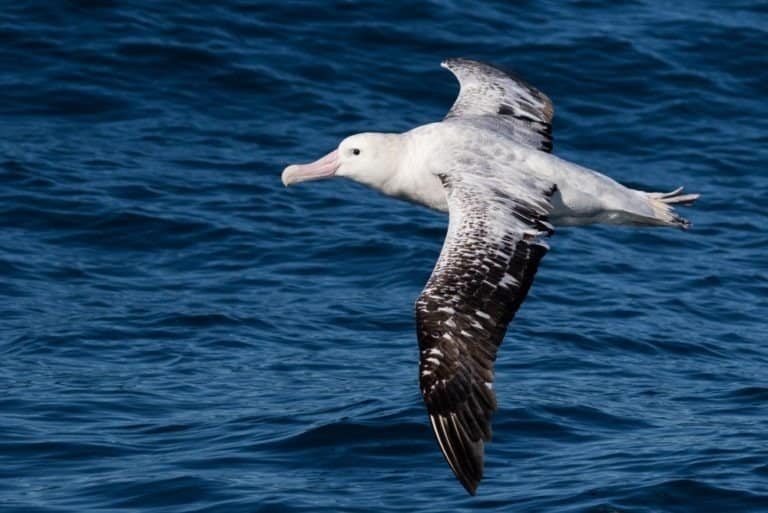
Wings built for the roaring forties
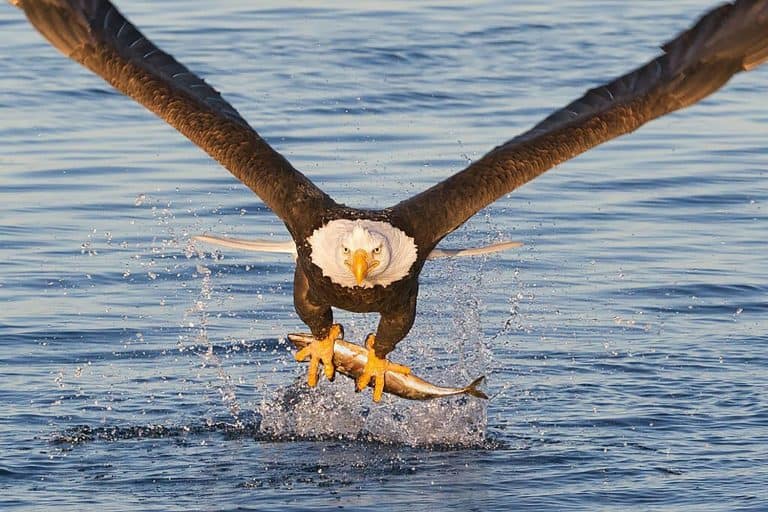
White head, wild waters, strong comeback.
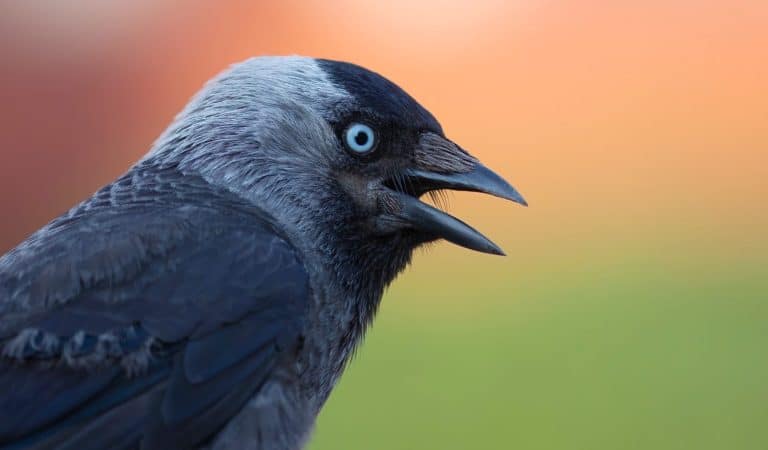
Pale eyes, loud flocks, city-smart corvids
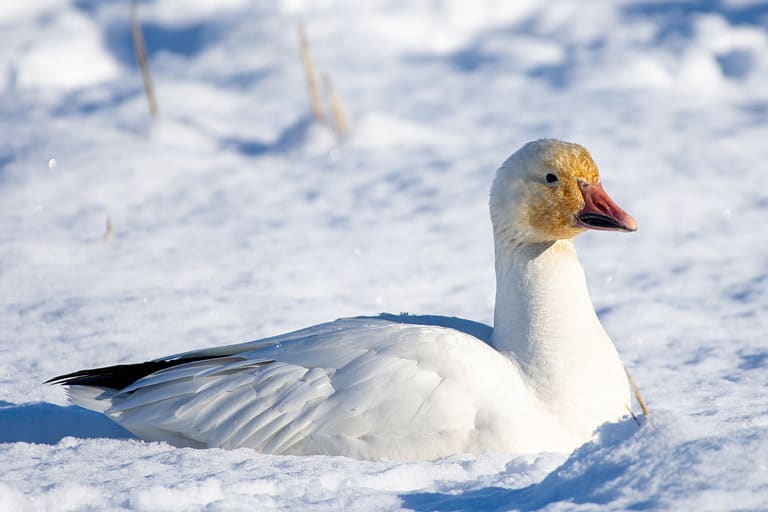
Two morphs, one Arctic traveler
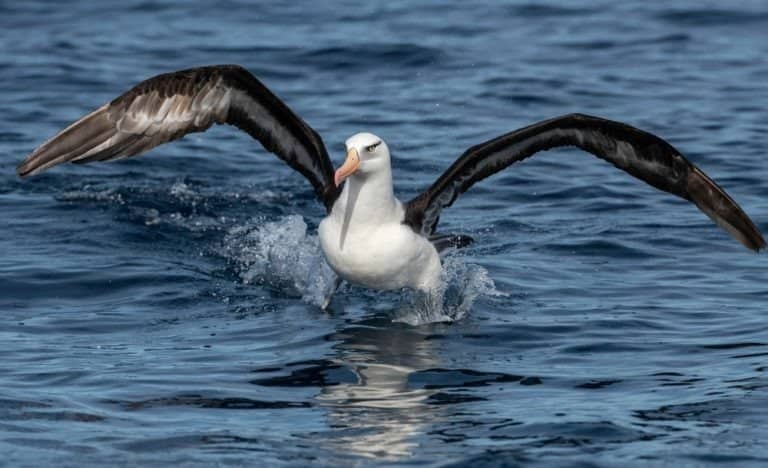
Born to ride the wind
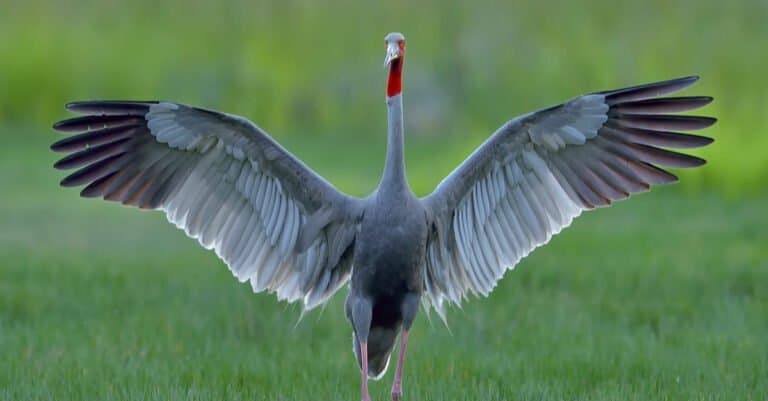
Tallest flyer, truest partner
A lifelong pair bond is a long-term mating relationship in which two individuals form a durable social and reproductive partnership that typically persists for their entire adult lives. Partners commonly reunite across breeding seasons and coordinate mating, territory use, and/or parental care over many years.
In a lifelong pair bond, the same two animals stay partners across many breeding seasons, often sharing a territory and reuniting after migration. They use displays, calls, grooming, or guarding to keep the bond. Long-term pairing helps raise costly young and defend resources. Bonds usually last the adult life but may include mating with others or pair again after death.
Entire adult life (often many years)
Durable long-term pair bond with repeated reunions; often socially monogamous
Species with high benefits of partner cooperation (e.g., long-lived animals, territorial breeders, and taxa with demanding offspring care-commonly many birds, some mammals and fishes)
Lifelong pair bonds form after repeated mate choice during a breeding season or across seasons, often while securing or defending a territory or nest. Courtship displays, calls, and joint actions (for example, defending a territory) help check how good a partner is and build the bond. Some pairs stay together year-round; migratory or seasonal species split and re-form bonds using familiar signals and returning to the same sites.
Courtship: Extensive
Time: Usually weeks to months during the first pairing; in some cases may extend across a full season. Once established, re-pairing in subsequent seasons can occur within hours to days after reunion.
High and ongoing. Even in stable pairs, continued reinforcement is needed-especially around breeding, territorial pressure, or long separations. Effort is often distributed across frequent low-level affiliative behaviors plus intense seasonal peaks (courtship renewal, nest building, incubation/brood care coordination, and joint defense).
Common. Partners often perform stereotyped reunion behaviors when reuniting after separations (e.g., greeting calls, duets, synchronized displays, close following, allopreening, or brief courtship). These rituals rapidly re-establish recognition, reduce aggression, and re-align breeding readiness and roles.
Most often ends via partner death (predation, disease, senescence) rather than voluntary separation. Non-lethal termination can occur when long-term coordination breaks down-e.g., repeated breeding failure, prolonged absence/failed return in migratory species, loss of territory/nest site, or consistent mate incompatibility-sometimes leading to divorce despite prior pair history.
Divorce Rate: Low overall; typically rare compared with shorter-duration systems, but may increase under strong ecological stress (high breeding failure, high competition, territory loss) or when one partner can substantially improve fitness by re-pairing.
Surviving partners often show a period of reduced breeding or delayed re-pairing, then may form a new long-term bond if conditions allow. Re-pairing is frequently influenced by territory ownership, timing of availability, and local mate options. Some individuals remain unpaired for a season or more, especially if older, socially constrained, or territory-limited.
Partners typically remain socially affiliated year-round or reliably reunite each breeding season, often using the same breeding territory or nest site across years. During the breeding period they stay in close proximity (pair-foraging, joint nest attendance) and may maintain an exclusive territory together; outside breeding, spacing varies by species (some remain together on shared home ranges, others disperse to separate nonbreeding areas but reunite at established sites). Extra-pair copulations may occur in some taxa, but the social pair usually persists.
Frequent pair-maintenance signaling: contact calls to maintain spacing; coordinated duets or call-and-response to advertise pair status and territory ownership; ritualized courtship displays (mutual preening/allopreening, synchronized movements, billing, dance-like displays) that reinforce the bond. Partners may use distinct alarm calls and subtle visual cues (posture, plumage/ornament presentation) to coordinate incubation shifts, foraging departures/returns, and defense. Communication is often most intense during reunions and early breeding, then shifts to short, functional signals for coordination.
Individual recognition is typically well developed. Partners discriminate each other using stable vocal signatures (individual call structure, duet timing patterns), visual cues (facial patterns, plumage details, body size/shape, display style), spatial familiarity (preferred nest/roost locations), and sometimes olfactory cues (especially in some seabirds/mammals). Recognition supports rapid reunion after separations, selective tolerance at close distance, and partner-specific coordination (e.g., matching duet timing, adjusting provisioning to the mate's schedule).
Partners form long-term, stable pair bonds with a repeatable division of labor across years. They alternate tasks (one incubates while the other brings food), share guard and feeding schedules, and both help build nests, incubate eggs, feed chicks, and train fledglings. They adjust turn-taking or roles to condition and local risk, synchronize breeding, jointly keep nest sites, and share information about threats and food.
Many lifelong pairs forage together or nearby, using calls or contact to stay close and lower risk from predators. Some use different roles (one flushes prey, the other captures). They often share food, but some feed alone and meet at the nest/roost.
Pairs work together to defend territory, nest, and each other with displays, mobbing, alarm calls, and duets. One may face intruders while the other guards young. Older pairs defend more quickly and better.
Lifelong pair bonds are most common in long-lived species with high adult survival and repeated breeding across many years; the longer the expected adult lifespan (and the more future breeding seasons likely), the greater the payoff to maintaining a stable, familiar partner. In short-lived species, the benefits of lifelong bonding are reduced because there are fewer future opportunities to amortize pair-formation and coordination gains.
Lifelong pair bonds tend to increase offspring survival and overall quality by stabilizing access to resources, territory, and experienced caregiving across multiple breeding attempts. Long-term partners often become more efficient at locating food, defending nests/young, and responding to threats, which can improve fledging/weaning success and reduce mortality from predation or starvation. Repeated pairing can also allow better compatibility (behavioral coordination, reduced conflict), leading to more consistent incubation/brooding and provisioning. However, reproductive success can be constrained if one partner is low-quality or becomes senescent, since strong fidelity may limit rapid replacement and reduce genetic/behavioral "reshuffling," potentially lowering long-term output if the pair's performance is persistently poor.
This duration is strongly associated with high and sustained biparental investment. Partners typically divide labor (e.g., incubation vs. foraging; guarding vs. provisioning) and maintain coordinated roles that become more specialized over time. Because future reproduction depends on the same partner, there is strong incentive for cooperation, continued pair maintenance, and risk-sharing (one can compensate when the other is temporarily constrained). Long-term bonds also support multi-season learning: pairs refine nest-site selection, provisioning routes, predator avoidance, and timing, which can increase efficiency and reduce energetic costs per offspring over successive years.
Partners commonly synchronize breeding closely through repeated reunions, courtship, and mutual assessment at the start of each breeding season (or year-round in resident species). Coordination is facilitated by pair-bond maintenance behaviors such as duets/displays, coordinated territory defense, nest-building, and hormonal/behavioral priming triggered by partner presence. Long-term familiarity reduces negotiation time and conflict over timing, helping align gonadal readiness, nest initiation, and incubation schedules. If partners migrate or range widely, synchronization often relies on consistent return timing, site fidelity, and cues from territory condition and local resource peaks.
Extra-pair mating can occur in many species that form lifelong (or multi-year) social pair bonds, and rates vary widely across taxa, species, and populations. In socially monogamous birds in particular, extra-pair paternity is often nontrivial and can be common despite long-term pair stability. Where extra-pair mating occurs, pairs may show behaviors such as mate-guarding, increased within-pair copulation, and heightened territoriality during the fertile period, reflecting tradeoffs among paternity assurance, genetic benefits, and maintaining partner cooperation.
Lifelong pair bonds are uncommon across animals overall. They occur most often in certain long-lived, socially monogamous birds and in a smaller set of mammals and fishes, but even in groups where "pairing" is common, true lifetime partner fidelity is frequently disrupted by partner death, divorce/re-pairing, or extra-pair reproduction.
Uncommon overall; locally common in some lineages (notably many seabirds and some waterfowl/raptors)
Birds contain the largest concentration of long-term pair bonds. Many species are socially monogamous, but "lifelong" bonds are most typical in long-lived taxa with repeated breeding seasons and high benefits of partner coordination (e.g., albatrosses, many geese/swans, some gulls/auks, some raptors). Even here, mate switching ("divorce") and re-pairing after loss are common enough that lifetime pairing is not universal.
Rare
Most mammals are polygynous or promiscuous; lifelong pair bonds are limited to a minority of socially monogamous/pair-living species. Often-cited examples include beavers and some canids (wolves, some foxes), but even these typically re-pair if a partner dies and may not be genetically exclusive.
Uncommon; lifelong pair bonds occur in a subset of pair-living species
Several primates are socially monogamous (notably gibbons and some New World monkeys like titi monkeys), with long-term bonds that can persist many years. Lifelong pairing is not guaranteed; partner loss, group takeovers, and occasional extra-pair mating reduce strict lifetime fidelity.
Uncommon
Pair-living and long-term bonds occur where cooperative territorial defense and biparental care help (e.g., wolves, some foxes, some mustelids). However, turnover via mortality, dispersal, or social restructuring often prevents true lifetime pairing.
Rare to uncommon (depending on lineage); most pair bonds are seasonal or short-term
Many fishes broadcast spawn or have brief mating associations. Long-term pair bonds occur in some reef fishes and cichlids where joint territory defense and brood care pay off, but "for life" is less typical than repeated seasonal pairing and can be disrupted by predation and mate loss.
Rare
Most reptiles show limited pair bonding; mating is often brief and not accompanied by long-term biparental care. A few species show multi-year associations or repeated pairing, but clear lifelong bonds are exceptional.
Very rare
Breeding is often explosive/seasonal with minimal parental care, which reduces the payoff to maintaining a long-term pair bond.
Very rare (with a few notable exceptions)
Most insects mate opportunistically with little to no parental care. Termites are an important exception: queens and kings form long-lasting reproductive partnerships within colonies that can persist for many years, though the social structure differs from vertebrate-style pair bonding.
Found across: Birds (especially seabirds like albatrosses and petrels; also many raptors, swans/geese, cranes), Mammals (notably some canids like wolves, some rodents like California mice, and a subset of primates such as gibbons and titi monkeys), Fish (some reef fishes with stable pair associations-e.g., certain angelfishes, butterflyfishes; strength and exclusivity vary by species), Amphibians (rarer, but some salamanders show long-term pair/territory associations)
"Lifelong" doesn't always mean continuous cohabitation-many species separate for the non-breeding season, then reunite at the same nesting/territory site year after year.
Some lifelong pair bonds are maintained more by practical teamwork than romance: experienced partners synchronize breeding timing, defend resources efficiently, and coordinate chick/pup care better than newly matched pairs.
In several long-bonded birds, divorce is a real strategy: if breeding repeatedly fails, a pair may split and re-pair with new partners-so the "default" is long-term, not an unbreakable rule.
Pair maintenance can be as important as mating itself: mutual preening, duets, greeting rituals, and coordinated displays help reinforce the bond and reduce conflict after time apart.
A stable pair bond doesn't necessarily imply strict sexual exclusivity-some "lifelong" pairs remain socially bonded while occasional extra-pair matings occur in certain species. Social monogamy and genetic monogamy are not always the same thing.
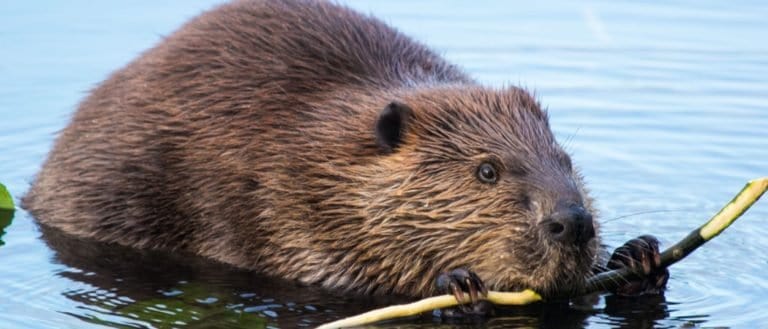
Build wetlands, shape worlds.

Big beaks. Long tails. Loud lives.
Born to ride the wind
Wings built for the roaring forties
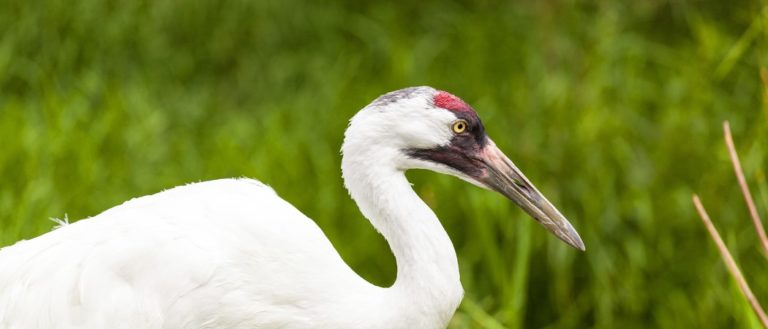
White wings, wild wetlands, loud whoops
Wedge-tailed ruler of northern waters
Pale eyes, loud flocks, city-smart corvids
White head, wild waters, strong comeback.
Nature's wetland engineer
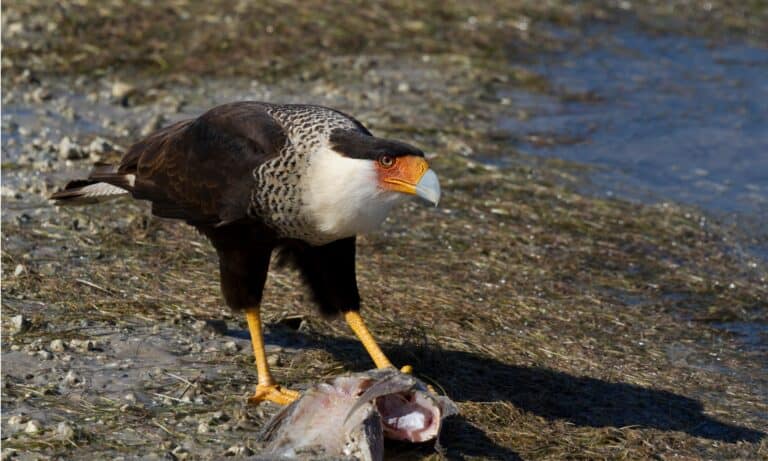
Golden power on open skies
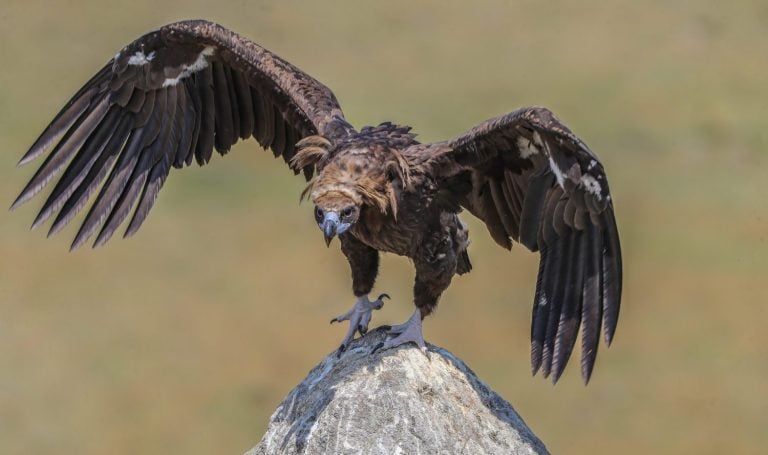
Big, black, and built to clean
Big bill. Bare face. Nature's cleanup boss.
Glow-lure hunter of the midnight sea

Forked tail, floating flight, comeback!
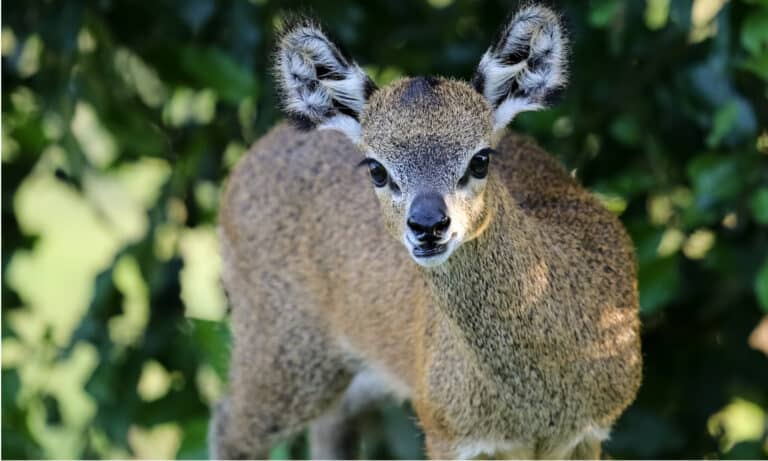
Tiptoe masters of Africa's cliffs
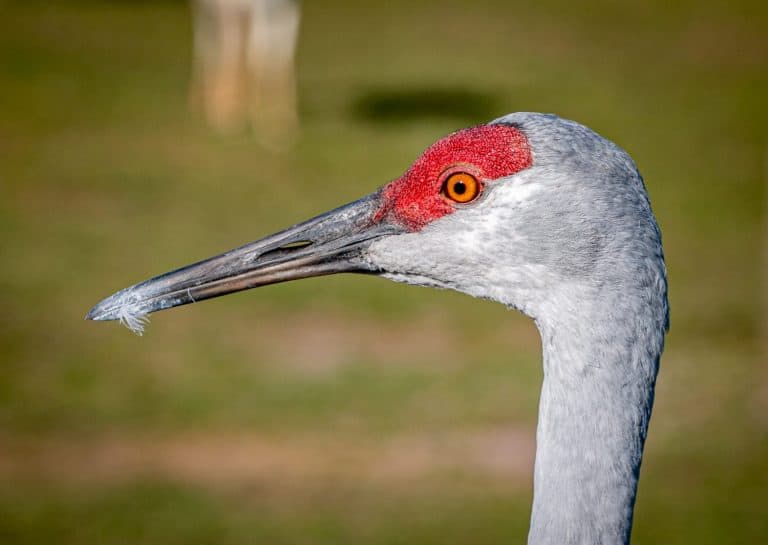
Hear the wild roll of the Sandhill
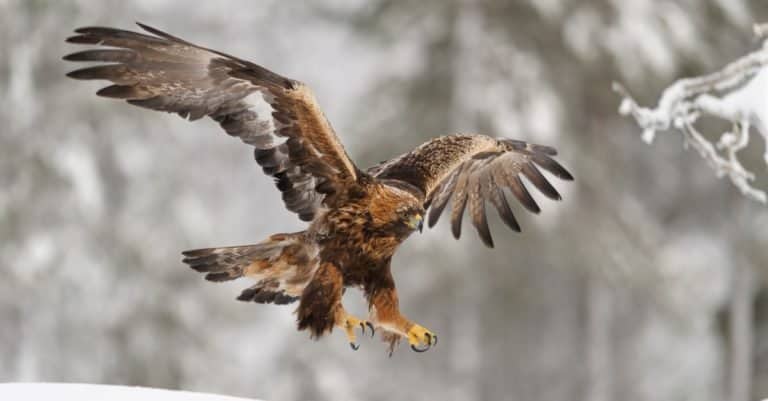
Gold-naped master of open skies
Tallest flyer, truest partner
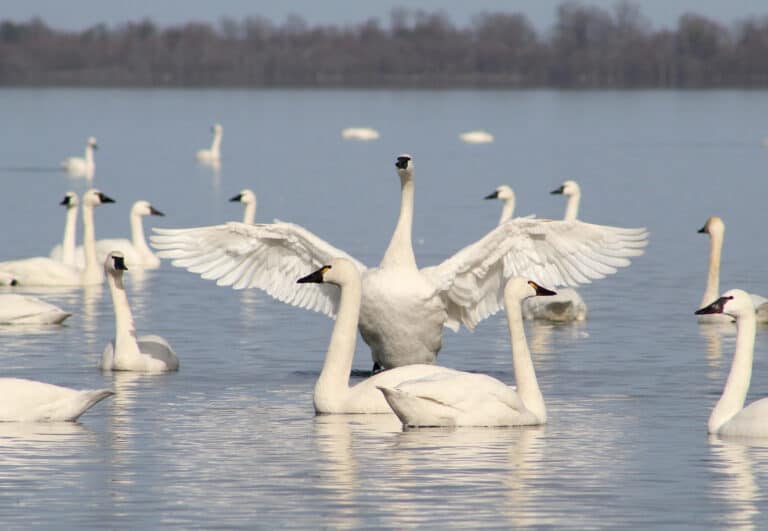
Whistling wings, tundra to tidewater
Two morphs, one Arctic traveler
Thank you for reading! Have some feedback for us?
We appreciate your help in improving our content.
Our editorial team will review your suggestions and make any necessary updates.
There was an error submitting your feedback. Please try again.