
Lizard
From geckos to dragons-lizard power

From geckos to dragons-lizard power
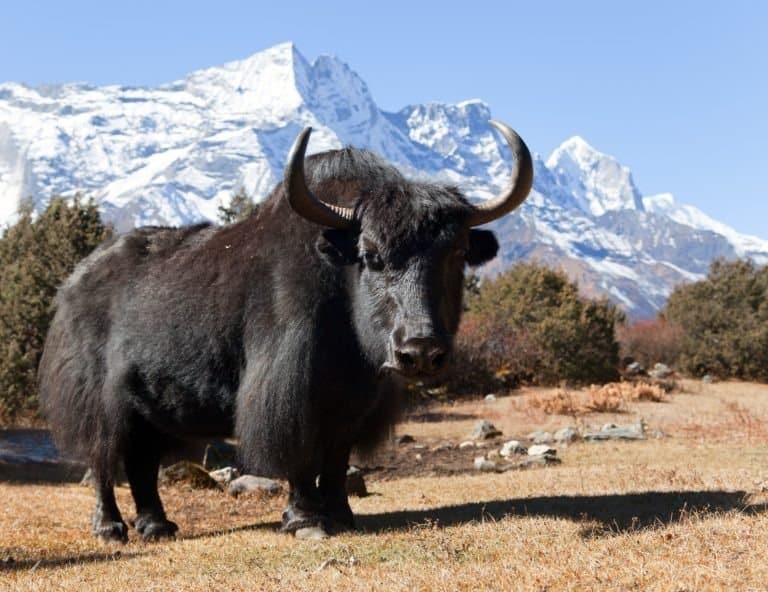
Built for thin air and bitter cold

Tusks, whiskers, and sea-ice life

U-snout wetland engineer

Lemurs: Madagascar's primate marvels

Plain feathers, legendary night song

White hunter of the wide tundra

Cold-water royalty of the seafloor
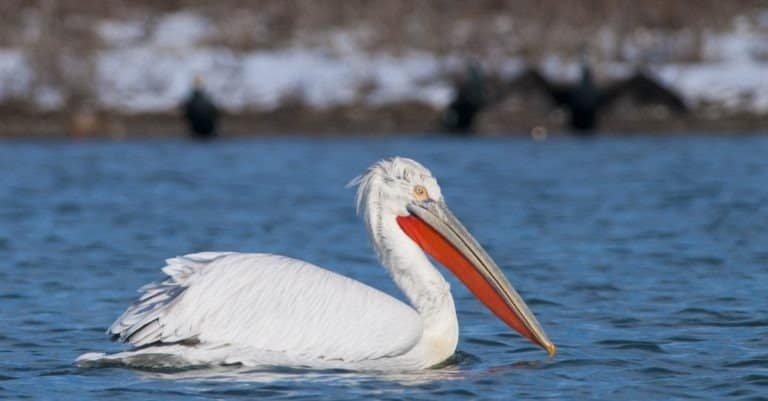
Big bill, bigger teamwork.

Born to dive, dressed to endure
A seasonal pair bond is a mating relationship in which two individuals form an association for the duration of a single breeding season to coordinate courtship, mating, and often parental care, and then typically separate afterward. Pairing may recur in later seasons with the same partner or a different one, depending on survival, mate availability, and ecological conditions.
Seasonal pair bonds form when two animals stay together through the breeding period—often from nest or territory setup, through egg laying, and chick care. Partners may guard each other, mate, find food together, defend nests, and split parenting. After breeding, the bond usually ends, giving help plus flexibility.
One breeding season (weeks to several months)
Exclusive or primarily exclusive pair bond during the season; bond typically dissolves afterward
Seasonally breeding species, especially where biparental care or coordinated nest/territory defense increases reproductive success (e.g., many birds; some fishes and mammals in seasonal habitats)
Seasonal pair bonds form at the start of the breeding season when animals gather at breeding sites and quickly choose mates by condition, access to territory or nest, timing, and past familiarity. Bonds start with short courtship, including displays, calls, mate guarding, and following, and firm up when a pair gets a nest site or begins building. Past partners often pair again faster, tied to site loyalty and breeding success.
Courtship: Moderate
Time: Usually days to a few weeks (often faster if reuniting with a prior partner; longer if competition for territories/nest sites is high).
Moderate to high during courtship, fertile period, and early nesting; often tapers after chicks are established or breeding attempts conclude. Ongoing effort is largely task- and risk-dependent (predation pressure, density of rivals, and parental workload).
Often yes but typically brief: short greeting calls, synchronized movements, brief allopreening/billing (where present), or quick display bouts when one partner returns to the nest/territory. Rituals are most pronounced after separations or disturbances and help re-synchronize parental duties and reinforce exclusivity.
Usually ends when the breeding season ends (fledging, failure, or loss of breeding ability) and partners leave or move to nonbreeding areas. Bonds may end sooner from nest failure leading to re-mating, mate death, or 'divorce' for poor success or better mates/territory.
Divorce Rate: Variable; generally low to moderate. Many pairs remain together through the season, but separation before season end is more likely after repeated nesting failure, high mate/territory turnover, or intense competition. Re-pairing with the same mate next season is common when both survive and prior breeding was successful; otherwise switching partners is frequent.
After the season, individuals typically cease pair-specific behaviors, reduce affiliation and coordination, and disperse to nonbreeding areas or join flocks. In subsequent seasons they either re-pair with the same partner (especially with high site fidelity and previous success) or form a new seasonal bond, with mate choice influenced by survival, timing of arrival, local mate availability, and territory/nest-site access.
Partners typically associate closely during the breeding season, often sharing a nest site and a defined breeding territory or home range. They may travel together within that area, especially around courtship, nesting, and chick-rearing. Outside the breeding period, the pair bond dissolves: partners may disperse, join flocks, migrate separately, or shift to nonbreeding ranges; some species remain in the same general region but stop coordinating space use. Territoriality is usually seasonal-defended strongly while breeding and reduced or absent afterward.
Communication is frequent during pair formation and breeding and may include: duet-like synchronized calls or call-and-response to coordinate spacing, advertise territory, and reinforce the bond; contact calls during foraging and nest relief to signal location and readiness to swap duties; courtship displays (postures, dances, object presentation, nest-site showing) that help maintain coordination and stimulate breeding; alarm calls and coordinated mobbing signals around the nest. After the season, pair-specific signaling generally declines as partners separate.
Partners often show individual recognition at least within the breeding season, supported by learned vocal signatures (unique call/song features), visual cues (plumage details, facial patterns, body size, movement style), and location/context (nest site association). Recognition is reinforced by repeated close-range interactions at the nest and during coordinated duties (e.g., accepting nest relief from the correct partner, responding preferentially to the partner's calls). Between seasons, recognition may persist in species with site fidelity or repeated re-pairing, but in many cases it weakens or becomes irrelevant when individuals disperse and re-pair.
Coordination is mainly in the breeding season. Pairs build and keep nests together, take turns incubating or brooding, and divide tasks (one forages while the other sits, then they swap). Both parents feed young, sometimes not the same amount. They clean nests and guard chicks, match feeding to their partner, and quickly swap roles if predators or food change. After fledging or season end, care drops or one parent continues.
Foraging help is practical and seasonal. Partners may forage together near the nest to save travel and stay in contact, or one may stay to incubate or guard while the other feeds. Food sharing is mostly during courtship, incubation, or early chick stages.
During breeding, partners strongly defend territory together (chasing, threat displays, mobbing predators). They may split roles—one fights while the other guards the nest or young—and defend each other from rivals. After breeding, their joint defense stops.
Most common in medium-lived species where adults often survive to multiple breeding seasons (making re-pairing viable), but where ecological variability or mobility makes lifetime monogamy less efficient. Very short-lived species may form only brief bonds by necessity, while very long-lived species more often benefit from multi-year or lifelong pair bonds due to accumulated coordination and stable territories.
Seasonal pair bonds tend to improve offspring survival within that breeding attempt because partners can coordinate territory/nest defense, incubation, and provisioning during the highest-demand period. Offspring quality (growth rate, condition at fledging/weaning) is often higher than in brief/one-off matings due to more consistent provisioning and reduced risk of abandonment mid-season. However, because the bond dissolves after the season, there is less selection for long-term coadaptation across years; outcomes can be more variable between seasons if individuals switch mates, shift territories, or face different environmental conditions. Re-pairing with the same partner in later seasons can partly recapture "experienced pair" benefits (better coordination, higher productivity).
Typically associated with biparental care concentrated within a single breeding season: shared nest building, incubation/brooding, guarding, and feeding. Care investment is often front-loaded around egg/offspring vulnerability and synchronized with seasonal resource peaks. Because the relationship is not expected to persist, parental effort may be optimized for current-season success rather than long-term partner retention; when conditions deteriorate, desertion or reduced care can occur if the marginal payoff for the current brood is low. Degree of role specialization varies by species, but coordination is generally strong during the active breeding window.
Partners usually synchronize breeding tightly to seasonal cues (photoperiod, temperature/rainfall, food pulses) and to each other's reproductive readiness via courtship, pair displays, nest-site selection, and repeated copulation. Many systems show rapid pair formation at the start of the season, followed by coordinated timing of laying/birth to match peak resource availability. If one partner arrives late or condition is poor, timing may shift (delayed breeding) or the individual may switch mates, making synchronization partly contingent on arrival phenology and local mate availability.
Moderately common and highly ecology-dependent: because bonds are temporary and future mating opportunities are expected, individuals may pursue extra-pair copulations to increase genetic diversity or secure higher-quality genes without fully abandoning the seasonal partnership. Extra-pair mating is often most likely when partners have mismatched quality, when breeding is dense and neighbors are close, or when one partner is frequently away for foraging. Despite this, within-season cooperation for parental care can keep extra-pair mating constrained if paternity assurance strongly affects male care or if mate guarding is effective.
Seasonal pair bonds are moderately common in animals that breed in discrete seasons and benefit from short-term cooperation (e.g., biparental care, territory defense) but are uncommon across the animal kingdom as a whole, where mating is more often brief (no enduring bond) or, in some lineages, extends across multiple years/lifetimes.
Common
Seasonal social monogamy is widespread, especially in temperate breeders with synchronized breeding seasons. Many species re-pair each year (often with the same mate if both return), while others switch partners depending on survival and arrival timing. Extra-pair mating can occur even when the social bond is seasonal.
Uncommon
Most mammals are polygynous or have brief mating associations; seasonal pair bonds occur in some socially monogamous or facultatively monogamous species (often linked to paternal care or mate guarding) but are not the dominant pattern.
Rare
Where pair bonding exists in primates, it more often persists beyond a single season (multi-year) because infants require prolonged care; strictly seasonal pair bonds are atypical.
Uncommon
Some canids and a few other carnivores show pair living with seasonal breeding; however, bonds frequently persist across years in stable pairs. Purely seasonal bonds occur but are not the modal pattern for the order.
Variable (Uncommon to Common depending on clade)
Seasonal pair bonds appear in some groups with biparental care or territorial spawning (e.g., certain cichlids, gobies, seahorses/pipefishes in some contexts). Many fish instead use brief spawning associations, harems, or broadcast spawning with no bond.
Rare
Breeding is often seasonal, but pair bonds usually do not persist for the full season; many species form brief amplexus/spawning associations rather than sustained pairs.
Rare to Uncommon
Most reptiles do not form seasonal pair bonds; however, some snakes and lizards show repeated pairing or mate guarding that can resemble a seasonal association in certain ecological settings.
Rare
Seasonality is common, but enduring pair bonds are generally not; mating is often brief and followed by sperm storage or single/few mating events rather than a maintained partnership. A few taxa exhibit extended mate guarding, but typically not a season-long pair bond.
Rare
Most have short lifespans and brief mating interactions; sustained pair bonds are unusual.
Found across: Birds (especially migratory species: many songbirds, seabirds, some waterfowl), Some mammals with strongly seasonal breeding and short-lived associations (varies widely; more common in species with seasonal resource peaks), Reptiles and amphibians in temperate zones where breeding is concentrated in a short season (associations often mediated by site fidelity), Some fishes and invertebrates where breeding aggregations are seasonal and partners may repeatedly associate within a season but not beyond
"Seasonal" doesn't mean "brief." In many birds, the bond can span months-sometimes forming on wintering grounds well before breeding begins (common in many ducks).
A pair bond can dissolve even when both partners did everything "right." In many species, the split is a normal, predictable phase tied to hormones, changing day length, migration timing, or the end of parental duties.
Seasonal pair bonding can still involve strong teamwork: coordinated courtship, nest defense, and biparental care-yet the same species may show lots of mate-switching if conditions (food, predators, nesting sites) change.
Some species show high "mate fidelity" within a seasonal system: if both partners survive and arrive at the breeding site at similar times next year, they may re-pair-so the system can look "loyal" even without a permanent bond.
Switching partners between seasons can be adaptive, not "unfaithful": choosing a new mate can improve genetic compatibility, territory quality, or parenting fit after a poor breeding year.
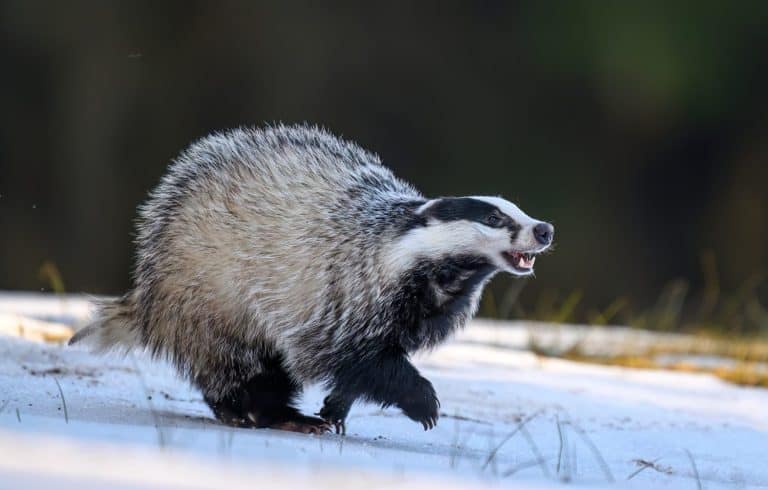
Built to dig. Born to endure.

Night pilots of the mammal world

Humps of fat, miles of grit

Big beard, bright sun, bold attitude.

Webbed feet, world travelers.
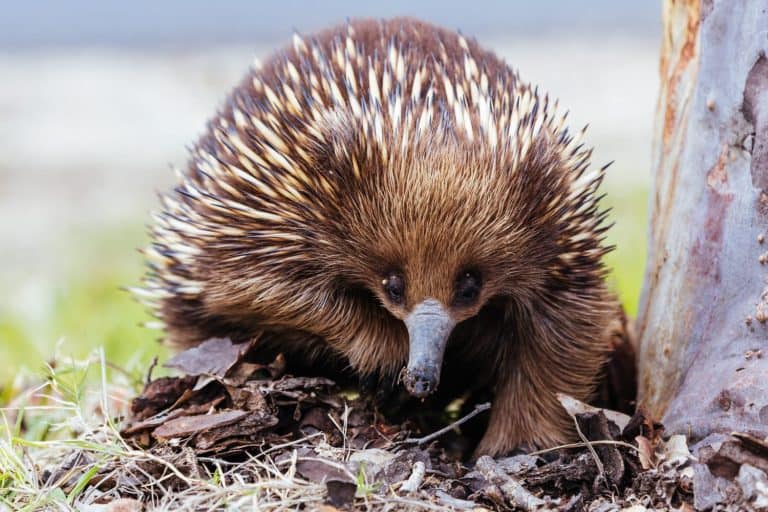
Spines, eggs, and ant-eating mastery
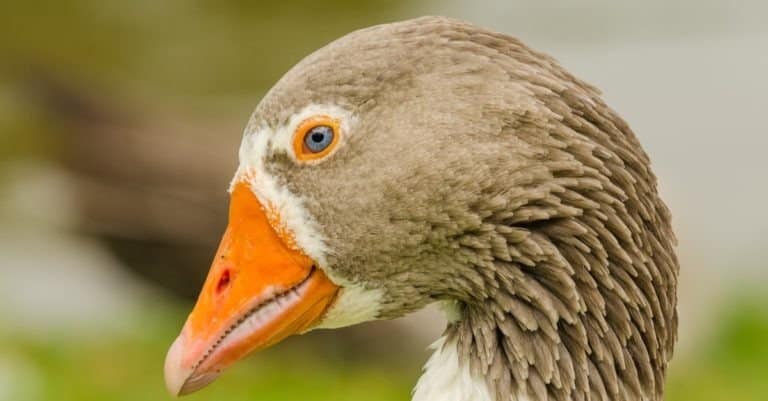
Webbed feet, sky roads, wetland lives
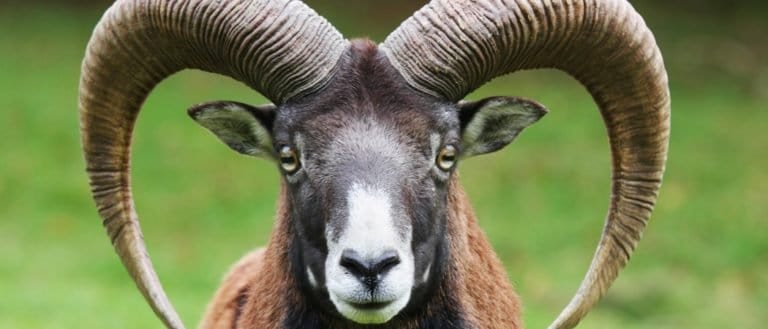
Sure-footed masters of rock and range

Sun-powered lizards of the Americas
Cold-water royalty of the seafloor
From geckos to dragons-lizard power
Plain feathers, legendary night song
Born to dive, dressed to endure

Ear flaps, flippers, and fierce colonies

Small lynx, big adaptability.
Built for thin air and bitter cold
White hunter of the wide tundra

Small body, fearless hunter

Pocket-cheeked, stripe-backed foragers
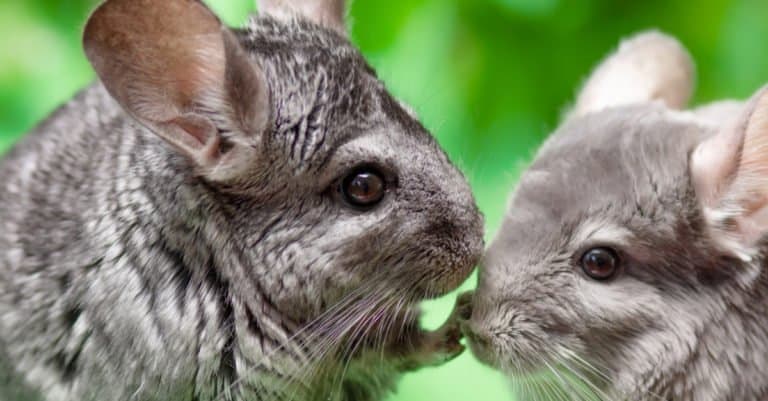
Andean acrobats in a coat of clouds

Earless divers of the world's seas
Big bill, bigger teamwork.

Armored ambush masters of water
U-snout wetland engineer
Thank you for reading! Have some feedback for us?
We appreciate your help in improving our content.
Our editorial team will review your suggestions and make any necessary updates.
There was an error submitting your feedback. Please try again.