
Field Spaniel
Silky spaniel, serious gundog.

Silky spaniel, serious gundog.

Tiny Spitz, huge personality
Spots, smarts, and springy energy
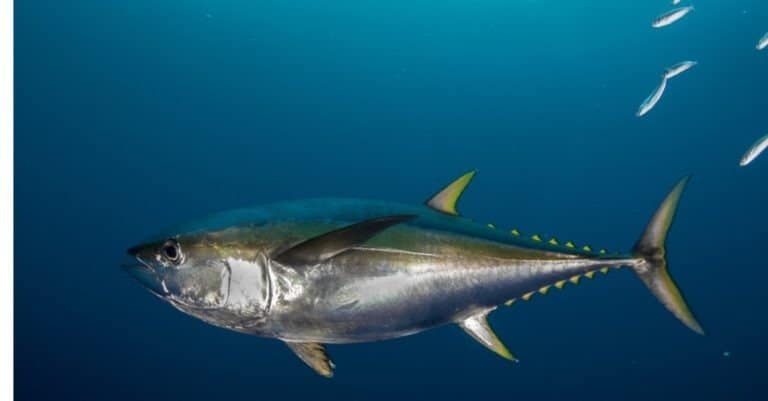
Yellow fins, ocean miles

The Little Brown Dog That Works

Big ears. Fast legs. Rabbit radar.
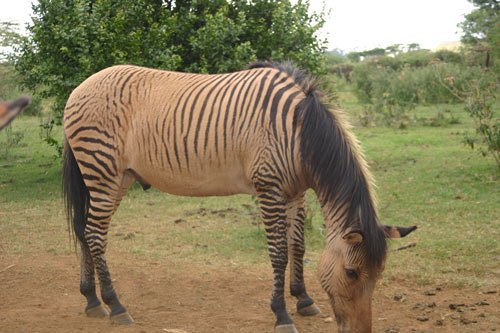
Half zebra, half horse-fully unique

Brains, curls, and water-dog heart

Scruffy Highland hunter, loyal friend
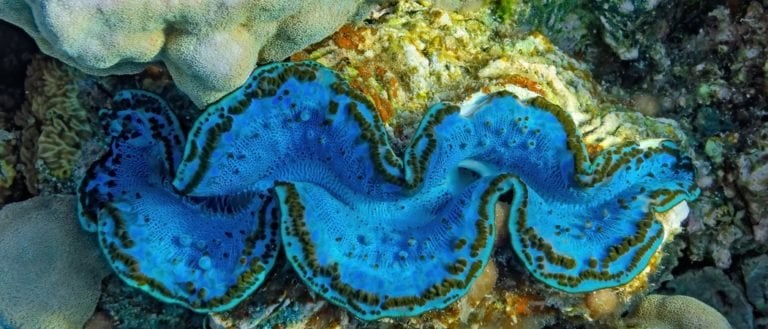
The clam that runs on sunlight.
"Not applicable" is a mating-duration classification used when the concept of how long a mating relationship or pair bond lasts cannot be meaningfully defined or measured for the organism or life-history context. It indicates that duration is not a relevant descriptor of the species' mating system, rather than implying any particular bond length.
This label means animals do not form clear pair bonds or set-time mating relationships, so "duration" is not a useful thing to measure. It applies when having babies happens without mates, by broadcast release of gametes, in nonreproducing worker castes, or when the unit is a group, colony, or genetic event. Use fertilization mode, mate number, or social organization instead.
Not meaningful to express as a time duration
No time-bounded pair bond; duration concept not applicable
Systems where pair bonds are not formed or not definable (e.g., broadcast fertilization, non-reproductive castes, contexts where mating is absent or not partner-specific)
Not applicable: a time-bounded mating bond cannot be meaningfully defined for this life history. This applies when mating is absent, not observed/unknown, occurs without stable dyadic pairing, or the species' social/mating system does not produce a bond that can be classified by duration (e.g., broadcast spawning, opportunistic copulations, group spawning, parthenogenesis, or highly fluid associations).
Time: Not applicable (no definable bond to time)
Not applicable: there is no ongoing pair bond to maintain; any coordination occurs at the level of temporary encounters, aggregations, or non-reproductive social ties rather than a mating bond.
Not applicable: because no time-defined pair bond exists, there is no bond 'ending' event. If temporary mating interactions occur, they end passively with separation after copulation/spawning, dispersal from an aggregation, or cessation of reproductive readiness.
Individuals continue independently (or within their broader social structure). Future mating, if it occurs, is via new opportunistic encounters, repeated but non-bonded interactions, or participation in subsequent spawning/lek/aggregation events rather than re-forming a timed pair bond.
No stable partner-based spatial association is expected because a time-bounded pair bond is not part of the species' life history in this context. Individuals may live solitarily, in same-sex or mixed groups, or in fluid aggregations where proximity is driven by resources, seasonality, or social rank rather than a mate. Territory use (if present) is individual- or group-based, not maintained as a bonded pair; mates, if mating occurs at all, do not routinely co-occupy space beyond brief encounters.
Communication is not structured around maintaining a pair bond. Signals are oriented toward short-term mating interactions (e.g., courtship displays, advertisement calls, pheromones), general social cohesion (contact calls, group signals), or competition (threat displays). Duets or partner-specific coordination signals are generally absent; if coordinated signaling exists, it is group- or context-driven rather than mate-maintenance.
Individual mate recognition is not required by the 'Not applicable' category and may be weak or absent. Recognition, if present, is more commonly based on class-level cues (sex, reproductive state, rank, group membership, territory ownership) rather than a specific partner. In species with higher cognition or stable groups, individuals may still recognize others via vocal signatures, odor/pheromones, visual features, or learned familiarity, but this recognition does not necessarily translate into enduring mate-specific bonds.
No partner-coordinated parenting is implied. Offspring care, if it occurs, is typically handled by a single parent (often the mother), by a broader social unit (helpers/alloparents), or is absent (e.g., broadcast spawning, egg/larval drift). Any male involvement or multi-adult care is opportunistic or role-based (dominance, kinship, group membership) rather than sustained cooperation between a specific pair.
Partners do not characteristically forage together or share food as a bonded unit. Foraging may be solitary, group-based, or temporarily synchronized due to prey availability. Food sharing (if present) is more likely explained by kinship, dominance, reciprocal interactions, or group cohesion than by a lasting mating partnership.
Mate pairs do not usually defend together. Defense of territory, nests, or individuals is done by one bird, by a group (cooperative defense or mobbing), or is minimal or absent depending on ecology. Any protection of a recent mate is brief and depends on the situation.
Often weak or indirect: 'Not applicable' occurs across both short- and long-lived taxa when reproduction does not rely on stable pair bonds. In many short-lived species it co-occurs with brief, synchronized breeding or high fecundity; in long-lived taxa it can align with spawning-based or intermittently sexual life histories where pairing remains unnecessary.
"Not applicable" indicates bond duration is not a meaningful predictor of reproductive success in this system. Offspring survival and quality are therefore driven by other factors (e.g., maternal investment, environmental conditions, group dynamics, nesting/denning ecology, predation risk, or life-history strategy) rather than any timed pair-bond length. Where offspring do well, it is typically due to effective care by the relevant caregiver(s) or favorable conditions, not bond duration.
Because bond duration is not a defined feature, parental care cannot be inferred from it. Care may be absent (no parental care), uniparental (often maternal), biparental, cooperative/group-based, or provided via non-pair social structures. Any parental-care pattern should be attributed to the species' actual social and breeding system rather than to pair-bond persistence.
Partner coordination of breeding timing is not explained by bond duration in this category. Reproductive timing is typically synchronized through external cues (seasonality, resource pulses, photoperiod, temperature), physiological cycles (estrus/ovulation), or social cues (dominance interactions, group breeding suppression, lek attendance), rather than via coordination within a time-bounded pair bond.
The concept of "extra-pair" mating may be undefined or not interpretable if there is no identifiable pair bond. Where mating occurs without stable pair bonds, multiple mating can be common but should be described as mate multiplicity (e.g., polygynandry/promiscuity) rather than "extra-pair." If a social bond exists but is not classifiable by duration, the prevalence of mating outside that bond must be determined empirically and cannot be predicted from the "not applicable" designation.
"Not applicable" is broadly common across the animal kingdom because many animals do not form discrete, timeable pair bonds (or the life history being described does not involve mating at all). It is especially frequent in taxa where reproduction is brief, opportunistic, externally fertilized, highly promiscuous without stable pairing, or includes alternation with asexual phases.
Very common
Many have no behaviorally meaningful "pair bond" concept; reproduction can be via broadcast spawning or internal fertilization without enduring pairing, and asexual reproduction is also common.
Very common
Broadcast spawning is widespread; many species lack pair bonding. Some have complex life cycles with asexual stages where a mating-duration label may be irrelevant.
Very common
External fertilization/broadcast spawning dominates; pairing is typically absent, so bond duration is not meaningful.
Common to very common
Many marine bivalves and gastropods broadcast spawn (NA often). Some cephalopods have direct mating interactions, but still usually lack enduring pair bonds; "bond duration" may not be a useful descriptor.
Common
Many insects mate briefly and do not form pair bonds; classification by bond duration often doesn't fit. However, some insects show prolonged mate guarding or social systems where a duration concept could be defined, reducing NA frequency in those groups.
Common
Mating is often event-based (brief courtship/copulation) without pair bonding; some taxa have mate guarding or seasonal pairing, but enduring bonds are not the norm.
Common to very common
Many fishes are broadcast spawners or have transient spawning aggregations where pair-bond duration is not applicable. Some groups (e.g., certain cichlids, seahorses) do form pair bonds, lowering NA prevalence in those lineages.
Common
Reproduction is often seasonal with temporary amplexus and little/no enduring pairing; bond-duration framing may be uninformative for many species.
Common
Many reptiles have mating encounters without stable pair bonds; bond duration is often not a primary life-history descriptor. A minority show longer associations.
Uncommon
Many birds form social pair bonds (seasonal or multi-year), so duration categories often apply. NA is more likely in systems dominated by lekking, promiscuity without pairing, or when the species account focuses on non-reproductive phases.
Uncommon to occasional
Many mammals have definable mating systems (e.g., pair-bonded vs polygynous) where duration can be discussed, but stable pair bonds are not universal. NA can be used when mating is not a relevant/observable unit (e.g., highly fluid associations, or life-history descriptions centered on non-reproductive castes-rare in mammals).
Occasional
A range exists from pair-bonded systems (duration applies) to multi-male/multi-female groups with promiscuous mating where "bond duration" may be a poor fit and NA may be used depending on the classification scheme.
Occasional
Some carnivores form seasonal pairs or longer associations (duration applies), while many have brief mating periods with no enduring pair bond, where NA may be chosen if the framework requires a bond concept.
Found across: Broadcast spawners with external fertilization (common in many marine invertebrates: corals/jellyfish and other cnidarians; echinoderms like sea urchins; many bivalves), Asexual or cyclically asexual lineages (notably some insects such as aphids; some microscopic invertebrates such as rotifers), Obligate or facultative parthenogenesis in select vertebrates (some reptiles like whiptail lizards; rare documented cases in certain sharks and snakes), Colonial/budding organisms where reproduction can proceed without mating (e.g., hydra and other cnidarian polyps)
"Not applicable" is a biological answer, not a non-answer: it often means the species' reproduction doesn't involve a timeable pair interaction (or even a distinct 'mating event') in any meaningful way.
Many organisms reproduce successfully without any pair bond at all-broadcast spawners (many corals and marine invertebrates) release eggs and sperm into water, so there's no couple to time.
In some lineages, sex exists but mating doesn't: fungi and many protists can exchange genetic material through processes that don't resemble animal mating and don't have a start/stop duration you can measure.
Some animals have 'mating systems' that are really just brief encounters plus long aftermath: a copulation might be seconds, but effects like sperm storage or delayed fertilization can last months or years-duration of mating vs. duration of reproductive influence are different things.
A species can be obligately asexual for long periods (or entirely), making mating duration irrelevant even though reproduction is thriving-clonal lineages can spread rapidly without mates.
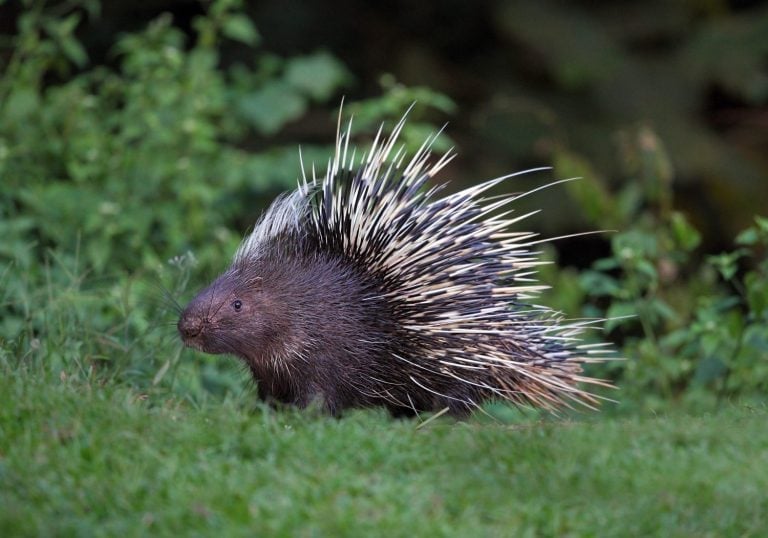
Spines out, trouble out
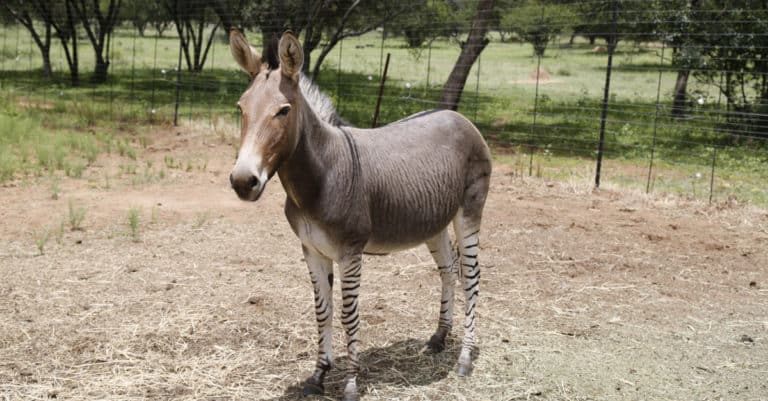
Half stripes, full attitude
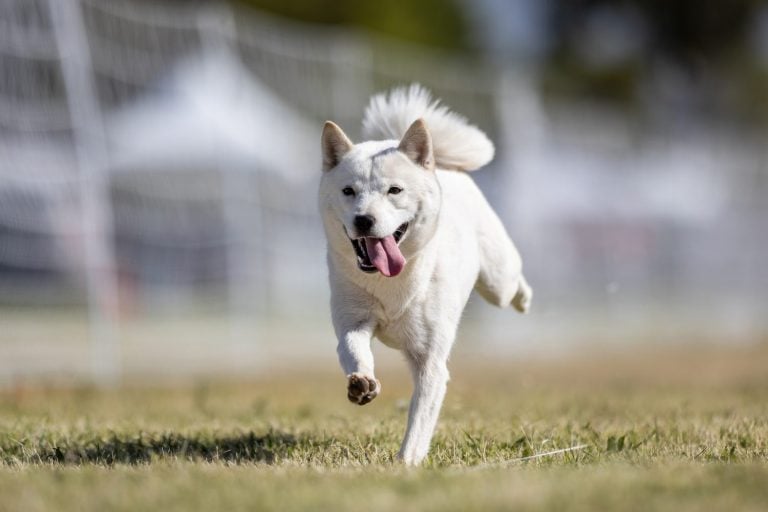
Snow-born hunter, loyal guardian

Built to freight. Made for the Arctic.

All nose, all night, all heart.

Athletic heart, devoted companion.
The Little Brown Dog That Works

Tiny body, fearless heart.
Scruffy Highland hunter, loyal friend

One dog, a whole farm's worth of skills

Big charm, small bulldog.
Silky spaniel, serious gundog.
Big ears. Fast legs. Rabbit radar.
Brains, curls, and water-dog heart
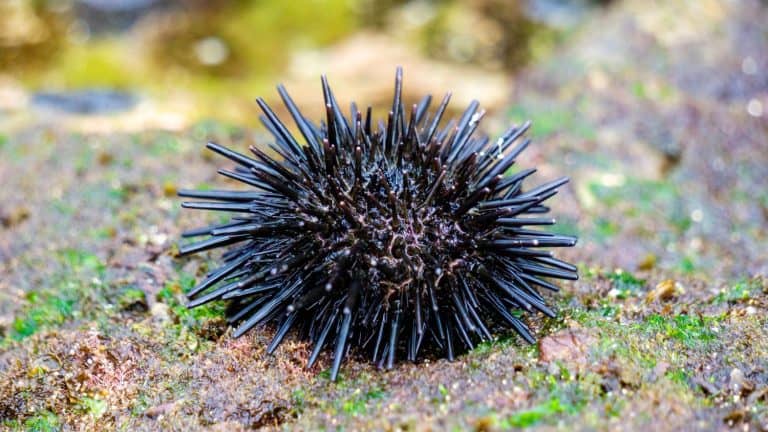
Spines, jaws, and ocean power
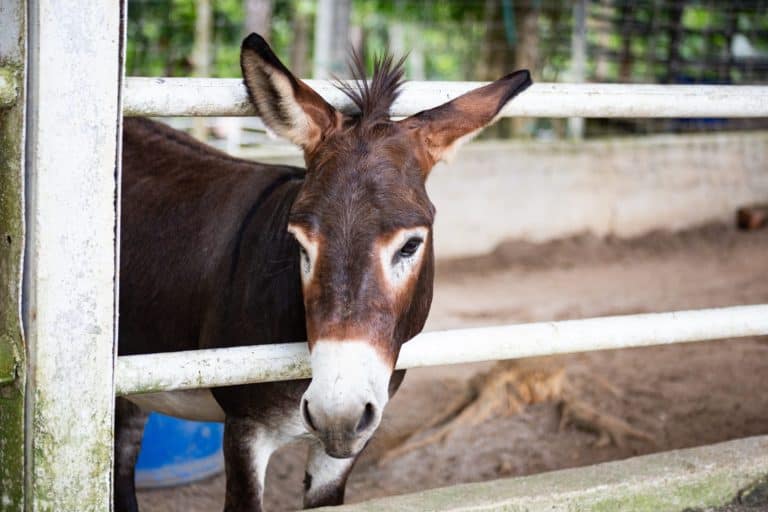
Built to go farther, step surer.

Tiny polyps, massive oceans
Half zebra, half horse-fully unique
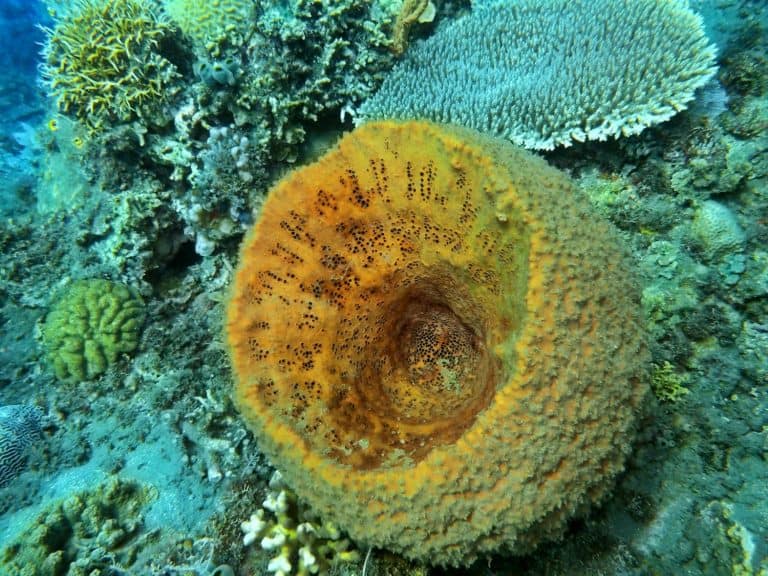
Porous powerhouses of the sea
The clam that runs on sunlight.

Tadpole larva, siphon-powered adult
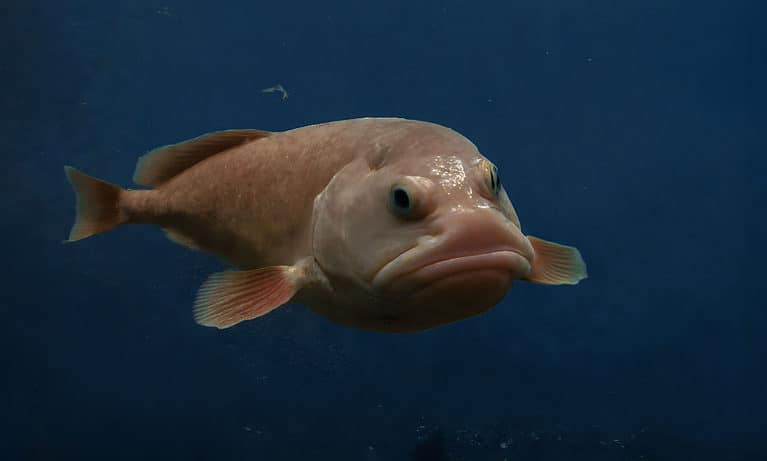
Built for pressure, not photoshoots
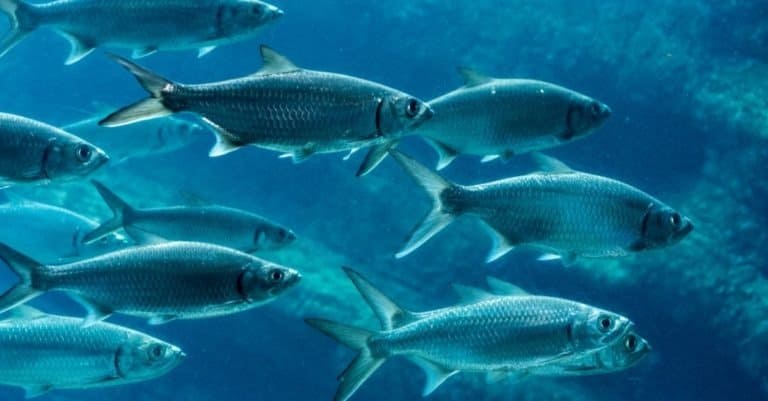
Small fish, huge impact
Yellow fins, ocean miles
Thank you for reading! Have some feedback for us?
We appreciate your help in improving our content.
Our editorial team will review your suggestions and make any necessary updates.
There was an error submitting your feedback. Please try again.