
Cat
Small hunter, big household legend

Small hunter, big household legend
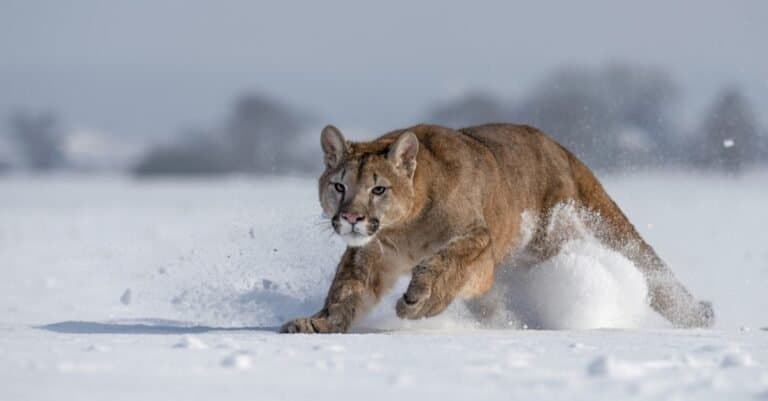
One cat. Two continents.
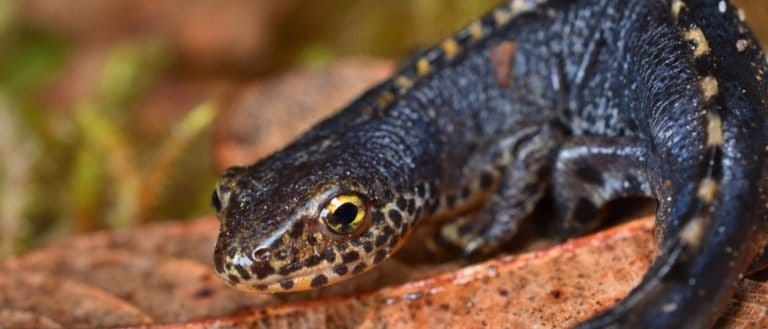
Crests, ponds, and potent defenses
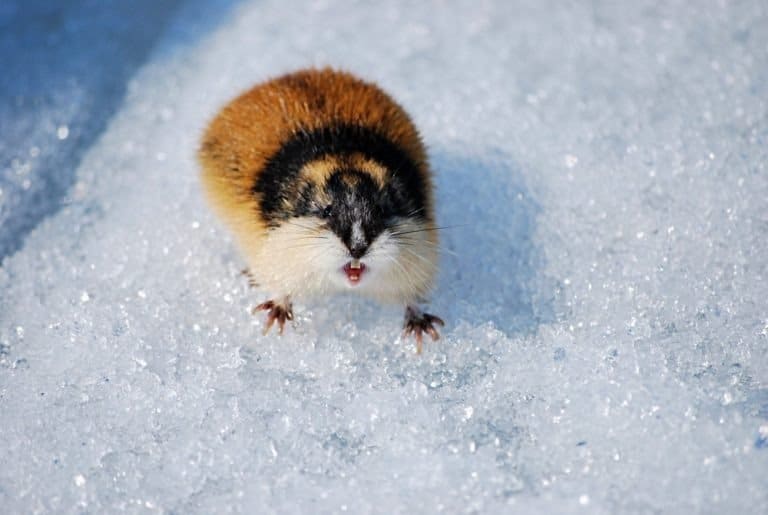
Small rodents, huge tundra impact
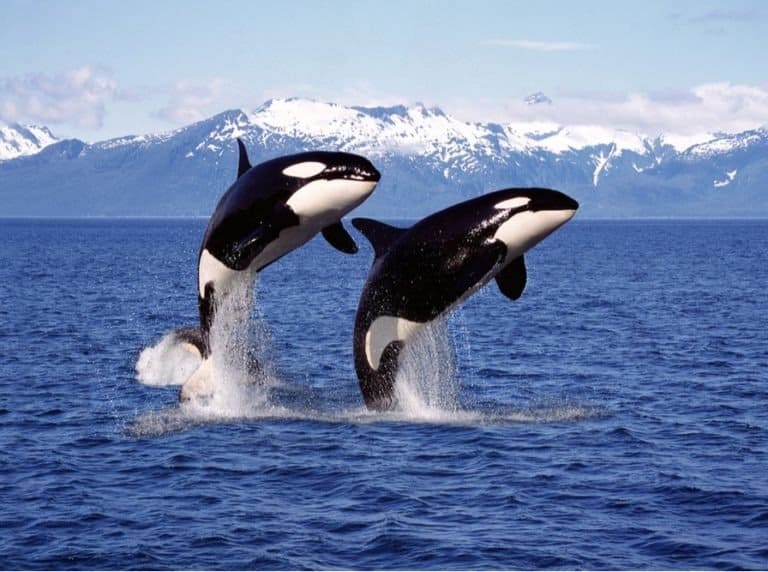
One species, many ecotypes.

The rainforest's master gardener

Power of the Americas' apex cat

Lightning hunter of the Amazon
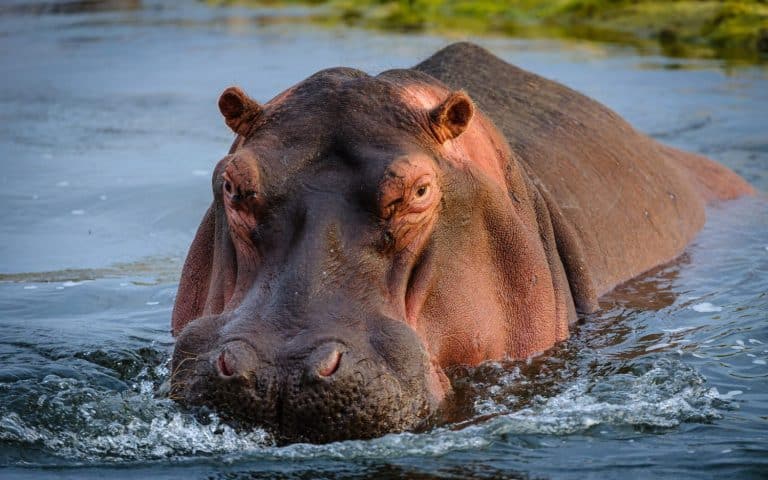
Big river grazer, bigger attitude
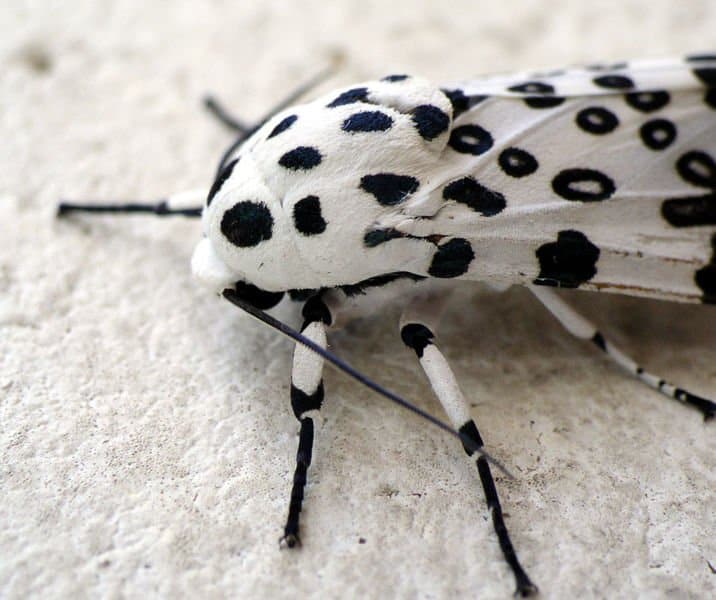
Six legs, endless lives.
Transient mating duration refers to a mating relationship in which association between partners is brief-typically limited to the immediate courtship and copulation/spawning period-and dissolves soon afterward. It involves little to no enduring pair bond, partner retention, or continuation of the association across breeding events or seasons.
In transient systems, animals meet mainly to mate and part soon after mating or a brief courtship. They do not share territory, nests, or long care. This evolves when staying together has low benefit (for example, when one parent cares or mates/resources are scattered). It often favors quick mate and sperm competition and promiscuity.
Minutes to hours, sometimes days
No lasting bond (brief association around mating; occasional short mate guarding)
Species with minimal or no parental care; breeding aggregations or synchronized spawning events; environments where mates/resources are ephemeral or widely dispersed
Partners come together opportunistically when both are reproductively ready, often driven by local density, synchronized breeding cues (e.g., spawning events), or brief encounters in shared habitat. Choice is typically based on immediate condition or signals (size, displays, pheromones), with little to no long-term assessment. The association forms around access to gametes/copulation rather than long-term coordination, and may involve brief mate guarding or positioning to ensure fertilization.
Courtship: Minimal
Time: Minutes to hours (occasionally up to a day), often coincident with the mating event itself.
Low and short-lived; effort is concentrated around the immediate mating opportunity (finding, assessing, and securing a mate) rather than ongoing relationship maintenance.
Generally none; if partners separate and meet again within the same event/window, interactions are typically simple re-approach/recognition cues rather than formalized reunion displays.
Ends soon after copulation/spawning or after the brief receptive period closes. Termination is usually automatic due to dispersal, loss of receptivity, completion of fertilization, predation risk, competition, or switching to additional mates (polygamy/promiscuity).
Divorce Rate: Not typically applicable; pairs rarely persist long enough for 'divorce.' If measured, separation before mating completion can occur under disturbance, mate displacement by competitors, or failed fertilization, but the baseline expectation is rapid dissolution.
Partners disengage and resume independent activity (foraging, migration, territorial behavior). They may seek additional mates within the same breeding bout, provide no shared parental care, and show little to no partner-specific association across days or seasons.
Partners associate only briefly (hours-days), often meeting at a courtship site, lek, breeding aggregation, or within overlapping home ranges. They may travel together only long enough to mate and then separate. No shared territory is maintained; individuals typically keep independent ranges/territories (if territorial at all). In many cases partners live entirely separately outside the mating encounter, with little to no post-mating association.
Communication is geared toward rapid mate attraction, assessment, and synchronization rather than long-term bonding. Common patterns include display-based signaling (visual postures, coloration, dances), short courtship vocalizations/calls, pheromones/chemical cues, and tactile interactions during courtship. In species with group breeding (e.g., aggregations), signals can be highly conspicuous and competitive. Duets and long-term contact calling are uncommon; instead, brief calls, display bursts, and spawning/courtship synchronization cues dominate.
Individual recognition is often weak or unnecessary because associations are brief and mate choice is frequently based on species identity, quality cues, dominance status, or location (e.g., territory/lek position) rather than a remembered partner. Recognition, when present, is usually short-term and context-dependent (e.g., recognizing a recent mate during immediate mate-guarding) and may rely on close-range cues such as scent/pheromones, vocal signatures, facial/stripe patterns, or local familiarity within a breeding site. Persistence of recognition across seasons is generally absent or not behaviorally important in this bond type.
Generally none. After copulation/spawning, partners usually do not coordinate care; one parent (commonly the female in many taxa, or whichever sex provides care in that species) may provide all parental investment, or offspring may be left unattended (e.g., broadcast spawners). If any coordination occurs, it is limited to immediate actions that facilitate fertilization or egg placement (e.g., synchronizing spawning release, brief nest-site use) rather than sustained joint care.
Usually none. Partners do not look for food together or share food long-term. Any feeding together happens by chance while they meet and ends when they separate. Food transfers are rare and are short courtship gifts, not ongoing care.
Cooperation is brief and small. Partners may do short mate-guarding, show local aggression to rivals, or defend a nearby mating site (display perch, courtship area, or nest) only during the encounter. They do not form lasting coalitions after mating.
Most common in short- to moderate-lived species where lifetime fitness is boosted by maximizing mating rate during brief opportunities, but it can also occur in long-lived species when breeding is highly seasonal and parental care is minimal; overall, bond duration tends to be weakly or negatively correlated with lifespan unless long-term cooperation is required for offspring survival.
Transient bonds typically shift reproductive success toward maximizing fertilization opportunities rather than enhancing offspring survival. Because partners usually separate soon after mating/spawning, offspring survival and quality depend mainly on pre-mating investment (gamete quality, mate choice, nesting/site selection if done by one parent) and environmental conditions, not on post-mating cooperation. This can yield high variance in outcomes: many offspring may be produced, but survival is often lower and less buffered against predation, starvation, or adverse conditions unless offspring are inherently independent (precocial) or develop in protected environments (e.g., buried eggs, pelagic dispersal).
Parental care is commonly absent or uniparental (most often by the female, though male-only care occurs in some taxa with nest defense). Transient mating rarely supports coordinated biparental care because the pair does not persist long enough to divide duties, defend young jointly, or repeatedly provision. When care exists, it is typically decoupled from the mating partner (one parent provides care; the other departs), and selection favors traits that reduce the need for prolonged care (large yolk reserves, rapid development, offspring self-feeding) or that allow a single parent to manage care alone.
Coordination is usually minimal and achieved through short-term cues rather than long-term pair coordination. Partners synchronize breeding via environmental and social triggers (seasonal pulses, rainfall/temperature, lunar/tidal cycles, local aggregations, pheromones/calls) and immediate readiness signals (courtship displays, mate guarding during a brief fertile window). Spawning/copulation often occurs rapidly after encounter, with timing driven by maximizing fertilization success and reducing risks (e.g., predation during spawning) rather than maintaining a shared breeding schedule across time.
Extra-pair mating is generally common or expected because the bond is brief and exclusivity is hard to enforce. Individuals frequently mate with multiple partners within the same breeding period (promiscuity/serial mating), and sperm competition or cryptic female choice may be important. Where brief mate guarding occurs, it typically only reduces extra-pair fertilizations during the immediate fertile window; outside that window, remating with others is frequent.
Transient mating (hours to days, ending soon after copulation/spawning) is one of the most widespread mating-duration patterns across animals. It is especially common in taxa where fertilization can occur quickly and where post-mating parental care, territory sharing, or long-term partner coordination provides little added fitness benefit.
Very common
Many species mate briefly and then separate; females may store sperm, and males often pursue additional mates. Pair bonds are typically absent outside a few cases with mate guarding or biparental care.
Very common
External spawners often form short spawning aggregations or brief pairings around egg release; associations may last minutes to days, with many species providing no parental care after spawning (though notable exceptions exist).
Common
Breeding is often concentrated in short seasonal events; males and females may associate briefly for amplexus and oviposition, then separate. Some species show prolonged attendance or guarding, but stable pair bonds are uncommon.
Common
Many reptiles have brief courtship/copulation followed by separation; sperm storage in females can further reduce any need for extended association. Long-term pairing occurs in some lineages but is not the norm.
Uncommon to variable
Many birds form seasonal pair bonds for nesting and biparental care, reducing the prevalence of strictly transient associations. However, transient mating can occur in lekking species, brood parasites, and in extra-pair copulations even within socially pair-bonded systems.
Common
Many mammals have short mating associations (polygyny, promiscuity) with limited male parental care. Transience is less common in taxa with strong pair bonding or extensive biparental care.
Variable (often common)
Ranging from transient multi-male/multi-female mating (common in several species) to longer-term pair bonds in some monogamous or cooperative-breeding primates; mating duration often reflects social structure and infant care demands.
Variable (often common)
Many are seasonally breeding with brief estrus-linked associations; some form longer-lasting pairs or cooperative groups where mate association can extend beyond copulation (e.g., species with shared territories or extensive paternal care).
Very common
Copulation is often brief and followed by separation; sexual cannibalism risk, mate guarding strategies, and low benefits of cohabitation favor short associations.
Common to very common
Mating may be brief and timed to female molting or spawning; some species show short-term guarding, but enduring pair bonds are uncommon.
Found across: Many externally fertilizing aquatic invertebrates (broadcast spawners): corals, echinoderms, many mollusks, many polychaetes, Many amphibians with seasonal/explosive breeding and temporary amplexus (frogs and toads), Many insects that mate in brief swarms or short encounters (e.g., mayflies, many flies, some beetles), Many fishes with spawning aggregations and minimal post-mating association (especially broadcast spawners; some salmonids), Some reptiles with seasonal mating gatherings and limited partner persistence (many turtles, some snakes)
Transient mating can still involve serious "planning": many species time brief encounters to tight environmental cues (tides, moonlight, temperature, rainfall) so partners meet during a narrow window.
A short partnership doesn't mean low selectivity-choosiness is often *higher* because there's little time to assess a mate and no "second date" to correct a bad choice.
In many transient systems, the lasting relationship isn't with a partner-it's with *stored sperm*: females of some insects mate briefly, then use stored sperm to fertilize eggs over weeks to years.
Transient mating can be massively synchronized: some species create population-wide "speed-dating" events where thousands to millions spawn or mate within hours, boosting fertilization success and swamping predators.
Some animals keep the association short specifically to reduce risk-quick mating can lower exposure to predators, aggression, parasites, or the chance of being displaced by rivals.
The rainforest's master gardener

Moon-marked climber of Asian forests
Small hunter, big household legend
One cat. Two continents.
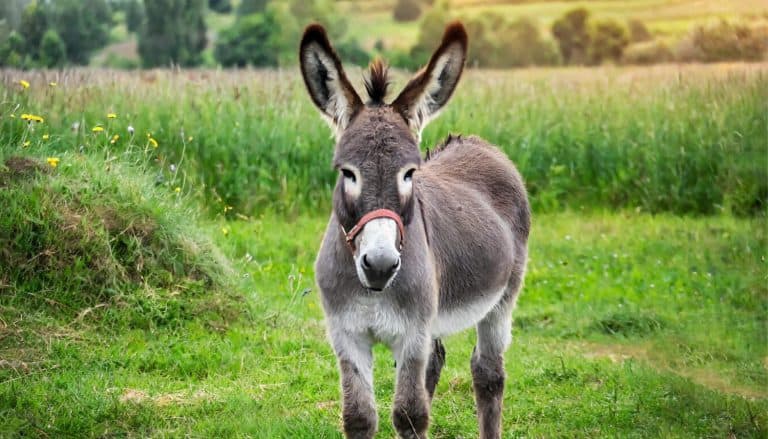
Sure-footed partner of people
Lightning hunter of the Amazon
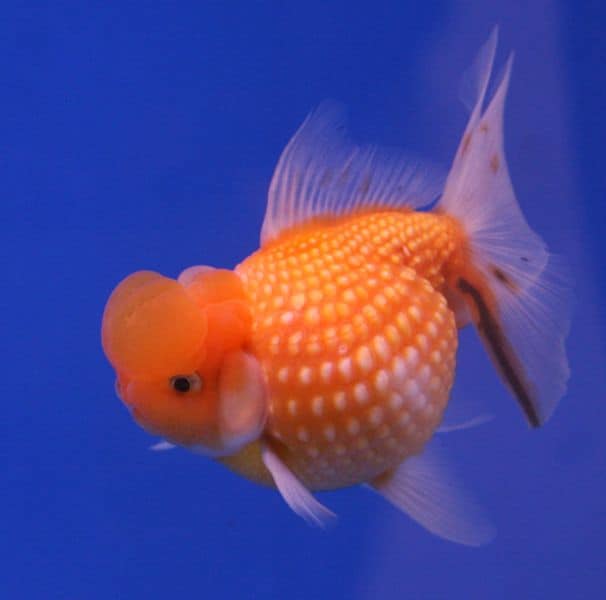
Bony rays, endless ways.
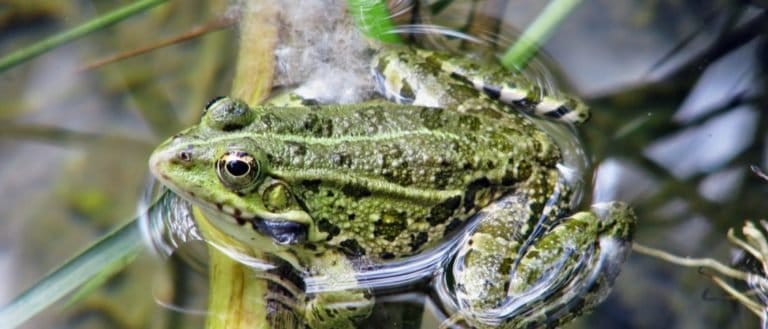
Tailless jumpers, masters of change
Big river grazer, bigger attitude

Three stripes. Big city attitude.
Six legs, endless lives.
Power of the Americas' apex cat

Sting-powered drifters of the sea

Big hops, big pouches, big variety
One species, many ecotypes.
Small rodents, huge tundra impact

Small gnawers, huge impact.

More than night flyers
Crests, ponds, and potent defenses

Eight arms, endless ingenuity

Red apes, rainforest architects

Built for water, born to hunt
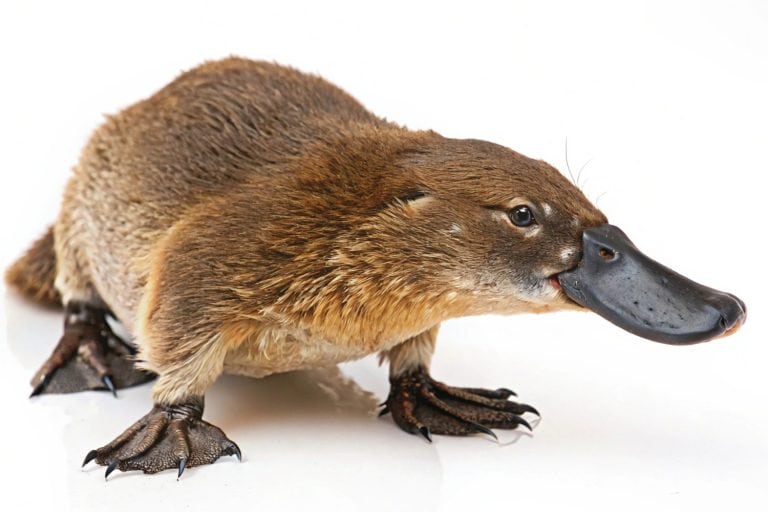
Electric hunter of Australian rivers

Hear the rattle, give it space.
Thank you for reading! Have some feedback for us?
We appreciate your help in improving our content.
Our editorial team will review your suggestions and make any necessary updates.
There was an error submitting your feedback. Please try again.