
Quick Take
- Akitas are fiercely loyal to their families, yet some jurisdictions treat them the same as dangerous breeds. See the breed restrictions →
- Their stubbornness is real, but fighting it is the wrong move. A counterintuitive training approach is what actually works. See the training approach →
- Even a well-trained, perfectly socialized Akita may not be able to resist one hardwired instinct, and the consequences of that can be severe. Understand the prey drive risk →
- Owning an Akita could cost you more than you expect, and the reason has nothing to do with food or grooming bills. See the insurance impact →
The Akita originated in Japan, where ancient people used them for large-game hunting and as guard dogs. The breed first came to the United States in 1937 when Helen Keller brought an Akita back from Japan, with more arriving after World War II via returning U.S. servicemen. The Akita has a reputation for loyalty, immortalized in the true story of Hachikō, an Akita that, after his owner unexpectedly died, waited every day for many years at the train station for him to return. While fiercely affectionate and gentle with their own human families, Akitas are naturally reserved around strangers and can be aloof or aggressive toward other dogs. Consequently, Akitas require consistent socialization and structured training from experienced owners. Continue reading to discover the primary issues owners face.

Akitas can be great dogs for the right people.
©Eve Photography/Shutterstock.com
Many Akitas Don’t Get Along with Other Dogs
Some Akitas are dog-aggressive and cannot be around other dogs at all. This is something to think about if you have another dog.
Other Akitas are dog-selective, meaning they get along with some dogs but not others. For example, they may be friendly with dogs they grew up with but not with unfamiliar dogs.
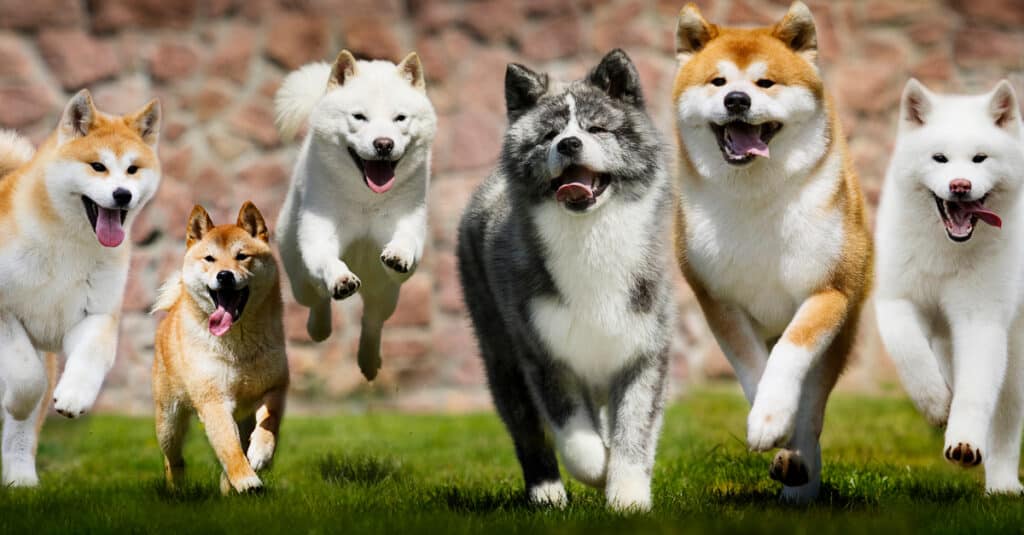
Not all Akitas are dog-friendly.
©Happy monkey/Shutterstock.com
This tendency toward dog aggression shouldn’t be downplayed. Akitas are large, strong dogs that can do a lot of damage, especially to smaller dogs.
If your Akita is dog-aggressive, careful management is essential. This often involves avoiding situations where they might encounter other dogs, using a muzzle in public to reduce risk, and working with a force-free trainer or behaviorist to address behavioral issues during walks.
Akitas Need Proper Training
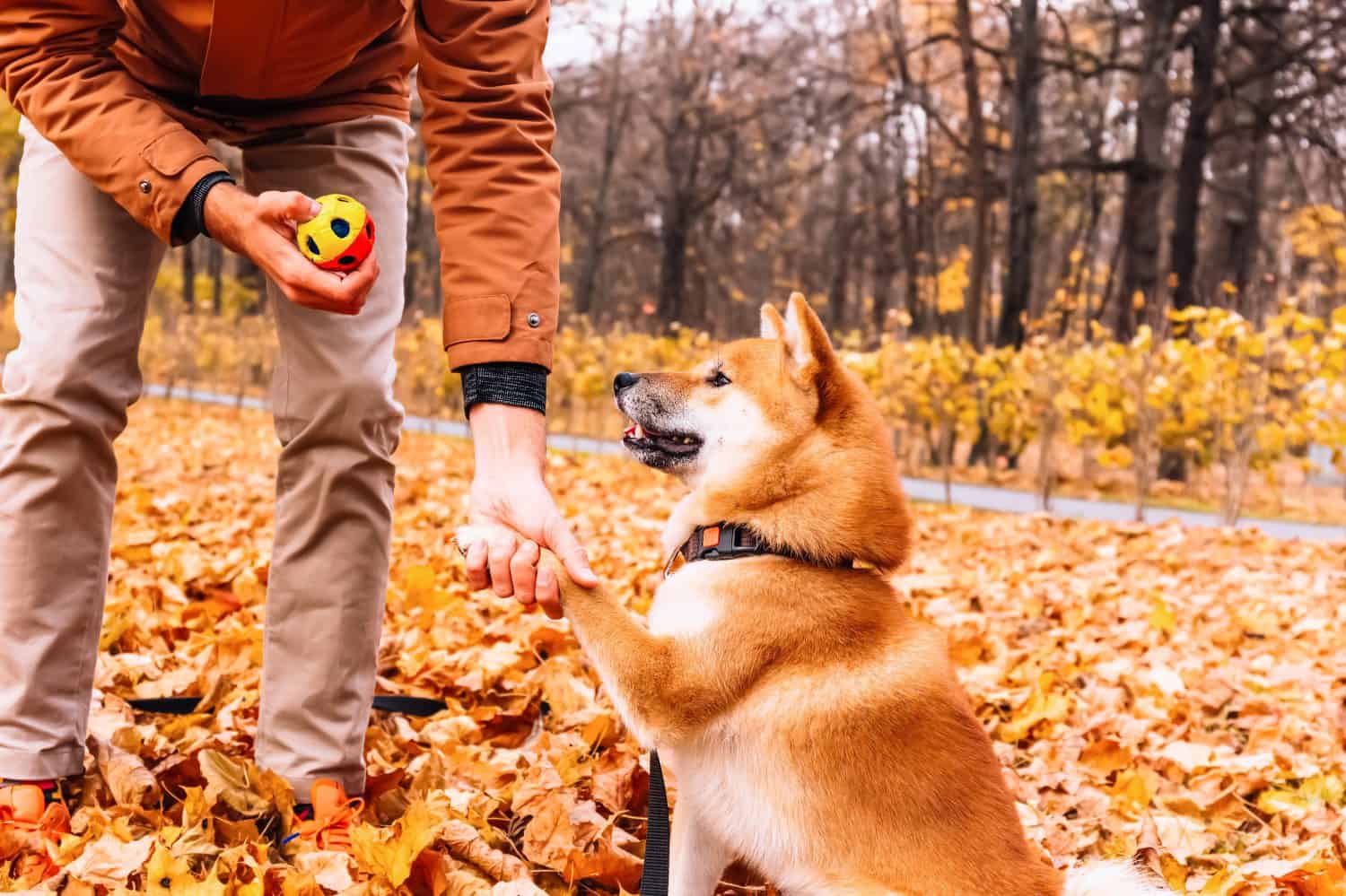
Akitas need a loving, patient trainer who enforces rules with firm but gentle authority. Use force-free training methods, such as positive reinforcement, setting them up for success, and redirecting unwanted behaviors to more appropriate outlets.
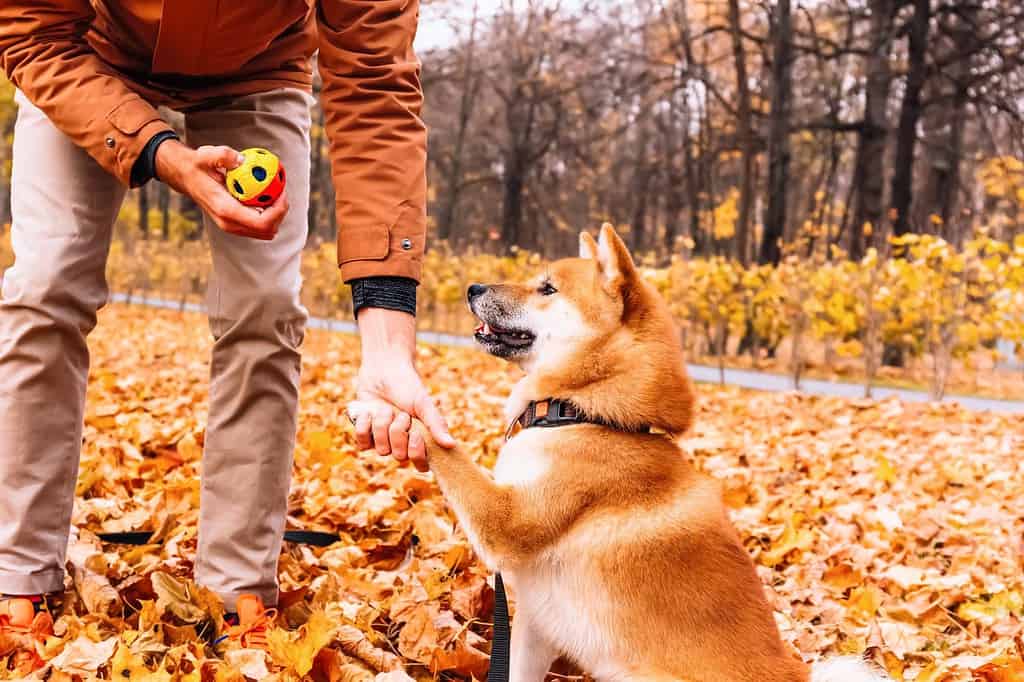
It’s important to train your Akita well.
©Jannissimo/Shutterstock.com
Socialize your Akita well from a young age with opportunities for positive experiences around new people, places, and things. Get them used to handling so that they will be comfortable and confident during grooming appointments and at the vet’s office.
They Can be Stubborn
Akitas can be very stubborn and independent, traits that are amplified by their intelligence.
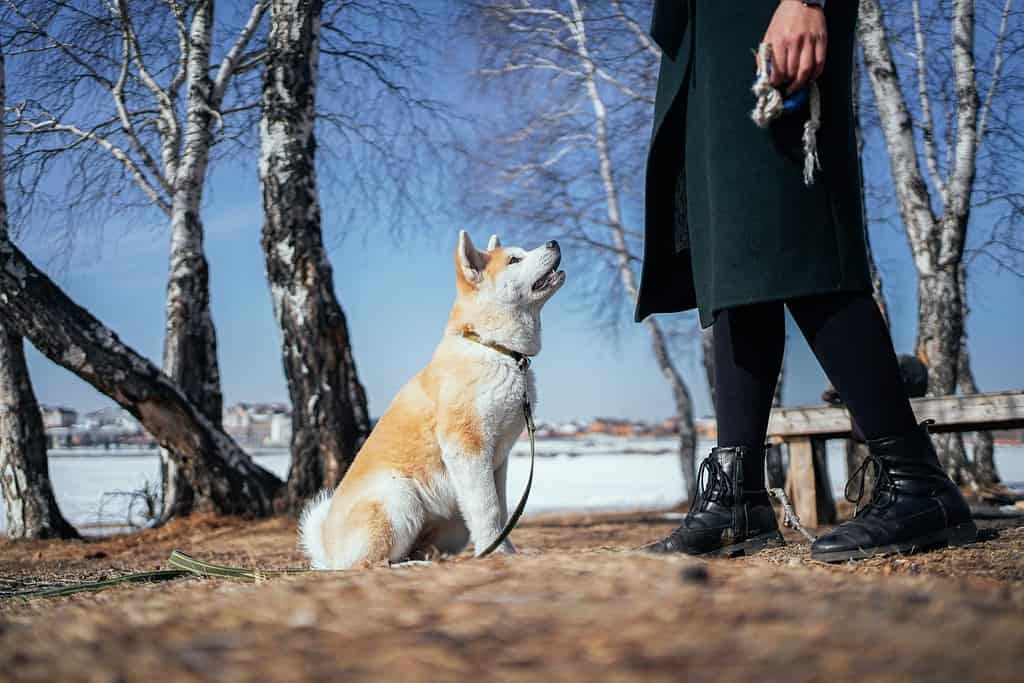
Training an Akita requires patience.
©Danila Shtantsov/Shutterstock.com
Rather than try to force or out-stubborn your Akita, make training fun. When you need them to do something, turn it into a game. Act excited, have their favorite treats on hand, and offer lots of praise.
If your dog struggles with certain tasks, such as nail trimming, use a gradual desensitization process to build positive associations.
Akitas Have Strong Guarding Instincts
Akitas were bred as guard dogs. Ideally, they instinctively know what is a threat and what is not, and act accordingly. However, this is not always the case.
This is why socialization is so important. Fearful dogs with a strong instinct to guard can become reactive and may show aggression toward strangers they perceive as threats.
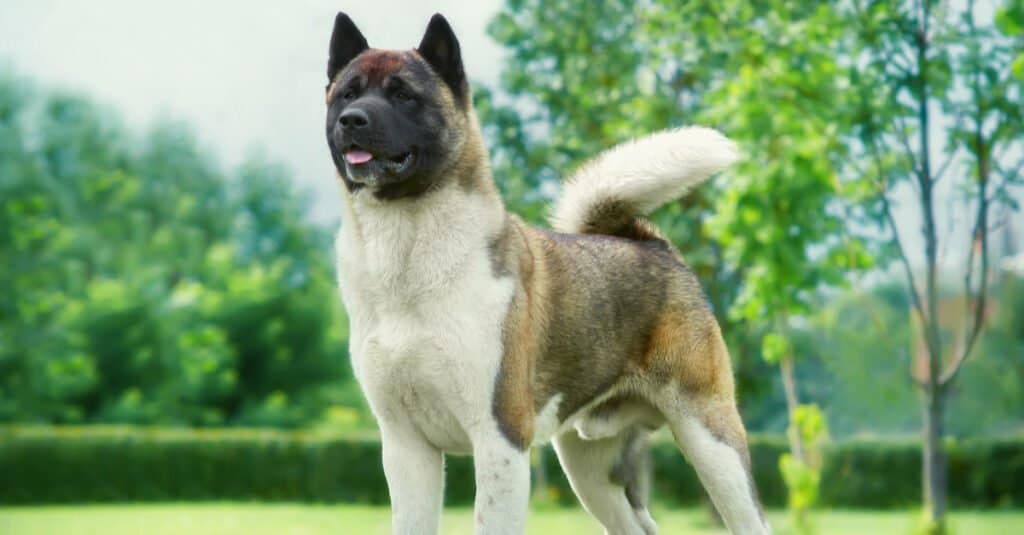
Often wary of strangers, Akitas will typically ignore them completely.
©Kseniia Kolesnikova/Shutterstock.com
They’re Often Classified as Dangerous Dogs
Akitas are sometimes included in breed-specific legislation and insurance restrictions, depending on local laws and policies. While they are deeply loving with their own families, their sheer size, intense guarding instincts, and natural aloofness toward strangers contribute to their reputation.
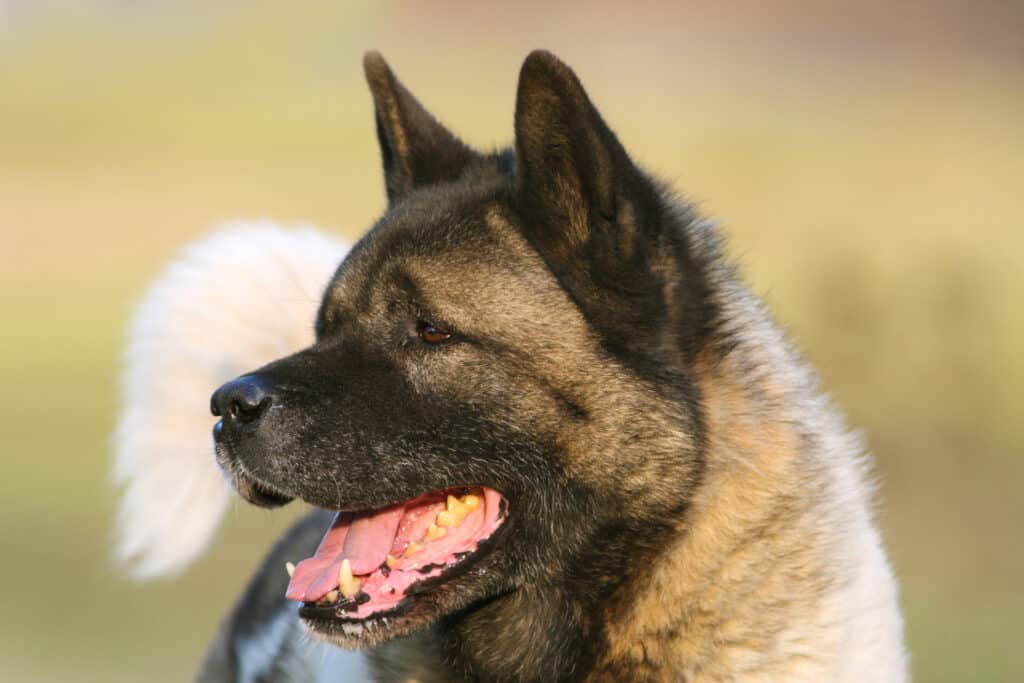
Even if your Akita is well-trained, you’ll likely face breed discrimination from others.
©mirceax/ via Getty Images
Because a poorly socialized Akita has a powerful bite capable of causing severe injury, some jurisdictions and insurance companies impose legal or financial restrictions on the breed.
Akitas Have Strong Prey Drives
Akitas possess an exceptionally strong, instinctual prey drive due to their history as large-game hunters. They are hardwired to chase and capture fleeing animals, may view small pets as prey, and often give little or no warning before striking.
Akitas should never be let off leash in unsecured public areas. Even the most highly trained Akita may not be able to resist its genetic hunting instincts if triggered by sudden movement. Their size and instincts mean encounters with small wildlife or loose cats can quickly become dangerous.
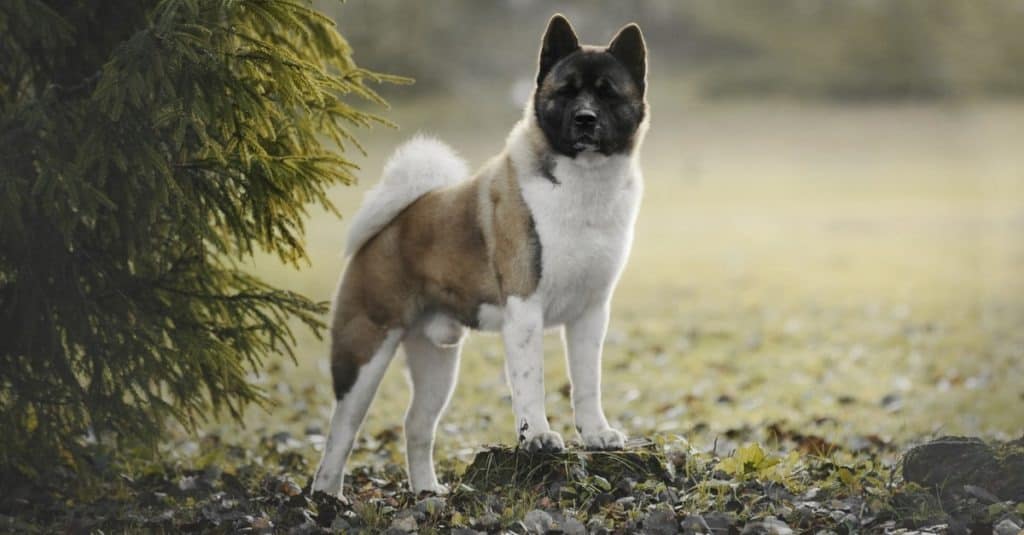
Akitas were also bred to hunt and will likely chase small animals.
©Erika Tcogoeva/Shutterstock.com
An off-leash Akita can easily misinterpret a loose dog’s approach as a threat, sparking a dangerous confrontation. Off-leash time should be strictly limited to securely enclosed areas.
Akitas Are Heavy Shedders
One of the top complaints among Akita owners is shedding. Akitas are heavy shedders that lose a moderate amount of hair year-round and undergo intense seasonal shedding twice a year. As a double-coated breed with a dense, plush undercoat and a straight outer coat, they completely blow their undercoat over a period of several weeks during spring and fall.

Akitas shed year-round.
©MrClips/Shutterstock.com
During these heavy shedding cycles, large clumps of fur fall out continuously, requiring daily brushing with a slicker brush or undercoat rake to manage the loose hair. Outside of these blowing seasons, a thorough weekly grooming session is usually sufficient to keep their skin healthy and control the hair around the house.
They Don’t do Well in the Heat
Akitas do not do well in warm climates, as they were bred to work in freezing temperatures and are highly prone to overheating. Originating from the mountainous, snowy regions of Northern Japan, they possess a dense, plush double coat that retains body heat.
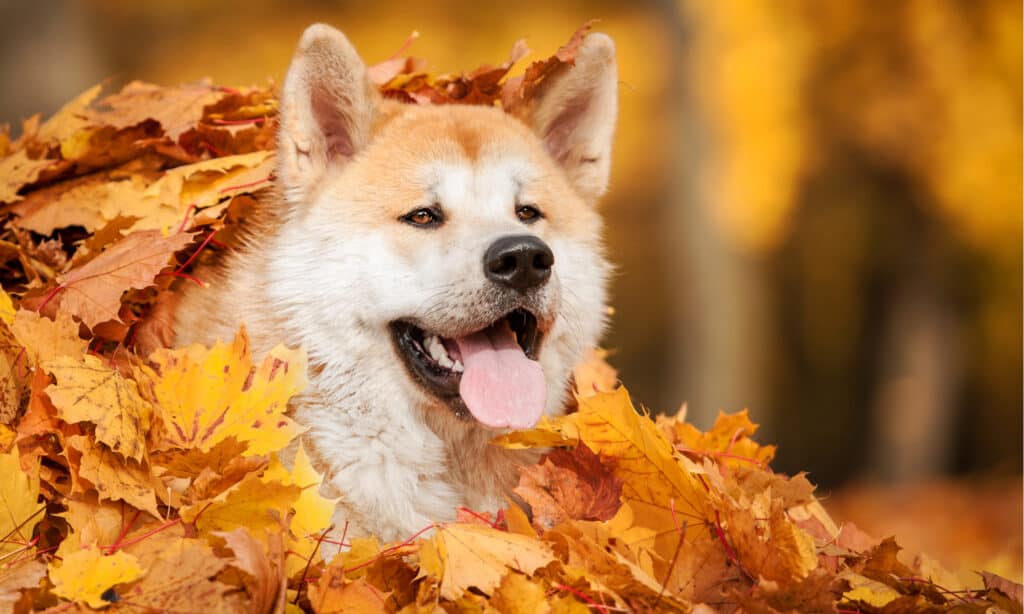
Akitas prefer cool climates.
©Rita_Kochmarjova/Shutterstock.com
Because they are large, heavy-bodied, and unable to sweat to cool down, warm or humid environments put them at a moderate to high risk for heatstroke.
Akitas are Prone to Health Issues
Akitas are prone to some genetic health issues. As of 2026, reputable breeders should ensure both parents have CHIC numbers, which for Akitas typically require an Orthopedic Foundation for Animals (OFA) hip evaluation, an OFA elbow evaluation, and an eye examination by a board-certified veterinary ophthalmologist.
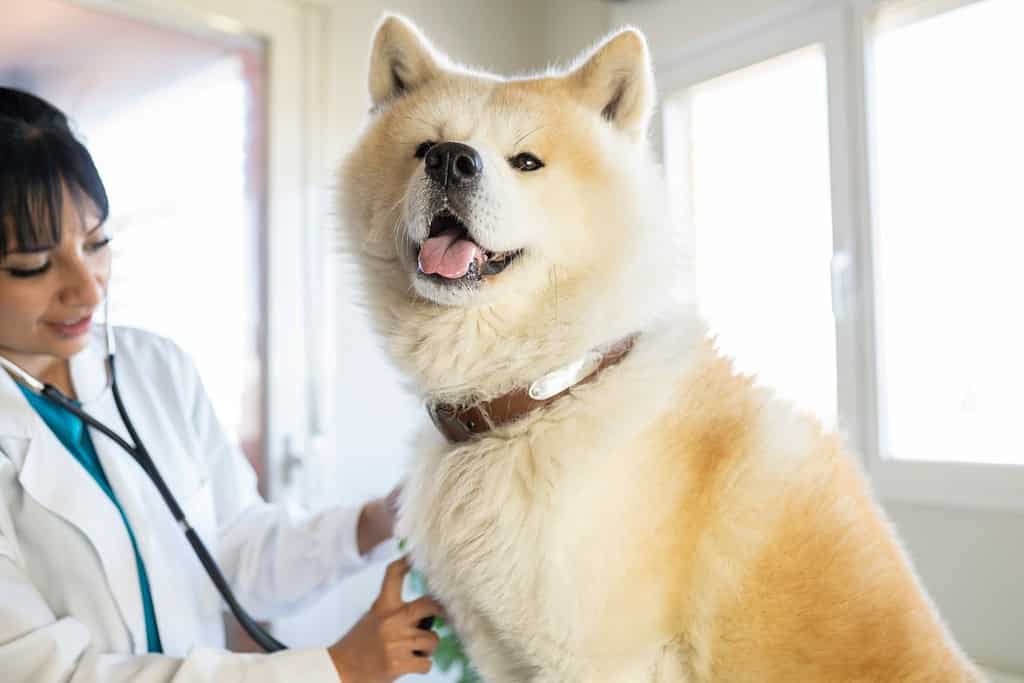
Adopting from a reputable breeder lowers your Akita’s chances of developing genetic health problems.
©PintoArt/Shutterstock.com
Some health concerns to watch for include:
- Hip and elbow dysplasia
- Eye conditions
- Thyroid disease
- Luxating patella
To prepare for potential illnesses and medical emergencies, it’s best to have significant savings before adopting an Akita or to purchase a pet insurance plan. Vet costs are one of the most common complaints about Akitas.
Akitas are a big responsibility due to their guarding tendencies, strong prey drive, and tendency toward dog aggression. However, if you can handle their needs and train them well, Akitas are fiercely loyal and affectionate companions.