Quick Take
- Bernese mountain dogs take years longer to grow up than most breeds, yet their clock runs out far sooner than you would expect. Slow maturity explained →
- Their size makes them look like natural protectors, but their actual behavior around strangers might both surprise you and frustrate you. Overly friendly behavior →
- Owning a Berner costs far more than food and supplies, and most new owners fail to budget for the biggest expense. Full ownership costs →
- If you work full-time, one particular trait of this breed could make your daily routine genuinely unworkable. Separation anxiety details →
Are you thinking about adopting a Bernese mountain dog? It’s important to know both the pros and the cons when you are considering bringing home a new member of the family. While these dogs are known for their friendly temperaments, owners of this large dog breed often have similar challenges to living with their gentle giants. Like every type of dog, this breed isn’t for everyone! This article will discuss some of the common issues you can expect with a Bernese mountain dog to help you determine whether this breed is right for you.
1: They’re Large Dogs
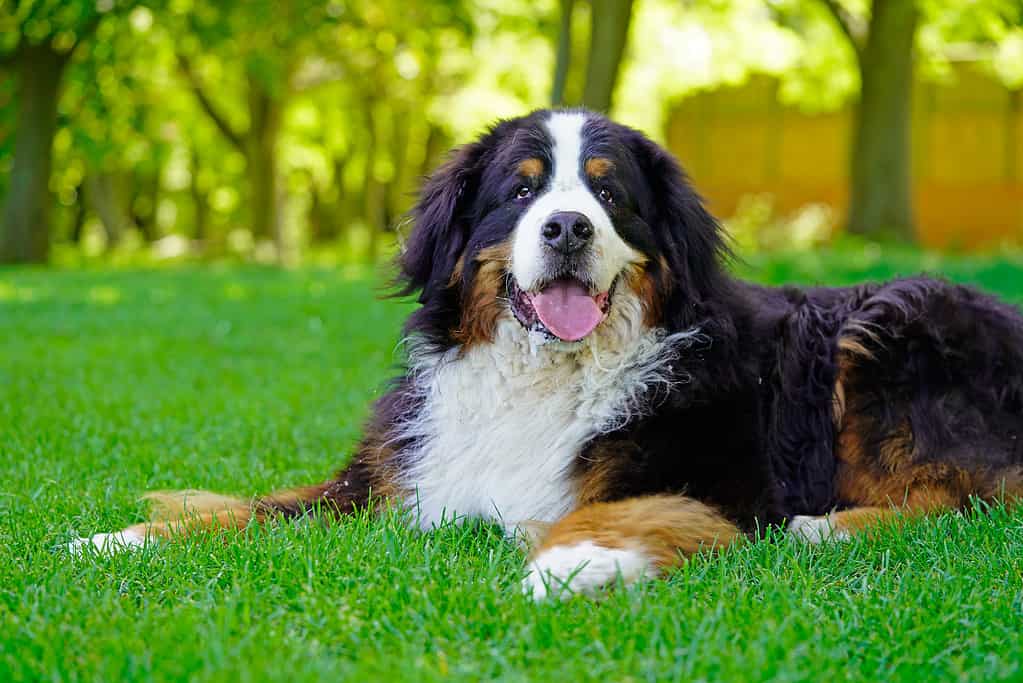
Bernese mountain dogs take up a lot of space in your home, car, and heart. Males stand 25 to 27.5 inches at the shoulder and weigh up to 115 pounds. Females stand 23 to 26 inches tall and weigh up to 95 pounds. If you cannot hold a dog of this size back when they tug on the leash, you should reconsider adopting a Bernese mountain dog. Even with well-trained dogs, things can happen. It’s also worth considering whether you can carry your dog in an emergency or if they suffer from joint issues that are common later in their lives.
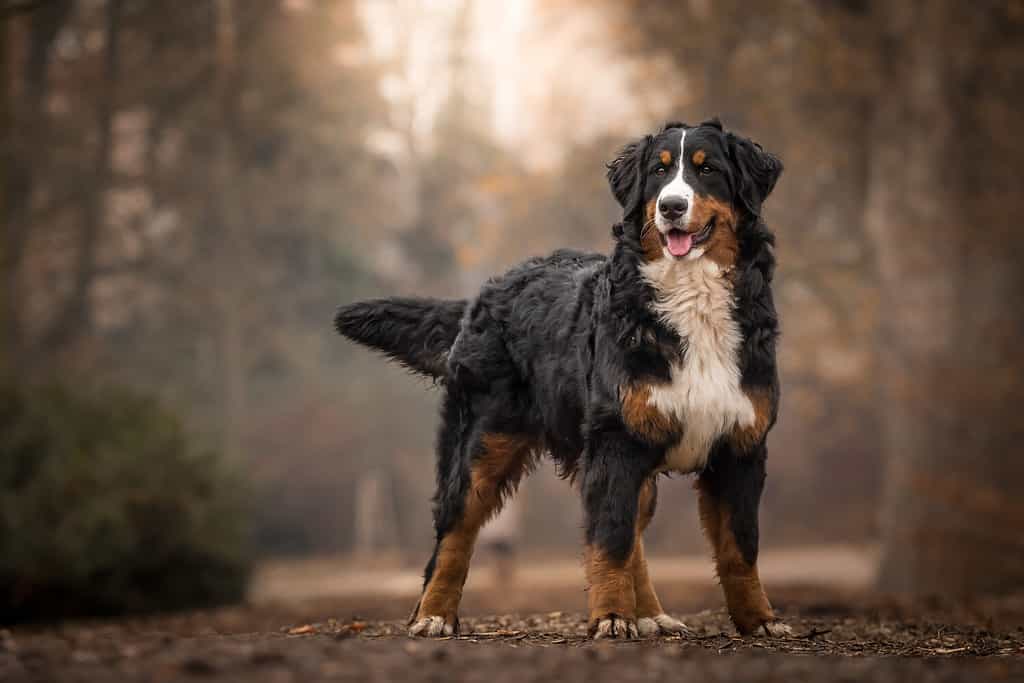
A male Bernese mountain dog can stand up to 27.5 inches tall and weigh up to 115 pounds.
©xkunclova/Shutterstock.com
2: They Mature Slowly
Bernese mountain dogs mature more slowly than smaller dog breeds. These dogs are still considered puppies until they’re two to three years old. Early training and socialization are necessary, as is accepting what your dog can and cannot do in their current developmental stage. This stage will come with classic puppy behaviors such as inappropriate chewing, excitement that can cause them to jump up on or bump into people, and rebellion during adolescence.
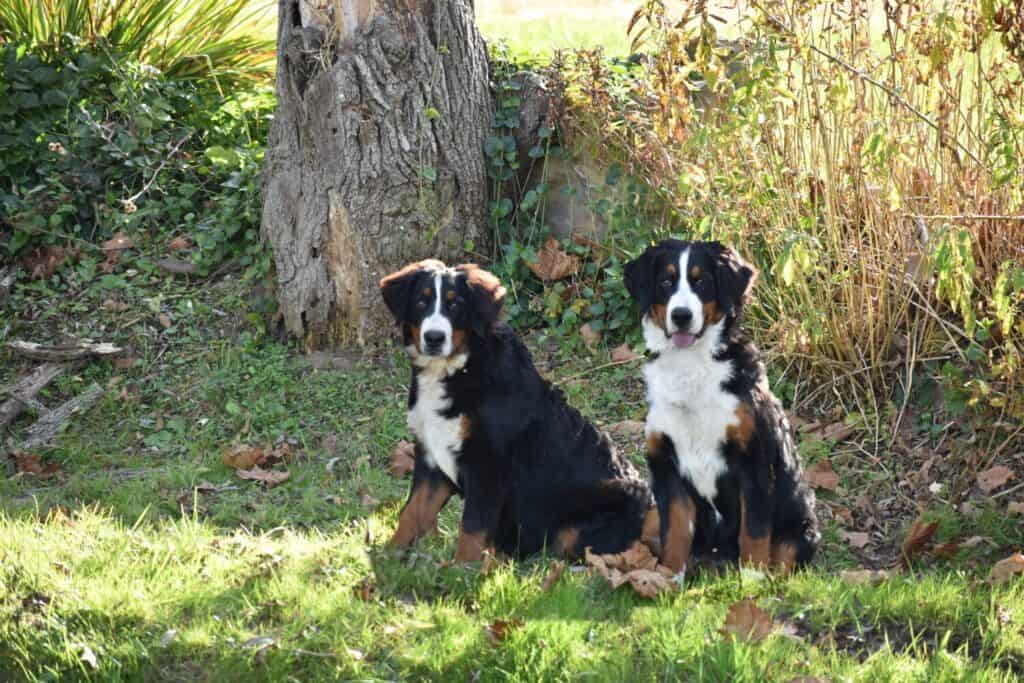
Bernese mountain dogs are not considered fully grown until two to three years of age.
©SShank/Shutterstock.com
3: Bernese Mountain Dogs Have Short Lifespans
Unfortunately, being slow to mature doesn’t mean Bernese mountain dogs age slowly. Most have a life expectancy of 7-10 years of age, with an average of 8.4 years for males and 8.8 years for females. The leading cause of death is neoplasia, which is abnormal, uncontrolled cell growth forming cancerous tumors. Regular vet trips help keep your dog healthy and potentially allow them to live longer. Diet and exercise are also important factors when it comes to lifespan. Overweight Berners will typically live shorter lives than those of a healthy weight.
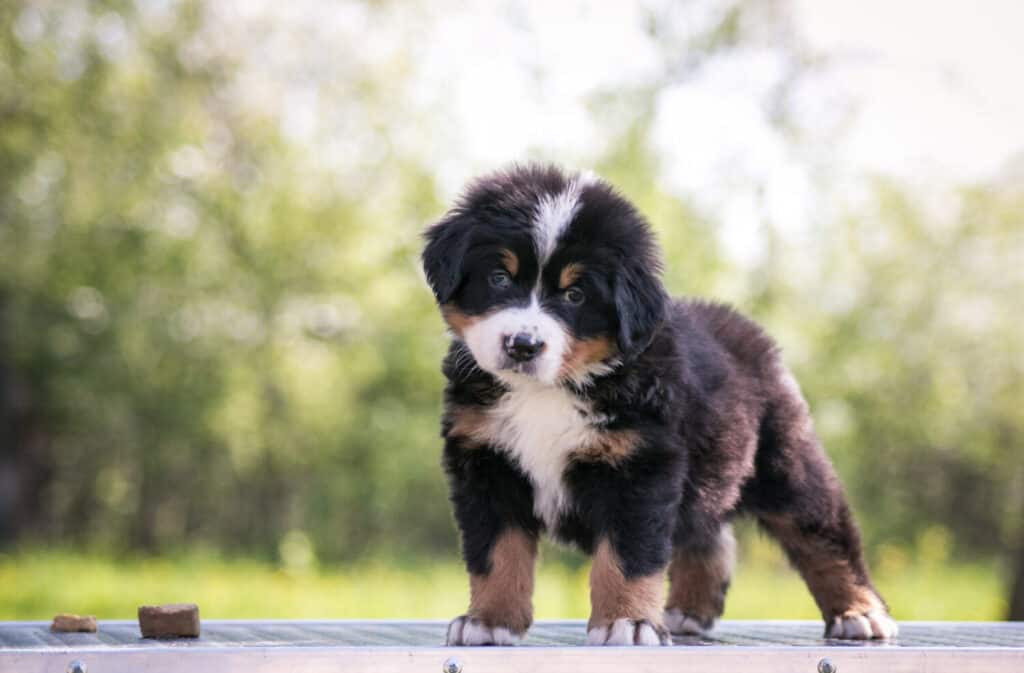
The average lifespan for a Bernese mountain dog is 7-10 years.
©Eve Photography/Shutterstock.com
4: They’re Expensive
As discussed above, food and other supplies for your Berner will cost more than you’d pay for a smaller breed. However, there are also additional costs to consider. In puppyhood, many Bernese mountain dogs damage expensive items like clothing, furniture, or even walls. They’re also likely to destroy many chew toys. Pet insurance and veterinary bills are often the biggest expense for any dog. Bernese mountain dogs are prone to various health problems that can cost hundreds or thousands of dollars to treat.
Food and other supplies are more expensive because of a Berner’s large size.
©Kriste Sorokaite/iStock via Getty Images
5: They Can Be Destructive
Puppy-proofing your home is vital to keeping your dog and possessions safe. Bernese mountain dogs can be very destructive as puppies. Adult dogs may also have problems without proper training, daily exercise, and mental enrichment. You might pay the price if you don’t have the time to care for your dog properly. An anxious, lonely, and bored Bernese mountain dog will often chew inappropriately.
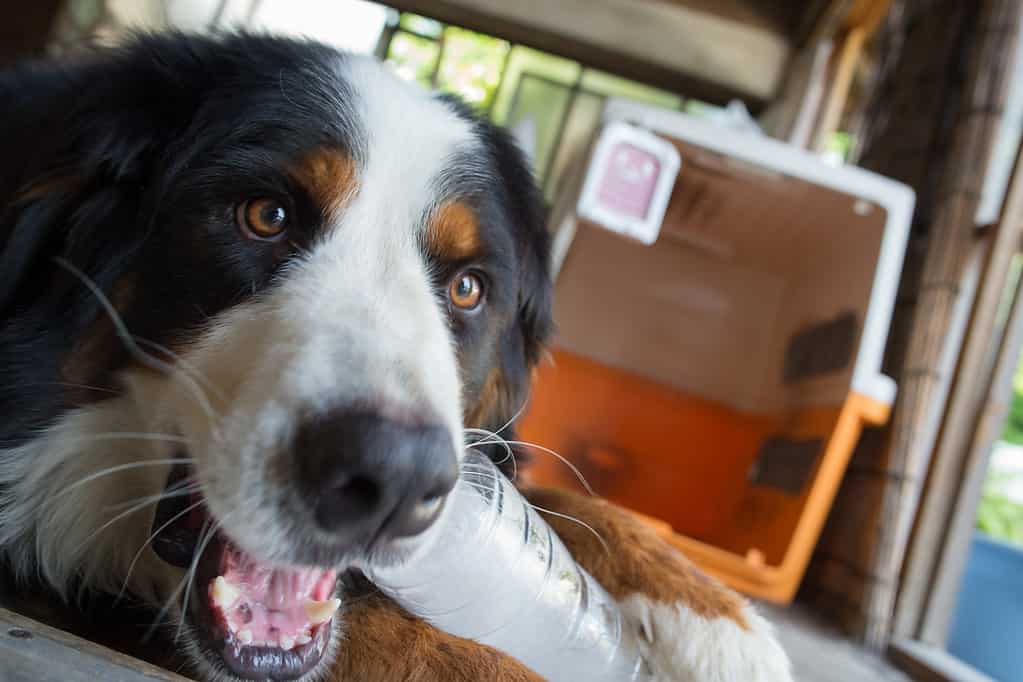
Bernese mountain dogs may chew inappropriately when bored, anxious, or lonely.
6: They Need Daily Exercise
Luckily, Bernese mountain dogs don’t have high exercise needs. They’re a good choice for people who want to exercise their dog for around 30-60 minutes a day, but they also need mental enrichment. They can also adapt to higher activity levels and make great hiking or jogging companions. The problem arises when you cannot provide enough daily exercise or if you don’t stick to a consistent routine. This can cause behavioral and health issues.
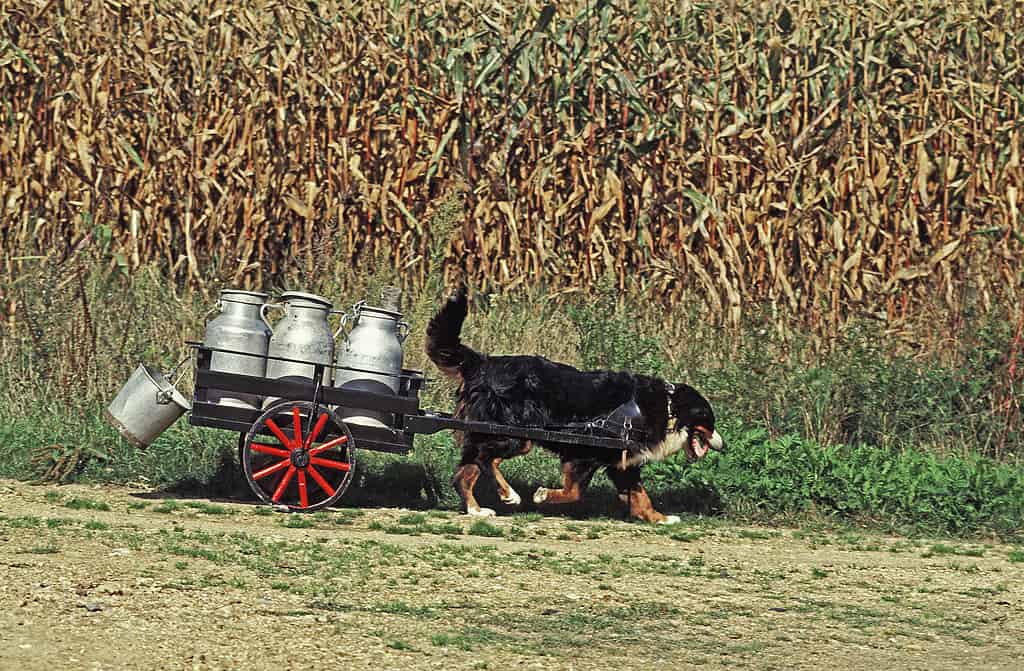
Bernese mountain dogs need daily exercise and mental enrichment to stay healthy.
©iStock.com/slowmotiongli
7: They Shed Copiously and Need Frequent Grooming
If you’re looking for a non-shedding breed, you don’t want a Bernese mountain dog. These pups shed profusely. Berners should be brushed two to four times per week throughout the year and daily during the shedding season in spring and autumn. Failing to brush their coats regularly can lead to painful mats in their fur that can pull on the skin. Brushing your dog and vacuuming regularly will reduce the volume of fur you find around the house. You might also want to buy a reusable lint roller for your clothing and furniture.
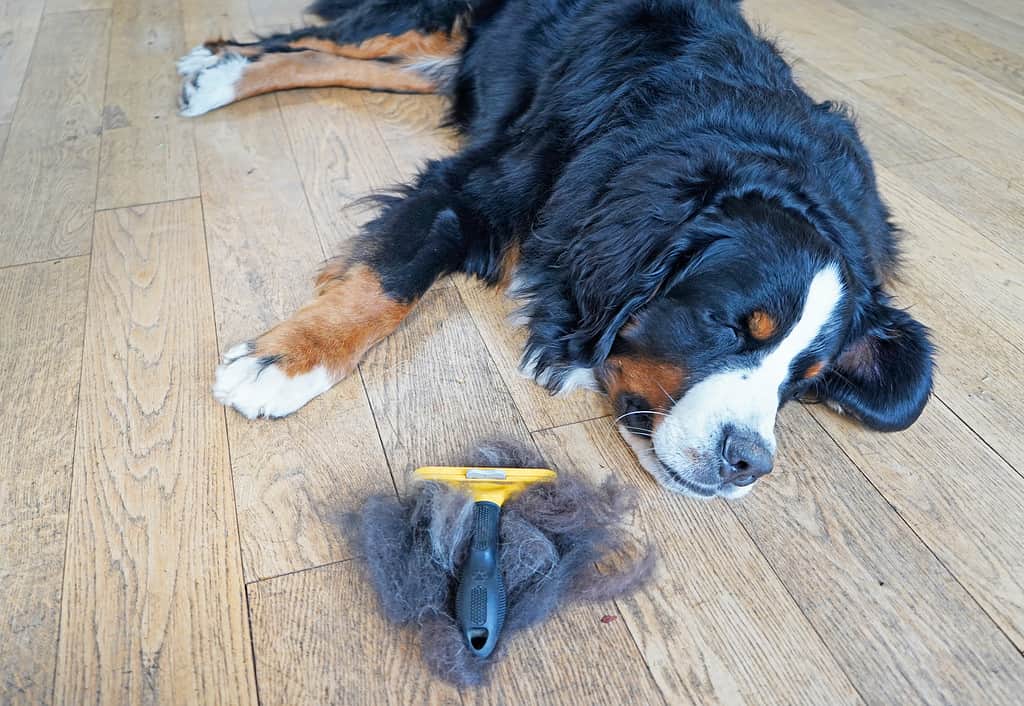
Your Berner needs to be brushed at least once a week.
©Kriste Sorokaite/iStock via Getty Images
8: Bernese Mountain Dogs Are Heat Intolerant
Their large size and thick coats make Berners heat intolerant. They are more prone to heat stroke than other dog breeds. They tend to enjoy cold weather and can be miserable in hot climates. It can be difficult to exercise a Bernese mountain dog indoors, so you might have to get up early in the morning or stay up late to take them for walks when the summer temperatures are at their lowest.
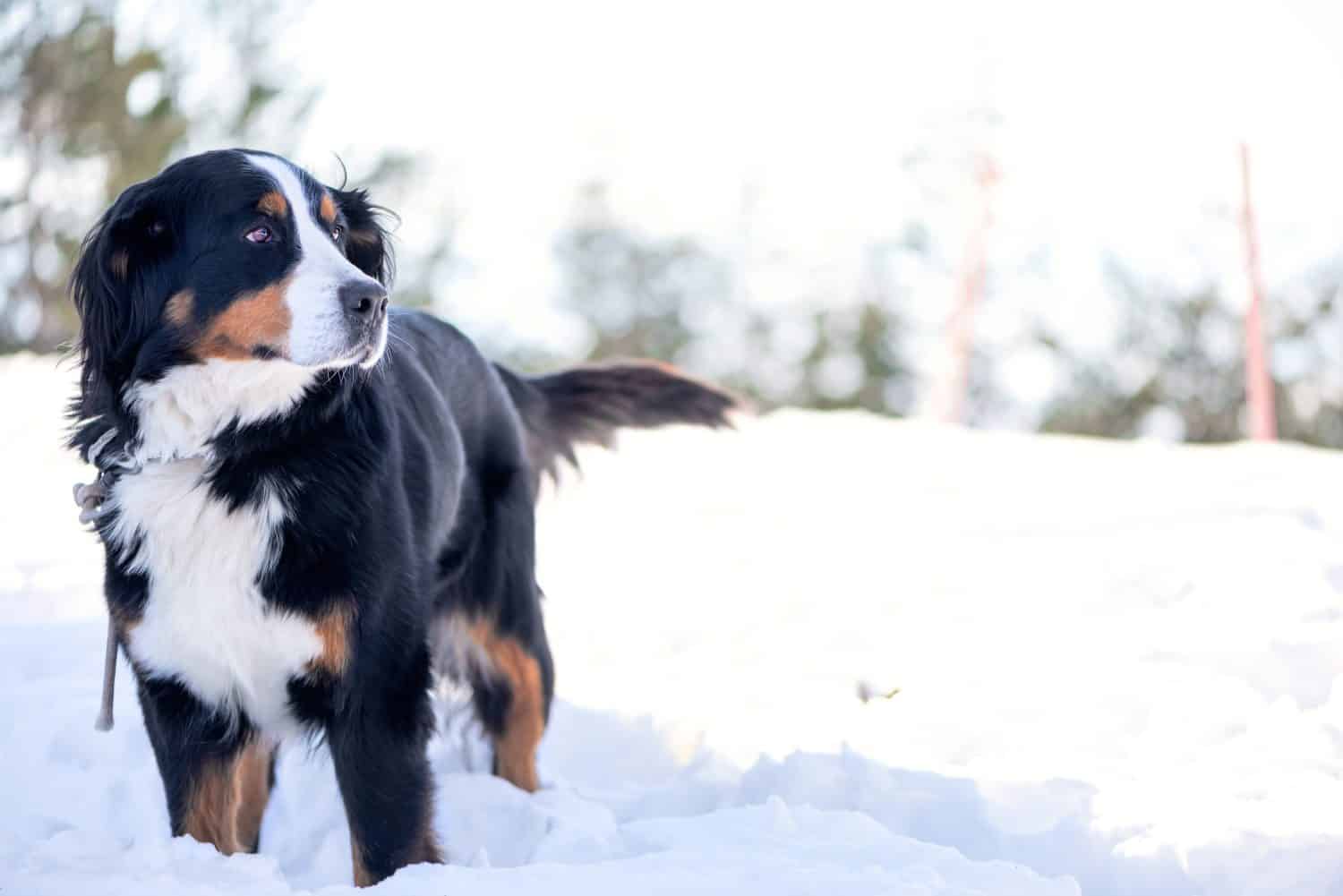
Bernese mountain dogs greatly prefer the snow to the heat.
©bbernard/Shutterstock.com
9: They Drool Heavily
Their fur isn’t the only way your Berner will likely make a mess. You’ll also find drool puddles around the house, especially where they sleep, eat, and drink. You might also need to wipe their face regularly to keep them clean.
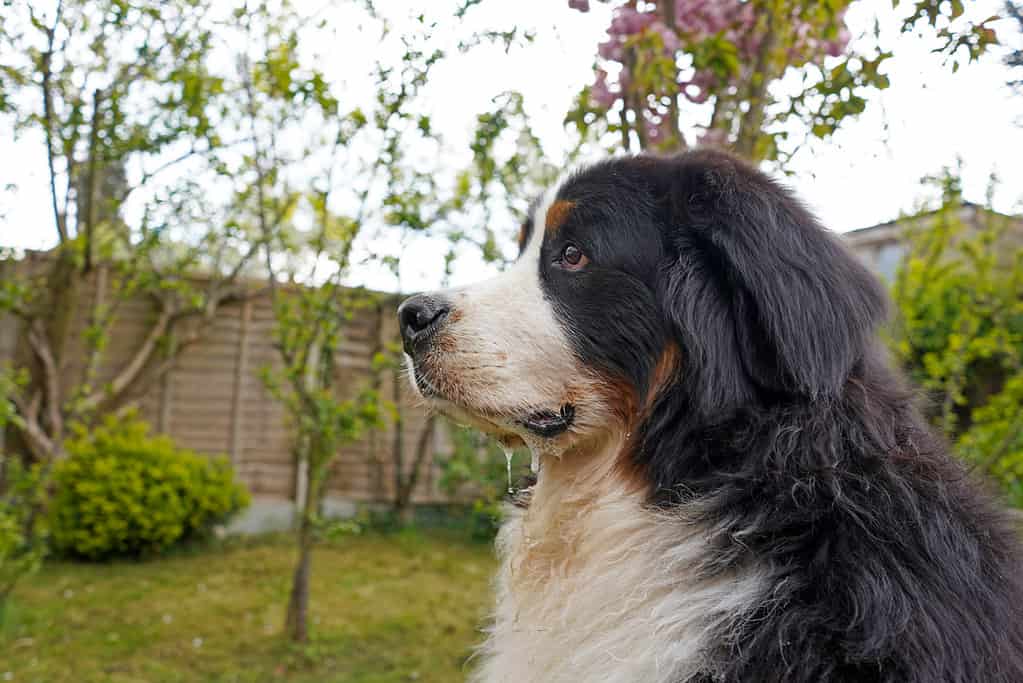
Bernese mountain dogs are heavy droolers.
©Kriste Sorokaite/iStock via Getty Images
10: They Are Clingy and Prone to Separation Anxiety
If you like a clingy pup, this is the breed for you. For those who grow aggravated at having a dog attached to their hip, Berners likely aren’t the right fit. They also aren’t good dogs for people who spend a lot of time out of the house, such as those who work full-time and don’t have family to care for their dog. Bernese mountain dogs are prone to separation anxiety, and they become highly anxious when left alone They do best in families with people working from home or retired people.
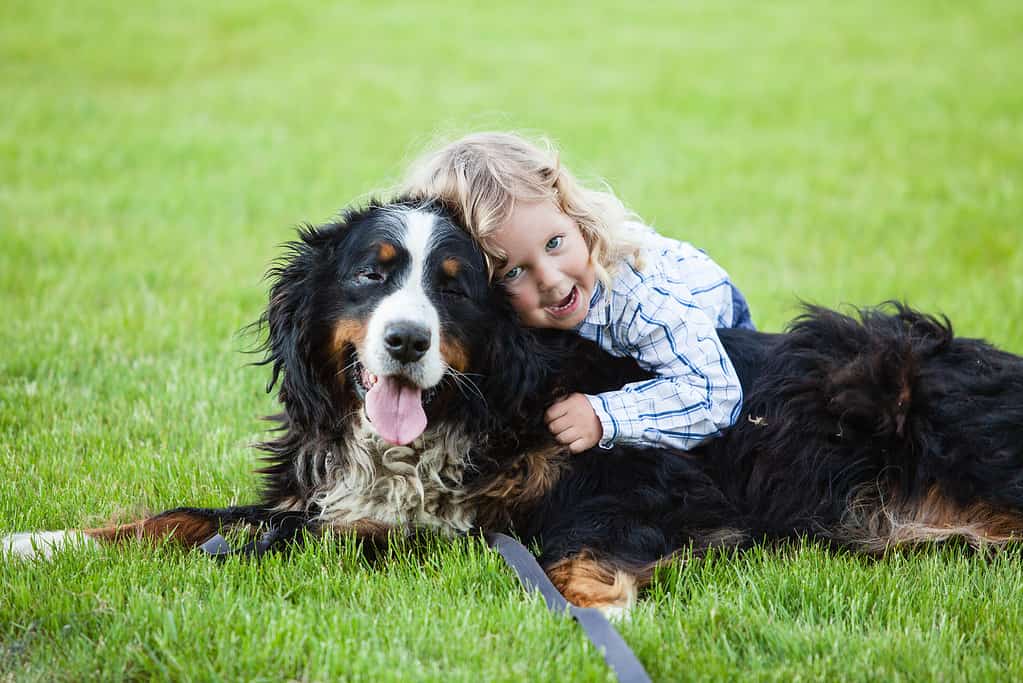
Berners tend to cling to their people.
©iStock.com/Murchundra
11: Bernese Mountain Dogs Are Sensitive
These dogs pick up on the moods of those around them and are very sensitive to any turmoil in the home. They’re also sensitive to harsh training methods and respond poorly. Keep their environment positive when possible. Have patience with your pup and always use positive reinforcement in your training methods.
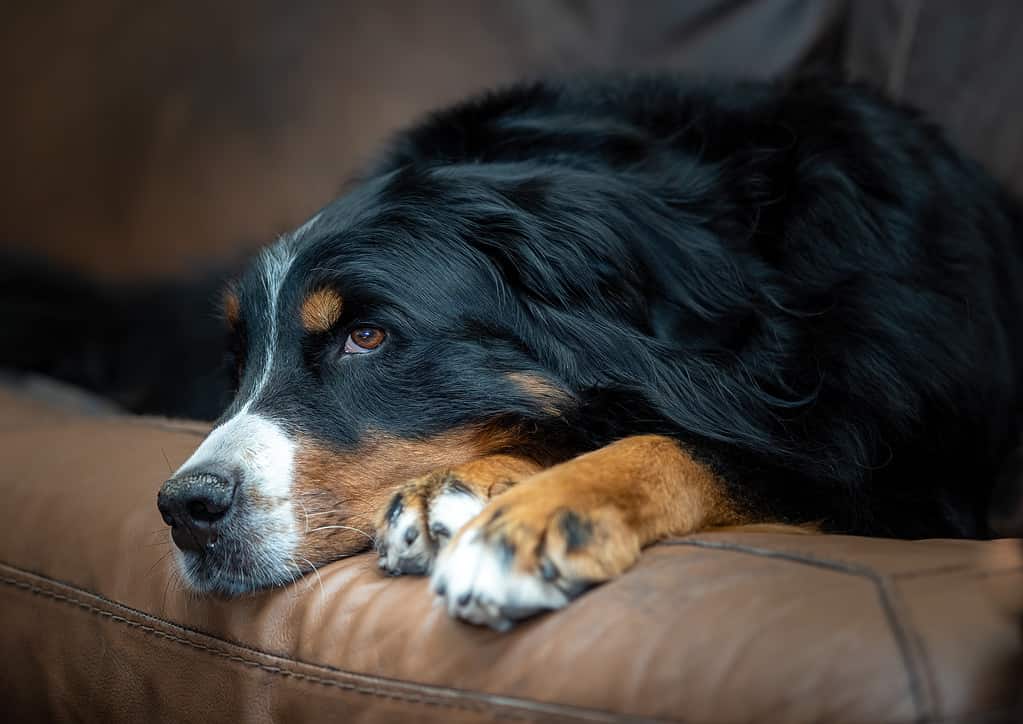
Bernese mountain dogs pick up on the moods of those around them.
©Matt_Collingwood/iStock via Getty Images
12: Some Are Overly Friendly
Some Bernese mountain dogs are shy with strangers, but it’s more likely that your well-bred Berner will be very friendly toward strangers. This can be overwhelming for some people and even other dogs. It will be a challenge to hold them back if they try to lunge on their leash to greet people who may not welcome the interaction. It can also be difficult for some introverts to have an incredibly social dog.
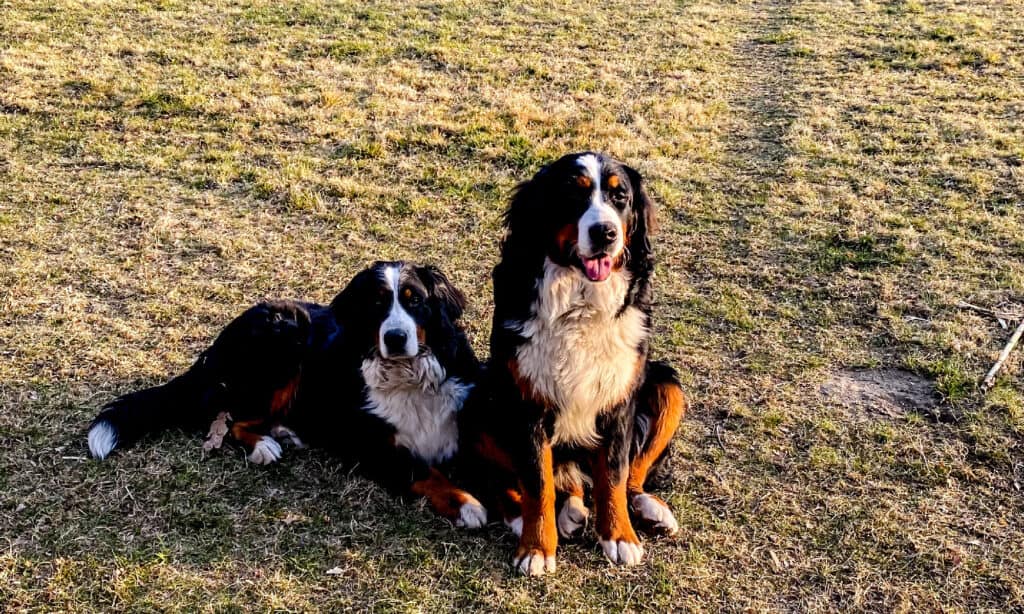
These friendly pups can be overwhelming at times.
©iStock.com/Marketa Vydrova
13: They Don’t Make Good Guard Dogs
In keeping with their inherently friendly and gentle temperaments, you shouldn’t expect an excellent guard dog when adopting a Bernese mountain dog. They are more likely to cover an intruder in affectionate licks. These dogs generally lack the drive to defend and are not natural protectors. However, they are good deterrents due to their size, making it unlikely that they’ll need to protect anyone. Most people aren’t going to mess with a 90+ pound dog.
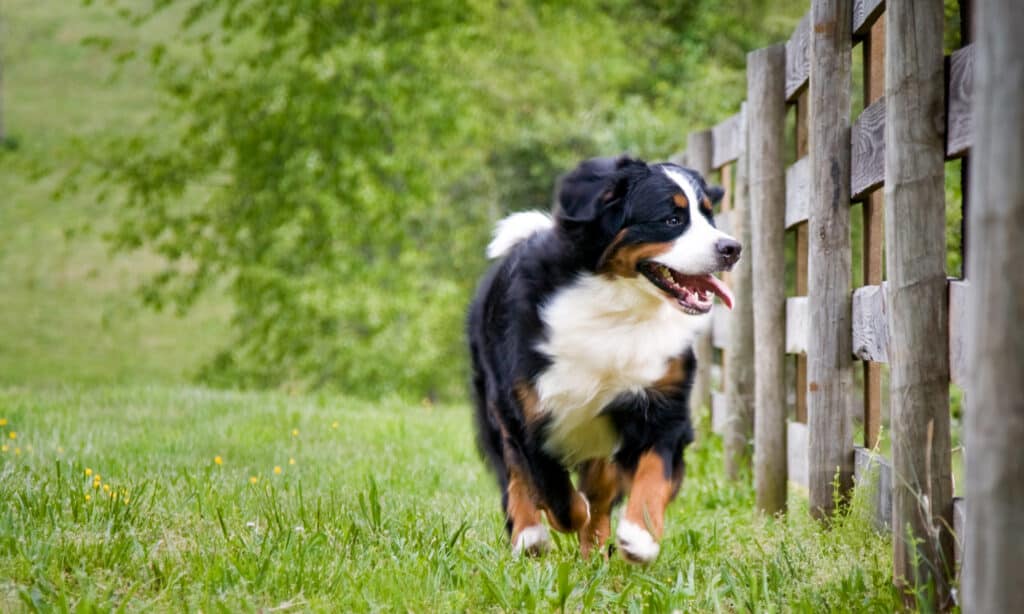
Your Bernese mountain dog is not a natural guardian.
©vahamrick/Shutterstock.com
14: They’re Prone to Genetic Health Problems
Lastly, Bernese mountain dogs are prone to a few genetic health problems. This is true of any breed, but Berners’ health problems tend to lead to a short lifespan.
Here are some common health problems you might see in your Bernese mountain dog:
- Neoplasia: As noted above, neoplasia is the leading cause of death in Bernese mountain dogs, manifesting as abnormal, uncontrolled cell growth forming cancerous tumors.
- Joint issues: The larger the dog, the higher their risk of joint problems such as hip dysplasia. In Bernese mountain dogs, the most common cause of death is neoplasia, accounting for the majority of deaths, while degenerative joint disease and other conditions such as kidney disease also contribute to health concerns in the breed.
- Bloat: Large breeds are some of the most at risk for bloat, also known as gastric dilatation-volvulus or GDV. This is a life-threatening condition, and it’s vital to know the signs so that you can get to an emergency vet quickly should it happen.
- Other health problems: Bernese mountain dogs are also prone to other health problems such as cataracts, hypothyroidism, heart disease, and allergies.

Bernese mountain dogs are predisposed to joint issues due to their large size.
©iStock.com/LightFieldStudios
Overall, Bernese mountain dogs are great for people who spend most of their time at home and want a large, friendly dog with a gentle nature. A Bernese mountain dog may not be the right fit for you if you want a non-shedding dog, prefer a dog with a longer lifespan, or you do not want the expense that comes with a large breed.
Some breeds you might enjoy more are small dogs like Maltese, long-lived dogs like Chihuahuas, or non-shedding dogs like Poodles. Please research your dog’s breed thoroughly before adopting them to ensure that you can care for all of their needs.