
Quick Take
- One common drug pairing can turn this medication from relief into a life-threatening danger.
- A simple vet test could decide whether your senior dog should take this drug at all.
- The first 72 hours matter more than you'd think. Do you know what to watch for?
- This once-human arthritis drug has a hidden danger sitting in your medicine cabinet.
Has your veterinarian prescribed Rimadyl® to your pup? Perhaps your dog is suffering from inflammatory arthritis or a recent soft tissue injury, leading your vet to prescribe this popular nonsteroidal anti-inflammatory drug (NSAID) to offer relief. NSAIDs treat inflammation and pain, and Rimadyl® is an NSAID used in animal medicine. The main ingredient in Rimadyl®, carprofen, was originally prescribed to humans for arthritis until the late 1990s, when it was repurposed for dogs. Rimadyl® is now the most common NSAID prescribed to manage inflammation in dogs.

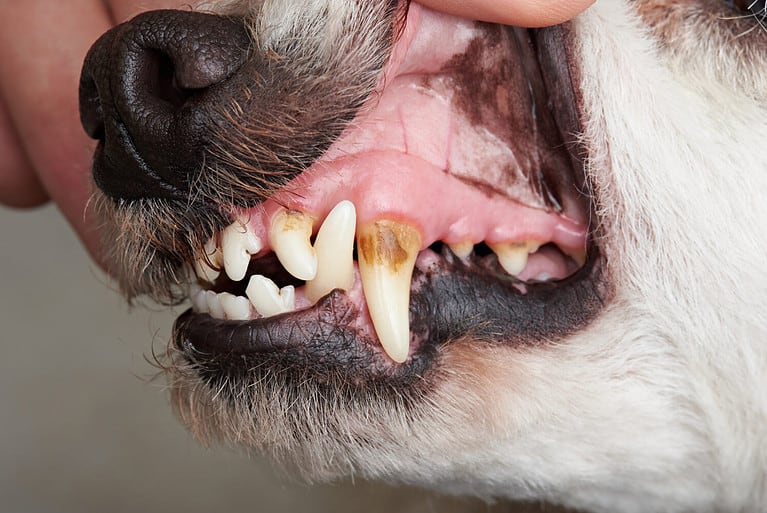
Rimadyl® is one of the most commonly prescribed veterinary medications.
©Liudmyla Guniavaia/Shutterstock.com
Is Rimadyl® Safe For Dogs?
Rimadyl® is safe for use in dogs when following a veterinarian’s advice and can offer your pup inflammation-fighting benefits as a safe way to combat painful inflammation, as long as you follow your vet’s dosing instructions.
Why Do Dogs Take Rimadyl®?
Rimadyl® is used to treat or manage a variety of inflammatory conditions, including:
- Osteoarthritis
- After surgery to manage inflammation and pain
- Soft tissue injuries of the skin, muscles, and tendons
- Inflammation from ear infections
- Inflammation from skin infections
- Injuries of the back and spine, only when steroids are not prescribed
- Managing a fever
Rimadyl® can be used to treat a variety of inflammatory issues in our canine friends. We suggest trusting your vet’s guidance if they think it is the right option for your dog.
How To Give Rimadyl® To Dogs

Rimadyl® is commonly used to manage painful arthritis in dogs.
©Jaromir Chalabala/Shutterstock.com
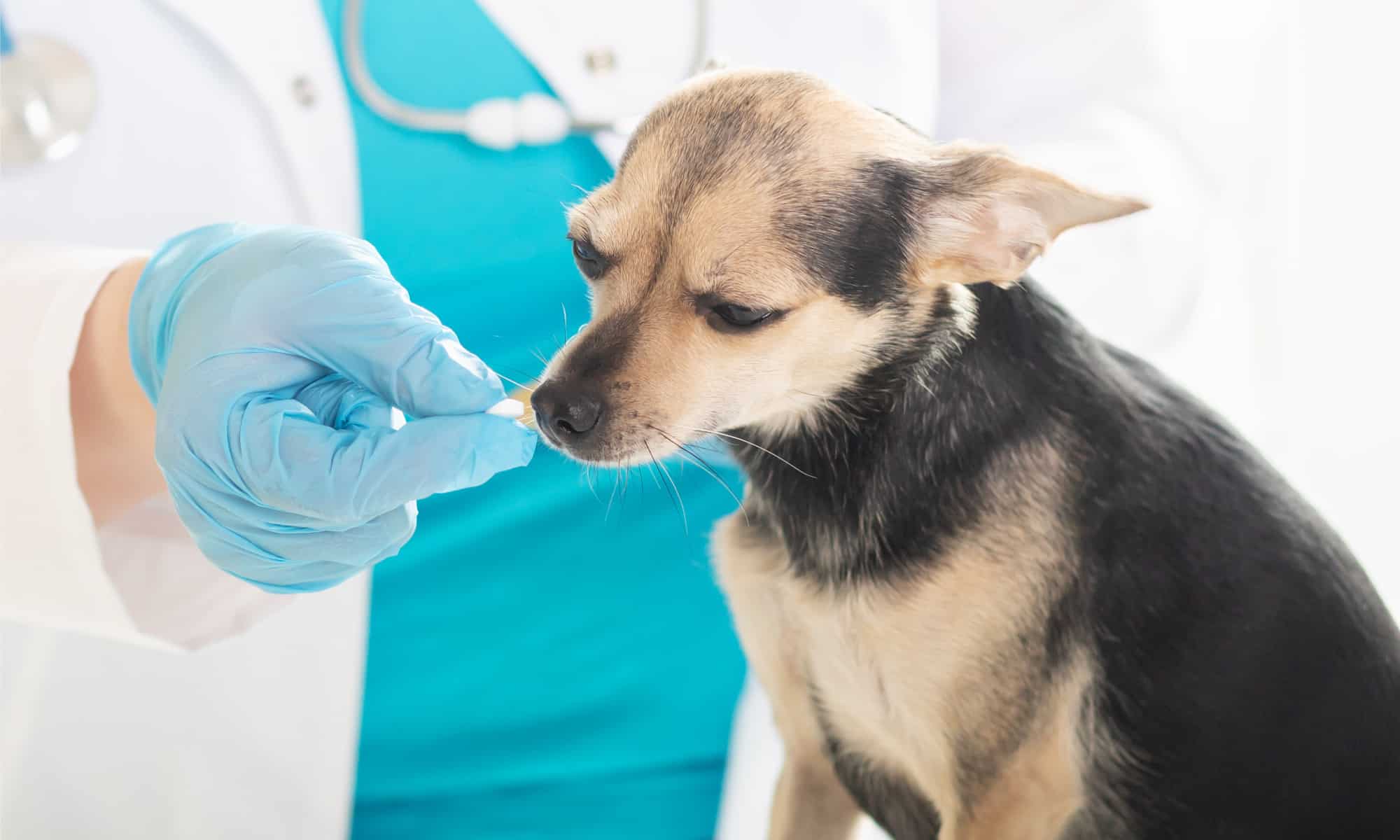
Rimadyl® can be prescribed for use in dogs in pill form, and although it can technically be given on an empty stomach, some dogs may experience nausea if they don’t have any food in their stomach. To reduce the risk of nausea or vomiting, give your dog their dose of Rimadyl® with a small meal.
What Is The Dose Of Rimadyl® In Dogs?
Never give your dog Rimadyl® unless a veterinarian has specifically prescribed it for them.
The common dose of Rimadyl® for dogs is 2 mg per pound of body weight. It is given once daily, or split into 1 mg per pound every 12 hours, and can be prescribed for a few days after surgery or for long-term use at the lowest effective dose. Rimadyl® dosing will vary based on the condition that is being treated, so it’s important to follow your vet’s guidance.
Does Rimadyl® Cause Any Side Effects In Dogs?
Rimadyl® is generally safe for dogs when following your vet’s guidance, but just like any other medication, it can cause some side effects. Some of the most common side effects with Rimadyl® use in dogs include:
- Diarrhea
- Vomiting
- Decreased appetite
- Lethargy
- Kidney & liver complications
Thankfully, most side effects associated with Rimadyl® use in dogs are mild, but it’s still best to be on the lookout for the side effects we listed above. We suggest reaching out to your vet if your dog develops any of these side effects, as they may be able to offer you guidance on how to relieve your dog’s symptoms.
Can Dogs Be Allergic To Rimadyl®?
Allergic reactions to Rimadyl® are incredibly rare in dogs, but not impossible. You will likely notice any signs of an allergic or adverse reaction to the medication within the first 72 hours of giving it to your dog, so it’s important to be on the lookout for any strange symptoms during that timeframe.
Some potential signs of an allergic or adverse reaction to Rimadyl® in dogs include:
- Skin irritation or redness
- Sudden lethargy
- Anorexia
- Black or tarry stool
- Changes in behavior like aggression or agitation
- Suddenly drinking large amounts of water
- Changes in urinary habits
Contact your vet immediately if you notice any of the above symptoms in your dog after starting Rimadyl®. Your veterinary team will be able to handle your dog’s reaction appropriately.

It’s important to keep any medications in a safe place that your dog cannot access. Consuming a large amount of Rimadyl® can lead to fatal health complications.
©gorillaimages/Shutterstock.com
The Potential Risks of Rimadyl® Use In Dogs
Rimadyl® is generally safe for use in dogs when following your vet’s guidance, but there are a few potential risks to be aware of with this popular NSAID.
The first risk associated with Rimadyl® use in dogs is the risk of exacerbating underlying kidney or liver disease. Rimadyl® can be difficult for the body to process if your dog has any kidney or liver dysfunction, which is why your vet will likely suggest blood tests for any senior dogs that need to take this medication. If your senior pup has a healthy liver and kidneys, then there likely won’t be any issues. However, your vet will probably recommend repeating these blood tests every six months if your dog needs to take Rimadyl® long-term.
Veterinarian Dr. Amy Nicole Lewis told A-Z Animals that your vet will likely perform blood tests to measure your dog’s kidney and liver function if they need to be on Rimadyl® for extended periods, especially for senior dogs. This will ensure that your dog does not have any underlying kidney or liver dysfunction before starting the medication. Doing so decreases the risk of kidney or liver decline.
Rimadyl® Overdose in Dogs
Another potential danger with Rimadyl® use in dogs is the serious health complications that come along with an accidental Rimadyl® overdose. Rimadyl® overdose can cause acute kidney and liver failure and gastrointestinal bleeding, often requiring hospitalization to save the dog’s life. Even if the dog recovers from their Rimadyl® overdose with veterinary care, some pups may have lasting organ damage. This is why it is so important to keep any prescribed medications in an area that your dog cannot access. Always contact your vet immediately if your dog has consumed more than their intended dose of Rimadyl®.
The last potential danger associated with Rimadyl® use in dogs is the complications that come along with mixing Rimadyl® with any form of steroid. Taking a steroid and an NSAID at the same time can cause gastrointestinal ulcerations and bleeding in dogs, and this can prove fatal for some dogs. While steroids are the main drug interaction to be aware of, it is always important to let your vet know what medications your dog is taking.
How Do I Get Rimadyl® For My Dog?
Rimadyl® is a powerful NSAID that must be prescribed by a veterinarian. It can be used to manage arthritis pain, soft tissue injuries, post-operative inflammation, and more. It is considered a relatively safe medication with minimal side effects. If you think your dog can benefit from the use of Rimadyl®, contact your vet for more information.