
Quick Take
- A genetic mutation detectable by DNA tests can turn routine medications into life-threatening ones for your dog, and most owners have no idea their pet carries it. Learn about drug sensitivities →
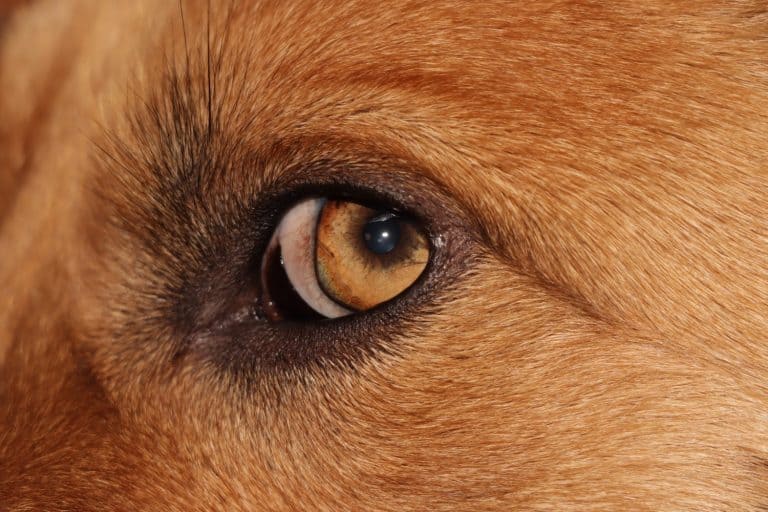
- Your rescue's breed label is probably wrong, and the truth about what they actually are should change how you raise them. Discover their true instincts →
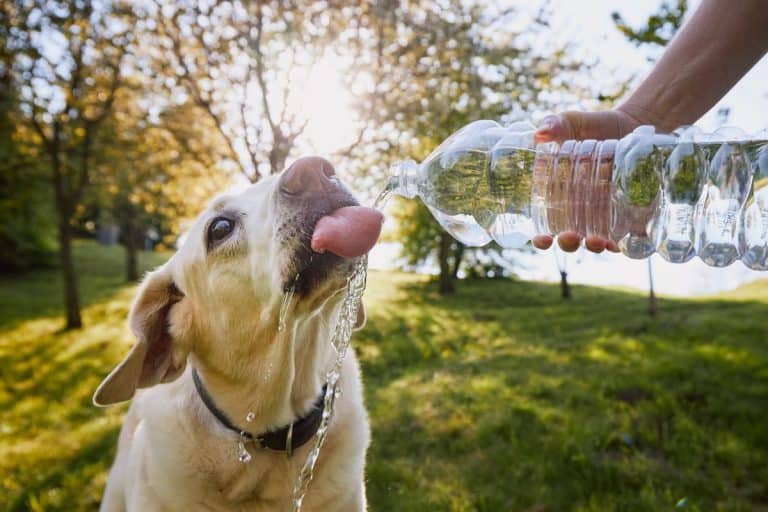
- The puppy you adopted expecting to stay small may be heading toward a size that rewrites your entire plan for them. Find out their adult size →
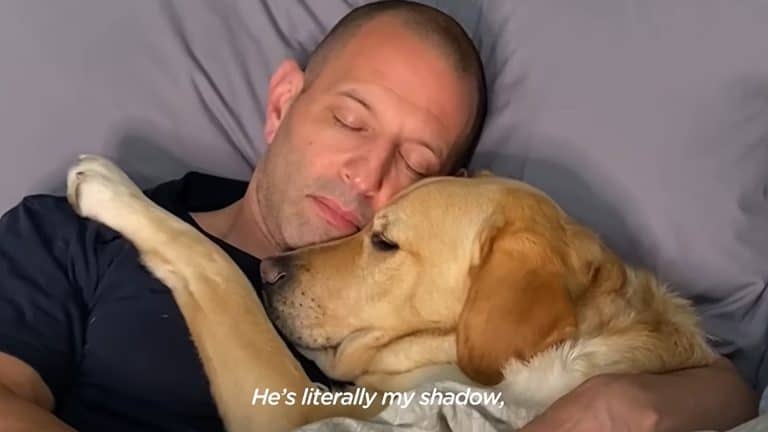
- Swabbing your dog's cheek might end up benefiting your own health, and not just theirs. See how dogs help humans →
Dog DNA tests are sometimes viewed as inconsequential or just for fun. However, did you know that using a dog DNA kit can help not only your own dog but other pups around the world? There are other reasons to buy a dog DNA kit that have nothing to do with your dog’s ancestry. In this article, we’ll discuss seven reasons to purchase a dog DNA test and what these tests can do for you and your dog.
#1: Learn Your Mixed-Breed Dog’s Ancestry
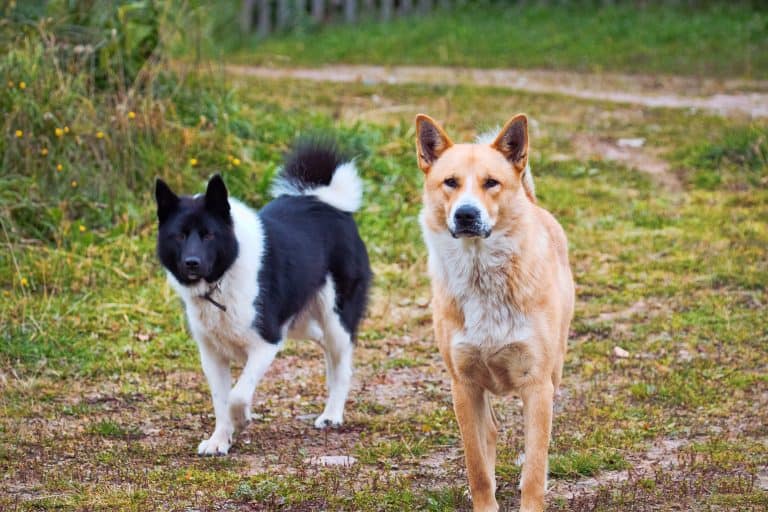
The top reason why people buy dog DNA tests is to find out their mixed breed dog’s ancestry. The most basic kits will offer this feature and little else. Typically, people buying these kits have a rescue and want to learn more about their dog’s heritage. Others buy puppies from backyard breeders and want to know if they’re truly purebred.
It may seem obvious what breed your dog is, but the results can surprise you, especially if they’re still a puppy. Some dogs look like a specific breed, only for their results to come back with a range of other breeds that their owners didn’t predict.
Dogs are often labeled as Labrador mixes, for instance, when they actually don’t have any Lab in them at all. Remember that shelters and rescues often don’t know a dog’s history. They can only take their best guess or go off of the information given to them by the dogs’ previous owners.

Curiosity about your dog’s heritage is the most common reason to purchase a dog DNA test.
©Ansleigh Tarrant/Shutterstock.com
#2: Get More Information About Your Dog’s Instincts
Learning your dog’s breed mix is exciting, but what this tells you about them is more important. Once you know the breeds that make up your dog’s DNA, you can research each breed to learn more about your dog’s traits and instincts.
For example, I purchased a DNA test for my senior dog and learned that he was 80% Labrador. However, he also had smaller amounts of German Shepherd and other herding breeds in his lineage. This explained his desire to herd, which I hadn’t expected when adopting a Lab. If I’d gotten the DNA test when he was a pup, I would’ve better known what to expect from him as he grew up.
When we know what our dog’s ancestors were bred for, we can better meet their needs. If they have a drive to herd, for instance, we can buy them herding balls and give them activities to fulfill that need. You can take your retriever swimming, make sure your sighthound has room to sprint, and play scent games with your hound. These might not be activities you think of if you’re trying to provide enrichment for an entirely different dog breed!
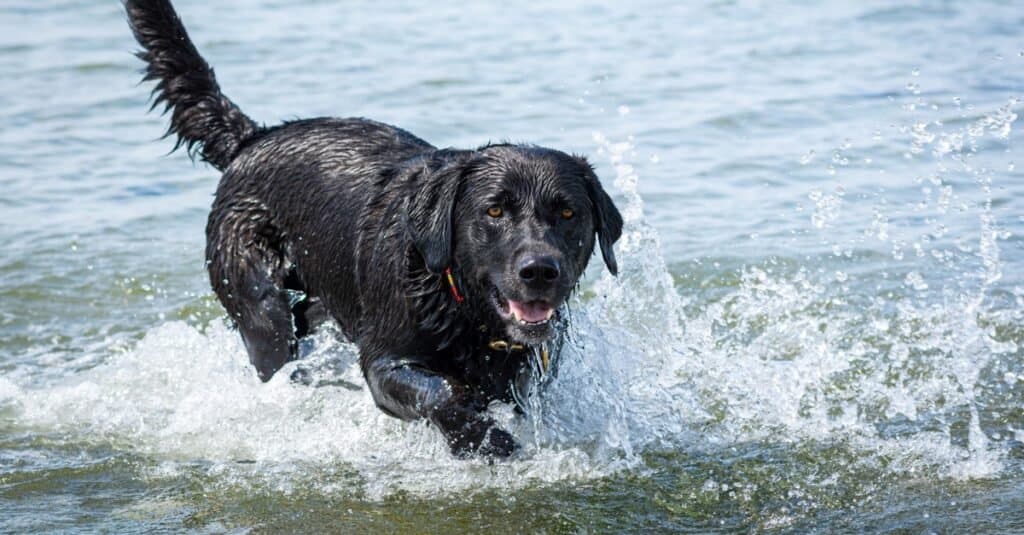
Knowing your dog’s genetics tells you more about their instincts and how to provide the right mental stimulation.
©Dan_Manila/Shutterstock.com
#3: Predict How Big Your Puppy Will Be
Many DNA tests will give you your dog’s estimated adult size. This is important for those who just adopted a puppy and for rescue groups trying to find puppies homes. So many people adopt puppies that they think will remain small, only for them to grow much bigger than expected! The dog that’s meant to be a 30-pound beagle may grow into a 75-pound English Foxhound. The miniature Poodle mix could end up being a standard Poodle mix instead.
Larger dogs aren’t any less lovable, but they do tend to be more expensive and sometimes more difficult to handle. Leash training becomes more vital, as do manners like not jumping on people. Knowing how big your dog will grow allows you to plan ahead. You won’t have to repurchase expensive items that you thought would last their entire life, like their crate.

DNA tests can give you an estimate of how big your puppy will be once fully grown.
©Kseniia Grigoreva/Shutterstock.com
#4: Find Out More About Their Health
Most test kits will allow you to pay extra to receive information on your dog’s health. They tell you which illnesses your dog may be prone to based on their genes. If your dog is predisposed to something, you can bring it up with your veterinarian, learn about the disease, and take precautions. DNA tests aren’t meant to diagnose a dog with any ailment nor to act as genetic health tests for breeding.
Instead, they just give us more information as dog guardians. Your dog may have genes that predispose them to a disease that they’ll never actually develop, so you shouldn’t panic if you get scary results back. Think of it as arming yourself and your vet with a little extra information to potentially help your dog in the future.
In addition, DNA tests can screen for the MDR1 mutation, which can cause drug sensitivities. Knowing that your dog has this mutation can save their life. You’ll be able to avoid drugs that are normally safe but can cause life-threatening side effects for them.
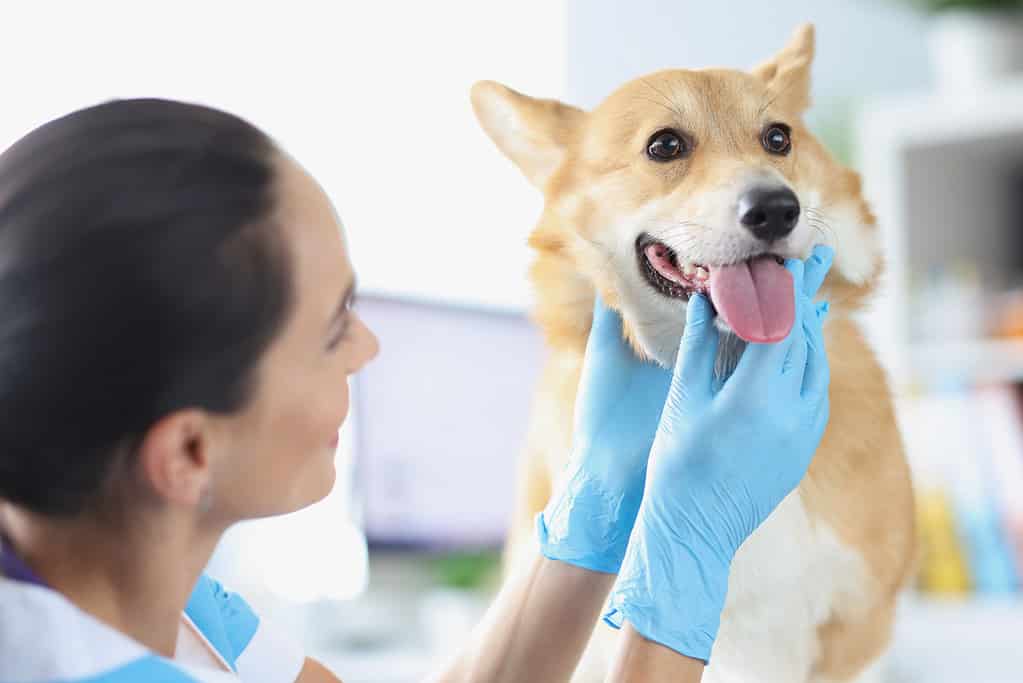
One of the most important reasons to get a dog DNA test is to learn more about your dog’s health.
©megaflopp/iStock via Getty Images
#5: Learn How DNA Influences Your Dog’s Traits
Some DNA kits provide information about your dog’s traits based on their genetics. They can tell you what your dog will likely look and act like. Not all of this information is useful. After all, you probably already know what your dog’s coat is like. However, in some breeds, such as poodles, their colors can change drastically from puppyhood to adulthood. Plus, you might not know all of the genes that make their coat what it is. This information can be fascinating.
If your dog is a mix of golden retriever and cocker spaniel, you can predict that your mixed breed pup will be active and is likely to be good with children and other dogs. However, if your dog has Chow Chow in its ancestry, then you’ll know that your pup, while it may be affectionate with its family, might not be good with strangers or other dogs. This can help you be proactive and identify specific types of training to mitigate this behavior.

Another reason to buy a DNA test is to learn more about the genes that cause your dog’s physical traits.
©Sue Thatcher/Shutterstock.com
#6: Reconnect With Your Dog’s Canine Family
If your dog’s relatives were DNA tested with the same company, you’ll be able to see and learn about them. Some people even end up meeting to let their dogs and their siblings or parents reunite.
This can be heartwarming, but remember to take the same precautions as you would when introducing your dog to any other pup. It’s always possible that the dogs will not remember one another, and they may be wary of unfamiliar dogs.
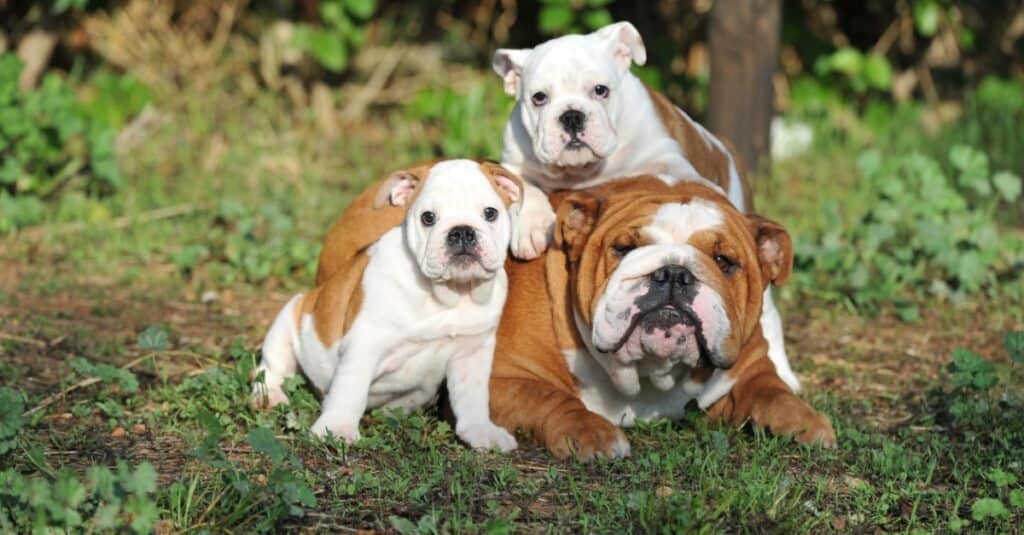
You may find your dog’s siblings or other relatives who have also had their DNA sent in.
©iStock.com/marcelinopozo
#7: Contribute to Canine Health Research
Your dog’s DNA and your responses to surveys help contribute to the medical research that some of these DNA testing companies are doing. For instance, Embark is currently studying canine cancer and dilated cardiomyopathy. They’ve also discovered a genetic variant in the EPS8L2 gene causing early-onset adult deafness in Rhodesian Ridgebacks.
Wisdom Panel also contributes to numerous studies, one of which might even help us understand more about human health. In partnership with the University of Cambridge, they’ve helped discover the cause of a novel form of inherited blindness in English shepherd dogs. Advances in canine medicine impact every dog guardian because we all want the best for our furry friends and their health. It’s possible that they’ll even benefit our own health down the line.

Dog DNA testing companies also contribute to important canine health research.
©Mongkolchon Akesin/Shutterstock.com