The Beavertail Prickly Pear cactus goes by many names. This unique cactus belongs to the genus Opuntia. Within this genus are over 50 different types of prickly pear cacti with large showy flowers and delicious vibrant fruit. Not only are these stunning native plants great in the wild, but they are commonly grown in the southwestern United States. They thrive in hot and dry conditions. Are you ready to dive into how to take care of a Beavertail Prickly Pear plant? Follow along to learn more!
What is a Beavertail Prickly Pear?
The beavertail prickly pear cactus has many names, including the beavertail cactus. Its scientific name is Opuntia basilaris. This large wide-spreading shrub is native to the Mojave, Anza-Borrego, and Colorado Deserts. However, they are also found in the Grand Canyon, Colorado River region, southern Utah, western Arizona, and Nevada. This plant loves dryness and heat, which is why it’s mainly found in large open spaces with little to no shade.
These cacti are small to medium-sized and reach about 15.7 inches tall. However, when grown in containers, they are a lot smaller and sometimes stop growing at 2.8 inches tall. They are best known for their fragrant and showy bright pink flowers. The flowers are large, like the pads. One plant can easily have hundreds of pads. The pads vary in color depending on the variety but are usually blue-grey or green. This cactus is spineless but is covered in glochids, small barbed bristles, that can prick the skin.
Although experts are still debating over how many varieties of this plant exist, four are generally accepted: the little beavertail prickly pear, Heil’s beavertail, Grand Canyon beavertail prickly pear, and Trelease’s beavertail prickly pear. Interestingly, some scientists consider Trelease’s beavertail prickly pear a separate species because it contains both bristles and spines.
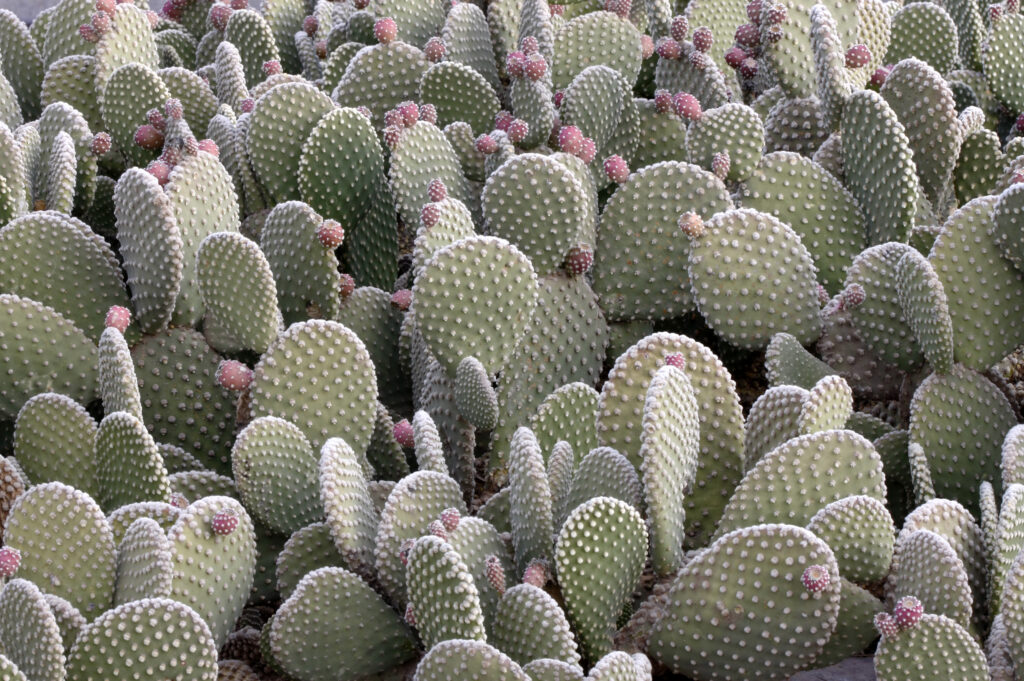
Beavertail Prickly Pear cacti are small to medium-sized cacti that thrive in dry desert regions. They produce large and vibrant flowers.
©Steve Bower/Shutterstock.com
The Colors of a Beavertail Prickly Pear Cactus
The colors of this plant barely differ. For example, the pads are grey, blue, or green. The shade, however, depends on the plant’s environment, including how much sun and water it gets. The flowers are typically magenta or rose. This plant also produces tiny and edible red or purple fruits with lighter insides.
When will my Beavertail Prickly Pear Cactus Bloom?
It’s an exciting time when beavertail cacti bloom! These large flowers attract many pollinators and are a great welcoming sight to any front or backyard. Beavertail cacti flowers bloom during spring and summer. The flowering season specifically runs from March to June. It’s common for one plant to have multiple flowers blooming at once. The fruit developed from the large and stunning flowers also attracts many types of birds.

The beavertail cactus produces beautiful and large bright pink flowers from May to June.
©Danita Delimont/Shutterstock.com
How to Care for Beavertail Prickly Pears
There are so many benefits from growing beavertail cacti. For example, these plants have many uses. The fruits are highly nutritious and edible. You can also eat the pads after taking out the spines or sharp points. This is typically called nopal.
Apart from its edibleness, this plant is also quite a looker! It’s great if you have a cactus garden at home or want to attract pollinators. The beavertail cactus is unique but surprisingly, easy to take care of. This plant is low-maintenance and requires little extra. Keep reading to learn how to grow and care for your very own beavertail cactus.
Light
This lovely cactus requires full sun, however, it can grow in partial shade as long as it receives about 8 hours of direct light. If you are growing this plant outside, it best thrives in USDA plant hardiness zones 8 and above. It’s okay if you live in a colder climate. Although this plant isn’t winter or frost-friendly, you can plant it in a well-draining container and bring it indoors during cold spells.
Water
Sunlight is only a part of what the beavertail prickly pear cactus needs. This plant is drought-tolerant but still requires watering. However, you should only water your plant scaringly, about 1 to 2 times during hot summers. This plant doesn’t need a lot of water. Instead, it suffers when overwatered, leading to root rot and other problems like fungal infections. The only time you should water your beavertail cactus frequently is when it is first growing. Before it reaches maturity, this plant needs a lot of nutrients and energy to grow.
Soil
Like other prickly pear cacti, this plant needs succulent-friendly sandy or rocky soil with good drainage. If the soil is too heavy with poor drainage, the roots can suffocate and rot. In some parts of the southwest U.S., the soil is already perfect for beavertail cacti. However, if you are growing this plant in a container or a raised garden bed, you’ll need fresh soil. Never recycle old soil, although this may save you some time or money if there is a disease, it can transfer to your new plant. Instead, purchase a succulent or cactus-friendly soil or make your own with sand, soil, pebbles, and organic material.
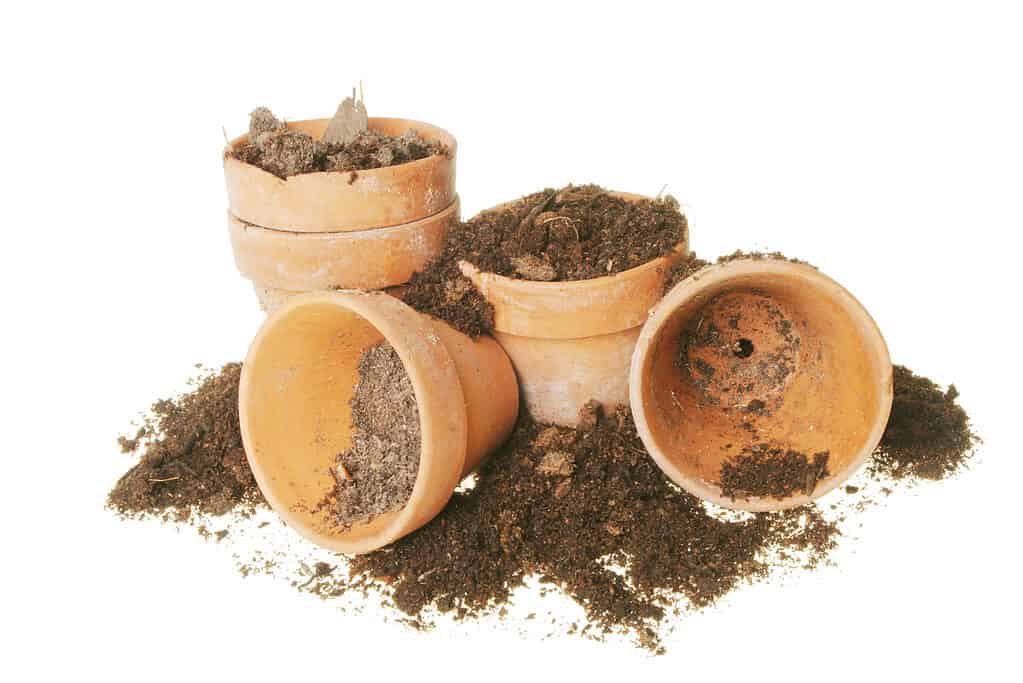
Beavertail prickly pear cacti need sandy or rocky well-draining soil.
©iStock.com/Griffin24
Nutrients
The nutrients your beavertail prickly pear cactus needs are in the soil and water you provide the plant. Although you can add fertilizer if you’ve noticed your cactus growing slowly, it’s usually not necessary. If you use a fertilizer, find one that is made for dry-loving cacti. Fertilize during spring or summer in the plant’s growing period. Fertilizing in the winter can confuse your plant and mess with its flowering season.

Beavertail cacti rarely need fertilizer.
©Jared Quentin/Shutterstock.com
Container/Pot
Although this plant grows taller and wider in the ground, you can plant beavertail cacti in containers. But not all containers are made the same. Some containers don’t have drainage holes, which trap excess water leading to root rot. Use a thick pot or gardening container that can withstand the sun. Thin plastic breaks down easily. Also, some containers are made with a small built-in water collecting tray. This tray is designed to help you lower the amount of water you use on your plants. However, it lets the soil sit in water, absorbing it. Beavertail cacti don’t like to feel wet or soaked.
Diseases, Pests, and Common Problems
Beavertail cacti are hardy flowering plants. They rarely suffer from infestations or infections. However, once in a while, your plant can get infested with mealybugs. These tiny pests can infest and live throughout your plant, including in the soil near the roots, sucking the nutrient out. These pests can be hard to get rid of since they are tiny and swarm in large numbers. Although you can use contact insecticides, you run the risk of harming your plant or drying it out with harsh chemicals. You can also pick and swab the mealybugs one by one, but this doesn’t prevent more from coming back. A high-pressure water spray can also effectively get rid of mealy bugs in tough corners, but, doesn’t prevent them from infesting the plant again.
The cold can also affect your plant. Although beavertail cacti can live in conditions as cold as 5℉, snow and negative temperatures can cause frost damage. Typically, frost damage manifests as rotting spots on a cactus that are wet. Most of the damage is internal and you won’t see it until the next day. If the section is small, you can cut the affected part before it spreads and kills the plant.
How to Propagate Beavertail Prickly Pear Cacti
Propagating a beavertail prickly pear cactus is similar to how you would propagate any other prickly pear plant. You need to begin by carefully holding the pad with strong and thick gloves. This way, the spines don’t prick your fingers or fall off. With tongs, hold and pull the pad in place. You can also use your hands with gloves, but you may not have a tight enough grip. With a sterile knife, cut the pad at the base where it connects to other pads or the plant’s stem. We recommend taking more than one cutting, but sterilize your knife/cutting tool in between each slice. This way, you don’t accidentally spread diseases.
Once you have your cuttings, lay them in a dry, but open space for the ends to heal and form a callus. This healed spot is where the plant will root. If you have some, take a small amount of rooting hormone and rub it on the dried callus. In a short container, place the pad so it’s sitting upright. Too deep and it may not root. Water the plant well and continue watering it every 2 to 3 weeks until it roots. Keep it in a warm and sunny spot. Transplant if necessary once it grows.