
Quick Take
- Spider plants are sold as nearly indestructible low-light plants, yet one common placement mistake is quietly stunting yours. See the lighting truth →
- Most plant owners water on a schedule, and that habit may be doing more harm than good. Drop the watering schedule →
- A spider plant can outlive your pet, your car, and maybe even you, provided you know one propagation trick. Learn the propagation trick →
- The pot you choose matters more than most care guides admit, and the wrong size works against you in a non-obvious way. Find the right pot size →
Spider plants are known for their easy care and striped foliage. They are pet-safe and are great for first-time plant owners. If you’re new to keeping these leafy plants, you might wonder, how long do spider plants live? In this article, we’ll discuss how long these plants typically live and 12 tips to extend your spider plant’s lifespan.
What Are Spider Plants?
Chlorophytum comosum, also known as spider plants, are native to tropical and subtropical Africa. These plants can grow 2 to 2.5 feet wide and 2-3 feet long. They can have solid green leaves or leaves with yellow or white vertical stripes. A healthy spider plant can live an average of around 20 years with proper care, but some sources have reported that some varieties can live 50 years or more.
Spider plants are incredibly hardy and can survive even when neglected. Their thick, fleshy roots allow them to thrive even with irregular watering. Studies have shown that spider plants can also remove chemicals from the air of homes and offices, including formaldehyde, benzene, xylene, and carbon monoxide. Read on for tips on how to keep your spider plant healthy.
#1: Keep Them Out of Freezing Temperatures
Spider plants prefer temperatures between 65° to 75°F during the day and 50° to 55°F at night. Extended periods in cold weather may weaken or kill your plant. You’ll also want to ensure the temperatures don’t fluctuate greatly, as this can cause stress to the plant. You most likely won’t need to worry about the temperatures in your home, as these plants tend to be comfortable at the same temperatures we are. You probably won’t be able to keep your spider plant outdoors year-round.
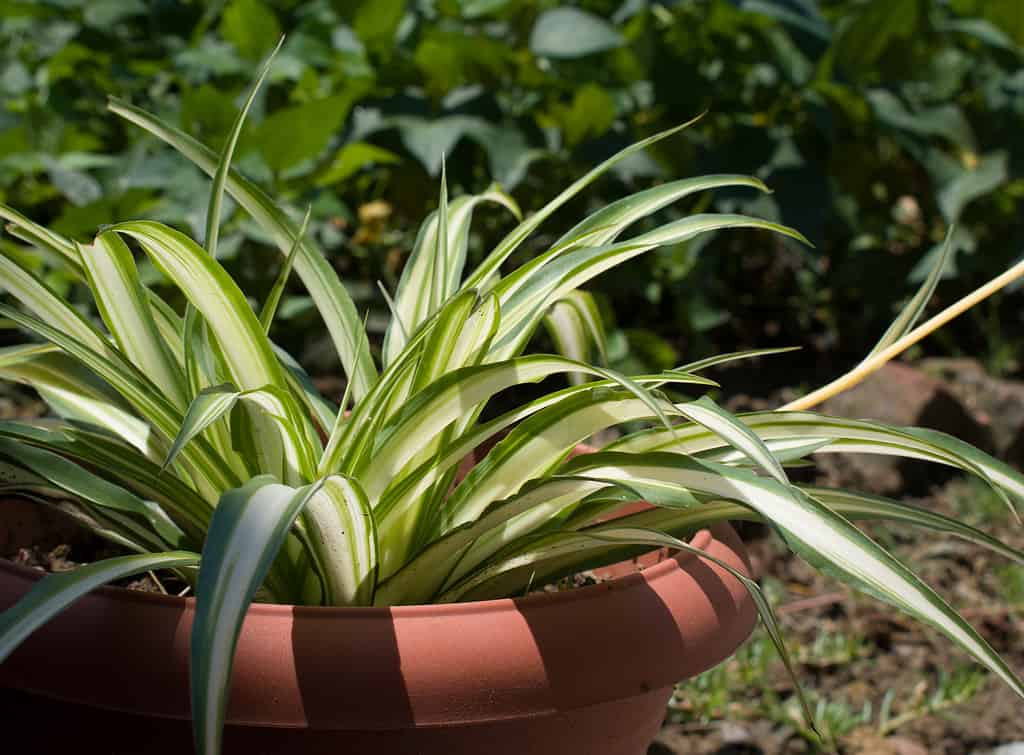
Only keep your spider plant outdoors when temperatures are above 60°F.
©Navaashay rawat/iStock via Getty Images
#2: Replant Them in Well-Draining Soil
When you bring your spider plant home from a big chain store, it’s typically best to re-pot it. Growing conditions were likely different at the greenhouses where your plant was first grown than they’ll be inside your home. Many companies use poor-quality soil, such as peat moss mixes that compact over time. This type of soil won’t allow the drainage your spider plant needs. There are a variety of soil mixes you can use for your spider plant, but a general-purpose potting soil works well. These plants grow rapidly, and the roots frequently become crowded, so they need regular re-potting for the best results.
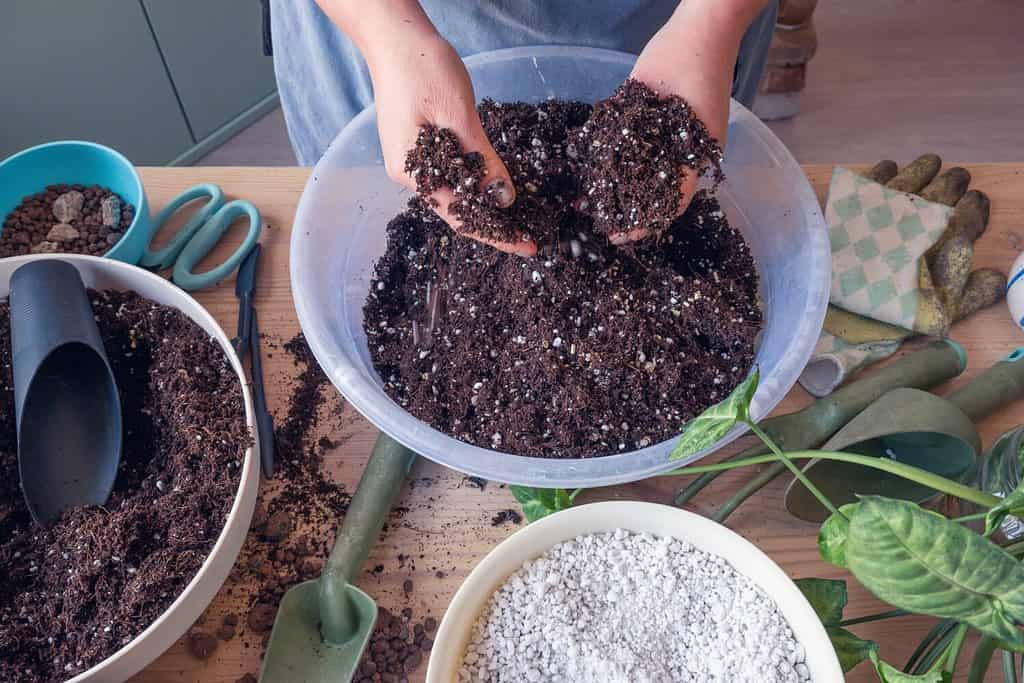
Spider plants do well in a general-purpose potting soil.
©Cem Selvi/Shutterstock.com
#3: Choose the Right Pot
You want a pot around the size of your plant’s nursery pot or a size up if it’s already root-bound. Any bigger, and you risk the soil remaining too moist, creating optimal conditions for root rot. Terra cotta holds the least moisture, while ceramic pots contain more water. Spider plants tend to do best in pots made from porous materials, but you can plant them in just about anything if you modify your watering accordingly. Make sure your pot has a drainage hole at the bottom. This will allow excess water to drain out instead of puddling inside the pot, which can drown your spider plant.
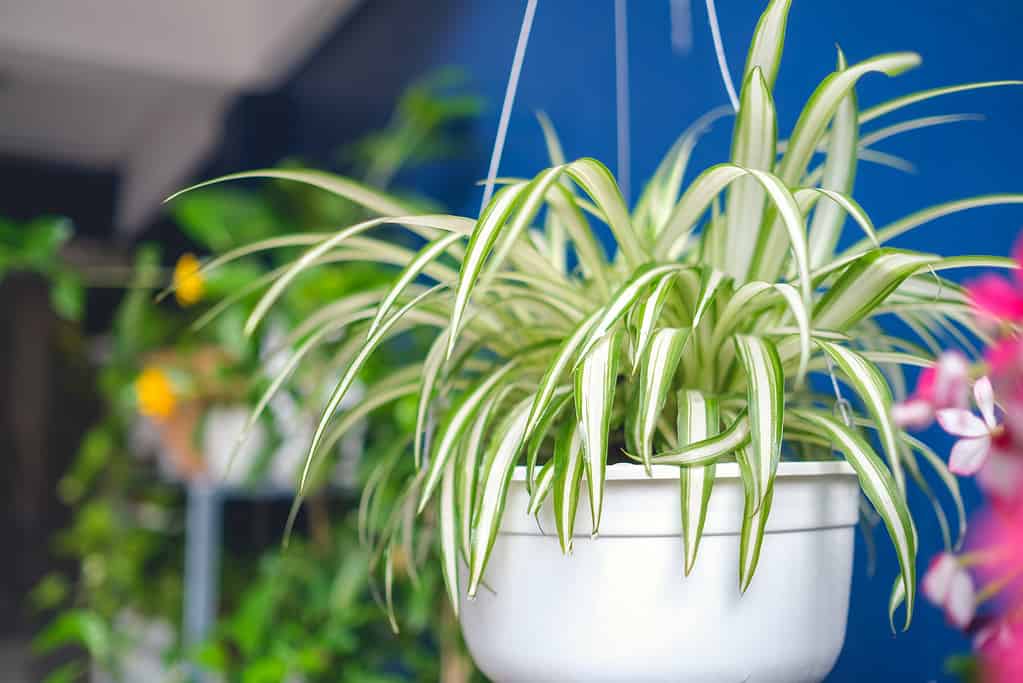
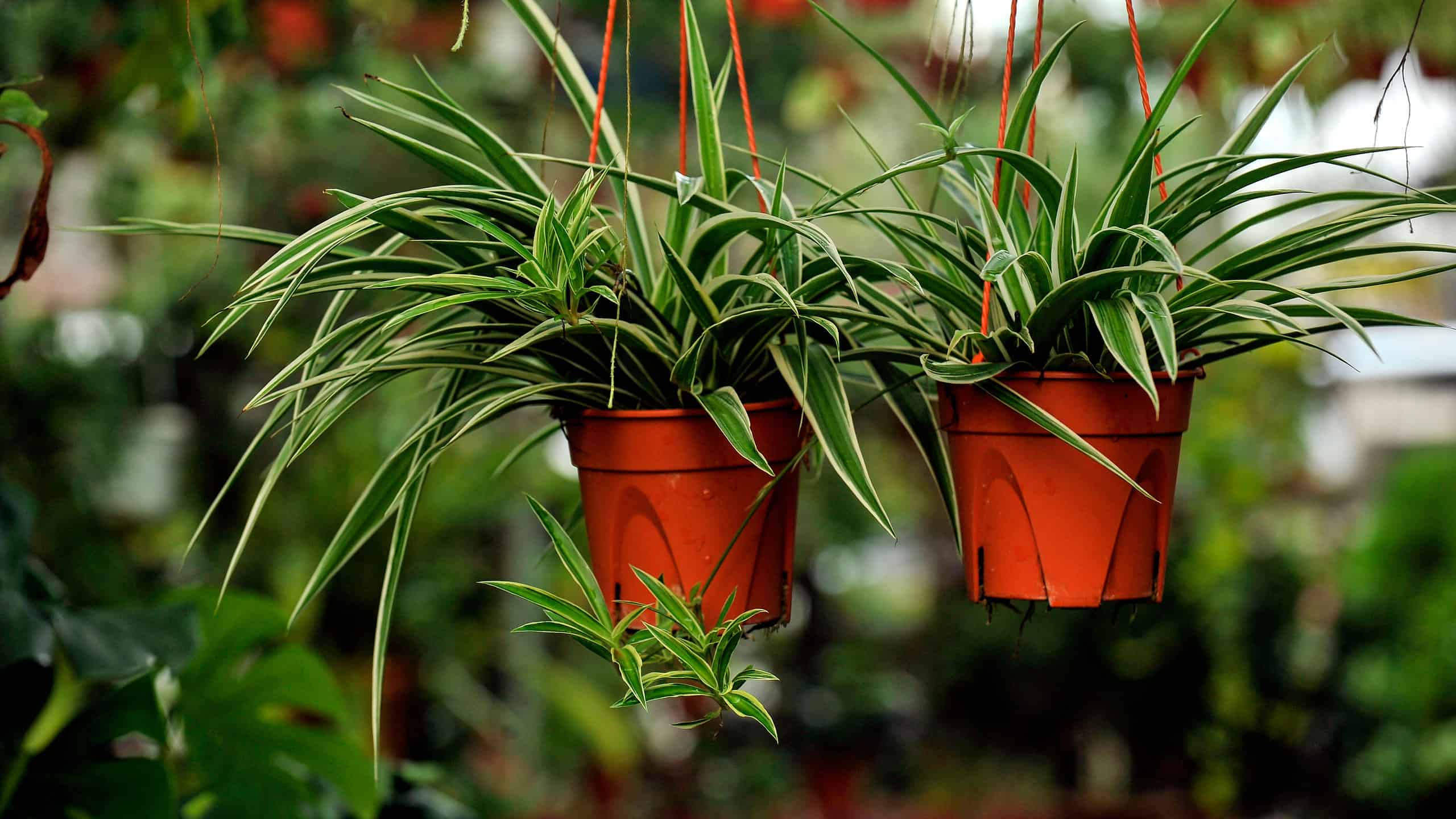
Hanging pots are an excellent choice for spider plants.
©yaoinlove/ via Getty Images
#4: Water Your Spider Plant Deeply and Infrequently
Many people make the mistake of watering their spider plants shallowly, with just a bit of water at a time. Instead, you want to continue watering until water leaks from the drainage hole. Let your plant dry out completely before watering again. This mimics nature, where your spider plant would get an occasional deep rain followed by a period of drought. Opt for distilled water or rainwater if your tap water features a fluoride treatment.
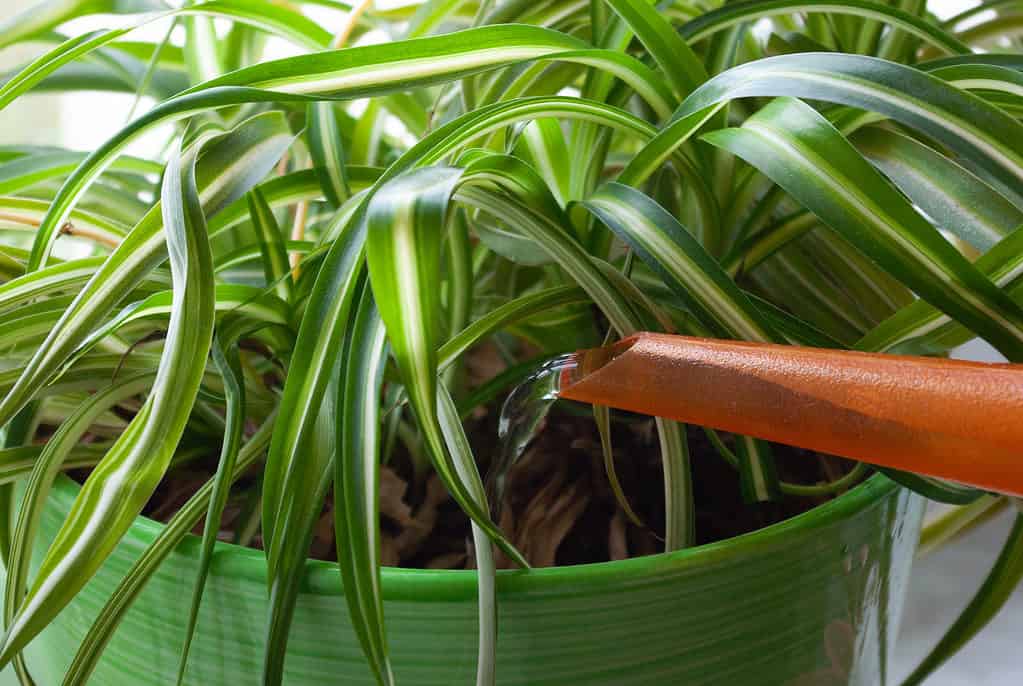
Spider plants like their soil to dry completely between watering.
©iStock.com/Simplylesia
#5: Don’t Keep a Watering Schedule
Another common watering mistake is keeping a strict watering schedule. This doesn’t tend to work because the amount of water your spider plant needs will depend on several factors, including lighting, pot and soil types, and even the time of year. It’s better to have a schedule where you check for signs of thirst. In spider plants, these signs include drooping leaves and turning a slightly lighter shade of green.
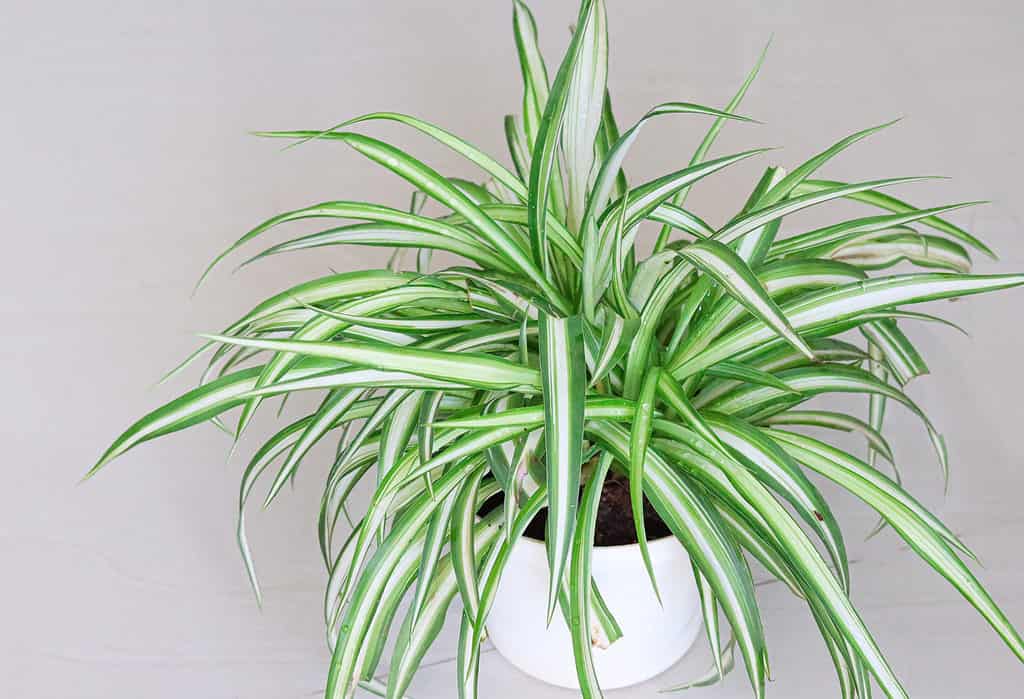
Always check your plant for signs of thirst before watering, and don’t water if the soil is still wet.
©Coplay/Shutterstock.com
#6: Spider Plants Thrive in Medium to Bright Lighting Conditions
Though they’re often advertised as low-light plants, spider plants prefer medium to bright, indirect light. Full sunlight can burn your plant, and too little light can slow its growth. If you want your spider plant to be as healthy as possible, it’s best to move it to a brighter location.
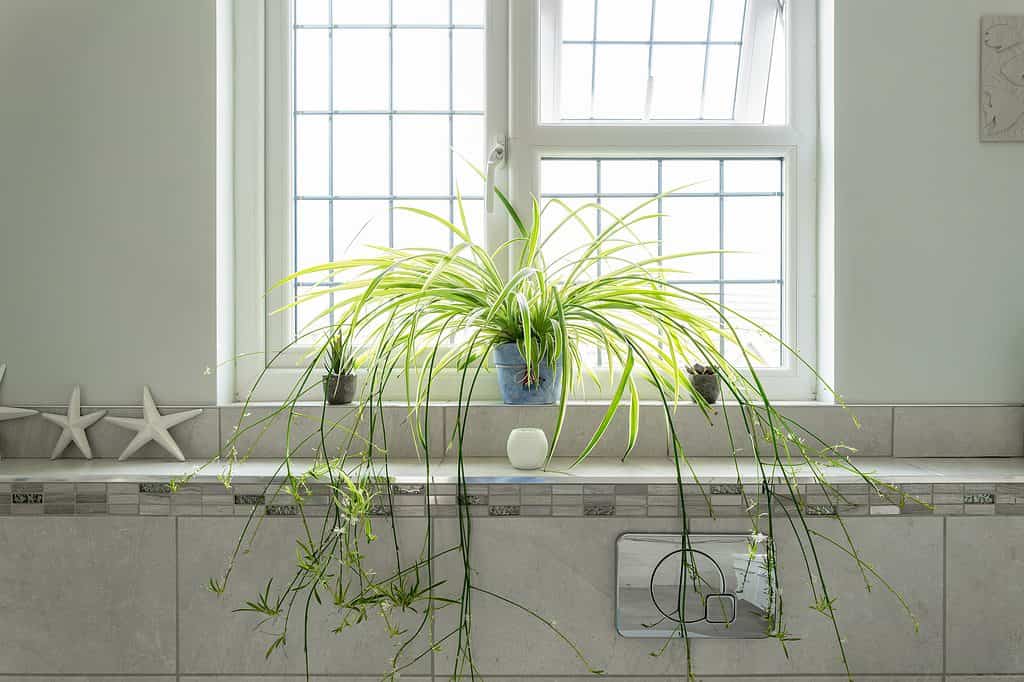
Spider plants grow best in medium to bright, indirect light.
©Nick Beer/Shutterstock.com
#7: Bring It Outside in the Summer
Keeping your spider plant outside in the shade during the summer months can help it grow larger, especially if you don’t have a lot of light in your home., this can help it stay healthier than it would indoors. Of course, the outdoors has some risks! Never move a plant from dull to bright lighting overnight, as this can burn the leaves. Check for pests before bringing your plant back inside, and do not leave it outdoors once temperatures drop below 50°F at night.
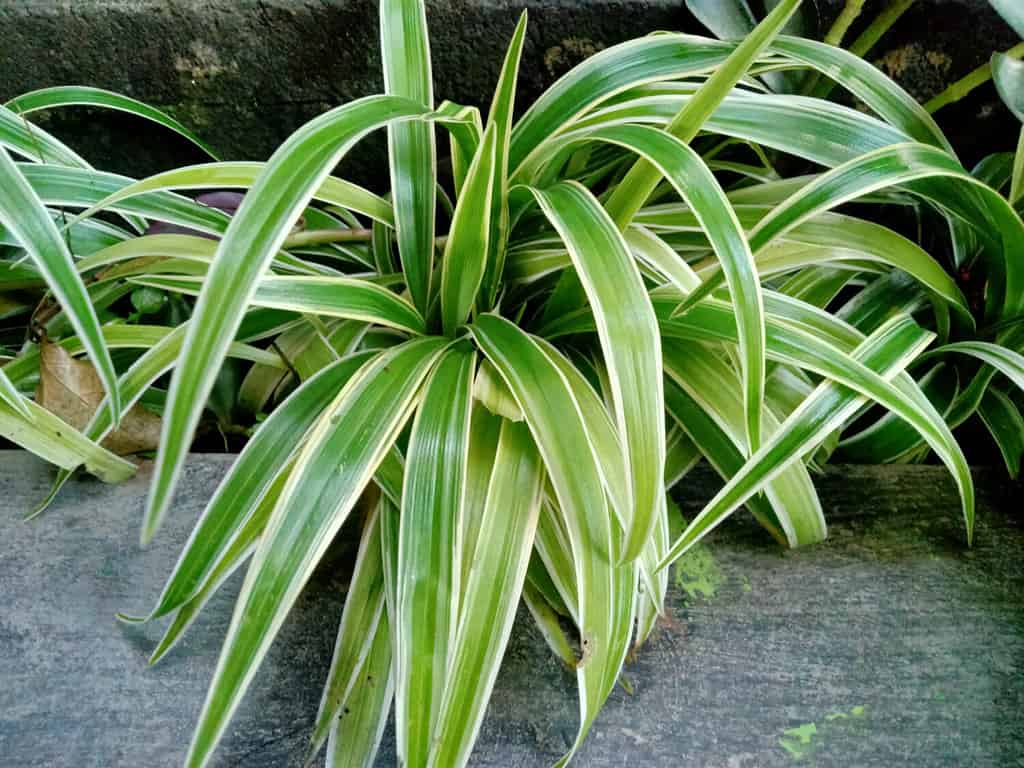
Lighting conditions are often more optimal outside, allowing your spider plant to grow better.
©Pamuji Eko Meiyanto/Shutterstock.com
#8: Quarantine New Plants to Prevent Pests and Diseases
Before setting that hosta next to your spider plant — wait! Place the new plant in a secluded area and watch it for a week or two. Look for signs of pests or disease. Putting your plants together immediately can lead to pests and diseases spreading to your entire collection, which might ultimately kill your spider plant.
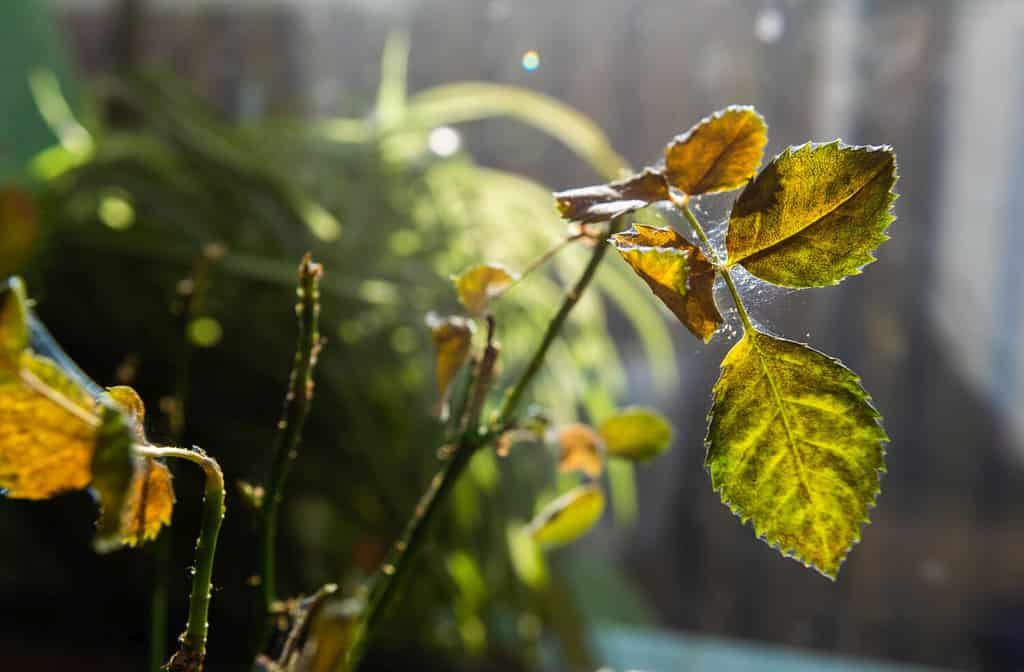
Keeping unhealthy plants near your spider plant can spread pests and disease.
©Jana Janina/Shutterstock.com
#9: Inspect Your Spider Plant Often
Inspect your spider plant’s leaves and soil frequently, paying close attention to the areas where pests tend to hide. This includes the undersides of the leaves, the center of the plant, and any folds in the foliage. Finding pests or diseases early on can make them easier to treat so they don’t kill your plant.
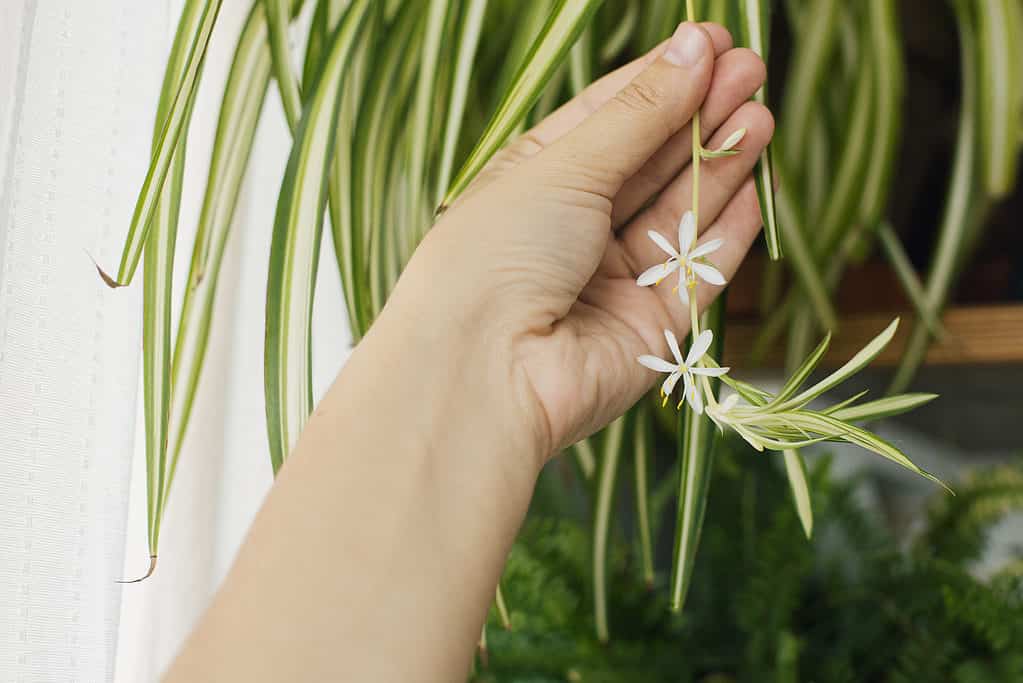
Looking over your spider plant regularly will help you catch early signs of pests or other issues.
©iStock.com/Bogdan Kurylo
#10: Clean Your Plants Regularly
Wipe the leaves of your spider plant down with a damp cloth to remove dust and debris. You can also use a spray bottle to moisten the leaves before wiping them down. This helps to prevent pests and allows the leaves to soak up as much light as possible. Remove dead leaves as well, since dead plant matter is not only unsightly; it can also attract pests.
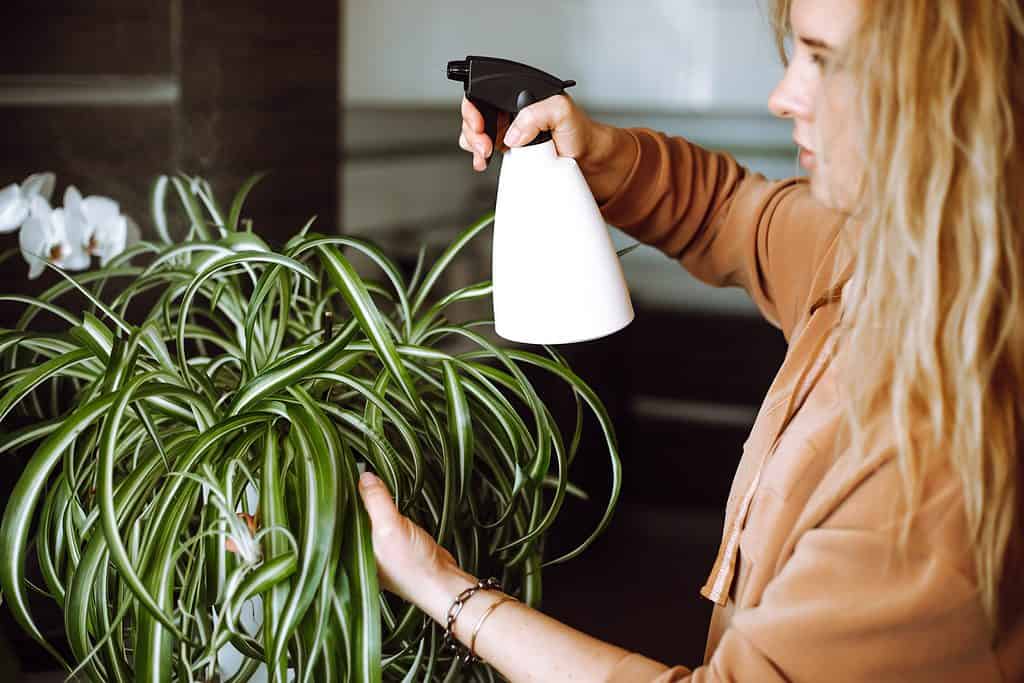
Regular maintenance will help your spider plant thrive.
©tativophotos/Shutterstock.com
#11: Fertilize Your Spider Plant
Your spider plant needs more than water and sunlight to survive. It also needs nutrients from its soil, which can become depleted over time in a pot. This is why it’s recommended to fertilize your spider plant once or twice a month. Make sure to follow the instructions on your fertilizer so that you don’t over-fertilize your plant, which can lead to fertilizer burn.
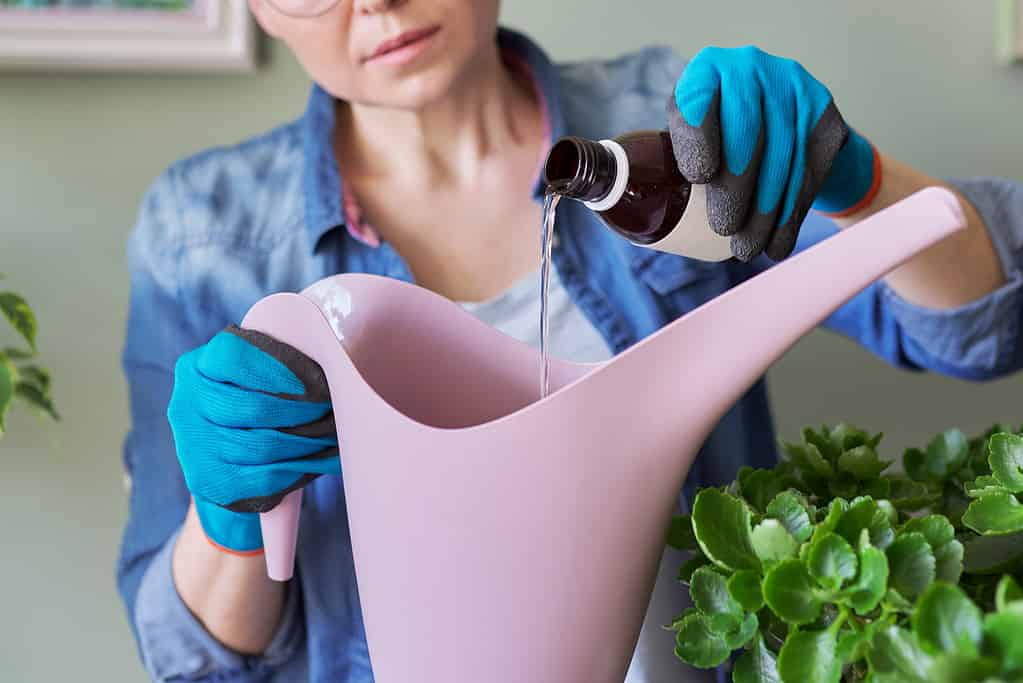
Fertilizer can be added to water or directly into the soil, depending on which kind you purchase.
©Valeriy_G/iStock via Getty Images
#12: Propagation Allows Spider Plants to Live On
Propagating your plant can allow parts of it to live on even when it dies. A family can keep generations of spider plants alive for centuries. Propagating your spider plant is simple. Healthy plants will produce stems covered in spider plant “pups,” or spider plant babies.
Once they’re grown enough (I like to wait until they have roots), you can trim them from the stem and plant them in their own tiny pots. Keep the soil moist but not soggy, and wait for your new baby plants to establish themselves. Once you get the hang of it, you’ll have more spider plants than you know what to do with. You can give them to friends and family or keep your little spider plant village for yourself.
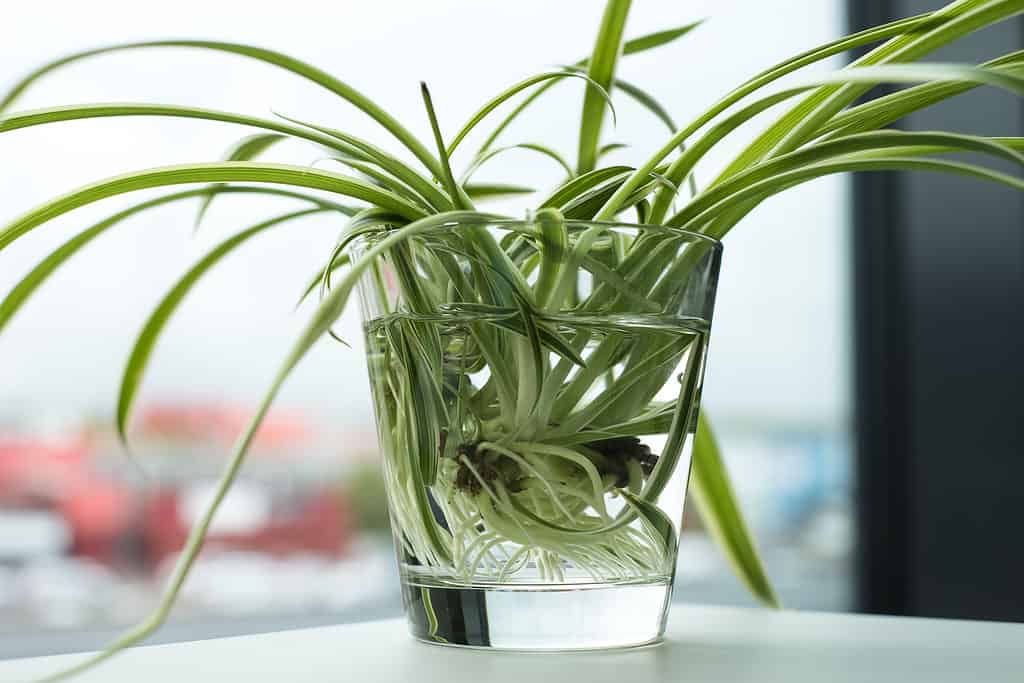
It’s easy to keep generations of spider plants through propagation.
©iStock.com/jaanalisette