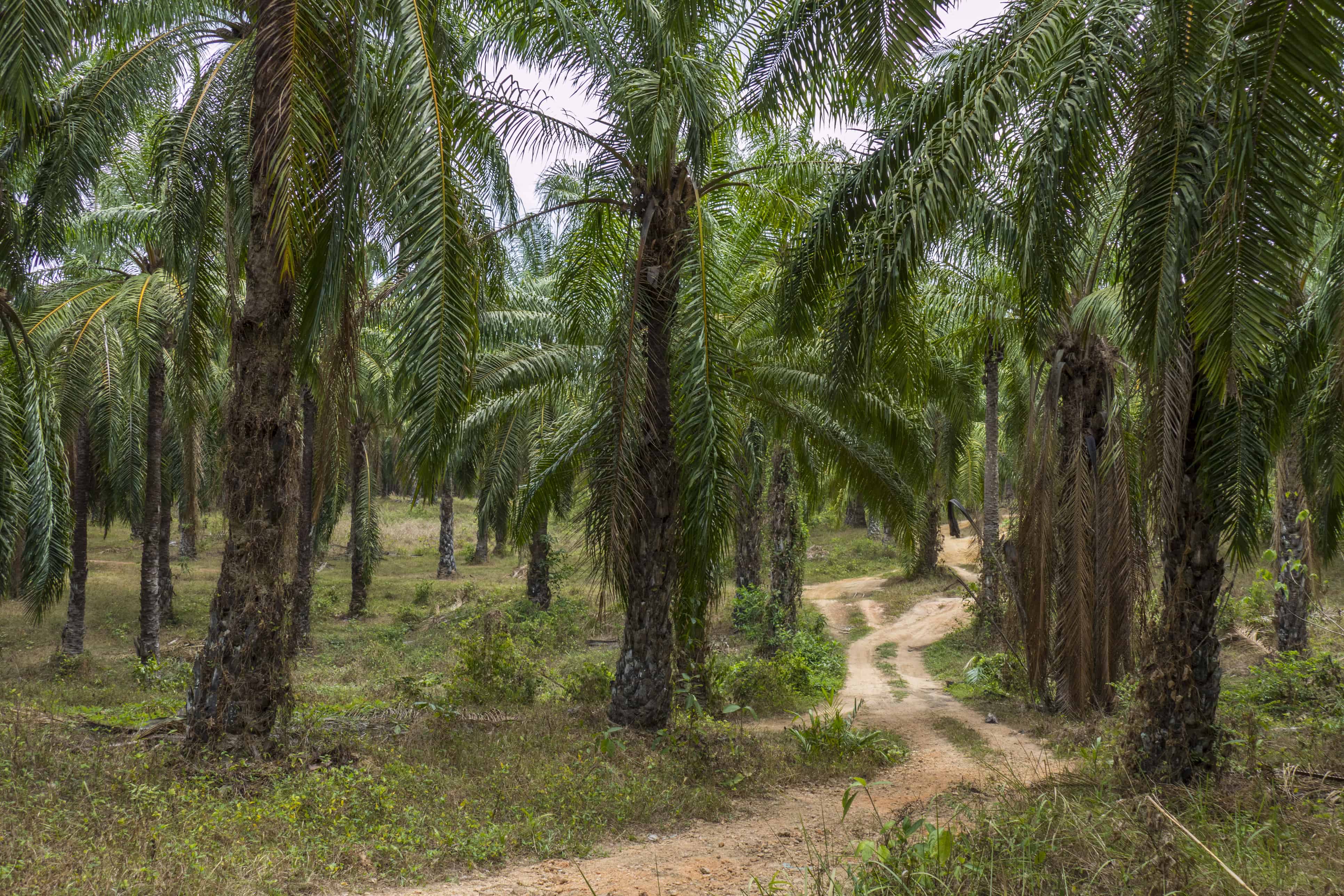

Western and southern Africa is the original home of the African oil palm tree. The African oil palm can be used to obtain both palm and kernel oil. The majority of this tree’s supply of palm oil comes from the fruit. Because of its adaptability, palm oil can be used for frying and even making ice cream. Just as well, fruit kernels are where kernel oil is derived from. Because it is non-drying, it can be used as a replacement for coconut oil in cosmetic or medicinal products.
This palm has many uses, but it is not often grown as an indoor palm or outdoor landscaping plant. It is also quite limited to just three different USDA hardiness zones. Nevertheless, we’ll explore how to grow and care for an oil palm tree if you happen to get your hands on one!
What is an Oil Palm?
The oil palm, also known as the African oil palm or macaw-fat, is classified as Elaeis guineensis. It is a member of the Arecaceae family. This species is where most commercial palm oil comes from. It is indigenous to western and southwestern Africa, more precisely the region between Angola and the Gambia. The species name, Elaeis guineensis, refers to the name of the region, Guinea, rather than the current nation by that name. Moreover, the species has established natural populations in Madagascar, Sri Lanka, Malaysia, Indonesia, Cambodia, and a number of islands in the Indian and Pacific Oceans. Palm oil is also produced from the closely related American oil palm Elaeis oleifera and the less closely related Attalea maripa.
Along the southern Atlantic coast of West Africa, the oil palm was originally domesticated. However, there is little information on when this domestication and commercialization began. Oil palms may have been used by humans as far as 5,000 years ago in Egypt. In the late 1800s, researchers found palm oil in a tomb from 3,000 BCE. To put it simply, this is one old species of palm!
A mature oil palm can reach a height of 66 feet in the wild and has a single stem. The pinnate leaves are nine to 16 feet long. Around 30 leaves are produced annually by young oil palms. Around 20 leaves are produced annually by mature oil palms older than 10 years. Each flower produced by this plant is tiny, with three sepals and three petals, and is produced in dense clusters.
From fertilization until maturity, the oil palm fruit develops over a period of five to six months. It grows in big bunches and is crimson in color. It is roughly the size of a large apple. Each fruit consists of a single, oil-rich seed inside a fleshy, oil-rich outer covering. Depending on the age of the palm tree, each bushel of fruit weighs between 11 and 66 lbs when mature.
What are Oil Palm Trees Used For?
Oil palm trees are cultivated for many uses. As one can guess from its name, the oil palm tree is primarily used to produce palm oil. From the plant, two different kinds of oil are produced. Whereas palm kernel oil is derived from the seed, palm oil is acquired from the fruit. There are several applications for palm oil, including the production of margarine, ghee, baking fats, ice cream, and cooking oils. Because it is less expensive than many other vegetable oils, palm oil is a favorite cooking oil in many parts of Africa as well as Malaysia. India has also imported palm oil to fill a local need for edible oil.
Unrefined red palm oil is a staple in the diet of West Africans and is usually used straight in soups and sauces in West Africa. Snacks like bean cakes and fried plantains are made with palm oil, which is also used as cooking oil. It is a superior source of carotene because of its high linoleic acid level. This is crucial for lowering the prevalence of vitamin A deficiency and nutritional blindness. Coconut oil and palm kernel oil are similar in composition and characteristics. When produced for culinary goods such as margarine, palm oil is often mixed with coconut oil.
Palm nut butter, a rich crimson liquid used to make palm butter soup and other meals, is produced by boiling and pounding the nuts of the oil palm tree. The plant also produces heart-of-palm, a vegetable made from the soft apical bud section of the palm. Harvesting this bud results in the death of the tree since it has a single stem and side branches that are typically not produced by palm plants. In West Africa, unopened male inflorescences or the stem just below the apex of felled oil palm trees can be tapped, and the sap can then be fermented to make palm wine.
Oil palm trees are also used medicinally in several traditional African cultures. The palm heart is used to make remedies that are considered laxative, anti-emetic, and diuretic and are used to treat prenatal abdominal discomfort. The roots also act as an analgesic, while the leaf sap is utilized in products to treat skin conditions. Pulp oil is used as an excipient in herbal ointments because it is emollient. It is used to treat erysipelas and Filaria infestation-related suppurations, white spots, and swelling of the legs. To put it simply, there are a lot of uses for the oil palm tree!
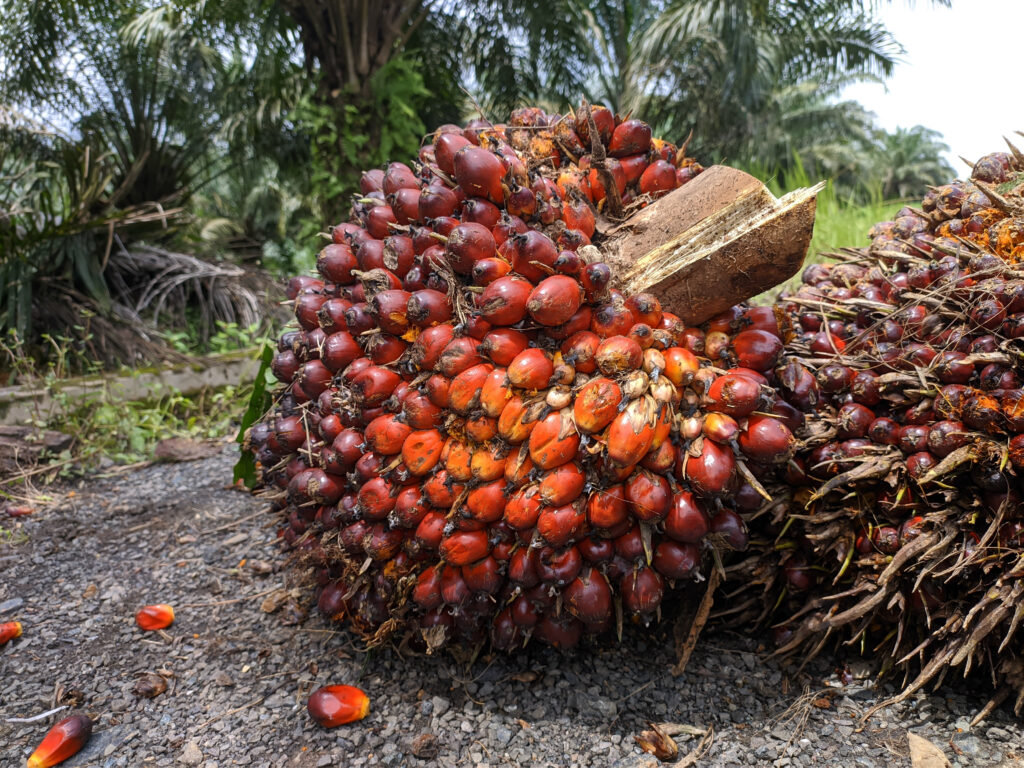
Oil palm fruits (pictured) are used to extract palm oil for culinary use.
©iStock.com/Sarno Markosasi
How to Grow Oil Palm Trees
If you want to grow an oil palm tree outdoors, you must live in USDA hardiness zones 10 through 12. This is not a cold-hardy tree. If you want to grow this species indoors, you will need to mimic its natural environment as closely as possible.
For the past century, researchers have worked very hard to boost the yields of the oil palm by, among other things, planting only the greatest oil-yielding varieties. Starting with oil palm seedlings, a farmer must find a location with ideal growth circumstances. Because oil palm flourishes in tropical climates, nations like Indonesia, Malaysia, and Nigeria mainly produce oil palm. Malaysia and Indonesia, the two nations with the largest oil palm plantation lands, both mainly rely on smallholder production.
This plant is challenging to cultivate from seed. Oil palm seed germination requires six to 12 months and has a failure rate of more than 35%. In nurseries, seeds develop into seedlings over a period of months. They are transferred to a plantation after a year and a half, just before the monsoon season begins. They are positioned to allow each plant to receive the most sunlight possible. The palms are fed during this period and kept safe from pests so they can grow.
Oil palm harvesting typically starts two years after the field-planted plants are first visible. When the bunches mature throughout the year, harvesting occurs typically every three weeks. A sharp knife or sickle is used to cut bundles from the tree for harvest.
How to Care for an Oil Palm Tree
The following care requirements apply to both outdoor and indoor oil palm trees.
The oil palm tree requires consistent temperatures between 70 and 75 degrees F. This species needs at least five to six hours of direct sunshine each day to grow. Just in front of a window is the optimum location for indoor plants. With consistent 80% relative humidity, this species will grow at its best. It might be necessary to mist indoor plants to keep up this humidity level.
The oil palm grows at its best when its soil is consistently wet. Water retention, water supply, and soil depth all affect how much water is available. This species needs four to six inches of water each month. Basin irrigation is possible with perennial water sources. Nevertheless, drip irrigation is advised if the terrain is mountainous and water is scarce in the summer. For indoor plants, a basic watering can will suffice.
This plant does best in deep, well-drained, medium-loam soil that is high in humus. Between 6.5 and 7.5 is the pH range where the soil reacts most favorably. Palm seedlings don’t require fertilization until they start to develop vigorously, at which point a mild liquid fertilizer can be added. Use a fertilizer designed specifically for palm trees to feed your trees.
Oil palm basins are kept weed-free through ring weeding. Young palms require roots free of weeds in order to reach maturity. In the first few years of the planting, manual weeding can be done up to four times a year, depending on weed growth and rainfall. Herbicides can be used but are usually not recommended.
Leguminous cover crops are typically planted alongside oil palms to help provide nitrogen into the soil for the palms and to control weed growth. Fronds are often clipped when bunches are gathered during the harvest season. Around 40 fronds should be kept on each palm after pruning. Don’t overprune your oil palm!
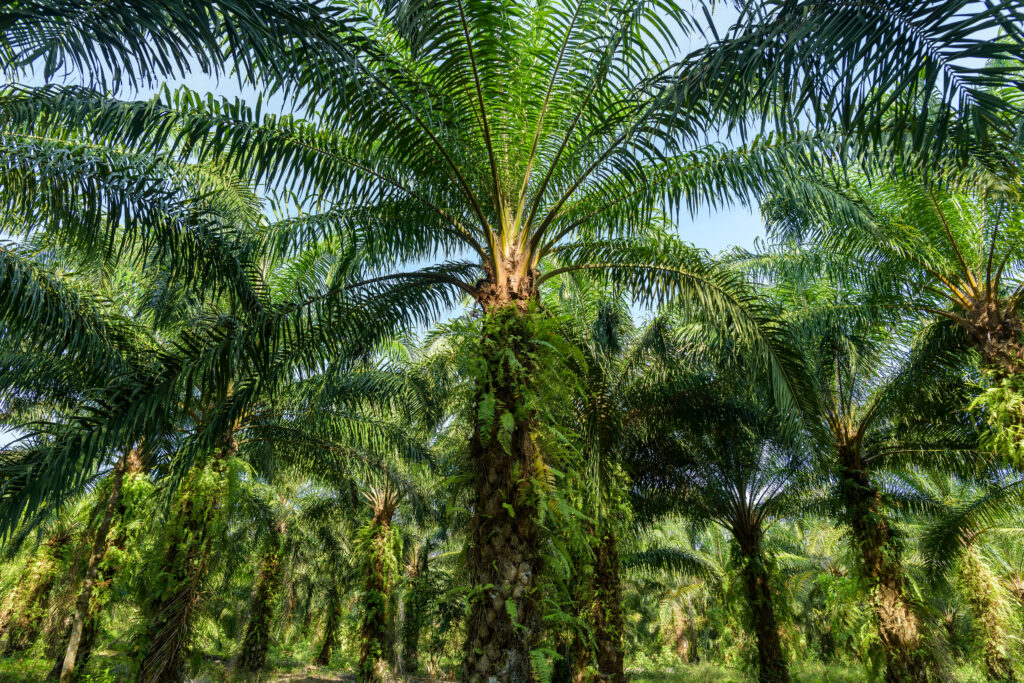
Oil palms (pictured) are commonly grown on plantations and are not common as houseplants or landscaping plants.
©iStock.com/yotrak
Diseases to Watch Out For
There are a few diseases that can cause problems for African oil palms. Bacterial bud rot is one particular issue that is common. Symptoms of bacterial bud rot include browning of the spear leaf petiole, discoloration, leaf wilting, excessive leaf dropping, and rotting buds are some symptoms. This disease is much more common where oil palms are cultivated in plantations. It is caused by a bacterial infection. To resolve this disease, pruning of dead tissue can help prevent the disease from spreading. Some fungicides can also help. To prevent this disease, opt to grow oil palm varieties that are known to be resistant to this bacterial infection.
Ganoderma butt rot is another disease that not only harms oil palm trees but also attacks most species of palm trees. The symptoms of this fungal infection include stunted growth, pale leaves, dead leaves, excessive dropping of fronds, and general discoloration.
As fungi can colonize old stumps and release spores, your oil palms should be regularly watched for disease indications, especially if a neighboring palm has died or been removed. Currently, no fungicides are available for protecting palm trees from Ganoderma butt rot. Infected trees should be cut down since the palm is unstable and a considerable amount of the trunk has already perished by the time symptoms appear in the foliage. New palms should not be planted again in the same soil as the previously-removed diseased palm.
With so many potential uses, the African oil palm tree is a very useful plant. However, if you simply want to grow one at home, doing so isn’t too difficult when compared to other types of palm trees.