Every year in the United States, more than a billion dollars is poured into the purchase and use of pesticides. This staggering figure makes clear just how strained and conflicted the relationship between humans and insects has become. Instead of coexisting with the countless species that share our environment, we often default to methods of control that rely on chemicals known to be dangerous not only to the insects they target but also to the wider ecosystems we depend on. These toxic substances seep into waterways, disrupt soil health, and pose risks to countless forms of life, including people themselves.
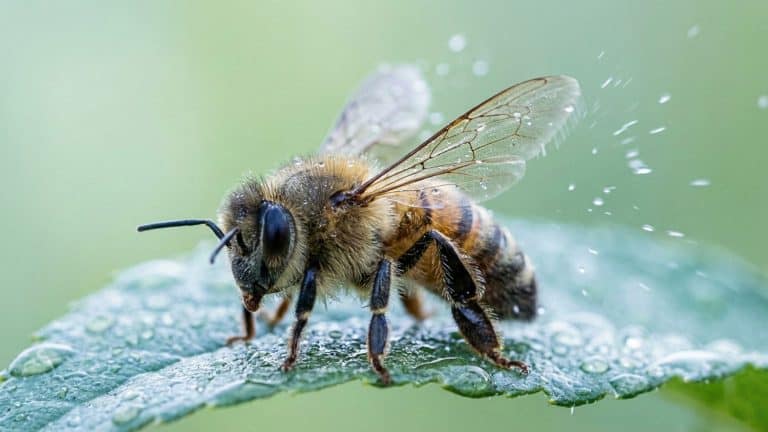
Despite the well-documented dangers, our perception of insects is still often dominated by fear and hostility. Mosquitoes, ants, spiders, and other species are viewed primarily as threats—whether to our health, our crops, or our comfort. Because of this, many are deemed dangerous enough to justify eradication, even though only a relatively small percentage of insect species pose any direct harm to humans. The irony is striking: while some insects are vital pollinators or natural pest controllers, others are singled out as enemies and met with widespread chemical warfare.
This ongoing struggle between humans and insects raises questions not only about how we view nature but also about how far we’re willing to go to protect ourselves. To better understand the stakes, take a closer look at this video, which explores some of the most deadly and formidable insects found across the Americas. From species that spread devastating diseases to those capable of inflicting painful or even fatal stings, these insects highlight both the real dangers and the broader complexity of our relationship with the natural world.