
Quick Take
- Mice that arrived on a remote island centuries ago evolved into something far more dangerous, and what they're doing to one of the world's rarest birds is hard to believe. See the Gough Island mice →
- Invasive species cost the global economy a staggering amount annually, and that number has been doing something alarming every single decade since 1970. Explore the global strategy →
- One island eradication program spent over $13 million to wipe out rodents, and what happened to the wildlife afterward surprised even the scientists involved. See the wildlife recovery →
- Not every attempt to remove invasive species ends in success, and the cautionary tale from one island is now shaping a much bigger operation planned for 2028. Read the cautionary tale →
For the first time in its history, the IUCN has launched a global strategy to address invasive alien species worldwide. Non-native species are one of the biggest drivers of biodiversity loss and species extinction.
The plan explains how IUCN’s Members, Commissions, and Secretariat will work together to scale up action on biological invasions, while supporting other governments, civil society organizations, Indigenous Peoples, the private sector, and researchers. The plan calls for all parties to work together to implement the strategy worldwide.
The plan was published during the Conference of the Parties to the United Nations Convention on Biological Diversity (CBD COP17) in Yerevan, Armenia, held October 19–30, 2026.
What’s In the New Global Plan?
The plan focuses on addressing alien species – animals, plants, fungi, and microorganisms – that have moved beyond their natural habitat due to human intervention. Such species don’t become ‘invasive’ until they start to harm the ecosystem.

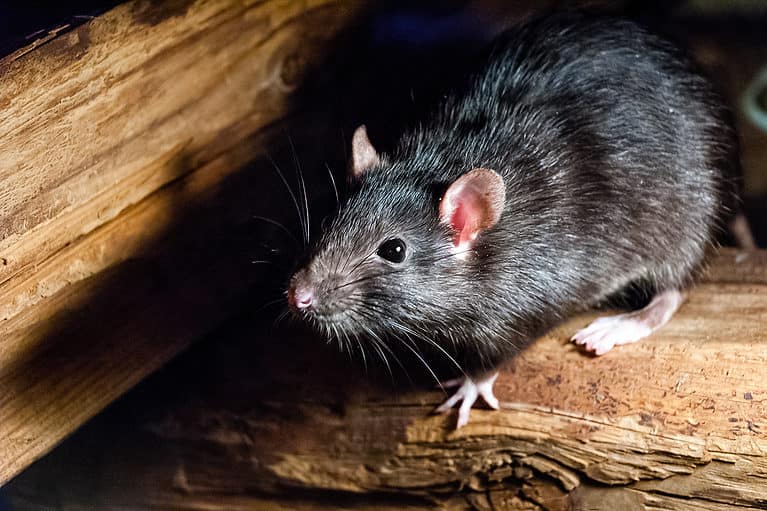
Mice are just one species classified as an invasive alien species when found on remote islands.
©Paul A Carpenter/Shutterstock.com
So far there are more than 3,500 documented invasive alien species. Incredibly, they are linked to more than 60 percent of global extinctions. However, the impact goes beyond species loss. Invasive alien species cost the world more than $423 billion a year in damages, directly or indirectly. That number has quadrupled every decade since 1970.
The plan sets forth four goals:
- Share data and tools
- Build skills in governments and groups, especially in under-resourced countries
- Scale up prevention, early detection, rapid response, removal, and restoration
- Raise sustainable funding
The initial focus will be on islands, oceans and freshwater, protected areas, and Key Biodiversity Areas. Success will be measured in three ways: species removed from sites, threatened species that benefit from that removal, and applying the STAR metric for extinction risk.
“Biological invasions affect the whole of society, and every part of society has a role to play in preventing and limiting their impacts. If not successfully addressed, invasive alien species will undermine the achievement of multiple international objectives, including the Kunming-Montreal Global Biodiversity Framework and beyond,” said Kevin Smith, Programme Head for Invasive Species and Wildlife Health at IUCN in a news release announcing the program.
“This Strategy brings together the unique power of the Union to scale up urgently needed conservation action. By bringing together our Members, Commissions and Secretariat, and combining trusted science and standards with informing policy, partnerships and action on the ground, we can help turn knowledge into action at the scale this challenge demands.”
Why This Program Matters
One clear example of why protecting against invasive alien species matters is illustrated by Gough Island in the southern Atlantic Ocean, where mice arrived aboard 19th-century sailing ships.
Once on the island, without many predators, the mice grew about 50 percent larger and learned to eat seabird eggs and chicks. Cameras studying mouse behavior even captured groups of up to nine mice attacking chicks.

Albatross chicks are easy prey for the oversized mice of Gough Island.
©Giedriius/Shutterstock.com
The island is home to 99 percent of the world’s Tristan albatrosses, a Critically Endangered species on the IUCN’s Red List. Albatross chicks are left alone in winter, making them easy prey for the oversized mice.
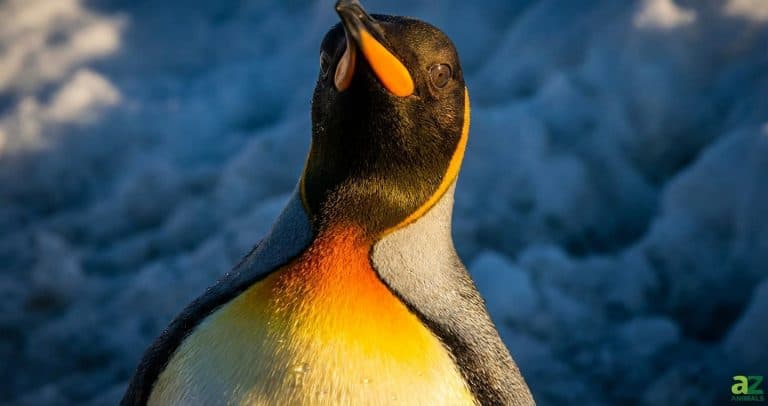
Another spot is Macquarie Island near Antarctica. There, non-native rabbits overgrazed the plants, which destroyed albatross and petrel nesting sites and also caused erosion. One landslide due to this erosion killed 100 king penguins. Rats, another alien species to the island, eat the chicks and eggs of endangered seabirds.
Will the Plan Work?
In areas where removal of invasive alien species has already been done, signs are promising. South Georgia Island was declared free of rats and mice in May 2018, thanks to efforts led by the South Georgia Heritage Trust.
The removal cost over $13 million and cleared the invaders from nearly 250,000 acres of land. The group then used detection devices and three sniffer dogs to ensure the rodent populations were gone.
The payoff? Populations of both pipit and the South Georgia pintail (a duck found nowhere else in the world) are recovering.

Pipit populations are rebounding after the eradication of rats and mice on South Georgia island.
Another success story is Macquarie Island. There, a three-year campaign eradicated rabbits, rats, and mice, with the island declared pest-free in 2014. The project cost $25 million which, at the time, represented the largest and most remote pest removal program ever implemented.
Ten years later, lush vegetation has returned and burrowing petrels are returning to breed and raise their young.
“The island’s vegetation regrowth is really quite amazing now that the rabbits are no longer grazing,” Keith Springer, Macquarie Island Pest Eradication project manager said in Australian Geographic. “Wildlife and seabirds such as the blue petrel have begun to breed on the island again after decades of not doing so. They’ve figured out that it’s safe and they aren’t going to be bitten by a rat.”
A PNAS study found that 596 populations of 236 native species on 181 islands benefitted from 251 eradications.
Not Every Effort Goes to Plan
Despite many success stories, not every eradication plan works. On Gough Island, a 2021 attempt to clear the island’s mice was not 100 percent successful.
The lessons learned from the failed eradications will help guide future efforts, like the one planned for winter 2028 on Marion Island.
What’s Next?
With the formal framework announced, IUCN’s main goal is getting all involved parties on the same page and gaining buy-in on a country-by-country basis. They’ve set 2036 as the date for reaching all the stated goals of the program.