In July 1945, the USS Indianapolis completed a top-secret mission: delivering components for “Little Boy,” the atomic bomb that would later be dropped on Hiroshima. Just after midnight on July 30, while sailing toward the Philippines, the ship was struck by two torpedoes from a Japanese submarine.
The vessel sank in just 12 minutes. Of the nearly 1,200 men on board, approximately 300 went down with the ship, leaving 900 survivors bobbing in the open Pacific with almost no lifeboats, food, or fresh water.
The Five-Day Ordeal For the next four to five days, the men faced a living hell. The sun scorched them by day, and hypothermia set in at night. Desperate and delirious, many drank seawater, leading to salt poisoning and mass hallucinations. However, the most terrifying threat came from below.
Hundreds of Oceanic Whitetip sharks (and likely some Tiger sharks) were drawn to the site by the sound of the explosions and the scent of blood. What began as scavengers feeding on the dead soon turned into a systematic hunt of the living. Survivors recalled the horror of seeing fins circle closer and watching their comrades vanish beneath the surface with a single scream.
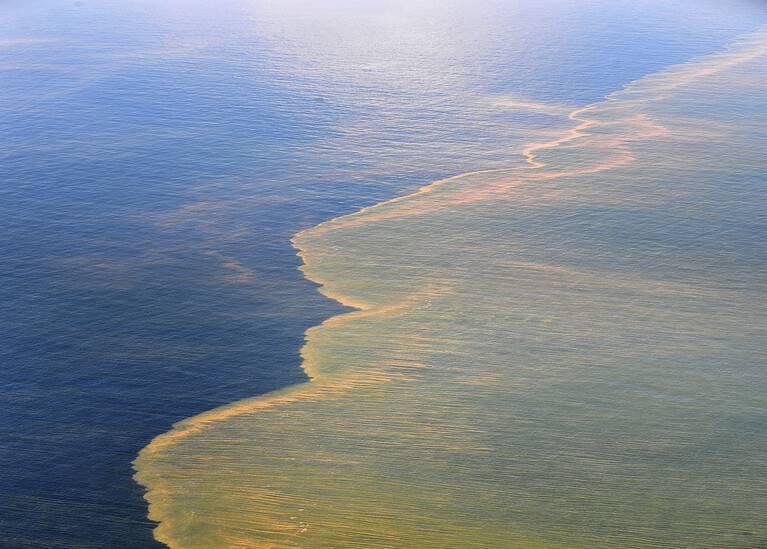
The Rescue Because the mission was secret, the Navy didn’t even realize the ship was missing. The survivors were only discovered by accident on the fourth day when a pilot on a routine patrol spotted an oil slick and men in the water. By the time rescue ships arrived, only 316 men were left alive.
The tragedy remains the greatest single loss of life at sea in the history of the U.S. Navy and serves as the inspiration for the famous “Quint’s Speech” in the movie Jaws.