

A
Species Profile

American Alsatian

Canis lupus familiaris

Dire-wolf look, couch-dog heart
Shepaluteprez / CC BY-SA 3.0

American Alsatian Distribution

Click a location to explore more animals from that region

Origin Location

This map shows the native origin of the American Alsatian. As a domesticated species, they are now found worldwide.

Loading map...

Size Comparison

Human 5'8"
American Alsatian 2 ft 4 in

American Alsatian stands at 41% of average human height.

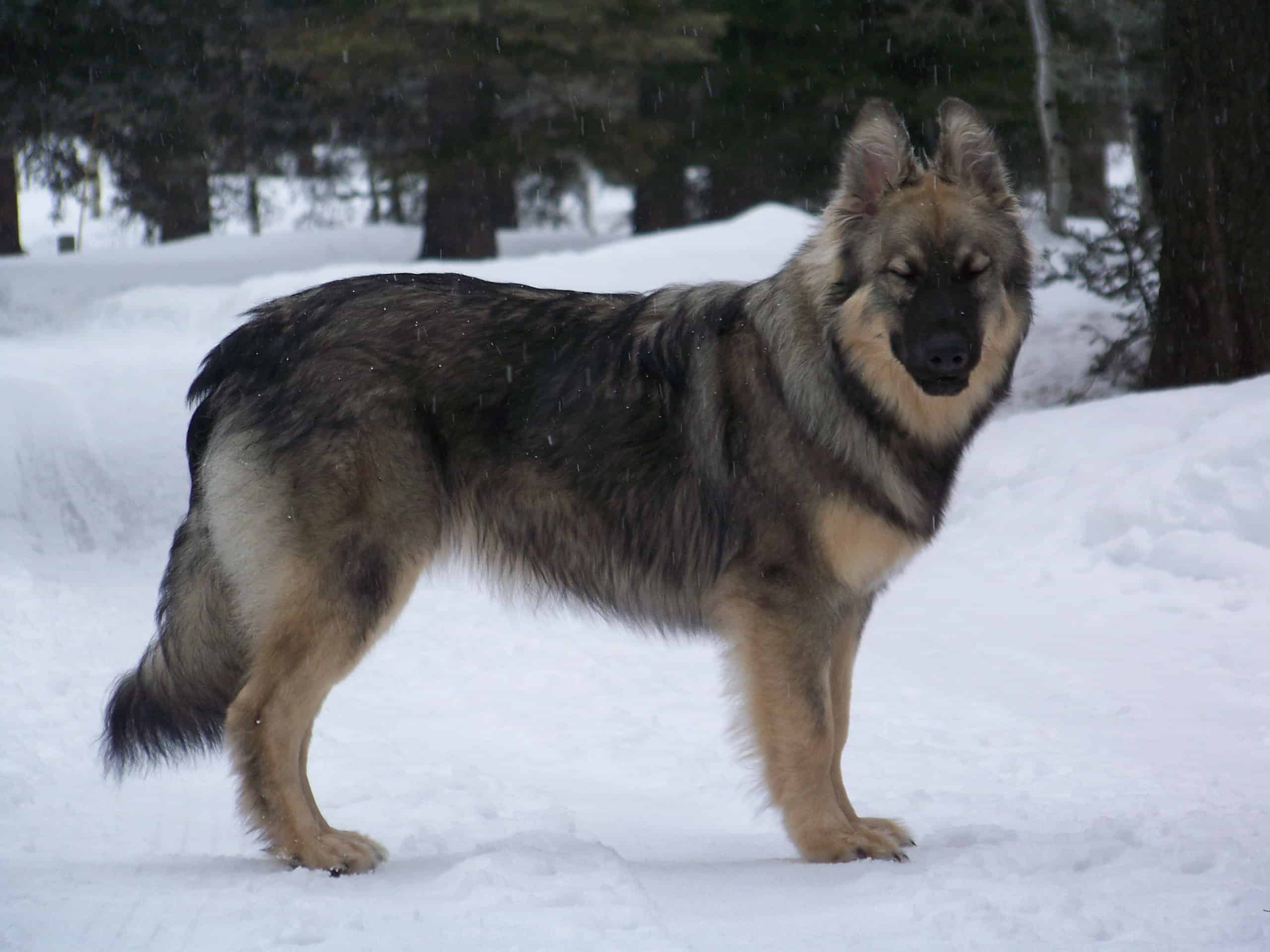
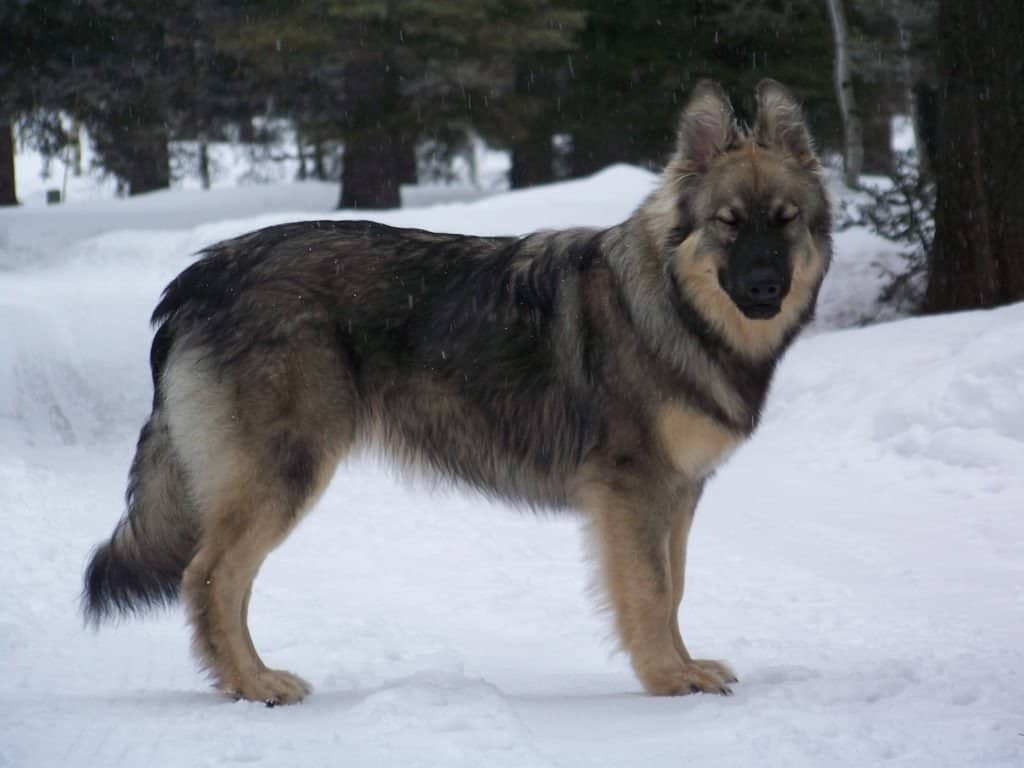
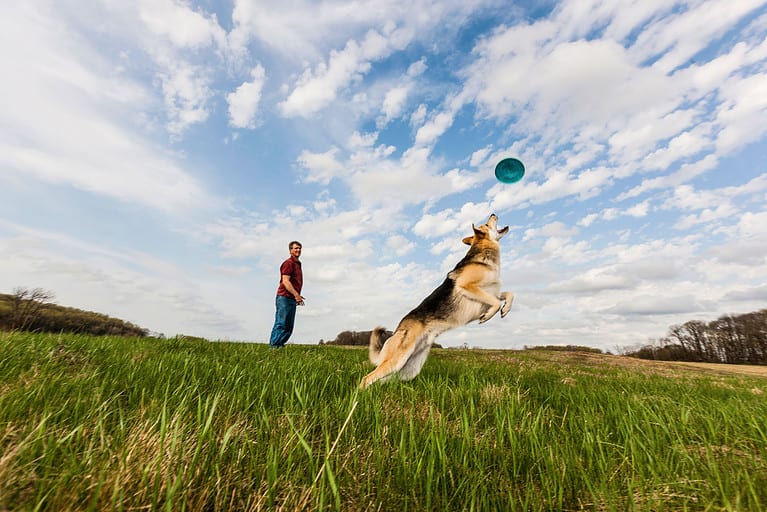
American Alsatian in the snow

At a Glance

Domesticated
Also Known As Alsatian, Direwolf dog, Dire Wolf dog, American Direwolf
Diet Omnivore
Activity Diurnal+
Lifespan 6 years
Weight 64 lbs
Status Not Evaluated
Did You Know?

The American Alsatian is a domestic dog (Canis lupus familiaris), not a wolf or a separate wild taxon.

Scientific Classification

The American Alsatian is a selectively bred domestic dog developed primarily for a large, wolf-like (often ‘dire wolf’-inspired) appearance and a companion-oriented temperament. It is not a separate wild taxon and is not generally treated as a standardized breed by major all-breed kennel clubs (status can vary by registry/community).

Kingdom
Animalia
Phylum
Chordata
Class
Mammalia
Order
Carnivora
Family
Canidae
Genus
Canis
Species
Canis lupus

Distinguishing Features

  • Large, robust ‘wolf-like’ silhouette (broad head/muzzle and substantial bone)
  • Dense double coat commonly in wolf-like colors (e.g., sable, silver, agouti)
  • Bred for calmer companion temperament compared with many high-drive working lines
  • Domestic-dog morphology and behavior; not a wild wolf or hybrid taxon by default

Physical Measurements

Males and females differ in size

Height
♂ 2 ft 5 in (2 ft 2 in – 2 ft 8 in)
♀ 2 ft 4 in (2 ft 2 in – 2 ft 6 in)
Length
♂ 4 ft 10 in (4 ft 5 in – 5 ft 3 in)
♀ 4 ft 11 in (4 ft 5 in – 5 ft 5 in)
Weight
♂ 139 lbs (119 lbs – 170 lbs)
♀ 95 lbs (75 lbs – 119 lbs)
Tail Length
♂ 1 ft 7 in (1 ft 4 in – 1 ft 10 in)
♀ 1 ft 4 in (1 ft 2 in – 1 ft 6 in)
Top Speed
25 mph
Top speed about 40 km/h

Appearance

Primary Colors
Secondary Colors
Skin Type Domestic dog skin with a dense double coat (coarse guard hairs over a thick insulating undercoat). Seasonal shedding is typically heavy; skin is generally pigmented with darker nose/eye rims common.
Distinctive Features
  • Domestic dog (Canis lupus familiaris) considered a modern developed breed/type in the United States; bred for a large, wolf-like/dire-wolf-inspired appearance and companion temperament (not a wild taxon, not an extinct dire wolf).
  • Large, substantial frame with a broad chest and heavy bone; emphasis on a calmer, less 'working-drive' presentation than many traditional working shepherd-type dogs.
  • Broad, blockier head and muzzle than many wolf-like breeds; ears typically erect to semi-erect and set to maintain a wolfish profile.
  • Thick neck ruff and a very plush double coat; tail usually bushy and carried low to neutral when relaxed.
  • Temperament goal: steady, companion-oriented, less reactive, and more people-social than true wolves; typically lower prey/guard drive than many large working breeds (individual variation).
  • Care requirement: significant grooming due to dense undercoat (regular brushing; expect seasonal 'blow coat'); monitor skin for hot spots/matting if coat is neglected.
  • Exercise requirement: moderate daily activity and enrichment (walks, structured play, training); many do poorly with boredom despite a calmer breeding goal.
  • Some American Alsatians and other large dogs can have hip or elbow dysplasia, arthritis with age, bloat (GDV), and obesity if not exercised. Screening and keeping a healthy weight help.
  • American Alsatian needs a large-breed diet, controlled puppy growth, joint-friendly exercise, and early socialization and training. Secure fencing is recommended, though they are not bred for strong roaming; registry status varies.

Sexual Dimorphism

Males are typically larger, broader, and more heavily muscled; females tend to be slightly smaller with a more refined head and lighter build, while retaining the same wolf-like outline.

♂
  • Greater overall height and mass; heavier bone and broader chest.
  • More pronounced head width and thicker neck/ruff appearance.
  • Typically larger paws and more substantial forequarters.
♀
  • Slightly smaller, more streamlined frame with less massive head/neck.
  • Often appears more finely boned while maintaining the plush coat and wolf-like profile.
  • May mature a bit earlier in body condition compared with males (individual variation).

Did You Know?

The American Alsatian is a domestic dog (Canis lupus familiaris), not a wolf or a separate wild taxon.

It was developed in the United States as a modern "breed-in-development/type," not widely standardized by major all-breed kennel clubs (status varies by registry/community).

Breeding goals emphasize a big, wolf-like silhouette paired with a steady, low-reactivity companion temperament.

The name nods to "Alsatian," a historical term once used for German Shepherd Dogs in parts of the English-speaking world.

Because it's a large, heavy-boned dog, growth rate and joint care are major considerations during puppyhood.

Many individuals have a thick double coat and can shed heavily, especially seasonally.

Owners often describe them as "homebody" dogs: content to be near family rather than constantly seeking high-intensity work.

Unique Adaptations

  • Selective breeding for neotenous (companion-friendly) traits: calmer reactivity and higher tolerance for household routines than wild canids.
  • Large body size and substantial bone can make them appear wolf-like, but behavior is shaped by domestication and companion selection.
  • Double-coat insulation (common in many northern/working dog lineages) supports comfort across cool-to-moderate climates, but requires heat-aware management in hot weather.
  • Domesticated communication toolkit: strong responsiveness to human cues (voice, gestures, routines) compared with wolves, which rely more on in-pack signals.
  • Compared with the base species context (gray wolf, Canis lupus), the American Alsatian is bred to be safely manageable in a home: reduced fear/aggression thresholds and reduced predatory sequencing are typical goals (not guarantees).

Interesting Behaviors

  • Shadowing/"velcro" companionship: many prefer staying close to their people over roaming.
  • Quiet watchfulness: often more observant than barky, with alert postures and controlled responses when well-bred and well-socialized.
  • Low-chase tendency is commonly sought by breeders; many show less instinct to pursue wildlife than typical high-drive working lines (individuals vary).
  • Social sensitivity: they can be reserved with strangers and benefit from calm, positive exposure to new people/places during adolescence.
  • Large-breed "leaning" and body contact: using their weight to seek reassurance or affection.
  • Scent-led exploration: like most canids, they may follow odor trails and map a neighborhood by smell more than sight.
  • Play style can be more "wrestle and mouth" than fetch-driven; structured play and training help keep manners polite.

Cultural Significance

The American Alsatian (Canis lupus familiaris) is a dog bred to look like wolves, especially the "dire wolf", while being a home pet. Its look comes from popular culture, breeders, and owners as much as kennel clubs.

Myths & Legends

"Alsatian" as a name carries a historical tale: after World War I, German Shepherd Dogs were called "Alsatians" in some places to avoid anti-German sentiment-an old naming custom echoed in the American Alsatian's name.

Modern origin lore centers on the U.S. "Dire Wolf Project," a breeder-led effort to develop a large, wolf-like companion dog-an intentional creation story more like a founding narrative than an ancient folk myth.

In Roman legend, the she-wolf who suckled Romulus and Remus became a symbol of protection and founding power-an enduring story that shapes how wolf-like dogs are perceived as guardian figures.

In Norse mythology, Fenrir the wolf is bound by the gods until the time of Ragnarok, a tale that frames wolves as awe-inspiring forces that must be respected.

Many Native North American traditions portray Wolf as a teacher, pathfinder, or kin figure-stories that influence modern admiration for wolf-like dogs as intelligent, family-centered companions.

In Japanese folklore, the wolf is sometimes revered as a mountain guardian, and offerings were made for protection-an association often projected onto wolf-like domestic breeds today.

Conservation Status

NE Not Evaluated

Has not yet been evaluated against the criteria.

Population Stable

Life Cycle

Birth 6 pups
Lifespan 6 years

Lifespan

In the Wild
2–13 years
In Captivity
12–14 years

Reproduction

Mating System Polygynandry
Social Structure Managed Domestic
Breeding Pattern Serial
Fertilization Managed Selective
Birth Type Internal_fertilization

American Alsatian (Canis lupus familiaris) breeding follows dog biology: internal fertilization and natural polygynandry, but humans usually control planned matings. Matings are temporary for litters; no wolf-like pack help—dams and people care for pups.

Behavior & Ecology

Social Pack Group: 3
Activity Diurnal, Crepuscular, Cathemeral
Diet Omnivore Meat-forward complete dog food (large-breed formula) supplemented with lean cooked meats (e.g., turkey or beef) as high-value rewards

Temperament

Calm, steady companion temperament emphasized by selective breeding (distinct from the base species' more independent, territorial, hunting-oriented behavioral ecology)
Typically gentle and tolerant with familiar people; can be reserved or aloof with strangers rather than overtly gregarious
Moderate energy: often content with daily walks and enrichment; generally less frenetic than many high-drive working-line shepherd or spitz-type dogs
Lower prey/chase drive is commonly reported relative to wolf-like appearance expectations, but individual variation exists (HUBS: domestic dogs show wide intra-breed variability based on early reinforcement and environment)
May show watchful/alert behavior and deep-bark deterrence without high reactivity when well socialized
Potential sensitivities: can become anxious or withdrawn if under-socialized, isolated for long periods, or handled harshly; benefits from predictable routines and positive training
Breed-associated care notes: large-bodied, heavy-framed dogs benefit from joint-conscious exercise (avoid repetitive high-impact jumping during growth) and lean body condition
American Alsatians (Canis lupus familiaris) may get hip or elbow dysplasia, osteoarthritis with age, bloat (gastric dilatation-volvulus), obesity, and hypothyroidism. Regular vet checks, weight control, smaller meals, slow feeders, rest after eating.

Communication

Deep bark used more for alerting than constant vocal activity Many individuals are relatively quiet when adequately enriched
Growl/grumble for boundary-setting or discomfort signaling
Whine for attention-seeking, greeting, or mild distress
Howl or 'talking' vocalizations may occur, though typically less frequent/functional than in wild Canis lupus social contexts
Body posture and facial expressions (ear position, soft vs hard eye, mouth tension) are primary; American Alsatians often display low-arousal signaling when calm
Tail carriage and whole-body 'leaning' contact to solicit interaction or reassurance
Scent marking and investigative sniffing typical of domestic dogs; generally less territorial ranging than wild wolves
Pawing, nudging, and following/positioning near household members as affiliative behavior
Play signals (play bow, loose bouncy gait) within familiar groups; HUBS variation: play style and dog-dog sociability depend strongly on early socialization and reinforcement history

Habitat

Biomes:
Temperate Forest Temperate Grassland Boreal Forest (Taiga) Tundra Alpine Mediterranean Desert Hot Desert Cold Wetland Freshwater Marine Savanna Tropical Dry Forest Tropical Rainforest +8
Terrain:
Plains Hilly Valley Plateau Mountainous Coastal Island Riverine +2
Elevation: Up to 14763 ft 9 in

Ecological Role

Domestic companion animal and human-associated omnivore; limited ecological predation compared with wild canids, with occasional opportunistic scavenging if free-ranging.

Companionship and social support to humans (primary role of the breed) Guard/deterrence presence around homes (behavior varies by individual) Participation in working/therapy roles when temperament and training fit Low-level nutrient cycling via scavenging/consumption of human-provided foods (when free-ranging), though responsible management minimizes wildlife impacts

Diet Details

Main Prey:
Domestic-provided animal proteins Raw meaty bones Small mammals, birds, and carrion
Other Foods:
Cooked grains and starches Vegetables Fruits Commercial dog food

Human Interaction

Domestication Status

Domesticated

Domestic dogs (Canis lupus familiaris) come from gray wolves (Canis lupus) and were shaped by people. The American Alsatian is a modern U.S. companion breed (1980s) bred to look wolf-like but be calm and family-friendly. It is not a wild animal or widely recognized by major kennel clubs. Owners use breeders, vets, registries and sometimes face public or landlord/HOA questions.

Danger Level

Moderate
  • Large body size and strength increase injury risk from accidental knocks, rough play, or restraint failure
  • Bite risk exists with any dog; risk increases with inadequate socialization, poor handling, fear/pain, or guarding behavior
  • Potential dog-dog conflict if not properly socialized/managed (varies by individual)
  • Misidentification as a wolfdog can lead to risky public encounters or handling mistakes by strangers
  • Heat stress risk in hot climates if heavily coated and exercised aggressively (can precipitate medical emergencies that indirectly create handling hazards)

As a Pet

Suitable as Pet

Legality: American Alsatian (Canis lupus familiaris) is usually legal where dogs are allowed. If no recent wolf genes, people usually don't call it a hybrid, but its wolf-like look may require papers; follow normal dog rules.

Care Level: Moderate

Purchase Cost: $2,000 - $5,000
Lifetime Cost: $20,000 - $45,000

Economic Value

Uses:
Companionship/pet ownership Specialty breeding and sales Pet services (veterinary, training, grooming, boarding) Pet products (food, crates, enrichment, equipment)
Products:
  • puppies from specialty breeders
  • routine and preventive veterinary services (vaccines, parasite control, spay/neuter)
  • training services (puppy socialization, manners, reactivity prevention)
  • grooming tools/services for double-coated dogs (de-shedding tools, baths)
  • large-breed supplies (crates, beds, harnesses, car restraints)
  • high-volume diet and joint-support supplements (as advised by a veterinarian)

Relationships

Ecological Equivalents 7

Animals that fill a similar ecological role in their ecosystem

Alaskan Malamute
Alaskan Malamute Canis lupus familiaris Large, thick-coated northern-type domestic dog that can present a wolf-like silhouette. Has similar exercise needs and cold-weather tolerance, but typically exhibits a stronger working/hauling drive than the American Alsatian's companion-oriented selection.
German Shepherd Dog
German Shepherd Dog Canis lupus familiaris Shares common ancestry with many wolf-like dog lines and is a frequent comparison point for size and outline. Differs in being a high-drive working/herding breed, whereas American Alsatian lines are generally selected for a steadier companion temperament and less intense drive.
Tamaskan Dog
Tamaskan Dog Canis lupus familiaris Selected specifically for a wolf-like appearance and companion suitability. Occupies a similar owner niche — a wolf-look pet with a manageable temperament — and has similar care needs (coat management, exercise, structured socialization).
Northern Inuit Dog
Northern Inuit Dog Canis lupus familiaris Another wolf-like companion type; similar household role and management considerations: size, shedding, and training consistency.
Saarloos Wolfdog
Saarloos Wolfdog Canis lupus familiaris Wolf-like and often mistaken for wolf-look breeds. Often retains more primitive, aloof tendencies and greater sensitivity, contrasting with the American Alsatian's typical breeding goal of a calmer, more biddable companion temperament.
Gray wolf
Gray wolf Canis lupus Not the same niche (wild apex/mesopredator vs. domestic companion), but the closest ecological/functional reference for the breed's intentionally wolf-like (often 'dire wolf'-inspired) appearance. Key distinctions are domestication-driven behavior, a reduced predatory role, and dependence on human care.
American Alsatian
American Alsatian Canis lupus familiaris Large, wolf-like companion dog bred for calmer, less reactive behavior than working lines or gray wolves. Requires giant-dog management: slow-growth feeding, joint monitoring, regular exercise, coat care, and consistent training.

Quick Take

  • Replicating the extinct dire wolf aesthetic requires maintaining a 100-pound frame and 32-inch stature.
  • The North American Shepalute name indicates a loneliness risk that triggers aggressive behaviors.
  • Surprisingly, the 100-pound American Alsatian requires minimal exercise and thrives in small yards.
  • Integrating Anatolian Shepherds was necessary to refine the Shepalute into the modern American Alsatian.

The American Alsatian was developed in California in the 1980s to be a great companion dog that looks like the extinct dire wolf. These dogs are tall and are about 25 to 32 inches in height. They weigh about 100 pounds, and their lifespan is around 9 to 13 years on average.

First known as the North American Shepalute, these dogs are known to be intelligent, friendly, and calm. They are bred to make great companions for individuals and families alike.

These impressive dogs were bred from an Alaskan Malamute and a German Shepherd, creating a strong and dependable breed. In fact, that combination of these names is why they were originally called a Shepalute. Later, other large breeds were introduced into the mix, resulting in the beautiful, calm, friendly American Alsatian we know today.

American Alsatian dogs have to be regularly groomed. However, they do not require a lot of exercise, making them ideal pets for families that may have a smaller yard or no yard at all. They are known to be strong dogs and have a muscular build with long muscles. Their noses are always black, and their ears have slightly rounded tips.

An educational infographic about the American Alsatian dog breed, showing its physical resemblance to a wolf and listing facts about its size, care, and behavior.
A prehistoric predator reborn for modern homes—but beneath its 100-pound frame lies a surprising secret about how much exercise it actually needs. © A-Z Animals

3 Pros And Cons Of Owning An American Alsatian

ProsCons
Intelligent
A look-alike of the dire wolf, this dog is extremely intelligent, which makes it easier for the owners to train them as they can quickly pick up and obey commands.
Can get lonely
As stated above, American Alsatians can bond very well with their owners. However, that also has a flipside because when left alone, loneliness can trigger a lot of aggressive behaviors in these dogs.
Great watchdogs
If your purpose of keeping a dog is also to have a watchdog, then this could be a great breed to go for. American Alsatians are known to make great watchdogs.
Shedding
If you’re looking for a low-maintenance dog, this might not be the best option to consider. These dogs shed a lot of hair and need regular grooming.
Loyal
American Alsatians are known to bond well with their owners and are known to be very loyal to them.
Prone to many health issues
American Alsatians, just like German Shepherds, have some of health issues, which can be a problem for the owners.
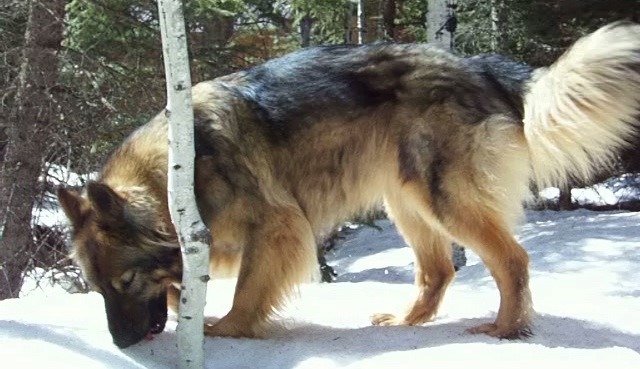
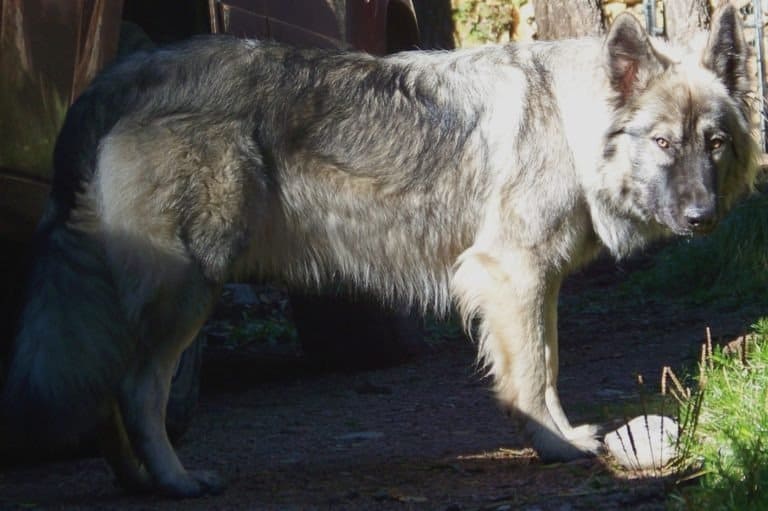
A golden sable American Alsatian, Shepalute

American Alsatians are a great breed for a watchdog.

Size And Weight

These are known to be strong, muscular dogs and have long muscles. Males are bigger than females, and weigh between 79 and 120+ lbs, while standing 25 to 32 inches tall. Females are smaller, and weigh between 75 and 100+ lbs, and stand 24 to 28 inches tall. They reach their full height at around 10 to 18 months but continue to fill out and gain weight until they are about 3 years old.

Common Health Issues

Since this breed is barely three decades old, American Alsatians still have health issues that they inherited from their parent breeds – German Shepherds and Alaskan Malamutes. One of the biggest health issues that these dogs often suffer from includes hip and elbow dysplasia. This condition causes the hip bones to form improperly, causing pain.

These dogs have sometimes experienced epilepsy, like one of the original pups from the breed. However, they are at no higher risk for this condition than other breeds.

Panosteitis, which involves inflammation around the long bones in the Alsatian’s leg, is also common. Often referred to as growing pains, this problem can cause limping while the animal walks. It often occurs in young puppies of larger breeds due to the stature that they will eventually have.

Temperament
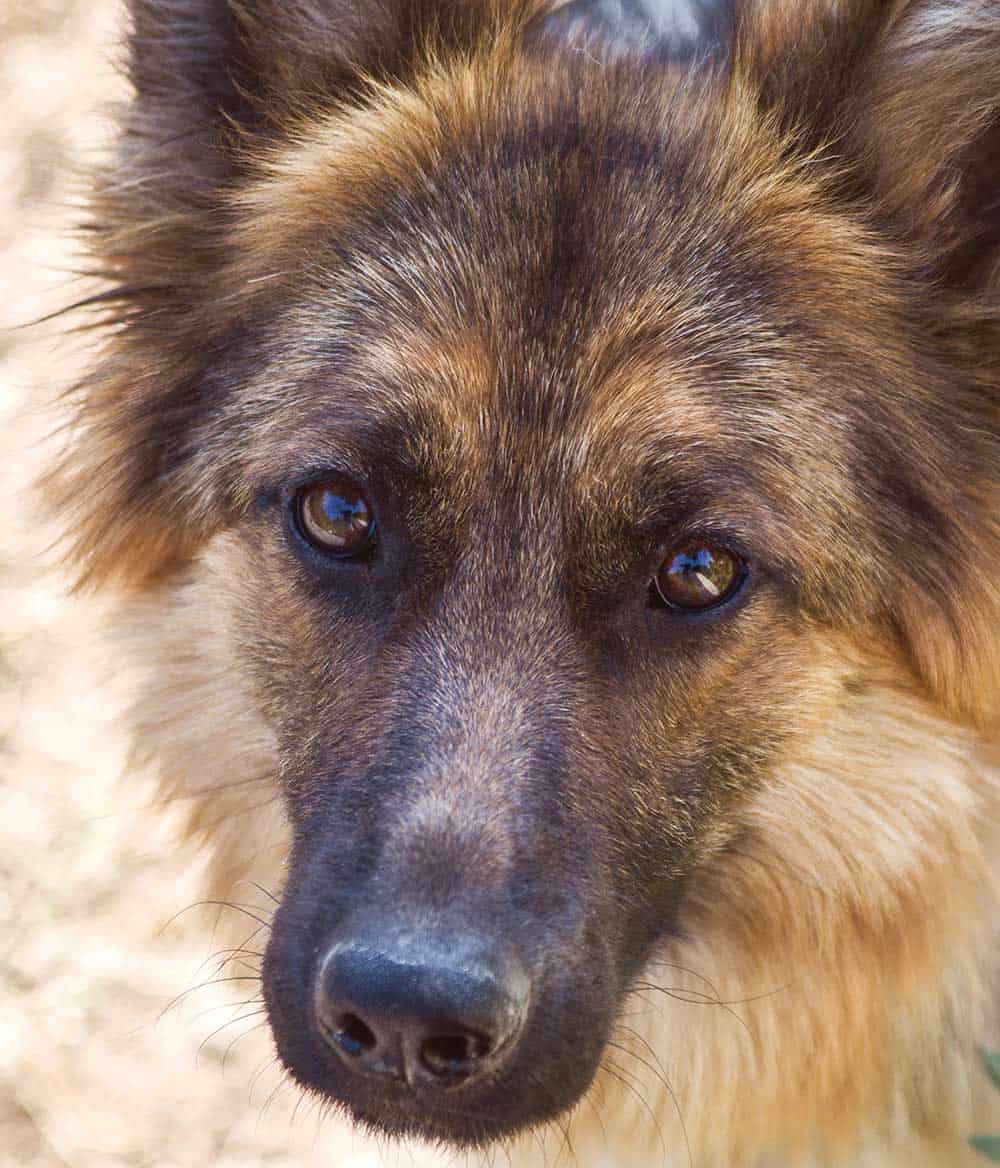
This breed is very loyal and calm, and would make a great family dog.

These dogs make great companion dogs and are equally great with both adults and children. American Alsatian dogs are very loyal and are also accepting of other pets. They are great and playful with the kids in the family.

These dogs are known to be a look-alike of the dire wolf (which was the point of their species) and are always mindful of strangers but are never aggressive or fearful of them. They are calm, loyal, and intelligent, and pick up training commands quickly. They are known to be able to respond to minimalistic sounds.

How To Take Care Of An American Alsatian

Just like any other pet, the American Alsatian also has certain needs that the owner has to take care of. After all, the breed only had its first generation in 1987, as breeders changed it even more with the use of the Great Pyrenees, the English Mastiff, and the Anatolian Shepherd. Therefore, it is necessary to know what needs to be done to take care of the American Alsatian dogs.

The Best Dog Food
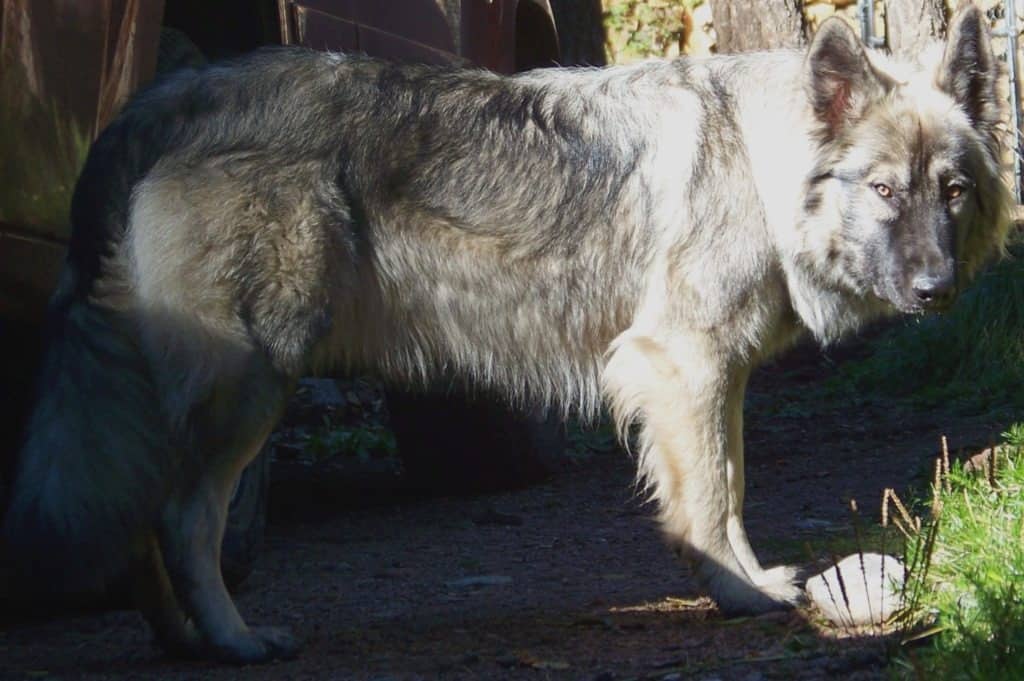
American Alsatian outside

The American Alsatian needs a diet with a lot of protein and fat because of the nutrient content.

These dogs’ diet often includes a lot of proteins and fats because those are the nutrients that they need the most. Mostly, an adult food blend should be used to feed your American Alsatian. These dogs should be fed two times a day.

Their diet could include meat, eggs, and gravy. Puppies can be fed the same. However, instead of two times, they should be fed 4 times a day as their stomachs are smaller and they take longer to digest food. They can only digest smaller quantities of food at one time.

American Alsatians’ protein and fat requirements make raw/freeze-dried dog food an optimal choice for this breed.

Maintenance And Grooming

American Alsatians need a lot of grooming, especially in the seasons when they shed a lot. You would need to brush your dog’s fur twice a week. Their coat also accumulates dirt, which would also need to be removed regularly.

However, they need to be bathed only occasionally, so that shouldn’t be much of a problem. However, you would also need to check their ears for any kind of dirt and would also need to regularly clean them with a warm, wet cloth.

Training
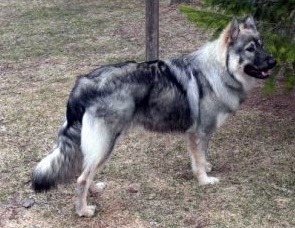
American Alsatian standing on grass

Since these dogs are highly intelligent and eager to please, training is relatively easy.

It is relatively easier to train an American Alsatian because these dogs are highly intelligent and love to please their owners. They pick up commands very quickly and go a long way if you keep praising them verbally. They are not bred to be working dogs, but their loyalty and intelligence make them easier to train than some other breeds.

For individuals who have the time to train their pets themselves, there are many instructional videos online that cater to this specific breed.

Exercise

These dogs are energetic but do not need too much exercise. These dogs can thrive best on about an hour of exercise each day. It can also accompany you on your regular everyday walks. However, the dogs might not be very excited about the hiking trip uphill.

Puppies

The puppies need to be taken care of the same way you would take care of an adult American Alsatian. However, the puppies need to be fed about four times as compared to the twice serving of the adult ones because they have smaller stomachs and can digest only a small amount of food at one point.
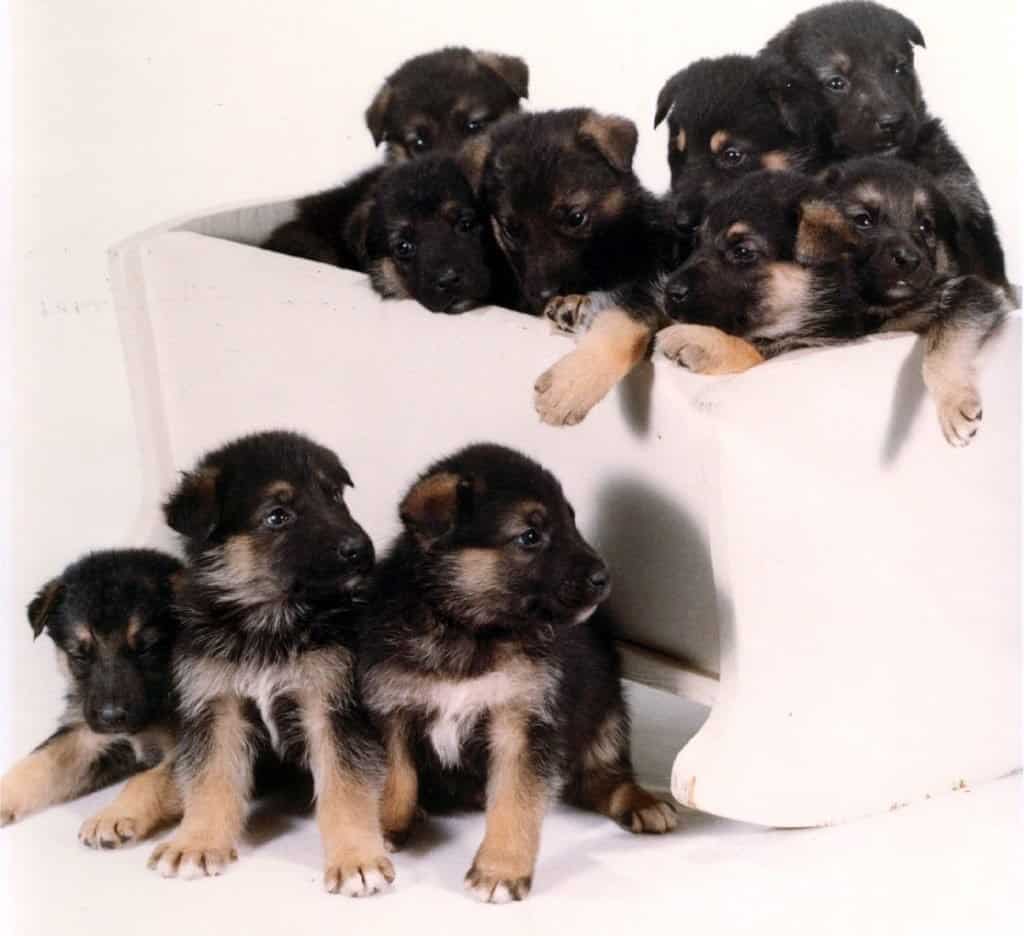
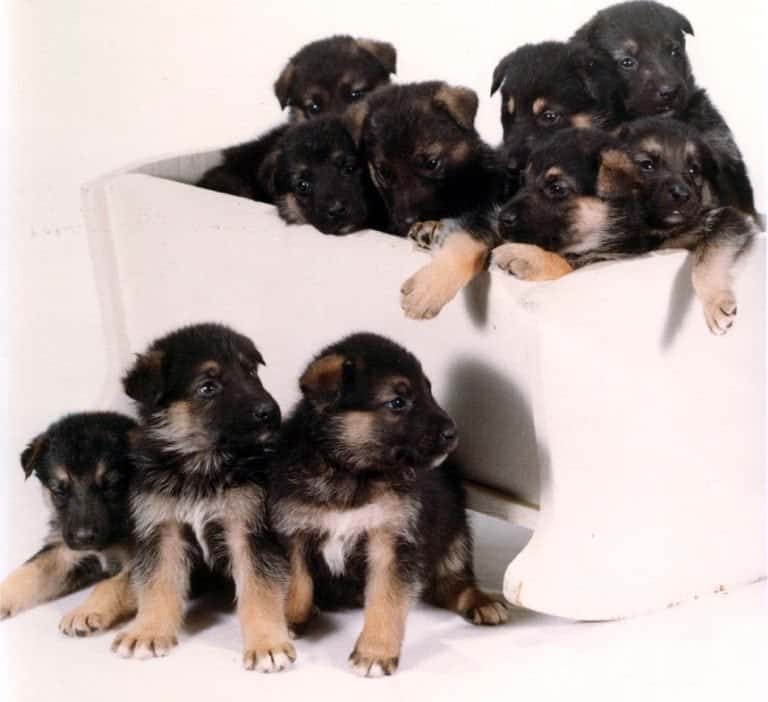
American Alsatian puppies

Puppies have small stomachs and can’t digest as much food at one time.

American Alsatians And Children

These dogs are great with children and are very playful around them. American Alsatians are loyal and calm, and behave great with the kids in the family. They are also great family companions.

As friendly as they may be, it is possible that rough play may not be best for younger and shorter children. The American Alsatian is rather large, so they should be supervised to ensure that their weight doesn’t overpower the child.

Dogs Similar To American Alsatians

If an American Alsatian is not the right match, several other breeds are relatively similar. Check out these options below.

  • English Mastiff: These dogs, like the American Alsatians, are tall and muscular and also have long muscles. They have often been used to breed the American Alsatian dogs.
  • Anatolian Shepherd: These dogs make great watchdogs and are known to be very intelligent, just like the American Alsatians.
  • Irish Wolfhound: These dogs are muscular and are tall dogs like the American Alsatians. They are usually imported from Turkey.

View all 328 animals that start with A

Sources

  1. Perfect Dog Breeds / Accessed December 1, 2020
  2. Dear Canine / Accessed December 1, 2020
  3. Animalso / Accessed December 1, 2020
  4. National American Alsatian Breeder's Association / Accessed December 1, 2020
  5. Dog Breed Info / Accessed December 1, 2020
  6. Love Your Dog / Accessed December 1, 2020
Melissa Bauernfeind

About the Author

Melissa Bauernfeind

Melissa Bauernfeind was born in NYC and got her degree in Journalism from Boston University. She lived in San Diego for 10 years and is now back in NYC. She loves adventure and traveling the world with her husband but always misses her favorite little man, "P", half Chihuahua/half Jack Russell, all trouble. She got dive-certified so she could dive with the Great White Sharks someday and is hoping to swim with the Orcas as well.
Connect:

Thank you for reading! Have some feedback for us?


American Alsatian FAQs (Frequently Asked Questions)

These dogs usually cost around $1800 to $3000. Additional costs can go up to $1500 annually.