Quick Take
- Florida is the only U.S. state where bobcats are shrinking in number, and an unlikely invader may be to blame. See the python impact →
- A bobcat's home range follows a strange shape, and its size shifts with the seasons for surprising reasons. Explore home range sizes →
- Your well-meaning rodent control could be hurting bobcats and other wildlife in ways you wouldn't expect. Check the poison risks →
- Fencing can keep bobcats out, but only if you get two overlooked details right. Get the fencing tips →
There are two types of wild cats in Florida: The Florida bobcat (Lynx rufus floridanus) and the Florida panther (Puma concolor coryi). Bobcats are more abundant than the panther, so bobcat sightings are more frequent. Bobcats also have the highest population of any other wildcat species in the U.S. So, how many bobcats live in Florida, and where do they live? Read on to find out.
About Bobcats in Florida
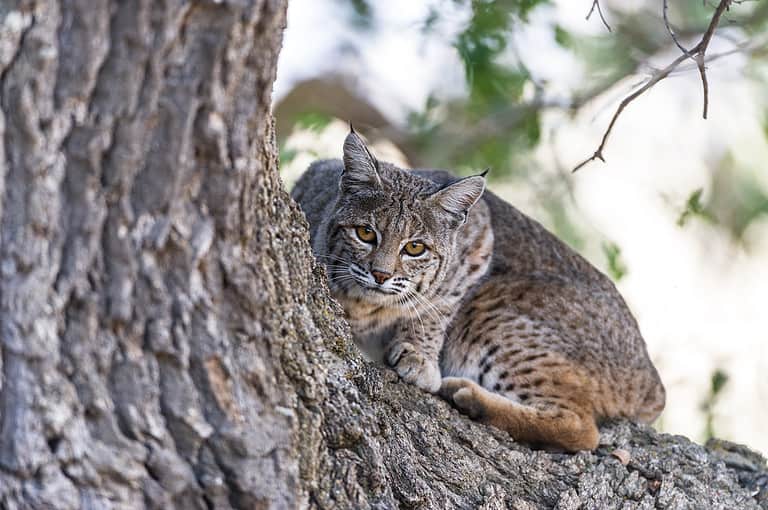
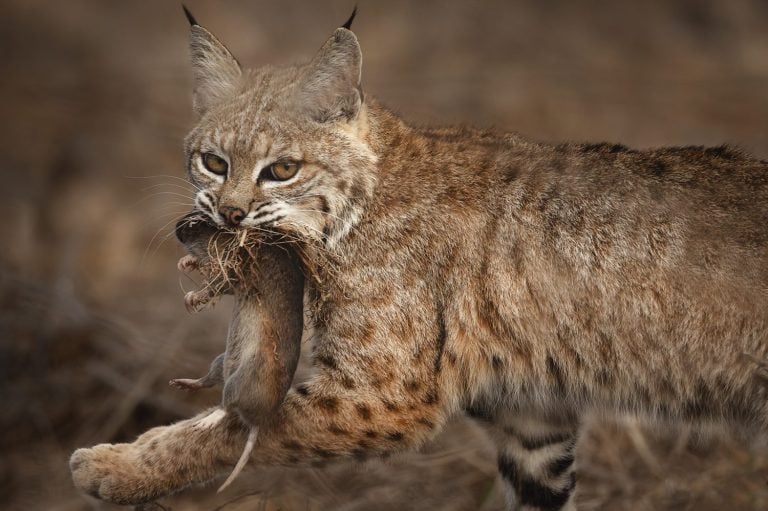
The Florida bobcat is easily identified by its short tail and tufts of fur on the sides of its face. Florida bobcats may be grey to tan to yellowish-brown with dark streaks. Their white undersides have black spots and they have black bars on the insides of the legs. Their tails have black markings on the top and white underneath. Adult bobcats can reach 50 inches in length and grow to 21 inches tall. They typically weigh between 13 and 30 pounds.
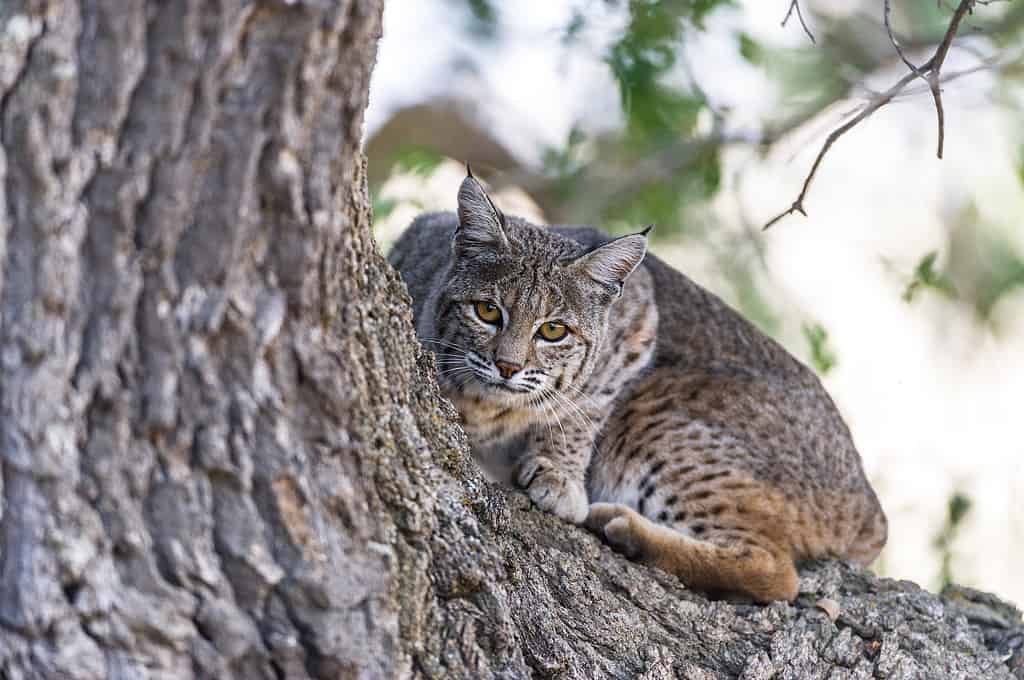
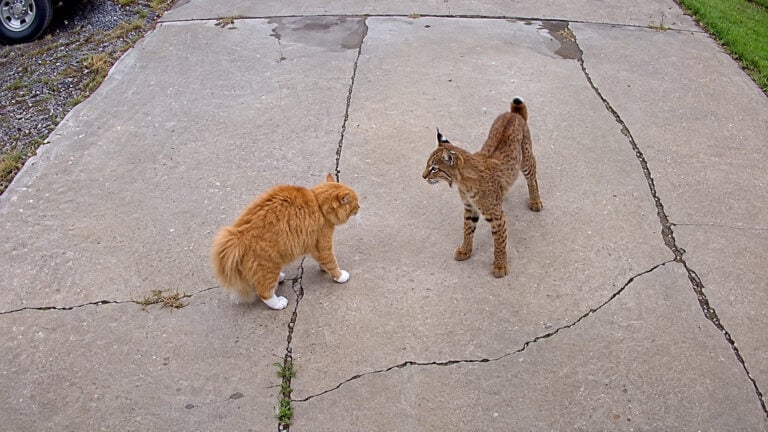
Bobcats are generally twice to three times the size of the average house cat.
©iStock.com/brentawp
The average lifespan of a Florida bobcat is approximately 3 to 4 years in the wild, though some have lived 16 years, and they can live more than 30 years in captivity. These wildcats live in dens, primarily caves, rock croppings, hollow trees, or other open shelters. However, these cats are always prepared, as they can have multiple homes; they build spare dens throughout their territory if the need for shelter arises while patrolling. These bobcats are incredibly adaptable and can survive in various habitats, including urban gardens and even the streets of cities, late at night while they are not so busy. However, they are very wary of humans unless people offer them food.
Adult Florida bobcats few natural predators due to their camouflage and agility. They can swim and climb, making them hard to catch. However, they can fall victim to humans who hunt them or kill them for trespassing. They may also occasionally be killed by Florida panthers, alligators, or packs of coyotes. However, although their population numbers in Florida are reported to be declining, they are not considered threatened or endangered.
Where Do Bobcats Live in Florida?
Bobcats are solitary and very territorial. For example, same-sex bobcats will never share a home range unless it’s a mother and her kittens. However, some territories may overlap with same-sex neighbors. Furthermore, females will allow males to wander through their territories; the same goes for males with females. Their structure of living is basically the same as humans who own and occupy homes. Their habitats include swamps, forests, and hammock land. In addition, Florida’s dense shrub thickets and patches of saw palmetto provide perfect den sites.
These wild cats have territories of around 1 to 15 square miles and will patrol them slowly and carefully. Their ranges are oval-shaped, as the borders often follow streams, roads, or natural contours. Their territory sizes also change depending on the season. For example, males tend to expand their borders to find a mate during the breeding season. Additionally, females will often patrol a smaller area when they have kittens to look after.
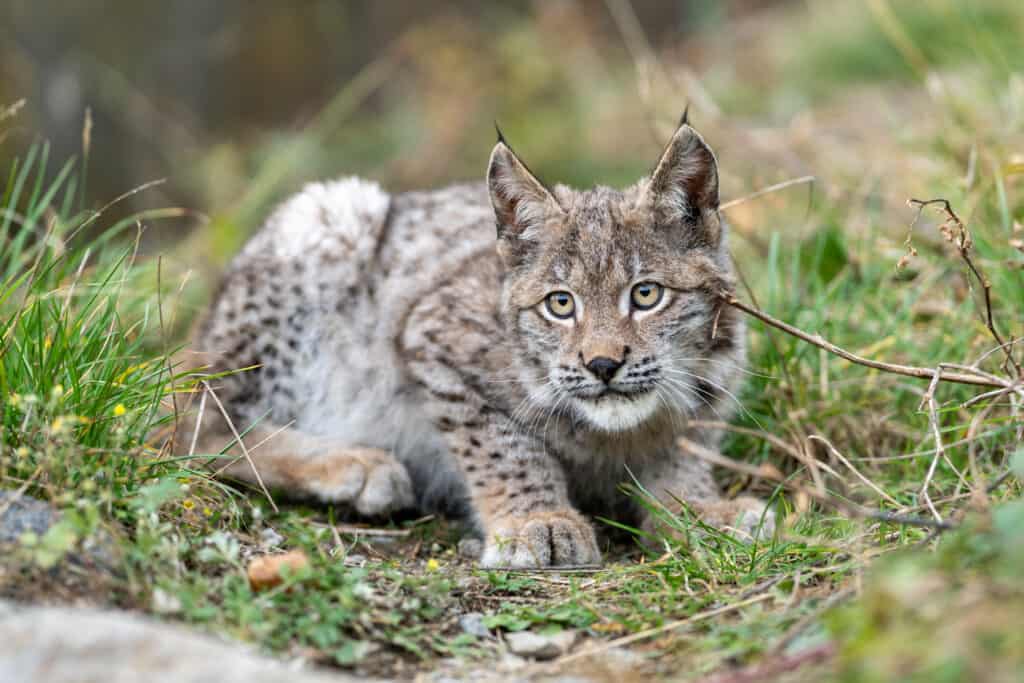
Bobcats are solitary except during mating and when raising kits.
©Vaclav Sebek/Shutterstock.com
How Many Bobcats Are in Florida?
Bobcats occur across North America, from Mexico all the way to Canada. They live in every contiguous U.S. state with the exception of Delaware. Their numbers decreased in several eastern and Midwestern states in the 1900s because they were hunted for their fur. Their recovery is generally credited to the regrowth of forests and state-level protections, with numbers mostly rising since the 1990s. Bobcats are more prevalent in the Southeastern U.S. than in western states. They have been recorded in all of Florida’s 67 counties, but there have been no sighting in the Florida Keys in several decades.
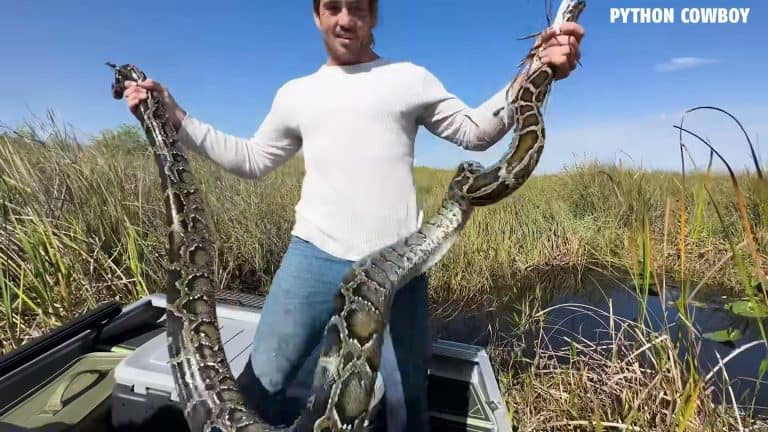
According to recent estimates, there are 2,350,000 to 3,570,000 bobcats in the U.S., up from older estimates of around 725,000 to 1,500,000. It is estimated that there are up to 300,000 in Florida alone. They are not listed as threatened or endangered across their range, but Florida is the only U.S. state where bobcats are reported to be declining. Researchers believe it may be due to competition from invasive Burmese pythons, as they consume the same small mammals. Unfortunately, bobcats are classified as fur-bearing game in many places, which means people can still hunt them during certain times of the year. It is illegal to kill a bobcat in Florida outside of hunting season.
What Do Bobcats Eat?
Bobcats are not fussy eaters, meaning they have a wide variety in their diets, which includes birds, carrion, and small rodents. They are primarily nocturnal animals, but they do sometimes hunt during the day when necessary. Therefore, during Florida’s summer months, these bobcats will mainly feed on local animals like rabbits, opossums, squirrels, and raccoons. However, in winter, they focus on migrating birds that fly through the Sunshine states that are escaping the cold in the North.
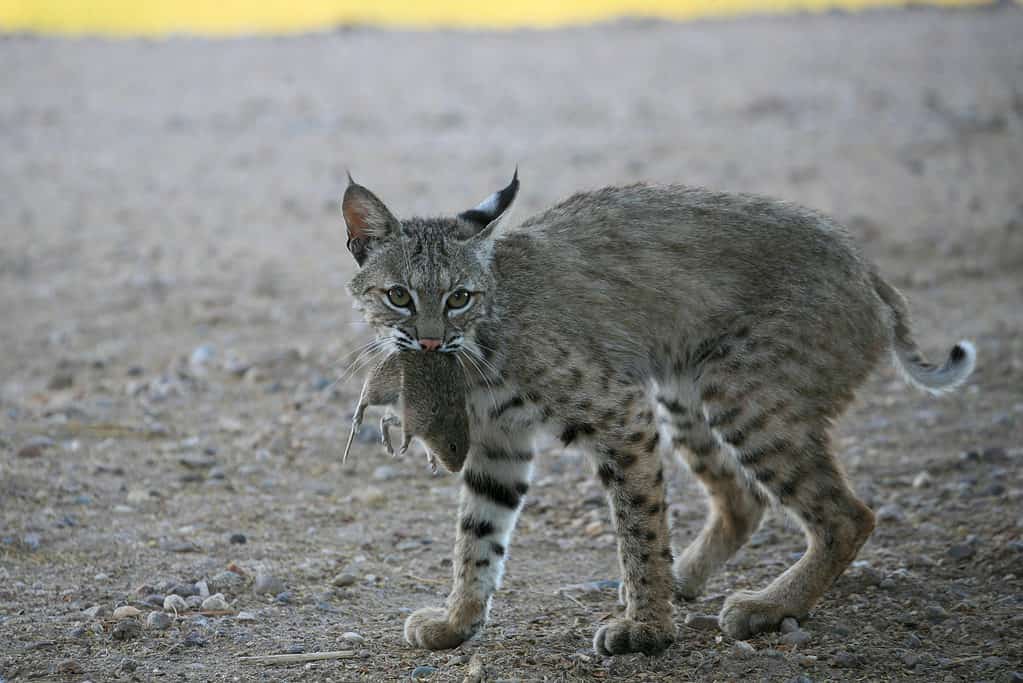
Bobcats are carnivores and skilled hunters.
©gobirdnerds/Shutterstock.com
What Attracts Bobcats to Your Home?
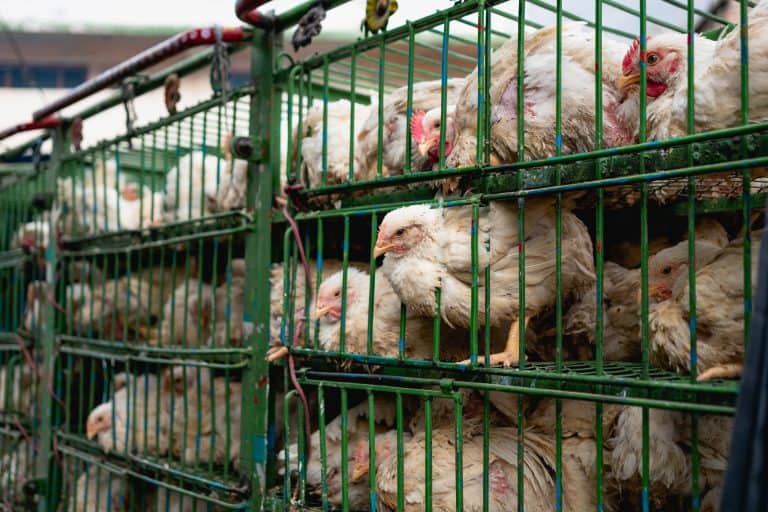
When people live in areas with larger predators, there is always a risk these stealthy hunters might prey on pets or small livestock. However, bobcats rarely pose a threat to your furry friends, despite living in areas where there are a lot of residential homes. Bobcats in Florida eat a lot of rodents and don’t usually prey on animals that can bite or claw back. They do occasionally prey on small livestock like chickens if the chickens are left unprotected.
Attacks on humans are incredibly rare and usually result from rabid bobcats. Furthermore, venturing into suburbia is significantly dangerous for these cats because of mange, which can occur from bobcats ingesting rodents killed by poison. However, it’s not only bobcats that are affected by this issue; birds of prey and other wildlife are also at risk, so it’s best to find a safe way to deal with vermin.
Bobcat Prevention
While bobcats are typically elusive, quiet, and shy, once they invade your property, it might be tough to get rid of them, especially if they have kittens. However, there are deterrents and adjustments you can make to your home that make it less inviting to Florida bobcats and other wildlife, which include:
- Remove any excess vegetation and get rid of secluded hiding spots.
- When your pets are indoors, remove their food and water from outside areas.
- Install noise or motion-activated deterrents that will scare off bobcats.
- If you have fruit trees, harvest them immediately and pick up any discarded fruit.
- Bang pot lids together, use a motion-activated sprinkler or air horn, or have a radio outside that plays continuously.
- Bobcats are drawn to gardens by squirrels, birds, or rodents, so if you have bird feeders, ensure there is no overflowing bird seed on the ground, which attracts rodents.
- Installing fencing can deter bobcats in Florida. For example, fencing six feet or higher is perfect. However, the bottom needs to extend 6 to 12 inches underground and have a 45-degree angle at the top facing outwards, 16 inches in width.
- If there are chickens or other fowl on the property, they need to be put in a secure coop overnight.
- Small pets like rabbits or guinea pigs should never be left unattended in a poorly-enclosed yard.