





B
Species Profile

Bordoodle

Canis lupus familiaris

Brains, bounce, and curls (maybe)
iStock.com/mokee81

Bordoodle Distribution

Domesticated Species

Found Worldwide

Size Comparison

Human 5'8"
Bordoodle 1 ft 6 in

Bordoodle stands at 26% of average human height.

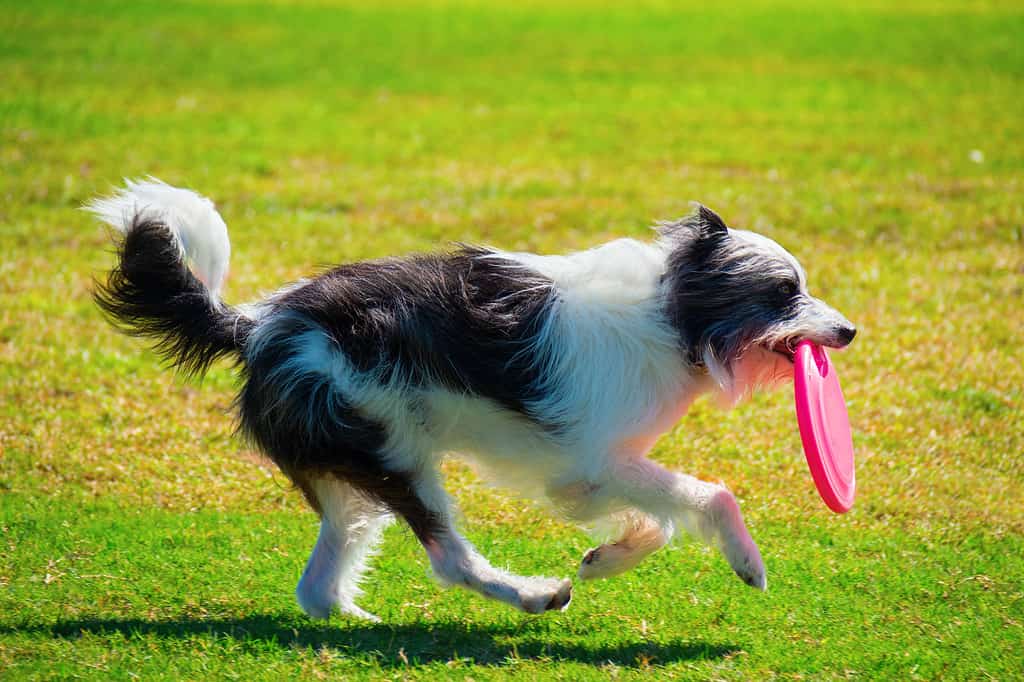
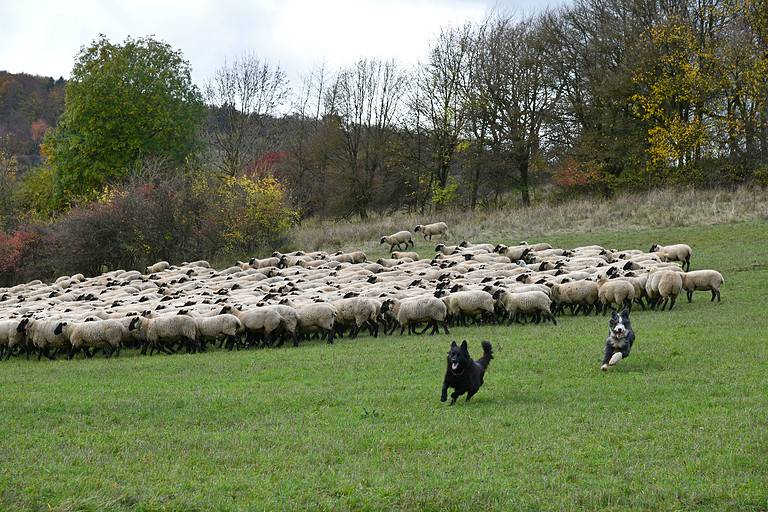
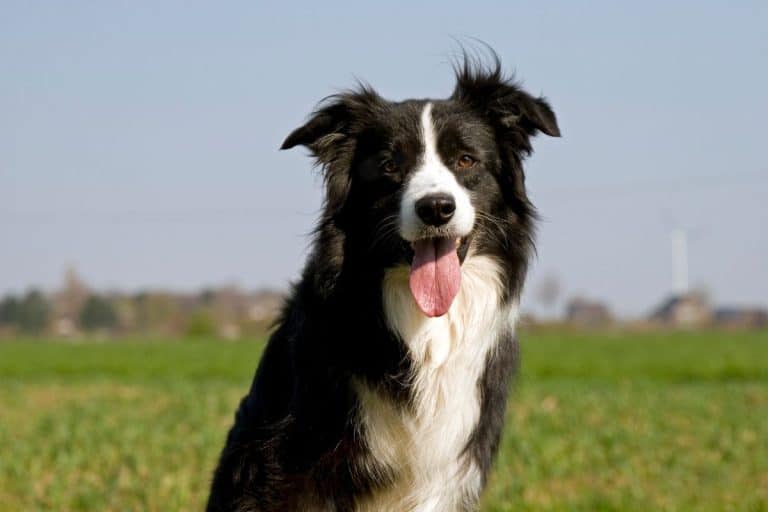
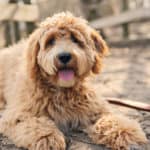
Agricultural Field, Animal, Animal Hair, Border Collie, Canine - Animal

At a Glance

Domesticated
Also Known As Dog, Domestic dog, Canine, Pooch, Puppy, Mutt, Hound, Man's best friend
Diet Omnivore
Activity Diurnal+
Lifespan 12 years
Weight 30 lbs
Status Not Evaluated
Did You Know?

A Bordoodle is a "designer dog" hybrid (Border Collie × Poodle), not a standardized kennel-club breed-littermates can look and act quite different.

Scientific Classification

A Bordoodle is a domestic dog hybrid produced by crossing a Border Collie with a Poodle (any size variety). Like other “doodle” mixes, traits vary widely between individuals and are not standardized like a formal kennel-club breed.

Kingdom
Animalia
Phylum
Chordata
Class
Mammalia
Order
Carnivora
Family
Canidae
Genus
Canis
Species
Canis lupus

Distinguishing Features

  • Hybrid of Border Collie and Poodle; appearance and temperament can vary substantially
  • Often medium-sized (depending on Poodle parent size), athletic build
  • Coat may be wavy to curly; shedding level variable (not guaranteed hypoallergenic)
  • Typically high intelligence and trainability; can be very high-energy
  • May show strong herding/chasing instincts from Border Collie lineage

Physical Measurements

Males and females differ in size

Height
1 ft 8 in (1 ft 2 in – 2 ft 2 in)
1 ft 6 in (10 in – 2 ft 1 in)
Length
3 ft 2 in (2 ft 4 in – 3 ft 11 in)
2 ft 10 in (1 ft 10 in – 3 ft 11 in)
Weight
49 lbs (26 lbs – 71 lbs)
40 lbs (11 lbs – 66 lbs)
Tail Length
1 ft 2 in (10 in – 1 ft 6 in)
1 ft 1 in (8 in – 1 ft 6 in)
Top Speed
40 mph
Greyhounds about 40 mph

Appearance

Primary Colors
Secondary Colors
Skin Type Domestic dog skin with fur coat; coat type varies widely (straight to wavy to curly). Skin may be normal to sensitive; pendulous/covered ears in many individuals can predispose to moist ear canals and irritation.
Distinctive Features
  • Designer dog hybrid (Bordoodle = Border Collie × Poodle); not a formally standardized kennel-club breed, so appearance and temperament are not guaranteed and vary widely.
  • Build often athletic and agile with a lighter, sport-dog frame; size ranges from small to large depending on whether the Poodle parent is toy/miniature/standard.
  • Coat may be straight, wavy, or curly; may be single-coat or have more Border Collie-like density; shedding can range from low to moderate-never guaranteed to be non-shedding or hypoallergenic.
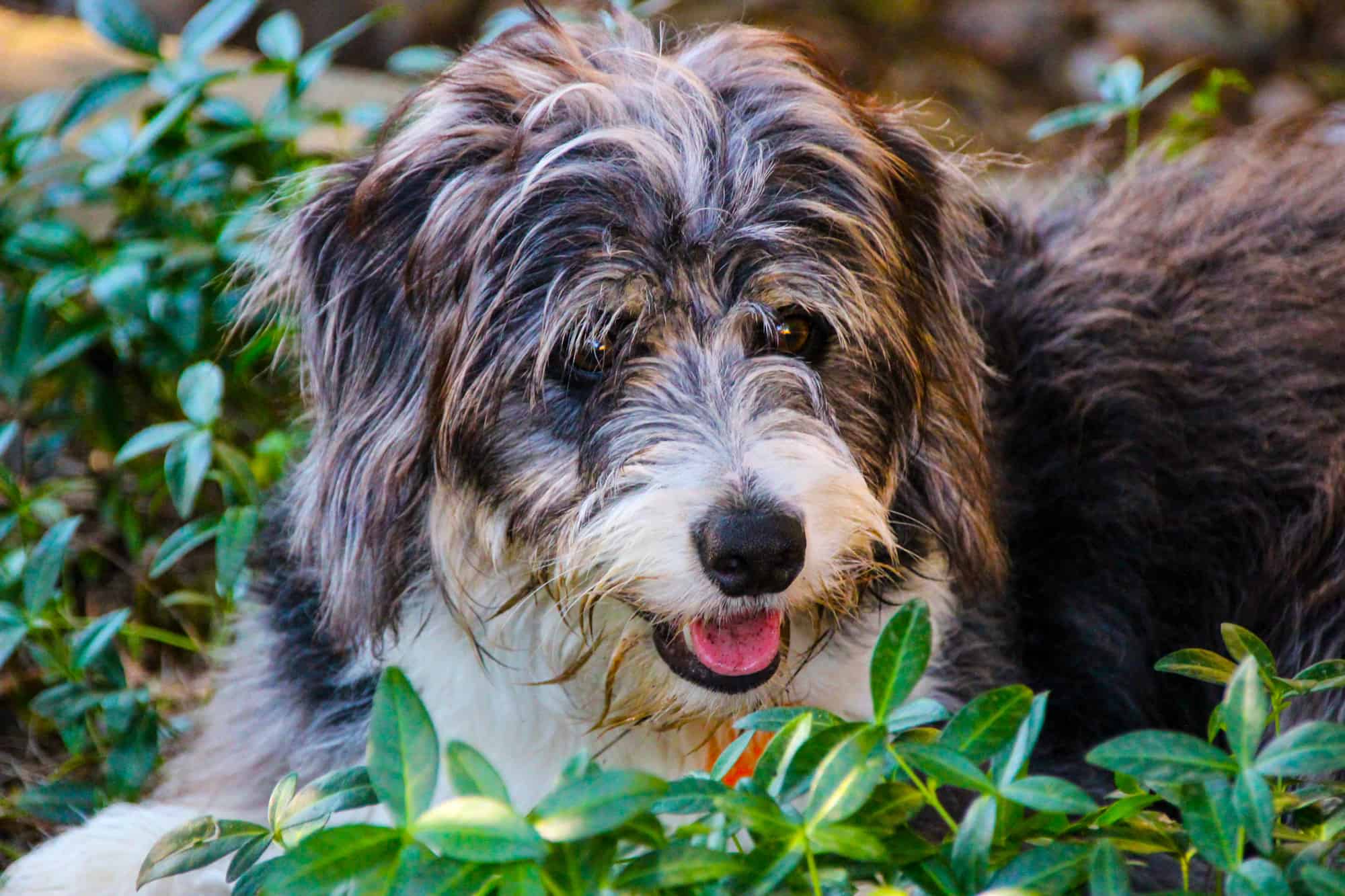
  • Many individuals show "furnishings" (beard/eyebrows) and a longer facial coat when Poodle traits are strong; others retain a smoother collie-like face.
  • High intelligence and trainability; often intense working drive from Border Collie ancestry-needs structured training and daily mental work.
  • Exercise and enrichment needs are typically high: sustained aerobic activity plus problem-solving (obedience, agility, scent work, trick training) to prevent boredom-related behaviors.
  • Grooming needs depend on curl/length: regular brushing to prevent mats; routine professional clipping often needed for wavy/curly coats; pay special attention behind ears, under collar/harness, and legs.
  • Common health problems in parent dogs include hip and elbow dysplasia, kneecap issues in small dogs, inherited eye disease, epilepsy, skin allergies, ear infections (hairy ears), and hormone problems like Addison's.
  • Needs early socialization, gentle reward training, joint-friendly exercise and weight control, regular ear and dental care, and health checks when possible (hips, elbows, eyes, and genetic tests).

Sexual Dimorphism

Mild to moderate sexual dimorphism typical of domestic dogs; differences are most apparent in overall size and head/neck robustness rather than color or pattern.

  • Often taller/heavier with broader skull and thicker neck/shoulders
  • May carry more muscular mass, especially in athletic individuals
  • Often slightly smaller/lighter with a narrower head and finer bone structure
  • May appear more streamlined in outline, though individual variation is substantial

Did You Know?

A Bordoodle is a "designer dog" hybrid (Border Collie × Poodle), not a standardized kennel-club breed-littermates can look and act quite different.

Because Poodles come in multiple sizes, Bordoodles can range from small to large depending on whether a Toy/Miniature/Standard Poodle is used.

Many inherit intense "work ethic": they often excel at agility, obedience, scent work, trick training, and advanced puzzle games.

Coats vary from wavy to curly to straighter "fleece" types; shedding ranges from low to moderate-there's no guarantee of "hypoallergenic."

Common instincts can include Border Collie-style herding behaviors (stalking, circling, nipping at heels) mixed with Poodle retrieving and water interest.

They tend to be very human-focused and trainable-domestic dogs (Canis lupus familiaris) are uniquely tuned to read human cues compared with most wild canids.

Early socialization is especially important: high intelligence plus sensitivity can produce anxiety or reactivity without structured exposure and routine.

Unique Adaptations

  • Domestic-dog social cognition: as Canis lupus familiaris, Bordoodles often excel at following human pointing, gaze, and verbal cues-key differences from their wild ancestor (gray wolf, Canis lupus).
  • Hybrid variability ("genetic lottery"): traits such as coat curl, shedding, prey/herding drive, and temperament can differ markedly even within one litter.
  • Coat diversity: possible single-coat, double-coat, or intermediate textures; curl can reduce loose hair in the home but increases matting risk.
  • High aerobic capacity and coordination: many inherit Border Collie athleticism, benefiting from structured running, agility foundations, and safe jumping mechanics.
  • Problem-solving persistence: Poodle + Border Collie ancestry often yields dogs that persist at puzzles-great for training, but they may also persist at counter-surfing or escaping if bored.

Interesting Behaviors

  • "Herding eye" and body-blocking: some Bordoodles stare, crouch, and try to control movement of kids, pets, or bicycles-redirect with structured games and training.
  • Shadowing and check-ins: many frequently look back to their handler, a common trait in highly biddable working lines.
  • Inventing jobs: if under-stimulated, they may create repetitive activities (ball obsession, pacing, shadow-chasing) that become self-reinforcing.
  • Rapid pattern learning: they may anticipate routines (leash = walk) and can also learn unwanted patterns quickly (door-dashing) without consistent rules.
  • Vocal communication: some are quiet like many Poodles, others are more reactive/alert like herding dogs-expect variability by individual.
  • Object play and fetching: many enjoy retrieving and can be taught formal retrieves and "put away toys," but drive varies widely.

Cultural Significance

Bordoodles (Canis lupus familiaris) are modern 'doodle' mixes that try to add Poodle coat features to working or sporting breeds. People see them as trainable, active family dogs often linked to agility and obedience, but mixes can be unpredictable in size, coat, and behavior.

Myths & Legends

Border Collie tradition in the British Isles celebrates the "working collie" as the shepherd's indispensable partner; classic sheepdog trials helped build a near-legendary reputation for uncanny control and intelligence on the hills and fells.

In German-speaking Europe, Poodles were long linked to waterfowling culture; their name comes from old words for splashing, and tales of clever water dogs bringing back ducks from cold rivers became hunting stories.

Modern stories say "doodle" mixes were made to get the Poodle's coat and another breed's temper. These tales, told by breeders and in media, boosted doodle popularity though results still vary.

Folklore across Europe often shows the domestic dog (Canis lupus familiaris) as a loyal guardian at the border of wild and home, shaping how people see lively, watchful mixes like the Bordoodle.

Herding-dog superstition in some rural communities held that a truly exceptional sheepdog was "born knowing" its craft, a romantic idea that persists in stories told about gifted Border Collies and their crosses.

Conservation Status

NE Not Evaluated

Has not yet been evaluated against the criteria.

Population Stable

Life Cycle

Birth 6 pups
Lifespan 12 years

Lifespan

In the Wild
10–13 years
In Captivity
8–16 years

Reproduction

Mating System Polygynandry
Social Structure Managed Domestic
Breeding Pattern Not Applicable
Fertilization Managed Selective
Birth Type Managed_selective

Canis lupus familiaris (domestic dog) mating is usually human-managed (managed_selective). In free-ranging dogs it is polygynandry: both sexes may mate with many partners. Dogs lack strong pair bonds and are not typically cooperative breeders.

Behavior & Ecology

Social Pack Group: 4
Activity Diurnal, Crepuscular, Cathemeral
Diet Omnivore Meat-forward meals (commonly chicken or beef-based diets)

Temperament

High trainability; typically quick to learn with strong reinforcement sensitivity (often Border Collie-influenced), but can become overstimulated without clear structure.
Energetic and work-oriented; many individuals require substantial daily aerobic exercise plus problem-solving (e.g., scent games, agility, obedience, retrieving) to prevent frustration behaviors.
People-oriented and affiliative in many lines; however, some are reserved with strangers (common in Poodle lines) and need gradual social exposure.
Herding/chase tendencies may appear (stalking, heel-nipping, fixation on moving objects); management includes impulse-control training and appropriate herding-like outlets.
Variable sociability with other dogs: ranges from highly social to selective; early socialization and adolescent experiences strongly affect adult dog-dog tolerance.
May be sensitive to harsh handling or chaotic environments; thrives with calm, consistent cues and predictable routines.
Potential nuisance behaviors when needs are unmet: demand barking, jumping, mouthing, counter-surfing, or compulsive play-seeking.
Some dogs inherit hip dysplasia, elbow problems, kneecap dislocation (often from small Poodle lines), allergies, ear inflammation, or eye disease like PRA. Pain or itch makes them more reactive; vet checks and quick care help.
Coat-related care needs (variable): many have curly/wavy coats requiring frequent brushing and routine grooming; matting and ear hair can predispose to otitis, which can reduce sociability and increase head-shaking/irritability if untreated.

Communication

Barking Alerting, demand, excitement, frustration; intensity varies widely-some are quiet, others very vocal
Whining/whimpering Appeasement, attention-seeking, separation distress, anticipation
Growling Resource guarding, discomfort, play; context-dependent
Howl-like vocalizations are possible but typically less prominent than in wolves; more common as social/response vocalizing in some individuals.
Body posture and facial expressions (ear set, tail carriage, soft vs hard eye, lip tension) as primary social signals.
Play bows, pawing, and bouncy movement to solicit play; may include herding-style circling or staring.
Scent marking and investigative sniffing; less territory-driven than wolves but still used for information gathering.
Mouth-based signaling Gentle mouthing in play; potential nipping if herding drive is strong-training recommended
Proximity-seeking/leaning and following behavior indicating attachment to handlers.
Displacement behaviors under stress (yawning, lip-licking, shake-offs) indicating arousal or discomfort; useful for reading thresholds during social encounters.

Habitat

Biomes:
Temperate Forest Boreal Forest (Taiga) Tundra Alpine Temperate Grassland Mediterranean Savanna Tropical Dry Forest Tropical Rainforest Desert Hot Desert Cold Wetland Freshwater Marine +8
Terrain:
Mountainous Hilly Plateau Plains Valley Coastal Island Riverine Rocky Sandy Muddy +5
Elevation: -1969 in – 16404 ft 3 in

Ecological Role

Human-associated omnivorous mesopredator/scavenger (companion and working canid); ecological impacts mostly occur when free-ranging.

Companionship and human wellbeing support Working roles depending on training (agility, service/therapy, detection, herding-like behaviors) Rodent control in some settings When unmanaged, can negatively impact wildlife via predation/disturbance and act as a disease/parasite bridge-mitigated by responsible ownership

Diet Details

Main Prey:
Small mammals Birds Fish Carrion
Other Foods:
Cooked grains and starches Vegetables Fruits and berries Grasses Plant ingredients

Human Interaction

Domestication Status

Domesticated

Canis lupus familiaris (domestic dog) comes from the gray wolf and was shaped by humans for tameness, teamwork, and work roles. A Bordoodle (Border Collie × Poodle) is a modern cross for companionship and work, blending herding drive and being easy to train with poodle intelligence and coat types. Traits vary and are not predictable.

Danger Level

Low
  • Bite/scratch risk typical of domestic dogs, increased by poor socialization, fear, pain, or mishandling
  • Herding-related behaviors (nipping at heels, chasing children/pets) more likely if Border Collie drive is strong and not managed
  • High energy and intensity can lead to accidental collisions/knocks, especially with children or elderly people
  • Zoonotic risks common to dogs (e.g., parasites) if preventive care and hygiene are neglected

As a Pet

Suitable as Pet

Legality: Canis lupus familiaris (domestic dog) is generally legal where pets are allowed. Usual rules: license or registration, rabies shots, leash laws, and local limits. Housing or insurance may still restrict some mixes.

Care Level: Moderate

Purchase Cost: $200 - $3,000
Lifetime Cost: $15,000 - $45,000

Economic Value

Uses:
Companion animal market Professional services (training, grooming, boarding) Working/service roles (case-dependent) Veterinary and preventive care economy
Products:
  • pet sales/adoption fees (variable for mixes)
  • training classes and behavior services (especially for high-drive individuals)
  • grooming services and equipment (often significant if coat is curly/wavy)
  • pet insurance, veterinary services, medications
  • dog sports participation (agility, obedience, herding-style sports)

Relationships

Ecological Equivalents 8

Animals that fill a similar ecological role in their ecosystem

Gray wolf
Gray wolf Canis lupus Bordoodles, a domestic-dog mix, differ from wolves: they are more people-directed, have less drive to hunt large ungulates, are bred to be easy to train and to serve as companions, and exhibit much greater variation in coat, size, and temperament than wolves.
Border Collie
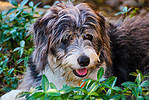
Border Collie Canis lupus familiaris Shares a herding/working niche and many likely inherited traits (high drive, intense focus, responsiveness). Crosses such as Bordoodles often show Border Collie–like motion sensitivity and herding tendencies. Require significant daily exercise plus structured mental work to prevent anxiety and destructive behavior.
Poodle
Poodle Canis lupus familiaris Common parent breed contributing coat type (curl/wave; often lower-shedding but not guaranteed hypoallergenic), athleticism, and high trainability. Care implications for Bordoodles: frequent brushing and professional grooming to prevent matting, plus ear care if floppy or low-airflow ears are inherited.
Australian Shepherd
Australian Shepherd Canis lupus familiaris High-energy, handler-oriented herding dog; relevant as a comparison for care needs: intense exercise requirements, need for enrichment, and potential for reactivity without training and socialization.
Labradoodle
Labradoodle Canis lupus familiaris Similar doodle hybrid with non-standardized, individually variable outcomes (coat, size, temperament). Useful comparison: owner expectations should focus on the individual dog rather than a fixed breed standard; grooming demands can be substantial.
Goldendoodle
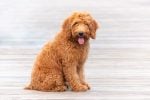
Goldendoodle Canis lupus familiaris A common Poodle-cross occupying a similar companion/active-family niche. Highlights shared issues in doodle mixes: variable coat (matting risk), common orthopedic concerns in medium-to-large individuals, and the need for consistent training to manage excitability.
Belgian Malinois
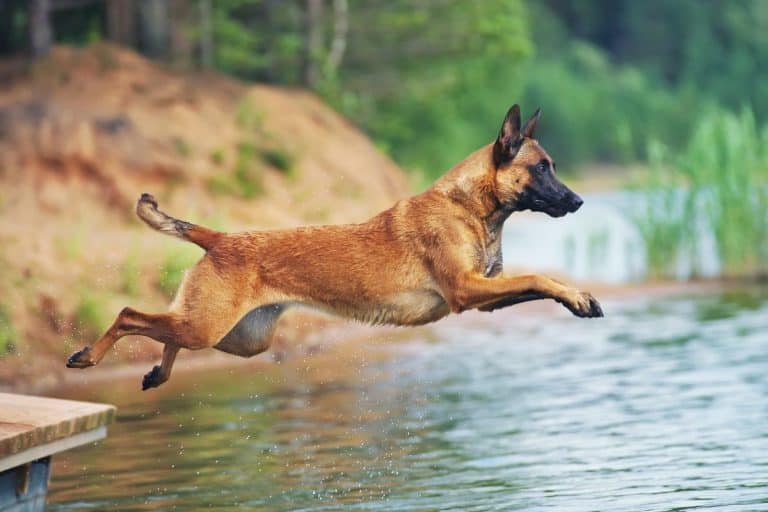
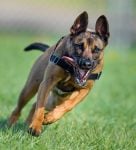
Belgian Malinois Canis lupus familiaris Comparable working-drive profile—high stamina and task focus. Included to emphasize that some Bordoodles, especially those leaning toward Border Collie, can be working‑dog intense and therefore need advanced training plans, high daily activity, and a job‑like routine.
Bordoodle
Bordoodle Canis lupus familiaris Human-made hybrid (Border Collie × Poodle mix) within Canis lupus familiaris, not a kennel-club breed. Often highly trainable and high-energy, typically with a curly, high-maintenance coat. Screen for hip and elbow problems, eye disease, epilepsy, allergies, and ear infections. Requires daily exercise, consistent training and socialization, and regular coat care.

The bordoodle is an adorable Doodle dog that is a cross between a poodle and a border collie. These sweet and loving pups are hypoallergenic, attentive, and perfect for an active family. They’re known for their unique faces and their coats of soft, wavy fur.

If you adopt a bordoodle, you’ll be pleasantly surprised to realize that your dog is quiet and easy to train. Breeders have been working hard to get the bordoodle registered as an official breed; with a few more healthy generations, that dream might be close to coming true.

The Border Collie was originally developed in the Anglo-Scottish border county of Northumberland as a hunting dog as well as a dog for herding sheep and other livestock. Traits that the bordoodle might inherit include being affectionate, obedient, intelligent, healthy, long-lived, fast, and agile.

The Poodle is an older breed that traces its roots to the 1400s in Germany. It is assumed that their main purpose was to help hunt ducks, which requires good intelligence and awareness to bite gently while fetching felled birds. The French continued developing the early poodle into what was called the Caniche, literally translated to “duck dog.” Traits that the bordoodle might inherit from its poodle parent are that it is very intelligent and easy to train, ensuring that it is well-behaved for its owner. However, it will need to be kept busy to stay out of mischief.

Temperament
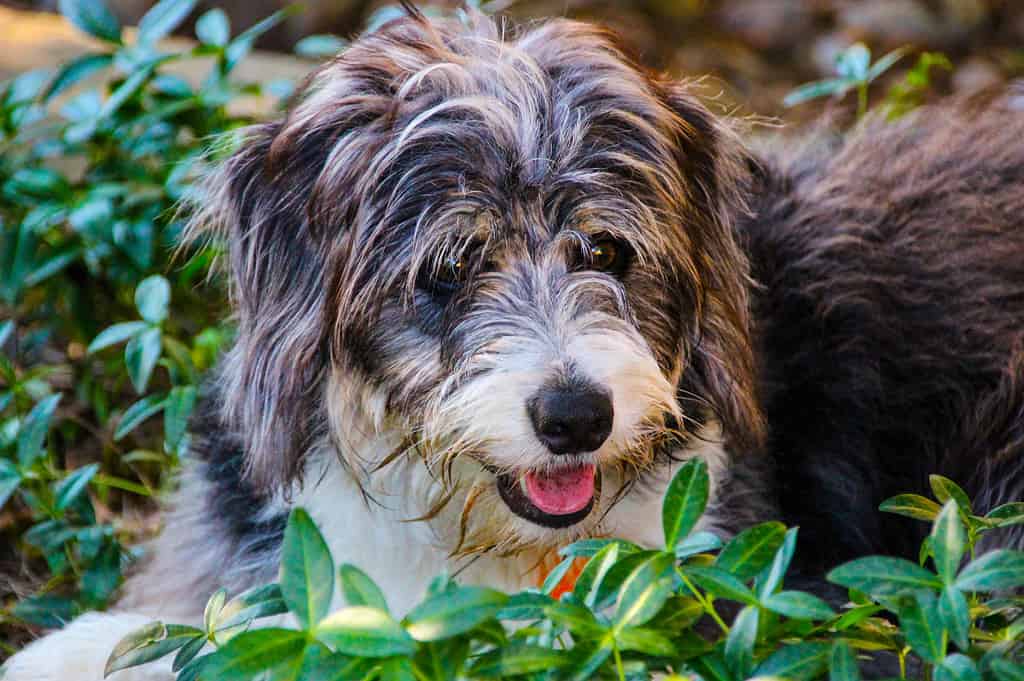
bordoodle

Bordoodles are sweet and loving pups that are hypoallergenic, attentive, and perfect for an active family

Bordoodles are sweet, loving, and loyal dogs with incredibly intelligent personalities. You can expect a bordoodle to have the same quick-witted temperament that border collies are normally known for. In addition, they display calmer behavior patterns than both of their parent breeds. The average bordoodle is incredibly involved with its family but doesn’t need nearly as much exercise.

Because bordoodles love to pay attention to their owners, you should have no problems including your dog in family activities. Bordoodles are incredibly susceptible to separation anxiety, so try not to leave them alone for more than a few hours at a time. As long as you give them plenty of attention and separate them from tense social situations when they get tired, you and your new bordoodle should have a wonderful time together.

3 Pros and Cons of Ownership

ProsCons
Like the border collies from which they are descended, bordoodles are intelligent and incredibly easy to train.Although they don’t shed, bordoodles are covered in a thick coat of curly hair that needs to be brushed and combed regularly. Grooming a Doodle is a lot of work, and some owners think it’s too much.
They are hypoallergenic dogs that shed very little. They’re also tidy animals that don’t make much of a mess around the house.They are herding dogs by nature, so they may try to herd their family members. This can be a problem around young children and small animals.
Unlike other Doodle breeds, bordoodles are quiet and relaxed and have low exercise requirements. Take your dog for an hour-long walk every day, and you should see almost no behavioral issues.Like most Doodle breeds, healthy bordoodles from registered breeders are fairly expensive. Expect to pay an average of $5,000 for a well-bred bordoodle, along with any associated medical and grooming costs.

Size and Weight

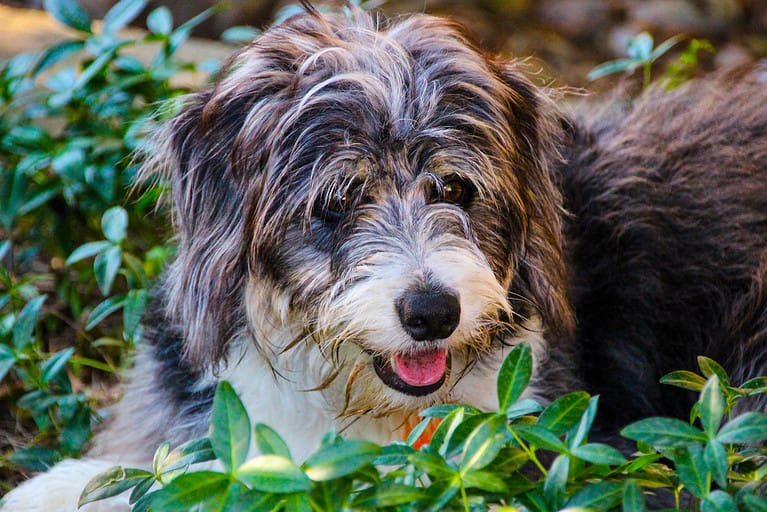
Bordoodles are medium-large dogs with floppy ears and a coat of soft and fluffy poodle-style hair. A bordoodle’s coat can be either short or long and can come in any combination of white, gray, black, and brown. These dogs typically weigh between 30 and 60 pounds, and they usually stand between 12 and 24 inches tall. Although females are smaller in size than their male counterparts on average, the difference is not significant. Prospective owners should also be aware that some breeders are attempting to make mini bordoodles, which will be significantly smaller.

Common Health Issues

Bordoodles are a relatively new breed, which means that any breed-specific health issues have yet to be documented. Many mixed-breeds share the genetics of their parent breeds, including health problems. However, because the two types of genes have intermingled, there is a chance that some standard health defects will disappear.

With that said, bordoodles are relatively healthy dogs that have no immediately apparent health issues. Like most purebred canines, they have a chance of suffering from problems like joint dysplasia, retinal atrophy, and epilepsy. These health problems are typically more apparent in mini versions of the breed. Luckily, your vet can catch and treat these conditions with regular vet visits. In short, the main health problems your bordoodle might suffer from include:

  • Hip and elbow dysplasia
  • Retinal atrophy
  • Canine dysplasia

Care

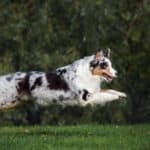
Agricultural Field, Animal, Animal Hair, Border Collie, Canine - Animal

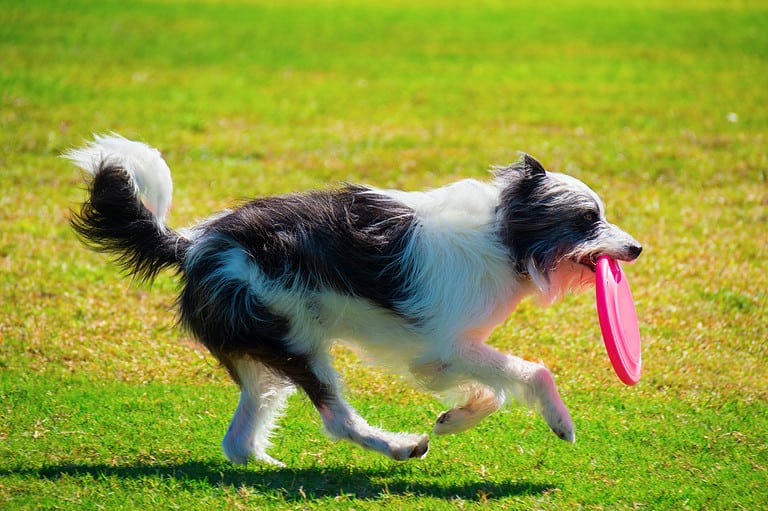
Bordoodles are quick-witted but calmer than their parent breeds.

Whether they’re a purebred or a rescue, bordoodles are intelligent, loyal, and easy to work with. As a new Doodle owner, you’ll need to put a little extra effort into training and grooming. However, once you’ve established good habits, you’ll love your bordoodle’s sweet and playful personality.

Bordoodles are descended from two anxious and high-energy breeds. Border collies, in particular, are used to being working or rescue dogs, which means that they expect to have something to do during the day. Although bordoodles are usually calmer than their parents, you can help prevent anxiety issues by making sure that they burn off all of the calories they consume. Consult your vet to see how much food your bordoodle needs to maintain a healthy weight, and remember to give it plenty of exercise.

Best Dog Food

Like most dogs, Bordoodles thrive when fed a balanced diet rich in protein and healthy fats. High-quality kibble is always a good choice, as are many of the premade wet dog foods on the market. You can also cook homemade dog food with meat, vegetables, and a small amount of whole grains like barley or rice.

Maintenance and Grooming

All Doodle dogs have curly coats of hair that need to be brushed or combed on a semi-daily basis. In addition, you will want to take your bordoodle to the groomer at least once a month. Because of the way their coat grows, you’ll have a variety of styling options to choose from. Remember not to let your dog’s hair grow over the front of its eyes; even if you can’t make it to the groomer, you can still gently trim this area at home.

Training

Bordoodles are intelligent and responsive, which makes them incredibly easy to train. Start working with your dog as early as possible to help make sure that your dog knows how to spend its extra mental energy. After you’ve mastered basic commands, you may want to teach your bordoodle some of the more complicated tricks that are normally reserved for border collies.

Exercise

Bordoodles need less exercise than most Doodle dogs, but they still need to go for at least an hour-long walk every day. In addition, you may want to get into the habit of playing fetch with your bordoodle or letting it run around in the backyard. To prevent anxiety, be sure to provide plenty of toys and space to move around.

Puppies

When you’re raising bordoodle puppies, remember that they have a strong herding instinct. Your dog will naturally try to work, which for a border collie means keeping the herd in line. Expect to see small amounts of ankle nipping and pushing, especially when your dog is still young. You can curb these behaviors with training, patience, and a positive attitude.
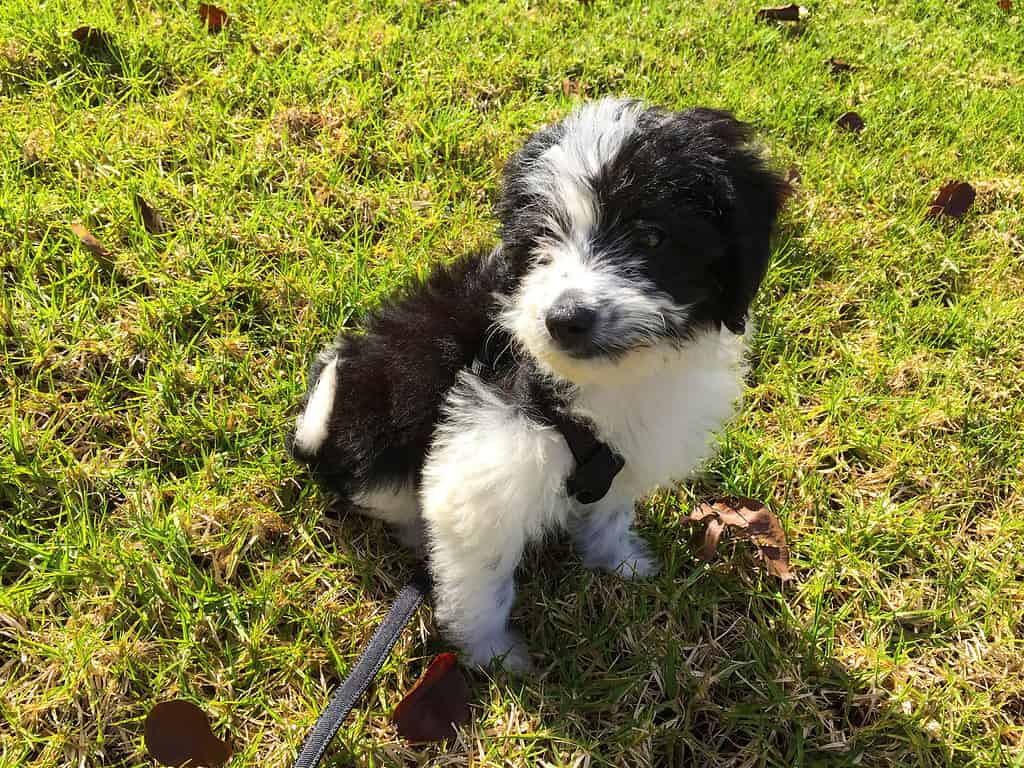
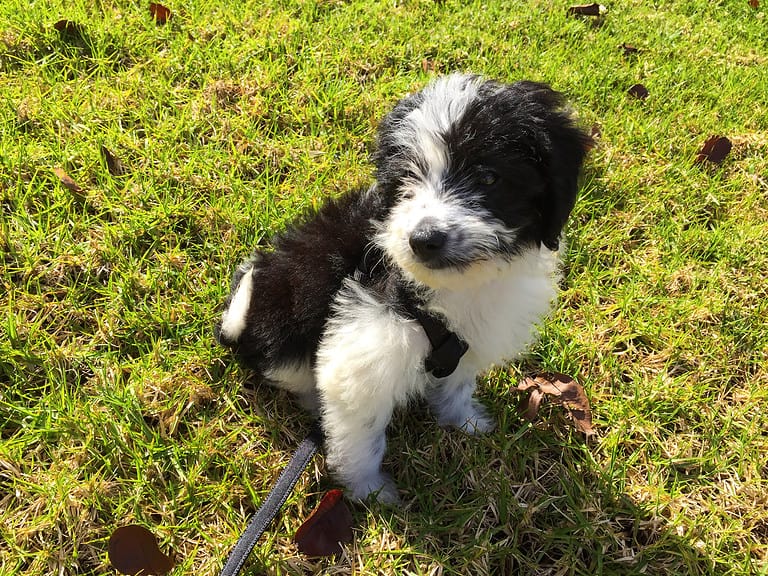
Bordoodle puppy standing in the field

Like the border collies they are descended from, bordoodles are intelligent and attentive dogs that are incredibly easy to train.

Children

Bordoodles are playful and energetic dogs that love to spend time with older children. If you’re looking for a dog to play fetch with your kids and accompany them on long walks, the bordoodle is a fairly good choice. They love socialization, don’t usually bark or pull, and only need about an hour of regular exercise every day.

With that said, bordoodle puppies are actually a bad choice for families with small children. This is because these dogs have a strong herding instinct and a long attention span. The result is a tendency to nip at and push young children into line, combined with a persistence that can be very annoying at a family gathering. For best results, don’t leave a bordoodle alone with small animals or young kids who don’t know how to be around dogs.

Similar Dogs

Due to their hypoallergenic hair, poodles are an incredibly popular choice for creating mixed breeds. If a bordoodle doesn’t quite meet your specifications, consider getting a different Doodle dog for your family. Some of your choices include the sheepadoodle, the labradoodle, and the saint berdoodle.
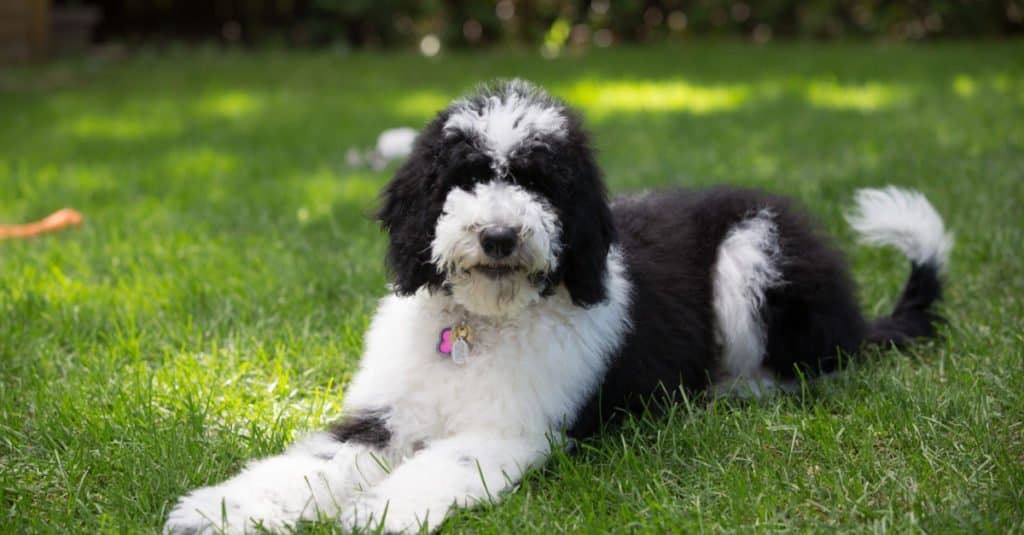
An adult Sheepadoodle laying in the grass

Sheepadoodles are another hypoallergenic doodle breed. They were bred to be companion dogs and love spending time with the people in their family.

  • Sheepadoodles — When you combine the sweet face of an old English sheepdog with the curly hair of a poodle, it’s hard not to fall in love. These dogs are even-tempered and intelligent, and they make a great low-energy alternative to the bordoodle.
  • Labradoodles — The labradoodle is one of the most popular Doodle breeds. Because they were bred to be hypoallergenic guide dogs, labradoodles are intelligent and easy to train.
  • Saint Berdoodles — As the largest of the Doodles, saint berdoodles are known for being tall, loving, and relaxed. Although they don’t live as long, saint berdoodles will still have an amazingly positive impact on your family.
View all 453 animals that start with B

Sources

  1. dogell.com / Published March 2, 2021
  2. loverdoodles.com / Published March 2, 2021
  3. petguide.com / Published March 2, 2021
  4. oregonbordoodles.com / Published March 2, 2021
  5. dogtime.com / Published March 2, 2021

Ashley Haugen

About the Author

Ashley Haugen

Ashley Haugen is the editor of A-Z Animals. She's a lifelong animal lover with an affinity for dogs, cows and chickens. When she's not immersed in A-Z-Animals.com (her favorite editorial job of her 25-year career), she can be found on the hiking trails of Middle Tennessee or hanging out with her family, both human and furry.
Connect:

Thank you for reading! Have some feedback for us?


Bordoodle FAQs (Frequently Asked Questions)

A bordoodle is a dog breed that was created by mixing a poodle with a border collie. The result is a hypoallergenic herding dog with a vibrant and loyal personality.