B
Species Profile

Boxsky

Canis lupus familiaris

Playful power, Husky heart.
TayaJohnston/Shutterstock.com

Boxsky Distribution

Domesticated Species

Found Worldwide

Size Comparison

Human 5'8"
Boxsky 1 ft 10 in

Boxsky stands at 33% of average human height.

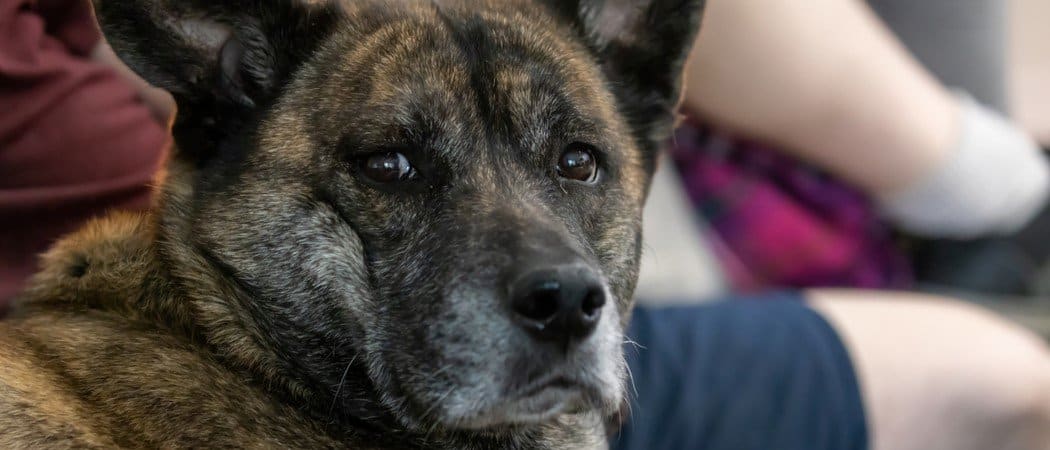
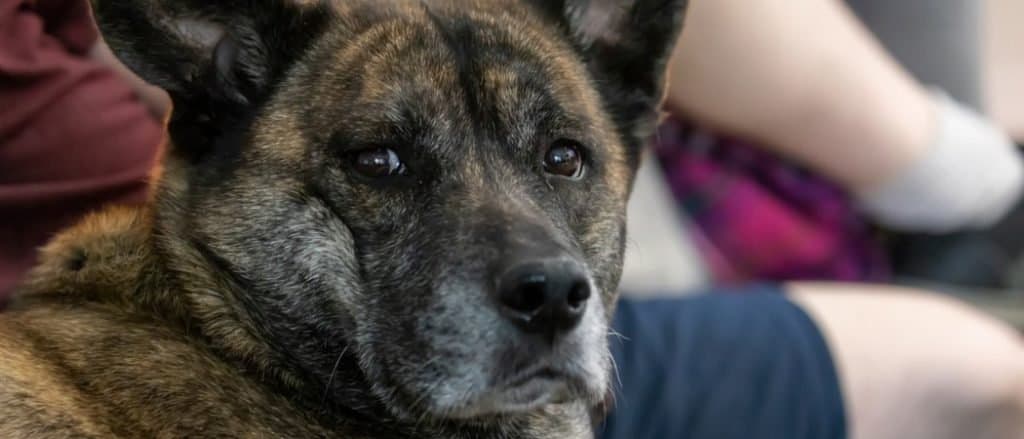
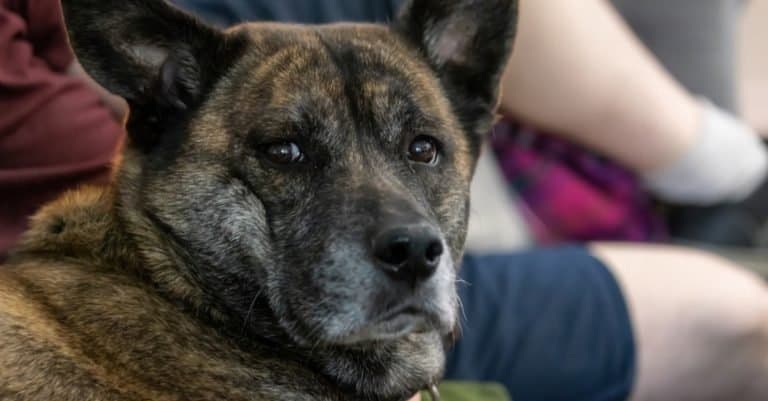
Adult Boxsky (boxer husky mix) resting on a couch

At a Glance

Domesticated
Also Known As Boxer–Husky mix, Boxer Husky mix, Husky–Boxer mix, Husky Boxer mix, Boxer x Husky, Boxer × Husky
Diet Omnivore
Activity Cathemeral+
Lifespan 5 years
Weight 32 lbs
Status Not Evaluated
Did You Know?

A Boxsky isn't a standardized pure breed-littermates can look and act very different depending on which parent's traits dominate.

Scientific Classification

A domestic dog mix typically produced by crossing a Boxer with a Siberian Husky; characteristics vary widely by individual and parentage.

Kingdom
Animalia
Phylum
Chordata
Class
Mammalia
Order
Carnivora
Family
Canidae
Genus
Canis
Species
Canis lupus

Distinguishing Features

  • Medium-to-large, athletic build; traits intermediate between Boxer and Husky
  • Short to medium coat; may show Husky-like facial mask or Boxer-like head shape
  • Often high energy and exercise needs; temperament and trainability vary

Physical Measurements

Males and females differ in size

Height
1 ft 12 in (1 ft 9 in – 2 ft 2 in)
1 ft 9 in (1 ft 8 in – 1 ft 11 in)
Length
3 ft 5 in (2 ft 11 in – 3 ft 11 in)
3 ft 8 in (3 ft 3 in – 4 ft 1 in)
Weight
62 lbs (49 lbs – 77 lbs)
51 lbs (40 lbs – 62 lbs)
Tail Length
1 ft 4 in (12 in – 1 ft 8 in)
1 ft 1 in (10 in – 1 ft 3 in)
Top Speed
34 mph
Fast sprinter, good stamina

Appearance

Primary Colors
Secondary Colors
Skin Type Boxsky skin varies from Boxer-short to Husky double coat. Many have a weather-resistant undercoat and heavy shedding ("blowing coat"); some have a single coat. Skin may get itchy or have allergies—check often during shedding.
Distinctive Features
  • Mixed-breed/designer cross (Boxer x Siberian Husky), so appearance and coat type can vary widely even within the same litter.
  • Build often athletic and powerful: deep chest and strong forequarters (Boxer influence) combined with endurance-oriented frame (Husky influence).
  • Head and muzzle vary: can range from more Boxer-like shorter, broader muzzle to a longer Husky-like muzzle; individuals closer to the Boxer end may be more prone to snoring/heat sensitivity.
  • Ears may be erect/semi-erect (Husky influence) or folded (Boxer influence); ear carriage is not consistent across individuals.
  • Tail can be straight, gently curved, or more Husky-like sickle/curled over the back; feathering varies with coat density.
  • Eyes may be brown or blue; heterochromia (two different eye colors) can occur via Husky genetics, but is not guaranteed.
  • Coat may show bold facial markings (mask/blaze) and white socks/chest; brindle striping can occur when Boxer coat genetics are expressed.
  • High activity and mental stimulation needs: often combines Husky drive/endurance with Boxer playfulness; under-exercised individuals may become destructive or vocal.
  • Care requirement: structured daily exercise (running/hiking/play plus training), enrichment (scent work/puzzle feeding), and early socialization to channel energy.
  • Grooming requirement depends on coat: brush 1-3×/week typically; during seasonal shed, daily deshedding may be needed if a thick undercoat is present.
  • Heat/cold considerations: thick-coated individuals tolerate cold well but overheat more easily; short-coated individuals may need cold-weather protection.
  • Common health concerns to watch (variable by lineage): hip dysplasia; elbow issues; degenerative myelopathy; hypothyroidism; eye conditions (e.g., cataracts/corneal issues); skin allergies; and Boxer-associated cardiac disease risk (e.g., aortic stenosis/cardiomyopathy).
  • Bloat/GDV risk exists in deep-chested individuals; use slower feeding, avoid intense exercise right after meals, and discuss risk mitigation with a veterinarian.

Sexual Dimorphism

As in domestic dogs generally, males tend to be larger and more muscular with broader heads/neck, while females often appear slightly lighter-boned. Degree of dimorphism is variable in this mixed cross and is influenced by which parent's traits dominate.

  • Typically broader chest/neck and heavier musculature (Boxer-like substance may be more apparent).
  • Often a larger, blockier head and more pronounced facial/jowl structure if Boxer traits are strong.
  • Often slightly smaller overall with a narrower head and lighter frame.
  • May appear more refined in the muzzle and body outline, especially when Husky traits are prominent.

Did You Know?

A Boxsky isn't a standardized pure breed-littermates can look and act very different depending on which parent's traits dominate.

Many inherit the Husky's talkative "woo-woo" vocalizations, but some are quieter like many Boxers.

Eye color can vary widely; Husky influence may produce blue eyes or heterochromia (two different eye colors).

Coat type ranges from short/sleek (more Boxer-like) to dense double coat (more Husky-like), which strongly affects grooming and heat tolerance.

They often combine the Boxer's people-oriented clowning with the Husky's independent, problem-solving streak-great fun, but training must be consistent.

Because both parent breeds are athletic, Boxskies commonly excel at canicross, skijoring, agility, and (sometimes) bikejoring if taught safely.

They are fully domestic dogs (Canis lupus familiaris), distinct from wild gray wolves (Canis lupus) in behavior-more human-bonded, more tolerant of social cues, and shaped by selective breeding.

Unique Adaptations

  • Endurance + power blend: many inherit Husky stamina for sustained activity and Boxer muscle for bursts-making them capable sport companions.
  • Cold-weather tolerance varies: a double coat can handle cold well, but shorter-coated individuals may need protection in winter.
  • Heat tolerance also varies: a more Boxer-like shorter muzzle can reduce cooling efficiency; careful heat management is essential in warm climates.
  • Strong social bonding: like most domestic dogs, Boxskies are adapted to read human gestures (pointing, eye contact) far better than wolves.
  • Expressive communication: facial expressiveness and vocal range (especially if Husky-leaning) supports rich dog-human interaction.
  • Athletic jumping and climbing tendencies can be pronounced-secure fencing and supervised yard time are often necessary.

Interesting Behaviors

  • "Boxer boxing": some will paw and spar playfully with their front feet during play.
  • Husky-style vocal conversations: whining, howling, and "talking back," especially when excited or bored.
  • High chase drive is common; many will instinctively pursue squirrels, cats, or running kids-early impulse control matters.
  • Mischief-by-intelligence: opening doors, unzipping bags, counter-surfing, or dismantling toys when under-stimulated.
  • Pulling and forward-drive on leash may appear (Husky heritage); structured loose-leash training and harness choice are important.
  • Zoomies plus rough-and-tumble play; they often prefer active, interactive games over passive lounging.
  • Potential separation frustration: some become destructive if left without exercise, enrichment, and a predictable routine.

Cultural Significance

Boxskies, a Boxer × Siberian Husky mix, show the designer dog trend. Huskies link to Chukchi Arctic sled-dogs; Boxers link to German working dogs and to guard and service roles. Today Boxskies join dog sports and active family life.

Myths & Legends

In Norse tradition, the monstrous wolf Fenrir is prophesied to break free and bring catastrophe during Ragnarök, embodying the feared power of the wild canid world.

Ancient Rome's founding story tells of Romulus and Remus being rescued and nurtured by a she-wolf (lupa), linking wolves with guardianship and origins.

In Homer's Odyssey, the dog Argos recognizes Odysseus after years apart-an enduring literary legend of canine loyalty and memory.

Medieval French tradition recounts Saint Guinefort, a dog revered locally after being killed while protecting a child-an unusual folk-sainthood story centered on a dog's protective devotion.

Across parts of the Arctic and sub-Arctic, traditional stories emphasize sled dogs as life-saving partners and spiritual companions-reflecting the deep cultural bond between northern peoples and working dogs.

The 1925 serum run to Nome became a modern legend of sled-dog heroism (often symbolized by Balto and Togo), reinforcing the iconic status of Husky-type dogs in popular imagination.

German working-dog lore around early Boxer ancestors (from the Bullenbeisser line) celebrates steadfast guardians that stayed close to their people-stories that helped shape the Boxer's reputation as a devoted protector.

Conservation Status

NE Not Evaluated

Has not yet been evaluated against the criteria.

Population Stable

Life Cycle

Birth 6 pups
Lifespan 5 years

Lifespan

In the Wild
3–8 years
In Captivity
9–15 years

Reproduction

Mating System Polygynandry
Social Structure Managed Domestic
Breeding Pattern Serial
Fertilization Managed Selective
Birth Type Internal_fertilization

Boxsky (Boxer × Siberian Husky, Canis lupus familiaris) follows dog reproduction: internal fertilization and heat cycles. Biologically both males and females can mate with multiple partners, but breeding is usually human-managed with temporary pairings and no routine group rearing.

Behavior & Ecology

Social Pack Group: 4
Activity Cathemeral, Diurnal, Crepuscular
Diet Omnivore High-protein meat-based foods (e.g., chicken, beef, fish) often with added fat; many individuals show strong preference for meat/fish aromas (Husky influence) and may be highly food-motivated (Boxer influence).

Temperament

High energy and high exercise demand; needs daily aerobic work plus mental enrichment (common Husky contribution).
Playful, physical, bouncy interaction style; may jump or body-check when excited (common Boxer contribution).
People-oriented and affectionate in the home; often seeks close proximity and touch, but can also show independent streak outdoors (Boxer vs. Husky balance varies).
Trainability: can be smart but willful; benefits from short, high-reward sessions, consistent boundaries, and early recall/loose-leash work (Husky roaming tendency + Boxer enthusiasm).
Sociability: typically friendly with family and known dogs; may be reactive or overly excited on leash if under-exercised or under-socialized.
Potential protective/alert behavior (Boxer influence) without necessarily being a true guarding temperament; early socialization reduces suspicion of strangers.
Prey drive can be moderate to high (often Husky-leaning); caution with cats/small animals unless raised together and reliably trained.
Common care requirements: substantial daily exercise, enrichment (scent games, pulling sports, obedience), and secure containment; heavy seasonal shedding possible (Husky coat traits) requiring frequent brushing.
Heat management may be important: thick coat and/or shorter muzzle in some individuals can increase heat intolerance-avoid intense exercise in hot/humid weather.
Boxsky may inherit hip dysplasia, elbow problems, eye conditions, allergies/atopy, hypothyroidism (Husky line), and Boxer heart disease (cardiomyopathy, aortic stenosis). If short-muzzled, watch for brachycephalic airway signs like snoring or tiring quickly.

Communication

Barking Often more pronounced with Boxer influence; alert/excitement barking is common
Howling/"talking" Often more pronounced with Husky influence; may vocalize during play or when frustrated
Whining Attention-seeking, anticipation, or separation-related distress
Growling Play growls are common; also a distance-increasing signal when uncomfortable
Body posture and facial expressions Boxer-like expressive face; clear play bows, mouthy play, and exaggerated gestures
Tail carriage and movement Varies by individual tail type; high wag/whole-body wag when excited
Pawing, leaning, and jumping as contact-seeking behaviors Often Boxer-leaning; requires training to prevent nuisance jumping
Mouthing during play Manage with bite inhibition training and appropriate chew outlets
Scent marking and investigation Urine marking, sniffing routines; enrichment via sniff-walks reduces frustration
"Zoomies" and play-chase invitations as social signals; may escalate if not given structured outlets Use games with rules, impulse-control cues

Habitat

Biomes:
Temperate Forest Boreal Forest (Taiga) Tundra Alpine Temperate Grassland Mediterranean Desert Hot Desert Cold Temperate Rainforest Tropical Rainforest Tropical Dry Forest Savanna Freshwater Wetland Marine +9
Terrain:
Plains Hilly Mountainous Coastal
Elevation: Up to 16404 ft 3 in

Ecological Role

Domesticated omnivorous mesopredator/commensal; primarily a human-supported companion animal rather than a natural ecosystem predator.

Human companionship and working/utility roles (guarding, sport, service potential depending on training) Localized rodent/pest control in some rural or free-roaming contexts Acts as a nutrient-vector in human environments via consumption and redistribution of anthropogenic food waste (where unmanaged) Minimal direct ecological predation compared with wild canids; impacts are mostly human-mediated (leash laws, feeding practices, waste management)

Diet Details

Main Prey:
Small mammals Birds and bird eggs Fish Domestic livestock
Other Foods:
Cooked grains and starches Vegetables Fruits Grasses Commercial dog food

Human Interaction

Domestication Status

Domesticated

Domestic dog (Canis lupus familiaris) was shaped by humans from gray wolves. The Boxsky (Boxer × Siberian Husky) is not a standard breed. Often medium large, athletic, and very social, Boxskies need lots of exercise, training, and socialization. Coat, heat tolerance, and health (hip, heart, eye, thyroid, airway) vary by parent traits.

Danger Level

Moderate
  • Accidental injury risk (knocking down, leash pulling) due to medium-large size and high energy
  • Bite risk comparable to other dogs of similar size; higher if under-socialized, poorly managed, or in pain
  • Prey drive/chasing behavior in some individuals (risk to small animals; can lead to human injury if someone intervenes)
  • Heat-related collapse risk in short-muzzled individuals can create emergency situations during exercise

As a Pet

Suitable as Pet

Legality: Generally legal as a domestic dog in most jurisdictions. Subject to local leash/licensing laws, vaccination requirements, housing/HOA rules, and occasional insurer/landlord restrictions that may apply to large breeds (policies vary and are not universal).

Care Level: Experienced

Purchase Cost: Up to $2,000
Lifetime Cost: $18,000 - $45,000

Economic Value

Uses:
Companion animal industry Pet services Sporting/recreation
Products:
  • Adoption/sale as companion dogs (variable pricing; many acquired via shelters/rescues)
  • Veterinary care demand (preventive care, orthopedic and cardiac screening in some lines)
  • Training services (basic manners, leash skills, recall, behavior modification)
  • Pet supplies (durable toys/chews, crates, harnesses, grooming tools for shedding coats)
  • Dog sports and outdoor recreation spending (canicross/skijoring gear, event entry fees)

Relationships

Ecological Equivalents 6

Animals that fill a similar ecological role in their ecosystem

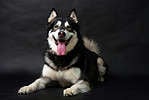
Boxer
Boxer Canis lupus familiaris One parent breed gives Boxsky many traits: a muscular, square body; strong play and guard drive; a people-focused nature; and a brachycephalic (short-faced) tendency that can increase heat sensitivity. Shared health risks include hip dysplasia, heart disease, and certain cancers.
Siberian Husky
Siberian Husky Canis lupus familiaris Common parent breed in crosses; often contributes high endurance, strong pulling and chasing instincts, independence, vocalization, cold tolerance, and a heavier-shedding double coat. Common overlapping health concerns include hip dysplasia and inherited eye issues (e.g., cataracts and progressive retinal atrophy in some lines).
Alaskan Malamute
Alaskan Malamute Canis lupus familiaris Similar niche as a powerful, athletic, cold-tolerant working/companion dog. Comparable exercise requirements and potential for high prey drive and heavy shedding if the Boxsky inherits a more northern-breed coat and behavior.
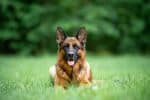
German Shepherd
German Shepherd Canis lupus familiaris Plays a similar role as a large, intelligent, trainable companion and working dog. Like many Boxskies, often requires structured training, daily mental enrichment, and significant exercise, and shares an increased risk of orthopedic problems (hip and elbow dysplasia) common to larger, active dogs.
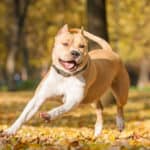
American Staffordshire Terrier
American Staffordshire Terrier Canis lupus familiaris Comparable in size, strength, and athleticism to many Boxskies, and shares similar needs for consistent training and socialization. May resemble the Boxsky in exuberance and potential dog-selectivity depending on individual temperament and upbringing.
Gray wolf
Gray wolf Canis lupus Ecologically similar: an endurance-oriented canid with strong social and territorial instincts and predatory behavior. Included for behavioral and ecological comparison; the Boxsky is fully domestic and typically managed as a companion animal.

Boxers were originally bred in Germany as hunting dogs for large game, but have also been used as working dogs, including as messenger and guard dogs during wartime. Meanwhile, huskies were bred to be sled dogs who ran for long distances. Breeders created the boxsky to have a perfect hybrid of these loyal and hardworking tendencies.

These dogs are large, playful, and hard-working, making them a great choice for owners with an active lifestyle. Many people adopt boxskies for their unique appearance, which includes a short but thick coat, a stocky frame, and a set of piercing blue husky eyes.

Owning a Boxsky takes a lot of work, so remember that these dogs are not for first-time dog parents. However, if you have a yard and plenty of free time, you might find that a Boxsky is the most affectionate and loving dog that you’ve ever adopted.

History Of The Breed

It is not known when the Boxsky was started, but it is believed to have been more recent, although both of its parent breeds have a long history. The boxer originated in Germany in the late 19th century and was developed from the Bullenbeisser dog, which was a hunting dog. The husky comes from Siberia, Russia, dating back more than 4,000 years to the Chukchi people who raised them as sled and companion dogs.

Owning A Boxsky: 3 Pros And Cons

ProsCons
Low shedding. Huskies might shed a lot, but boxers have short coats. This means that boxskies have significantly lower shedding levels while still being moderately weatherproof.Extremely energetic: Boxskies have an endless fountain of energy and are very hard to tire out. Don’t adopt one of these dogs unless you can take them to the park every day.
Great attitude. Boxskies are known for being sweet, affectionate, and fun-loving. Most Boxsky owners report that their dogs are the life of the party.Hard to train: Boxskies have stubborn personalities and short attention spans. Although they have no problem learning basic commands, these dogs may struggle to pick up more complicated training patterns.
Very playful. Boxskies are full of energy and love to play games like fetch or tug-of-war. Some boxskies are intelligent enough to learn more interesting canine activities, such as lure chasing or basic tricks.Trips to the groomer: Even though they have short hair, boxskies often have the same double coats as their husky parents. This means that you’ll need to take your boxsky to the groomer when the weather warms up to prevent them from overheating.

Size And Weight

Boxskies are medium to large dogs with strong frames, short coats, slightly elongated snouts, and piercing blue eyes. When full-grown, boxskies typically weigh between 35 and 75 pounds and stand between 20 to 35 inches tall. Although female boxskies may be smaller than their male counterparts, the difference is usually negligible.

Common Health Issues

Boxskies can inherit health issues from both parent breeds, so regular veterinary checkups are important. Issues like joint dysplasia and vision problems are moderately normal, so make sure to get your puppy checked by the vet as soon as you bring them home. As they get older, your boxsky might also start to suffer from heart problems. In general, ask your vet to check for conditions like:

  • Hip and elbow dysplasia
  • Cataracts or retinal atrophy
  • Congenital heart defects
  • Canine epilepsy

Temperament

Boxskies are sweet, energetic, loyal, and affectionate dogs with winning and playful personalities. These dogs have an endless amount of energy, which means that they can run and play for hours on end without getting tired. Boxskies are the perfect choice for families with large yards, spare time, and access to a local dog park. Their super-sweet attitudes make them an instant hit with other dogs and their owners, so don’t be afraid to let your boxsky socialize.

Although they are very sweet and affectionate, full-grown boxskies can be stubborn and a little difficult to handle. Don’t expect your dog to learn more than a few basic commands, and be ready to give them their own space when you’re too tired to provide the level of energy that they are looking for. These pups love attention, but they are independent enough to spend time by themselves, especially if there is an adult nearby to keep their separation anxiety at bay.

How To Take Care Of A Boxsky

Boxskies are affectionate and energetic dogs that need attention more than anything else. If you own one of these dogs, be prepared to start your day with playtime, walks, and general excitement. You’ll also need to make sure that your dog has a yard and plenty of room to be itself.

The Best Dog Food For Boxskies

As high-energy canines, they need to eat more than the average pet. Look for quality kibble with natural ingredients and a focus on protein and healthy fats. Split your dog’s portions up into two to three meals, and make sure to feed them on a regular schedule. If you notice that your boxsky is engaging in regularly destructive behaviors and you are unable to increase the amount of exercise that they are receiving, you can also consider reducing their portions so that they have fewer calories to burn.

Another detail about Boxsies that should guide how owners plan their diet is their likelihood of congenital heart defects. Be aware of the link between legumes in dog food and dogs’ experiencing heart failure, and aim for legume-free dog food.

Maintenance And Grooming

These dogs have short hair, but they also have the husky’s trademark double coat. To keep shedding down, you’ll likely want to brush your boxsky at least once every few days. Look for a smooth brush with soft bristles that won’t irritate your dog’s skin. In addition to this, you’ll also want to take them to the groomer on a seasonal basis to get their undercoat trimmed. Finally, remember to bathe your dog regularly and trim their nails so that they don’t snag while your pup is running around outside.

Training

These dogs are moderately intelligent and love to learn new tricks. However, their stubborn personalities can make listening difficult, especially if they are already full-grown. Start training while your dog is still a puppy to help improve their chances of learning more commands as they get older. Stick to short training sessions, and use treats and praise as positive reinforcement for good behavior.

Exercise

These dogs need an incredibly high amount of exercise to stay happy and even-tempered. Start by providing access to a large yard where your boxsky can run around. In addition, you’ll also want to take your dog on daily walks, bring them to the dog park, and spend at least 30 minutes playing fetch or another game. Getting enough exercise will improve your dog’s lifespan and make sure that they are relaxed and happy during family time at the end of the day.

Puppies
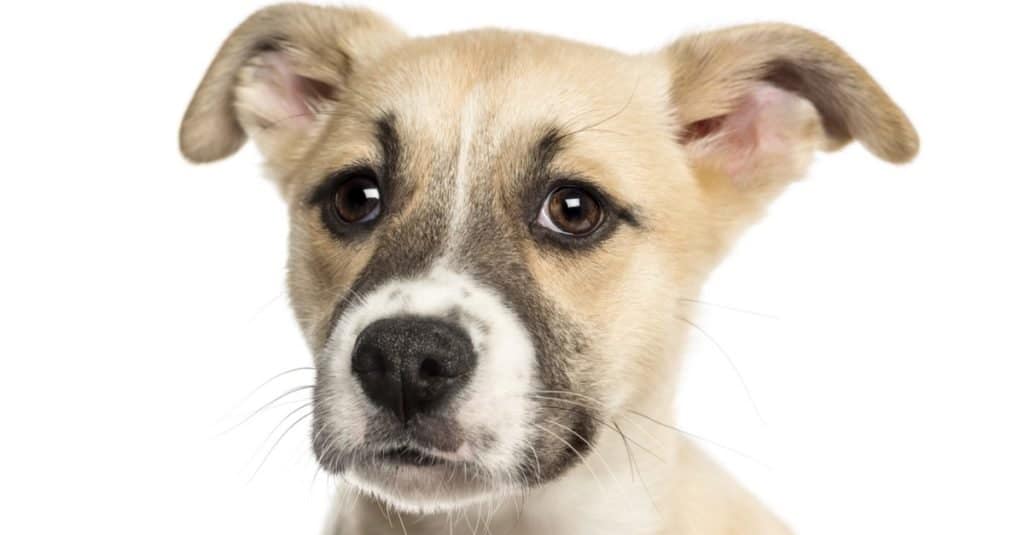
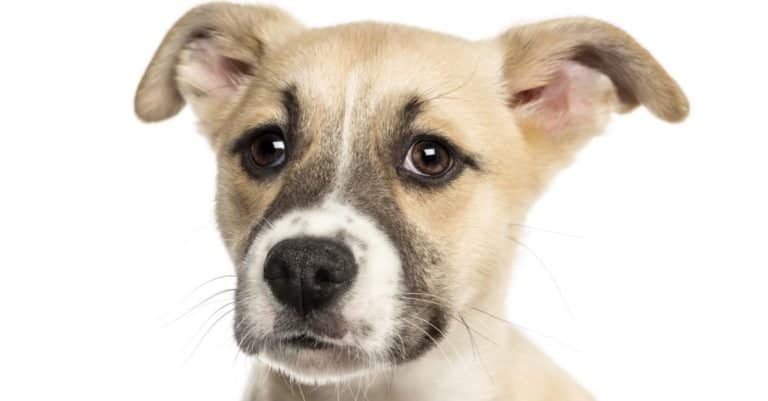
Close-up of a Husky Boxer Mixed-breed puppy, 3 months old, isolated on white

A Husky Boxer Mixed-breed puppy will be energetic, adventurous, and explorative.

The puppies are energetic, adventurous, and explorative. They need constant attention to make sure that they don’t get into trouble. If you want to prevent behavior problems later in life, make sure that you have plenty of time for your dog in the months after you bring them home. As your dog gets older, they’ll be more interested in becoming independent, especially if they still have an adult nearby.

Boxskies And Children

These are large and energetic dogs, which makes them a bad choice for families with small children. Don’t let unsupervised kids around a boxsky, especially if they don’t know how to respect a dog’s boundaries. Monitor all social situations, and make sure to remove your dog if they start getting tired or irritated.

Dogs Similar To Boxskies

Few crossbreeds match up to the adorable mix of energy and affection that is the boxsky. If you want something similar, try looking for another boxer or husky hybrid.

  • Huskador: Mixed between a husky and a Labrador, this crossbreed is a loyal and intelligent family dog.
  • Boggle: Boggles are a hybrid created by crossing a beagle with a boxer. Boggles are a little smaller than boxers and fit better into a family environment.
  • Siberpoo: The Siberpoo is a hypoallergenic version of the Siberian Husky. Although these dogs have heavier coats and require a lot of grooming, they shed significantly less than their husky parents.

View all 453 animals that start with B

Sources

  1. Scout Knows / Accessed May 18, 2021
  2. Dog Wish / Accessed May 18, 2021
  3. Crazy Pet Guy / Accessed May 18, 2021
  4. Dogsnet / Accessed May 18, 2021
  5. Hello Bark / Accessed May 18, 2021
  6. Doggie Designer / Accessed May 18, 2021
  7. Wag Walking / Accessed May 18, 2021
  8. Dog Breed Info / Accessed May 18, 2021
Melissa Bauernfeind

About the Author

Melissa Bauernfeind

Melissa Bauernfeind was born in NYC and got her degree in Journalism from Boston University. She lived in San Diego for 10 years and is now back in NYC. She loves adventure and traveling the world with her husband but always misses her favorite little man, "P", half Chihuahua/half Jack Russell, all trouble. She got dive-certified so she could dive with the Great White Sharks someday and is hoping to swim with the Orcas as well.
Connect:

Thank you for reading! Have some feedback for us?


Boxsky FAQs (Frequently Asked Questions)

A boxsky is a hybrid breed created by mixing a Siberian Husky and a boxer. These dogs have longer snouts than boxers, shorter coats than huskies, and energetic attitudes that their owners love.