





C
Species Profile

Cavador

Canis lupus familiaris

Fetch skills, lap-dog heart
Wirestock Creators/Shutterstock.com

Cavador Distribution

Click a location to explore more animals from that region

Origin Location

This map shows the native origin of the Cavador. As a domesticated species, they are now found worldwide.

Loading map...

Size Comparison

Human 5'8"
Cavador 1 ft 7 in

Cavador stands at 28% of average human height.

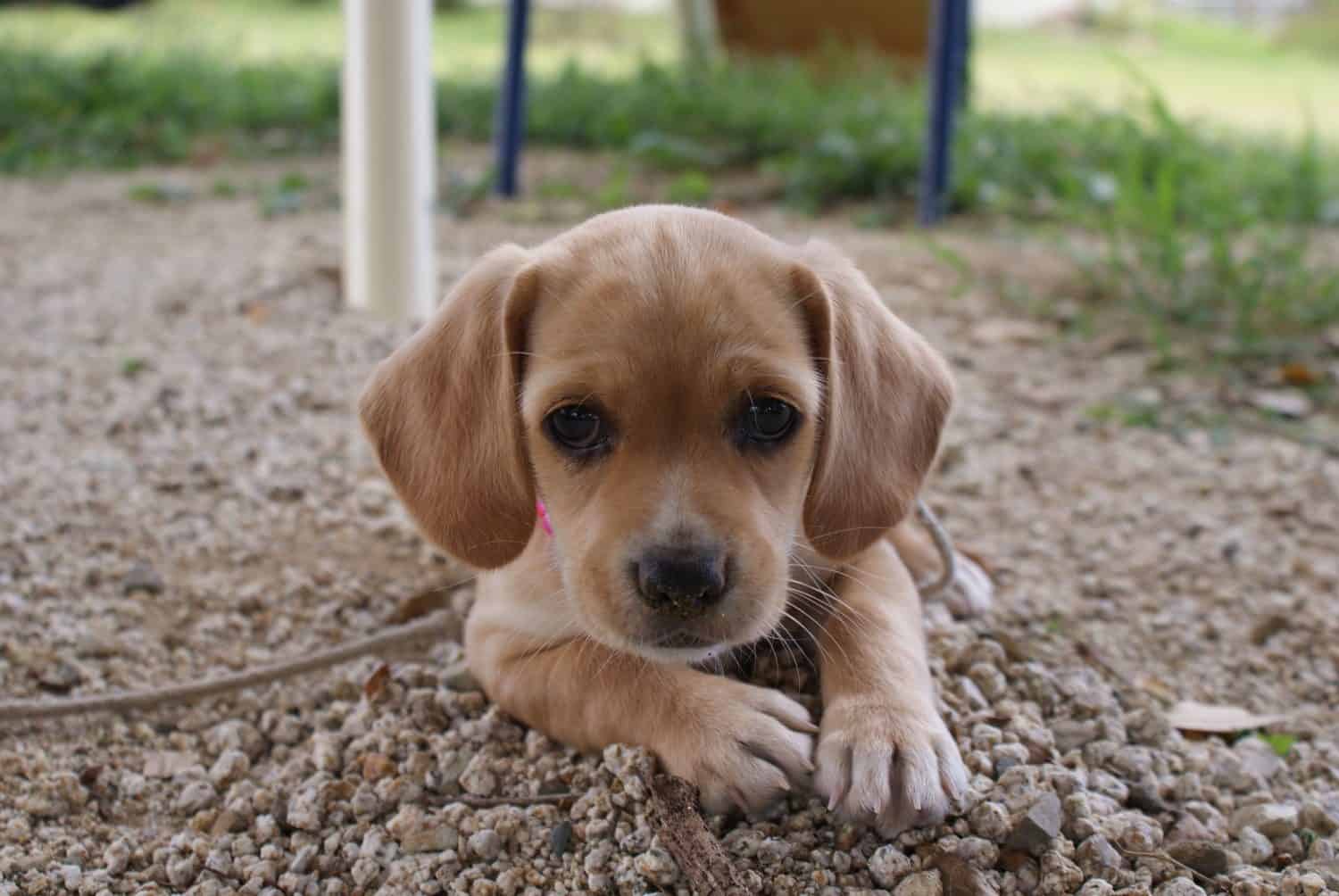
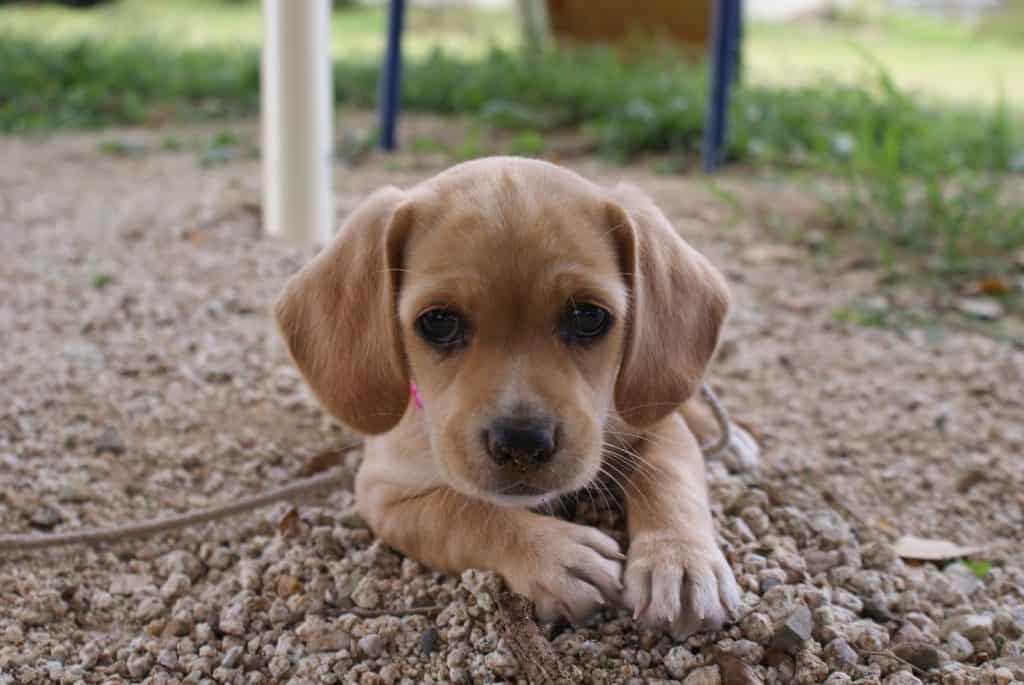
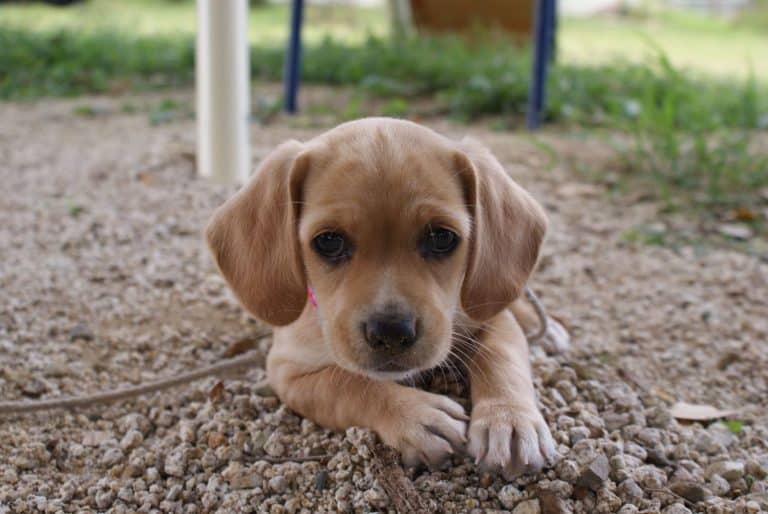
A closeup shot of a cute brown Cavador (Cavalier and Labrador mix) puppy

At a Glance

Domesticated
Also Known As Dog, Domestic dog, Canine, Pooch, Puppy, Pup, Mutt, Man's best friend
Diet Omnivore
Activity Cathemeral+
Lifespan 5 years
Weight 36 lbs
Status Not Evaluated
Did You Know?

"Cavador" is a designer-dog cross: Cavalier King Charles Spaniel × Labrador Retriever.

Scientific Classification

The Cavador is a mixed-breed domestic dog produced by crossing a Cavalier King Charles Spaniel with a Labrador Retriever. As a crossbreed, appearance and temperament can vary, often combining a sociable, people-oriented nature with an energetic, trainable disposition.

Kingdom
Animalia
Phylum
Chordata
Class
Mammalia
Order
Carnivora
Family
Canidae
Genus
Canis
Species
Canis lupus familiaris

Distinguishing Features

  • Medium-sized companion dog (high variability)
  • Often floppy ears and a friendly, expressive face
  • Coat can range from short (Labrador-like) to medium/feathered (Cavalier-influenced)
  • Common coat colors include black, chocolate, yellow/cream, and tri-color patterns depending on lineage

Physical Measurements

Males and females differ in size

Height
♂ 1 ft 8 in (1 ft 5 in – 1 ft 12 in)
♀ 1 ft 6 in (6 in – 3 ft 8 in)
Length
♂ 3 ft 4 in (2 ft 9 in – 3 ft 11 in)
Weight
♂ 53 lbs (35 lbs – 71 lbs)
♀ 40 lbs (1 lbs – 220 lbs)
Tail Length
♂ 1 ft 1 in (10 in – 1 ft 5 in)
♀ 1 ft 1 in (10 in – 1 ft 4 in)
Top Speed
25 mph
Typical dog sprint speed varies

Appearance

Primary Colors
Secondary Colors
Skin Type Domestic dog skin with a coat that ranges from short, dense, water-resistant (Labrador-like double coat) to medium-length with light feathering on ears/chest/legs (Cavalier influence). Moderate shedding is typical; skin may be allergy-prone in some lines.
Distinctive Features
  • Highly variable morphology (size, body proportions, coat length and texture, and coloration) due to domestication and selective breeding in the domestic dog (Canis lupus familiaris).
  • Compared with the gray wolf, domestic dog is much smaller with a weaker muzzle; floppy ears are common, tail is carried more relaxed, and coat color and patterns are far more varied from selective breeding.
  • Body build often intermediate: athletic, retriever-like frame with a softer, spaniel-influenced head and expression; chest and bone can range from refined to sturdy depending on parentage.
  • Ear shape in domestic dogs varies: erect, semi-erect, or pendant. Dogs with pendant ears may get otitis externa (outer ear infection) more often, so check and clean ears regularly.
  • Coat length and texture can vary within a litter. Grooming ranges from light brushing for short coats to several weekly brushes and some trims for feathered coats to stop mats behind ears and on legs.
  • Temperament commonly trends sociable and people-oriented with good trainability; however, as a mixed breed, energy level and biddability can swing Labrador-leaning (high exercise needs) or Cavalier-leaning (more companion-oriented).
  • Exercise/care: typically benefits from daily brisk walks plus play/retrieval or training games; mental enrichment helps prevent boredom-related behaviors.
  • Weight management is important (Labrador tendency toward weight gain); controlled portions and consistent activity reduce obesity risk.
  • Common health concerns to monitor (variable by lineage): mitral valve disease and syringomyelia risk (Cavalier-associated), hip/elbow dysplasia (Labrador-associated), patellar luxation, progressive retinal atrophy/other eye issues, and allergic skin disease.
  • Routine preventive care priorities: orthopedic screening when possible, cardiac auscultation/echo in at-risk lines, regular dental care (small-spaniel influence), and maintaining coat/ear hygiene to reduce infections.

Sexual Dimorphism

Mild-to-moderate sexual dimorphism typical of domestic dogs; differences are more about overall size and musculature than coat color/pattern. Variation from mixed ancestry can exceed sex-based differences.

♂
  • Often slightly taller/heavier with broader head and more pronounced musculature (especially if Labrador-leaning).
  • May present a thicker neck/forequarters in individuals inheriting more retriever build.
♀
  • Often slightly lighter and more refined in head and body, sometimes appearing more spaniel-like in outline.
  • May mature with a slightly narrower chest/shoulder set compared with males, though overlap is substantial.

Did You Know?

"Cavador" is a designer-dog cross: Cavalier King Charles Spaniel × Labrador Retriever.

Like many mixed breeds, Cavador puppies can inherit more "Cavalier" or more "Lab" traits-siblings may look quite different.

Many Cavadors show classic Labrador "soft mouth" retrieving alongside Cavalier lap-dog cuddliness.

Coats range from short and dense (Lab-like) to medium/feathered (Spaniel-like), with colors often seen in both parent breeds (black, chocolate, golden/cream, tri-color patterns).

They're commonly people-focused and can excel as therapy or family dogs when well socialized.

Food motivation is frequent (a Labrador hallmark), making training easier-but also increasing obesity risk if overfed.

Because both parent breeds can love water and play, many Cavadors are enthusiastic swimmers and fetch partners (with supervision and safe water access).

Unique Adaptations

  • Inherited athletic build and endurance from the Labrador side, often supporting longer walks and active games.
  • Possible partially webbed feet (a Labrador trait) that can improve swimming efficiency.
  • Strong social-cue sensitivity: many are adept at reading human gestures and tone (a hallmark of domestic dogs, often amplified by companion breeds like Cavaliers).
  • Flexible "job switching": can be both a companion cuddler (Cavalier influence) and a biddable sporting-style learner (Lab influence).
  • Coat variation can offer different climate comfort-short coats dry quickly; feathering can provide extra insulation but needs more grooming.
  • High trainability and food motivation can be leveraged for enrichment (sniff games, retrieval tasks, trick training).

Interesting Behaviors

  • "Velcro dog" behavior: following favorite people room-to-room and seeking close contact.
  • Retrieving and carrying items (toys, balls, even household objects) with a gentle grip.
  • Playful "check-ins" during off-leash time-running out to explore, then returning quickly to people.
  • High responsiveness to praise and treats; many learn cues quickly but can get distracted by scents.
  • Potential separation distress if under-stimulated or left alone too long; may vocalize or chew.
  • Water play and puddle-seeking (more common in Lab-leaning individuals).
  • Social greeting enthusiasm-jumping or licking-often improved with early training and impulse-control games.

Cultural Significance

The Cavador is a designer dog crossed to blend the Cavalier's companion nature with the Labrador's trainable sporting traits. Individual dogs vary; owners must meet each dog's needs. Often family pets, they can help in therapy or assistance if well bred and trained.

Myths & Legends

Cavalier King Charles Spaniels come from small toy spaniels in British court. Tales say King Charles the Second loved them so much they followed him everywhere, giving the breed its 'royal companion' image.

Newfoundland working-dog tales: Labrador Retrievers are linked to coastal fishing communities, where traditional accounts describe water-loving dogs helping retrieve nets and lines-stories that shaped the Lab's legendary "born to swim and fetch" reputation.

Naming tradition: "Cavador" is a portmanteau-style name (Cavalier + Labrador), part of a modern naming custom for intentional crosses meant to signal heritage and desired traits.

In hunting circles, retrievers are known for a "soft mouth" that gently carries game without damage, a trait many owners want in Labradors and Lab mixes.

Old belief: Across Europe, small spaniels were long linked to comfort and company in homes, often said in stories to warm laps and cheer people, making the Cavalier a loving house dog.

Conservation Status

NE Not Evaluated

Has not yet been evaluated against the criteria.

Population Stable

Life Cycle

Birth 6 pups
Lifespan 5 years

Lifespan

In the Wild
2–10 years
In Captivity
10–20 years

Reproduction

Mating System Polygynandry
Social Structure Managed Domestic
Breeding Pattern Transient
Fertilization Managed Selective
Birth Type Internal_fertilization

Canis lupus familiaris (domestic dog) Cavador: biologically polygynandrous (both sexes may mate with multiple partners) but breeding is human-managed. Planned matings (natural or AI), gestation about 63 days, no lasting pair bond; pups raised by dam with human care.

Behavior & Ecology

Social Pack Group: 4
Activity Cathemeral, Diurnal, Crepuscular
Diet Omnivore Meat-forward diets (e.g., chicken or beef-based kibble/wet food; high-value meat treats).

Temperament

Breed context (Cavador): mixed-breed companion produced by Cavalier King Charles Spaniel × Labrador Retriever; temperament and energy level can vary widely within the cross.
Common across the group (HUBS): generally friendly, people-oriented, and highly social; often seeks attention/physical contact and follows household members.
Trainability: typically eager-to-please and food/toy motivated (often Labrador-leaning), responding well to positive reinforcement and consistent routines.
Energy/exercise needs: moderate to high; many individuals benefit from daily brisk walks plus play (fetch, scent games) and structured training to prevent boredom behaviors.
Sensitivity: some individuals are more emotionally sensitive and may be noise- or stress-reactive (often Cavalier-leaning); gentle handling and gradual exposure are beneficial.
Sociability: commonly good with children and other dogs when well socialized; may be exuberant in greetings and needs impulse-control training (jumping/mouthing).
Potential challenges: separation-related behaviors, demand barking/whining, leash pulling, overexcitement, and scavenging/food-stealing tendencies.
Breed health risks in parent lines include hip and elbow dysplasia, obesity, floppy-ear infections, eye problems like cataracts or progressive retinal atrophy, and mitral valve disease or syringomyelia linked to Cavalier lines (varies in mixes).
Needs regular exercise and mental games; early and ongoing meeting people and other dogs; reward-based training; watch weight with measured food; clean and dry ears after swimming; fur often short-to-medium, seasonal shedding—brush regularly.

Communication

barking Alerting, excitement, attention-seeking
whining/whimpering Appeasement, frustration, separation-related distress
growling Warning, resource guarding, discomfort
howling Less common; can occur with sirens or social contagion
play vocalizations Grumbles, yips during rough-and-tumble play
body language: tail wag position/speed, ear set, posture shifts, piloerection, freezing, play bow
facial signals: lip licking, yawning, soft vs. hard eye contact, 'whale eye', panting changes
tactile contact: leaning, pawing, nudging, licking Affiliation/appeasement/attention
scent-based communication: sniffing, urine marking (variable), investigation of social odors
object-mediated signaling: bringing toys/leash to solicit play or walks Common in retriever-leaning individuals

Habitat

Biomes:
Temperate Forest Temperate Grassland Mediterranean Temperate Rainforest Boreal Forest (Taiga) Tundra Alpine Desert Hot Desert Cold Savanna Tropical Dry Forest Tropical Rainforest Freshwater Wetland Marine +9
Terrain:
Plains Hilly Valley Coastal
Elevation: Up to 16404 ft 3 in

Ecological Role

Domesticated companion omnivore; in free-ranging contexts functions as an opportunistic mesopredator and scavenger.

human companionship and social/therapeutic benefits assistance and service work potential (trainability; retrieval/people focus) local pest suppression via predation on small rodents (where free-ranging) deterrence/guard-alert function nutrient recycling through scavenging in feral/free-ranging situations

Diet Details

Main Prey:
Other Foods:
Fallen fruit and berries Grasses Roots and tubers Seeds and grains Vegetables and plant scraps

Human Interaction

Domestication Status

Domesticated

Domestic dogs (Canis lupus familiaris) come from gray wolves. Over a long time people bred them to be less afraid or aggressive, to bond with people, and to learn tasks. The Cavador is a mixed cross (Cavalier King Charles Spaniel × Labrador Retriever), not a standard pure breed, and is friendly, trainable, and good with families, but varies.

Danger Level

Low
  • Bite risk exists as with all dogs, especially if poorly socialized, in pain, or mishandled (children should be supervised).
  • Large-leaning individuals (more Labrador influence) may knock over small children/elderly during exuberant play.
  • Zoonotic risks typical of domestic dogs (e.g., parasites) if preventive care is neglected.
  • Allergic reactions in sensitive people (not a hypoallergenic mix).

As a Pet

Suitable as Pet

Legality: Generally legal as a pet in most jurisdictions. Usual canine regulations apply (licensing, leash laws, vaccination/rabies compliance). Restrictions are uncommon for this mix, but local housing/insurance rules may impose size, weight, or general-dog limits; always check municipal and landlord/HOA policies.

Care Level: Moderate

Purchase Cost: $100 - $2,000
Lifetime Cost: $15,000 - $40,000

Economic Value

Uses:
Companion animal Family pet Therapy/ESA potential (individual-dependent) Sport and recreation (fetch, hiking, obedience, agility at amateur levels) Pet services economy (training, grooming, boarding, daycare)
Products:
  • adoption/sale as companion dogs
  • training services (basic manners to advanced obedience)
  • veterinary care demand (preventive care, dental, hereditary condition management)
  • grooming (coat maintenance, ear care, nail trims)
  • pet supplies (food, enrichment toys, crates, leashes, insurance)

Quick Take

  • Maintaining a 26% protein nutritional threshold is the primary requirement for these hybrids.
  • The mitral valve creates a permanent health barrier that demands expensive daily management.
  • The Cavador possesses an unexpected prey drive that contradicts its family-friendly status.
  • Targeted socialization during the puppy stage is mandatory to avoid unwanted behavior.

The Cavador is a friendly and affectionate companion dog, produced from a mixture between a Cavalier King Charles Spaniel and a Labrador Retriever. This may seem like an unusual combination, but the Cavador actually makes for a great family dog, almost in a class by itself, thanks to the cute, cuddly appearance and upbeat and lively personality. This breed sports a straight, dense, short-to-medium coat with some combination of yellow, brown, black, and red.

A detailed green and white infographic illustrating the pros, cons, history, and health requirements of the Cavador dog breed.
Don’t let the spaniel eyes fool you—this hybrid requires a strict 26% protein threshold and constant vigilance against a costly heart defect. © A-Z Animals

3 Pros and Cons of Owning a Cavador

ProsCons
Friendly and Affectionate
The Cavador is a great companion for the entire family.
Strong Prey Drive
The Cavador tends to chase other animals.
Highly Trainable
This dog learns quickly and responds well to commands.
Highly Energetic
This dog needs plenty of daily activity to satisfy its physical needs.
Athletic
This dog does well with tricks, sports, and general exercise.
High Maintenance
Owners will need to spend extra time caring for this dog.

Evolution and History

The Cavador is an example of a “designer dog,” meaning it’s the offspring of two purebred parents. While these two breeds may sometimes reproduce naturally, humans first began to breed them together consistently in the 1990s.

The Cavalier King Charles Spaniel is a small toy dog, long a favorite of the British nobility from at least the 14th century and popularized by King Charles I and his son Charles II. It combines a genial personality with an athletic physique.

The Labrador Retriever is a good-natured and high-spirited sporting dog that originated in Newfoundland, Canada, as a duck retriever and fisherman’s mate. Famed for their skill in the water, these dogs found fans among sailors, coming to the U.K. in the 19th century, and were bred with British hunting dogs to develop the modern-day Labrador Retriever.

Cavalier King Charles Spaniel (Canis familiaris) - puppy jumping

Cavalier King Charles Spaniel is one of the Cavador’s parent breeds.

Size and Weight

The Cavador is a medium-sized dog with a fairly athletic frame. Males are slightly larger than females on average.

Height (Male)19 to 25 inches
Height (Female)18 to 24 inches
Weight (Male)25 to 55 pounds
Weight (Female)22 to 53 pounds

Common Health Issues

The Cavador is a healthy dog with a lifespan of some 10 to 14 years, but there is always the chance it randomly inherits some health problems from its two parent breeds. The most common problems are progressive retinal atrophy, cancer, bloating, ear infections, diabetes, and arthritis. Another possible problem is called hip dysplasia. This is a genetic condition in which the hip joint doesn’t develop properly, leading to lameness and limping.

Owners should also look out for signs of mitral valve disease, a degenerative heart condition that can cause a range of mild to severe symptoms such as shortness of breath and an irregular heartbeat. The medication to treat this condition is quite expensive and needs to be taken regularly to have an effect. A good breeder will always try to minimize or eliminate the chances of some health conditions, but no dog is completely free of risks.

how do dogs get parvo

The cavador, like its parent breed, the Labrador, can suffer from ear infections.

Temperament

As a hybrid, no two Cavadors will have exactly the same behavioral traits, but most of these dogs will have friendly and outgoing personalities that people of all ages will find fun and endearing. Partway between a toy dog and an athletic retriever like its parent breed the Labrador retriever, this mix wants nothing more than to please and interact with its owner. As a result, the Cavador needs plenty of mental and physical stimulation to occupy its time. If it becomes bored, then it may turn to destructive and unwanted behavior. The dog also has the tendency to chase smaller animals or pets, but this can be minimized with proper training.
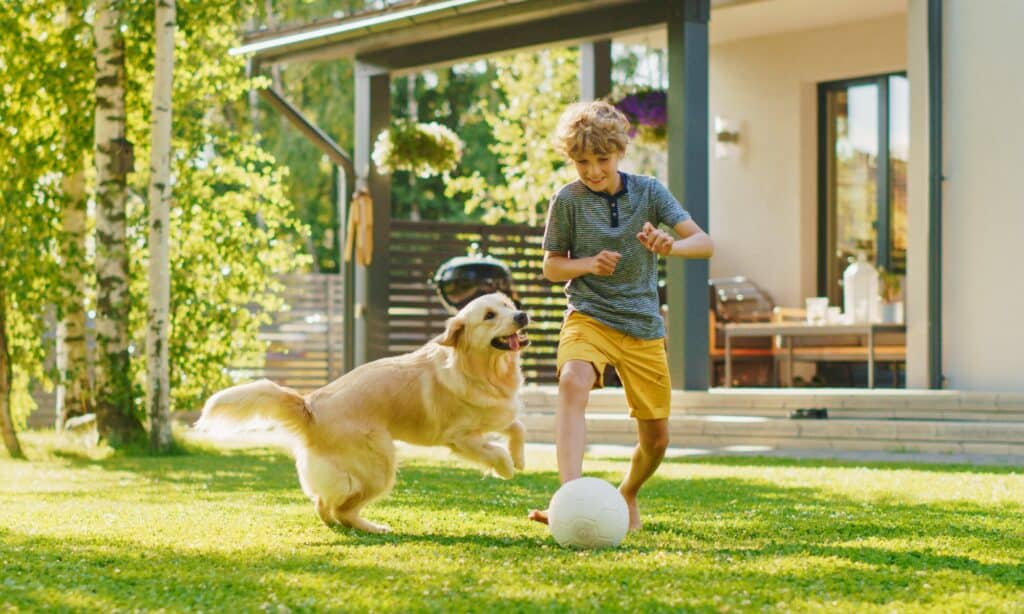
Pet dogs

Like its parent breed, the Labrador retriever, the Cavador loves physical activity and to interact with its owner.

How to Take Care of a Cavador

Despite its genial and friendly personality, Cavador ownership isn’t all fun and games. This dog is a real handful to care for. It will thrive best with an engaged owner who has the time and ability to shower it with plenty of attention and care for its physical needs. You should ideally have some prior experience with dog ownership, but this is not a necessity. If you have any other questions or concerns about your dog’s care, then you should consult with your vet. He or she should also provide regularly scheduled physical examinations to catch health problems as early as possible.

Cavador puppy

The Cavador will do best with an engaged owner who can attend to its needs.

The Best Dog Food for Cavadors

This dog tends to be pretty healthy, but a nutrient-rich diet is a must for keeping your Cavador happy, healthy, and active for as many years as possible. A fully grown Cavador should consume high-quality food, ideally with at least 22% – 26% protein, specially designed for medium-sized and energetic dogs.

The exact amount of calories will depend on your dog’s age, size, and activity level. Since this dog may have a tendency to gain weight, owners should not leave out more food than is necessary. If your dog is prone to bloating, then it is also a good idea to prepare multiple meals a day instead of one big meal.

Maintenance and Grooming

The Cavador has a dense, medium-shedding coat that needs to be brushed at least once a week. The coat is fairly good at keeping itself clean, so bathing does not need to be done on a regular basis but only when the dog is dirty. This should be supplemented with daily toothbrushings to prevent disease and bad breath. Swab the ears about once a week with a cotton ball to remove wax and debris. You should also try to clip the nails every so often to prevent discomfort. If you can hear the nails clicking on the floor, then they are already too long.
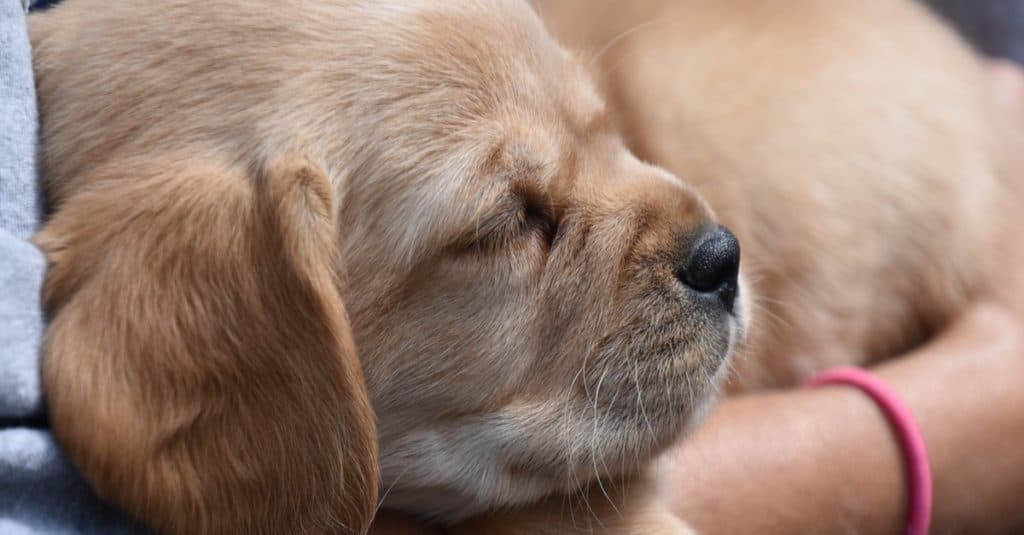
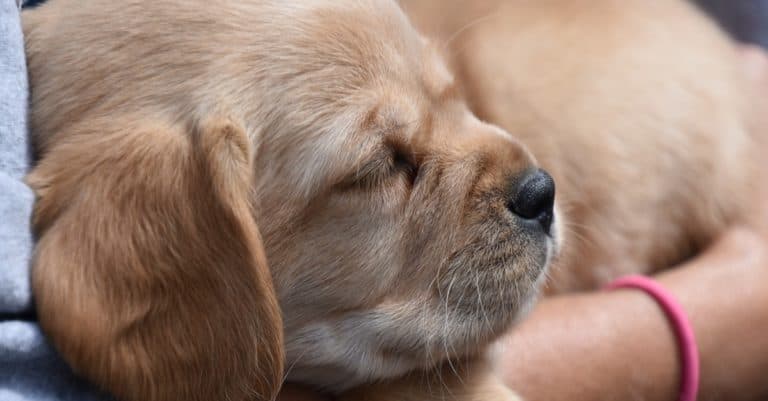
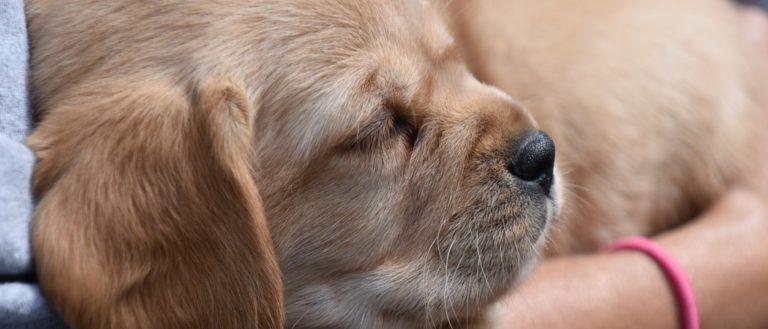
Cavador, yellow lab with King Charles Spaniel. Sleeping in someone's arms

To keep a Cavador’s ears clean, swab them weekly with a cotton ball to remove wax and debris.

Training

The Cavador is an intelligent and eager dog that should take relatively quickly to human commands. This dog does not require many repetitions, prompting, or coaxing, since it learns quickly; just try to keep the training sessions consistent and predictable. Owners should also expose this dog to as many unfamiliar people, pets, and situations as a puppy so it becomes confident and assured rather than fearful and wary when it encounters new experiences. If you lack the time and ability to train your dog yourself, then you might want to consider soliciting the help of a professional trainer.
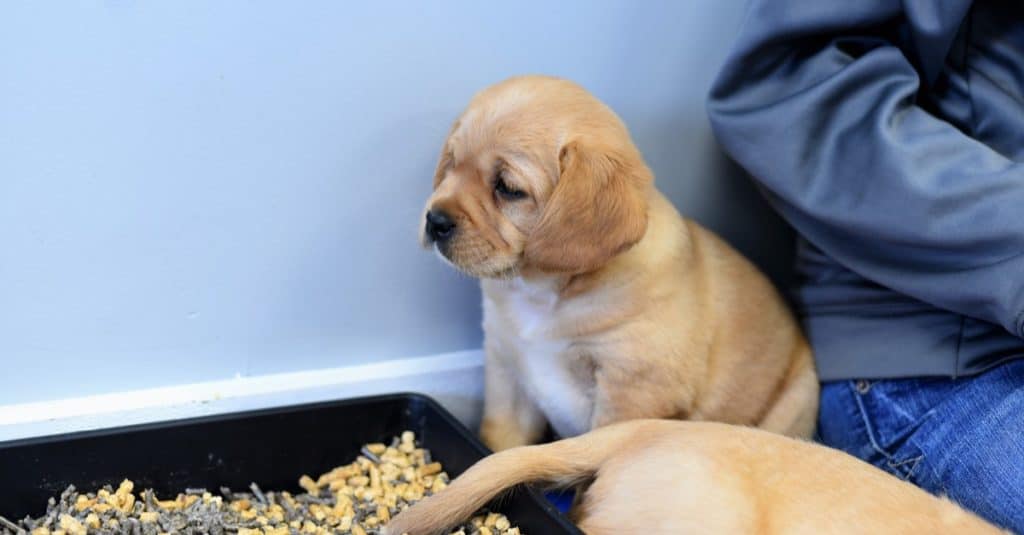
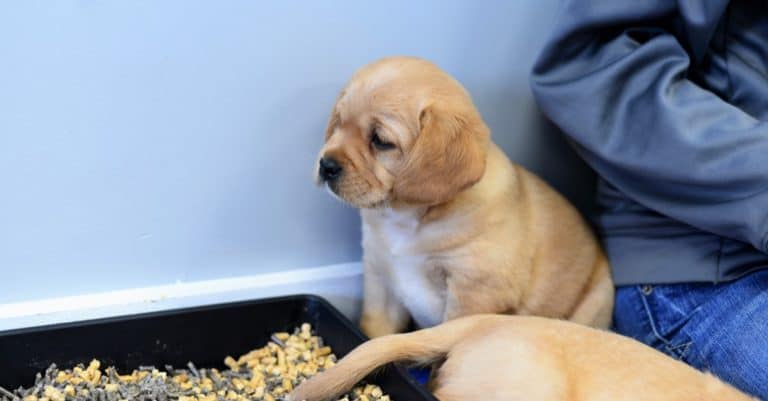
Tan and white Cavador (King Charles Cavalier mixed with Labrador) is being house trained at a local doggie day care.

Owners should aim to introduce a Cavador puppy to unfamiliar people and pets to build confidence.

Exercise

The Cavador requires about an hour of exercise every single day. About half of this time should be spent on long walks or running. The rest should be dedicated to tricks, sports, ball games, and other forms of playtime. A fenced yard, a dog park, or any other open space is highly recommended so it can run around freely. This dog also excels at competitions and trials.

Puppies

As a hybrid designer dog, Cavador puppies may have a slightly wider range of different behavioral and personality traits compared with a purebred dog. Some of these traits might not even become evident until after you’ve already brought your dog home, so be prepared for a lot of different outcomes. Regardless of their exact temperament, Cavador puppies will always need to be trained and socialized as early as possible to become well-behaved fully grown dogs.

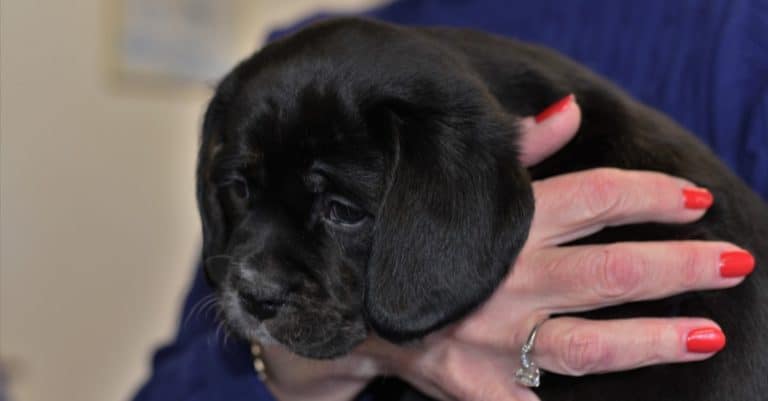
Close up of adorable mixed breed designer dog black Labrador Spaniel (Cavador) puppy

A Cavador puppy will need to be trained and socialized as early as possible.

Cavadors and Children

Cavadors are excellent family dogs that get along great with children of all ages. It is friendly, eager to please, emotionally intelligent, and athletic, but not overbearing.

Dogs Similar to the Cavador

If you are a fan of the Cavador, then you might want to check out the following types of dogs, apart from its two parent breeds:

  • Golden Cavalier: A cross between a Cavalier King Charles Spaniel and a Golden Retriever, this dog is very similar in many respects to the Cavador. It is a medium-sized, friendly companion with a golden sheen of fur, an intelligent mind, and an athletic physique.
  • Chesapeake Bay Retriever: This purebred dog is closely related to the Labrador Retriever. It is a friendly, loyal, hard-working, and intelligent dog (fairly larger than the Cavador) with wavy brown or straw-colored fur.
  • Flat-Coated Retriever: This is another closely related breed to the Lab. Sporting a solid black or liver coat with featherings around the legs and tail, this breed is an intelligent and kind companion.
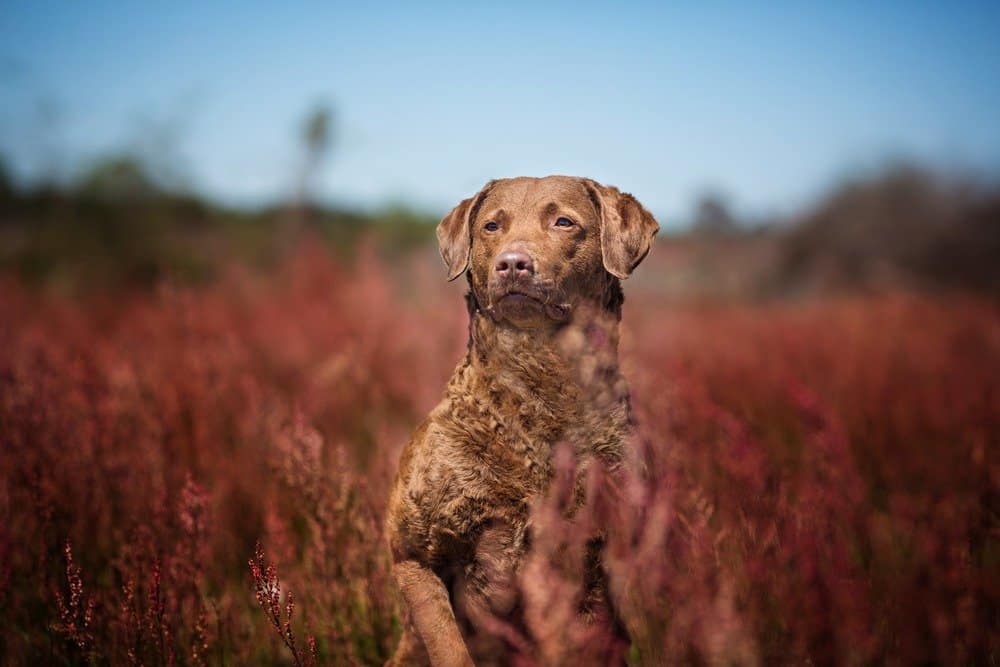
Chesapeake Bay retriever

The Chesapeake Bay retriever is closely related to the Cavador’s parent breed, the Labrador retriever.

View all 395 animals that start with C

Sources

  1. Doggie Designer / Accessed April 7, 2021
  2. Wag Walking / Accessed April 7, 2021
Catherine Gin

About the Author

Catherine Gin

Catherine Gin has more than 15 years of experience working as an editor for digital, print and social media. She grew up in Australia with an alphabet of interesting animals, from echidnas and funnel-web spiders to kookaburras and quokkas, as well as beautiful native plants including bottlebrushes and gum trees. Being based in the U.S. for a decade has expanded Catherine's knowledge of flora and fauna, and she and her husband hope to have a hobby farm and vegetable garden in future.

Thank you for reading! Have some feedback for us?


Cavador FAQs (Frequently Asked Questions)

The Cavador is a mix between a Cavalier King Charles Spaniel and a Labrador Retriever. Despite their very different appearances, these two breeds produce a very friendly, lovable, intelligent, and trainable mix that desires nothing more than to please its owner. The coat is usually black or yellow and mixed with other colors.