








C
Species Profile

Chartreux

Felis catus

The Quiet French Blue Charmer
Mary Bottacin/Shutterstock.com

Chartreux Distribution

Click a location to explore more animals from that region

Origin Location

This map shows the native origin of the Chartreux. As a domesticated species, they are now found worldwide.

Loading map...

Found in 1 country

Size Comparison

Human 5'8"
Chartreux 10 in

Chartreux stands at 15% of average human height.

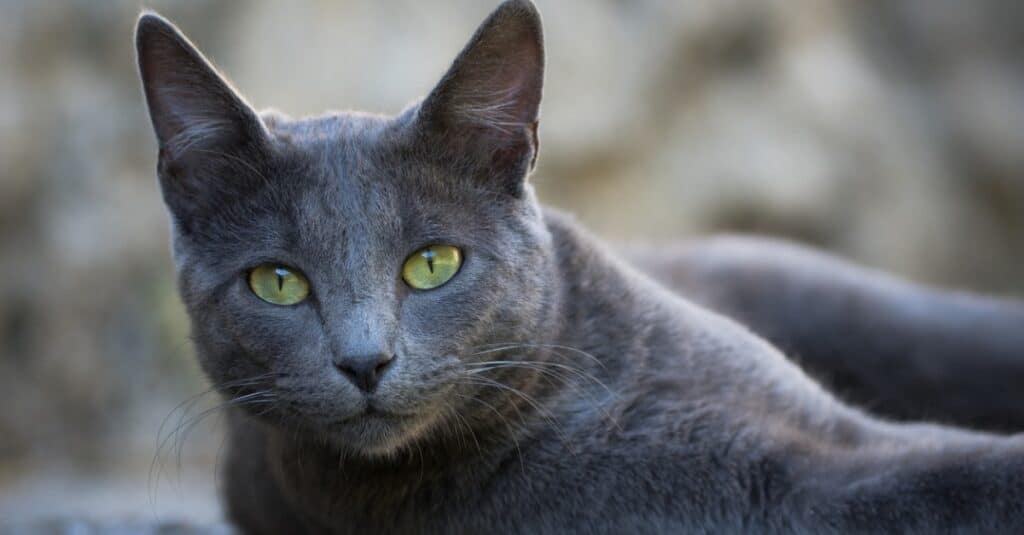
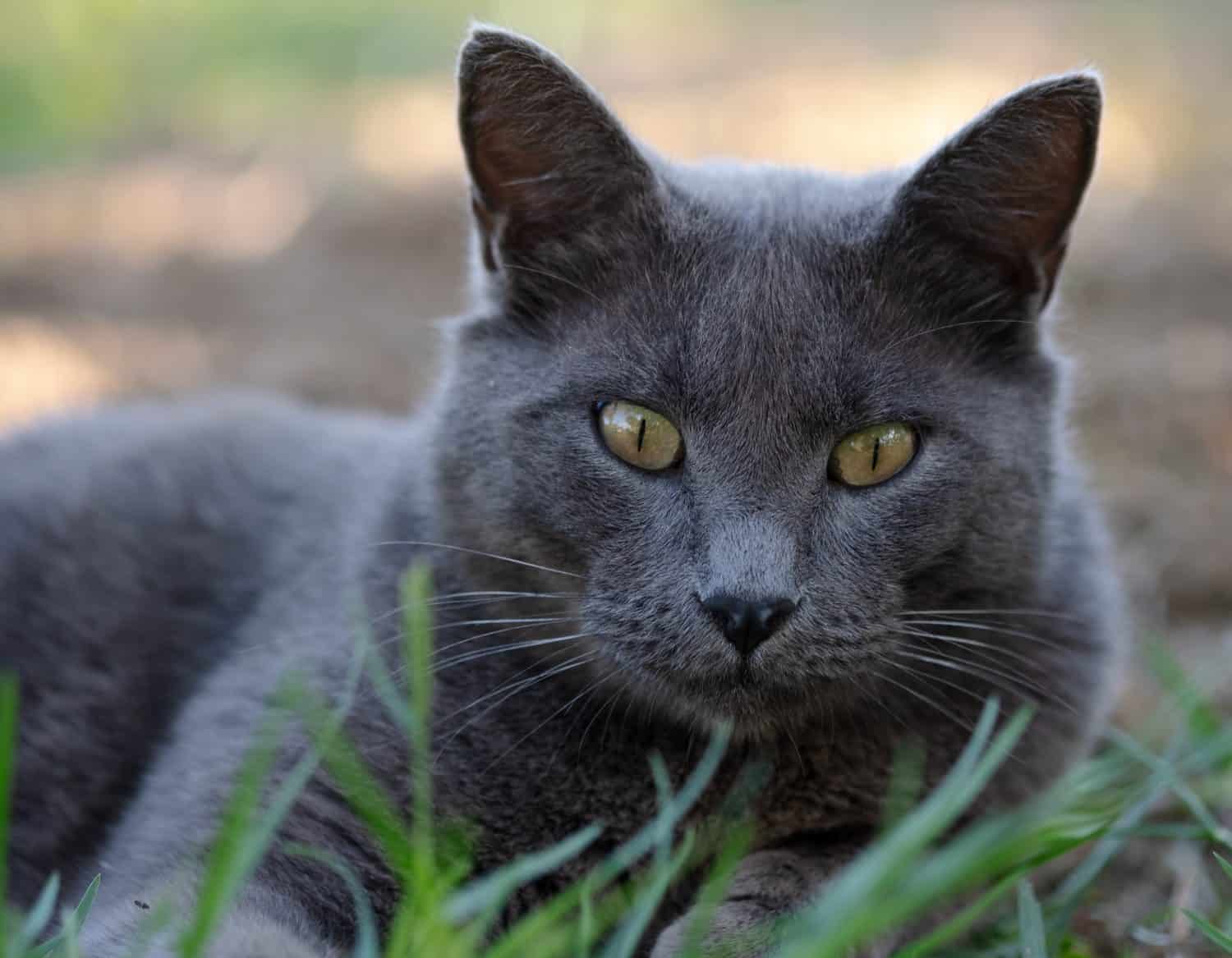
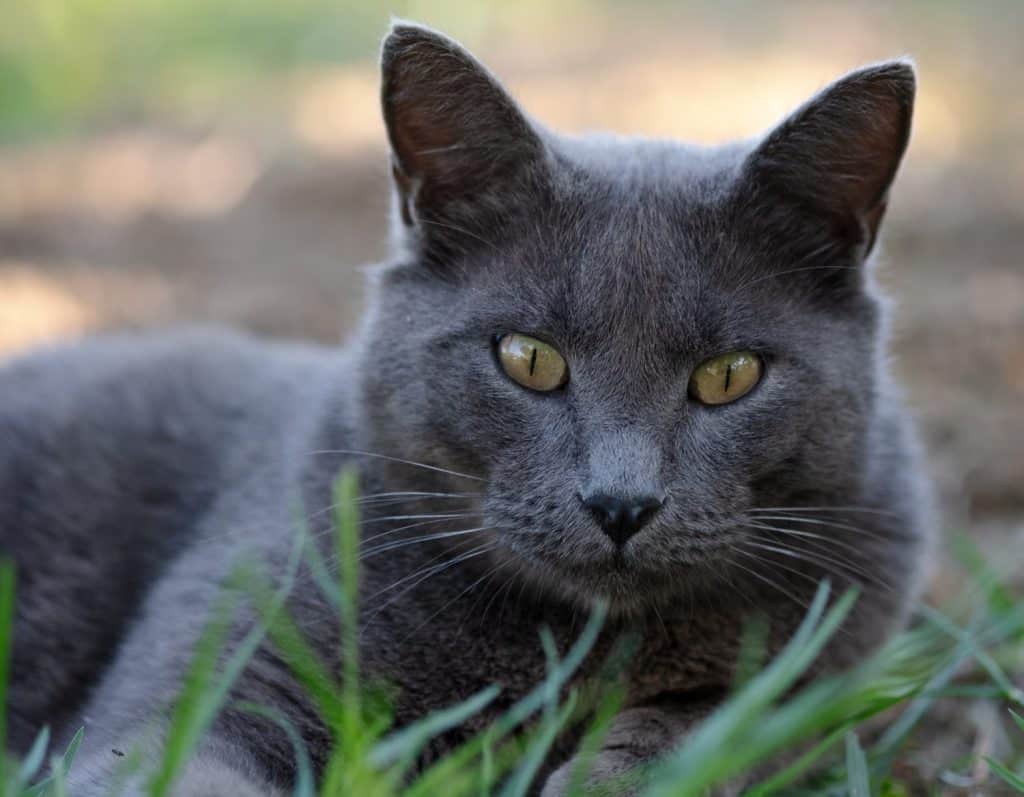
Carthusian cat with yellow eyes. Beautiful cat with blue fur, in the meadow

At a Glance

Domesticated
Also Known As Carthusian, Chat Chartreux, Chatte de Chartreux, French Blue
Diet Carnivore
Activity Crepuscular+
Lifespan 13 years
Weight 7 lbs
Status Not Evaluated
Did You Know?

The Chartreux is a domestic cat, distinguished mainly by selective breeding for its dense woolly blue coat and copper-to-gold eyes.

Scientific Classification

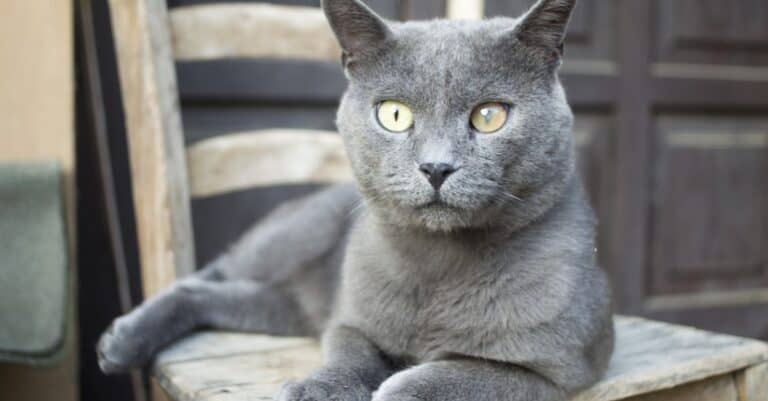
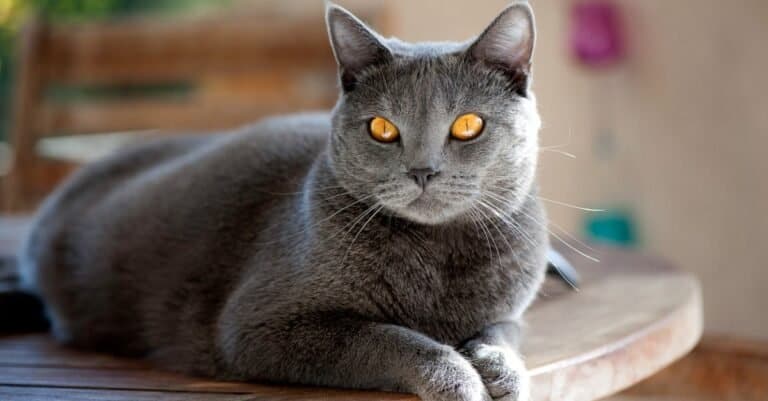
The Chartreux is a domestic cat breed known for a dense woolly blue-gray coat, copper to gold eyes, a robust build, and a notably sweet but quiet temperament.

Kingdom
Animalia
Phylum
Chordata
Class
Mammalia
Order
Carnivora
Family
Felidae
Genus
Felis
Species
Felis catus

Distinguishing Features

  • Solid blue-gray coat with dense, plush/woolly texture
  • Round head with full cheeks and a characteristic 'smiling' expression
  • Copper to gold eyes (adults)
  • Medium-to-large, muscular body; relatively fine-boned legs with strong musculature
  • Typically quiet voice and calm, people-oriented demeanor

Physical Measurements

Males and females differ in size

Height
10 in (9 in – 11 in)
Length
2 ft 8 in (2 ft 6 in – 2 ft 10 in)
2 ft 3 in (2 ft – 2 ft 6 in)
Weight
13 lbs (10 lbs – 15 lbs)
9 lbs (7 lbs – 11 lbs)
Tail Length
11 in (10 in – 12 in)
10 in (9 in – 12 in)
Top Speed
28 mph
About 45 km/h

Appearance

Primary Colors
Secondary Colors
Skin Type Domestic cat (Felis catus) shorthaired type with a notably dense, woolly double coat (plush, resilient texture). Skin generally pigmented to complement coat; coat density provides a thick, insulated feel.
Distinctive Features
  • Domestic breed of Felis catus (not a separate wild species): distinguished by selective breeding for a consistent blue-gray plush double coat, copper-to-gold eyes, and a robust, muscular build.
  • Head often described as a modified wedge with full cheeks; characteristic 'smiling' expression and relatively narrow muzzle compared with some other blue breeds.
  • Medium-small ears set high; eyes large and round, with mature color typically copper/gold (eye color is a major differentiator from some similar blue-coated breeds).
  • Body is sturdy, muscular, and somewhat heavy for size; legs and paws are strong and rounded, giving a compact, athletic silhouette.
  • Temperament hallmark: gentle, affectionate, and typically quiet/soft-voiced; often observant and loyal without being overly demanding.
  • Coat care: despite being shorthaired, the double coat is very dense-weekly grooming is usually sufficient, with more frequent brushing during seasonal shedding to remove undercoat and reduce hair ingestion.
  • Weight management: the sturdy build can mask weight gain; monitor body condition and provide play/enrichment to prevent obesity.
  • Health considerations (breed tendency, not certainty): may show increased risk of hypertrophic cardiomyopathy (HCM) in some lines-routine veterinary exams and consideration of cardiac screening are prudent.
  • Orthopedic considerations: some lines may be prone to patellar luxation; maintain healthy weight and discuss gait/knee concerns with a veterinarian.
  • General Felis catus care needs still apply: dental hygiene, parasite prevention, vaccination, and enrichment; this breed typically does well as an indoor companion with interactive play and climbing/perching options.
  • Origin/association: strongly linked with France; avoid overstating unverified historical/folkloric claims-modern breed identity is based on documented breeding and type standard rather than definitive ancient lineage.

Sexual Dimorphism

Males are typically larger and more powerfully built than females, with more pronounced cheek fullness/jowls and heavier neck/shoulders; females tend to appear finer-boned and slightly smaller while retaining the same coat/eye traits.

  • Larger overall size and weight; more muscular, broad-chested appearance.
  • More prominent cheek fullness/jowls, contributing to the characteristic 'smiling' look.
  • Thicker neck and shoulders; stockier silhouette.
  • Slightly smaller, lighter frame; still sturdy but less massive than males.
  • Cheek fullness generally present but less pronounced.
  • Often a more refined head/neck profile while maintaining round, copper-to-gold eyes and dense plush coat.

Did You Know?

The Chartreux is a domestic cat, distinguished mainly by selective breeding for its dense woolly blue coat and copper-to-gold eyes.

Its head is often described as "trapezoidal," with full cheeks that can give a subtle "smiling" expression.

Compared with many cats, Chartreux are notably quiet-often communicating with soft chirps rather than loud meows.

They mature slowly; many don't fully develop their broad, muscular build until around 3-5 years of age.

Historically prized as skilled mousers, they're known for patient, focused hunting behavior.

Their coat is plush and resilient; it can feel slightly springy due to a thick undercoat and protective outer layer.

The breed is strongly associated with France and appears in French cultural references and cat fancier history.

Unique Adaptations

  • Dense double coat (breed trait): provides insulation and a plush texture; less prone to matting than some long coats but still benefits from regular brushing.
  • Robust, muscular build: heavier-boned and powerful compared with many random-bred domestic cats, supporting strong jumping and stalking.
  • Copper/gold eye color (breed standard): a hallmark contrast against the blue-gray coat, shaped by selective breeding rather than wild-species difference.
  • Quiet temperament tendency: many are less vocal and more observant, a behavioral "adaptation" favored by breeders and historically appreciated in calm settings.

Interesting Behaviors

  • "Silent observer" style companionship: tends to follow people from room to room, staying close without demanding attention.
  • Soft vocalizations: more chirps/trills than sustained meows, especially during greetings.
  • Strategic play: stalk-and-pounce games, puzzle feeders, and "ambush" play often suit them better than chaotic activity.
  • Retrieve and carry: some individuals readily play fetch and will trot toys back to their person.
  • Steady, athletic jumping: strong hindquarters can translate into confident, controlled leaps to high perches.
  • Calm tolerance: many are patient with routine handling, making them a good fit for quieter households (with proper socialization).

Cultural Significance

The Chartreux is a French blue cat (Felis catus) known for a gentle, friendly nature and good mousing skills. Linked by name and tradition to monastic France, it is calm and quiet at home.

Myths & Legends

Monastery association tale: a long-running tradition claims Chartreux cats were kept by Carthusian monks-valued for quiet behavior and companionship in cloistered settings.

Crusader/Levant origin story: another common historical anecdote says blue cats resembling the Chartreux arrived in France via trade routes or crusaders from the eastern Mediterranean.

Naming lore: some accounts connect the breed's name to the Great Chartreuse monastery or to a type of wool once associated with thick, woolly fabric-echoing the cat's plush coat.

Old France working-cat anecdotes: Chartreux-like blue cats are sometimes described in stories as exceptional household mousers in farms, workshops, and storerooms, prized for efficiency and calm demeanor.

Conservation Status

NE Not Evaluated

Has not yet been evaluated against the criteria.

Population Stable

Life Cycle

Birth 4 kittens
Lifespan 13 years

Lifespan

In the Wild
11–15 years
In Captivity
10–20 years

Reproduction

Mating System Polygynandry
Social Structure Managed Domestic
Breeding Pattern Transient
Fertilization Managed Selective
Birth Type Internal_fertilization

Chartreux (Felis catus) mating is polygynandry (both sexes can mate with many partners), but humans usually choose pairings through managed, selective breeding. Mating is short, there is no pair bond, and other adults do not help raise kittens; breeders often screen for HCM.

Behavior & Ecology

Social Colony Group: 2
Activity Crepuscular, Cathemeral
Diet Carnivore High-protein, meat-based foods (e.g., poultry such as chicken/turkey; also rabbit); many individuals show strong preference for moist/wet foods due to better hydration support.

Temperament

Quiet, sweet-natured, and emotionally steady; more likely to communicate with gaze, proximity, and gentle touch than frequent meowing (distinguishing trait vs. many Felis catus individuals).
Affectionate but not typically "needy"; often enjoys being near people and following them, with moderate lap interest depending on the individual.
Playful with bursts of athleticism; many show strong hunting/"fetch" tendencies and enjoy interactive toys and puzzle feeding.
Generally tolerant with other cats/dogs when introductions are slow; may be reserved with strangers and prefers a predictable environment and safe elevated perches.
Their dense, woolly double coat needs weekly brushing (more in shedding seasons) to reduce loose hair and mats. Provide vertical spaces, scratching posts, and daily play to prevent boredom and weight gain.
Gentle, quiet, and affectionate; intelligent and playful, often forming strong bonds with people while generally being calm and undemanding.

Communication

Infrequent meowing; tends to be quieter than many domestic cats.
Soft chirps/trills used for greeting or mild requests.
Purring commonly used during social contact and relaxation.
Occasional low growl/hiss if threatened, though the breed is often described as less reactive when well-socialized.
Body language emphasis: slow blinking, relaxed ear/whisker posture, and tail carriage to signal comfort; avoidance/turning away to de-escalate Common Felis catus pattern
Scent communication: cheek rubbing (allorubbing) on people/furniture, scratching to deposit scent, and strategic resting spots to mark safe territory.
Tactile signals: head-butting (bunting), gentle pawing, and close sitting/"shadowing" a favored person; many prefer proximity contact over vocal solicitation.
Play/hunt signaling: stalking postures and toy presentation; interactive play can function as social bonding with humans in indoor environments.

Habitat

Biomes:
Temperate Forest Boreal Forest (Taiga) Tropical Rainforest Tropical Dry Forest Savanna Desert Hot Desert Cold Mediterranean Temperate Grassland Tundra Alpine Freshwater Wetland Marine +8
Terrain:
Plains Hilly Coastal Valley
Elevation: Up to 19685 ft 1 in

Ecological Role

Human-associated mesopredator (domestic companion)

Predation on commensal rodents (pest control around homes/barns) Influences local small-vertebrate populations where allowed to roam (can reduce nuisance rodents but may also negatively impact songbirds and small wildlife) Transfers energy from human-provided food to local predator-prey dynamics (subsidized predator effect)

Diet Details

Main Prey:
House mice and other small rodents Rat Small birds Rabbit Lizards and small snakes Insects and other invertebrates

Human Interaction

Domestication Status

Domesticated

Felis catus comes from wildcat ancestors, mainly the Near Eastern wildcat (Felis silvestris lybica). The Chartreux is a modern, recognized breed of domestic cat: a naturally blue-gray type linked to France and made official by cat registries in the 20th century. Stories about monks are mostly folk tales; selective breeding saved the breed after wartime losses.

Danger Level

Low
  • scratches or bites (usually during fear, pain, or rough handling)
  • allergen exposure (Fel d 1; breed is not hypoallergenic)
  • zoonotic parasites/pathogens if not on prevention (fleas, ringworm)
  • trip hazard/falls in home (common with any cat)

As a Pet

Suitable as Pet

Legality: Chartreux (Felis catus) cats are usually legal where pet cats are allowed, but local rules may require licensing, vaccines, leashes or keeping indoors, limits on numbers, welfare or HOA rules, and health papers, rabies shots, or microchips for travel.

Care Level: Moderate

Purchase Cost: $1,200 - $2,500
Lifetime Cost: $18,000 - $45,000

Economic Value

Uses:
Companion animal industry Pedigree breeding and showing Veterinary services Pet food and supplies Pet insurance
Products:
  • pedigree kittens/stud services
  • cat show participation (entry fees, grooming products)
  • specialty nutrition for indoor/weight management
  • routine and preventive veterinary care (vaccines, dental cleanings)
  • microchipping/ID and travel documentation

Relationships

Ecological Equivalents 6

Animals that fill a similar ecological role in their ecosystem

Russian Blue
Russian Blue Felis catus Shares a blue-gray coat and a calm, people-friendly nature with the Chartreux. The Chartreux is stockier, with a woolly, water-resistant double coat and copper-gold eyes; both breeds shed moderately, but the Chartreux needs weekly brushing.
British Shorthair Felis catus Both have a sturdy build and a plush, woolly double coat. The Chartreux is known for a sweet, very quiet voice. Both breeds can gain weight easily, so portion control and daily play are important.
Korat Felis catus No ecological relationship explanation provided.
European Shorthair / Domestic Shorthair Felis catus Chartreux share the domestic cat role as adaptable home hunters of rodents. They are known as good mousers and are calmer and less vocal than many shorthairs. Indoor hunting play (wand toys, food puzzles) helps.
Ragdoll
Ragdoll Felis catus Similar — a gentle, people-friendly companion — but with a different focus. Chartreux are more athletic and compact, have a dense coat that needs less brushing than long-haired breeds, and usually require more exercise.
Feral/Free-ranging domestic cat Felis catus Same species (Felis catus) and similar small mesopredator role, though feral/free-ranging individuals occupy outdoor niches while Chartreux are typically indoor companions. Chartreux need a good diet and regular exercise to prevent obesity, regular brushing, and veterinary checks for patellar luxation, orthopedic, dental, and urinary problems, and should be provided hydration-friendly feeding.

Quick Take

  • Reaching full physical maturity requires a 3-year developmental cycle within the Chartreux lineage.
  • The presence of green eyes creates an immediate technical disqualification from the French breed standard.
  • This breed presents a counterintuitive challenge by refusing to signal when experiencing health complications.
  • 13th-century Crusaders performed a vital relocation from Syria to establish this lineage in Europe.

No one knows exactly the origins of the Chartreux. One popular theory is that the cat was bred by monks from the Valley of Chartreuse in France, but this claim is difficult to substantiate. It’s also possible that the Chartreux may be named after a type of Spanish wool that was commonly imported into France. Legend has it that the cat was brought back from Syria by 13th century Crusaders.

Regardless, in 1558, the cat was mentioned in a poem, and it appeared in a famous painting in 1747, so we know it has been around a long time. By the 1700s, the Chartreux had become highly prized by French farmers for their talents as rodent hunters in stables and homes. However, this cat became popular with the French aristocracy, who continued to control and limit its breeding, thus making it rare.

This breed first came to the United States in the 1970s and soon became recognized by nearly all major feline organizations.

An educational infographic detailing the Chartreux cat breed's history, personality, care requirements, and physical standards.
From 13th-century battlefields to French aristocracy, this 'silent sufferer' hides a dangerous secret: it will never let you know when it’s in pain. © A-Z Animals

Three Amazing Facts

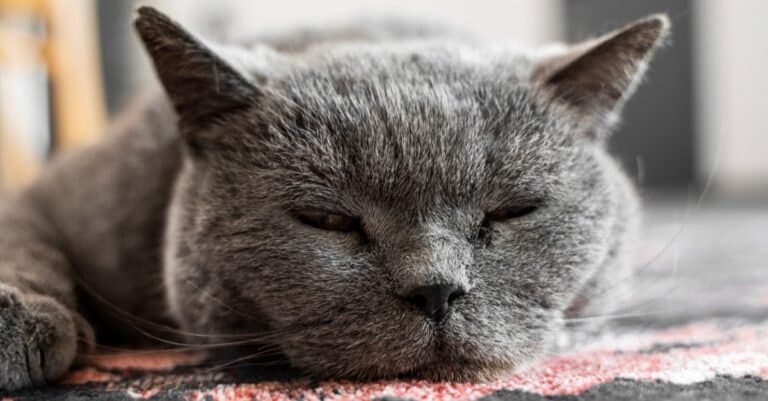
close up of a grey Chartreux

The Chartreux is the national cat of France.

  • The Chartreux does shed quite a bit, particularly in the spring. Daily brushing with a simple steel comb should be sufficient to remove loose or dead hair. A bath is rarely needed, but when you do give one, you should use a mild and gentle cat shampoo. Keep in mind that this cat’s fur is water-resistant. Even after a bath, it will be close to dry. You should also trim the nails every few weeks and check the ears weekly. A daily dental hygiene plan is highly recommended.
  • The Chartreux is relatively quiet and well-behaved compared to a typical cat breed. Since it doesn’t need much space, this cat is a good choice for apartments and houses alike.
  • This breed may be prone to kidney disease, urinary tract disease, and kneecap problems.

Personality

The Chartreux is a quiet, good-natured cat, not overly prone to exuberant signs of affection or play. While they do love their owners, these cats tend to be independent and a little reserved most of the time. They often like to observe the situation before engaging directly in it. Owners may sometimes need to give them a little space, but the Chartreux will usually oblige in cuddles and playtime quite often.

Their easy-going and undemanding personality means they can be left alone for a long time without necessarily causing a mess. They also fit very well into homes with children and other pets. There’s a lot to like with this breed for owners who want an undemanding and no-nonsense cat. However, one downside is that this breed may not necessarily tell you when something is wrong. Owners will need to keep an eye on their cats and learn to read their behavioral quirks.

Size and Weight

The Chartreux is a medium-sized cat, weighing anywhere between seven and 16 pounds and standing about nine to 11 inches tall at shoulder height. They are known for their very muscular and husky bodies and comparatively short legs. Despite their size, they have surprisingly fast reflexes and agile movements, which make them quite fun to play with. These cats love to chase lure toys and pounce on things.
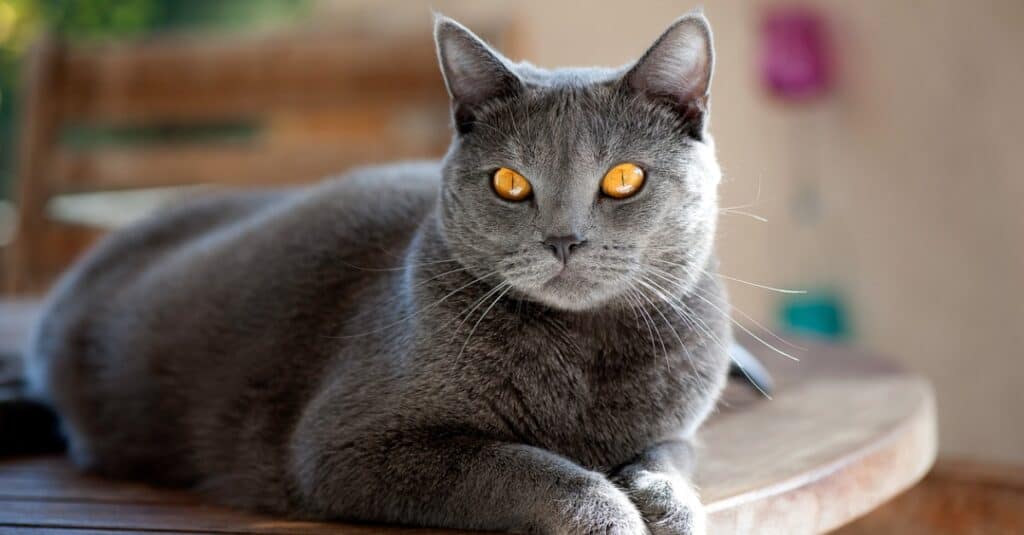
The Chartreux weighs an average of 12 pounds.

Price

The price of a typical Chartreux from a high-quality breeder is normally between $1,000 and $2,000. The price depends on several factors, including the pedigree and health of the cat and the demand and availability in your area. Most owners will end up paying at least $150 a month for necessities, including food, litter, toys, and the occasional visit to the vet.

Kittens

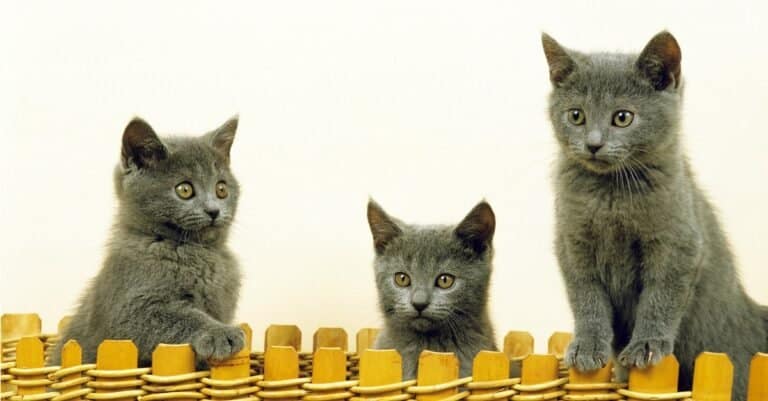
Chartreux kittens are often available for purchase starting around 16 weeks old. Breeders will often vaccinate and neuter or spay their cats before selling them. The Chartreux is a slowly maturing cat and may take a full three years to reach adulthood. The coat may start with light tabby markings or spots at birth that slowly diminish with age, and as it becomes more woolly in texture.

Cats also need a period of social and mental development early in their lives. While good breeders will socialize their cats within the first 16 weeks, the Chartreux will continue to need extra socialization opportunities for the next few months. The most important thing an owner can do is to give them time to adjust and warm up to new people. They also do well with a predictable schedule around the home.
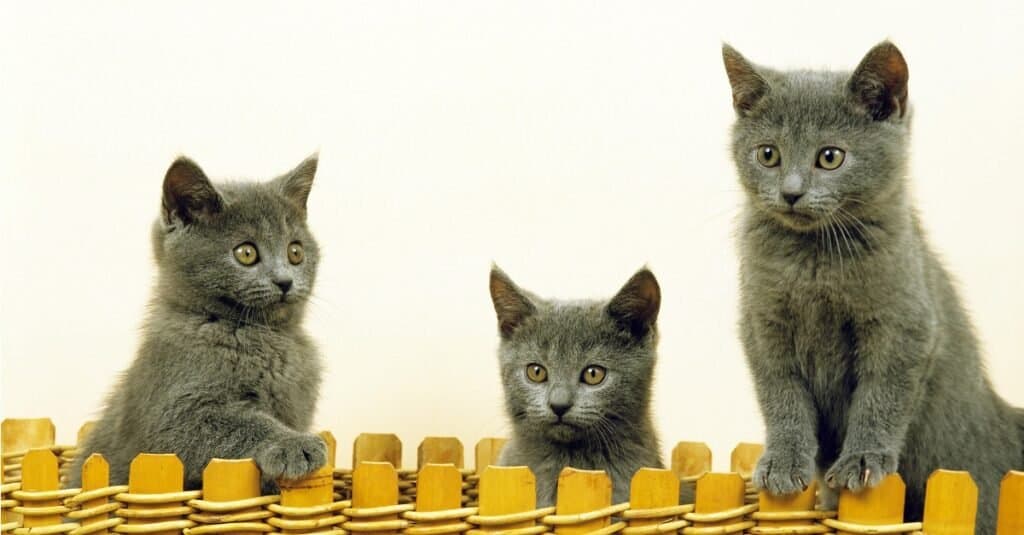
Chartreux kittens reach adulthood around three years of age.

Lifespan

The Chartreux has a typical lifespan of 11 to 15 years, but with excellent care and a bit of luck, they can live around 20 years. This breed is prone to several health problems, including kidney disease, urinary tract conditions, and patellar luxation, a developmental disorder in which the kneecap will frequently dislocate. Cancer is also a leading cause of death. You can minimize the chances of your cat developing hereditary conditions by being very selective about the breeder. You should trust only responsible breeders who frequently test their stock for known health problems. You should also schedule regular appointments at the vet to catch health issues as soon as possible.

Breed vs. Mixed

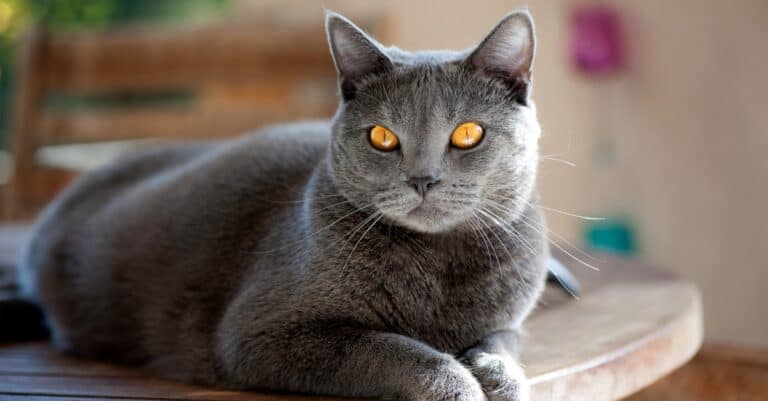
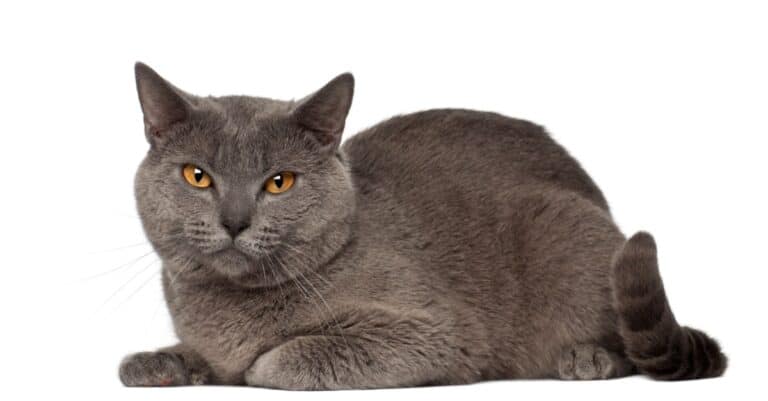
All purebred cats must adhere to a standard set of shared characteristics. The purebred Chartreux features a rounded head, erect ears, rounded and expressive eyes with copper to gold colors, a muscular and robust body, a deep chest, and relatively short legs. The most defining trait of this breed is a short to medium-length double coat of blue-grey fur, which should feel quite thick and woolly to the touch. Disqualifying traits include a tail kink, green eyes, or signs of lameness. If your cat shows any deviations from these important features, then it could be a sign of a mix. Mixed breeds aren’t bad, but they will not have the same characteristics as a purebred cat. They are especially likely to show up in animal shelters.

Color

The French Chartreux is known for its blue, almost silvery grey double coat of fur. Since this is such an important trait for the breed, no other fur colors or patterns are accepted. All members of this breed tend to look very similar to each other, and it’s often reminiscent of other grey cat breeds such as the Russian Blue or British Shorthair.

View all 395 animals that start with C

Sources

  1. DailyPaws / Accessed November 2, 2021
  2. cattime.com / Accessed November 2, 2021
  3. The Cat Fancier's Association / Accessed November 2, 2021
Thank you for reading! Have some feedback for us?


Chartreux FAQs (Frequently Asked Questions)

A new Chartreux kitten from a high-quality breeder will normally cost you between $1,000 and $2,000. If this is out of your price range, then adoption is always a good option. It’s certainly possible to buy an adopted cat for $100 to $300.