
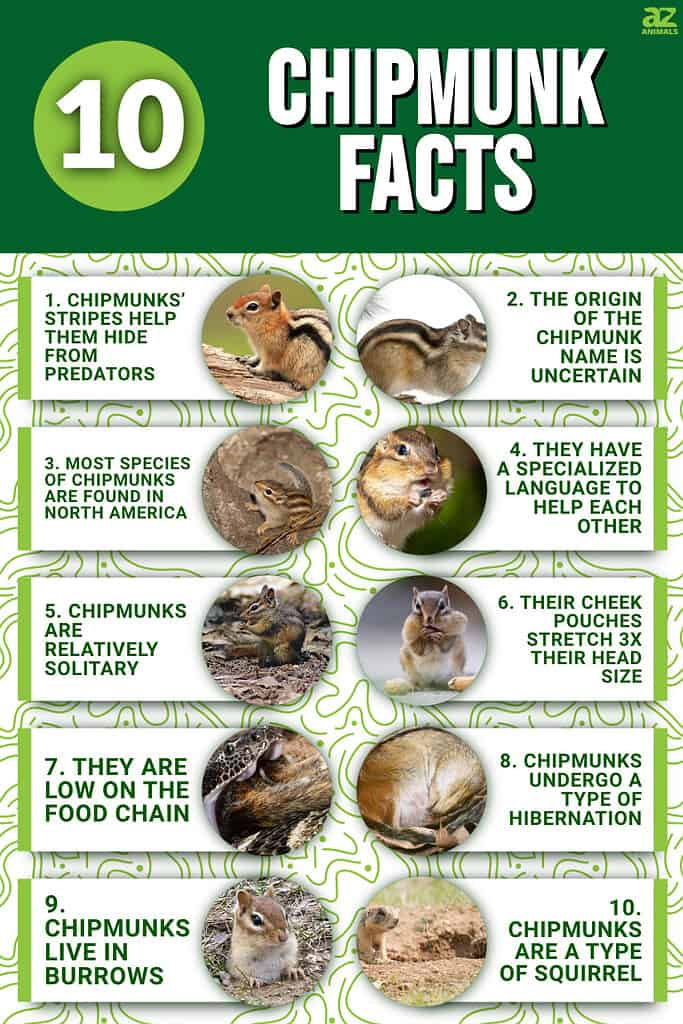
People who live in North America are familiar with chipmunks. These small, ground-dwelling mammals are known for their cute looks and habit of digging burrows in places that upset people. Although it’s easy to take a look at chipmunks and not give them a second thought, we think it’s time to delve deeper and look at 10 incredible chipmunk facts. Take time to see beyond the plain creatures you see in your yard and garden daily. Prepare to see these little critters in a whole new light.
1. Chipmunks Are a Type of Squirrel
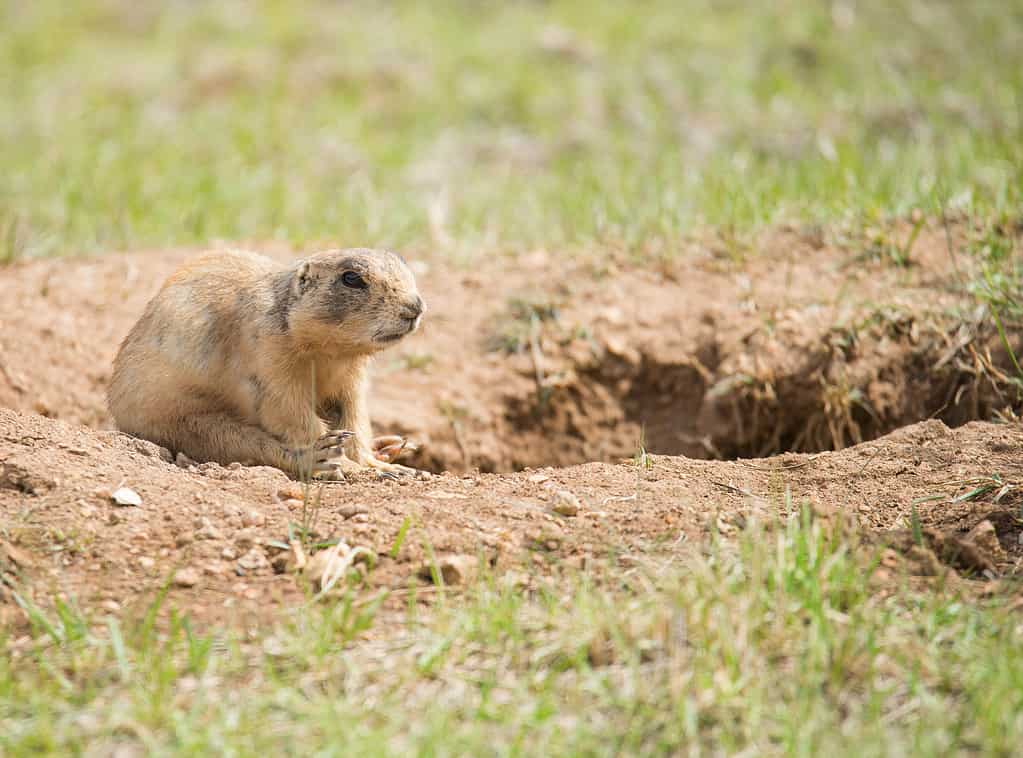
Chipmunks are part of the squirrel family.
©Filip Fuxa/Shutterstock.com
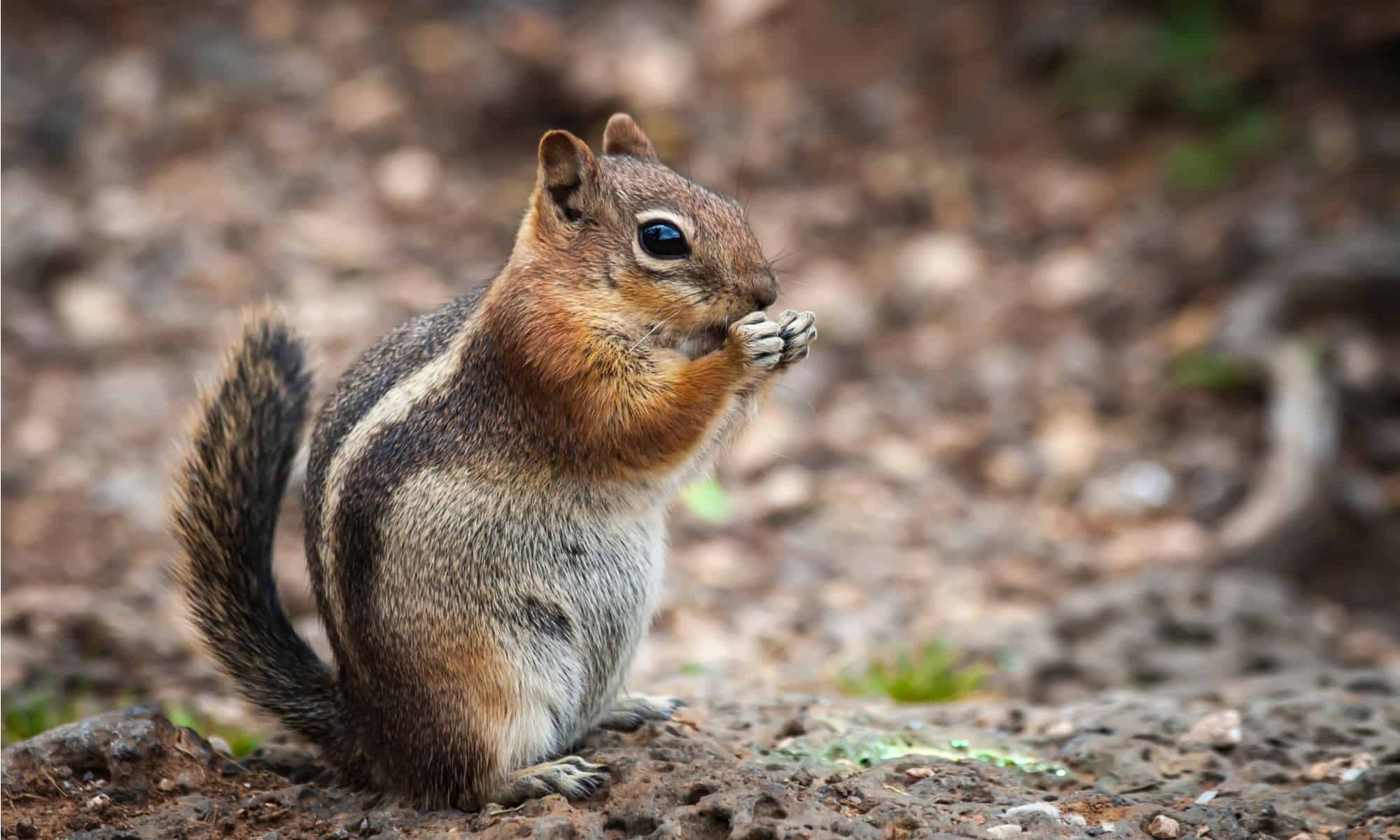
Chipmunks belong to the Sciuridae family, the family of squirrels. They’re not the same as the tree-dwelling squirrels, though. Instead, they belong to the same tribe as ground squirrels, like the prairie dog. These small rodents are related to each other, so they have some similarities and many differences between them.
2. Chipmunks Live in Burrows
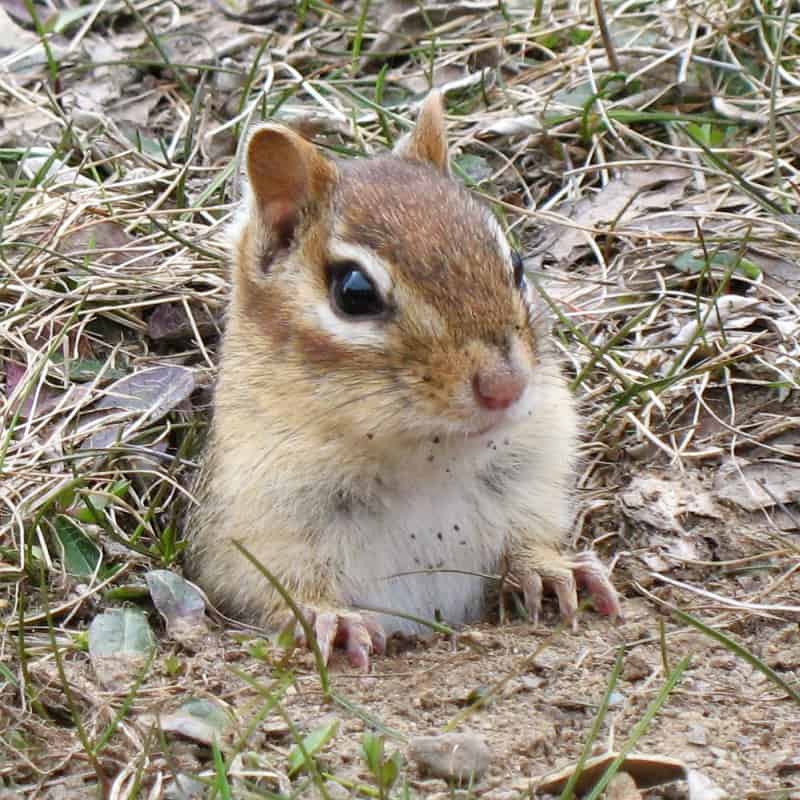
Chipmunks live in ground burrows that they dig themselves.
Like many other ground squirrels, chipmunks live in burrows. They use them for multiple purposes, including storing food for winter weather and sleeping. More importantly, these burrows are a place that chipmunks can retreat to that not all of their many predators can follow them into.
8. Chipmunks Undergo a Type of Hibernation
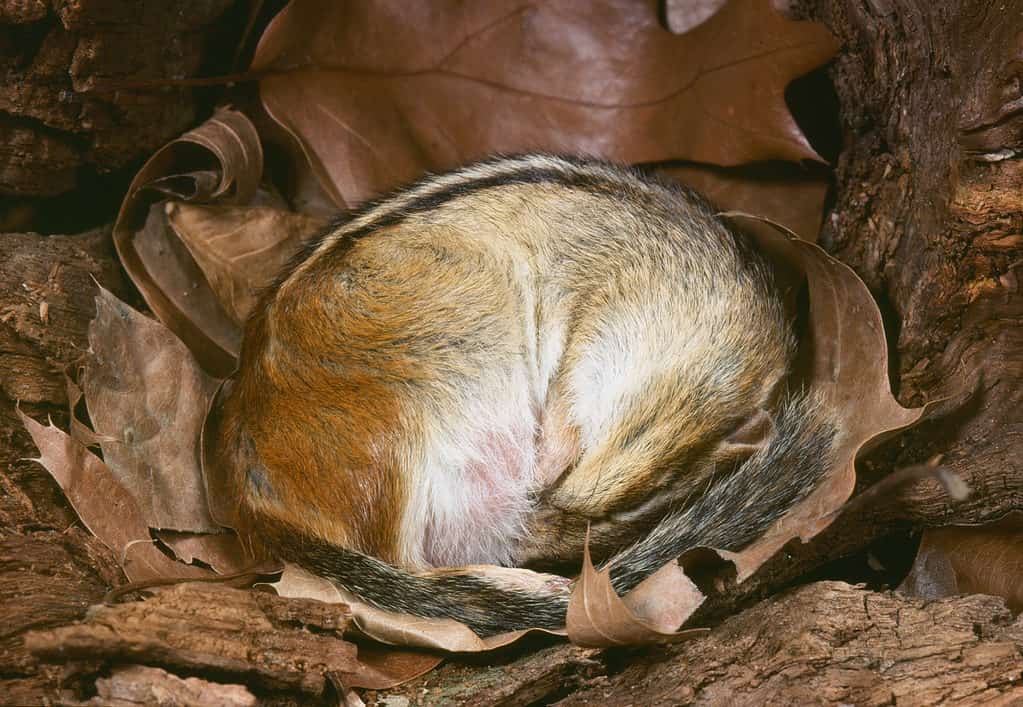
Some animals enter a state of torpor to survive the cold winter, including the chipmunk.
©Breck P. Kent/Shutterstock.com
When extremely cold weather occurs, chipmunks enter their burrows and start living off the food supplies they have gathered. However, they do not hibernate as we know it. Instead, when bad weather hits, they go into a state of torpor. Torpor is similar to hibernation, but it’s not long-lasting, and it may or may not be voluntary.
During torpor, the life functions of the chipmunk slow down. Their metabolic rate drops significantly, reducing their energy needs by up to 75 percent. This comes with risks, though. If a predator comes into their burrow, there is little chance the chipmunk will be able to muster the brain power and physical power needed to overcome it.
4. They Are Low on the Food Chain
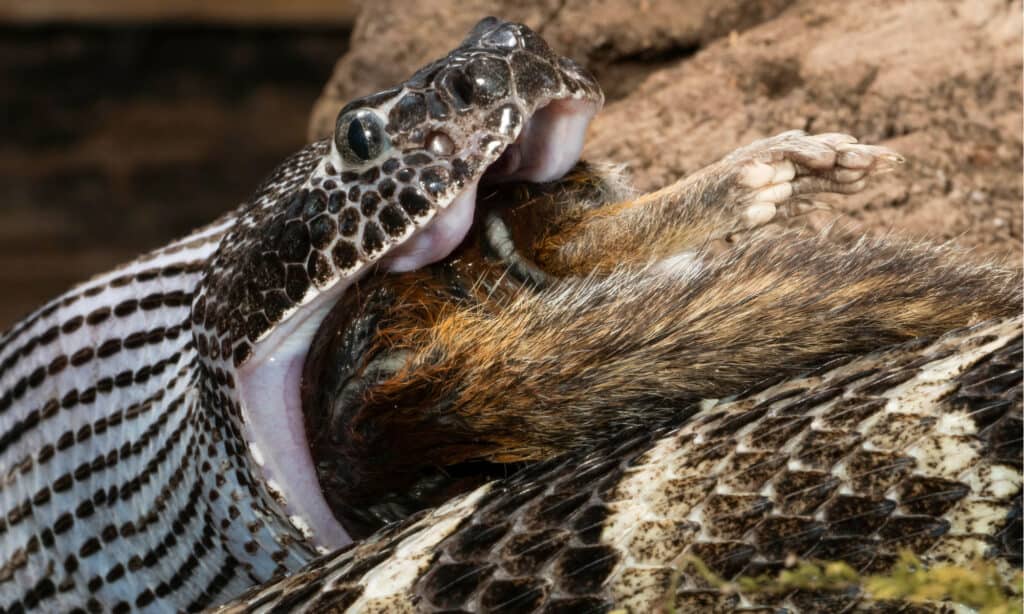
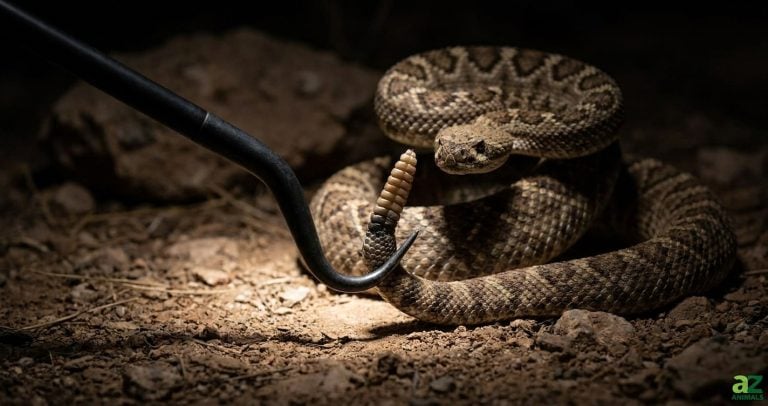
Chipmunks are low on the food chain and are hunted by predators like the timber rattlesnake.
©Joe McDonald/Shutterstock.com
Simply put, chipmunks have a whole lot of predators. They are hunted by snakes that follow them into their burrows, hawks that swoop down on them from the sky, domestic cats and dogs playing in their yards, and even coyotes and weasels in some parts of their distribution!
It’s tough being a chipmunk because they do not have a lot of ways to fight back against predators. They can flee and hide by climbing trees or burrowing. Still, they can’t get away once they’re in the grasp of a deadly predator.
5. Their Cheek Pouches Stretch 3x Their Head Size
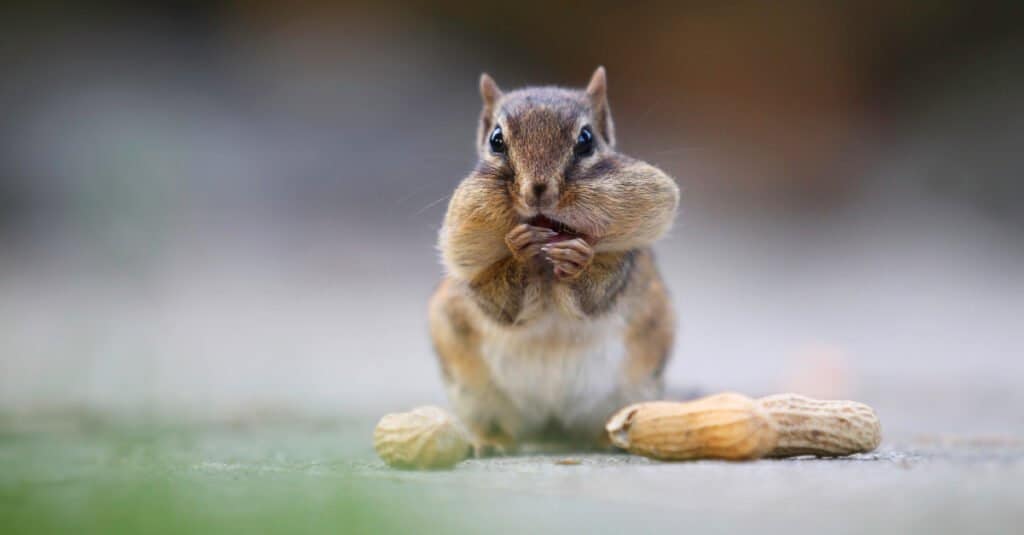
Chipmunks can stuff whatever they want in their cheeks.
©iStock.com/flySnow
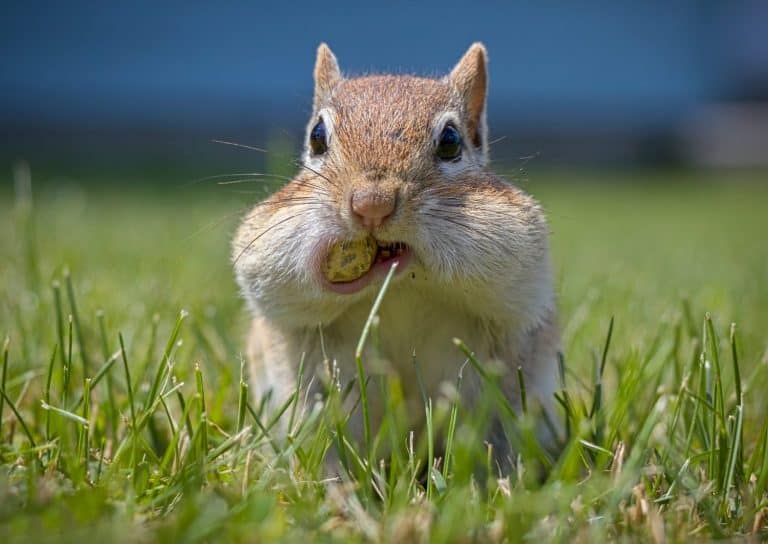
Chipmunks create food caches that help them survive winter when food is less plentiful. Fortunately, they have cheek pouches that stretch to become about three times the size of the animal’s head.
They can fill those cheek pouches with different foods and take trip after trip back to their burrows. They’ll stuff just about anything in those cheek pouches, too. Chipmunks are omnivores, primarily eating seeds, nuts, and fruits, but they also occasionally consume insects and small animals.
6. Chipmunks Are Relatively Solitary

While some ground squirrels like prairie dogs live in large communities, the chipmunk tends to live solo.
Some ground squirrels live together in large communities. For example, prairie dogs live in large communities called towns that can span a hundred acres. However, chipmunks tend to burrow and live on their own. That doesn’t mean that they do not have some communal behaviors or never help one another.
Oftentimes, several chipmunks will make their burrows in a small area, about an acre or so. They do this to form a type of community watch group.
7. They Have a Specialized Language to Help Each Other
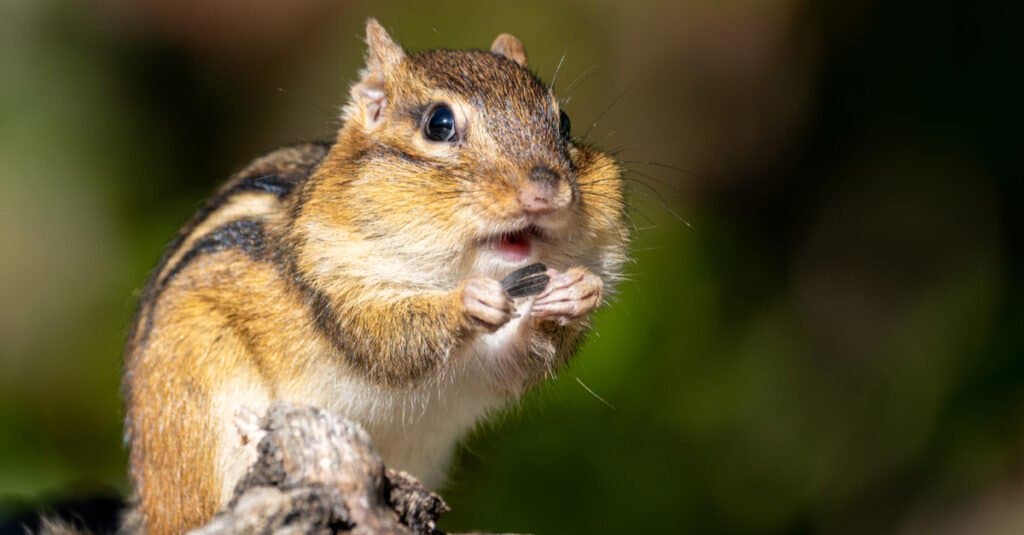
Chipmunks will make certain warning calls to alert nearby chipmunks to danger.
©Skyler Ewing/Shutterstock.com
The most prominent way that chipmunks help one another is by issuing calls in the presence of a predator. When they spot a predator, they’ll let out different warning calls. They have calls tied to certain predators, allowing any nearby chipmunks to understand what sort of animal is coming for them.
They will use “chip” noises for ground-based predators and lower-pitched “chuck” noises to identify an airborne threat in the area. A combination of these sounds will send the other chipmunks scurrying for cover so that they have a chance to survive.
8. Most Species of Chipmunks Are Found in North America
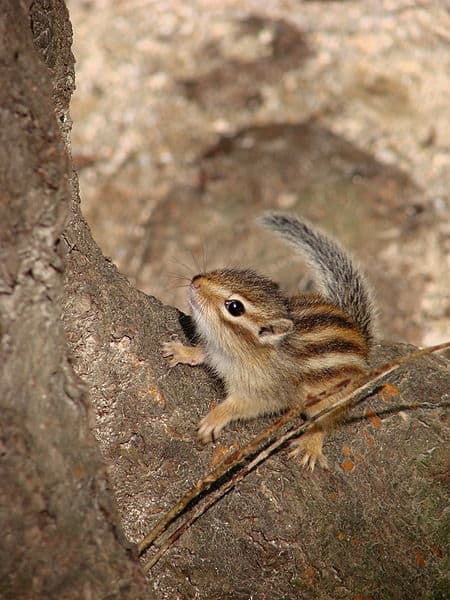
Except for the Siberian chipmunk, all 24 other species reside in North America.
©Photocapy / Creative Commons – Original
There are 25 different species of chipmunks in the world today. Only one species of chipmunk lives outside of North America. That is the Siberian chipmunk, and it lives in Russia and parts of Asia. Aside from that, North America is inundated with chipmunk species, possessing 24 of the 25.
9. The Origin of the Chipmunk Name is Uncertain
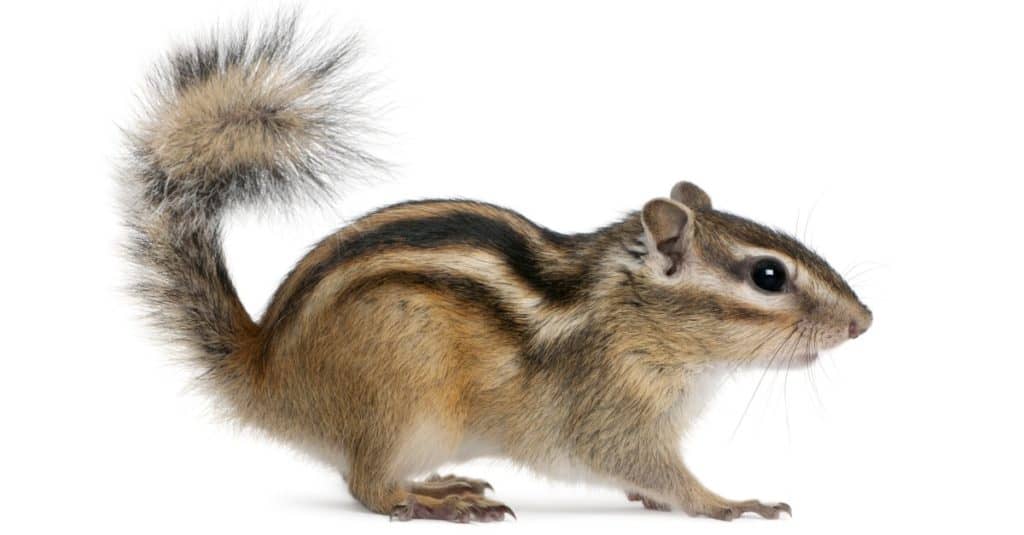
It’s believed that the name “chipmunk” either came from the Chippewa word “chetamnon” or the Ottawa word “jidmoonh.”
©Eric Isselee/Shutterstock.com
The origin of the name chipmunk has two possible explanations. The first is that the word comes from “chetamnon”, a word from the Chippewa nation. Another potential explanation for their name is that it came from the Odawa (Ottawa) word “jidmoonh.”
Either way, it’s hard to find any direct sources on the name’s origin, but we do know that the first time that the word chipmunk made it into the Oxford English Dictionary, spelled chipmonk, was in 1842.
10. Chipmunks’ Stripes Help Them Hide from Predators
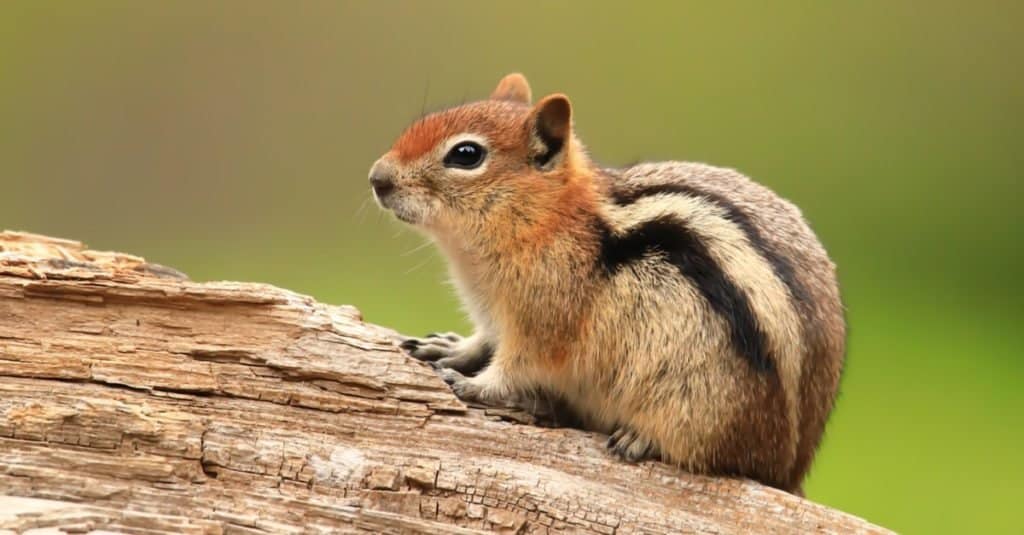
Their stripes help camouflage the squirrels.
©AmberLouise/Shutterstock.com
A lot of people wonder why chipmunks have those various stripes running the length of their bodies. The patterns of black and brown on their bodies, along with the various stripes, can help them camouflage against tree bark and in other woodland areas. It’s hard for a predator to pick out this squirrel by color alone, so a still chipmunk has a good shot at staying unseen.
Chipmunks aren’t as exciting as massive predators, but they do have a certain charm about them. These 10 incredible chipmunk facts aren’t earth-shattering. However, they do show that chipmunks aren’t entirely helpless creatures and that they have some pretty solid survival instincts.