

C
Species Profile

Cavapoo

Canis lupus familiaris

Big-heart companion in a small package
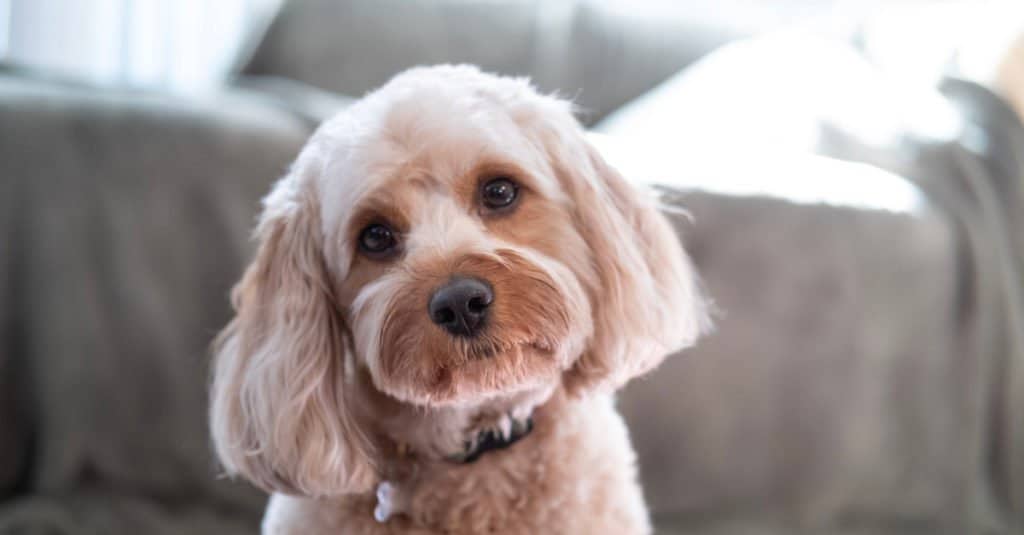
bonandbon/Shutterstock.com

Cavapoo Distribution

Click a location to explore more animals from that region

Origin Location

This map shows the native origin of the Cavapoo. As a domesticated species, they are now found worldwide.

Loading map...

Found in 1 country

Size Comparison

Human 5'8"
Cavapoo 12 in

Cavapoo stands at 17% of average human height.

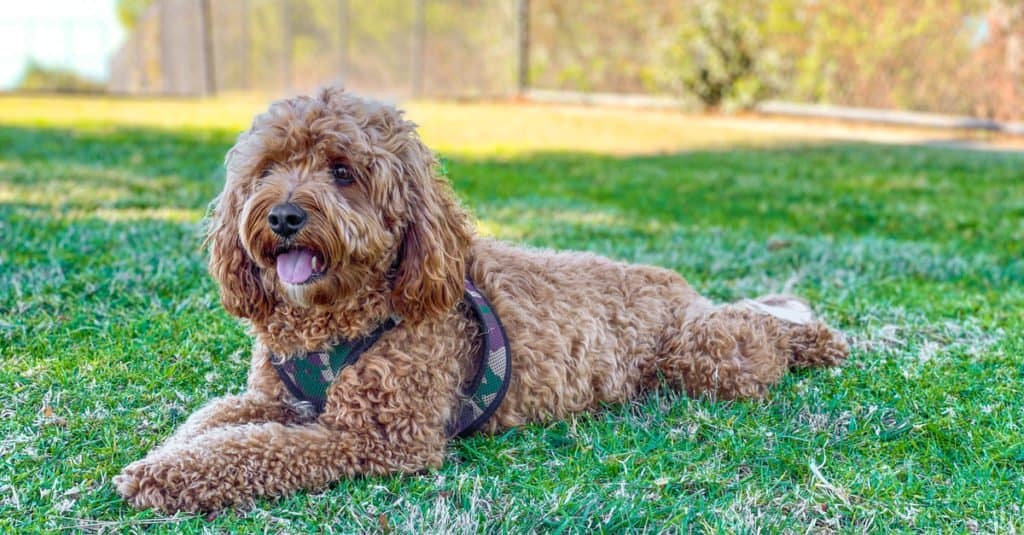
Cavapoo laying in the grass with a harness

At a Glance

Domesticated
Also Known As Cavoodle, Cava-poo, Cavapoodle, Cavadoodle
Diet Omnivore
Activity Diurnal+
Lifespan 5 years
Weight 12 lbs
Status Not Evaluated
Did You Know?

Cavapoos aren't a standardized breed-coat, size, and temperament can vary widely depending on the Poodle parent (Toy vs Mini).

Scientific Classification

A small companion dog type (designer cross) combining Cavalier King Charles Spaniel and Poodle ancestry; typically bred for a friendly temperament and a low-shedding/curly-to-wavy coat (coat traits vary).

Kingdom
Animalia
Phylum
Chordata
Class
Mammalia
Order
Carnivora
Family
Canidae
Genus
Canis
Species
Canis lupus

Distinguishing Features

  • Small companion-dog build; size varies with the poodle parent (toy/miniature/standard).
  • Coat often wavy to curly; shedding tends to be reduced but not guaranteed.
  • Often has a rounded face with spaniel-like expression and poodle-influenced coat texture.
  • Temperament commonly described as sociable, affectionate, and people-oriented (individual variation expected).

Physical Measurements

Males and females differ in size

Height
1 ft 1 in (10 in – 1 ft 3 in)
12 in (10 in – 1 ft 2 in)
Length
1 ft 4 in (1 ft 2 in – 1 ft 6 in)
Weight
21 lbs (13 lbs – 29 lbs)
17 lbs (11 lbs – 22 lbs)
Tail Length
9 in (7 in – 11 in)
8 in (6 in – 10 in)
Top Speed
19 mph
slow to moderate speed

Appearance

Primary Colors
Secondary Colors
Skin Type Typical dog skin under a thick coat; pigment follows coat genes (black or liver skin and nose common). Many have sensitive (atopic) skin and need gentle baths and regular grooming to avoid irritation and matting.
Distinctive Features
  • Domestic dog (Canis lupus familiaris) companion-animal type produced by crossing Cavalier King Charles Spaniel and Poodle lines; appearance is less predictable than standardized purebred dogs.
  • Small size compared with the base species/wild canids; proportions commonly compact with a soft, rounded expression and large, forward-facing eyes (Cavalier influence).
  • Coat texture varies by individual: wavy to curly, often longer and plush; can be lower-shedding than many dogs but shedding/allergen load is not guaranteed and can vary widely.
  • Feathered, drop ears (Cavalier influence) combined with a denser, curl-prone coat around ears and neck (Poodle influence); this combination increases risk of ear moisture buildup.
  • Often has a "teddy bear" facial outline when groomed: medium-length muzzle with abundant facial furnishings; curl and length depend on how strongly the Poodle coat traits express.
  • Tail carriage varies: may be straight and carried level or slightly up; coat on the tail is often plume-like.
  • Common health problems include mitral valve disease or heart murmurs (from Cavalier), patellar luxation, hip dysplasia, progressive retinal atrophy and other inherited eye problems, syringomyelia risk, and dental crowding.
  • Care requirements: frequent brushing (often several times weekly) to prevent mats, professional grooming/clipping every ~4-8 weeks depending on coat, routine ear cleaning/drying to reduce otitis, and diligent dental care (daily brushing ideal).
  • Exercise/behavior context: typically a people-oriented companion that benefits from daily walks and play plus enrichment; may be prone to separation distress if under-socialized or left alone for long periods.
  • Body condition management is important: small frame can gain weight easily; maintain lean condition to reduce joint and cardiac strain.

Sexual Dimorphism

Sexual dimorphism is present but subtle in this small companion type. Males are often slightly larger/heavier with a broader head/neck; females tend to be a bit finer-boned. Individual variation (especially due to Poodle variety used in breeding) often outweighs sex differences.

  • Often marginally taller/heavier with a slightly broader skull and chest
  • May develop a thicker neck/ruff as the adult coat comes in
  • Often slightly lighter build with a narrower head and chest
  • May appear a bit more refined in muzzle and limb proportions

Did You Know?

Cavapoos aren't a standardized breed-coat, size, and temperament can vary widely depending on the Poodle parent (Toy vs Mini).

Many inherit a "wavy fleece" coat; lower shedding is common but not guaranteed because coat genetics are variable in mixes.

They often show "hybrid" trait blending: Cavalier-style cuddliness with Poodle-style trainability and alertness.

Their floppy ears and hair growth around the ear canal can make routine ear care especially important.

Like all domestic dogs (Canis lupus familiaris), they descended from gray wolves-but were selected for friendliness, reduced fear, and companionship.

They're frequently described as "Velcro dogs," tending to follow their favorite person room-to-room.

Because they're small and social, they can thrive in apartments-if they still get daily enrichment and exercise.

Unique Adaptations

  • Human-selected companion traits (vs. wolf ancestors): reduced wariness, increased sociability, and juvenile-like friendliness (neoteny) typical of many toy/companion dogs.
  • Coat variation from Poodle ancestry: many develop continuously growing hair and wavy/curly textures that can trap loose hairs (often perceived as lower shedding).
  • Small-body suitability: typically lighter build and shorter stride needs than many dogs, making indoor living easier when paired with daily walks and play.
  • High handler-attunement: strong responsiveness to human cues (voice, gestures), a hallmark of domestic dogs amplified in Poodle-type lines.

Interesting Behaviors

  • Shadowing/"Velcro" following: staying close to people and seeking lap time (strong companion drive).
  • Social checking-in: frequently making eye contact and returning to their person during play-typical of dogs selected for cooperation with humans.
  • Retrieving and carry-around play: many enjoy fetch or gently carrying toys, reflecting Poodle retrieving roots and spaniel playfulness.
  • Sensitive, quick learning: responds best to reward-based training; harsh correction can cause avoidance or anxiety.
  • Separation distress signals: pacing, whining, or destructive chewing when left alone too long-common in companion-focused dogs.
  • "Doodle coat" self-grooming behaviors: pawing the face/ears more if hair irritates eyes or ear openings.

Cultural Significance

Cavapoo (Cavalier King Charles Spaniel × Poodle mix) (Canis lupus familiaris) is a mixed companion dog. It blends Cavalier royal lap dog history and Poodle show and grooming ties, now a popular, friendly, easy-to-train family pet.

Myths & Legends

A legend about Cavalier/King Charles spaniels says the Duchess of Marlborough pressed her thumb on a pregnant spaniel's forehead as she waited news of the Battle of Blenheim, and the pups had a chestnut spot.

King Charles II and his spaniels: court anecdotes and popular lore describe the king as so devoted to his small spaniels that he allowed them in state buildings, cementing the breed's royal-lapdog mystique in Britain.

Poodle grooming lore from working water dogs: traditional stories explain the classic clip as practical-leaving hair to protect vital organs and joints while trimming to reduce drag in water.

Anubis in ancient Egyptian religion: a jackal- or dog-headed deity associated with mummification and guiding souls, reflecting long-standing spiritual roles for canids.

In Aztec belief, a dog-associated deity and dog companions were linked with guiding souls through the underworld, echoing a widespread theme of dogs as psychopomps.

European folklore of faithful dogs: medieval and later tales often portray dogs as steadfast guardians and truth-tellers, reinforcing the companion ideal that modern mixes like the Cavapoo are bred to embody.

Conservation Status

NE Not Evaluated

Has not yet been evaluated against the criteria.

Population Stable

Life Cycle

Birth 4 pups
Lifespan 5 years

Lifespan

In the Wild
2–10 years
In Captivity
10–16 years

Reproduction

Mating System Polygynandry
Social Structure Managed Domestic
Breeding Pattern Serial
Fertilization Managed Selective
Birth Type Managed_selective

Cavapoo (Cavalier King Charles Spaniel × Poodle; Canis lupus familiaris) are bred by people. Mating is human-managed (managed_domestic, managed_selective). System is polygynandry/serial: no lifelong pair bonds; partners may change across seasons and years.

Behavior & Ecology

Social Household pack Group: 3
Activity Diurnal, Crepuscular, Cathemeral
Diet Omnivore Highly palatable, soft meaty items (e.g., cooked chicken/turkey or fish-based dog food); many Cavapoos are strongly food-motivated and respond well to small training treats.

Temperament

Affectionate, people-oriented companion temperament; typically seeks frequent contact and reassurance (breed-selected trait vs. base canid independence/foraging focus).
Sociable with strangers and dogs when well socialized; can be cautious or submissive in some lines (often more spaniel-leaning) and more confident/active in others (often more poodle-leaning).
Playful and gentle; often enjoys interactive games and training-benefits from positive reinforcement and short, varied sessions (can be sensitive to harsh correction).
Moderate energy: usually satisfied with daily walks plus enrichment; without enrichment may show nuisance barking, attention-seeking, or mild destructive behavior.
Potential separation-related behaviors (whining, pacing, barking) if left alone for long periods; best supported by gradual alone-time training, predictable routines, and enrichment.
Breed-specific care requirements: coat can be low-shedding but not guaranteed; curl/wave varies and mats easily-regular brushing and professional grooming commonly needed; routine ear care is important due to floppy ears and hair in ear canals.
Cavapoo risks (vary): mitral valve disease and syringomyelia from Cavalier side; patellar luxation, hip dysplasia, eye problems (progressive retinal atrophy/PRA, cataracts), allergies, ear infections, dental crowding. Regular vet checks, weight and dental care help.

Communication

Alert barking Often people/door-focused; typically more "watchdog" than guarding
Whining/whimpering to solicit attention or during separation stress
Excited yips during play or greetings
Low growl or grumble in discomfort or resource-related situations Less common if well socialized
Soft "talking"/murmurs during affiliative interaction Varies by individual
Highly expressive facial cues and gaze-checking; frequent eye contact used to request help/attention Common in companion breeds
Body posture: wiggly/loose greetings; may show appeasement signals (head turn, lip lick) in novel situations
Physical contact communication: pawing, leaning, climbing into laps Strong in many Cavapoos
Play bows and bouncy movement to initiate social play; often prefers chase/tug/fetch depending on inherited traits
Scent communication: routine sniffing and occasional urine marking; typically less territory-driven than many working lines but varies by sex/neuter status
Tail carriage and wag style used heavily; can show 'full-body wag' when comfortable Common spaniel influence

Habitat

Biomes:
Temperate Forest Temperate Grassland Boreal Forest (Taiga) Tundra Mediterranean Desert Hot Desert Cold Alpine Wetland Freshwater Savanna Tropical Dry Forest Tropical Rainforest +7
Terrain:
Plains Hilly Coastal Mountainous Island Valley
Elevation: Up to 16404 ft 3 in

Ecological Role

Domesticated companion omnivore; primarily a human-associated consumer rather than a wild ecosystem predator.

companionship and social support to humans potential minor pest deterrence (alerting/occasional rodent control in free-roaming settings) participation in training/therapy roles (some individuals) as a domesticated consumer, relies on human-managed food systems rather than natural prey

Diet Details

Main Prey:
Small mammals Birds Invertebrates Human-provided animal proteins
Other Foods:
Human-provided plant foods Vegetables Fruits Starches and legumes

Human Interaction

Domestication Status

Domesticated

Domestic dog (Canis lupus familiaris) is fully domesticated. The Cavapoo (Cavalier King Charles Spaniel × Poodle) is a modern designer cross bred as a friendly companion with a softer, low‑shedding coat. People keep them indoors, groom and vet them, train and socialize them, use them for therapy/ESA, get them from breeders or rescues, and take them to parks and cafés.

Danger Level

Low
  • minor bites/scratches (typically fear/pain-related rather than predatory)
  • jumping-related knocks to small children/elderly (low risk due to small size)
  • allergen exposure (dander/saliva; 'low-shedding' is not hypoallergenic)
  • zoonotic risks common to dogs if unvaccinated/untreated (e.g., parasites), mitigated by routine care

As a Pet

Suitable as Pet

Legality: Generally legal as a pet anywhere domestic dogs are allowed; typically subject to local licensing/leash laws, vaccination requirements, housing/HOA rules, and import/quarantine rules. Rarely targeted by breed-specific legislation, but local rules still apply.

Care Level: Moderate

Purchase Cost: $800 - $3,500
Lifetime Cost: $20,000 - $60,000

Economic Value

Uses:
Companion animal industry Breeding (designer cross market) Veterinary and preventive healthcare Grooming services Training and behavior services Pet insurance Pet travel and boarding Therapy/assistance/ESA-related services (where applicable)
Products:
  • puppies from breeders or rescues
  • grooming (haircuts, brushing, ear care)
  • preventives (vaccines, parasite control)
  • spay/neuter and routine veterinary care
  • dental cleanings and home dental products
  • training classes and enrichment toys
  • specialty diets (if allergy/sensitivity-prone)

Relationships

Ecological Equivalents 8

Animals that fill a similar ecological role in their ecosystem

Cockapoo
Cockapoo Canis lupus familiaris Designer companion cross, often a Cocker Spaniel × Poodle cross, bred for similar goals: friendly pet temperament, potentially lower-shedding wavy-to-curly coat, and similar grooming needs and variability in coat and size.
Maltipoo
Maltipoo Canis lupus familiaris Small companion poodle mix, typically selected for apartment-friendly size and an allergy-friendly reputation; overlaps with Cavapoo in exercise needs (moderate), coat maintenance (regular brushing and clipping), and separation-anxiety risk.
Labradoodle
Labradoodle Canis lupus familiaris Poodle mix selected for sociability and coat type. Similar management themes apply: the coat can mat and requires frequent grooming; temperament is generally people-oriented. Labradoodles are usually larger and higher-energy than Cavapoos.
Goldendoodle
Goldendoodle Canis lupus familiaris Another popular Poodle cross with comparable coat variability and owner expectations — a friendly family dog with lower shedding. Shares the need for routine grooming and training to manage polite greetings and excitement.
Bichon Frise
Bichon Frise Canis lupus familiaris Small companion breed with a curly coat and similar care needs: frequent brushing, professional grooming to prevent matting, and attention to tear staining and skin sensitivity.
Havanese
Havanese Canis lupus familiaris Small companion dog with a strong attachment to people; similar behavioral considerations include early socialization and alone-time training. Coat care can be intensive (brushing and clipping).
Cavalier King Charles Spaniel
Cavalier King Charles Spaniel Canis lupus familiaris Occupies a similar companion niche and contributes key Cavapoo traits (high sociability, lap-dog affinity). Also relevant because some Cavalier-associated health risks can persist in Cavapoo lines.
Poodle
Poodle Canis lupus familiaris Provides much of the Cavapoo's coat texture range (wavy to curly), trainability, and grooming demands. Poodle-line issues (e.g., some orthopedic and eye conditions) may inform screening priorities.

Cavapoos are a hybrid or mixed dog breed that is the result of combining a Poodle and a Cavalier King Charles Spaniel. Cavapoos are gaining popularity, likely due to their wonderful personalities. This breed is very curious, playful, and friendly. They can make excellent family dogs and do very well with children. Cavapoos are also a good addition to homes with other pets since they don’t have a prey drive like other breeds.

Cavapoos are very intelligent and relatively easy to train. They can make a good pet for individuals who have never owned a dog before. Cavapoos were bred to be hypoallergenic with the non-shedding Poodle genes, so most don’t shed very much. They also may be called a Cavadoodle, Cavoodle, or Cavalier King Charles Spaniel Poodle Mix.

3 Pros And Cons Of Owning A Cavapoo

Pros!Cons!
Friendly and social: They get along with people and other animals.High activity needs: They have a lot of energy and require regular attention and exercise.
Low shedding: They do not shed very much, and some are hypoallergenic.May develop separation anxiety: Cavalier King Charles Spaniel Poodle mixes love being with their family members, but do not like being left alone. They may bark excessively or become destructive if left alone for too long.
Adaptable: Cavadoodles can adapt well to new situations and people.Difficult to housetrain: Housetraining a Cavapoo will likely take a fair amount of time and patience.
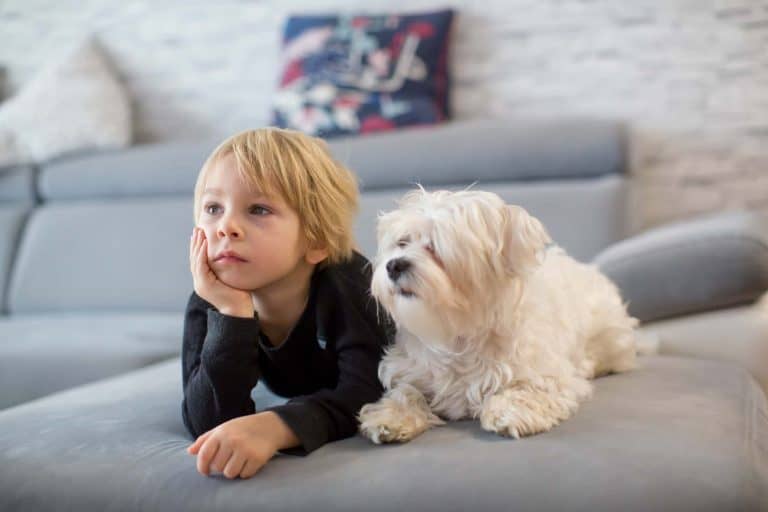
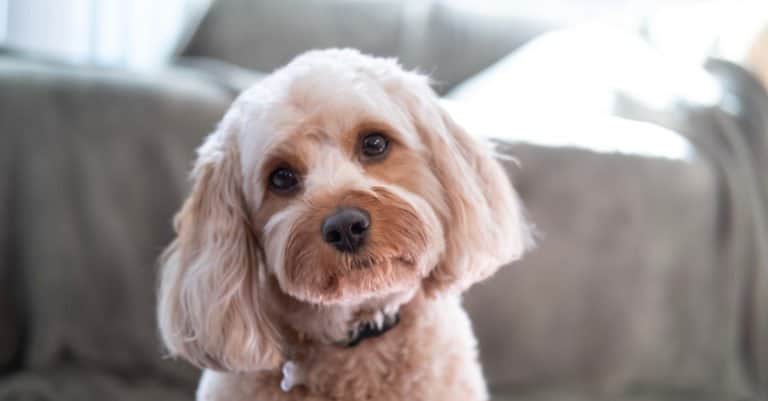
Cavapoo sitting in the couch

Cavadoodles can adapt well to new situations and people.

Evolution And History Of The Breed

Although the cavapoo breed didn’t begin in the United States until later, it was first bred in Australia in the 1990s. Breeders wanted to create a smaller breed of dog that didn’t have a high rate of shedding so people with allergies would be able to have more options. By combining the hypoallergenic Poodle and the mellow Cavalier King Charles Spaniel, they created the ideal breed: the Cavapoo, a dog that has minimal shedding.

Size And Weight
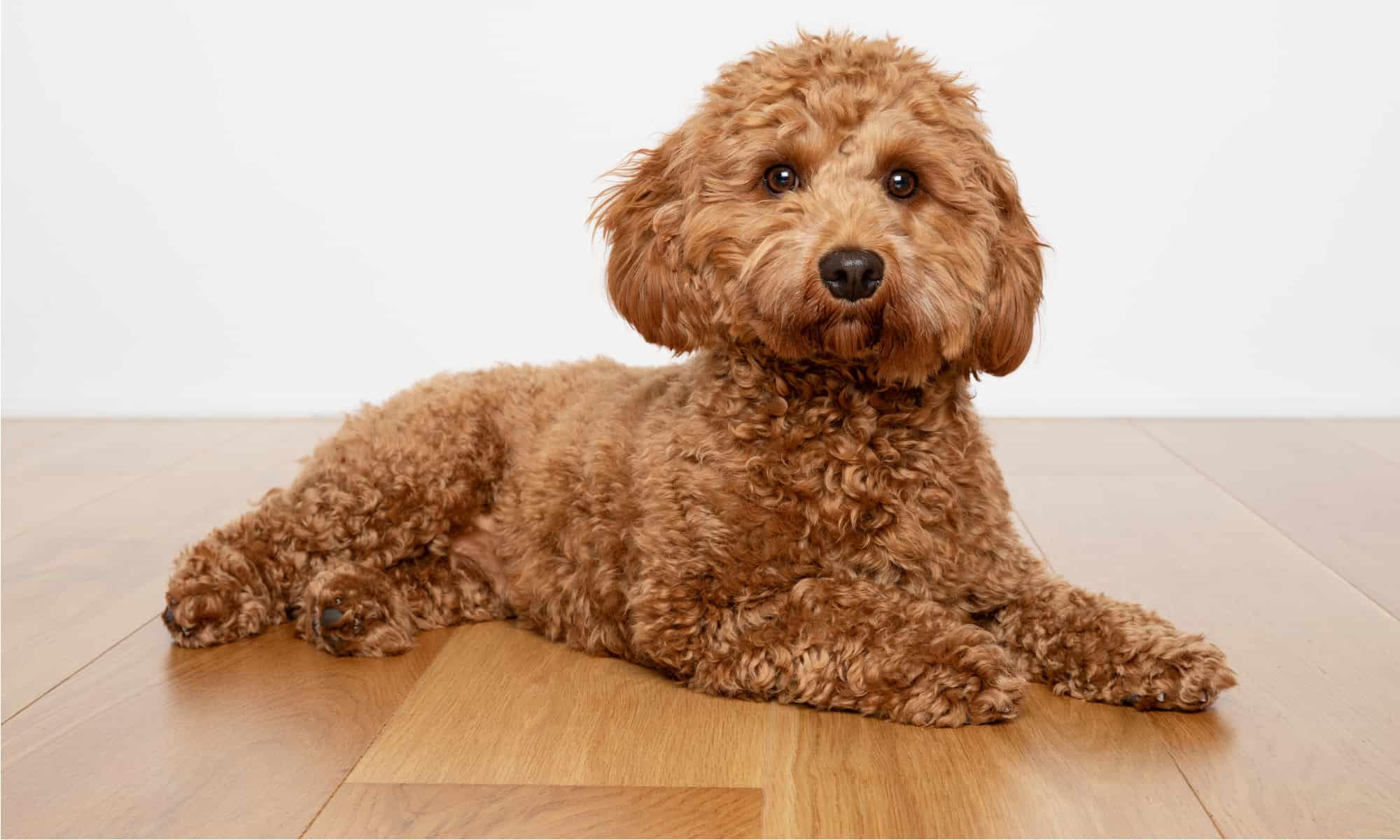
cavapoo

Cavapoos are a small breed, but their exact size can depend on which genes they inherit from their Poodle or Cavalier King Charles parents.

Cavapoos are a small dog breed. Both males and females are generally between 11 and 16 inches tall and weigh between 9 and 25 pounds. Males are more likely to be a bit taller or heavier than females. The exact size of each dog can vary based on the genes they inherit from the Poodle or Cavalier King Charles Spaniel. Also, Miniature or Toy Poodles may both be used to breed Cavapoos, which will also impact their final size.

The size of a puppy can also vary based on the genetic mix they inherit, but most of this variety should be full-grown by the time they are one year old.

Common Health Issues
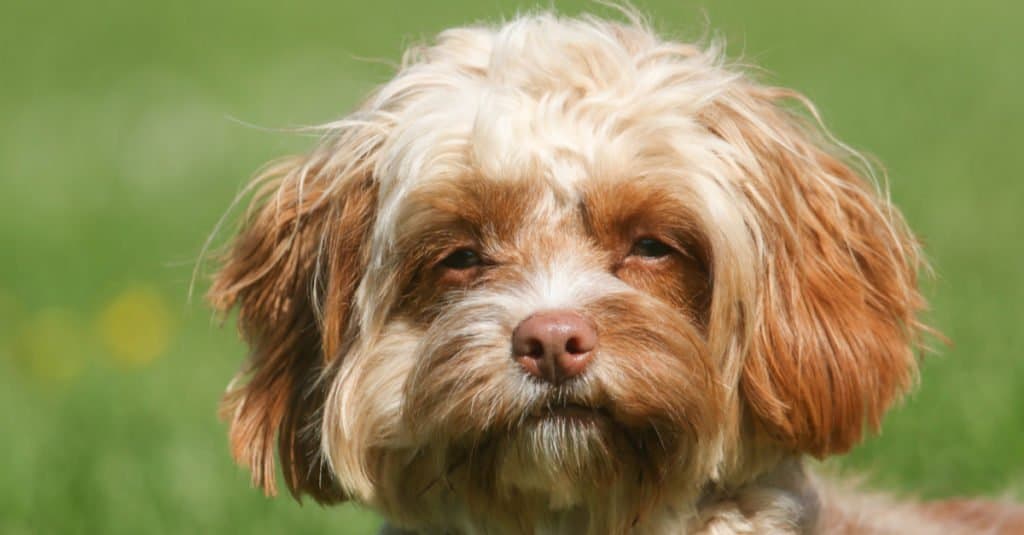
Cavapoo dog sitting in the grass

Cavalier King Charles Spaniel Poodle mixes have a few health concerns that you should watch out for, like mitral valve disease.

Below are a few potential health concerns for Cavapoos. Keep an eye out for these health issues and bring your dog to a veterinarian if you suspect something is wrong.

Progressive retinal atrophy is one potential issue that could affect Cavapoos. This is an eye disease that causes the retina of the eye to deteriorate. After some time, this can cause night blindness and eventually complete blindness. There is no cure for progressive retinal atrophy at this point.

Some Cavapoos also have congenital heart problems, such as mitral valve disease. This is a condition where there is too much pressure from the heart’s left ventricle, which can cause the valve to wear out and leak. This can cause a heart murmur.

A third health condition to be aware of for Cavapoos is a luxating patella. This is a slipped kneecap that happens because of a malformation of the kneecap or an injury to the kneecap. The kneecap on dogs with this condition slips out of place as they walk and can cause pain or make walking challenging. Your vet may prescribe medication to help manage pain and inflammation from a luxating patella, but surgery is often required for severe cases.

To recap, a few health issues to be aware of if you plan to own a Cavapoo include:

  • Progressive retinal atrophy
  • Congenital heart problems
  • Luxating patella

Temperament And Behavior

The exact temperament of this dog can vary based on personality traits inherited from the Poodle and Cavalier King Charles Spaniel parents, though nearly all Cavapoos wind up being very well-tempered and friendly dogs. This breed is kind, social, and loves spending time with its family members. They are also highly intelligent.

A Cavapoo’s traits mean they can be a great companion for a child, though they typically do best with older children because of their smaller size. They do not like to be left alone, and they may develop separation anxiety if they are left for too long, which can cause them to bark or engage in negative or destructive behaviors.

How To Take Care Of A Cavapoo
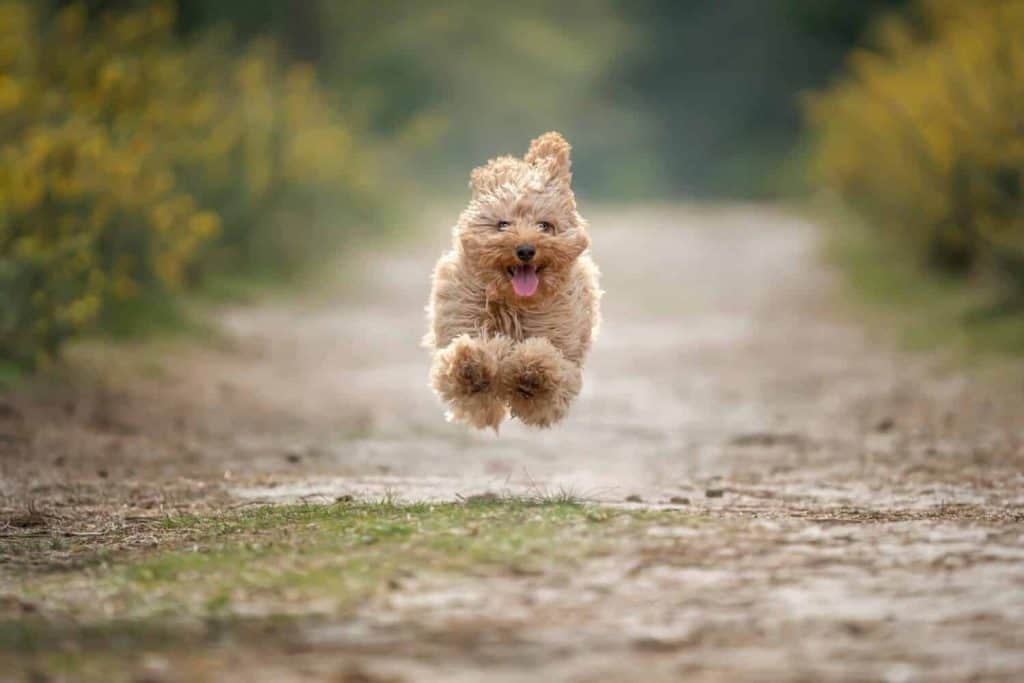
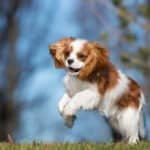
Six month old Cavapoo puppy. This puppy is apricot in colour, and flying high with all paws off the ground.

Six-month-old Cavapoo puppy. This puppy is apricot in color and flying high with all paws off the ground.

Keep a Cavapoo’s temperament and potential health concerns in mind as you prepare to care for your dog. You should also take into account their dietary needs, activity requirements, grooming needs, and training needs to offer the best care possible to help keep your dog happy and healthy.

The Best Dog Food For Cavapoos

Adult dogs of this variety should be fed high-quality dog food designed for small or medium dog breeds with high energy levels. The exact size of your Cavapoo, along with their age, activity level, metabolism, and health, will impact their ideal quantity of food each day. Cavapoos may need between ½ and 1 cup of food each day. Check with your veterinarian if you’re not sure how much food your dog needs. Split the total recommended amount of food into two servings.

Cavapoo puppies should be fed between three and four times a day when they are under six months old. This is because they have a smaller stomach than a full-grown Cavapoo and can’t handle as much food. By the time the Cavapoo reaches the age of six months, you should be fine cutting back to two feedings per day.

Maintenance And Grooming
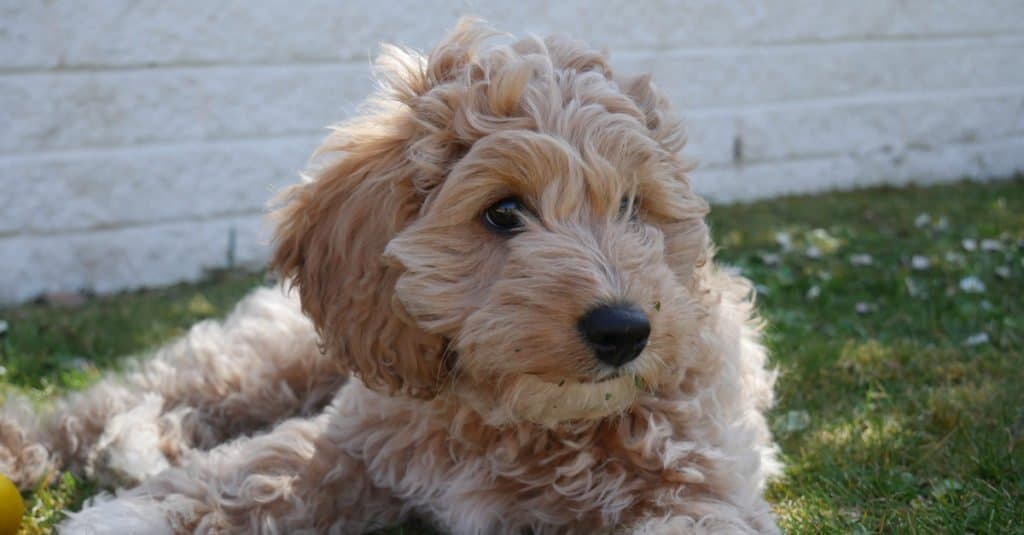
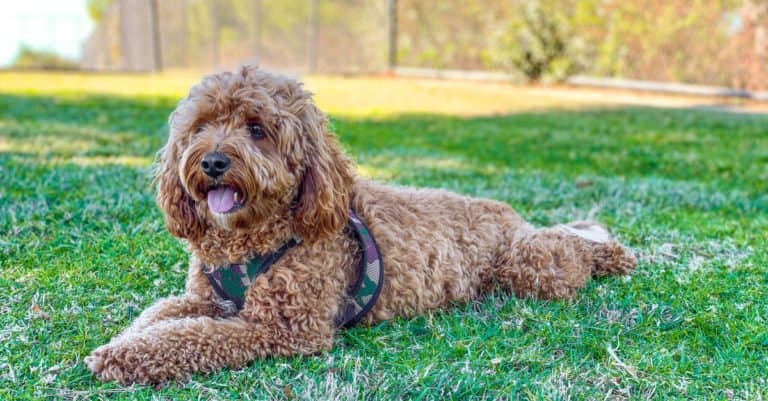
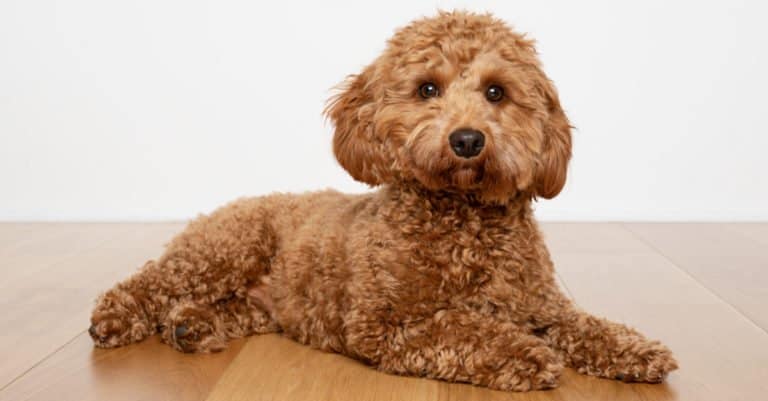
cavapoo laying in the grass

Cavapoos do not shed very much, and some are hypoallergenic.

In general, a Cavapoo’s coat is relatively easy to maintain. Most will need to be brushed just once a week. Brushing your dog’s coat will help remove dirt and loose hair and keep their coat healthy and shiny. Some Cavapoos do have longer hair and may need to be brushed more frequently or even clipped once a month or so to keep their hair from getting too long or unruly. Brushing your Cavapoo’s teeth, trimming its nails, and keeping its ears clean are also very important.

Training

Cavapoos are both intelligent and very eager to please, which makes them pretty easy to train. Your pet will be able to pick up new commands quickly, but you’ll need to be consistent and offer multiple opportunities for practice and repetition for the best results. This breed does best with training methods that focus on positive reinforcement. Start training and socializing your dog from a very young age for the best results. Housetraining a Cavapoo can sometimes be a challenge, and you should be prepared to be patient.

Exercise
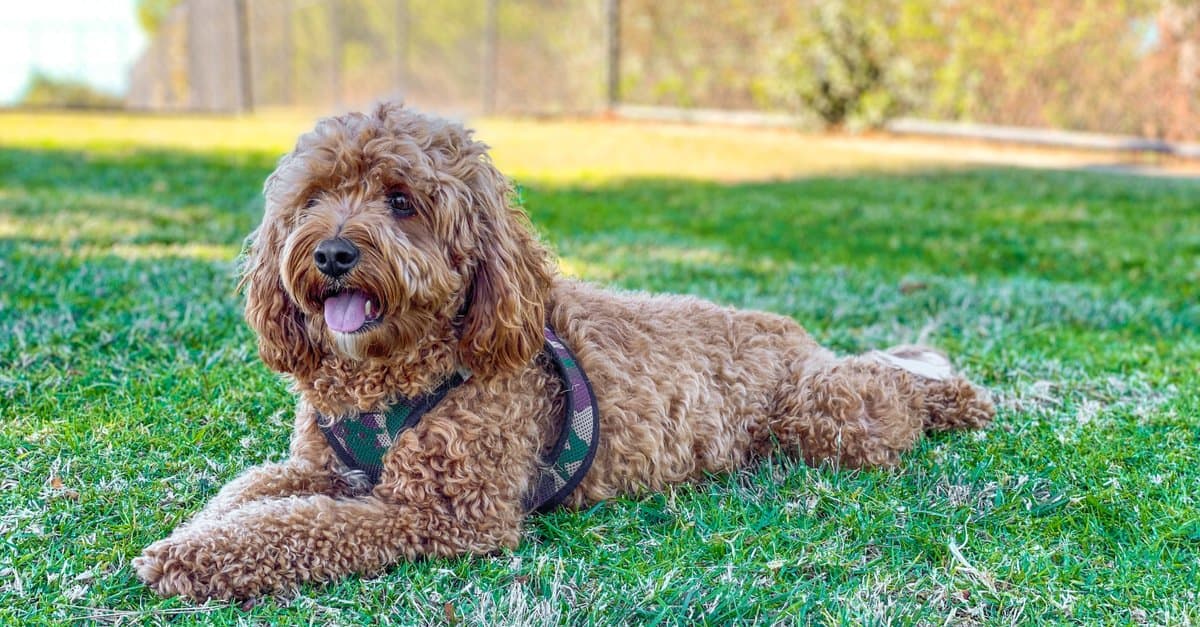
Cavapoo laying in the grass with a harness

Cavapoos will need a moderate amount of exercise per day.

A Cavapoo’s exercise needs are not as high as some other breeds, but they still need a moderate amount of exercise each day. Take your dog for a walk or two each day and offer mental and physical stimulation through play and other opportunities to help them stay active.

Puppies

Cavapoo puppies will require a lot of care. You’ll need to be prepared to have a new ‘baby’ in the house that will require a lot of your time and attention, especially over the first few weeks and months. Start potty training and socializing your Cavapoo puppy from an early age. They’ll likely pick up training quickly but will need more time to master potty training and housetraining. Be very consistent and patient as your dog learns what is expected and when/where they should go to the bathroom.
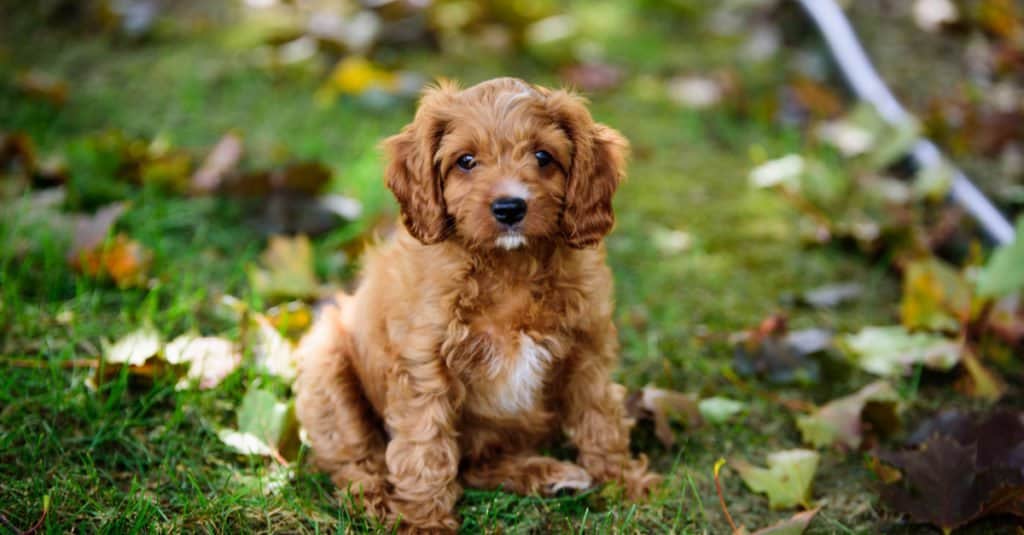
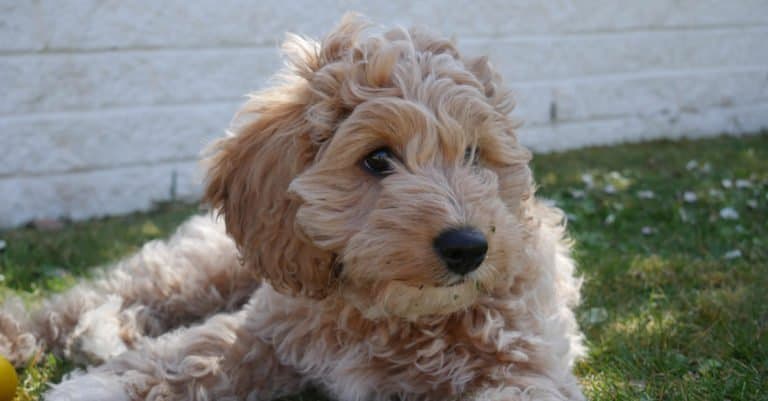
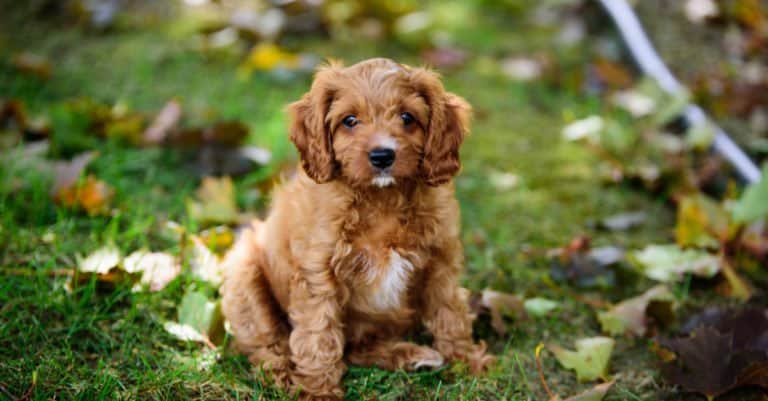
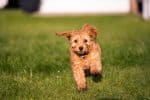
Cavapoo puppy sitting in the grass

Cavapoos have a lot of energy and require regular attention and exercise.

Cavapoos And Children

These dogs can make great companions and playmates for a child. This breed is very social and friendly. They love spending time with the people in their families. However, due to a Cavapoo’s smaller size, they could be injured by a small child who doesn’t know how to appropriately interact with a dog. This means Cavapoos should only go to homes with older children or where an adult will always be available to closely supervise the interactions between younger children and the dog. Older children should also be supervised with a Cavapoo, as with any dog breed. This will limit the chance of either the dog or the child getting injured accidentally.

Dogs Similar To Cavapoo

Cavalier King Charles Spaniel, Havapoos, and Maltipoos are three breeds that are similar to the Cavapoo.

  • Cavalier King Charles Spaniel: As one of the parents mixed to make a Cavapoo, Cavalier King Charles Spaniels share some similarities with Cavapoos. Both breeds are similar in size; Cavapoos have an average weight of around 18 pounds, and Cavalier King Charles Spaniels have an average weight of around 14 pounds. Both breeds are affectionate and social. Cavapoos are more intelligent and can make a better watchdog than a Cavalier King Charles Spaniel.
  • Havapoo: Havapoos and Cavapoos are both half Poodle. Both breeds are small and generally around the same size. Havapoos are more energetic and are generally healthier than Cavapoos.
  • Maltipoo: Maltipoos also have one parent that is a Poodle, like the Cavapoo. Both breeds are very intelligent, affectionate, and easy to train. Maltipoos are more vocal than Cavapoos and can be a bit more playful.

Famous Cavapoos

As such a great dog breed, it is no surprise that there are a few famous Cavapoos:

  • Butters is Katy Perry’s Cavapoo.
  • Enzo is a Cavapoo with a popular Instagram account, where his owners share photos of his fun-loving personality.
  • Kaden and Addie are brother and sister Cavapoos who live in Maryland. They have over 43,000 followers on Instagram.
View all 392 animals that start with C

Sources

  1. dogtime.com / Accessed February 16, 2021
  2. thesprucepets.com / Accessed February 16, 2021
  3. dogzone.com / Accessed February 16, 2021
  4. vetstreet.com / Accessed February 16, 2021
  5. teenvogue.com / Accessed February 16, 2021
  6. hellobark.com / Accessed February 16, 2021
  7. petplace.com / Accessed February 16, 2021
  8. dogell.com / Accessed February 16, 2021
  9. knowyourdoodles.com / Accessed February 16, 2021
  10. dogell.com / Accessed February 16, 2021
Melissa Bauernfeind

About the Author

Melissa Bauernfeind

Melissa Bauernfeind was born in NYC and got her degree in Journalism from Boston University. She lived in San Diego for 10 years and is now back in NYC. She loves adventure and traveling the world with her husband but always misses her favorite little man, "P", half Chihuahua/half Jack Russell, all trouble. She got dive-certified so she could dive with the Great White Sharks someday and is hoping to swim with the Orcas as well.
Connect:

Thank you for reading! Have some feedback for us?


Cavapoo FAQs (Frequently Asked Questions)

Breeders typically charge between $1,200 and $2,000 for a Cavapoo. The reputation of the breeder, the pedigree of the parents, and other variables can impact the total price you can expect to pay for a Cavapoo. In addition to purchasing a Cavadoodle from one of the local breeders in your area, you may also find one available for adoption through a shelter. The price to adopt a Cavapoo should be significantly less expensive and will likely cost $300 or less.

Don’t forget to factor in all the care and supplies a Cavalier King Charles Spaniel Poodle mix will need as you prepare to care for your pup. You will need to purchase a crate, a leash, a collar, a dog bed, toys, treats, and food for your pup. Your dog will also need to see a veterinarian for regular checkups and vaccinations. Expect to spend at least $1,000 to $1,500 the first year you own your dog and $500 to $1,000 each year for the rest of the dog’s life.