













Quick Take
- This breed has a physical ability that sounds impossible, and it has nothing to do with their size. See their surprising abilities →
- The Comfort Retriever's lovable personality comes with a hidden behavioral downside most owners don't anticipate. Explore the behavioral downsides →
- Their surging popularity is actually the reason some Comfort Retrievers end up with serious health problems. See the inherited health risks →
- Before you budget for a Comfort Retriever, the real price range may stop you in your tracks. Check the real price range →
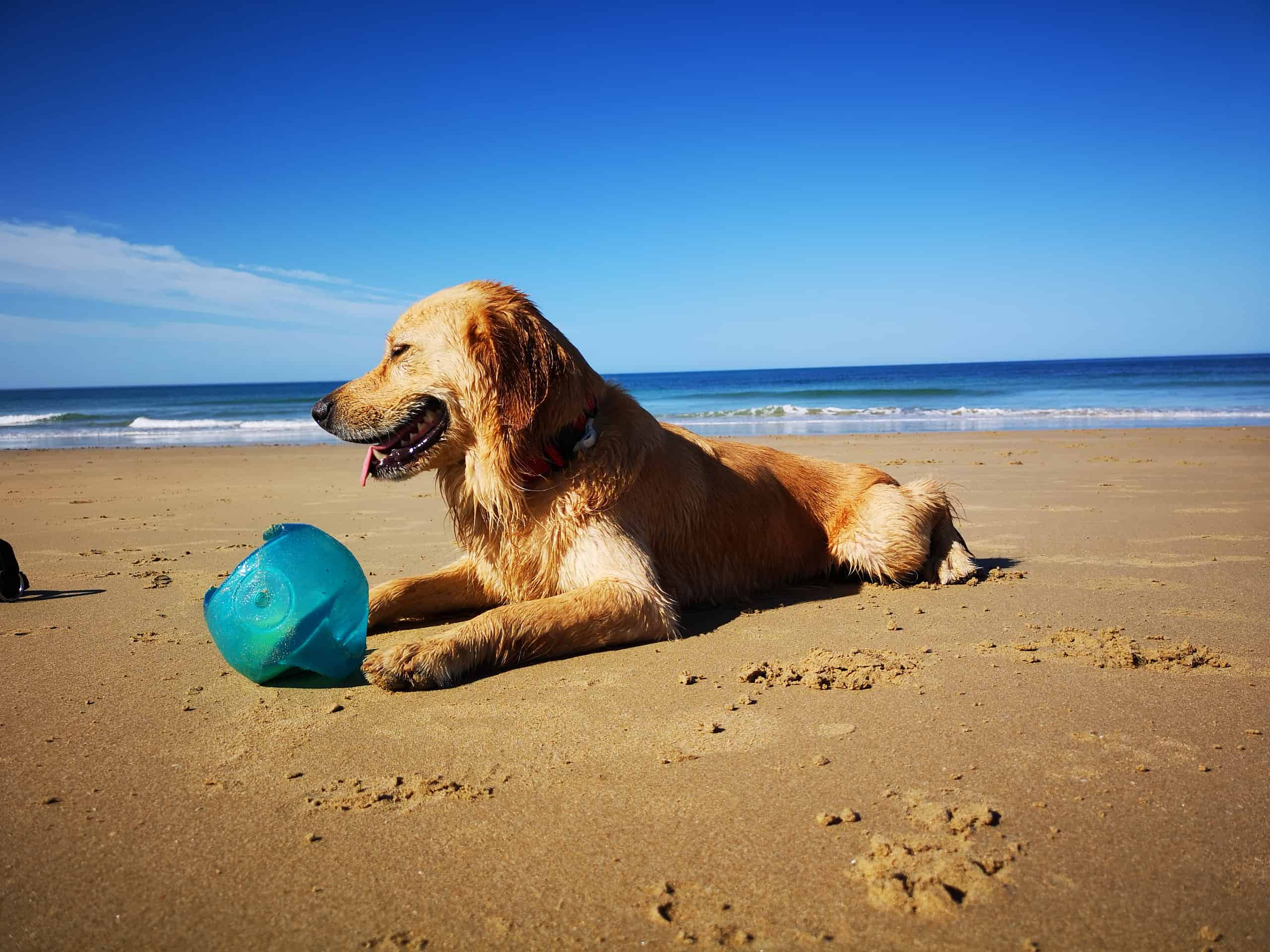
The Comfort Retriever was created to give people the characteristic traits and overall appearance of a Golden Retriever, but in a smaller size. The Comfort Retriever is made up of a mixture of a Golden Retriever and a Miniature Poodle, giving the Comfort Retriever its name.
Their beautiful appearance will steal your heart, along with having entertaining personalities, as their funny traits will definitely keep you laughing for days.

Fun Facts About The Comfort Retriever Dog
- Comfort Retrievers like to communicate through barking and body language. For example, when wagging their tails and using a loud vocal bark, this is their way of wanting to interact with either people or other animals.
- They are speedy runners, and their top speed is 35 mph.
- Comfort Retrievers can carry an egg in their mouths without breaking the shell because they have very soft mouths.
- They are excellent therapy dogs because they are known to provide people with unconditional love and attention.
History Of The Breed
The comfort retriever, also known as the miniature golden retriever, is a relatively new breed that started in the 2000s. They are a mix of the golden retriever and the miniature poodle, or the cocker spaniel. As such a young breed, there is not much history, but its parent breeds go back further.
The golden retriever originated in the Scottish Highlands in the 1800s and was developed by Dudley Marjoribanks, who later was known as Lord Tweedmouth. The poodle originated in Germany, although many believed it to be from France, and it can be traced back to the 14th century. The poodle was intended as a water-hunting dog, and the name poodle comes from the German word pudel, which means to splash in water. The cocker spaniel originated in Spain as far back as the 14th century. They were divided into two groups by the 1800s — the toy group and the hunting group — and were officially recognized in England in the late 1800s.
Pros And Cons Of Owning A Comfort Retriever Dog
| Pros | Cons |
|---|---|
| Smaller in size: They are half the size of a Golden Retriever. | Anxiety and depression: They can be prone to experiencing anxiety if they don’t get enough exercise and mental stimulation. |
| Loving Personality: Their affectionate and cheerful nature will bring so much happiness into your life when owning this breed. Let’s not forget about their comedic traits, as they will keep you and others around very entertained. | Health issues: Due to the Comfort Retriever’s highly demanding nature, breeders can become irresponsible and not follow the correct breeding regulations. These dogs will experience health issues and have a shorter lifespan. |
| Great pets for children: These dogs absolutely love children. Comfort Retrievers are known to be very loyal and protective. In addition, because these dogs are very active, they share the same amount of energy and playfulness as children; this makes the Comfort Retriever the perfect friend for your little ones. | Costly: The Comfort Retriever has become popular because of their smaller appearance, making them more expensive to purchase. The price can range anywhere from $1500 to $6000. |
Weight And Size

These dogs have a small to medium build and, when fully grown, have an average weight of 20 to 45 pounds.
©Frances Nicole/Shutterstock.com
Their build is small to medium in size. Both males and females are usually 14 to 20 inches tall. When fully grown, they have an average weight of 20 to 45 pounds.
Health Issues
Comfort Retrievers are generally healthy, but because they are mixed with three types of other breeds, they can inherit their specific health issues as they share certain genes from each dog. These health issues consist of:
- Hip and elbow dysplasia
- Arthritis
- Digestive issues
- Eye disorders
- Diabetes
Temperament
Their lovable and friendly nature is what makes this dog so beautiful. They will never pass up on an opportunity to give affectionate cuddles and are very loyal to their owners.
They enjoy mingling with other dogs and taking part in fun activities. However, the Comfort Retriever tends to bark a lot and can display destructive behavior such as chewing and digging.
How To Take Care Of A Comfort Retriever Dog

Comfort Retrievers are excellent therapy dogs because they are known to provide people with unconditional love and attention.
©Vickyflust/Shutterstock.com
Introducing a well-balanced diet and regular exercise will keep your dog healthy and prevent them from getting sick.
Diet
Their active lifestyle requires food that is rich in nutrients and easily digestible because they can experience bloating. Avoid adding too much:
- Salty foods
- Large amounts of dairy
- Foods that contain a lot of sugar
Provide good-quality kibble containing protein, healthy carbohydrates, and fats to maintain energy throughout the day. Fruit and Vegetables can also be added to their diet, such as:
- Carrots
- Bell peppers
- Green beans
- Apples
- Blueberries
- Bananas
- Apricots
Because Comfort Retrievers love to eat, make sure not to overfeed them, as they are prone to putting on weight quickly. Keep portions balanced and limit snacks.
Grooming
These dogs have fine, textured hair strands with a double-layered coat, which causes a lot of knots and shedding. Comfort Retrievers require brushing once a week to prevent matted fur.
Bathing can be determined by how smelly or dirty they get, so when it’s time to wash those golden locks, use a moisturizing shampoo to assist with tangles and nourish the skin.
Teeth can be brushed daily, and nails should be trimmed monthly to prevent claws from curving.
Training
This breed of Retriever is very intelligent, making training an easy task. Comfort Retrievers learn very quickly and respond well to commands.
Training should be introduced from a young age as it teaches your dog to learn socialization skills and prevent any problematic behaviors. Choose a controlled area and use positive training techniques when training your Comfort Retriever.
Exercise
In addition to their high energy, they need at least 2 hours of exercise per day. Their daily routine can include the following:
- Walking
- Running
- Playing catch with Frisbees and balls
- Agility training
Exercise will keep your dog healthy and maintain a longer lifespan.
Puppies
Comfort Retriever puppies are energetic, mischievous, and rambunctious, but they are tons of fun and will keep your family entertained for hours.
Female Comfort Retrievers give birth to a litter of approximately 4 to 12 puppies. Depending on the breeder’s reputation, location, and pedigree, these adorable pups can cost anywhere from $1000 to $3500.
Comfort Retriever Dog And Children
Their loving traits can form a special bond with children, making them excellent companions. They always want to play and join in on activities matching the same energy levels as children.
The Comfort Retriever is the perfect fit for an active household and guardian of your children.
Dogs Similar To The Comfort Retriever Dog
Beagle
The Beagle is a happy and relaxed breed. In addition, they are pretty goofy and provide their owners with hours of entertainment. These adorable dogs originated in England in the early 1800s and were used to trail and hunt rabbits.
Beagles are most content when they are allowed to follow their noses, but sometimes it gets them into trouble. In addition, they are a muscular breed, medium in size, most known for their droopy eyes and floppy ears.
Cavalier King Charles Spaniel
This is a small breed with a wavy coat and can come in an array of colors, including:
- Chestnut and white
- Black
- White
- Tan
They differ from King Charles Spaniels because of their domed skulls and small stature. These Spaniels hail from a line of hunting dogs but now make great companions thanks to their compassionate nature and are often referred to as “comforter spaniels.”
English Springer Spaniel
The English Springer Spaniel originated in Britain in the 1800s and was used as a gun dog that helped hunters retrieve woodcocks. Today, they are lovable and loyal companions with excellent temperaments and are highly intelligent.
They are medium-sized dogs that need a lot of exercise, so they are not suited for inactive families with small yards.
Comfort Retriever Pictures
View all of our Comfort Retriever pictures in the gallery.

Frances Nicole/Shutterstock.com
Sources
- Petguide / Accessed October 12, 2022
- Perfect Dog breeds / Accessed October 12, 2022
- Comfort Retrievers / Accessed October 12, 2022