
Quick Take
- The maned wolf's urine shares a chemical with toxic plants and vividly colored insects, and what that chemical is actually communicating turns out to be far stranger than territorial marking. Explore scent marking →
- Despite its name and appearance, the maned wolf is related to neither wolves nor foxes, and its true taxonomic identity is something most readers won't guess.
- A maned wolf never howls, and its actual vocalization is something you'd never associate with a canine. Hear its roaring bark →
- Up to half of one of these canines' diet is something its name gives no hint of, and there is even a dedicated food source named after it because of this fact. See its surprising diet →
Great Danes (Canis lupus familiaris) and maned wolves (Chrysocyon brachyurus) are both canines, so they have a few things in common, such as the tooth structure for an omnivorous diet, keen senses of hearing and smell, and territorial scent-marking behaviors. However, that’s where the similarities end. Maned wolves are wild animals, while Great Danes are a giant breed of domesticated dogs. Read on to discover what really sets these two canines apart.
Comparing the Maned Wolf vs. Great Dane
| Maned Wolf | Great Dane | |
|---|---|---|
| Appearance | Disproportionately long legs; fox-like appearance; large, erect ears; weighs up to 50 pounds; reddish-orange fur with dark stripe of long hair on back | Muscular, deep-chested build; folded ears; weighs up to 175 pounds; smooth coat with different coat colors |
| Distribution and Habitat | The cerrado biome in Eastern and Central South America | Domesticated worldwide |
| Communication | Scent marking with urine and feces; short, loud barks, not howls | Scent, a wide variety of vocalizations, facial expressions and body language |
| Dietary Needs | Fruit, vegetables, small mammals, insects | High-quality dog food; small amounts of digestible plant matter |
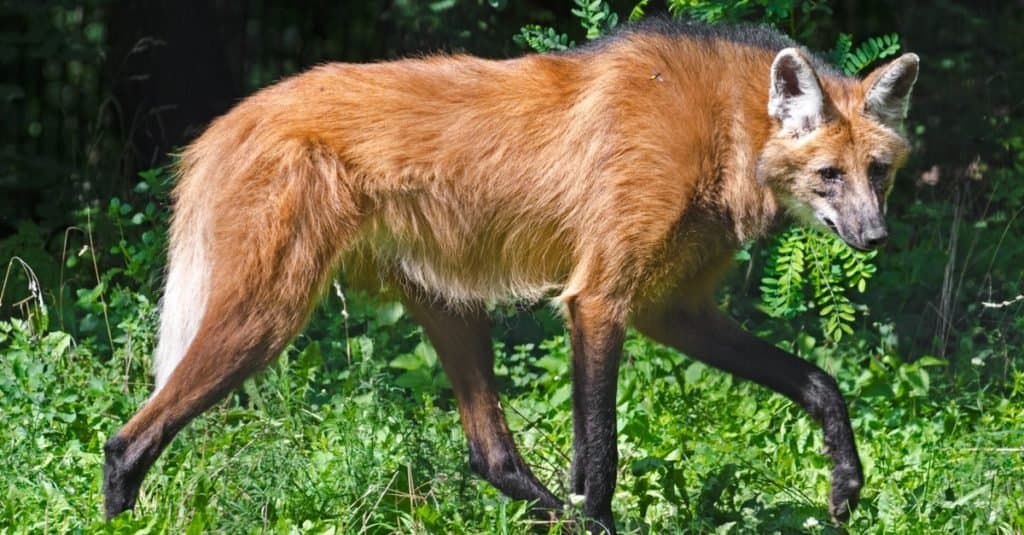
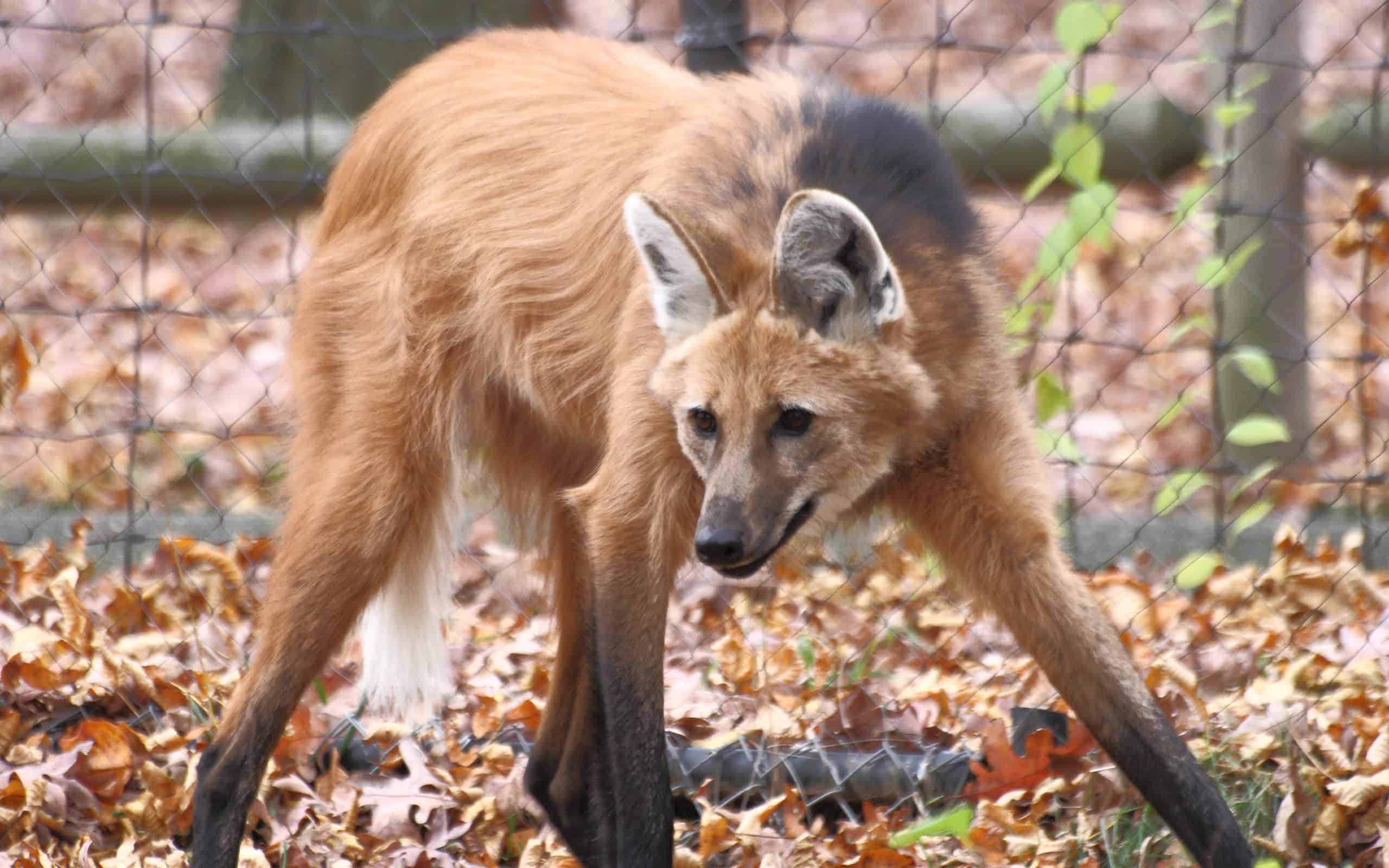
Maned wolves have long legs to help them see in the high grasslands.
©JWKS Photomancy/Shutterstock.com
Maned Wolf vs. Great Dane: Key Differences
The key differences between a maned wolf and a Great Dane are their appearance, distribution and habitat, communication, and dietary needs. Take an in-depth look at each of these differences in the sections below.
Appearance
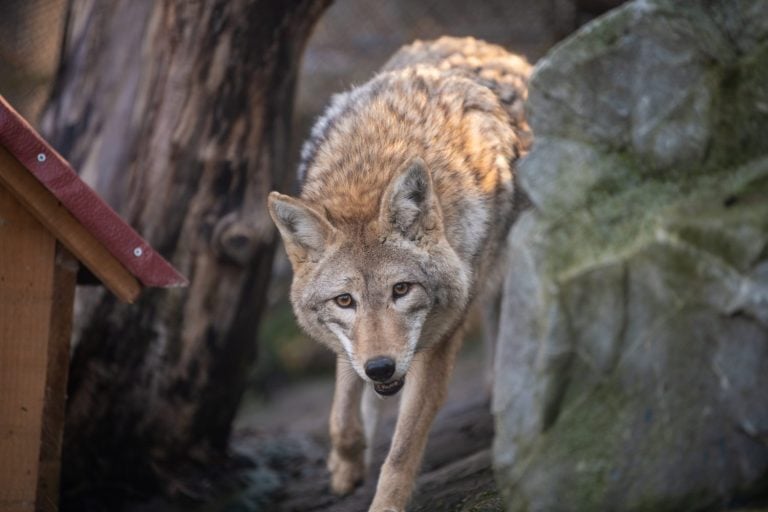
Maned wolves resemble a long-legged fox more than they resemble a wolf. However, they don’t have any connections to wolves or foxes. The maned wolf is a distinct species. It’s the only member of its genus, Chrysocyon. Maned wolves have thick, red coats and a dark stripe of long hair along the back of the neck and spine which can stand up if the animal feels threatened. They have disproportionately long, thin legs to help them see over the tall grasses of the cerrado, relatively short, bushy tails, and large, erect ears. They max out at 50 pounds and are usually around 3 feet tall at the shoulder. Males are slightly larger, indicating minimal sexual dimorphism.
Great Danes have square frames with broad chests, long, muscular legs, and thick, strong necks. Their tail is usually a medium length and tapers as it moves away from the base. Their ears naturally hang down. Great Danes’ coats are short and smooth and can be a variety of colors. Although Great Danes are slightly shorter than maned wolves on average, they can weigh over three times as much. Great Danes can reach up to 34 inches tall at the shoulder and weigh up to 175 pounds, with males being noticeably larger than females.
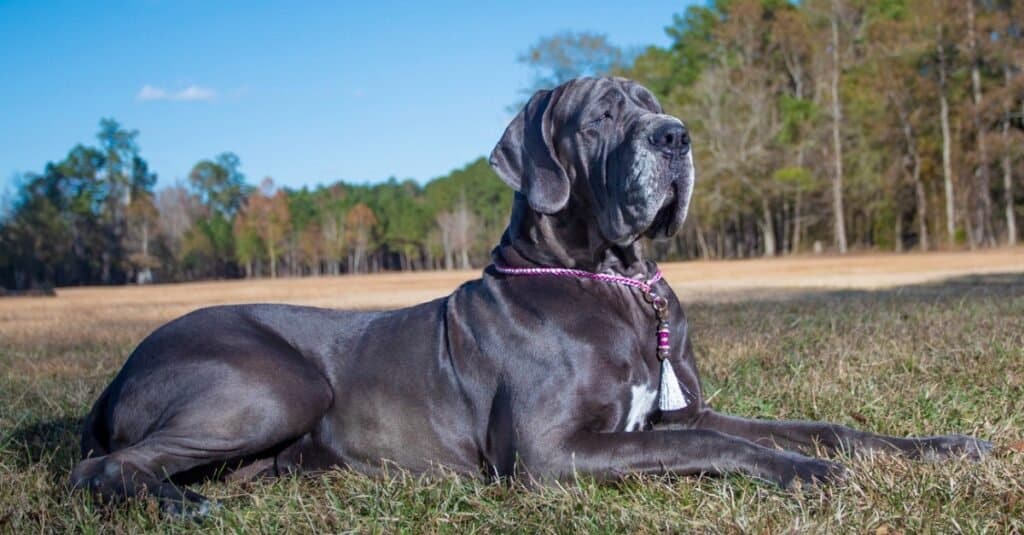
Male Great Danes can weigh up to 175 pounds.
©iStock.com/gsagi
Distribution and Habitat
The maned wolf’s native habitat is central and eastern South America. There are populations in south and central Brazil, Bolivia, northern Argentina, and southern Peru. There are maned wolves throughout the cerrado, which is South America’s second-largest biome. The cerrado is made up of wet and dry forests, marshes, wetlands, grasslands, and savannas. They rest in dense vegetation during the day and are active at night. Females raise pups in dens.
Great Danes originated in Germany around 400 years ago. They descend from mastiff-like dogs and Irish wolfhounds and were developed by the nobility to hunt wild boars, bears, and other large animals. These dogs were also used as bodyguards and estate guards. Modern Great Danes are gentle family pets and good-natured companions. They live around humans, typically sleeping inside their owner’s home.
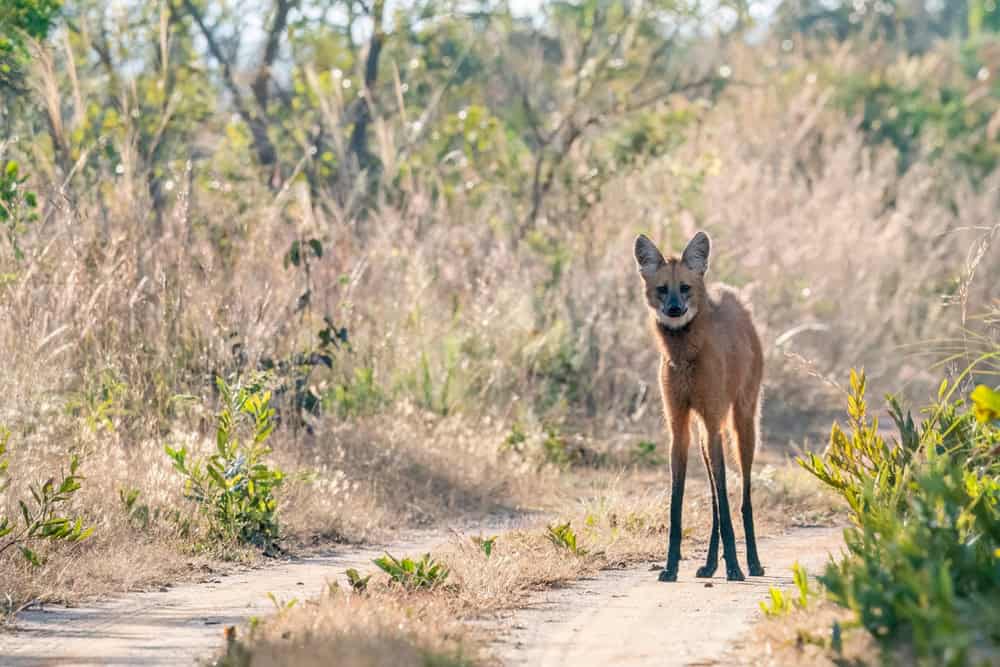
Maned wolves are native to the savannas of central and eastern South America.
©Rob Jansen/Shutterstock.com
Communication
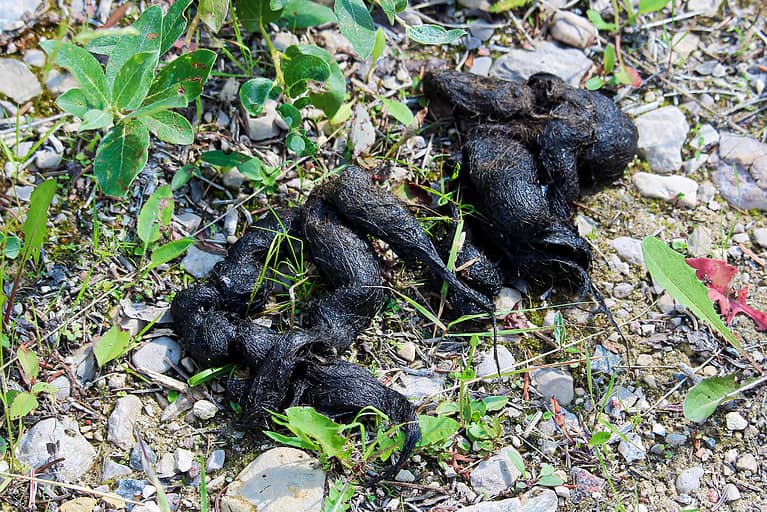
When a maned wolf wants to mark territory, it will leave urine and feces scent markers on termite mounds and hillocks. The maned wolf’s pungent urine has been compared to hops or marijuana. One reason they produce such strong scents is pyrazines. Certain vividly colored insects and toxic plants also use pyrazines as chemical communication to signal others to keep away. Unlike dogs, maned wolves are solitary. They have few vocalizations and no need to communicate with humans. They don’t howl. Instead, they make a loud roaring bark. They’ll bark loudly to let their mate know their location or warn others in their territory to stay away.
As social animals, Great Danes have many different ways to communicate with both humans and other dogs. While dogs use urine to mark their territory, their urine does not have the strong scent that a maned wolf’s urine does. Dogs have a wide variety of vocalizations, such as barking, whining, howling, growling, huffing, and yelping, among others. Expressions and body language are also important ways dogs communicate. For example, a dog showing the whites of its eyes might be communicating that it is stressed, while ears perked forward indicates alertness. Dogs also use their tails and posture as visual cues.
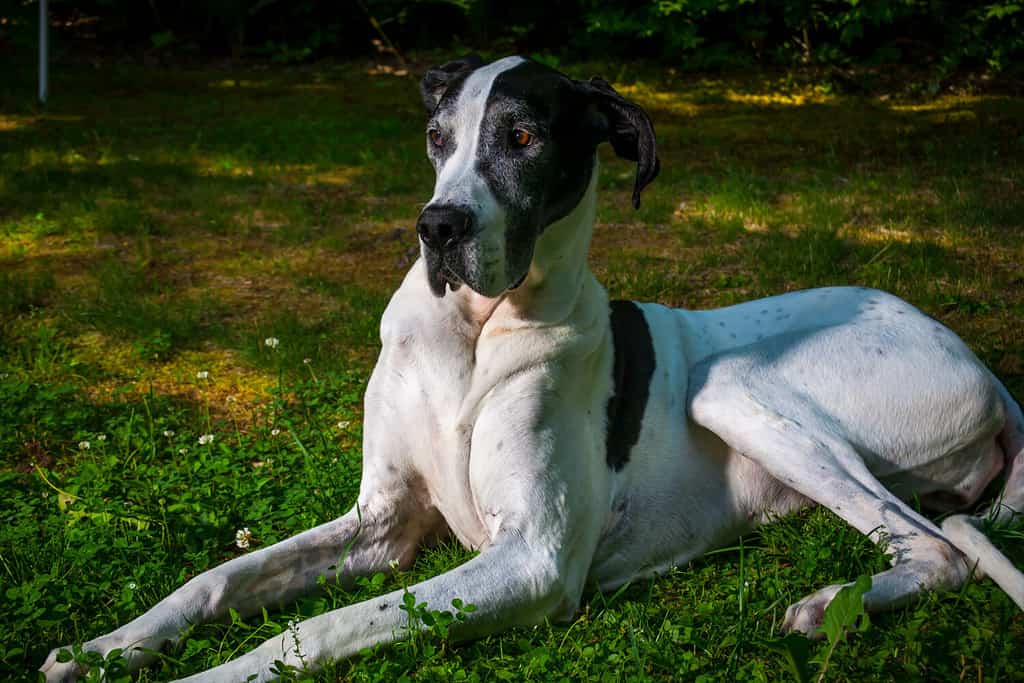
Great Danes and other dogs communicate with facial expressions and body language.
©Arthur Villator/Shutterstock.com
Diet
Maned wolves are omnivores with a diet of plants and meat. They eat a variety of seasonal fruits and vegetables and are particularly fond of the tomato-like berries of lobeira, whose name means “fruit of the wolf.” Plant matter can easily make up half of the maned wolf’s natural diet. They also feed on insects, rabbits, rodents, and other small mammals.
Great Danes are classified as omnivores or facultative carnivores, but they eat less fruit and rarely kill and eat live animals. While dogs need meat for high-quality protein and amino acids, they can also digest starch, as well as grains, fruits, and vegetables for fiber, vitamins, and minerals. Great Danes need a high-quality dog food with real meat as the first ingredient, healthy fats, digestible grains, vegetables, and superfoods like blueberries.
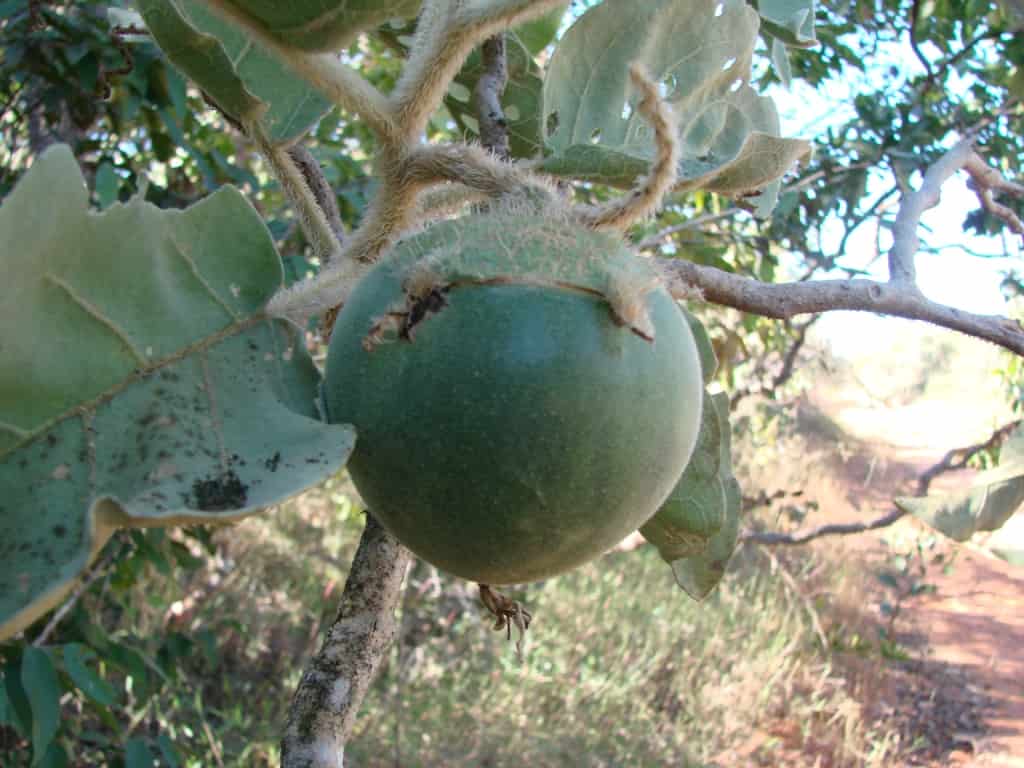
The tomato-like lobeira, whose name means “fruit of the wolf” is one of the main foods of maned wolves.
©João Medeiros, CC BY 2.0, via Wikimedia Commons – Original / License