
G
Species Profile

Golden Pyrenees

Canis lupus familiaris

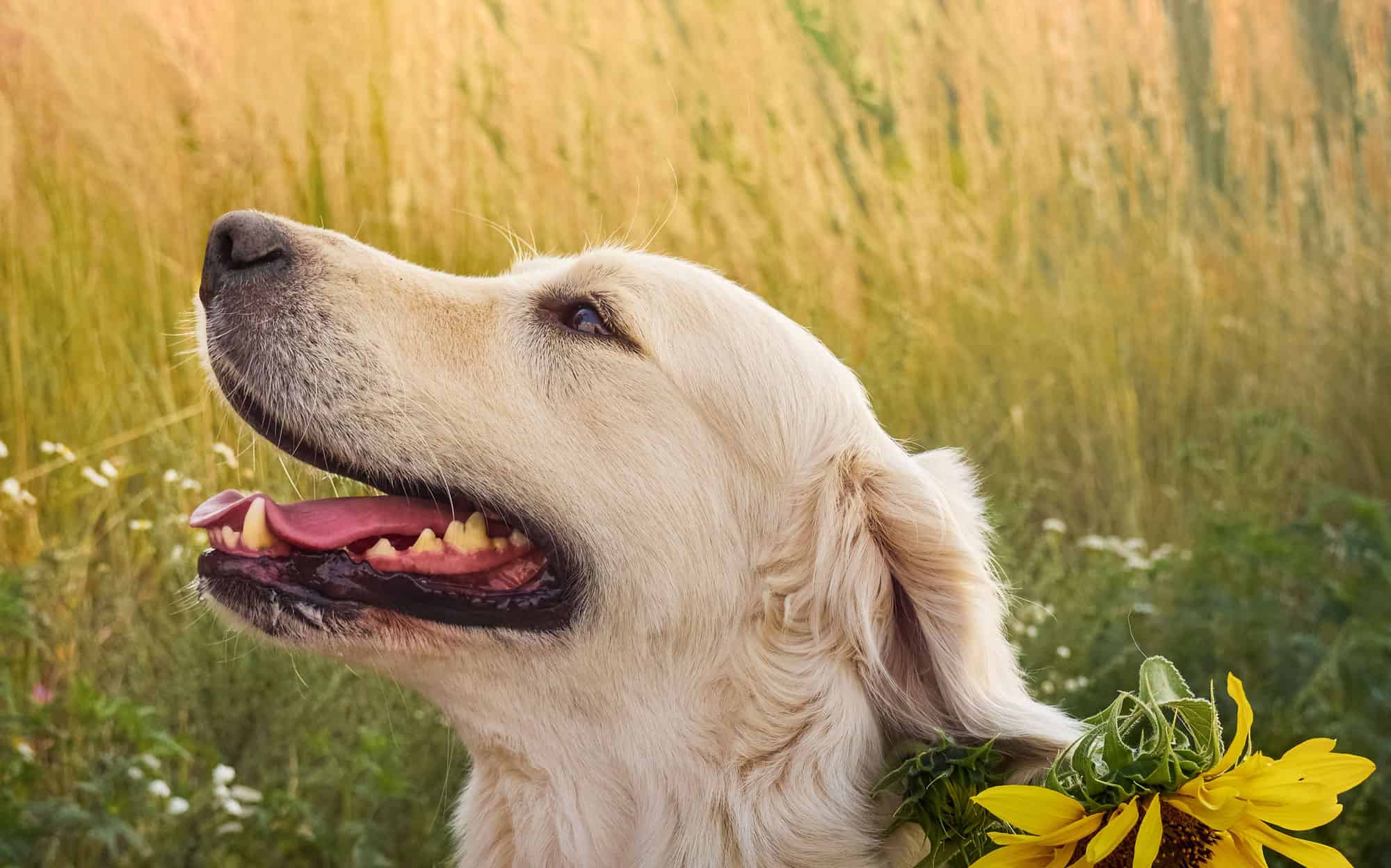
Gentle retriever heart, mountain-guardian soul
iStock.com/kulbabka

Golden Pyrenees Distribution

Click a location to explore more animals from that region

Origin Location

This map shows the native origin of the Golden Pyrenees. As a domesticated species, they are now found worldwide.

Loading map...

Size Comparison

Human 5'8"
Golden Pyrenees 2 ft 3 in

Golden Pyrenees stands at 39% of average human height.

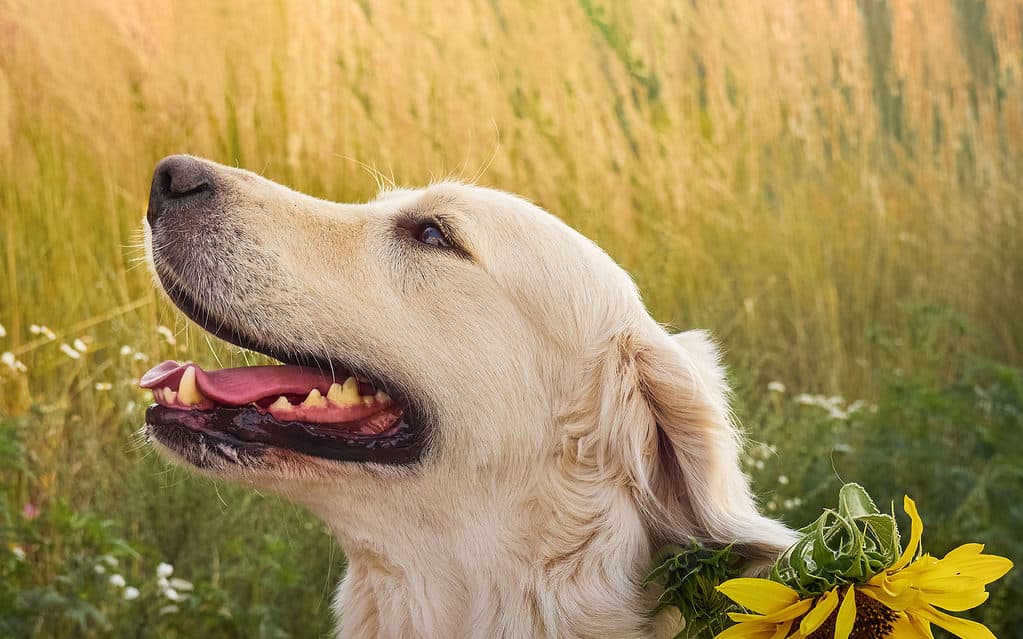
Animal, Animal Hair, Canine - Animal, Close-up, Cute

At a Glance

Domesticated
Diet Omnivore
Activity Diurnal+
Lifespan 11 years
Weight 60 lbs
Status Not Evaluated
Did You Know?

Often inherits the Great Pyrenees' night-watch habits-more alert after dusk than many dogs.

Scientific Classification

A mixed-breed domestic dog produced by crossing a Golden Retriever with a Great Pyrenees, often combining the retriever’s sociability with the livestock-guardian’s size and protective tendencies.

Kingdom
Animalia
Phylum
Chordata
Class
Mammalia
Order
Carnivora
Family
Canidae
Genus
Canis
Species
Canis lupus

Distinguishing Features

  • Large to very large body size (often larger than a Golden Retriever)
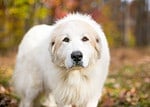
  • Dense double coat; coloration commonly cream/golden/white mixes
  • Typically calm, loyal temperament; may be protective/guardian-inclined
  • Variable ear set and head shape depending on parent influence

Physical Measurements

Males and females differ in size

Height
2 ft 4 in (2 ft – 2 ft 8 in)
2 ft (1 ft 10 in – 2 ft 4 in)
Length
3 ft 10 in (3 ft 3 in – 4 ft 5 in)
3 ft 11 in (3 ft 5 in – 4 ft 7 in)
Weight
101 lbs (75 lbs – 130 lbs)
88 lbs (66 lbs – 110 lbs)
Tail Length
1 ft 5 in (1 ft 2 in – 1 ft 8 in)
1 ft 3 in (12 in – 1 ft 6 in)
Top Speed
28 mph
Moderate top speed

Appearance

Primary Colors
Secondary Colors
Skin Type Domestic dog skin with a dense double coat: weather-resistant outer guard hairs over a thick insulating undercoat. Skin can be moderately sensitive; heavy coat can trap moisture if not dried well after bathing/swimming.
Distinctive Features
  • Mixed-breed domestic dog (Canis lupus familiaris): not a standardized kennel-club breed with a fixed appearance; individuals vary widely depending on Golden Retriever vs Great Pyrenees inheritance.
  • Large, sturdy build often approaching livestock-guardian size: deep chest, broad head, strong neck/shoulders; typically heavier-boned than many retrievers.
  • Coat usually medium-long to long with pronounced feathering (tail, backs of legs, chest ruff); seasonal shedding can be very heavy due to the Pyrenees-style undercoat.
  • Tail often plumed; may carry low when relaxed and higher/curled when alert (guardian-type posture).
  • Temperament commonly blends sociable, people-oriented traits (Golden) with protective/territorial watchfulness and independence (Pyrenees); variability is high.
  • Distinguishing from the base species context (domestic dog vs wild canids): selected for companionship/working roles, reduced wariness toward humans, and high trainability potential-though guardian influence may increase independence and barking/alerting.
  • Training/socialization: early, consistent socialization is important to prevent over-guarding; reward-based training works best, but expect a more independent streak than a typical Golden Retriever.
  • Exercise needs: moderate to moderately high; benefits from daily walks plus mental work (retrieving games, scentwork). Avoid excessive high-impact exercise in puppy growth periods due to large-breed joint risk.
  • Grooming/care: frequent brushing (2-4×/week; daily during seasonal blow) to prevent matting and manage undercoat; pay attention to behind ears, ruff, and feathering. Keep coat and skin thoroughly dry to reduce hot spots.
  • Heat management: dense coat can predispose to overheating-provide shade, water, avoid intense exercise in heat.
  • Health considerations (mixed-breed risks from both parents): elevated risk for hip/elbow dysplasia, cruciate ligament disease, osteoarthritis; consider joint-friendly conditioning and weight management.
  • Other common concerns: bloat/GDV risk in large deep-chested dogs; discuss feeding strategies with a veterinarian (multiple smaller meals, avoid heavy exercise around meals).
  • Additional possible issues: ear infections (especially if ears are drop/feathered), skin allergies/hot spots, and cancer predispositions seen in retriever lines; routine vet screening recommended.
  • Behavioral care: may bark more (guardian trait); structured routines, enrichment, and clear boundaries help channel alerting tendencies appropriately.

Sexual Dimorphism

As in many large domestic dogs, males are often larger and more heavily muscled with broader heads/neck ruffs, while females may be slightly smaller and more refined; coat length and color are not reliably sex-linked in this mixed breed.

  • Typically taller/heavier with thicker neck and broader skull
  • May show more pronounced ruff/overall mass depending on Pyrenees influence
  • Often slightly smaller with a more refined head and lighter build
  • May appear less bulky through shoulders/chest, though overlap is common

Did You Know?

Often inherits the Great Pyrenees' night-watch habits-more alert after dusk than many dogs.

Many have a "guardian + greeter" split personality: warm with family, watchful with strangers.

Coats can range from Golden-like waves to thick Pyr fluff; heavy seasonal shedding is common.

Some keep a retriever "soft mouth," gently carrying toys-while also patrolling fences like a farm dog.

Because it's a mixed breed, two littermates can look and behave surprisingly differently.

A strong "lean" (pressing their body on you) can appear-seen in many large guardian-type dogs.

Unique Adaptations

  • Double coat insulation (from Great Pyrenees ancestry) helps in cold weather but increases heat sensitivity; shade and cool water are essential in warm climates.
  • Large-body endurance and steady gait suited to long walks and guarding-less sprinty than many sporting breeds.
  • Strong social bonding typical of Canis lupus familiaris: thrives on close human contact and routine.
  • Possible "soft carry" tendency from retriever heritage, aiding gentle object transport (toys, training dummies).
  • Enhanced environmental awareness: guardian ancestry often favors scanning, listening, and choosing vantage points.

Interesting Behaviors

  • Perimeter patrol: repeatedly walking fence lines or property edges, especially in new places.
  • Alert barking: more vocal than many retrievers; may "announce" visitors or unusual sounds.
  • Selective independence: may pause to decide if a cue is worth doing-common in guardian lines.
  • Retrieval-with-a-purpose: bringing items to you, then positioning their body between you and a stranger.
  • Nocturnal vigilance: choosing cool evening hours for activity and watchfulness.
  • Digging/cool-surface seeking: digging shallow pits or lying on tile to regulate body temperature.
  • Gentle "herding" or blocking: subtly steering family members or other pets away from doors/gates.

Cultural Significance

The Golden Pyrenees is a modern designer mix kept as a family companion, home guard, child watcher, or small‑farm dog. It mixes the Golden Retriever's retrieving/gundog work with the Great Pyrenees' long history as a mountain livestock guardian.

Myths & Legends

The Great Pyrenees is tied to Pyrenean mountain folklore portraying the big white dogs as heaven-sent guardians-gifted by the mountains to protect shepherds and flocks from wolves.

In France, the Great Pyrenees gained a near-legendary reputation as the "Royal Dog," associated with court life after becoming fashionable among nobility in the 17th century.

A long tale says Golden Retrievers came from Russian "circus" or "tracker" dogs, a long dog story. But records show they were made on Scottish estates by careful breeding.

Pastoral European stories about flock guardians often cast white mountain dogs as night sentinels that challenge predators in darkness-an image that echoes the Pyr's real-world nocturnal watchfulness seen in many mixes.

Conservation Status

NE Not Evaluated

Has not yet been evaluated against the criteria.

Population Stable

Life Cycle

Birth 8 pups
Lifespan 11 years

Lifespan

In the Wild
10–12 years
In Captivity
8–13 years

Reproduction

Mating System Polygynandry
Social Structure Managed Domestic
Breeding Pattern Serial
Fertilization Managed Selective
Birth Type Internal_fertilization

Golden Pyrenees (Canis lupus familiaris) breeding is polygynandry—multiple males and females mate. No long-term pair bonds; mating occurs in short estrus windows, but litters are usually made under human management (managed_selective). Females cycle about every 6–8 months.

Behavior & Ecology

Social Family Group: 4
Activity Diurnal, Crepuscular, Cathemeral
Diet Omnivore Animal-protein-forward meals (e.g., chicken, turkey, or salmon-based diets) with a balanced fat level and joint-support nutrients

Temperament

Human-oriented, affiliative companion style (Golden Retriever influence), typically seeking proximity and social contact within the household
Protective/guardian tendency with increased territorial awareness and boundary patrol behaviors (Great Pyrenees influence), often more pronounced at night
Generally gentle and tolerant with familiar people; often good with children when socialized and supervised (large size can increase accidental knock-over risk)
Often reserved, watchful, or slow-to-warm with unfamiliar people; may show increased alerting and "stand between" behavior rather than immediate friendliness
Trainability is commonly moderate-to-high but with potential independence/stubbornness; responds best to consistent, reward-based training and early, broad socialization
Moderate energy: needs daily exercise plus mental work; too little enrichment can present as nuisance barking, pacing, or fence-running (guardian pattern) or mouthy/retrieving busywork (retriever pattern)
Higher likelihood of vocal alerting compared with many retriever-type mixes; requires structured reinforcement for quiet and controlled exposure to triggers
Golden Pyrenees may face hip and elbow dysplasia, cruciate ligament injuries, bloat/GDV from a deep chest, obesity if under-exercised, ear infections with floppy ears, skin hot spots and heavy shedding.
Care requirements (behavior-linked): early leash manners due to size/strength; secure fencing and recall training (independence + patrol drive); regular grooming/deshedding and coat/skin checks; heat management in warm climates; joint-friendly conditioning and weight control

Communication

alarm bark Often deeper, more sustained, and more frequent than typical retriever barking
territorial bark-chains in response to novel sounds/approaches Especially evenings/night
whining for attention or frustration More retriever-typical solicitation
low growl/grumble as a distance-increasing warning when uncomfortable
howl or "talking" vocalizations in some individuals
play barks and short yips during social play
body blocking/placing self between family and perceived threat Guardian-style spatial communication
stiffened posture, forward lean, elevated tail carriage, and sustained staring during alert assessment
loose wiggly body, tail sweeps, and face-lick attempts during friendly greetings Retriever-leaning individuals
leaning/pawing/nudging for affiliation and attention
mouth-carrying objects (retriever heritage), including 'showing' items to initiate interaction
scent marking and perimeter checking/patrolling of property lines
calming signals (lip-lick, head turn, yawning) when uncertain; may escalate to barking if space is not respected
resource/space negotiation through displacement (choosing vantage points, doorway control), often subtle but persistent

Habitat

Biomes:
Temperate Forest Alpine Boreal Forest (Taiga) Temperate Grassland Mediterranean Desert Hot Desert Cold Tundra Freshwater Wetland Marine Savanna Tropical Dry Forest Tropical Rainforest +8
Terrain:
Plains Hilly Mountainous Valley Coastal Island Riverine +1
Elevation: Up to 11482 ft 11 in

Ecological Role

Domestic companion and guardian (retriever-livestock guardian mix), functioning primarily as a human-associated omnivorous predator/scavenger analogue rather than a wild hunting canid

companionship and human social support property/livestock deterrence against predators and intruders via presence and barking participation in human-managed waste/food systems (consumes prepared foods and occasional scraps under supervision) indirect wildlife impact management when responsibly contained (reduced roaming/predation pressure compared with free-ranging dogs)

Diet Details

Main Prey:
Small mammals Birds Fish Invertebrates
Other Foods:
Cooked grains and starches Vegetables Fruits grasses Fungal ingredients

Human Interaction

Domestication Status

Domesticated

Canis lupus familiaris (domestic dog) comes from the gray wolf by long human breeding for work. The Golden Pyrenees (Golden Retriever × Great Pyrenees mix) is a companion and working cross. Often a home companion and guardian, it can do light farm work but is not a true livestock guardian without training. Needs early socializing, training, grooming, and vet care.

Danger Level

Moderate
  • Accidental injury from size/strength (knocking over children/elderly, leash pulling)
  • Territorial or protective behavior (barking, blocking, lunging) if under-socialized or poorly managed
  • Fear-based or defensive biting risk in stressful handling scenarios (rough restraint, grooming, vet visits)
  • Resource guarding in some individuals (food/toys/space), especially without early training
  • Increased risk of serious harm compared with smaller breeds due to mass and jaw strength, even if overall bite likelihood is low with good socialization

As a Pet

Suitable as Pet

Legality: Golden Pyrenees are usually legal as pets. Rules usually come from local large-dog laws (licenses, leashes), housing/HOA rules, or insurance and breed-restriction lists that may include "guardian" or "giant" breeds. Check local and landlord/insurance rules.

Care Level: Experienced

Purchase Cost: $200 - $1,500
Lifetime Cost: $18,000 - $45,000

Economic Value

Uses:
Companion animal (household pet) Property/home deterrence and alerting Light farm/homestead utility (supervised) Pet services economy (training, grooming, boarding, veterinary care) Animal-assisted activities (occasionally, if temperament supports it)
Products:
  • purchase/adoption fees
  • vaccinations, parasite prevention, spay/neuter
  • training classes (basic manners; reactivity/guarding management as needed)
  • high-volume food for large/giant dogs
  • grooming tools/services (deshedding, brushing, occasional professional grooming)
  • crates, beds, leashes, fencing and containment solutions
  • orthopedic care products (joint supplements, ramps; veterinary diagnostics if needed)
  • pet insurance or emergency veterinary funds

Relationships

Ecological Equivalents 5

Animals that fill a similar ecological role in their ecosystem

A Golden Pyrenees is a mix between two purebreds: A Golden Retriever and a Great Pyrenees. This hybrid dog, also called the Great Pytreiver, is relatively new to the dog world. It was bred to combine the best qualities of two popular dogs. It belongs to the hybrid group.

The Golden Pyrenees is a gentle dog with lots of energy. They are intelligent and friendly, just like their purebred parents. These dogs get along well with children. But, due to their large size, these active dogs have been known to unintentionally knock over small children.

The Golden Pytreiver is a great choice for a family willing to give it the attention and exercise it needs.

3 Pros and Cons of Ownership

ProsCons
An effective watchdog
Golden Pyrenees use their deep bark to alert family members of someone at the door or on the property. Their large size can serve as a deterrent to intruders.
Lots of exercise needed
These dogs are high-energy. They need at least 60 minutes of exercise each day to keep them physically and emotionally healthy.
A friendly temperament
These dogs are always up for running around, playing fetch, and having a good time with their family members.
Not good for small children
Despite being gentle and liking children, the Golden Pyrenees is too big to have around small children who could be accidentally knocked over.
A gentle nature
Although they are big dogs, these canines have a gentle way about them. Imagine a polar bear that thinks it’s a lap dog!
Not apartment-friendly
The large size of this hybrid dog makes it an unwise choice for someone who lives in an apartment.
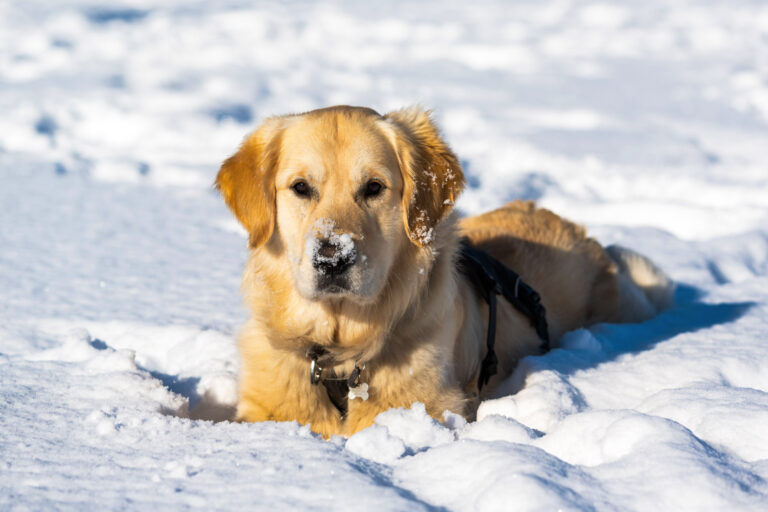
Golden Pyrenees (Golden Retriever, Great Pyrenees mix) playing outside in the snow.

A Golden Pyrenees (Golden Retriever, Great Pyrenees mix) is a large, playful. gentle dog with a lot of energy.

Size and Weight

A Golden Pyrenees has a thick coat of long hair. An adult dog can reach a height of 30 inches from head to paw. Also, these dogs can weigh 115 pounds or more as adults, but females may be slightly smaller than males, at 110 lbs. Golden Pyrenees puppies at 9 weeks old weigh around 14 pounds. These dogs are considered full-grown at 18-24 months old.

Common Health Issues

Great Pytreivers have a few common health issues for owners to keep in mind. One of those is Patellar luxation. This condition happens when a dog’s kneecap is dislocated. Some dogs have Patellar luxation in just one knee, while others have it in both. Surgery may be needed to correct this condition, depending on how severe it is.

A second common health issue for this mix is hip dysplasia. This is when the dog’s hip joint doesn’t fit together properly. It causes a dog to limp or have trouble moving at any speed. This is a common issue with many dogs that are large. Physical therapy, weight loss, and surgery are all treatment options depending on the severity of the case.

Another health issue of these dogs is called Von Willebrand’s disease. This is a bleeding disorder caused by a deficiency in a certain type of protein. Excessive bleeding after an injury or surgery is a sign of this disease. A veterinarian can screen for this inherited condition.

Temperament and Behavior
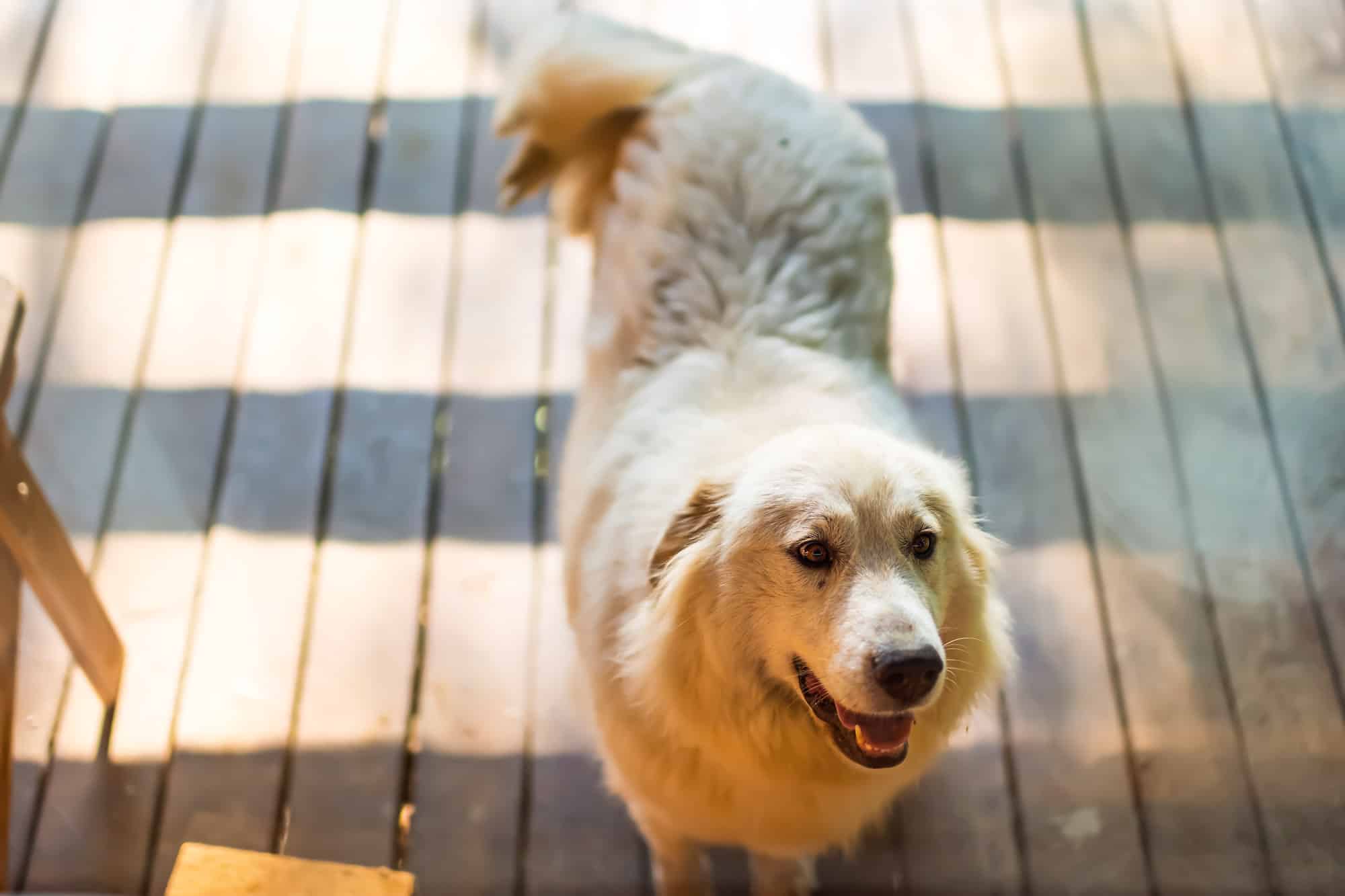
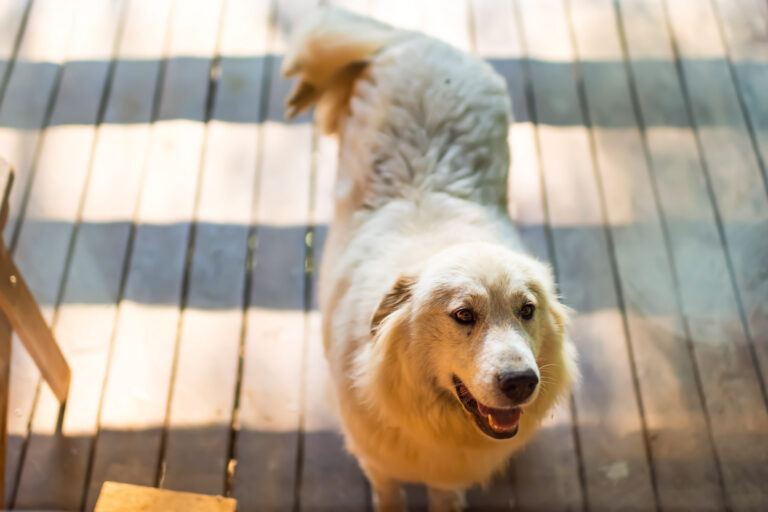
Dog, Pyrenees, Porch, Puppy, Retriever

A Golden Pyrenees is gentle, loyal, and loves to run and jump, and play with its human family.

Gentle is an appropriate word to describe the personality of a Golden Pyrenees. These dogs are large in size, but that doesn’t stop them from trying to cuddle on the sofa with family members. Their behavior is very energetic. They love running, jumping, and being silly. Combine that behavior with its large size, and you can see why apartment life is unsuitable for the Golden Pyrenees.

Loyalty is one of their most beloved traits. These hybrid dogs want to be with their family members, no matter the activity. Golden Pyrenees dogs are good with kids. But families with toddlers should take note that when this dog gets excited, there’s a risk it will bump into a small child. This can happen simply because of its large size.

Care

When a person is considering a Golden Pyrenees as a pet, it’s helpful to know about its unique dietary, exercise, grooming, and healthcare needs. Of course, the type of care given to a Great Pytreiver puppy is different from the care given to an adult dog. Look at some factors to keep in mind.

Best Dog Food

The diet of a puppy is different from that of an adult dog. Feeding this dog a diet with the right nutrients may help to head off some common health issues. Discover some of the specific dietary details.

Puppy food: Fat in a Golden Pyrenees puppy’s diet gives it lots of energy to run, jump, and explore its environment. Protein builds healthy muscles, cartilage, and joints. Having strong muscles and joints can help prevent hip dysplasia or patellar luxation. Beta carotene supports healthy cell development. Vitamin E is an antioxidant, and vitamin A is good for eye health. Omega fatty acids contribute to brain health. Including calcium in a puppy’s diet supports growing teeth and nails.

Adult dog food: Protein is the most important ingredient in an adult Golden Pyrenees dog’s diet. Protein in the form of lamb, turkey, or chicken is all good options. Protein maintains strong muscles, tendons, ligaments, and cartilage. The amino acids in protein also contribute to a healthy coat, nails, and skin. Calcium keeps a dog’s teeth and bones healthy. Healthy bones are important in all dogs, especially ones prone to Patellar luxation and hip dysplasia. A balanced amount of fat gives an adult dog the energy to run around and stay active. Vitamin E and vitamin C are antioxidants that support a dog’s immune system. Fiber helps with a dog’s digestion.

Maintenance and Grooming

How much does a Golden Pyrenees shed? These dogs shed a moderate to high amount of hair. This isn’t surprising considering both its Golden Retriever and Great Pyrenees parents shed at least a moderate amount of hair, if not much more.

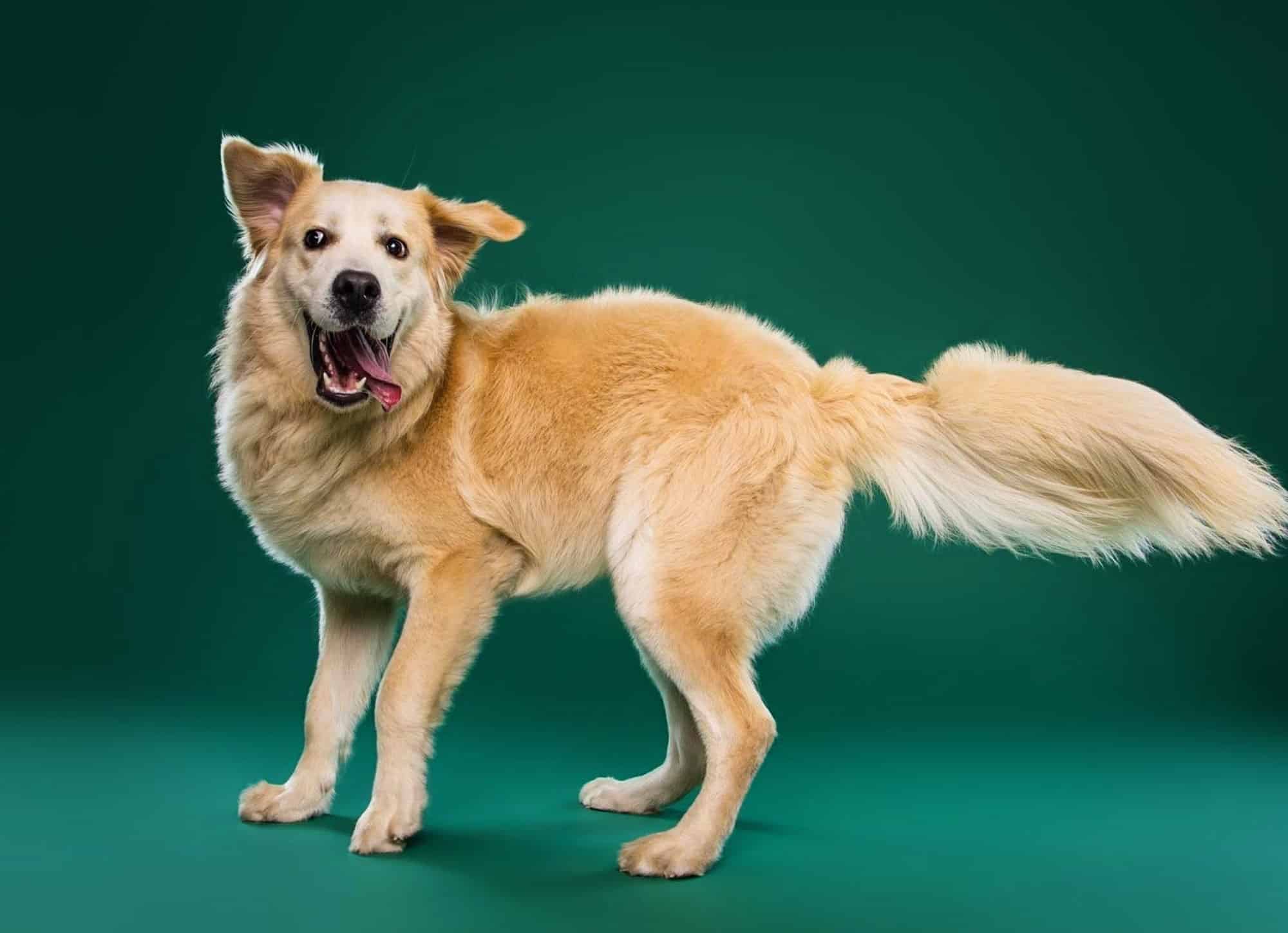
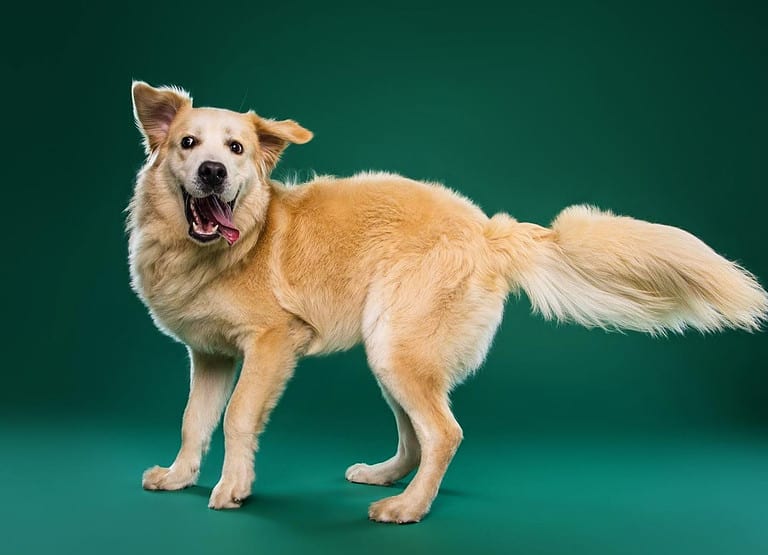
But the good news is this dog has a thick, beautiful coat. Don’t forget this dog’s fluffy tail!

Grooming requirements for this dog include daily brushing. A pin brush is excellent for removing tangles and mats from this canine’s coat. A de-shedding brush is effective when the dog is going through seasonal shedding. It is designed to remove a lot of loose hair.

The dog needs its nails trimmed about once a month. An owner who is not confident in doing this should take the dog to a groomer to have it done professionally.

Some of them can have flea allergies. This condition shows up as red/irritated skin and patches of baldness (from scratching). A veterinarian can prescribe treatment.

Training

This crossbreed dog is known for its intelligence. But this intelligence can turn into stubbornness during obedience training. Consequently, patience is a valuable tool for any owner during training sessions with this hybrid dog. Verbal praise and short sessions are also very useful in training this dog.

Exercise

These dogs need a lot of exercise to keep them physically and emotionally fit. This adds up to at least 60 minutes of activity each day. Playing fetch or chase, a walk on a park trail, or a trip to the dog park are all fun exercise options.

Puppies
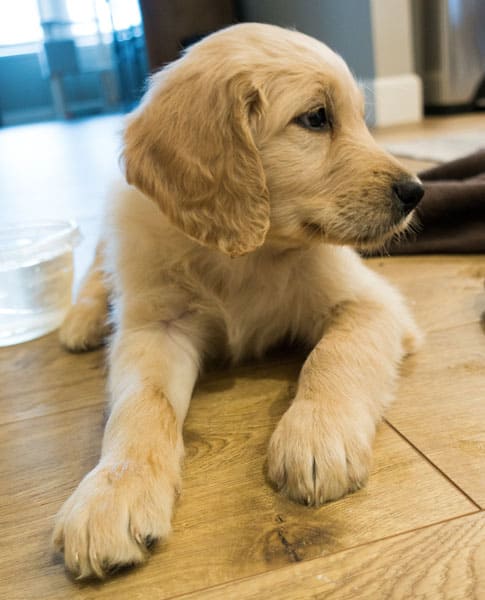
Animal, Beige, Blanket, Boredom, Brown

Golden Pyrenees puppies need plenty of space to run around.

These crossbreed puppies grow very large within a few weeks. So, they need plenty of space to run around.

Children

Although these dogs are good with children, they can become overexcited and accidentally bump into small children, knocking them over. It’s best to own this dog when your children are older.

Similar Dogs

Other dogs similar to the Golden Pyrenees include Chesapeake Bay Retrievers, Flat-Coated Retrievers, and the Bernese Mountain Dog.

  • Chesapeake Bay Retriever: This dog is about the same height as a Golden Pyrenees and has the same loyal personality, but Chesapeake Bay Retrievers weigh less than the Golden Pyrenees.
  • Flat-Coated Retriever: This dog and the Golden Pyrenees are approximately the same height, but Flat-Coated Retrievers usually have a black coat, while the Golden Pyrenees’ is usually cream or white.
  • Bernese Mountain Dog: Golden Pyrenees and Bernese Mountain Dogs are about the same size (weight and height). But, while the Golden Pyrenees has cream or white fur, the Bernese Mountain Dog has a tri-color coat.
View all 261 animals that start with G

Sources

  1. Green Garage / Accessed May 23, 2021
  2. Wikipedia / Accessed May 23, 2021
  3. Cornell University / Accessed May 23, 2021

Thank you for reading! Have some feedback for us?


Golden Pyrenees FAQs (Frequently Asked Questions)

A Golden Pyrenees also known as a Great Pytreiver, is a crossbreed dog. Its parents are the Golden Retriever and the Great Pyrenees. It is known for its gentle temperament and loyalty. They have a lifespan of 10 to 13 years.