

L
Species Profile

Lowchen

Canis lupus familiaris

Small dog, big lion heart
Cat Dana/Shutterstock.com

Lowchen Distribution

Click a location to explore more animals from that region

Origin Location

This map shows the native origin of the Lowchen. As a domesticated species, they are now found worldwide.

Loading map...

Size Comparison

Human 5'8"
Lowchen 11 in

Lowchen stands at 17% of average human height.

Lowchen, Little Lion Dog, Lowchen Show Groom, Lowchen Breed Standard, Small Fluffy Dog

At a Glance

Domesticated
Also Known As Dog, Domestic dog, Canine, Pooch, Pup, Hound, Mutt, Man's best friend
Diet Omnivore
Activity Diurnal+
Lifespan 11 years
Weight 8 lbs
Status Not Evaluated
Did You Know?

The name Lowchen comes from a German term meaning "little lion," echoed by the breed's traditional lion-style grooming clip.

Scientific Classification

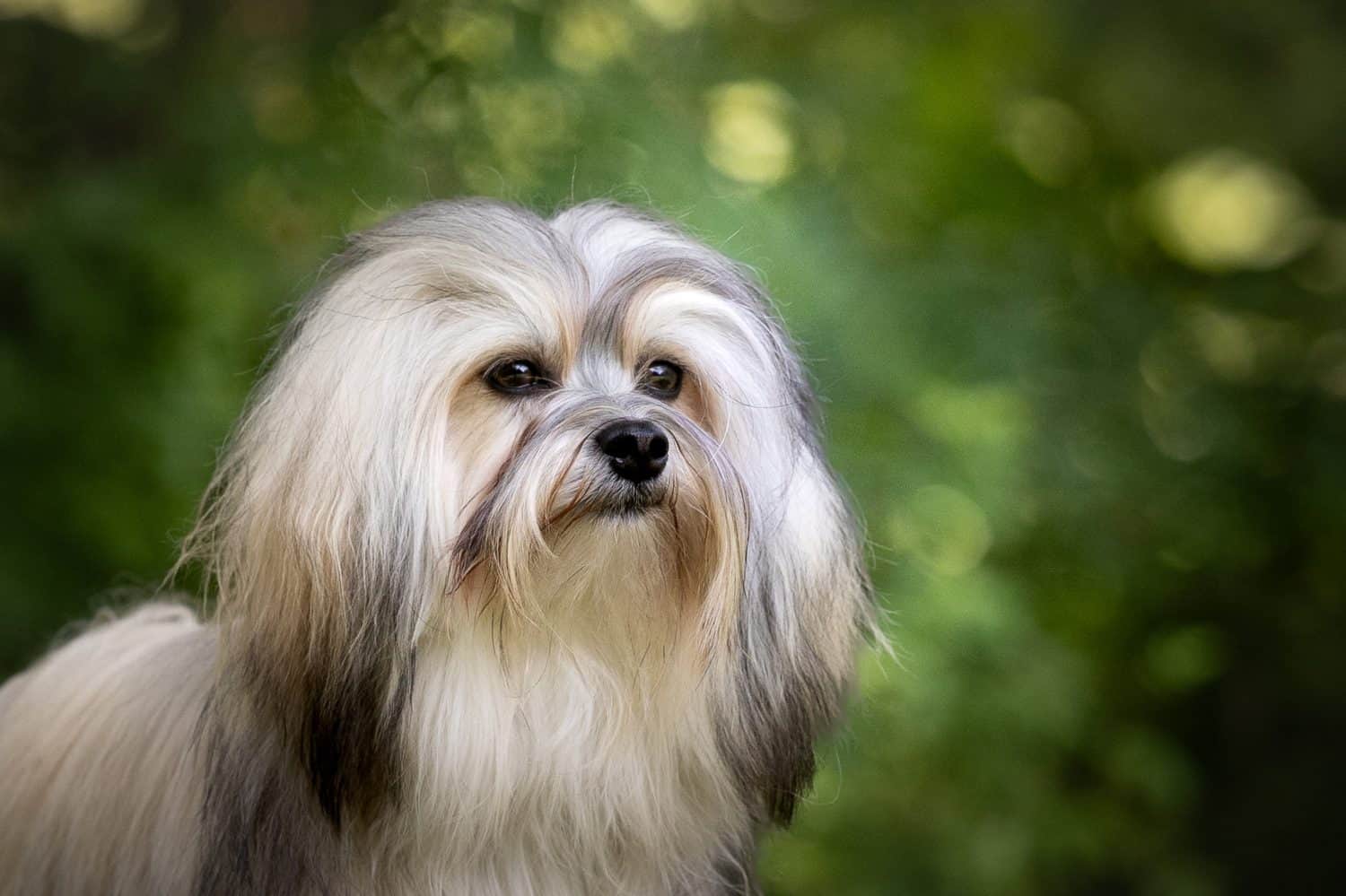
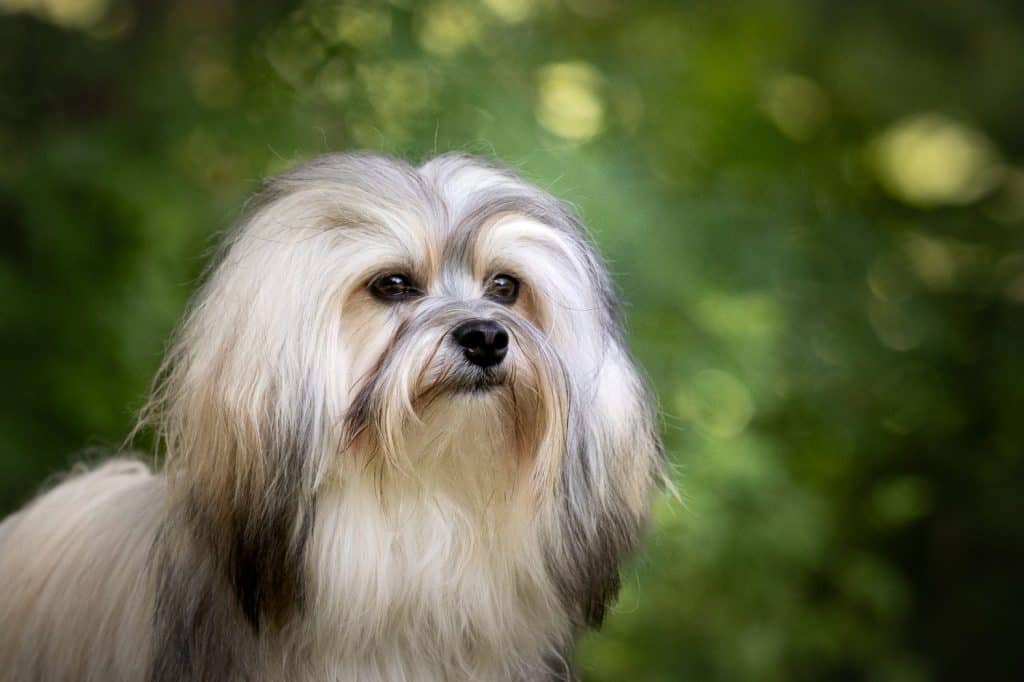
The Löwchen (Little Lion Dog) is a small European companion dog breed, historically associated with continental Europe and traditionally groomed with a distinctive “lion clip.”

Kingdom
Animalia
Phylum
Chordata
Class
Mammalia
Order
Carnivora
Family
Canidae
Genus
Canis
Species
Canis lupus familiaris

Distinguishing Features

  • Small companion dog with a long, wavy coat (often single-coated)
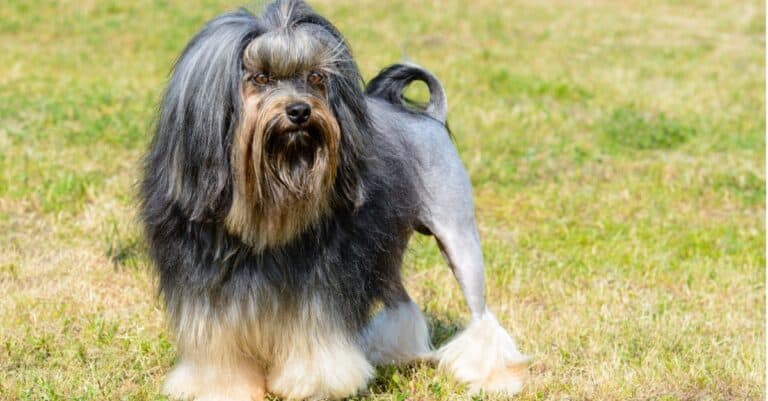
  • Traditional “lion cut” grooming: clipped hindquarters with a mane-like coat on the front
  • Drop ears with feathering; plume tail carried over the back
  • Typically alert, friendly, and people-oriented temperament (breed-generalization)

Physical Measurements

Height
6 in – 3 ft 7 in
Length
1 ft 10 in (1 ft 8 in – 2 ft 2 in)
Weight
3 lbs – 198 lbs
Tail Length
10 in (9 in – 11 in)
Top Speed
16 mph
running

Appearance

Primary Colors
Secondary Colors
Skin Type Typical canine skin with variable pigmentation under a long, wavy coat; requires routine grooming to prevent irritation and mat-related skin issues.
Distinctive Features
  • Small European companion/toy-type domesticated dog (Lowchen, also called Little Lion Dog), not wolf-like in build or behavior.
  • Long, wavy, single coat that is often styled in the traditional "lion clip" (mane left full; hindquarters clipped; pom-poms on legs and tail).
  • Plumed tail carried over the back; tail tuft typically left long in the lion clip.
  • Shorter muzzle and rounder, more neotenous facial expression compared with the base domestic dog's ancestral wolf form.
  • High social orientation and people-focused temperament typical of companion breeds; alert but generally friendly.
  • Grooming-intensive: frequent brushing/combing and regular professional trims reduce matting and secondary skin problems.
  • Dental care is important due to small-breed predisposition to tartar and periodontal disease.
  • Common/known health concerns in the breed: patellar luxation, progressive retinal atrophy (PRA), hip dysplasia (less common), Legg-Calvé-Perthes (reported), and ear/skin irritation secondary to coat care.

Sexual Dimorphism

Males are typically slightly larger and more robust through head and chest, with a fuller-looking mane when in lion clip. Females tend to be a bit finer-boned and lighter overall, though coat type and grooming style are similar.

  • Slightly greater height and weight; broader chest and head.
  • Mane can appear fuller when styled in lion clip due to heavier coat density.
  • Slightly smaller, finer-boned outline; lighter head and chest.
  • Coat length and lion-clip styling comparable, often with a more delicate silhouette.

Did You Know?

The name Lowchen comes from a German term meaning "little lion," echoed by the breed's traditional lion-style grooming clip.

Lowchen appear in European art from the late Middle Ages and Renaissance period, suggesting a long history as a lap and ladies' companion dog.

They're a toy-sized companion but often behave like bigger dogs-confident, alert, and ready to "help" with everything.

The lion clip leaves a mane on the front half and a tuft on the tail, with the hindquarters closely clipped for a striking silhouette.

They're often described as "clownish" or impish-many enjoy performing for attention and learning tricks.

Despite the glamorous coat, they were bred primarily for companionship rather than hunting or herding work.

Unique Adaptations

  • Long, wavy coat that can be styled for insulation and comfort in cooler European climates, while the lion clip can reduce matting and keep the rear cleaner.
  • Compact, square build that suits indoor companion life while still allowing athletic bursts of speed and nimble turns.
  • Highly social, human-attuned temperament-an adaptation of many companion breeds selected for responsiveness to people rather than independent work.
  • Distinctive grooming tradition (lion clip) that functions as a recognizable "breed uniform," reinforcing identity in show and cultural contexts.

Interesting Behaviors

  • People-focused "shadowing": following a favorite person room-to-room and checking in frequently.
  • Playful showmanship: offering bows, spins, or toy parades to start interaction.
  • Alert companion watchdog behavior: quick to announce visitors with a bright, confident bark.
  • Fast learners in short sessions: they often excel at trick training and can do well in agility or rally for a toy breed.
  • Comfort-seeking lap behavior: settling close and using soft surfaces (blankets, laps) as preferred resting spots.
  • Tail signaling: the plumed tail is expressive, often carried high and used to communicate excitement or curiosity.

Cultural Significance

Lowchen is a classic dog from Europe, once kept as a small lapdog and status symbol. Its famous "lion clip" made it look like a tiny coat-of-arms lion, tied to courage, nobility, and grace in art.

Myths & Legends

Called "Little Lion," this small Canis lupus familiaris breed's lion-style clip and name linked it to lion symbols—bravery, nobility, and guarding—making the tiny pet a playful household echo of lions on coats of arms.

Art-history anecdotes: Breed fanciers often point to small lion-clipped dogs depicted in Renaissance-era European portraits and domestic scenes as evidence of the Lowchen's long-standing role as a cherished companion in well-to-do homes.

The "rare dog" story: In the 20th century the Lowchen gained a reputation as one of the world's rarest breeds, a myth that added to its mystery and led to preservation and renewed interest.

Conservation Status

NE Not Evaluated

Has not yet been evaluated against the criteria.

Population Stable

Life Cycle

Birth 4 pups
Lifespan 11 years

Lifespan

In the Wild
10–13 years
In Captivity
12–15 years

Reproduction

Mating System Promiscuity
Social Structure Managed Domestic
Breeding Pattern Serial
Fertilization Managed Selective
Birth Type Managed_selective

Lowchen breeding is typically human-managed, with chosen mates and internal fertilization. Like domestic dogs generally, there is no long-term pair bond; individuals can mate with multiple partners across estrous cycles when allowed.

Behavior & Ecology

Social Pack Group: 3
Activity Diurnal, Crepuscular, Cathemeral
Diet Omnivore high-quality animal-protein-forward meals (e.g., chicken or turkey)

Temperament

Breed context vs base species: far more human-oriented, less independent; selected for companionship over working roles.
Lowchen (Little Lion Dog): affectionate, playful, social; typically thrives on frequent interaction and attention.
Alert and lively; may bark as a small watchdog, especially at novel sounds.
Generally friendly with familiar people; can be initially reserved with strangers without early socialization.
Trainability: responsive and eager; best with gentle, reward-based methods due to sensitivity.
HUBS: Companion-toy breeds commonly show high social seeking and vocal alerting; individual lines vary in boldness.
Separation-related behaviors can occur if under-enriched or left alone for long periods.
Care requirements: regular brushing and professional grooming; lion clip is cosmetic but coat mats easily.
Exercise needs: moderate daily walks plus play; benefits from puzzle toys and short training sessions.
Health concerns to monitor: patellar luxation, dental disease, eye disorders (e.g., cataracts/PRA), ear irritation from hair.

Communication

bark
yip
whine
growl
play-growl
howl Rare
tail wagging and carriage changes
ear position and facial expressions
play bow and bouncy gait invitations
pawing, leaning, and following to solicit contact
licking/nuzzling for affiliative bonding
scent marking and investigative sniffing
stiff posture and avoidance signals when unsure
eye contact seeking with humans for guidance

Habitat

Biomes:
Temperate Forest Temperate Grassland Mediterranean Boreal Forest (Taiga) Tundra Alpine Desert Hot Desert Cold Savanna Tropical Dry Forest Tropical Rainforest Wetland +6
Elevation: Up to 8202 ft 1 in

Ecological Role

Domesticated companion canid (human-associated omnivore) with minor predatory/vermivory tendencies

companionship and social support to humans alerting/watchdog behavior (deterrence) incidental vermin control in household settings cultural/historical role as a European companion breed

Diet Details

Main Prey:
Small rodents Rabbits/Hares Small birds and eggs Invertebrates Animal-based foods provided by humans
Other Foods:
Starchy plant foods Starchy tubers Vegetables Fruits Dietary fiber sources

Human Interaction

Domestication Status

Domesticated

Canis lupus familiaris is the domesticated wolf-derived dog shaped by selective breeding for people. The Lowchen (Little Lion Dog) is a small European companion breed (4.5-8 kg) bred for friendliness. It needs grooming (lion clip), dental care, and socialization. Health risks include patellar luxation, hip problems (Legg-Calve-Perthes), eye diseases (PRA), and dental crowding; responsible breeders screen hips, patellas, and eyes.

Danger Level

Low
  • minor bite risk if frightened, mishandled, or poorly socialized (generally limited by small size)
  • scratches or falls/tripping hazards common to small companion dogs underfoot
  • allergy exposure to dander/saliva (not hypoallergenic despite low-shedding claims in some lines)

As a Pet

Suitable as Pet

Legality: Canis lupus familiaris (domestic dog) is usually legal to own as a pet where dogs are allowed, but owners must follow local rules: licensing, leashes, vaccinations, breeding limits, and home or neighborhood rules.

Care Level: Moderate

Purchase Cost: $1,500 - $4,500
Lifetime Cost: $15,000 - $35,000

Economic Value

Uses:
Companion animal market Professional grooming and pet services Show and breeding (purebred dogs) Veterinary care and preventive health services
Products:
  • companion/pet ownership (household companionship)
  • professional grooming (including lion-clip styling)
  • conformation/show participation
  • responsibly bred puppies from health-tested lines
  • pet supplies (food, dental care products, training services)

Relationships

Quick Take

  • Navigating a global population of only 10,000 dogs is the requirement to own this royal pet.
  • The Progressive Retinal Apathy condition creates a direct path to permanent and total blindness.
  • This royal lapdog displays a surprising feline nimbleness that contradicts its sedentary reputation.
  • Implementing a socialization stage early is necessary to prevent the onset of destructive barking.

Despite being treasured throughout Continental Europe for generations, the Lowchen earned the designation of the rarest breed in existence for a period in the 1960s. At their low point, there were only 65 living members of the species.

The Lowchen was once one of the favored pets of European nobility, and they look and act the part. Their long and lustrous manes have earned them a comparison to lions, and their bold and fearless personalities suggest that they’ve taken that comparison to heart. This breed is friendly and highly sociable among humans, although they can sometimes be bossy and bullying when in the presence of other dogs. Bred to be lapdogs, this isn’t a canine designed to live outdoors. They can live perfectly happily even in a small apartment, as human attention and companionship are far more important commodities for them than space.

While they can be hard to find, these dogs have big and bright personalities and some notable characteristics that set them apart from other toy breeds. Once you can get past its swaggering and brash demeanor, you’ll find a sweet and devoted dog.

An infographic about the Lowchen dog breed, featuring its 'lion' appearance, health stats, and history as a rare breed that once dwindled to only 65 members.
Once the pet of kings, now a rare treasure: Discover the agile 'Lion Dog' that nearly vanished forever. © A-Z Animals

3 Pros and Cons of Owning a Lowchen

Every dog comes with its own unique temperament and characteristics, and that comes with pros and cons depending on the situation you’re in. Here’s what you need to know about this breed.

ProsCons
Their small size and manageable activity levels make them an ideal choice for living in apartments. This breed is especially prone to social anxiety and can react by chewing up your property or incessantly barking.
They’re highly intelligent and excel at training. That even extends to specialized training like agility or competitive obedience. Their beautiful coats require significant amounts of grooming, even if you aren’t emphasizing their “little lion” look.
They have an above-average lifespan and don’t have a history of many serious health issues. This is still a rare breed. In recent history, the population of Lowchens fell to less than a hundred. And while there are significantly more now, puppies are accompanied by a high price and usually a breeder waiting list.
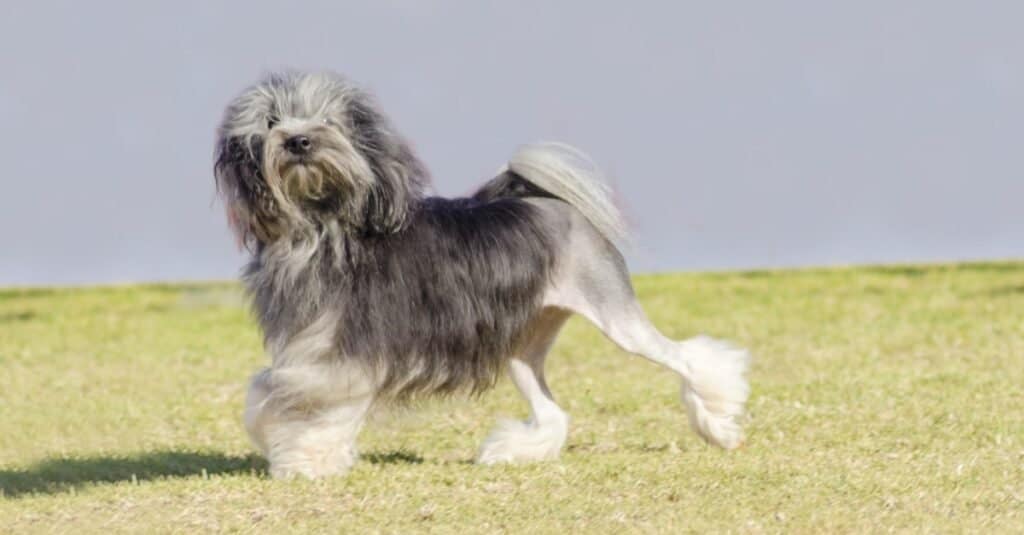
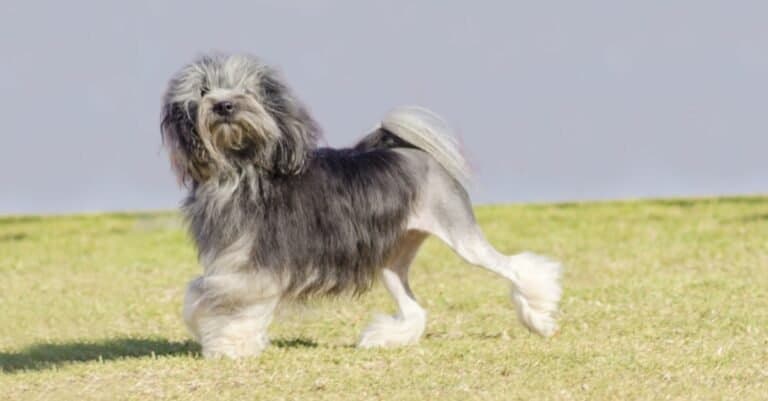
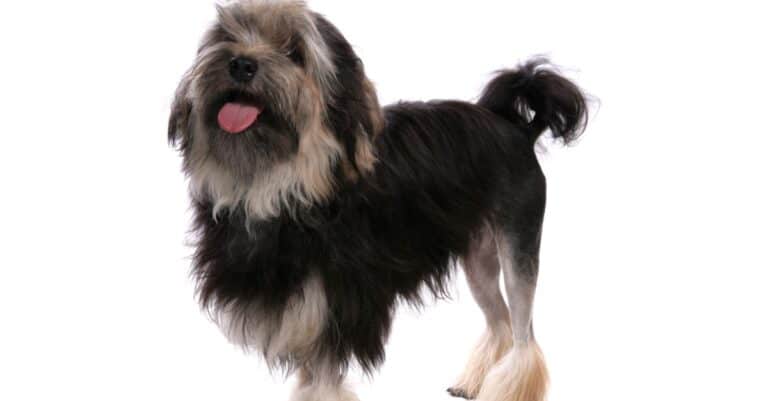
A black,gray and white petit Lowchen (little lion dog) walking on the grass.

A black, gray, and white petit Lowchen (little lion dog) walking on the grass.

Lowchen Size and Weight

As a toy-sized dog, the Lowchen is petite and longer than it is tall. Their brave personalities and sharp barks are accompanied by a body that has a height of only about a foot and weighs less than 20 pounds. Males and females of the breed tend to be roughly the same height and weight.

Height (male)14″
Height (female) 14″
Weight (male)18lbs
Weight (female) 18lbs

Lowchen Common Health Issues

Lowchen is fortunate to be a purebred without a history of severe health issues. They’re prone to a handful of conditions that are common among dogs of most breeds, as well as some specific conditions tied to their eyes. The condition known as Progressive Retinal Apathy is genetic and can lead to the loss of eyesight and eventual blindness over time. They’re also prone to developing cataracts. Like many other breeds, Lowchens are susceptible to patellar luxation and hip dysplasia.

You won’t find this dog at a rescue, so make sure that your breeder can provide you with the appropriate paperwork and medical information. Eye exams and inspection of the hip and knee will ensure the characteristics that will help your dog live a long and healthy life.

Lowchen Temperament

The Lowchen puts on a big front when faced with strangers and other dogs, but that imposing demeanor hides a sensitive side. When they’re with people they trust, these dogs are an endless reservoir of brightness and curiosity, and they’re capable and dedicated cuddling companions that also have the minds and energy for complex play and exploring. These dogs couldn’t be gentler in the company of their trusted caregivers, but their anxious personalities demand quite a bit of attention. These dogs were bred to be companions to European nobility, and they can become distressed and even destructive when they’re left without a companion.

How To Take Care of a Lowchen

In terms of basic care, the Lowchen isn’t very different from any toy breed that you’d find at a breeder or rescue. Here’s the care advice to help raise Lowchens from curious puppies into happy adults.

The Best Dog Food

Lowchen doesn’t have any particular nutritional requirements, and their diet is similar to that of most toy dogs. These dogs should eat food appropriate to their age and should keep the consumption of treats to 10% of their diet or less. As is the case with other small breeds, the dental structure of this dog can occasionally make some foods difficult to eat, so experimenting with other formulas can be an effective choice if your Lowchen is a picky eater.

Adult dogs should eat between a half cup and a full cup of food split over one or two meals a day. Fresh water should always be readily available as well. Keep in mind that Lowchen have an appetite to match their anxiety. Overeating is common in this breed, so keeping a strict eating schedule and monitoring weight fluctuations is critical to keep your dog healthy.

Maintenance And Grooming

The trademark mane of this little lion — along with the rest of its coat — needs a good deal of upkeep, no matter how it’s styled. Lowchen, who keep their long and wavy hair, should be brushed on a daily basis to prevent matting and rescue them from a style emergency. Fortunately, they don’t shed — so there isn’t as much cleanup. Many owners opt to keep their Lowchen’s fur trimmed for easier maintenance and a distinct look.

Bathing is unnecessary and can actually be harmful if done too much, since this breed is prone to skin allergies. Be sure to regularly trim the nails, and be diligent about oral care. Smaller dogs like this are particularly prone to dental issues, so regular brushing is mandatory.

Training

Lowchen are sweet dogs that can develop many issues without the right training. Fortunately, these dogs have sharp minds and an enthusiastic willingness to learn. Naturally nervous, the Lowchen will bark at just about anything — but they can serve as reliable watchdogs if you can properly channel that talent early on. Proper socialization is crucial for this naturally non-trusting breed as well. Helping them get used to other people and animals will make them both less aggressive and less nervous.

Basic obedience can help you develop a close relationship with your Lowchen, and they’re nimble and smart enough to even pursue agility training. Be sure to start with training and socialization early. Be particular about getting them used to being held and manipulated so that they can get used to the regular grooming and maintenance that they’ll need throughout their life. Despite their intelligence, members of this small breed can sometimes have trouble with house-training, a characteristic they share with many other small breeds.

Exercise

This breed demands a lot of social attention, but they’re significantly less demanding where exercise is concerned. They should get 20 to 30 minutes of walking time a day, although they’ll benefit from more. This is an active breed, and exerting both its mind and its body is the best way to grapple with its more nervous tendencies. Puzzle toys can help keep them engaged in addition to more traditional dog toys. Their small size means that they can get a lot of enjoyment playing with cat toys as well.

They also have a feline nimbleness that makes them a great choice for agility dogs. And unlike many breeds that are chosen for this purpose — like the Jack Russell Terrier and Poodle — they don’t require highly active caretakers. Lowchens can perform capably in the ring and then go home and quietly snuggle with their family.

Puppies

Puppies of this breed are still relatively rare, and finding one often requires joining a breeder’s waiting list. While the breed remains uncommon, there are now an estimated 9,000-10,000 Lowchens worldwide. That means that it’s especially important to do your due diligence, and that includes making sure that the paperwork and health records are all in order.

These small dogs are obviously much smaller when they’re puppies, and that means that they require a special amount of care. Putting in the effort to socialize and train them is crucial at this point, as Lowchen are naturally anxious and tend to relieve that anxiety by chewing and barking. They can be taught to better manage their anxiety, but still expect to keep them in your constant sight while they’re puppies and likely well into adulthood.
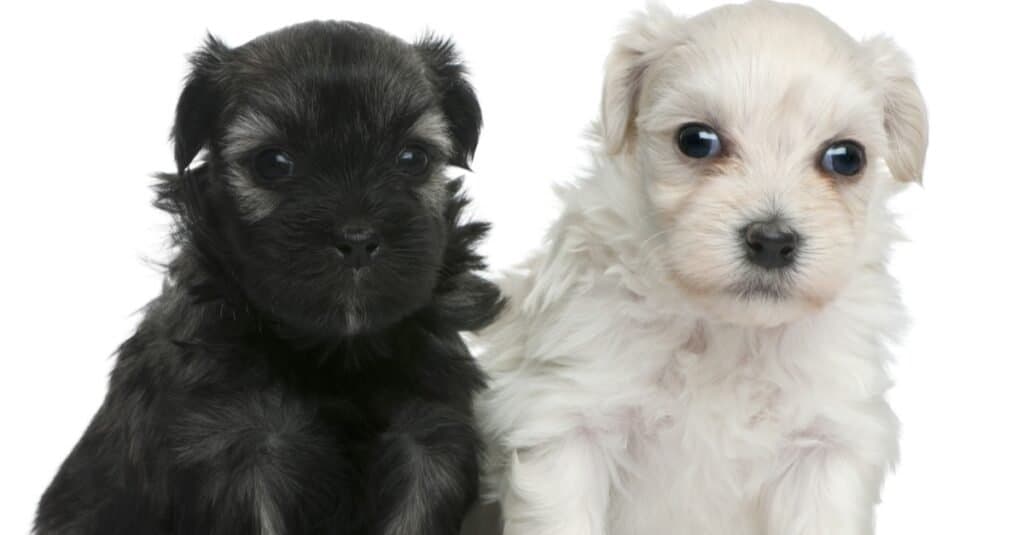
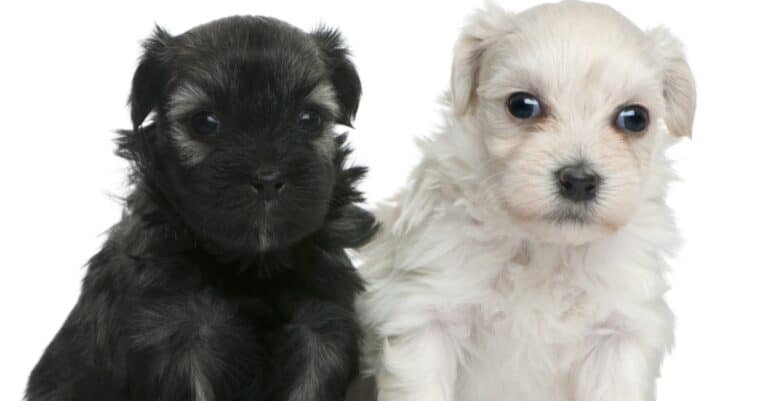
Two cute Lowchen or Petit Chien Lion puppies, 3 weeks old.

Two cute Lowchen or Petit Chien Lion puppies, 3 weeks old.

Lowchen And Children

As long as you make sure to take the proper steps to integrate them, Lowchen makes great companions for children. Loyal and easy-going while also being bright-eyed and curious, these dogs can adapt to the whims of young family members and are quite gentle with people that they know. Just make sure that your child knows how to interact respectfully with animals, and they should get along well. Once properly socialized, members of this breed should have little difficulty interacting with a variety of children.

Dogs Similar to Lowchen

This little lion dog has some unique fur, but it shares a lot of characteristics with other small breeds. And while the exact genetic lineage of this dog is lost, there are three breeds in particular that are likely closely related: the Maltese, Bichon Frise, and Havanese.

  • Bichon Frise: The giant puffed haircut of the Bichon Frise is every bit as distinctive as the mane of the Lowchen. They also tend to be friendlier, although they require a greater amount of regular activity.
  • Maltese: The Maltese was also raised as a spoiled pet of nobles, although their lineage dates back hundreds of years longer. They can be stubborn, but they’re bright and lively dogs with big personalities.
  • Havanese: In addition to similar looks, the Havanese and the Lowchen both share a serious devotion to their families. But Cuba’s native breed is more sociable and less territorial towards strangers.
View all 130 animals that start with L

Sources

  1. Wagwalking / Accessed October 9, 2021
  2. Your Pure Bred Puppy / Accessed October 9, 2021
  3. American Kennel Club / Accessed October 9, 2021
  4. Embark / Accessed October 9, 2021

A-Z Animals Staff

About the Author

A-Z Animals Staff

AZ Animals is a growing team of animals experts, researchers, farmers, conservationists, writers, editors, and -- of course -- pet owners who have come together to help you better understand the animal kingdom and how we interact.
Connect:

Thank you for reading! Have some feedback for us?


Lowchen FAQs (Frequently Asked Questions)

This toy dog breed is exceedingly rare, but they were once the lapdogs of choice for royalty. They’re well-suited to city living.