



J
Species Profile

Jack Russell

Canis lupus familiaris

Small dog, big engine.
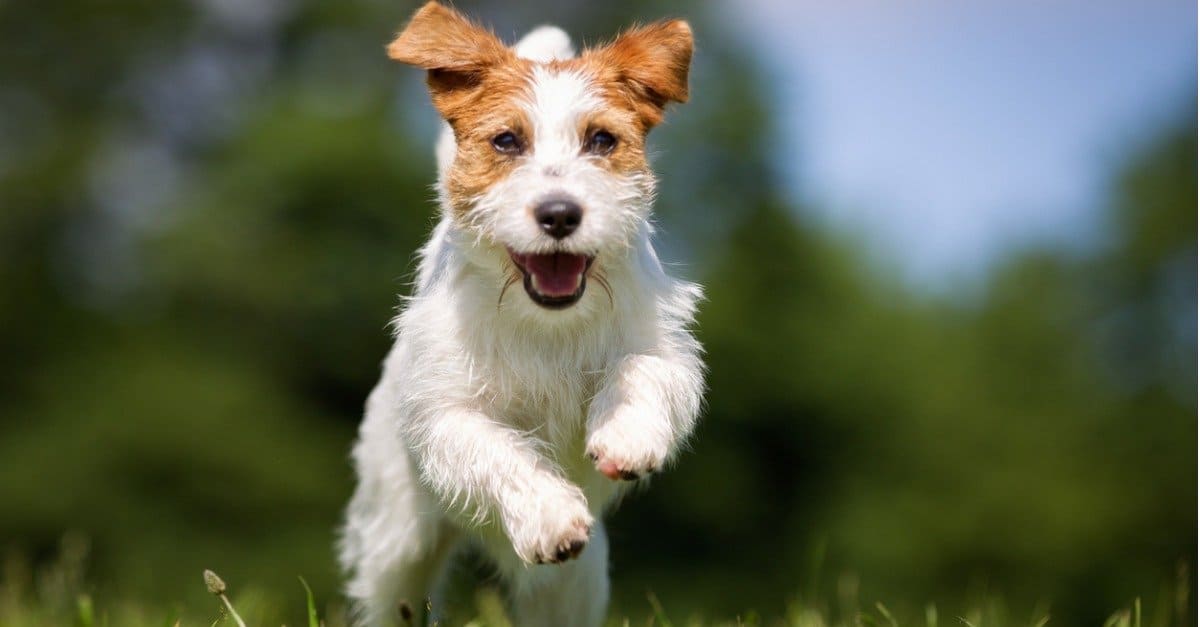
BIGANDT.COM/Shutterstock.com

Jack Russell Distribution

Click a location to explore more animals from that region

Origin Location

This map shows the native origin of the Jack Russell. As a domesticated species, they are now found worldwide.

Loading map...

Found in 1 country

Size Comparison

Human 5'8"
Jack Russell 11 in

Jack Russell stands at 16% of average human height.

Fastest Dogs: Jack Russell Terrier

At a Glance

Domesticated
Also Known As Jack Russell, JRT, Jack
Diet Omnivore
Activity Diurnal+
Lifespan 6 years
Weight 7.5 lbs
Status Not Evaluated
Did You Know?

Named for Rev. John "Jack" Russell, who refined working terriers for fox hunts in 1800s England.

Scientific Classification

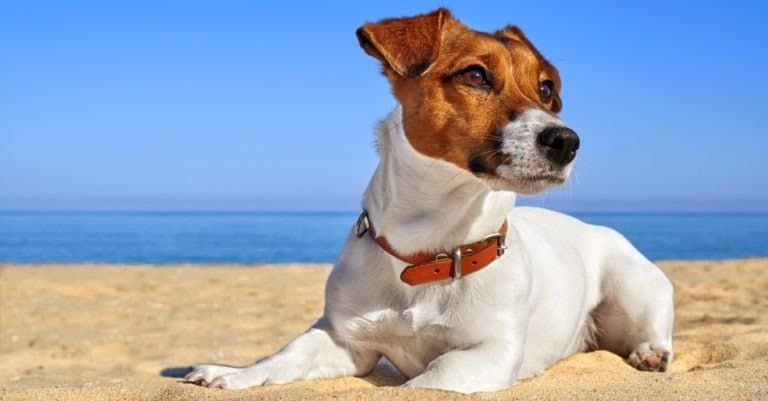
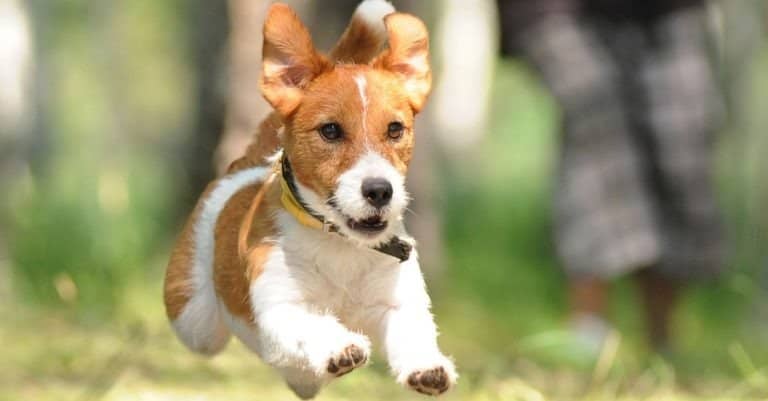
The Jack Russell Terrier is a small, energetic terrier type developed from working fox terriers, widely kept as a companion and sport dog. It is characterized by high drive, agility, and bold terrier temperament.

Kingdom
Animalia
Phylum
Chordata
Class
Mammalia
Order
Carnivora
Family
Canidae
Genus
Canis
Species
Canis lupus

Distinguishing Features

  • Small, compact terrier build with strong athleticism
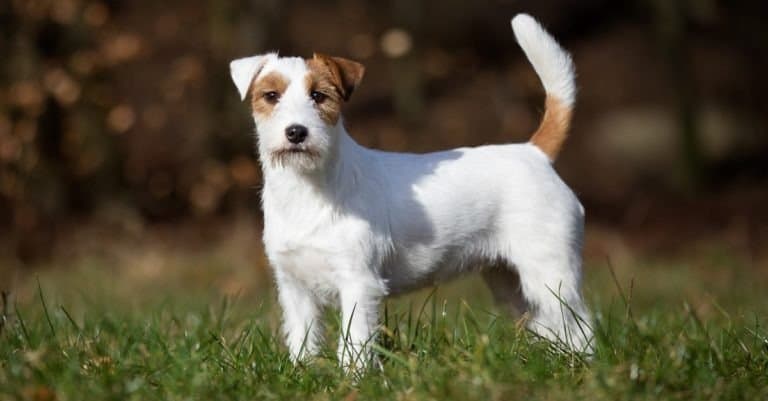
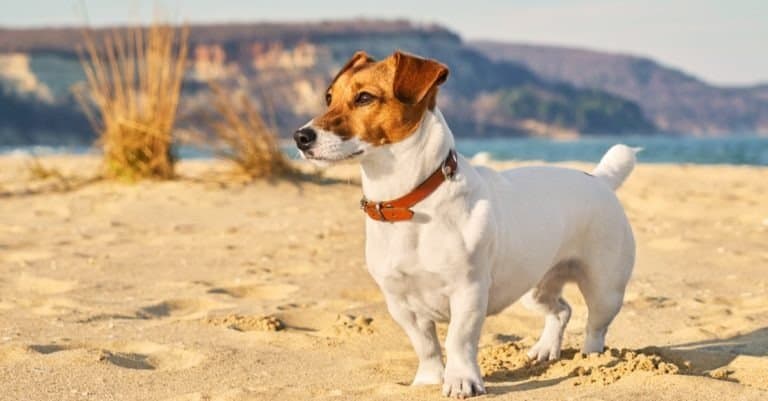
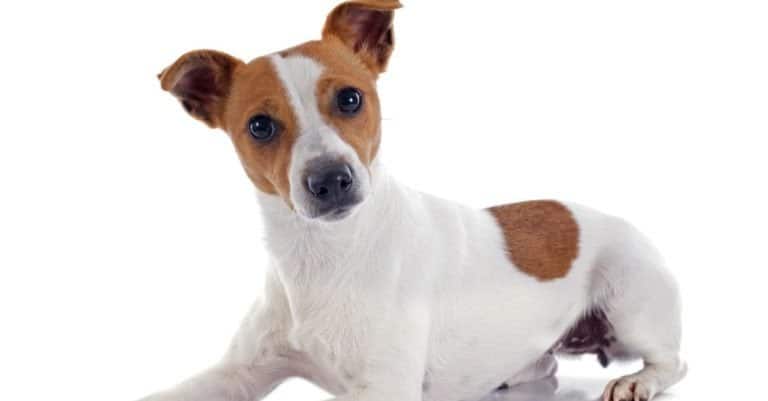
  • Typically predominantly white coat with black and/or tan markings
  • High energy level and strong prey/chase drive typical of terriers
  • Often a keen, alert expression with V-shaped ears (button or drop)

Physical Measurements

Males and females differ in size

Height
11 in (10 in – 12 in)
Length
1 ft 8 in (1 ft 6 in – 1 ft 12 in)
Weight
15 lbs (12 lbs – 18 lbs)
12 lbs (10 lbs – 14 lbs)
Tail Length
5 in (4 in – 6 in)
5 in (4 in – 5 in)
Top Speed
25 mph
fast short bursts

Appearance

Primary Colors
Secondary Colors
Skin Type Jack Russell Terrier (Canis lupus familiaris) skin under a short-to-medium, weather-resistant terrier coat, which can be smooth, broken, or rough. Skin color matches coat marks; usually tough but some lines get irritation or allergies.
Distinctive Features
  • Domestic dog breed (Canis lupus familiaris), not a wild species; a small working terrier from fox terrier stock, bred for compact size, high energy, agility, and bold, confident temperament.
  • Small, athletic, rectangular-to-slightly off-square build; deep chest but not overly broad to allow maneuvering in dens; strong neck and shoulders for digging and pulling.
  • Head/face: alert, keen expression; V-shaped button/drop ears are typical for many Jack Russell types, though ear carriage can vary; strong jaws relative to size.
  • Tail carriage often upright when active; historically associated with working function (grabbable tail), but tail length/docking practices vary by country and are not universal.
  • Temperament/behavioral 'appearance': intense focus, quick reactivity, and high prey drive are hallmark traits that distinguish it from many companion-bred domestic dogs; can appear 'always on' and is typically very agile and fast.
  • Common confusion/overlap: frequently confused with Parson Russell Terrier (often longer-legged/taller) and Russell Terrier (often shorter-legged/compact); naming and size ranges vary by registry/region-avoid assuming a single universal conformation standard.
  • Care requirements (breed-typical): high daily exercise and structured enrichment (running, fetch, scentwork, agility, barn hunt/earthdog-style games); without outlets, may develop nuisance behaviors (digging, barking, destructiveness).
  • Grooming: generally low-to-moderate; smooth coats shed and benefit from brushing, while broken/rough coats may need hand-stripping or periodic trimming to maintain texture; check ears and nails regularly.
  • Training/management: intelligent but independent; benefits from reward-based training, impulse-control work, and secure fencing/leash management due to chase drive.
  • Jack Russell and related Russell terriers have patellar luxation, Legg-Calvé-Perthes, lens luxation/cataracts and other eye problems, deafness (higher in mostly white dogs), and some allergic skin disease; breeding with orthopedic and eye checks is important.

Sexual Dimorphism

Sexual dimorphism is mild compared with many larger breeds; males are often slightly larger/heavier with more muscle, while females are typically a bit smaller/finer-boned. Coat color/pattern is not sex-linked in any consistent way.

  • Slightly greater height/weight on average; broader head and more muscular neck/shoulders in some individuals.
  • May show more pronounced overall musculature and chest depth relative to size.
  • Typically slightly smaller and lighter with a more refined head/neck profile.
  • May appear a bit longer-bodied or finer-boned relative to males from the same lines (variation is individual and line-dependent).

Did You Know?

Named for Rev. John "Jack" Russell, who refined working terriers for fox hunts in 1800s England.

Many kennel clubs distinguish related types: Jack Russell Terrier (often non-FCI), Parson Russell Terrier, and Russell Terrier-standards vary by country.

Their coat can be smooth, broken, or rough; all are weather-shedding working coats.

They're built for "go-to-ground" work: compact bodies and strong jaws for confronting quarry in dens.

High prey drive and quick learning make them standout competitors in agility, flyball, and earthdog trials.

The predominantly white coat historically helped hunters distinguish the dog from foxes during a chase.

A famous on-screen Jack Russell type is "Moose" (and his son Enzo) from the TV show *Frasier*.

Unique Adaptations

  • Working-terrier proportions (relative to the base species *Canis lupus*): compact frame and high power-to-weight for tight spaces and sudden bursts.
  • Functional "go-to-ground" design: narrow chest and flexible body compared with many companion breeds, aiding movement in burrows and dense brush.
  • Predominantly white coloration selected for visibility to handlers in the field (a human-directed adaptation, not a wild-canid trait).
  • Harsh, dense coat variants (smooth/broken/rough) that resist briars, dirt, and light rain during outdoor work.
  • Exceptionally high arousal and persistence-behavioral selection for tenacity, not typical of wolves' more energy-conserving hunting strategy.
  • Keen startle recovery: many quickly re-engage after loud noises or surprises, useful for working environments (varies by individual and training).

Interesting Behaviors

  • Intense chase response to small, fast-moving animals-squirrels, rabbits, and even thrown toys can trigger "hunt mode."
  • Digging with speed and determination; many will excavate gardens or burrow into blankets like a den.
  • High alert "terrier watch": rapid scanning, quick vocalizing, and reacting to novel sounds or movement.
  • Object play with purpose-tugging, shaking, and "dispatching" toys reflects predatory motor patterns.
  • Problem-solving and opportunism: opening doors, raiding countertops, and learning routines quickly.
  • Bounce-and-pivot athletic movement; they often spring vertically or change direction instantly when excited.
  • Strong social boldness; many greet strangers confidently but may posture with other dogs if under-socialized.

Cultural Significance

Made from British working fox terriers, the Jack Russell Terrier (Canis lupus familiaris) is a tough, working dog known for 'big attitude in a small body.' It shows up in TV, film, dog sports, and has a name mix-up (Jack, Parson, Russell).

Myths & Legends

A common origin story says Rev. John Russell found a small white-and-tan terrier called "Trump" (said to be a milkman's dog) and used her to start his ideal fox-hunting line.

Hunting stories say the mostly white Jack Russell Terrier (Canis lupus familiaris) was valued because riders could tell dog from fox in a chase, a belief passed down as field lore.

In British hunting stories, Jack Russell terriers were praised as brave go-to-ground dogs that would wait by a burrow, bark nonstop to hold quarry until diggers came, a famous working-dog tale of courage.

Modern ideas about the Jack Russell Terrier grew from screen history: strong film and TV shows made the type a pop-culture trick dog, helping to spread the 'tiny genius' story about the breed.

Conservation Status

NE Not Evaluated

Has not yet been evaluated against the criteria.

Population Stable

Life Cycle

Birth 5 pups
Lifespan 6 years

Lifespan

In the Wild
3–12 years
In Captivity
12–18 years

Reproduction

Mating System Polygynandry
Social Structure Managed Domestic
Breeding Pattern Transient
Fertilization Managed Selective
Birth Type Internal_fertilization

Jack Russell Terrier (Canis lupus familiaris): Breeding shows polygynandry — no lasting pair bonds; dogs may have multiple mates. In breed programs, humans control mate choice and timing. Mating is brief during heat; females usually 1–2 heats/year, pregnancy about 63 days.

Behavior & Ecology

Social Pack Group: 3
Activity Diurnal, Crepuscular
Diet Omnivore High-protein meat-based foods (e.g., chicken or beef) and meat-scented training rewards

Temperament

High-drive, energetic, and bold; strongly distinguished from the base species (wolf) by intense human-directed attachment/handling tolerance variability and a terrier-selected persistence for vermin/fox work rather than cooperative pack hunting.
Alert, confident, and often vocal; quick to respond to movement and sound (watchdog tendency).
Strong prey drive and chase/grab behaviors; higher risk of pursuing small animals than many companion breeds-requires leash reliability and secure fencing.
Intelligent and fast-learning but can be independent, pattern-seeking, and opportunistic; benefits from reward-based training, consistent boundaries, and impulse-control games.
Social variability (HUBS): many individuals are friendly and playful with dogs, but breed-typical tendencies include selectivity, same-sex friction, and resource guarding if under-socialized or under-exercised.
Care requirements: high daily physical exercise plus mental work (scent games, agility, trick training); boredom often presents as barking, digging, and destructive chewing.
Health concerns affecting behavior/management: patellar luxation and Legg-Calvé-Perthes (avoid high-impact work if symptomatic), primary lens luxation/glaucoma risk (watch for pain/vision changes), atopy/skin allergy itch (irritability), and dental disease risk in small dogs (regular dental care).

Communication

High-frequency alert barking Stranger/noise notification
Excited yaps during play/arousal
Growls Resource guarding, boundary-setting, or rough play escalation
Whines/whimpers for attention, frustration, or anticipation
Howl-like vocalizations occasionally Less common than in some breeds, but present
Intense visual tracking/stalking and sudden pounce/chase signaling prey drive
Play bow, rapid darting, and body-slams; can shift quickly from play to confrontation without good social skills
Scent-marking (urine marking), ground-sniffing, and investigative nose-work; digging as a communicative/goal-directed behavior tied to terrier heritage
Body language: upright/forward posture, stiff tail carriage, direct stare when aroused; lip-licking/head turns/averted gaze for appeasement
Mouthing/"grab-and-shake" play with toys; can generalize to inappropriate targets without training

Habitat

Biomes:
Temperate Forest Temperate Grassland Boreal Forest (Taiga) Tundra Alpine Mediterranean Desert Hot Desert Cold Savanna Wetland Freshwater +5
Terrain:
Plains Hilly Coastal Mountainous Island
Elevation: Up to 18044 ft 8 in

Ecological Role

Human-associated mesopredator/companion: a domesticated canid primarily embedded in human households, but behaviorally capable of intensive small-prey hunting typical of terriers.

Rodent/varmint control around farms and homes Deterrence of small pest animals via scent and presence Support for human recreation/sport (earthdog, agility) and training-based activities Companionship and associated human well-being benefits

Diet Details

Main Prey:
Small rodents Rabbits and other small lagomorphs Small birds and ground-nesting bird eggs Invertebrates
Other Foods:
Cooked grains and starches Vegetables Fruits Fungi and yeast-derived ingredients

Human Interaction

Domestication Status

Domesticated

Domestic dogs (Canis lupus familiaris) are a domesticated form of the gray wolf, shaped by long-term breeding for tameness, cooperation, and work with people. The Jack Russell Terrier was bred in 19th-century England by Rev. John "Jack" Russell to bolt foxes from dens. It is small, fearless, with very high prey drive, stamina, independence, and persistent hunting behaviors.

Danger Level

Low
  • Defensive or fear-based biting if poorly socialized or handled roughly (not uncommon for high-arousal terriers if boundaries are ignored).
  • Redirected nips during high prey arousal (e.g., when interrupted while chasing).
  • Injury risk to children from rough play/jumping due to high intensity and low frustration tolerance in under-stimulated dogs.
  • Escapes/chasing can create indirect hazards (running into traffic, causing falls while on leash).

As a Pet

Suitable as Pet

Legality: Jack Russell Terrier (Canis lupus familiaris) is usually legal as a pet in most places. Owners must follow dog laws (license, shots, leashes) and housing rules. Rarely banned, but any dog can be labeled dangerous for bad behavior.

Care Level: Experienced

Purchase Cost: $800 - $2,500
Lifetime Cost: $15,000 - $35,000

Economic Value

Uses:
Companion animal ownership Working/pest control (rodent control, small-game work) Canine sports and events (agility, flyball, earthdog, obedience, rally) Breeding and showing (where registered/standardized) Training and behavior services
Products:
  • puppy sales/adoptions and rehoming services
  • veterinary and preventive care spending
  • training classes (sport foundations, impulse control, recall)
  • sport entry fees, coaching, and competition travel
  • equipment and supplies (crates, harnesses, enrichment toys, fencing)
  • grooming supplies (coat-type dependent)
  • working services in some settings (barn hunt/rodent control)

Relationships

Ecological Equivalents 8

Animals that fill a similar ecological role in their ecosystem

Gray wolf
Gray wolf Canis lupus Wolves are large, social top predators; by contrast, the Jack Russell Terrier is a small, people-bred earth-dog for vermin, with a strong prey drive, quick bursts of speed, boldness, digging, barking, and high exercise needs.
Parson Russell Terrier
Parson Russell Terrier Canis lupus familiaris Occupies a similar working-terrier niche and shares ancestry; generally longer-legged and taller in outline, with comparable drive and trainability for activities such as agility and earthdog.
Russell Terrier
Russell Terrier Canis lupus familiaris Close relative in the Russell terrier lineage. Occupies a similar vermin-hunting niche and typically has a shorter-legged, more compact build.
Smooth Fox Terrier
Smooth Fox Terrier Canis lupus familiaris Shares the historical fox-terrier function of bolting/working to ground and a high-energy temperament; tends to be slightly larger with a squarer terrier outline.
Wire Fox Terrier
Wire Fox Terrier Canis lupus familiaris Occupies a comparable foxing/ratting niche and exhibits a bold temperament; mainly differentiated by coat type and breed‑standard conformation.
Rat Terrier
Rat Terrier Canis lupus familiaris Occupies a small, fast, high-drive vermin-control niche; exhibits a strong prey drive and serves as an active companion.
Mountain Feist
Mountain Feist Canis lupus familiaris Comparable small-game/varmint pursuit niche, especially squirrels and rabbits; exhibits high athleticism and intense chase behavior.
European polecat
European polecat Mustela putorius Different lineage but occupies a similar functional niche as a small-bodied predator historically used to hunt and bolt small prey (ferreting), conceptually overlapping with earth-dog work.

Quick Take

  • Preventing destructive behaviors is a mandatory achievement requiring an experienced owner.
  • The 3 bones in the knee frequently trigger a painful patellar luxation.
  • Surprisingly, young puppies require the same food quantity as fully grown adults.
  • Establishing a white color was a safety requirement during the 19th-century breeding process.

Jack Russells, also known as Jack Russell Terriers, are highly active, intelligent, and inquisitive dogs. They were bred to assist with fox hunting and are very happy when they are given a job to help their owners. They can make a great family dog for families with older children, but they will need regular exercise and mental stimulation to prevent them from becoming destructive. In most cases, a Jack Russell will do best with an experienced owner who has the necessary time to devote to training and caring for this breed.

A green and white infographic titled 'Jack Russell Terriers' featuring sections on breed history, health issues, and care maintenance with various dog icons and photos.
More than just a family pet, the Jack Russell is a high-octane hunter with a history of life-or-death design choices. Discover why this tiny breed demands a pro-level commitment before you bring one home. © A-Z Animals

Owning a Jack Russell: 3 Pros and Cons

ProsCons
Good family dog: These dogs can be great pets for older children. They are loving and playful.Barks a lot: Jack Russells are very vocal dogs and often bark a lot.
Easy to groom: Jack Russells are easier to groom than many other dog breeds.Can be aggressive: Jack Russells can be very assertive and may be aggressive with other dogs or younger children.
Affectionate: Jack Russells are known for being very affectionate and enjoy cuddling with their owners.High exercise needs: They need regular exercise to keep them from being destructive.
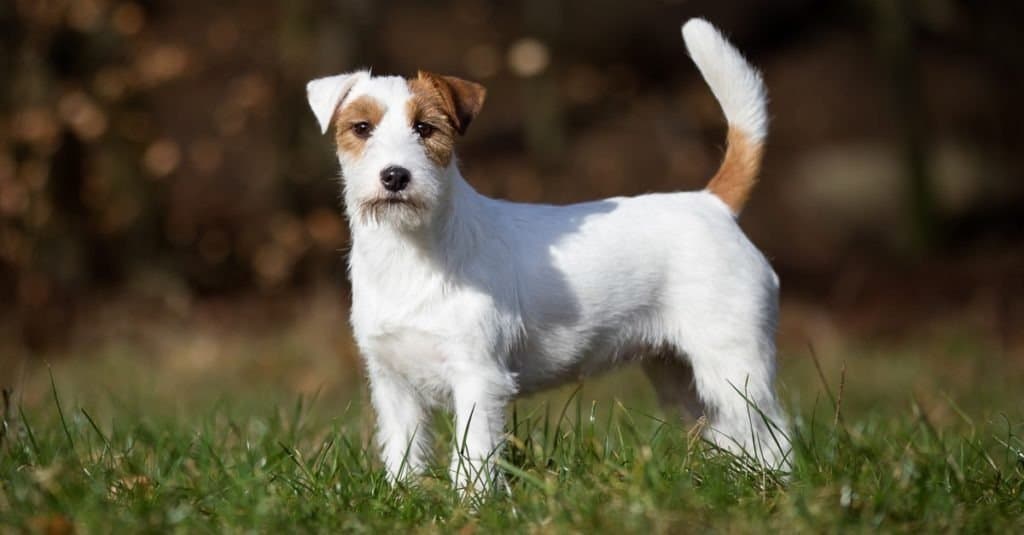
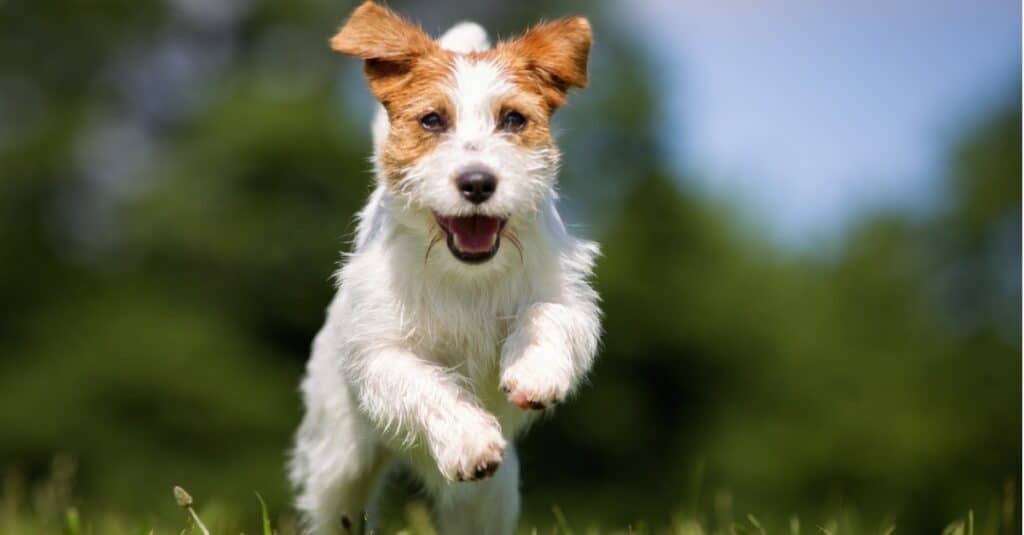
Pedigree Jack Russell Terrier dog outdoors on grass field on a sunny spring day.

Jack Russells were bred for hunting.

Jack Russell Origins

Jack Russells originated in England in the early 19th century. This dog has a broad genetic makeup as a result of being bred strictly for hunting, and they can be traced back to the now-extinct English white terrier.

The breed takes its name from the Reverend John Russell, who was a hunting enthusiast and bred one of the finest strains of terriers in Devonshire, England, in the late 1800s. Jack Russells were characterized by the following traits:

  • White color so they wouldn’t be confused with foxes.
  • Hard and thick fur protects their skin.
  • A brave hunter spirit.

Size and Weight

Jack Russells are a small breed. Both males and females are around the same size and typically weigh between 9 and 15 pounds and are between 10 and 12 inches tall. When puppies are three months old, they typically weigh between 6 and 8 pounds. By the time the puppies are six months old, they’ll weigh between 9 and 11 pounds. The dog will finish growing when it is about 12 months old.

Common Health Issues

Overall, these terriers are a healthy dog breed. However, there are still a few health concerns that are more common in this breed that you’ll want to be on the lookout for.

One potential concern with these dogs is patellar luxation. This problem occurs when the three bones around the knee, the patella (kneecap), femur, and tibia, are not aligned correctly. This can be very painful for a Jack Russell and may require surgery to correct.

Glaucoma is another health concern for them. Glaucoma causes the pressure in the eye to rise, which can cause damage to the optic nerve. Eventually, this can cause a Jack Russell Terrier to become blind.

These dogs also have a higher rate of deafness than some other dog breeds. Deafness is a hereditary issue and cannot be reversed. Some may experience complete deafness, while others may only experience a partial loss of hearing.

Temperament and Behavior

These dogs have an inquisitive personality. They will quickly find new insects in your garden, so be careful that they do not eat one of the newly hatched cicadas! They are also highly intelligent dogs with a high need for exercise. If they don’t receive sufficient exercise and mental stimulation, however, Jack Russells may display destructive behaviors when left alone.

Jack Russell’s traits can also make them a good family dog. They are very playful and can also be very affectionate with the members of their family.
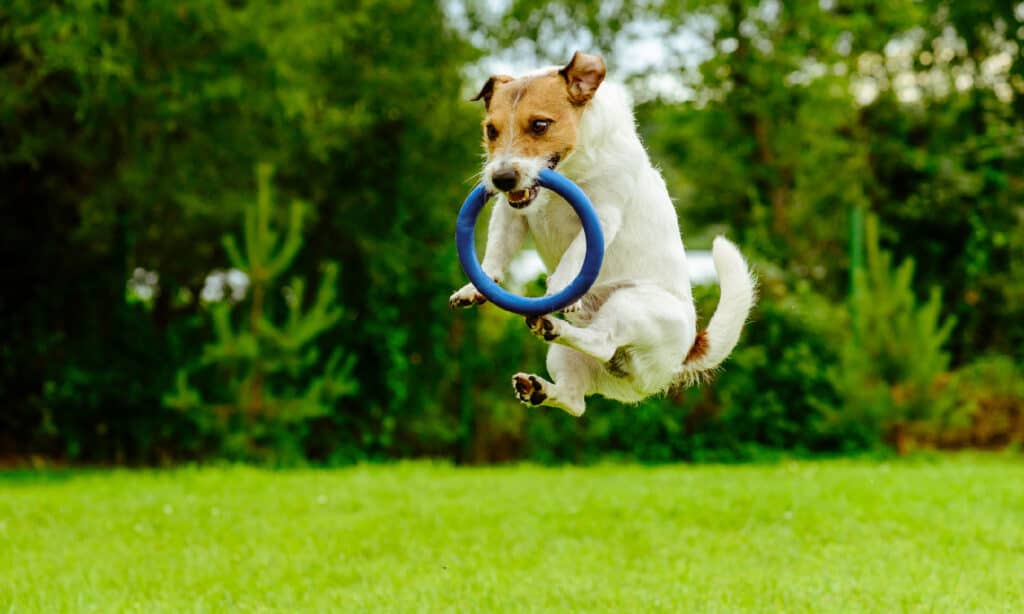
Dog, Jumping, Playing, Playful, Toy

The Jack Russell is an energetic, spirited dog with an insatiable appetite for adventure.

How to Take Care of a Jack Russell

These dogs will require a unique care plan from other dogs. Keep their temperament, potential health concerns, exercise needs, nutritional needs, and more in mind as you prepare to care for your dog.

Feeding

Adult dogs will typically require between 1.25 and 1.75 cups of dog food each day. Always choose high-quality and nutritious dog food for your dog and consult with your veterinarian if you need help choosing the best option. Different factors can contribute to the exact amount of food your dog will need. These include his weight, activity level, age, and health concerns. Again, your dog’s veterinarian is a good source of information if you are unsure how much he should eat. It is typically recommended to split the total daily amount of food for a Jack Russell Terrier into two smaller meals.

Since a puppy has a smaller stomach, it is important to feed them smaller, more frequent meals. Younger puppies will need about three or four meals each day. Once the dog is between five and six months old, two meals a day should be sufficient. Since a puppy needs a higher ratio of protein and calories for each pound than an adult, most will eat the same quantity of food when they are a puppy as when they are fully grown.
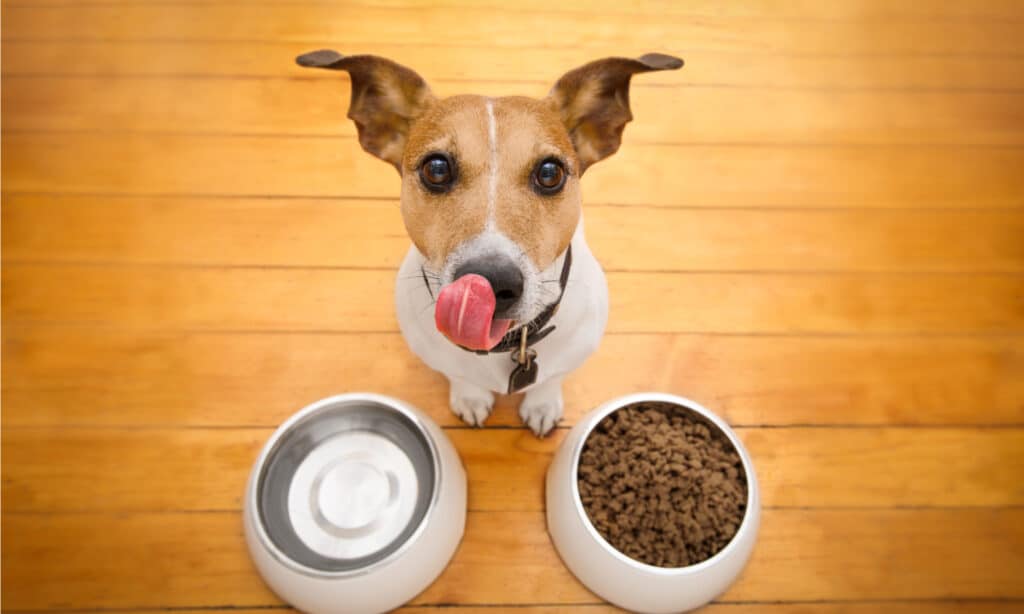
Fromm dog food

Jack Russells need to be fed twice a day, but shouldn’t be free fed as they are prone to overeating.

Maintenance and Grooming

These dogs require less maintenance and grooming than other dog breeds. They may have either a smooth, broken, or rough coat. Jack Russells with a smooth coat will need to be brushed using a soft brush about once a week. Rough and broken coats, while they don’t need extra grooming, should still be brushed about once a week.

Types Of Coats

Coats are divided into three different categories:

  • Smooth Coat
  • Rough Coat
  • Broken Coat

Smooth Coats do not have trace hair on the face, head, legs, or body. A rough coat has excess hair covering its entire body. A broken coat has a combination of both smooth and rough coats.
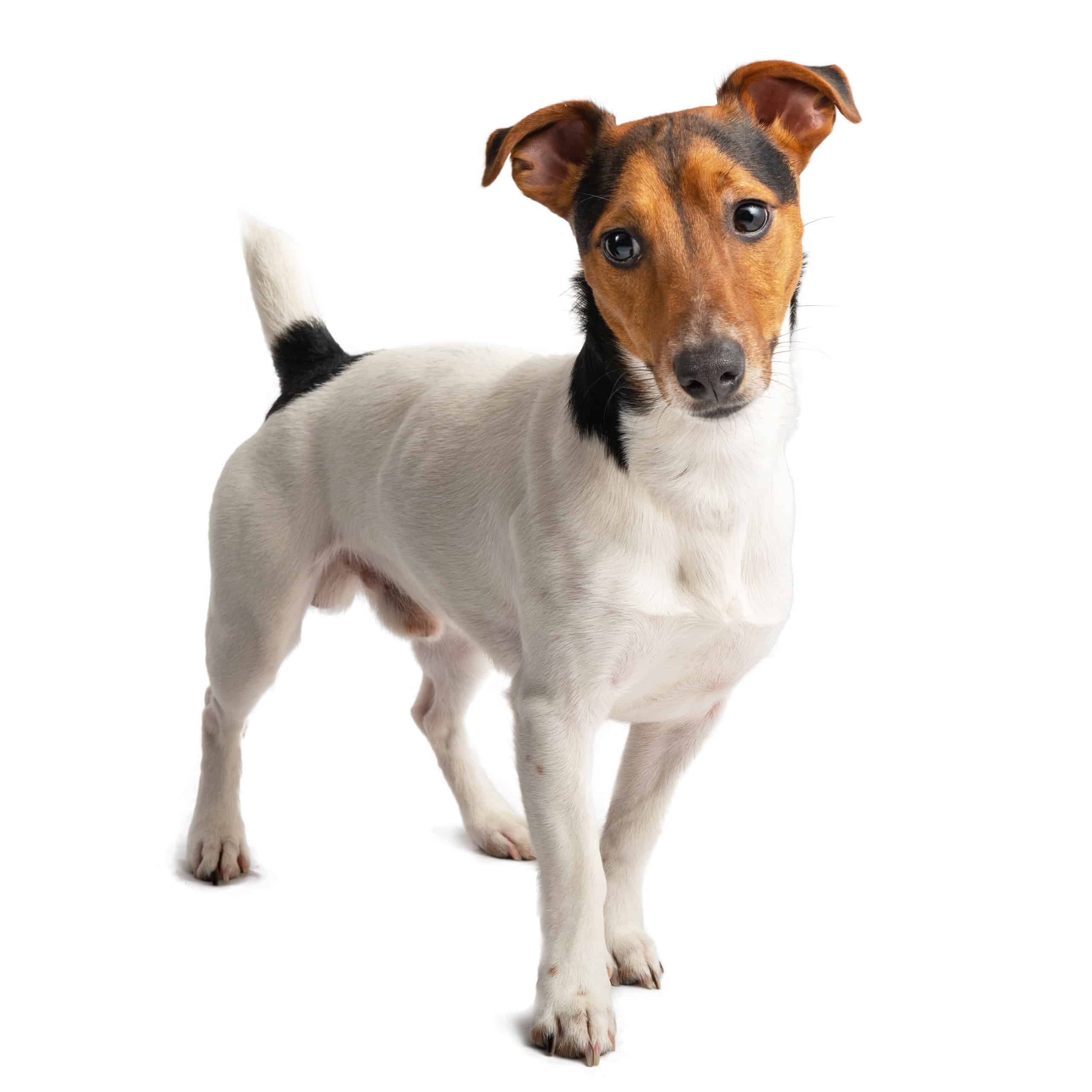
jack russell terrier

The smooth-coated terrier has short hair and a sleek appearance.

In addition to brushing your terrier, it is also important to brush their teeth a few times a week, trim their nails to prevent them from getting too long or painful, and check their ears to remove any excess wax, dirt, or other debris.

Training

Jack Russells are intelligent dogs who are eager to please their owners. These traits can make them easier to train than some other dog breeds. However, because of their intelligence, they can also get bored quite easily, which can make training them a greater challenge. For this reason, be sure to keep the training session exciting and varied. These dogs do best with positive reinforcement and won’t respond as well to punishment-based training methods.

Exercise

These terriers are very active and energetic dogs. They require frequent exercise to keep them both physically and mentally stimulated. Possible ways to exercise these dogs include going for hikes, taking long walks, playing in the backyard, or playing around with older children.

Puppies

When you bring home a puppy, it will be important to start training your puppy right away. This will help it learn expectations as well as the appropriate way to interact in different situations and around other dogs and people.

Before you bring your dog home, you’ll want to make sure that your home is puppy-proof. Move anything that you wouldn’t want to see destroyed by a puppy, or that could be potentially harmful to your new dog. Also, make sure you are prepared with a bed, a collar and leash, food, treats, and other supplies before bringing home a Jack Russell.
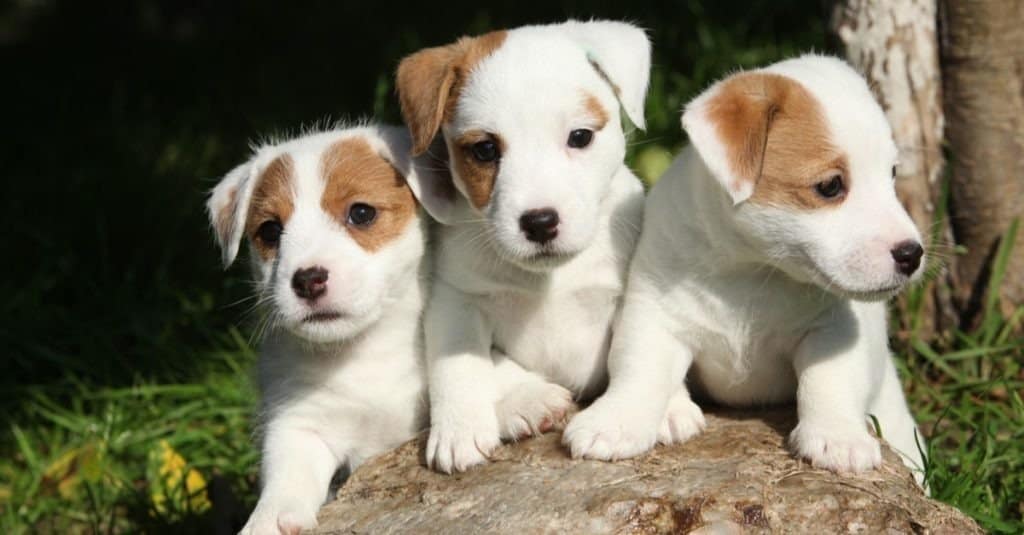
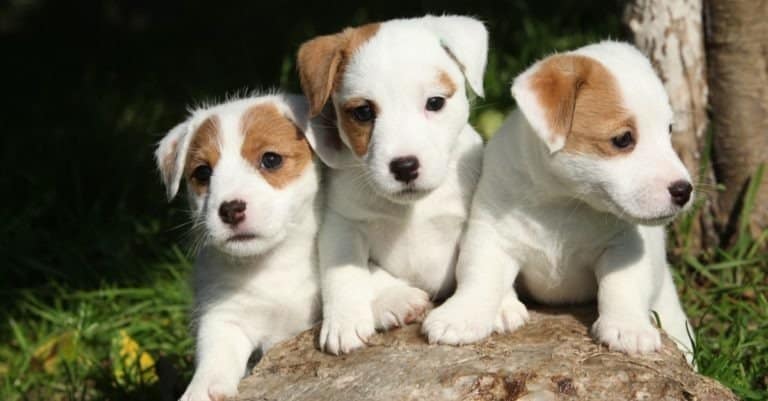
Gorgeous puppies of Jack Russell Terrier in the garden

Start training your puppy early, so that it will learn what is expected of it.

Jack Russells and Children

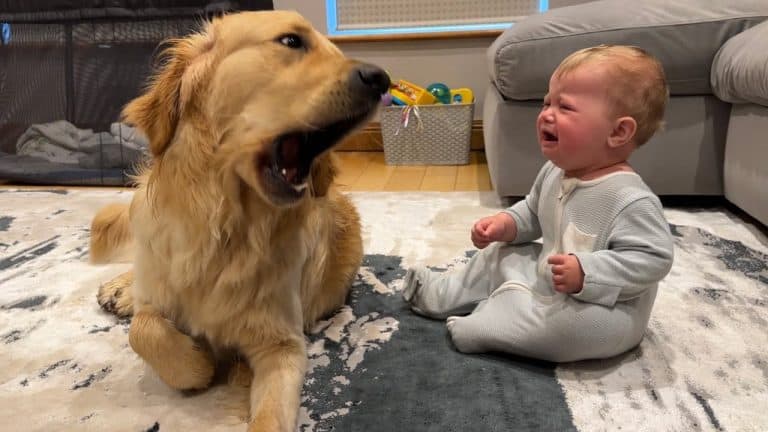
With proper training and care, these terriers can make excellent family dogs. They are very playful, loving, and devoted to the members of their family. However, these dogs can be overly active and might be a bit much for babies or toddlers.

It will be important to make sure these dogs’ needs for exercise and stimulation are met to prevent them from getting overly active. Even though they are good with children, it is always important to supervise children around them and other dog breeds. This is especially true for younger children who may not yet know how to interact appropriately with a dog.

Dogs similar to Jack Russell

Three dog breeds similar to these dogs are Boston Terriers, Basenjis, and Norfolk Terriers.

  • Boston Terriers: Boston Terriers and Jack Russells are both small dogs that are very affectionate and can easily adapt to new situations. One difference between these two breeds lies in their history. While Jack Russells were bred to be hunting dogs, Boston Terriers were bred to be companion dogs.
  • Basenjis: Basenjis and Jack Russells are both high-energy dogs who need a lot of exercise. Basenjis are a bit larger, with an average male weight of 24 pounds compared to the 14.5 pounds that an average Jack Russell weighs.
  • Norfolk Terriers: Norfolk Terriers and Jack Russells can both be very playful. Both breeds are also more vocal than many other dog breeds. Jack Russells have higher intelligence than Norfolk Terriers and are also much more likely to try to chase and catch something they perceive as prey when compared to a Norfolk Terrier.

Famous Jack Russells

These terriers are a very popular breed, so it should come as no surprise that there are quite a few famous Jack Russells:

  • Uggie was a famous dog who was in movies such as ‘Water for Elephants’ in 2011 and ‘The Artist’ in 2011.
  • Bluebell is a Jack Russell Terrier rescued by Camilla, Queen Consort; her other Jack Russell, Beth, passed away in late 2024 and was replaced by a new puppy in early 2025.
  • Moose and Enzo were dogs who portrayed Eddie Crane on the sitcom Frasier.

View all 52 animals that start with J

Sources

  1. American Kennel Club / Accessed January 28, 2021
  2. Dogtime / Accessed January 28, 2021
  3. Wikipedia / Accessed January 28, 2021
  4. Petfinder / Accessed January 28, 2021
  5. Terrier Owner / Accessed January 28, 2021
  6. Hill's Pet / Accessed January 28, 2021
  7. Redhill Dog Trainer / Accessed January 28, 2021
  8. Pet Friendly House / Accessed January 28, 2021
  9. The Real Jack Russell / Accessed February 12, 2023
Melissa Bauernfeind

About the Author

Melissa Bauernfeind

Melissa Bauernfeind was born in NYC and got her degree in Journalism from Boston University. She lived in San Diego for 10 years and is now back in NYC. She loves adventure and traveling the world with her husband but always misses her favorite little man, "P", half Chihuahua/half Jack Russell, all trouble. She got dive-certified so she could dive with the Great White Sharks someday and is hoping to swim with the Orcas as well.
Connect:

Thank you for reading! Have some feedback for us?


Jack Russell FAQs (Frequently Asked Questions)

Jack Russels are intelligent, athletic, and fearless!