
Quick Take
- The bird that inspired Rio is back in Brazil, though the real comeback story looks nothing like the movie. See the extinction status →
- Conservationists actually returned Spix's macaws to the wild, yet the species is still considered to have no viable wild population. How can that be? Explore the reintroduction efforts →
- A disease outbreak in 2025 changed everything for the Spix's macaw's recovery, and the timing could not have been worse. Read about the 2025 outbreak →
- The Spix's macaw nearly vanished not because of one threat, but three. The third of those threats is also the newest danger. Understand the disease threat →
Macaws are some of the brightest and most colorful birds on Earth. With their bold feathers, loud calls, and powerful beaks, these parrots are hard to miss. Many macaw species live in Central and South America, where their vivid colors stand out against tropical forests, dry woodlands, and open savannas.
One of the rarest macaws in the world is the Spix’s macaw, also known as the little blue macaw. This Brazilian parrot became famous after the animated film Rio featured fictional blue macaws inspired by the species. But the real-life story of the Spix’s macaw is much more serious than the movie.
For years, the species survived only in captivity. Conservationists have worked to breed Spix’s macaws and return them to their native habitat in Brazil. However, the species still faces an uncertain future.
So, how many Spix’s macaws are left in the world today?

Is the Spix’s Macaw Extinct?
The Spix’s macaw is not completely extinct, but it is still officially classified as Extinct in the Wild.
That means the species still exists, but there is no confirmed self-sustaining wild population. The last known wild Spix’s macaw disappeared from Brazil in 2000 after decades of habitat destruction, trapping, and illegal wildlife trade. BirdLife International still lists the species as Extinct in the Wild, and Brazil’s ICMBio has stated that the population under human care remains the only viable population at this time.
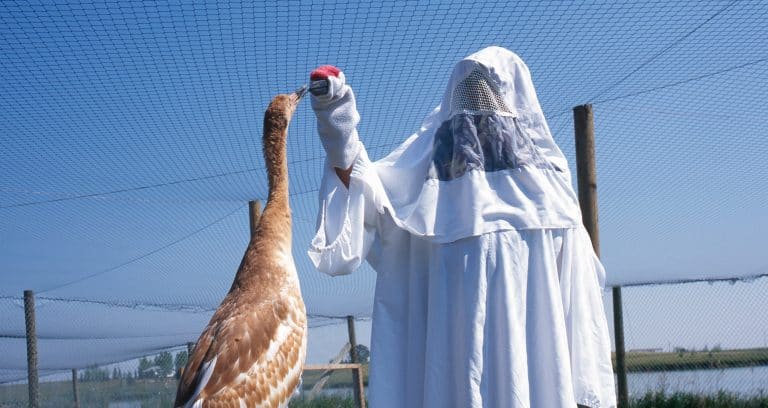
The fact that Spix’s macaws still exist at all is largely thanks to captive breeding programs. These programs kept the species alive when it vanished from its native habitat.
How Many Spix’s Macaws Are Left in 2026?
The exact number changes as birds hatch, die, move between facilities, or are added to conservation programs. However, the best recent public estimate reported about 360 Spix’s macaws in captivity worldwide, with only a very small number involved in reintroduction efforts in Brazil.
As of 2026, it is safest to say that there are only a few hundred Spix’s macaws left in the world, and the species still depends heavily on captive breeding.
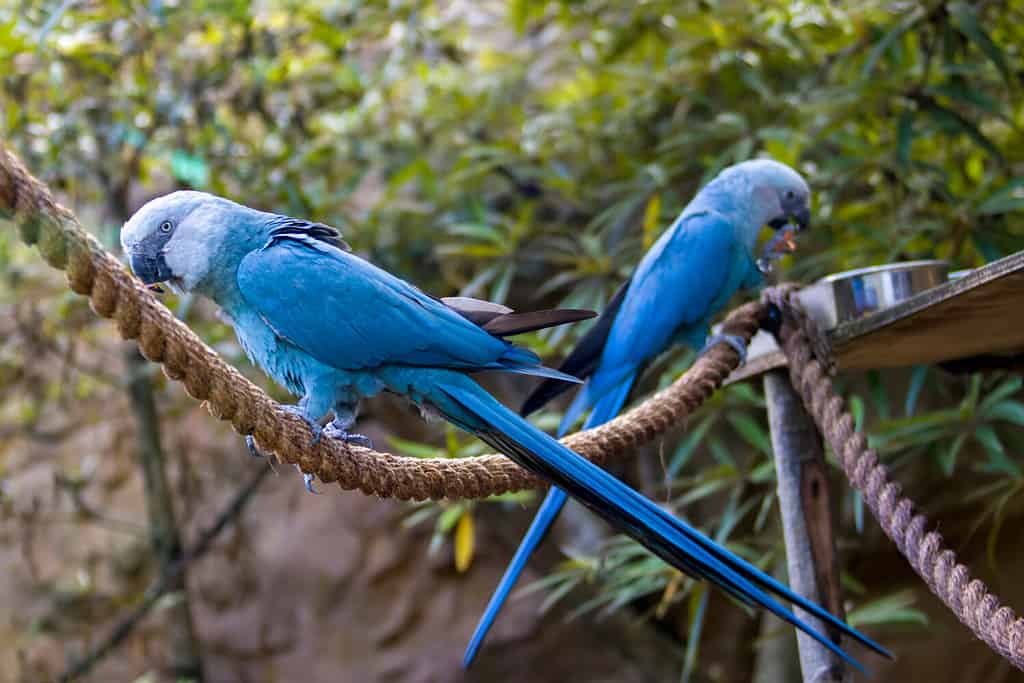
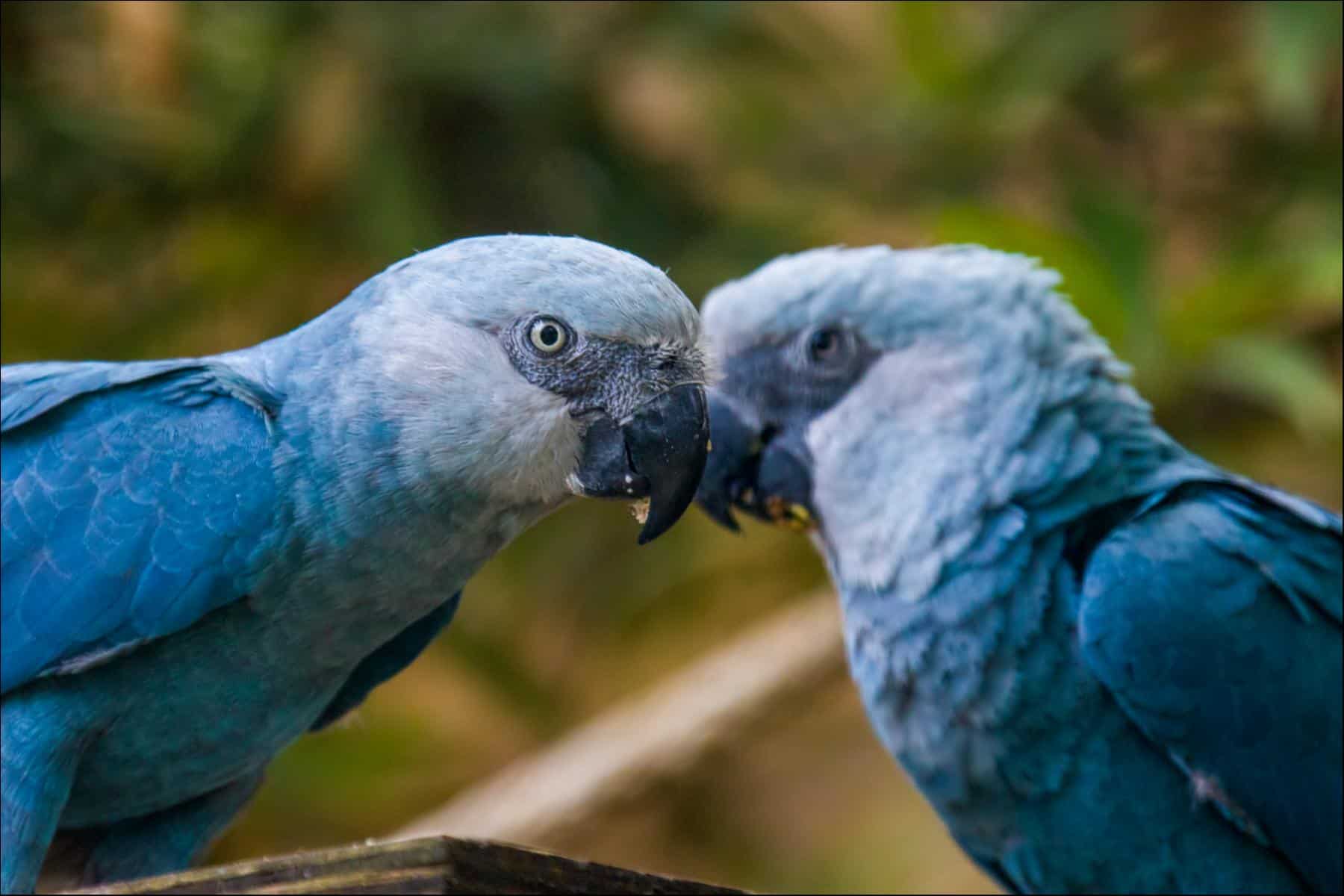
Spix’s macaws
©Danny Ye/Shutterstock.com
The wild reintroduction effort has faced major setbacks. In 2022, Spix’s macaws that had been repatriated from Europe were released in the Curaçá region of Bahia, Brazil. But in late 2025, ICMBio reported that all 11 free-living Spix’s macaws recaptured for testing were positive for circovirus, the virus that causes psittacine beak and feather disease. ICMBio described the disease as incurable and fatal in most cases for affected birds.
Because of this, the species should not be described as having a recovered wild population. Yes, the Spix’s macaws still exist, but only a few hundred are known, and the wild population remains fragile, closely managed, and not self-sustaining.
Why Is the Spix’s Macaw So Rare?
Unlike widespread macaws that live across large parts of South America, this species was tied to a small area of northeastern Brazil, especially gallery woodlands in the Caatinga region near the São Francisco River.
That limited range made the bird especially vulnerable. Once its habitat was damaged and birds were taken from the wild, the population had little room to recover.
The biggest threats to Spix’s macaws include habitat loss, illegal trapping, and disease.
Habitat Loss
Spix’s macaws were native to a very specific habitat in Brazil’s Caatinga, a dry region very different from the lush Amazon rainforest many people imagine when they think of macaws.
The birds were associated with riparian woodland, especially areas with caraibeira trees. These trees provided important nesting and roosting sites. As land was cleared, altered by livestock, and affected by human development, the Spix’s macaw lost much of the habitat it needed to survive.
Today, habitat restoration remains one of the most important parts of any long-term recovery plan. Even if captive breeding produces more birds, those birds still need safe, suitable habitat before a true wild population can return.
Illegal Wildlife Trade
Illegal trapping also played a major role in the Spix’s macaw’s disappearance from the wild.
Because the bird is beautiful, rare, and famous, it became highly valuable in the exotic pet trade. Removing even a few birds from the wild can be devastating for a species with such a tiny population.
Spix’s macaws are protected under CITES Appendix I, which means international commercial trade is generally prohibited except under very limited conservation, scientific, or educational circumstances. Even so, concerns about the movement and ownership of captive birds have continued to surround the species’ recovery efforts.
Disease
A newer and serious threat is disease.
In 2025, Brazilian officials reported circovirus in Spix’s macaws connected to the reintroduction program. Circovirus causes psittacine beak and feather disease, which can lead to feather problems, beak deformities, and death in parrots. ICMBio reported that all 11 free-living Spix’s macaws recaptured for testing were positive.
This outbreak was a major blow to the reintroduction project. It also raised concerns about biosecurity and the possible spread of the virus to other parrots in the region.
What Conservation Efforts Are Helping Spix’s Macaws?
The main conservation strategies for Spix’s macaws are captive breeding, careful genetic management, habitat protection, and eventual reintroduction.
Brazil’s ICMBio has been involved in official conservation planning for the species, including efforts focused on captive management, habitat restoration, and reintroduction in the Caatinga. In 2020, Spix’s macaws were transferred from Europe to Brazil as part of a reintroduction effort, and some were later released in Bahia in 2022.
These efforts brought real hope. For the first time in decades, Spix’s macaws were flying again in their native habitat. But the species’ recovery has not been simple. Climate change, habitat degradation, disease, and disagreements over management have all complicated recovery efforts. AP reported in 2024 that the species’ recovery was being threatened by climate change, especially as its native region overlaps an area of Brazil newly classified as arid.
The 2025 circovirus outbreak made the situation even more urgent. ICMBio stated that the human-managed population is currently the only viable population for the species, which means captive breeding remains essential to the Spix’s macaw’s survival.
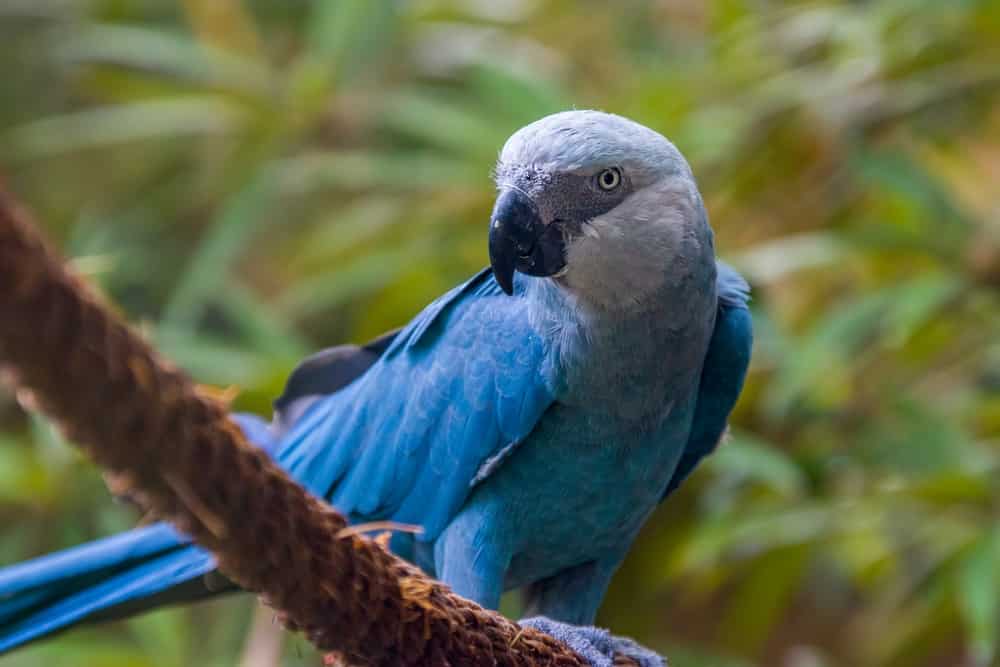
The Spix’s macaw is a macaw native to Brazil. The bird is a medium-size parrot. The IUCN regard the Spix’s macaw as probably extinct in the wild. Its last known stronghold in the wild was in Brazil.
©Danny Ye/Shutterstock.com
Is the Spix’s Macaw the Rarest Parrot in the World?
The Spix’s macaw is often described as one of the rarest parrots in the world. It is certainly one of the most famous rare parrots, thanks to its striking blue feathers, its connection to Rio, and its dramatic return-from-the-brink conservation story.
However, saying it is definitively “the rarest parrot in the world” is tricky because rarity can be measured in different ways. Some parrots may have fewer individuals, while others may have no wild population or only tiny island ranges.
To put it more precisely, the Spix’s macaw is one of the rarest and most endangered parrots in the world, with only a few hundred known individuals and no self-sustaining wild population.
The Bottom Line
The Spix’s macaw is not gone, but it is still in serious trouble.
The species disappeared from the wild after the last known wild bird vanished in 2000. Captive breeding kept it from total extinction, and reintroduction efforts returned some birds to Brazil. But by 2026, the species still depends on human care, and the wild reintroduction effort has suffered a major setback from circovirus.
Today, there are likely only a few hundred Spix’s macaws left in the world. Their survival depends on strict disease control, responsible breeding, habitat restoration, and careful long-term conservation work.
The little blue macaw has already survived what once looked like the end of its story. Now, the challenge is ensuring it can someday survive without humans managing every step.