







M
Species Profile

Mini Labradoodle

Canis lupus familiaris

Big heart, mini doodle energy
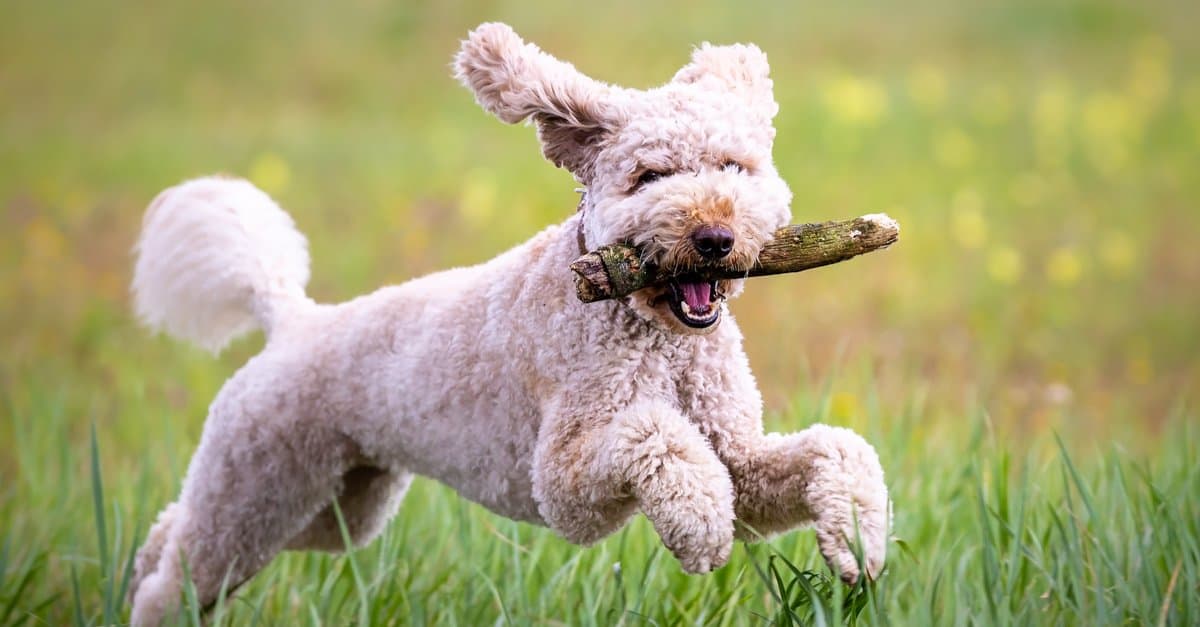
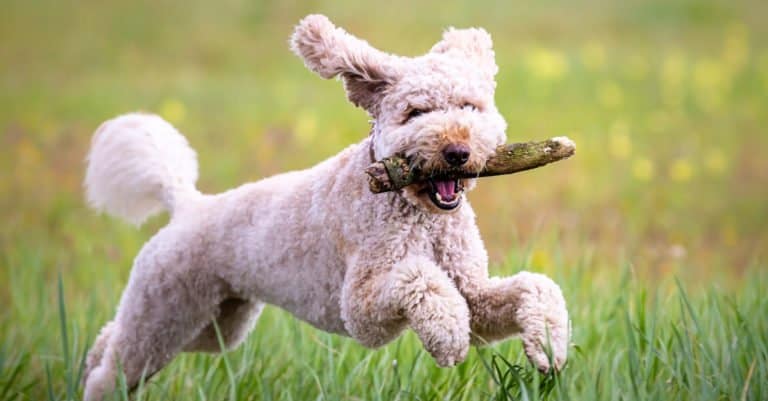
Lynxs Photography/Shutterstock.com

Mini Labradoodle Distribution

Click a location to explore more animals from that region

Origin Location

This map shows the native origin of the Mini Labradoodle. As a domesticated species, they are now found worldwide.

Loading map...

Size Comparison

Human 5'8"
Mini Labradoodle 1 ft 3 in

Mini Labradoodle stands at 22% of average human height.

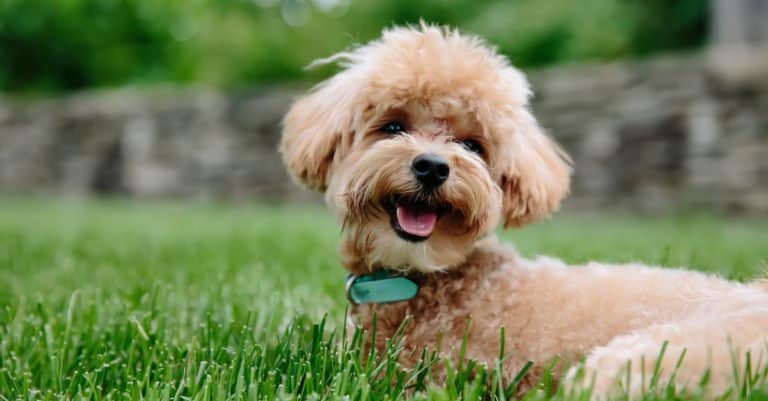
white mini labradoodle

At a Glance

Domesticated
Also Known As Miniature Labradoodle, Mini Doodle, Mini Lab
Diet Omnivore
Activity Diurnal+
Lifespan 13 years
Weight 18 lbs
Status Not Evaluated
Did You Know?

"Mini Labradoodle" isn't a single standardized breed-adult size and coat can vary widely by parent sizes and generations.

Scientific Classification

A small-sized Labradoodle: a domestic dog cross typically produced by breeding a Labrador Retriever with a Miniature (or sometimes small Standard) Poodle to reduce adult size while retaining the Labradoodle ‘doodle’ coat traits to varying degrees.

Kingdom
Animalia
Phylum
Chordata
Class
Mammalia
Order
Carnivora
Family
Canidae
Genus
Canis
Species
Canis lupus

Distinguishing Features

  • Designer cross: Labrador Retriever × Poodle ancestry (often Miniature Poodle for ‘mini’ size)
  • Coat can range from wavy to curly; shedding and allergen load are variable (not guaranteed hypoallergenic)
  • Appearance varies widely due to mixed ancestry (muzzle length, coat texture, and size can differ even within a litter)
  • Typically smaller than a Standard Labradoodle due to the smaller Poodle parent

Physical Measurements

Males and females differ in size

Height
♂ 1 ft 4 in (1 ft 2 in – 1 ft 5 in)
♀ 1 ft 2 in (12 in – 1 ft 4 in)
Length
♂ 2 ft 4 in (2 ft 2 in – 2 ft 7 in)
♀ 2 ft 1 in (1 ft 10 in – 2 ft 6 in)
Weight
♂ 24 lbs (18 lbs – 31 lbs)
♀ 18 lbs (11 lbs – 24 lbs)
Tail Length
♂ 9 in (7 in – 10 in)
♀ 9 in (8 in – 12 in)
Top Speed
22 mph
running

Appearance

Primary Colors
Secondary Colors
Skin Type Typical domestic dog skin with dense, curly-to-wavy coat coverage; many individuals are prone to dry/itchy skin and environmental/food sensitivities, requiring gentle shampoos and regular coat/skin checks.
Distinctive Features
  • Domestic dog (Canis lupus familiaris) hybrid cross, not a wild canid or separate species; typically Labrador Retriever × Miniature Poodle (or small Standard Poodle).
  • Smaller adult size than many Labradoodles; compact, athletic build with a puppy-like outline into adulthood.
  • Coat type is unpredictable: can be wavy "fleece," curly "wool," or straighter Labrador-like; shedding and allergen levels vary-no guarantee of hypoallergenic or non-shedding traits.
  • Moderate-length muzzle, dark oval eyes, and drop ears; "teddy-bear" facial furnishings (beard/eyebrows) common with curlier coats.
  • Often retains Labrador sociability and Poodle trainability; high individual variability in energy level, confidence, and sensitivity.
  • Grooming-intensive when wavy/curly: frequent brushing to prevent matting, plus routine trimming/clipping; neglected coats can felt tightly against skin.
  • Care needs: regular ear cleaning/drying (higher otitis risk with floppy ears and hair in canals), nail trims, and dental care (small dogs commonly develop periodontal disease).
  • Exercise/behavior: needs daily activity and mental enrichment; benefits from reward-based training and early socialization to prevent anxiety or nuisance behaviors.
  • Common health concerns seen in parent breeds and mixes: hip/elbow dysplasia, patellar luxation, progressive retinal atrophy/cataracts, allergies/atopy, and Addison's disease (Poodle lines).
  • Weight management is important; some inherit Labrador-like food motivation, increasing obesity risk without portion control and exercise.

Sexual Dimorphism

Sexual dimorphism is mild. Males are often slightly taller/heavier with a broader head and more robust neck/chest, while females tend to be a bit finer-boned and lighter; overlap is substantial across individuals.

♂
  • Slightly larger overall frame on average
  • Broader skull and heavier neck/chest
  • May carry a more "blocky" Labrador-like head shape
♀
  • Slightly smaller, finer-boned build on average
  • Narrower head and lighter neck/chest
  • May appear more compact and refined in outline

Did You Know?

"Mini Labradoodle" isn't a single standardized breed-adult size and coat can vary widely by parent sizes and generations.

Coat types often range from straight (Lab-like) to wavy or curly (Poodle-like), with shedding from low to moderate depending on coat and grooming.

Many minis inherit "retriever" tendencies (carrying toys, fetching) plus Poodle-like problem-solving and trainability.

Color can include cream, apricot, chocolate, black, red, and parti patterns-driven by both Labrador and Poodle genetics.

Because the cross is not breed-standardized, two littermates can look and behave quite differently.

They're commonly chosen for an active companion dog that fits smaller living spaces better than a standard-sized doodle.

Unique Adaptations

  • Domestication traits of the domestic dog: high social attunement to humans, responsiveness to training, and ability to read human gestures better than most wild canids.
  • Size reduction via Miniature Poodle parentage: a smaller adult body can suit urban homes, but still requires substantial exercise and enrichment.
  • Coat variability with potential "furnishings" (beard/eyebrows) and curl: can reduce loose hair in the home for some individuals, but increases grooming needs and mat risk.
  • Hybrid genetic mix: may reduce risk for some inherited conditions in certain lineages, yet does not guarantee health; careful parent screening remains key.
  • Athletic, efficient gait from two sporting breeds: often strong endurance for their size and enthusiasm for running, swimming, and games.

Interesting Behaviors

  • "Shadowing" their person: strong social attachment and following room-to-room, reflecting domestic dog pack-bonding tendencies.
  • Fetch-and-parade: retrieving objects then prancing around with them (Labrador influence) rather than immediately dropping them.
  • "Poodle paws": using forepaws to bat, hold, or manipulate toys, food puzzles, or doorways (more common in Poodle-type dogs).
  • Bouncy greetings: springy, vertical hops when excited-often seen in smaller, athletic mixes.
  • Nose-first exploration: enthusiastic sniffing and scent-trailing on walks; can fixate on interesting odors unless trained.
  • Vocal communication: can be chatty (whines, grumbles, alert barks) depending on individual temperament and household reinforcement.

Cultural Significance

Mini Labradoodle (Canis lupus familiaris) is a doodle crossbreed made as a family companion, mixing retriever friendliness and a poodle coat. Small, social, trainable for active homes and therapy, but need responsible breeding, clear information, and health tests.

Myths & Legends

A common origin story says the Labradoodle was created in late 1900s assistance dog programs to pair guide-dog temperament with a poodle coat for people with allergies; this tale launched the broader 'doodle' trend.

Anecdotal "teddy bear dog" legend in popular culture: families frequently describe their mini Labradoodles as living plush toys-an affectionate modern trope that helped cement doodles as social-media icons and companion symbols.

Naming lore: "doodle" became a playful suffix adopted widely after Labradoodle popularity-an informal cultural tale of how one cross's nickname sparked a broader trend (Goldendoodle, Bernedoodle, etc.).

From poodle and retriever history: poodles were known for European water work and shows, retrievers for British sport. Mini Labradoodles (Canis lupus familiaris) carry the water-loving, people-friendly working-dog roots in a smaller pet form.

Modern household superstition: many owners jokingly claim doodle coats "carry luck" because they seem to collect burrs, leaves, and socks-an everyday storytelling tradition passed between doodle owners rather than formal folklore.

Conservation Status

NE Not Evaluated

Has not yet been evaluated against the criteria.

Population Stable

Life Cycle

Birth 4 pups
Lifespan 13 years

Lifespan

In the Wild
10–15 years
In Captivity
10–16 years

Reproduction

Mating System Promiscuity
Social Structure Managed Domestic
Breeding Pattern Transient
Fertilization Internal Fertilization
Birth Type Managed_selective

Behavior & Ecology

Social Pack Group: 4
Activity Diurnal, Crepuscular, Cathemeral
Diet Omnivore Cooked lean poultry (e.g., chicken or turkey)

Temperament

Breed-vs-species context: less territorial and predatory than wolves; highly human-bonded, biddable.
HUBS: typically social, playful, and affiliative; variation spans reserved to exuberant depending lines.
Often friendly with strangers and children; may develop over-greeting without impulse-control training.
High trainability from Poodle/Lab influence; thrives on positive reinforcement and mental enrichment.
Moderate-to-high energy; needs daily exercise plus scent games, retrieving, and puzzle feeding.
Sensitive temperament common; harsh handling increases fearfulness, shutdown, or reactivity.
Separation-related distress can occur in companion-focused individuals; build alone-time skills early.
Dog sociability usually good; occasional same-sex tension or resource guarding if under-managed.
Health concerns: hip/elbow dysplasia risk; maintain lean weight, avoid repetitive jumping in puppies.
Health concerns: patellar luxation and ACL/CCL injury possible; condition gradually, prevent obesity.
Health concerns: allergies/atopy and ear infections; routine ear drying, vet-guided allergy management.
Health concerns: eye issues (e.g., PRA/cataracts) possible; favor screened breeding stock, regular exams.
Care: coat varies wavy/curly; frequent brushing and scheduled grooming to prevent matting.
Care: high social needs; regular training, play, and calm handling to prevent nuisance behaviors.

Communication

bark Alert and attention-seeking
whine Appeasement, anticipation, or discomfort
growl Warning during stress or guarding
howl Occasional, often triggered by sirens
play vocalizations Short yips/grunts during play
tail carriage and wag patterns Arousal, friendliness, uncertainty
play bow and bouncy approach Invitation to play
facial expressions/soft eyes vs hard stare Affiliation vs challenge
body lean, pawing, and nudging Contact-seeking, attention
licking and muzzle nuzzling Appeasement and bonding
scent marking and sniffing routines Information gathering, mild territorial signaling
ear and head position changes Confidence, fear, curiosity
jumping up and mouthing Common when overstimulated; shaped with training

Habitat

Biomes:
Temperate Forest Boreal Forest (Taiga) Tundra Alpine Temperate Grassland Savanna Mediterranean Desert Hot Desert Cold Freshwater Wetland Marine +6
Terrain:
Plains Valley Hilly Mountainous Coastal Island
Elevation: Up to 16404 ft 3 in

Ecological Role

Domestic companion animal (breed-level: designer crossbred dog) rather than a wild predator; ecological impacts are mostly mediated by humans (housing, feeding, veterinary care). If roaming, may act as a small opportunistic predator/scavenger on local wildlife.

Companionship and social support Therapy/assistance work potential (trainability from Labrador/Poodle lineage) Human-mediated pest alerting/deterrence (barking/territorial signaling) Promotes human outdoor activity (walking) and related well-being

Diet Details

Main Prey:
Small mammals Small birds and eggs Fish Insects and other invertebrates
Other Foods:
Fruits Vegetables Grains and starches Grasses and plant matter

Human Interaction

Domestication Status

Domesticated

Canis lupus familiaris is domesticated from gray wolves over thousands of years to live and work with people. The Mini Labradoodle (Labrador Retriever × Miniature Poodle) is a modern cross, not a standard pure breed; traits vary by generation (F1, F1B, multigen) and breeder. People keep them as pets; training, grooming, vet care, therapy, public access, and rules apply.

Danger Level

Low
  • Bites/scratches (most commonly from fear, pain, poor socialization, rough handling, or resource guarding)
  • Knock-down risk for small children/elderly from jumping or exuberant play (typically lower than large dogs but still possible)
  • Allergic reactions in sensitive people (coat may be lower-shedding but not truly hypoallergenic; dander/saliva still present)
  • Zoonotic risks typical of domestic dogs if unvaccinated or poorly cared for (e.g., parasites, rare rabies exposure depending on region)

As a Pet

Suitable as Pet

Legality: Generally legal as a pet in the U.S. and most jurisdictions (treated as a domestic dog). Subject to local dog licensing, vaccination/leash requirements, and any area-wide dog restrictions (rarely breed-specific for doodles).

Care Level: Moderate

Purchase Cost: $800 - $3,500
Lifetime Cost: $20,000 - $60,000

Economic Value

Uses:
Companion animal market Breeding and sales (designer cross market) Veterinary services (preventive and chronic care) Grooming industry (high grooming frequency) Training services (puppy, manners, behavior) Pet insurance and wellness plans Pet travel/boarding/daycare
Products:
  • Companionship and family pet value
  • Therapy/comfort dog roles (screened individuals)
  • Participation in dog sports (agility, rally, obedience)
  • Commercial demand for low-shedding/curly-coat companion dogs (variable by individual)

Relationships

Quick Take

  • Achieving a weight profile under 20 pounds is the strict requirement for the Mini Labradoodle lifestyle.
  • The 30-day grooming cycle creates a persistent technical constraint for maintaining thick ringlet coats.
  • Most Multi-generation specimens defy common logic by bypassing direct parent breed genetic crosses.
  • The pedigree scouting process must be completed before selecting any Miniature Poodle-derived hybrid.

When you cross a Labrador retriever with a standard poodle, you get the Labradoodle. But when breeders cross a labradoodle with a miniature poodle, the result is the ever-charming mini labradoodle. These adorable little dogs have friendly faces, floppy hair, and great personalities. When you need all the love of a Doodle dog in a small package, the mini Labradoodle is the way to go.

Mini Labradoodles are popular designer dogs that can be found across the world. Whether you pay full price or get yours from a rescue, your mini labradoodle will quickly become the center of your lifestyle.

An infographic providing a complete guide to Mini Labradoodles, including facts about their evolution, size, temperament, and care requirements using icons and charts.
Beyond the teddy-bear looks lies a strict 20-pound breeding requirement and a relentless 30-day maintenance cycle. Owning this 'perfect' hybrid means managing high-stakes grooming and heavy separation anxiety. © A-Z Animals

Evolution

A mini Labradoodle is one of many ‘designer dogs’ that began appearing after the Labradoodle was first intentionally bred in the late 1980s, when breeders began mixing poodles — known for their intelligence and non-shedding coats — with other popular dog breeds. The results are “doodles” — dogs with qualities of both parents — including non-shedding, hypoallergenic coats. Mini labradoodles were developed in the 1990s after the Labradoodle became so popular.

What is a Mini Labradoodle?
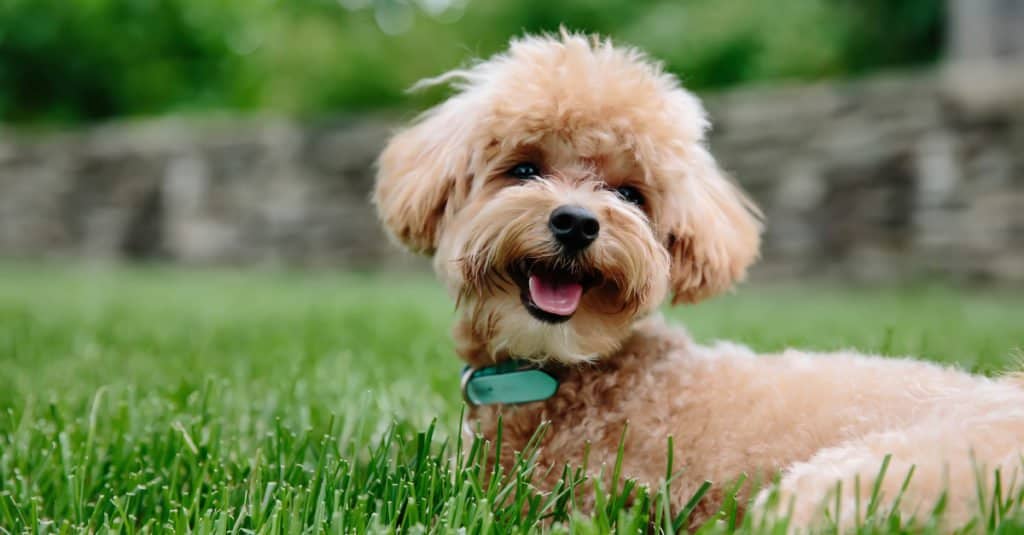
tan mini labradoodle puppy

Like most Doodle dogs, mini labradoodles are hypoallergenic. Expect only mild amounts of shedding and next to no dander.

The mini Labradoodle is a smaller version of the Labradoodle. The difference is that the Labradoodle is mixed with a standard-sized poodle and not a mini one.

A mini labradoodle is a cross between a Labrador retriever and a mini poodle. Most mini labradoodles are bred from two labradoodle parents, rather than directly from the parent breeds — resulting in a classic doodle appearance.

If you’re looking for the signature fluffiness of the mini labradoodle, then it may be best to look for a multi-generation mini labradoodle because they may have more distinctive features, such as their ringlet coat, which is soft and more ruglike.

Although the features of the mini labradoodle may vary, the options for colors are endless. They can come in two or three colors, which are called “parti” or patched. Additionally, they can be “phantom” tones, which means two shades.

With that said, let’s move on to some pros and cons of owning a mini labradoodle:

3 Pros and Cons of Owning a Mini Labradoodle

ProsCons
Perfect size pup: They seldom weigh more than 20 pounds, making them the perfect choice for an on-the-go lifestyle. These dogs can fit on your lap, but they’re also just big enough to watch themselves for a few hours.Separation anxiety: Like other Doodle dogs, mini labradoodles suffer heavily from separation anxiety. Luckily, your dog will be small enough to accompany you on errands or to the office.
Hard to find: Although labradoodles are quite common, mini labradoodles are less common because they must be bred from a miniature poodle. Only purchase dogs from breeders that can provide full documentation of the parents’ pedigree and genetics.Extra grooming: They have thick coats of adorable ringlets. To stay looking good, they need to be brushed multiple times a week and taken to the groomer at least once a month.
Playful and active: Owners know that their pups are some of the cutest on the market. Expect your dog to run around, play with toys, and get involved with every family activity.Hard to find: Although labradoodles are quite common, mini labradoodles are less common because they must be bred from a miniature poodle. Only purchase dogs from breeders that can provide full documentation of the parent’s pedigree and genetics.
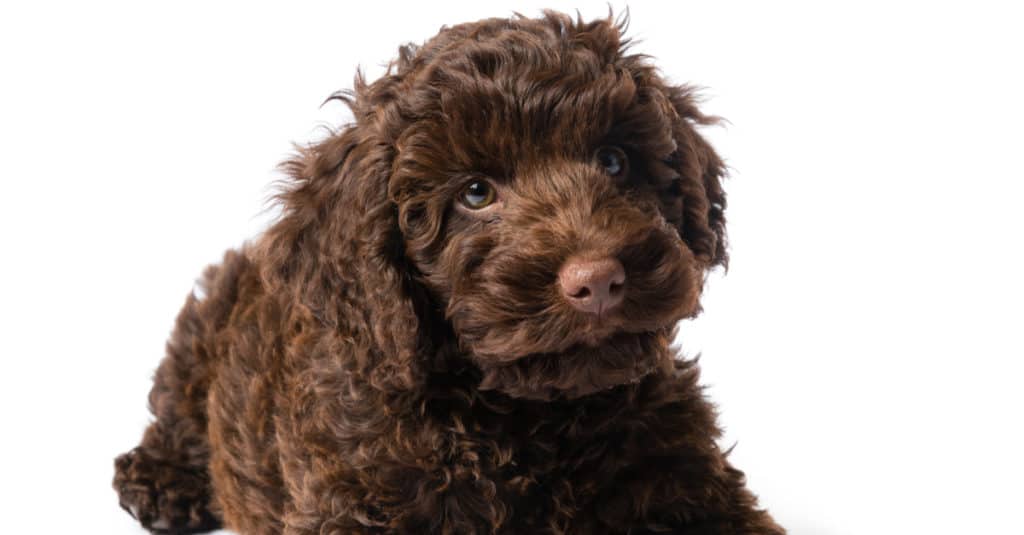
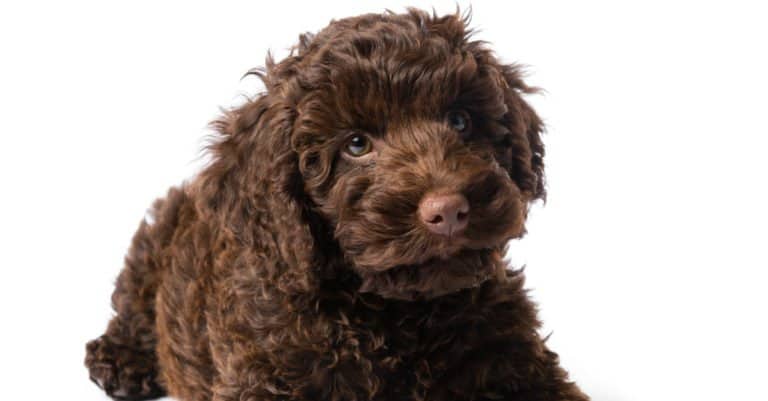
brown mini labradoodle

Mini labradoodles are small dogs that usually weigh between 15 and 25 pounds.

Size and Weight

Mini labradoodles are small dogs with floppy ears and curly coats of hair. Much smaller than the average labradoodle, a mini labradoodle will usually only weigh between 15 and 25 pounds. Both male and female mini labradoodles are around the same height; expect them to stand at around 13 to 15 inches tall at the shoulder.

Common Health Issues

Mini labradoodles are fairly healthy dogs that do not have their own unique health problems. However, like all designer dogs, they may occasionally develop the health problems associated with either of their parent breeds. Potential issues include joint dysplasia, eye problems, epilepsy, and von Willebrand’s disease. When you buy a mini labradoodle puppy, make sure to take them to the vet immediately for a checkup.

Mini labradoodles are fairly healthy but may develop the health problems of their parent breeds.

Temperament

Mini labradoodles have sweet and gregarious personalities. These dogs are known for being active, intelligent, playful, and friendly. Expect your mini labradoodle to be constantly involved in family activities; whether they’re running around underneath the dinner table or playing with the children, these pups always seem to be on the move. Many of the traits that are valued in Labrador retrievers are present in mini labradoodles, including a calm attitude and a strong attachment to their family.

These dogs have a higher social tolerance than other Doodle dogs, but they still get tired fairly easily. When you’re introducing your labradoodle to new people and situations, keep an eye on your dog’s mood. Once they start to get tired, end the interaction before your pup starts to snap or growl. By paying attention to your dog’s emotional needs, you can cut down on negative behaviors and help your pet have plenty of positive social interactions.

How to Take Care of a Mini Labradoodle

One of the reasons that mini labradoodles are so beloved is that they’re incredibly easy to take care of. Aside from extra trips to the vet and the groomer, you should have no problem adding one of these pups to your lifestyle.

The Best Dog Food

These dogs don’t have room for a lot of calories, so make sure that every bite of food counts. Choose a high-quality kibble intended for small dogs, and check the ingredients to ensure that it’s full of healthy proteins and fats. Consult with your vet to make sure you’re feeding portions appropriate to your dog’s size.

Maintenance and Grooming

All labradoodles need to be brushed at least twice a week to keep their coats from matting. You should also expect to take your pup in for grooming at least once a month; if you don’t, their coat may become overgrown and difficult to take care of. Remember to trim your dog’s nails, clean their ears, and brush their teeth to prevent cavities.
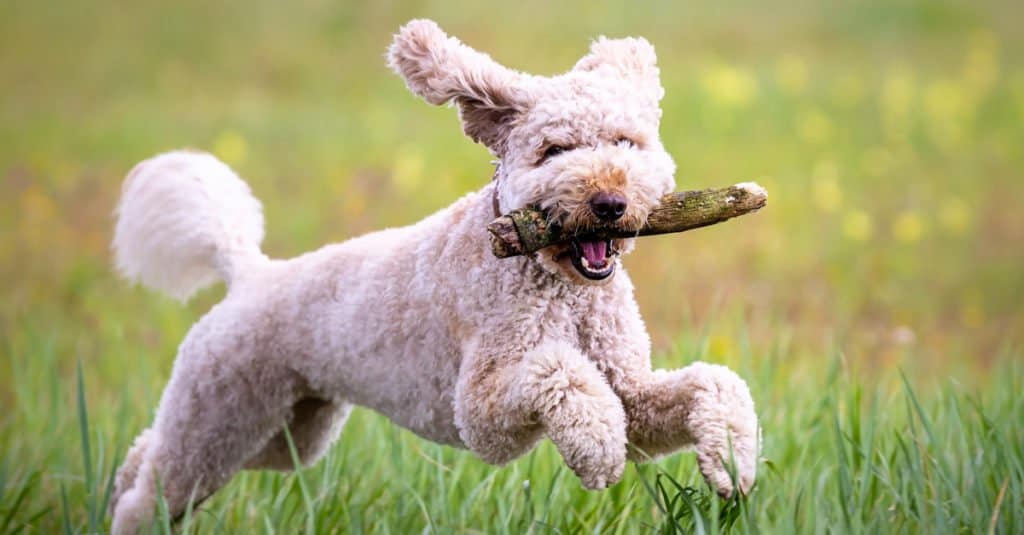
white mini labradoodle

Mini labradoodles are playful and easy to train.

Training

Mini labradoodles are playful dogs that are easy to train, especially if you’re only interested in basic commands. Full-grown dogs will have an attention span based on how they were treated as puppies. Because of this, you should start training early and work with your dog regularly throughout its lifetime.

Exercise

These are active dogs, but they’re also fairly small. Take your dog for at least one 40-minute walk every day. You should also give your mini labradoodle space to run around; if you don’t have a yard, consider clearing out space in your front room.

Puppies

Mini labradoodle puppies are incredibly small and rather delicate. Although your pup will want to play, you should make sure to supervise all activities to keep them from getting hurt. Take your dog to a safe, grassy area to let them get all of their energy out. As they get older, you’ll be able to give them a free run of your house with next to no problems.

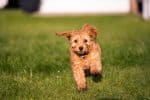
mini labradoodle puppy

Mini Labradoodle puppies are small, friendly, and playful — yet delicate — and require supervision around children until they get older.

Children and Mini Labradoodles

Out of all of the Doodle dog breeds, the mini labradoodle is one of the best choices for families with children. These pups are small, friendly, and playful, so they’ll love to spend time with any kids who are old enough to throw a ball.

With that said, it’s never a good idea to leave a dog alone with unsupervised children. Kids like to pull on the floppy ears that Doodle dogs are known for, and testing your pup’s patience is never a good idea. If you notice that your dog is getting tired, try to rescue them from the situation before it goes south.

Dogs Similar to Mini Labradoodles

If the mini labradoodle isn’t quite your style, you might fall in love with one of the other Doodle breeds. Doodles with similar personality traits include the standard Labradoodle, the Goldendoodle, and the Havapoo.
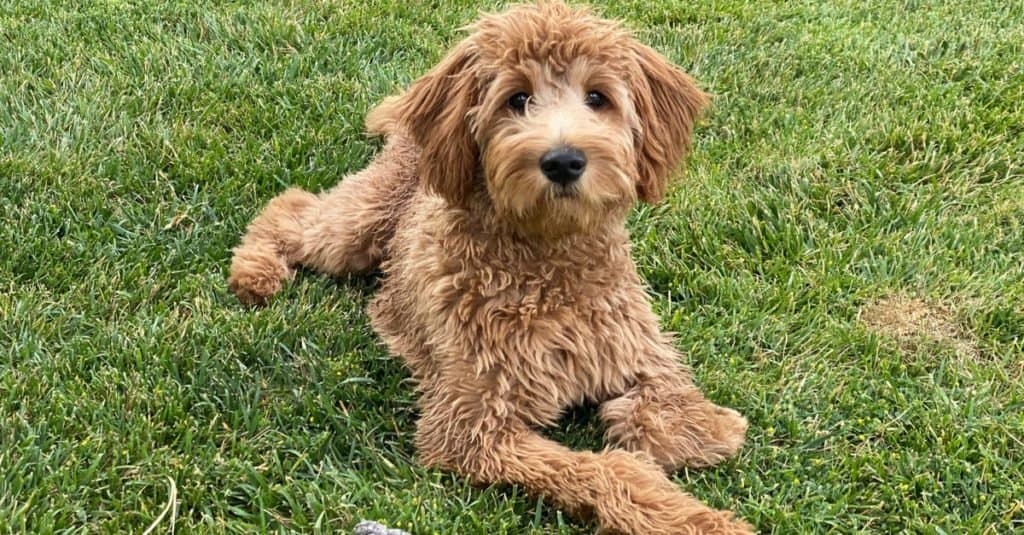
Goldendoodle lying on grass

Goldendoodles are great dogs for active families.

  • Labradoodle: Standard labradoodles are twice the size of minis and have even more love to offer. Get one of these dogs for a friendly family companion that will be around for years.
  • Goldendoodle: Crossed with a golden retriever, goldendoodles are a unique and adorable Doodle breed. These dogs have sweet but shy personalities and are good choices for active families.
  • Havapoo: Havapoos are one of the smallest and most popular types of Doodle dogs. If you need a toy Doodle that’s even smaller than a mini labradoodle, the havapoo is an excellent choice.
View all 329 animals that start with M

Sources

  1. Animalso / Accessed March 12, 2021
  2. Crockett Doodles / Accessed March 12, 2021
  3. Dogtime / Accessed March 12, 2021
  4. All Things Dogs / Accessed March 12, 2021
  5. Doodle Doods / Accessed March 12, 2021
  6. Embrace Pet Insurance / Accessed March 12, 2021
Ashley Haugen

About the Author

Ashley Haugen

Ashley Haugen is the editor of A-Z Animals. She's a lifelong animal lover with an affinity for dogs, cows and chickens. When she's not immersed in A-Z-Animals.com (her favorite editorial job of her 25-year career), she can be found on the hiking trails of Middle Tennessee or hanging out with her family, both human and furry.
Connect:

Thank you for reading! Have some feedback for us?


Mini Labradoodle FAQs (Frequently Asked Questions)

A mini labradoodle is a designer dog breed created by crossing a standard labrador retriever with a miniature poodle. Although labradoodles can come in many sizes, mini labradoodles are popular because of their small size and sweet demeanor. A full-grown mini labradoodle generally weighs no more than 20 pounds.