
Quick Take
- One monkey species is actually used as a service animal, which might make it the only case where keeping a monkey as a pet is justifiable. Capuchin service animals →
- Up to 90% of one popular pet monkey species carries a virus transmissible to humans, yet people still keep them. Herpes B virus risk →
- The total cost of owning a monkey can disqualify most people before they even set up a habitat, and that is only the beginning. See the full costs →
- Some monkey species are perfectly legal to own in your state but still illegal to possess under international law. Check the legal landscape →
Monkeys are intelligent, interesting, and often adorable, so it’s no wonder people want a monkey as a pet. Experts believe there are at least 15,000 primates in the U.S. alone. We’ve seen real and fictional people keep them as pets, like Michael Jackson or Ross from the TV show Friends. Their antics are often hilarious, but that does not mean these wild animals should be kept as pets. In fact, the majority of people cannot own a monkey for numerous reasons, including legality and the amount of space and care a monkey requires. Today, we’ll look at the most popular types of monkeys that people keep as pets.
A Word of Caution
Monkeys are not good pets for people to own. We have to consider what makes an animal a good pet. Generally, humans prefer companionship, obedience, and low maintenance as key qualities in their pets. That is why people love turtles, cats, dogs, fish, and other such animals. Monkeys are curious and intelligent animals that need a lot of attention and support. Monkeys are wild animals and are difficult to tame. They are meant to remain in the wild. A pet monkey could attack its owner, and some species are remarkably more dangerous than others, like chimpanzees.
Monkeys are curious animals that have many unique needs, so they are difficult pets to own.
©Gabi Siebenhuehner/Shutterstock.com
Monkey owners need to provide them with a lot of space and a unique diet that varies from species to species. Monkeys are not housebroken, and it’s not enough for them to simply use your backyard like a dog for their bathroom habits. That means they often need diapers.
Interestingly, a monkey’s need for diapers draws a helpful parallel that illustrates what kind of animal you’re dealing with: monkeys are long-lived toddlers. They will get into things they shouldn’t, ruin their owner’s possessions, and make a mess with their bodily fluids. All types of monkeys are a lot of work, and if you aren’t willing to perform that work for decades, then you should not own one.
How Much Does a Monkey Cost?
Depending on the species, the cost of owning a monkey alone could be between $20,000 and $75,000, and that number is likely to climb higher. For example, the estimated cost of keeping a chimpanzee in an appropriate setting with proper nutrition is $25,000 per year. That is an investment that immediately disqualifies a lot of the population from having such a pet. Keep in mind, many monkeys are also very social and should not be housed alone.
You must also factor in other costs. Monkeys need a specific habitat. You cannot expect your monkey to climb around your apartment in the middle of a busy city. A monkey would never thrive in that environment. Sorry, Ross. They’re loud, very smart, and sometimes mischievous animals that need specific foods, temperate climates, hiding areas, and places to climb.
Putting together a habitat for a monkey to live in will cost thousands of dollars more, especially if you opt for some of the bigger monkey species. Don’t underestimate how much space, time, and money are required to have a pet monkey.
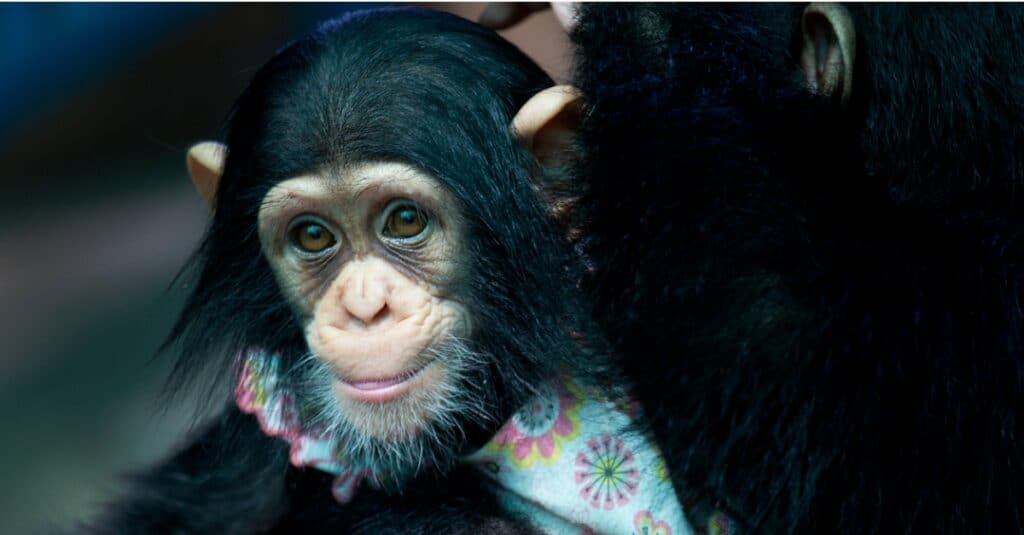
Chimpanzee care can cost up to ,000 per year.
©iStock.com/Suthat_Chaitaweesap
You’ll also need special care guides for the species, legal paperwork in many cases, and access to a specialty veterinarian that can handle exotic pet examinations. In short, the total costs for a monkey can easily reach over $20,000, and that number will climb a great deal if you opt for a rare or large species. This pet could be a $75,000+ upfront investment with tens of thousands of dollars in yearly costs.
Just to recap, the costs of owning a monkey may include but are not limited to:
- Permits or licenses
- Special diets
- Special enclosures
- Specific temperature ranges in their enclosure
- Large climbing areas
- Toys and other enrichment items
- Initial veterinary examinations and ongoing checkups
- Hygiene products
- Training for the monkey and owner
These are non-negotiables. If you plan to own a monkey as a pet, then you must prepare for each of these costs.
Can I Legally Own a Monkey as a Pet?
Monkeys are legal to own in roughly 18 states in the U.S., but some countries have an outright ban on the practice, while others, like the UK, are moving toward a ban. Even the states that do not have an outright ban on owning pet monkeys might have a partial ban, though. Some limit the types of pet monkeys that a person can own, and others require the potential owner to volunteer with monkeys and pass a test to own them.
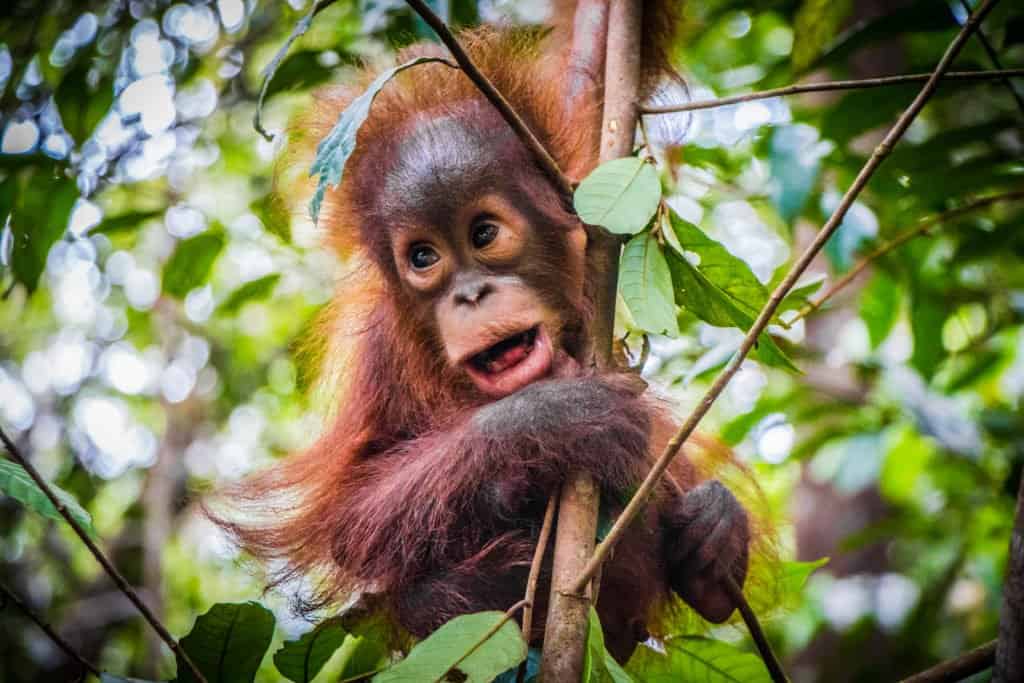
Owning an orangutan is illegal.
©Alex East/Shutterstock.com
The short answer to this question is that you can own a monkey as a pet in many places, but even then, not all monkey species are legal to own. For example, Indonesia has banned the trade of orangutans around the world to protect the species. Other species of monkeys are recognized as being too dangerous to own, like chimpanzees, which can easily overpower a human owner. You have to be aware of local and international laws before obtaining a monkey to live as your pet.
Which Monkey Species Do People Keep as Pets?
Generally speaking, there are nine common monkey species that people keep as pets. To be clear, the legality of owning these monkeys is dubious in some cases because of international rules on exotic pet trading and ownership.
For example, some monkeys are illegal to trade, but they may skirt the rules because they were bred in captivity before the relevant laws went into effect. Owning an illegal pet is asking for trouble and contributes to the ongoing decline of these animals worldwide. Here are the nine monkey species that people keep as pets around the world.
1. Tarsier
The tarsier is a very small primate that weighs as little as 2.8 ounces and grows just about 3.6 to 6.4 inches in body length. They are very appealing because of their large, curious-looking eyes, and the appearance that they are hugging branches rather than hanging from them.
Although some people have kept this endangered monkey as a pet, it’s illegal to trade them these days. The reasons for this ban are numerous yet simple. For one thing, these monkeys require a special diet that most people cannot provide. Moreover, they are nocturnal creatures, so they do very little during the day, and that makes people discard them as pets because they’re not “interesting.”
Tarsiers are very cute animals, but they’re highly dependent upon humans when kept as pets, so it’s a bad idea to keep one. Tarsiers can live up to 24 years in the wild but typically survive only 2 to 17 years in captivity. While it is still a serious time investment, keeping this animal as a pet shortens its life.
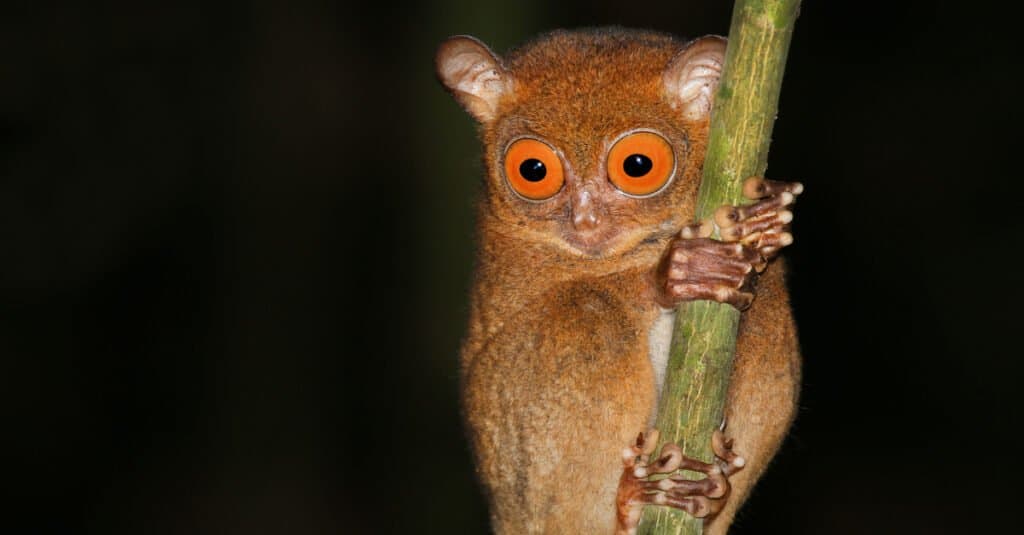
Tarsiers are small primates with eyes bigger than their brain.
©Ryan M. Bolton/Shutterstock.com
2. Tamarin
Tamarins are a bit larger than the tarsier, reaching 5 to 13 inches in length and weights of 12-24 ounces. They are a very popular choice for pets because they are clean animals that will not use their entire enclosure as a bathroom, preferring to use a single corner.
They are highly intelligent creatures that do not have as many unique dietary demands, so they make for better pets than a lot of the others on this list. They’re not strong enough to harm a human being, but they are noisy and tend to be destructive when bored.
It’s important to remember that these are social creatures, so keeping a single monkey as a pet would be depriving them of their basic drive to interact with others. Tamarins can live up to 15 years in the wild and over 20 years in captivity, meaning they can outlast even a long-lived dog breed.
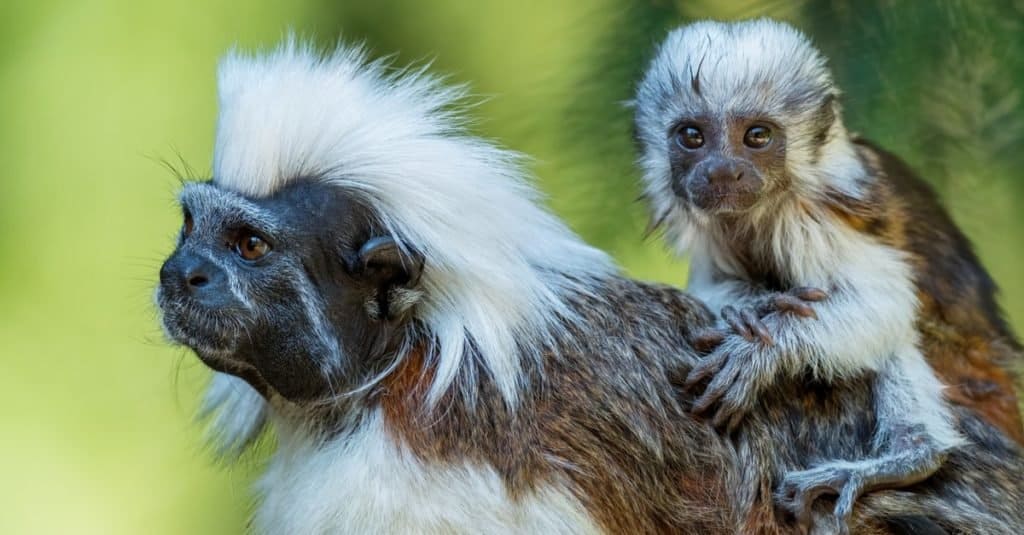
Tamarins are known for being cleaner than the average monkey.
©David Havel/Shutterstock.com
3. Chimpanzee
Chimpanzees are not actually monkeys; they are great apes. Yet, they are animals that people often wish to keep as pets. They are probably one of the most dangerous primates that someone could keep as a pet. Chimpanzees typically weigh between 88 and 132 pounds, can stand up to 4 to 5.5 feet tall, and are incredibly powerful compared to human beings.
They are highly territorial and may take normal human behaviors as insults. Several cases of chimpanzee attacks have been recorded over the years, with a few of them coming from pet chimps. They will savagely attack those that they feel have wronged them, and humans are powerless to stop an aggressive chimp. As we mentioned before, Michael Jackson owned a chimpanzee named Bubbles that he treated more like a child. That was an extraordinary case and far from the reality that normally comes with owning a chimpanzee.
Aside from the outright danger of owning one of these pets, we must also consider that they have a lifespan of around 30–35 years in captivity, though some individuals have been known to live well beyond 60. You’d need someone to agree to care for the monkey, as it’s likely to outlive you. Chimpanzees are probably the worst pets that you could own, even if you somehow managed to get permission to own one.
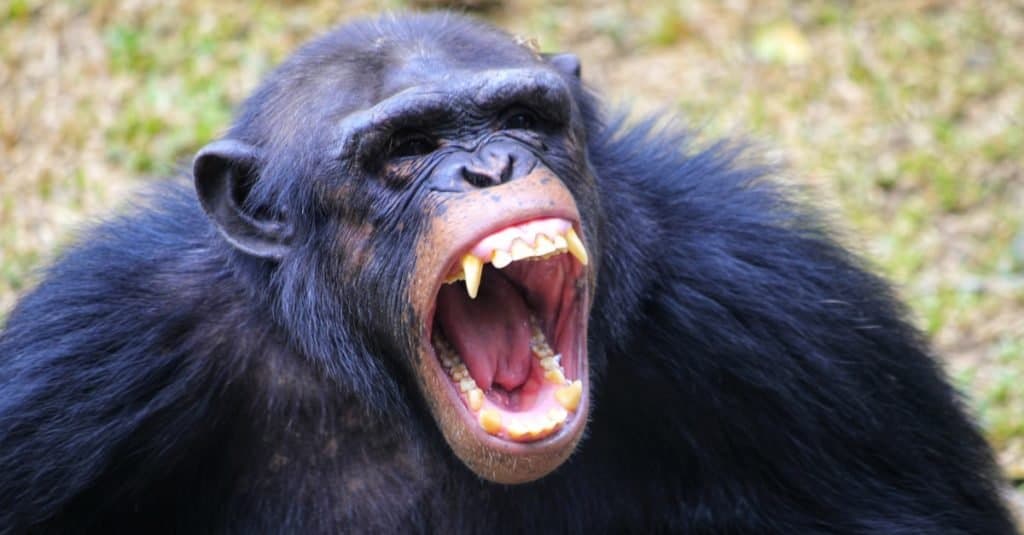
A chimpanzee might be cute when it’s young, but it’s a dangerous, aggressive animal.
©Afandi Teguh Afriyanto/Shutterstock.com
4. Squirrel Monkey
Squirrel monkeys are not nearly as dangerous as chimpanzees, and they are much smaller, growing 9-14 inches tall and weighing just 1.3-2.5 pounds as adults. Like most other primates, they require a lot of attention and care if you want to keep them healthy.
These animals are very intelligent, require a diverse diet, and need constant stimulation and entertainment from their owners. If you fail to provide any of that for them, the experience of owning a squirrel monkey will be miserable for you and for them.
They will screech loudly when they need attention, and they have a habit of throwing their feces when upset. There is also the troublesome behavior where they spread urine on their hands and feet to leave a scent trail, and that can be a potent smell in your home. Although it may be tempting to keep one as a pet, they’re very messy.
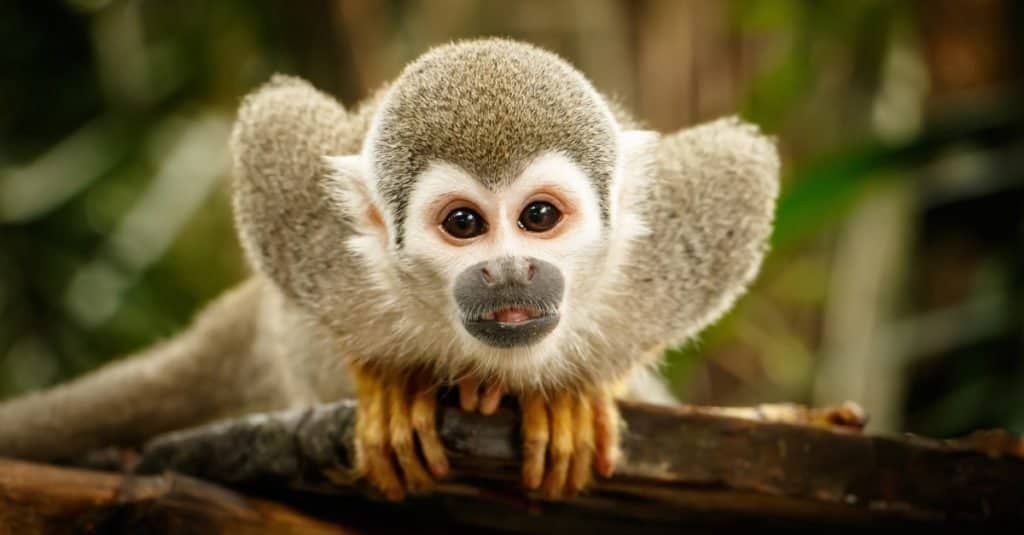
The squirrel monkey is one of the smallest and most curious monkey species.
©Ludmila Ruzickova/Shutterstock.com
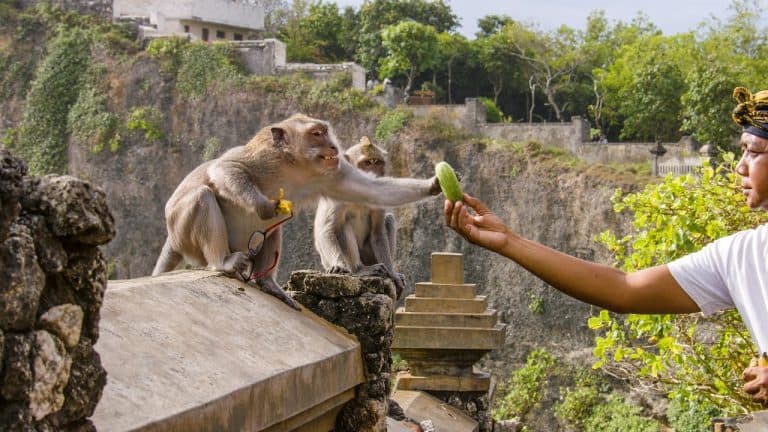
5. Macaque
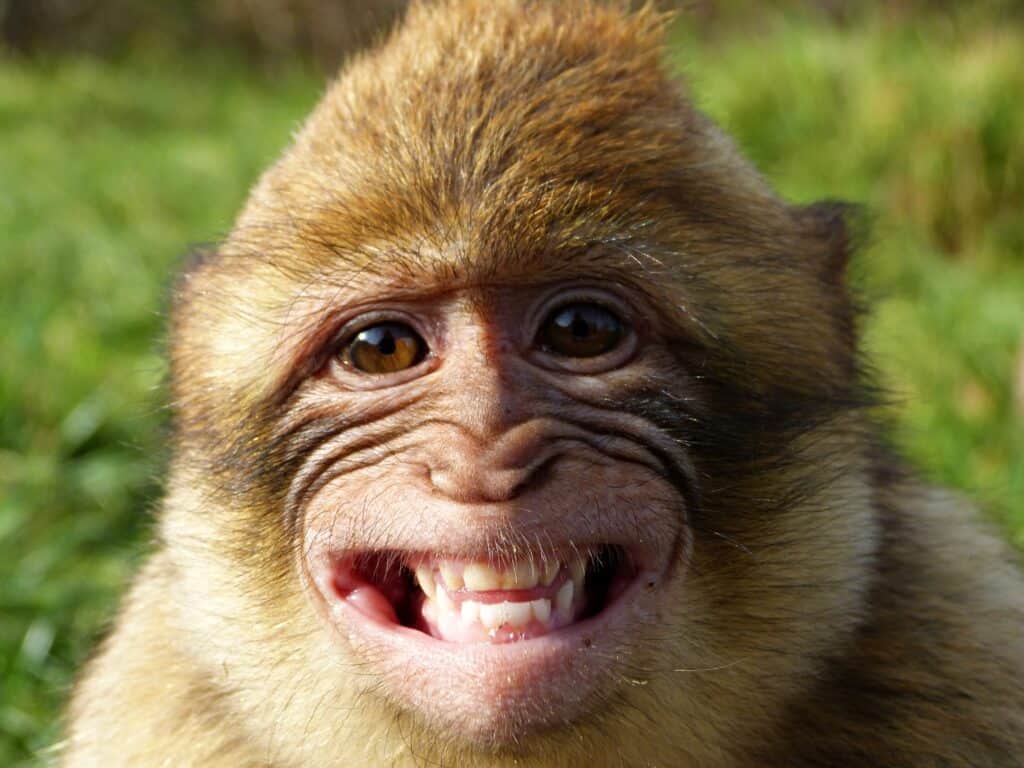
Another interesting monkey that is often kept as a pet is the macaque. They are fascinating animals with faces that somewhat resemble human beings. The expressiveness of the monkey combined with its intelligence makes it very popular as a pet.
Macaques can reach weights of over 30 pounds and grow over 3 feet tall, depending on the species. Needless to say, these monkeys require a lot of space as pets. They often live in large groups with other members of their species, and that can be a problem for a pet owner; the monkey will lack social interactions. These animals are also prone to aggression, and conflict is very common.
Another problem with owning macaques is that they are carriers for some rather severe ailments that humans can catch from them. As high as 80% to 90% of adult macaques have the Herpes B virus. This is just one transmissible disease that humans can catch from them, and many other potential infections are still being studied.
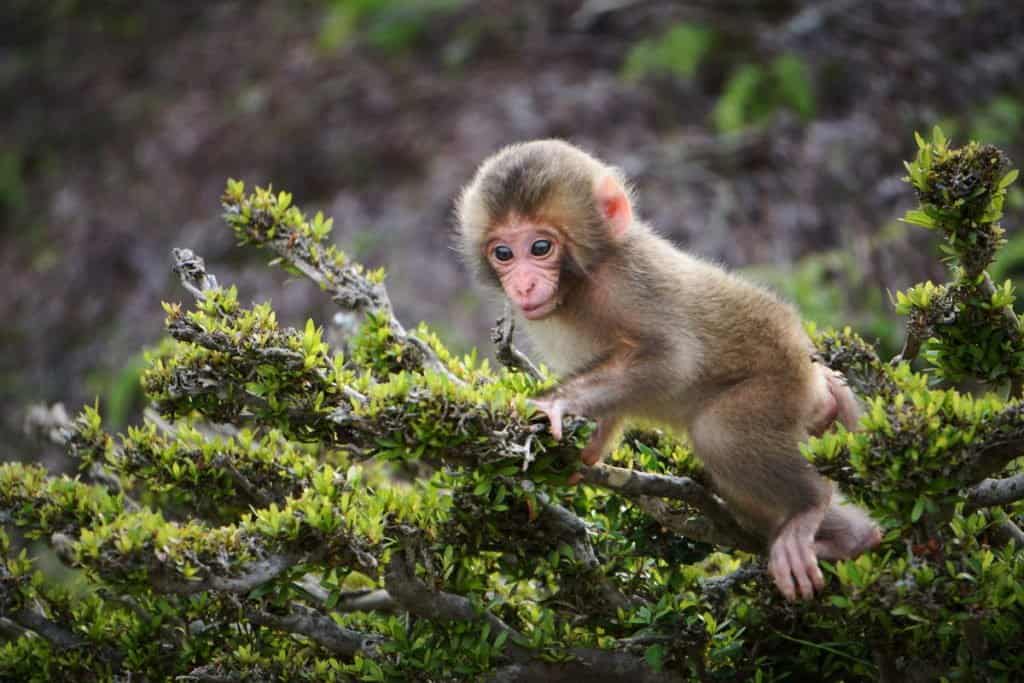
Macaques have a human-like face that makes them expressive and interesting.
©achikochi/Shutterstock.com
6. Capuchin
The capuchin is a highly desired pet monkey, combining high intelligence with a relatively small size and a more accessible diet than others. However, their high strength-to-weight ratio makes them more powerful than their 4-9 pounds and 12-22 inches suggest.
Capuchins are the best monkey pets that people can have, which is seen in their use as support animals for people who have suffered debilitating injuries. Capuchins have been used as service animals, helping people with spinal injuries live a more normal and independent life. They’re smart enough to help with opening drawers and retrieving items while also being strong enough to move human limbs.
That does not mean they’re without challenges as pets, though. They require just as much attention as other monkeys, and capuchins are expensive. Also, they can live up to 45 years in captivity, so they need a care continuance plan in place.
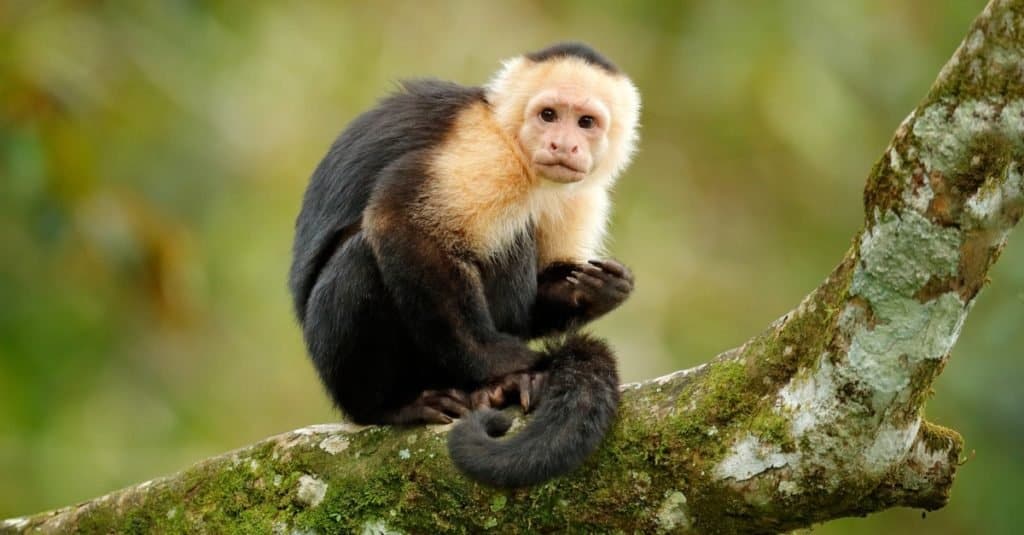
Capuchins are highly intelligent and potentially helpful pets for disabled people.
©Ondrej Prosicky/Shutterstock.com
7. Marmoset
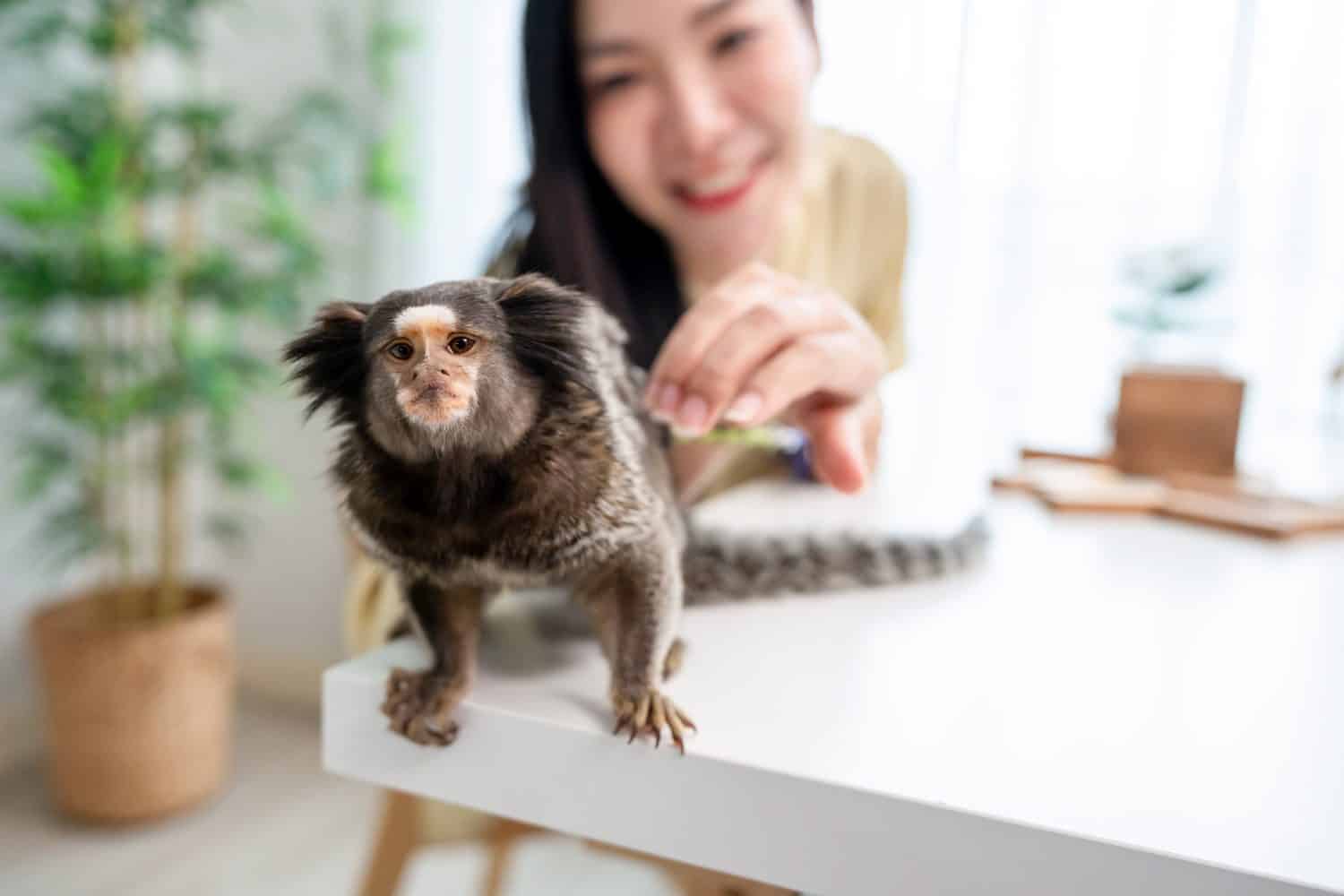
Marmosets are a small species of monkey, with the common version of this animal reaching just 7 inches in length and weighing about 9 ounces. They’re incredibly cute, but they come with the drawback of being very loud when their needs are not being met.
Although you can learn what their calls mean in time, you may have no way of satisfying them because they may be calling other monkeys that are not around to answer them back. A marmoset will need a large, strong enclosure that has many water and climbing features. They can live up to 20 years or more when properly cared for, but that is harder to do than it sounds.
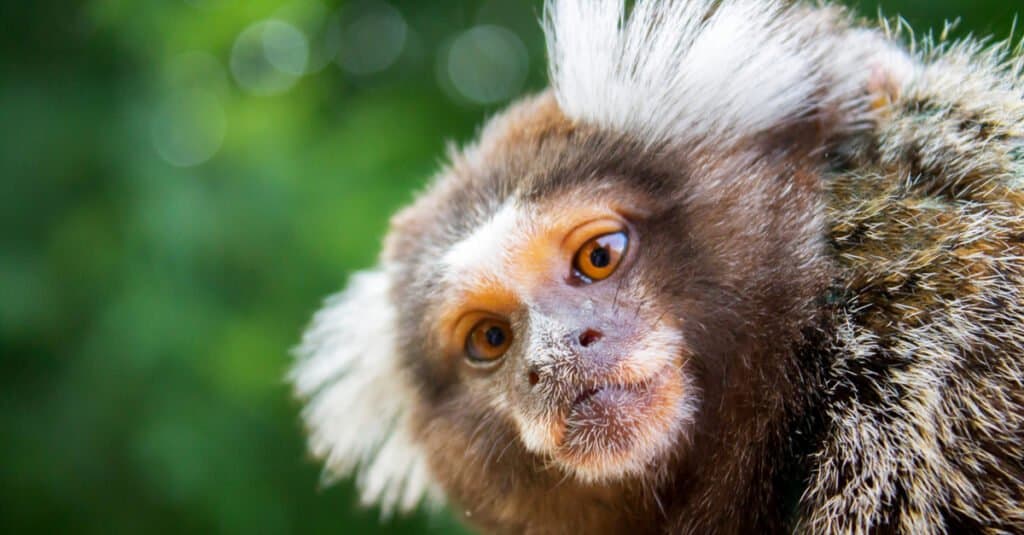
The marmoset is another small species with large, expressive eyes.
©donikz/Shutterstock.com
8. Spider Monkey
Although their name makes them sound small, spider monkeys can weigh almost 30 pounds and grow over 2 feet long. If they are kept as pets, they need a huge enclosure in which to live.
Their diets aren’t hard to provide, at least. They prefer fleshy fruits. Their demeanor is troubling, though. A spider monkey can appear tame when young and then grow more aggressive in the future. Although they are small, they can hurt people with their sharp teeth and claws.
These are also highly social creatures, and they live up to 40 years in captivity. So it would be cruel to keep only one spider monkey. Nevertheless, they are one of the most popular monkey species kept as pets.
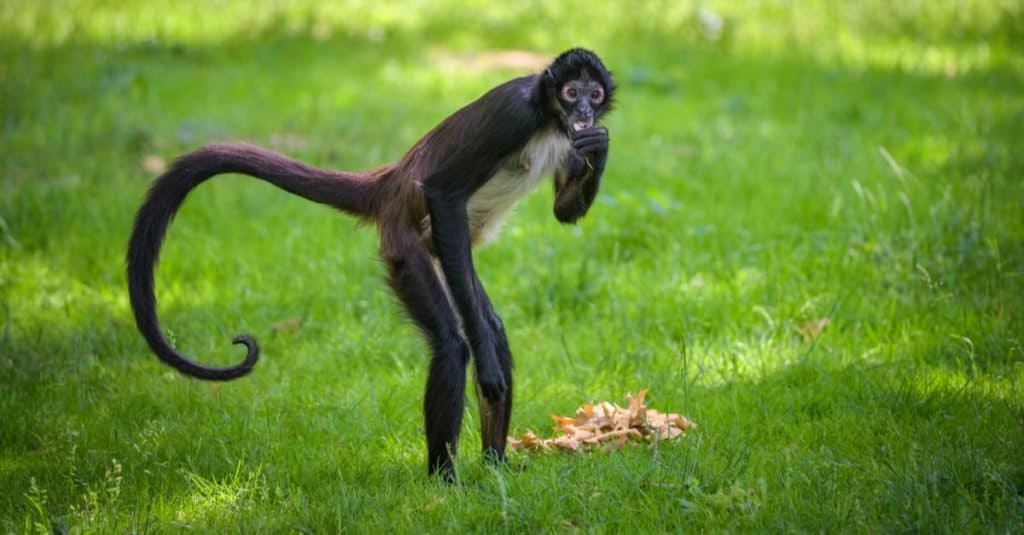
Spider monkeys are highly social.
©Nick Fox/Shutterstock.com
9. Guenon
The guenon monkey is a common sight in zoos around the world due to its ability to become relatively tame. They can reach weights of 15 pounds and reach 22 inches in height, so they’re sizeable animals that can cause harm to a human if they become aggressive.
They are very loud animals that frequently call others throughout the day, so they’re likely to make a significant amount of noise. Also, they can live upwards of 16 years, becoming more aggressive in the years following their sexual maturity.
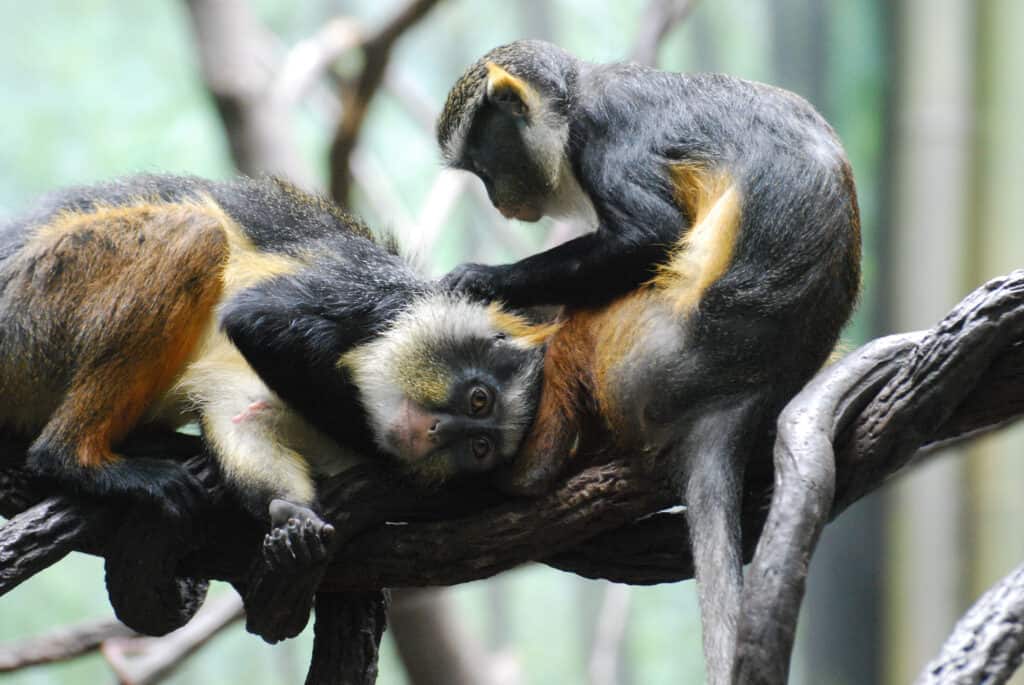
Guenon monkeys are common in zoos.
©iStock.com/DejaVu Designs
Should I Keep Any Monkey Species as a Pet?
Monkeys do not make good pets in the vast majority of cases. As we’ve shown here, monkeys can transmit diseases to people or brutally attack them. They are wild animals with diverse needs that are hard to satisfy.
Even if we ignore the potential health implications and outright danger, we also have to consider the intelligence of these animals. Is it right to keep a creature this smart as a pet? That’s a moral dilemma that humans are exploring more frequently these days.
Of course, some of the tamer monkeys are not just pets, they also serve as caretakers. Those animals can improve the quality of life for injured humans. In that case, it might be justifiable to keep a monkey as a pet. Otherwise, leave these animals in the wild.
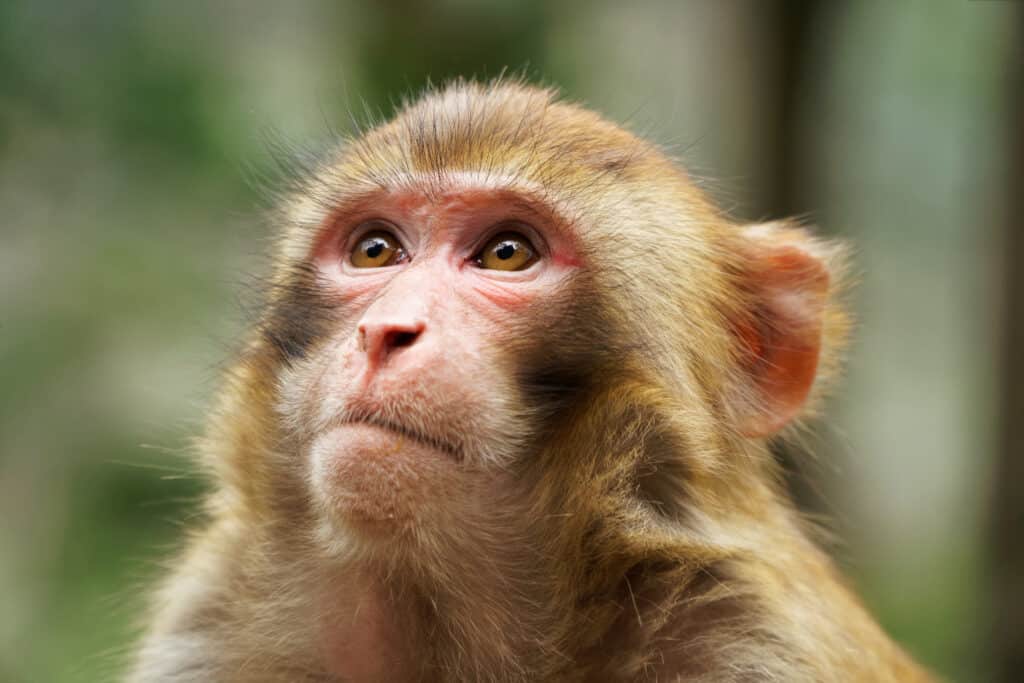
Nearly all monkeys kept in captivity do not make good pets.
©Blueton/Shutterstock.com