


M
Species Profile

Mountain Cur

Canis lupus familiaris

Appalachian grit. All-day get-it-done.
Villiers Steyn/Shutterstock.com

Mountain Cur Distribution

Click a location to explore more animals from that region

Origin Location

This map shows the native origin of the Mountain Cur. As a domesticated species, they are now found worldwide.

Loading map...

Size Comparison

Human 5'8"
Mountain Cur 1 ft 9 in

Mountain Cur stands at 31% of average human height.

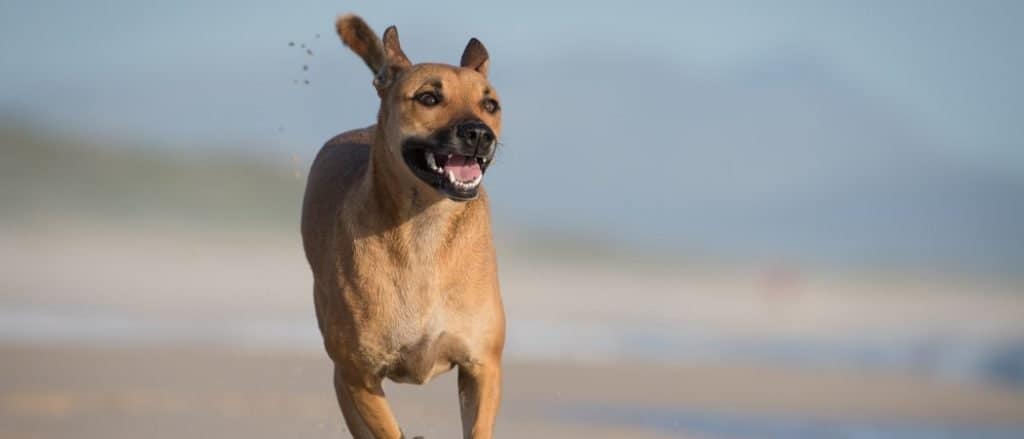
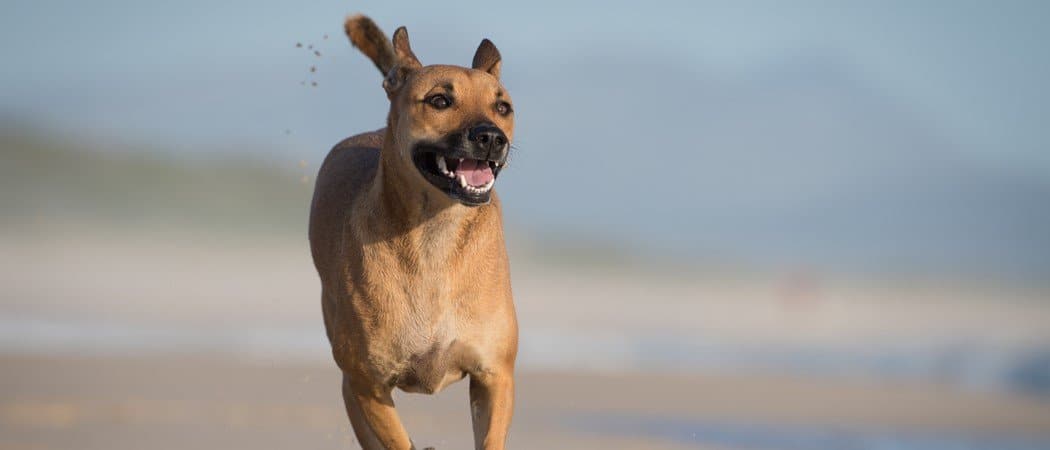
Mountain Cur running on beach

At a Glance

Domesticated
Diet Omnivore
Activity Diurnal+
Lifespan 7 years
Weight 27 lbs
Status Not Evaluated
Did You Know?

"Cur" historically meant a practical working farm dog type; Mountain Curs were valued for ability over looks.

Scientific Classification

The Mountain Cur is an American cur-type dog developed in the Appalachian region of the United States, historically valued as an all-purpose farm and hunting dog. It is especially associated with treeing and baying game (e.g., squirrels and raccoons) and with guarding and general utility work.

Kingdom
Animalia
Phylum
Chordata
Class
Mammalia
Order
Carnivora
Family
Canidae
Genus
Canis
Species
Canis lupus

Distinguishing Features

  • Cur-type working dog: athletic, rugged, and versatile (hunting, guarding, farm utility)
  • Short, dense coat; common colors include brindle, yellow, black, brown, and buckskin; may have white markings
  • Medium to medium-large, muscular build suited for endurance and rough terrain
  • Often described as alert and protective; strong prey drive and treeing/baying behavior in hunting lines

Physical Measurements

Males and females differ in size

Height
♂ 1 ft 10 in (1 ft 6 in – 2 ft 2 in)
♀ 1 ft 8 in (1 ft 4 in – 1 ft 11 in)
Length
♂ 2 ft 10 in (1 ft 12 in – 3 ft 5 in)
♀ 2 ft 8 in (2 ft 4 in – 3 ft 1 in)
Weight
♂ 51 lbs (40 lbs – 60 lbs)
♀ 40 lbs (31 lbs – 51 lbs)
Tail Length
♂ 10 in (2 in – 1 ft 2 in)
♀ 8 in (2 in – 12 in)
Top Speed
28 mph
running

Appearance

Primary Colors
Secondary Colors
Skin Type Typical domestic dog skin with good pigmentation under a short, dense, weather-resistant coat; moderate seasonal shedding.
Distinctive Features
  • Domestic dog breed: compact, muscular cur-type built for Appalachian farm utility and hunting.
  • Distinguished from wild canids by variable coat colors/patterns, human-directed working roles, and selective breeding for treeing/baying drive.
  • Athletic, medium-sized, deep-chested body with strong loin and sturdy bone for rough terrain.
  • Short, close coat that resists briars; minimal feathering compared with many sporting breeds.
  • Head moderately broad with strong muzzle; ears typically drop or semi-erect depending on line.
  • Tail may be natural bobtail or full-length; carried level or slightly raised when alert.
  • Temperament: high prey drive, intense treeing/baying focus, very alert and naturally protective/guarding.
  • Care requirement: daily vigorous exercise plus scent/tracking or problem-solving work to prevent frustration behaviors.
  • Care requirement: early socialization and consistent training; can be territorial and wary of strangers without guidance.
  • Care requirement: secure fencing and leash reliability due to strong chase and hunting instinct.
  • Care requirement: coat needs occasional brushing; check ears, pads, and skin after brushy hunts.
  • Health concerns: hip dysplasia risk in active lines; maintain lean condition and joint-friendly conditioning.
  • Health concerns: patellar luxation and minor orthopedic strains from jumping/climbing; warm-ups and controlled impact help.
  • Health concerns: skin allergies/dermatitis possible; monitor itching and recurrent ear irritation.
  • Working-dog risks: ticks, burrs, and lacerations; routine parasite prevention and first-aid readiness recommended.

Sexual Dimorphism

Males are typically larger and heavier with broader head, neck, and chest musculature. Females are slightly smaller and more refined, often showing a lighter build while retaining strong athleticism.

♂
  • Greater overall mass and chest depth
  • Broader skull and thicker neck
  • More pronounced musculature through shoulders and forequarters
♀
  • Slightly smaller frame and finer head
  • Lighter bone with comparable endurance
  • Often a more streamlined waist and rib outline

Did You Know?

"Cur" historically meant a practical working farm dog type; Mountain Curs were valued for ability over looks.

They're especially known for "treeing" squirrels and raccoons-pushing game up a tree and holding it there with voice and presence.

Mountain Curs were developed in the Appalachian region as all-purpose partners: hunting, property guarding, stock work, and family protection.

Many Mountain Cur lines were kept as local family strains for generations before formal registries worked to preserve them.

They typically have a short, low-maintenance coat suited to brushy woods and variable weather.

A strong "stay-close" working style is common-many hunt within range of the handler compared with wide-ranging hounds.

Their reputation is of being tough and economical to keep: hardy feet, athletic build, and a high work ethic when conditioned properly.

Unique Adaptations

  • Selection for stamina and recovery: built to work long days on rugged Appalachian terrain rather than short bursts.
  • Athletic, muscular body with strong hindquarters for steep climbs, quick turns, and pushing through brush.
  • Short, dense coat that sheds debris and dries quickly after wet woods work; minimal grooming compared with longer-coated breeds.
  • High arousal control under training: bred to stay on task (tree/hold) until the handler arrives.
  • Environmental toughness: generations of practical selection for sound feet, durability, and functional structure.
  • Bold-but-biddable balance: enough confidence for challenging game, yet trainable for farm and family life.

Interesting Behaviors

  • Treeing: driving small game to climb, then "holding" the tree with persistent barking/chopping.
  • Baying and pressure work: using voice and body position to stop or contain game without direct contact when possible.
  • Natural guarding: alert patrolling, quick to notice changes on property, often reserved with strangers but devoted to family.
  • Problem-solving in cover: using wind, ground scent, and terrain to locate game in thick woods.
  • Handler-oriented work: checking back, "hunting to the gun," and adjusting range based on the person's movement.
  • High prey drive play patterns: intense chase, grab, and carry behaviors-needs structured outlets.
  • Vocal variety: many use distinct barks/chops that handlers learn to interpret (trail vs. locate vs. tree).

Cultural Significance

The Mountain Cur (Canis lupus familiaris) is tied to Appalachian rural life, a versatile cur-type dog that hunted squirrels and raccoons, protected homes, and helped on farms. Mid-1900s efforts helped make the breed official and keep it known as a hard-working hunting and farm dog.

Myths & Legends

Appalachian "meat-on-the-table" tales: families told stories of one good Mountain Cur keeping stew pots full through winter by reliably treeing squirrels when other game was scarce.

Frontier homestead anecdotes: local lore describes curs that would sound the alarm at night-credited with warning settlers of intruders and predators and becoming as trusted as a lock on the door.

"Tree-and-hold" brag stories: hunters traded campfire accounts of exceptional dogs that could locate fast, stay treed for hours, and "talk" in a way their owners swore they could understand like language.

Name-and-status folklore: in many communities, "cur" shifted from an insult to a badge of practicality-stories emphasize that a true cur proved itself by work, not pedigree papers.

Preservation narrative: oral histories around early breed keepers recount the push to keep old Appalachian cur lines from disappearing as modern hunting styles changed, treating the Mountain Cur as a living piece of regional heritage.

Conservation Status

NE Not Evaluated

Has not yet been evaluated against the criteria.

Population Stable

Life Cycle

Birth 5 pups
Lifespan 7 years

Lifespan

In the Wild
3–12 years
In Captivity
12–16 years

Reproduction

Mating System Polygyny
Social Structure Managed Domestic
Breeding Pattern Serial
Fertilization Managed Selective
Birth Type Internal_fertilization

Mountain Cur breeding is typically human-managed: a selected stud mates a bitch during her estrus via internal fertilization, with little pair-bonding. Popular sires may service multiple females, and females are bred across successive heats with different mates.

Behavior & Ecology

Social Pack Group: 4
Activity Diurnal, Crepuscular, Cathemeral
Diet Omnivore Meat-forward meals (e.g., chicken or beef-based working-dog ration)

Temperament

Breed distinction vs base species: selectively bred for human-directed work, reduced wild pack dependence, high trainability.
HUBS (cur-type working breeds): bold, energetic, handler-focused; variation from soft to very hard-headed lines.
Alert, territorial watchdog tendencies; can be reserved with strangers without careful exposure.
High prey drive and strong treeing/baying instincts; may chase small pets if unmanaged.
Confident, gritty, persistent on scent; may show dog-selective behavior, especially same-sex adults.
Care: needs daily vigorous exercise plus job-like enrichment (tracking, nosework, agility, farm tasks).
Care: early socialization and consistent boundaries reduce reactivity and improve multi-dog tolerance.
Health concerns (breed-typical): hip dysplasia and elbow issues; maintain lean weight and conditioning.
Health concerns: skin allergies/dermatitis and ear infections possible; routine skin/ear checks helpful.
Health concerns: some lines report eye issues; periodic veterinary screening recommended.

Communication

Baying/chopping bark used to signal treed or cornered game.
Sharp alarm barking when detecting strangers or novel stimuli.
Whines and yips to solicit attention, indicate frustration, or anticipate work.
Growls as distance-increasing signals during resource guarding or conflict.
Scent investigation and ground tracking; strong nosework drive guides decisions.
Body blocking, forward posture, and intense stare when guarding property or resources.
Tail carriage and ear set shift rapidly with arousal; useful cues for handlers.
Pawing, nudging, and circling handler to initiate work or request direction.
Scent marking via urine; may increase during adolescence or around new animals.

Habitat

Biomes:
Temperate Forest Temperate Grassland Boreal Forest (Taiga) Tundra Alpine Mediterranean Desert Hot Desert Cold Temperate Rainforest Savanna Tropical Dry Forest Tropical Rainforest Freshwater Wetland Marine +9
Terrain:
Mountainous Hilly Valley Riverine Rocky Plains
Elevation: Up to 16404 ft 3 in

Ecological Role

Human-associated working omnivore; functions primarily as a hunting/utility dog (treeing/baying game, vermin control) rather than a wild predator, with potential mesopredator effects if free-ranging.

Vermin/rodent control around farms and rural homesteads Assists humans in hunting by locating, treeing, and baying target game Guard/alert function that can reduce livestock/poultry losses When responsibly managed, can reduce reliance on poisons for pest control

Diet Details

Other Foods:
Starches and grains Root vegetables Fruits and berries Green vegetables and leafy matter Wild mast and plant scraps

Human Interaction

Domestication Status

Domesticated

Mountain Cur (Canis lupus familiaris): Dogs come from gray wolves. The Mountain Cur was developed in the U.S., Appalachia and the Southern frontier, as a working farm and hunting dog. Bred to tree and bay game (squirrels, raccoons), alert people, and control varmints. Breeders formed the Original Mountain Cur Breeders Association in 1957; United Kennel Club later registered it.

Danger Level

Low
  • Defensive or territorial biting if poorly socialized, mishandled, or allowed to guard without control
  • Higher bite risk around high-arousal situations (rough play, resource guarding) without training/management
  • Accidental injury from strong prey drive (chasing/knocking over) and high energy
  • Potential dog-dog conflict that can indirectly endanger handlers during break-ups

As a Pet

Suitable as Pet

Legality: Generally legal to own as a domestic dog breed across the U.S. and many countries; subject to standard local dog licensing/leash laws and any breed-neutral dangerous-dog ordinances. Rarely targeted by breed-specific bans, but always verify municipal rules and housing/insurance restrictions.

Care Level: Experienced

Purchase Cost: $300 - $1,200
Lifetime Cost: $15,000 - $32,000

Economic Value

Uses:
Working dog (hunting) Farm/utility dog Property alert/guard Companion animal Breeding and training services
Products:
  • hunting assistance (treeing/baying small game)
  • pest and nuisance wildlife deterrence
  • general farm utility and property monitoring
  • professional training/handling services
  • puppy sales from working or registered lines

Relationships

Ecological Equivalents 7

Animals that fill a similar ecological role in their ecosystem

Cur-type American hunting dog Canis lupus familiaris Mountain Cur are rugged, heat-tolerant farm-and-woods dogs that bay and tree game, hunt, guard property, and assist with work. They require lots of exercise and training, secure fencing, and attention to joint, ear, and skin care.
Treeing Walker Coonhound
Treeing Walker Coonhound Canis lupus familiaris Shares a similar working role in the Appalachians and southeastern U.S., used for treeing raccoons and other game. The Treeing Walker Coonhound is more scent-hound–specialized, whereas the Mountain Cur is commonly more multipurpose, serving as a farm guardian/utility dog in addition to hunting.
Plott Hound
Plott Hound Canis lupus familiaris Overlap in rugged-terrain hunting and in baying/holding game. Plott Hounds are often used more routinely on larger game (e.g., boar, bear), while Mountain Curs are more strongly associated with squirrel and raccoon treeing and general farm utility.
Black and Tan Coonhound
Black and Tan Coonhound Canis lupus familiaris Comparable nocturnal raccoon-hunting niche and treeing behavior. Coonhounds are typically more specialized scent trailers than Mountain Curs.
Treeing Feist Canis lupus familiaris Shares small-game treeing (especially squirrels) and quick, agile woodland hunting. Feists are generally smaller, with Mountain Cur often providing more guarding/utility presence.
Catahoula Leopard Dog
Catahoula Leopard Dog Canis lupus familiaris Similar all-purpose working-dog role in the U.S. (stock work, hunting, property utility) and baying behavior. Catahoula Leopard Dogs are more commonly used for hog and cattle work.
German Hunting Terrier Canis lupus familiaris Parallel function as intense, high-drive hunting dogs for small- to medium-sized game. German Hunting Terriers are more compact and often used for earthwork and den hunting, while Mountain Curs are strongly associated with treeing and farm utility.

Quick Take

Mountain Curs are purebred hunting dogs, used for trailing and treeing raccoons, squirrels, and other small game. They may also be used for hunting larger animals, such as wild boar or bears. Mountain curs also make great additions to farms, protecting the land and running off pests. A member of the hound dog group, Mountain curs were originally bred in the mountains of Tennessee and Kentucky to aid frontier families as guard dogs.

Mountain Curs are an active breed, preferring time outdoors. They are very loyal and protective of their family, and tend to become overprotective if not trained properly. Coloration is typically brindle, black, tan, or brown.

An infographic titled MOUNTAIN CUR: The Loyal American Working Dog featuring a brindle dog illustration and detailed charts on its history, temperament, and care needs.
A dog that can take down a wild boar but possesses a stubborn streak to match—mastering this frontier legend requires more than just a casual leash. © A-Z Animals

Owning a Mountain Cur: 3 Pros and Cons

ProsCons
Loyal: These dogs are a very loyal and protective breed.Can become over-protective: Since they are so loyal and protective, it is possible that a Mountain Cur may become overprotective and aggressive towards individuals they feel are a threat to their family.
Intelligent: They are very intelligent, and with the right trainer, can be taught to perform a variety of tasks.Stubborn: These dogs have been known to be stubborn or strong-willed, which can make training challenging at times.
Playful: Mountain Curs can make a good playmate for a child.Not ideal for novice owners: Mountain Curs are best suited for homes with experienced dog owners who will be able to properly train them.

Size and Weight

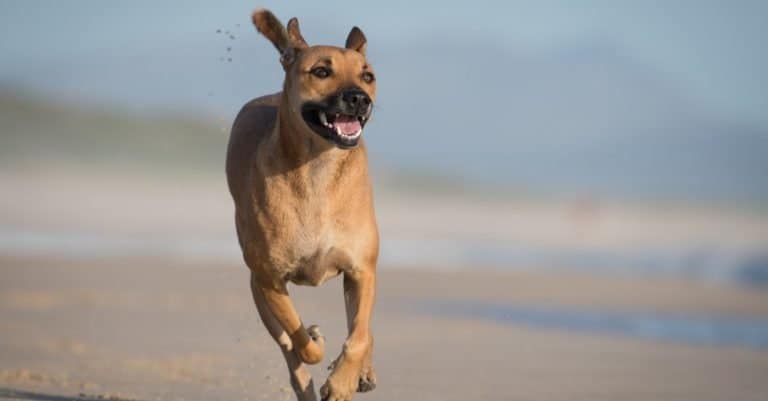
Mountain Cur running on beach

Mountain Cur running on the beach

Mountain Curs are a medium-sized breed. Males and females are typically between 16 and 26 inches tall and weigh between 30 and 60 pounds. Puppies are much smaller but grow rapidly. At the age of six months, some puppies may weigh around 24 pounds, but could nearly triple their weight by the time they are a full-grown adult.

Evolution and Origins

The Mountain Cur canine type had its beginnings in the mountainous regions of Kentucky and Tennessee. During the settlement period, they played a significant role in the lives of the pioneers, aiding them as they established farms in remote, hilly areas of the southern countryside. They performed various functions on farms, such as guarding, hunting, and herding livestock.

These dogs are understood to be a combination of a hunting breed, a terrier, and a Native American canine. Hence, it can be inferred that the three prevalent breeds of that period played a role in their creation.

Furthermore, the Mountain Cur is a breed of working dog that is bred to pursue and track small game, such as raccoons and squirrels, up trees. They are also employed for hunting and chasing larger animals such as wild boars and bears, in addition to serving as versatile farm dogs.

Common Health Issues

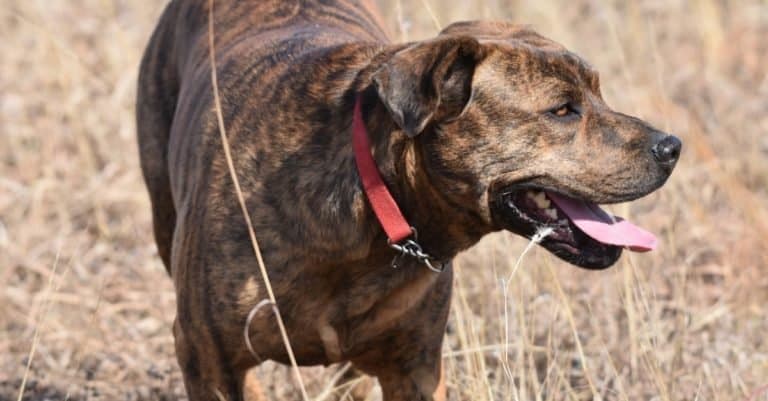
Brindle Mountain Cur standing in a field on a hiking trail.

Brindle Mountain Cur standing in a field on a hiking trail.

Overall, these dogs are healthy. However, there are still a few potential health concerns to be aware of with this breed.

Curs may suffer from skin infections, so it is important to keep their skin clean to reduce the risk of infection. Fish oil supplements, if approved by your veterinarian, can also help to keep skin from getting too dry or itchy. If you suspect that your dog has developed a skin infection, schedule an appointment with the veterinarian as soon as possible.

Hip dysplasia is another potential health concern for these dogs. The disorder occurs when the hip bone doesn’t form correctly, not fitting into the socket properly, leading to pain and mobility issues. Surgery may be necessary for dogs with hip dysplasia.

Finally, since these dogs spend a lot of time outside, they may be more prone to fleas, ticks, heartworms, or other parasites than other dog breeds. Be sure to talk to your veterinarian about preventatives for fleas and ticks, as well as heartworms, to reduce the chances of your dog getting them.

Temperament and Behavior
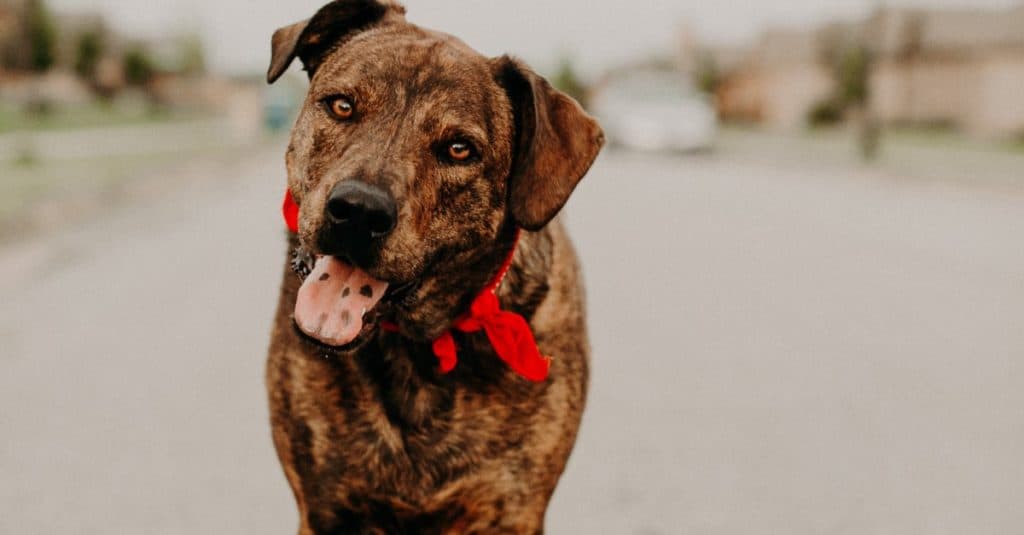
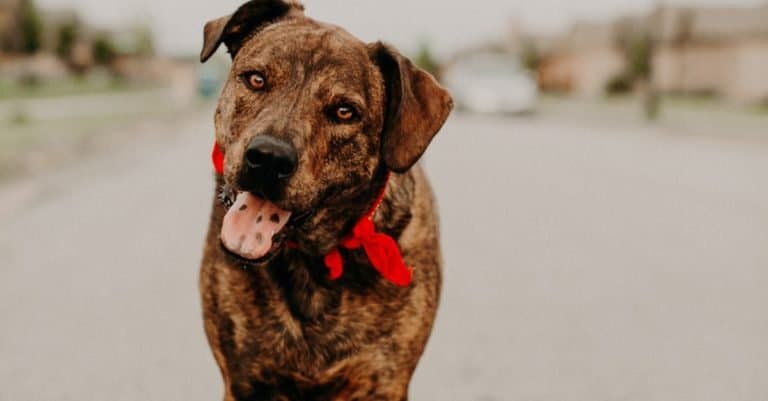
Mountain Cur Brindle Mutt in red bandana

Mountain Cur Brindle Mutt in red bandana.

Overall, Mountain Curs are a wonderful dog breed. They are very intelligent and eager to please their family. This breed is loyal to a fault and at times may become overprotective of the ones that they love, and may exhibit aggressive behaviors towards strangers.

These dogs have pleasant personalities and enjoy being put to work. They can make excellent hunting companions, guard dogs, or farm dogs. As long as they are given the stimulation they need, they can make great family dogs and do very well with children.

How to Take Care of a Mountain Cur
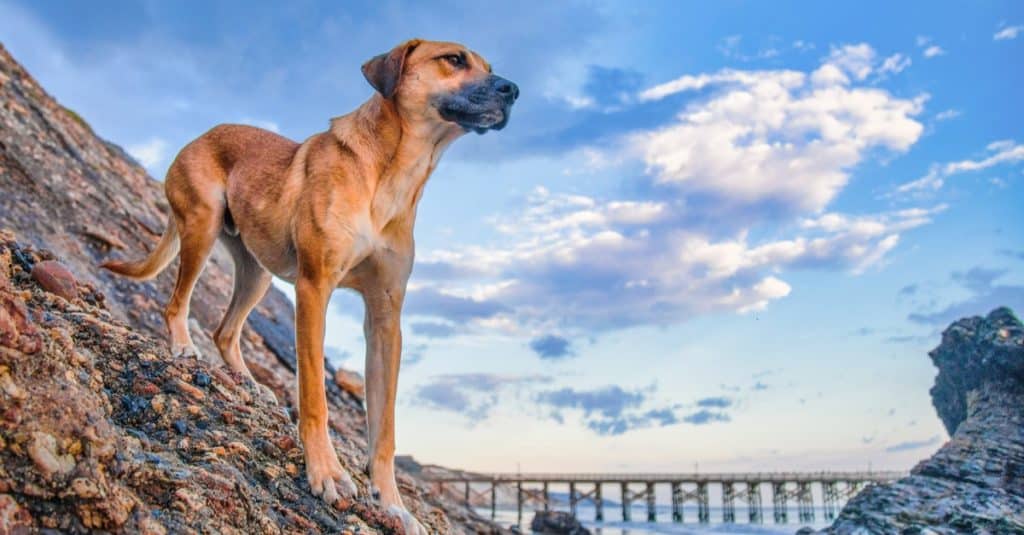
A low angle shot of a beautiful black mountain cur dog on the rocks under the cloudy sky

A low angle shot of a beautiful black mountain cur dog on the rocks under the cloudy sky.

Since each dog breed is unique, it is important to keep personality characteristics in mind when looking for a companion. Considering temperament, activity requirements, nutritional needs, and training will help develop an appropriate plan for owning and raising your dog.

Keep in mind that puppies will require different food and a different feeding schedule than adult dogs. Since the stomach of a puppy is much smaller than an adult’s, they’ll need to be fed smaller, more frequent meals throughout the day. Consult with your veterinarian, but generally, most puppies under the age of 6 months should be fed three to four times a day.

The Best Dog Food

When selecting food for your dog, look for a mix formulated for medium to large-breed dogs. Since these dogs are also a very active breed, you should look for something designed for dogs with increased activity levels.

The amount of food your dog will eat each day may vary. Each bag of dog food is typically labeled with serving sizes based on weight, but it is smart to consult with your veterinarian to find the right amount of food for your dog based on their age, activity level, health concerns, and other factors.

Maintenance and Grooming

Mountain Curs are relatively low-maintenance dogs. They have short hair that should be brushed on occasion to remove any loose or dead hairs. Most of these dog owners find that a shedding blade or rubber curry comb is ideal for grooming their dogs. Generally, they are low-shedding dogs, but they do have two shedding seasons each year. During these times, they will shed more and will require more brushing. While they don’t shed too much regularly, the Mountain Cur is not considered hypoallergenic since they do still shed some.

Keep your dog’s ears clean and free of debris and wax. Their teeth should also be brushed regularly, and their nails should be kept trimmed.

Training

Some of these dogs are relatively easy to train, while others may be more stubborn. Mountain Curs are very intelligent and capable of learning many commands and multitasking. They do best when an owner demonstrates clear leadership. Begin training as soon as possible in order to get the best results.

In addition to training your dog, you will want to begin socializing it from a very young age, especially since Mountain Curs may become overprotective without early socialization. Early socialization will help ensure your dog knows how to interact with people and animals in public, as well as in strange environments or situations.

Exercise

These dogs have a lot of energy and will need to live a very active lifestyle. Making sure this breed gets sufficient physical and mental exercise is important; without it, they may become destructive. Owners should take their dogs for long walks each day and give them plenty of playtime. Remember that this breed also does well when given a job, which can also contribute to their activity needs.

Puppies

Don’t plan to purchase or adopt a puppy unless you will be able to meet their activity needs. Mountain Curs are an active breed that is best suited for an active household where they’ll be able to spend a lot of time outdoors.

Mountain Curs and Children

A Mountain Cur can make an excellent family dog. They enjoy playing with children and can be very loyal and protective of a child. However, since this protective nature can sometimes turn excessive, it is important to make sure your dog is trained well enough to interact with children. It is always a good idea to supervise children when they are around Mountain Curs or other dogs.
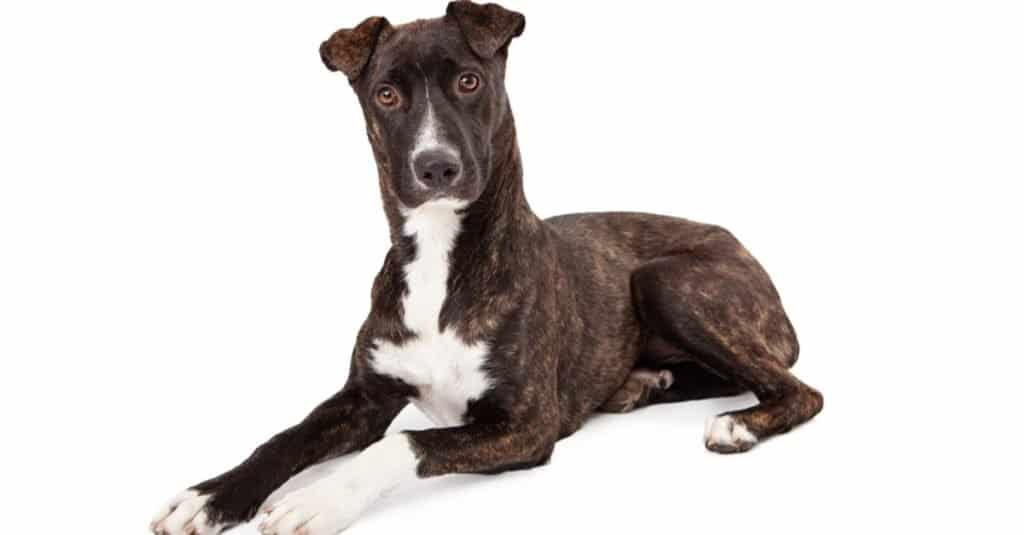
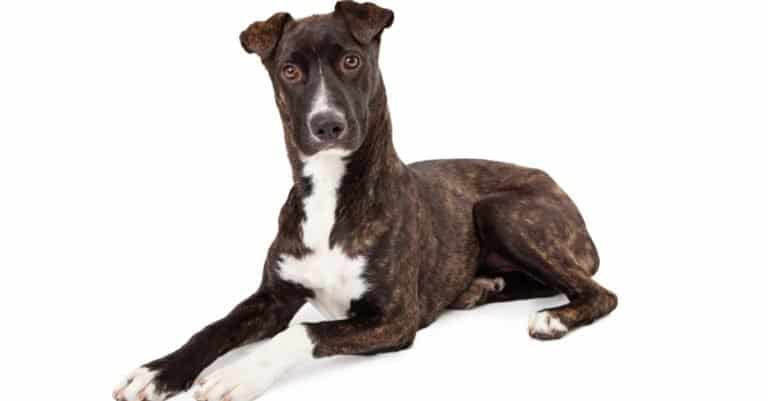
A beautiful Mountain Cur breed dog with a brindle coat laying down

A beautiful brindle Mountain Cur.

Dogs Similar to the Mountain Cur

Carolina Dogs, Labrador Retrievers, and American Coonhounds are three breeds that are similar to these dogs.

  • Carolina Dog: They are high-energy breeds that require a lot of exercise each day. These dogs shed more and are generally smaller than Mountain Curs, with an average weight of 37 pounds compared to the 50-pound average for a male Mountain Cur.
  • Labrador Retriever: Labrador Retrievers and Mountain Curs are both easy to groom. Neither Labrador Retrievers nor Mountain Curs are considered hypoallergenic, but Labrador Retrievers typically shed more. Labrador Retrievers primarily come in three main colors (yellow, chocolate, or black), while a Mountain Cur can be a variety of different colors, including brindle, yellow, brown, blue, cream, black, or white.
  • American Coonhound: American Coonhounds and Mountain Curs are both around the same size; males typically weigh between 40 and 65 pounds. However, American Coonhounds have a higher prey drive and are more likely to wander off.

Famous Mountain Curs

Interested in learning more about this breed and seeing some Mountain Curs in action? Follow one of these ‘famous’ dogs on Instagram:

  • Cooper — lives in Ohio and shares his adventures on Instagram. He has over 300 followers.
  • Chicki — also known as Chiquita Bananas, is an active Mountain Cur with a mutt best friend named Rusty. He has over 200 followers.
  • Riley — lives in New York and likes sharing about all the places he travels with his mom. He has over 200 followers.

View all 329 animals that start with M

Sources

  1. American Kennel Club / Accessed May 31, 2021
  2. Wikipedia / Accessed May 31, 2021
  3. Dog Time / Accessed May 31, 2021
  4. Petfinder / Accessed May 31, 2021
  5. The Spruce Pets / Accessed May 31, 2021
  6. Animalso / Accessed May 31, 2021
  7. Doggie Designer / Accessed May 31, 2021
Austin S.

About the Author

Austin S.

Growing up in rural New England on a small scale farm gave me a lifelong passion for animals. I love learning about new wild animal species, habitats, animal evolutions, dogs, cats, and more. I've always been surrounded by pets and believe the best dog and best cat products are important to keeping our animals happy and healthy. It's my mission to help you learn more about wild animals, and how to care for your pets better with carefully reviewed products.
Connect:

Thank you for reading! Have some feedback for us?


Mountain Cur FAQs (Frequently Asked Questions)

The cost to purchase a Mountain Cur is typically around $400, but it could be as high as $3,000 depending on the breeder you use. Some Mountain Curs may also be available for adoption from a local rescue organization. Adopting a Mountain Cur should be less expensive than purchasing one through a breeder and will likely cost around $200 to $300.

Mountain Curs will also need veterinary care, food, toys, and other supplies. Budget at least $1,000 to $1,500 for the first year you own the dog and $500 to $1,000 for each subsequent year.